


Supply Chain Management Powerpoint Presentation Slides
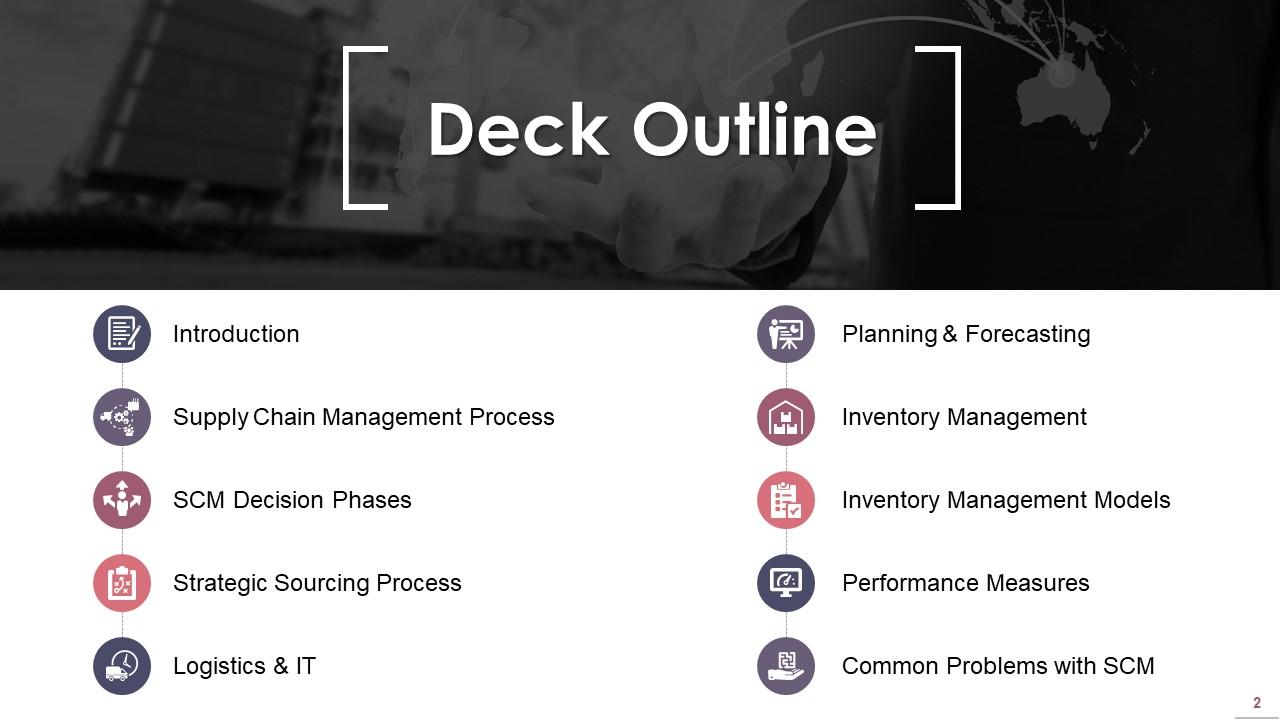
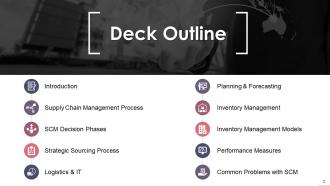
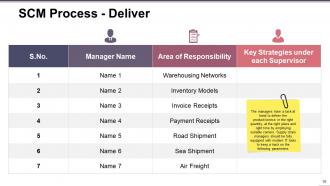
Download our content ready supply chain management PowerPoint presentation to showcase the flow of goods and services to the management and client. This predesigned supply chain analysis PPT presentation comprises 77 slides. The Supply Chain Management presentation covers slide on various relevant subjects such as supply chain management process, SCM decision phases, strategic sourcing process, logistics, and it, planning and forecasting, inventory management, inventory management models, performance measures, and common problems with supply chain management. A team of the researcher has researched the content of the presentation, and top professional graphics designers have converted it into a stunning presentation. Use this SCM PowerPoint PPT to represent the process of design, planning, implementation, control, and monitoring of supply-chain tasks with the goal of preparing net value and constructing a competitive framework. Our presentation designers have used an appealing graphics of table, pie charts, bar graphs, circles, and icons to make this presentation professional and attention-grabbing. Grab this complete presentation on supply chain management and improve the relationship with customers. Throw a line with our Supply Chain Management Powerpoint Presentation Slides. Reel them in slowly to your point of view.


































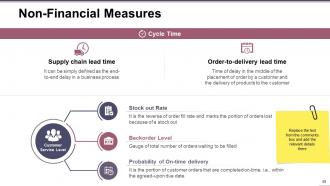
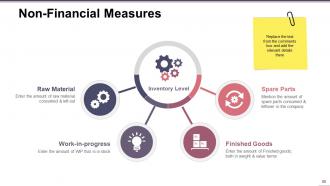
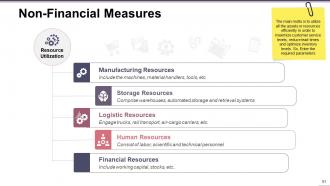
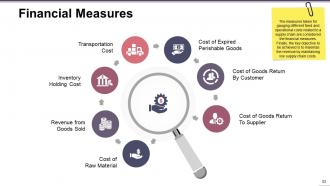










-

- Google Slides is a new FREE Presentation software from Google.
- All our content is 100% compatible with Google Slides.
- Just download our designs, and upload them to Google Slides and they will work automatically.
- Amaze your audience with SlideTeam and Google Slides.
-

Want Changes to This PPT Slide? Check out our Presentation Design Services
-

- WideScreen Aspect ratio is becoming a very popular format. When you download this product, the downloaded ZIP will contain this product in both standard and widescreen format.
-

- Some older products that we have may only be in standard format, but they can easily be converted to widescreen.
- To do this, please open the SlideTeam product in Powerpoint, and go to
- Design ( On the top bar) -> Page Setup -> and select "On-screen Show (16:9)” in the drop down for "Slides Sized for".
- The slide or theme will change to widescreen, and all graphics will adjust automatically. You can similarly convert our content to any other desired screen aspect ratio.
Compatible With Google Slides

Get This In WideScreen
You must be logged in to download this presentation.


Do you want to remove this product from your favourites?
PowerPoint presentation slides
Presenting Supply Chain Management PowerPoint Presentation Slides. This presentation comprises of a total of 77 PowerPoint slides. Each slide includes professional visuals with appropriate information. These templates have been designed keeping the customers need in mind. This complete presentation covers all the design elements such as layout, diagrams, icons, and more. You can easily customize each template graphics. Edit the color, text, symbol, and font size as per your requirement. Easy to download. Compatible with all screen types and monitors. Flexible with Google Slides. Premium customer support is available. Personalize the presentation slides by adding your brand name or logo.

People who downloaded this PowerPoint presentation also viewed the following :
Content of this Powerpoint Presentation
Effective supply chains are the prerequisite for competitive businesses that serve its customers well. Supply Chain Management (SCM) helps ensure products are delivered smoothly and effectively. As an example, look at Apple’s success story. It is well-known for its innovative products and good customer service. The bellwether’s command in the technology market is attributed to its supply chain excellence. By managing suppliers and logistics, Apple ensures that new products are introduced on time, capturing millions of customers all over the globe with each release.
But why is SCM important? The one-line answer is that it helps boost customer satisfaction.
These supply chain processes can be enhanced and implemented well using Slideteam’s Templates. These templates provide structured ways of handling supply, which enable firms to prosper through better market share. So, let us look at some of these SCM Templates that help in promoting business success.
SlideTeam’s 100% editable and customizable templates contain illustrations such as bar graphs, performance metrics, charts, icons, and supply chain networks for clearer understanding.
Let’s explore.
Template 1: Components of the Supply Chain
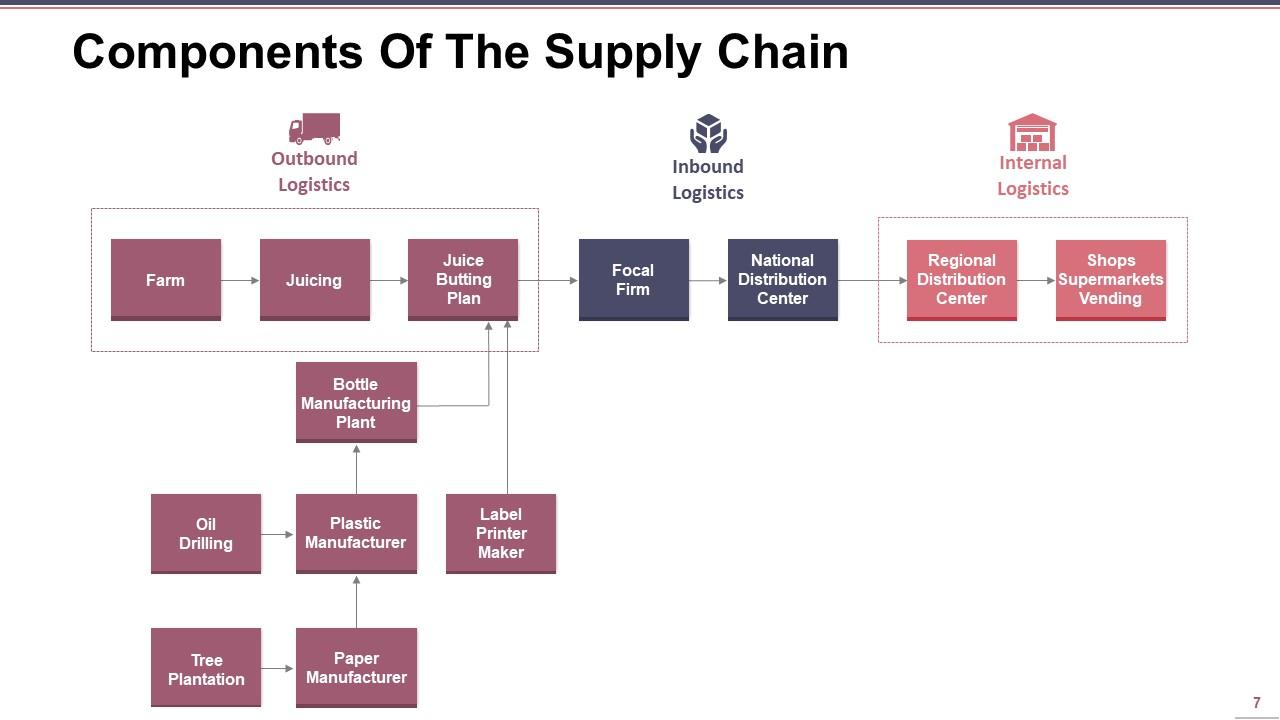
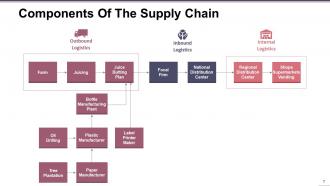
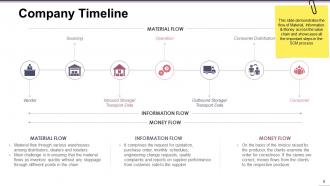
The operations are the system, and the supply chain of a business drives innovation and growth. For this purpose, this template about the Components of the Supply Chain may be useful since it guides you on how to build your business. This template will enable you to depict outbound logistics, such as bottle manufacturing plants and oil drilling; inbound logistics, such as focal firms and national distribution centers; and internal logistics, such as shops and supermarkets. Efficiency can be increased, costs can be minimized, and your company's supply chain can be managed through knowledge of the components that make up your organization. Discover what your business can achieve with an understanding of its complex supply chain processes.
Template 2: SCM Implementation Steps

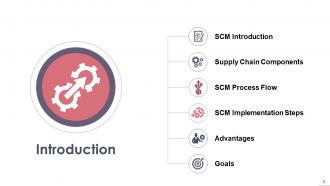
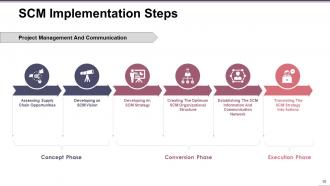
A supply chain management (SCM) implementation template assists your company in evaluating current processes and selecting the right technology for a smooth transition. Efficient SCM can make the difference between stagnation and growth, survival and thriving. Maximizing your supply chain does more than just improve operations; it also unlocks untapped potential, increases customer satisfaction, and, eventually, boosts your bottom line. Use these SCM implementation steps to illustrate different aspects such as concept, conversion, and execution.
Template 3: SCM Goals
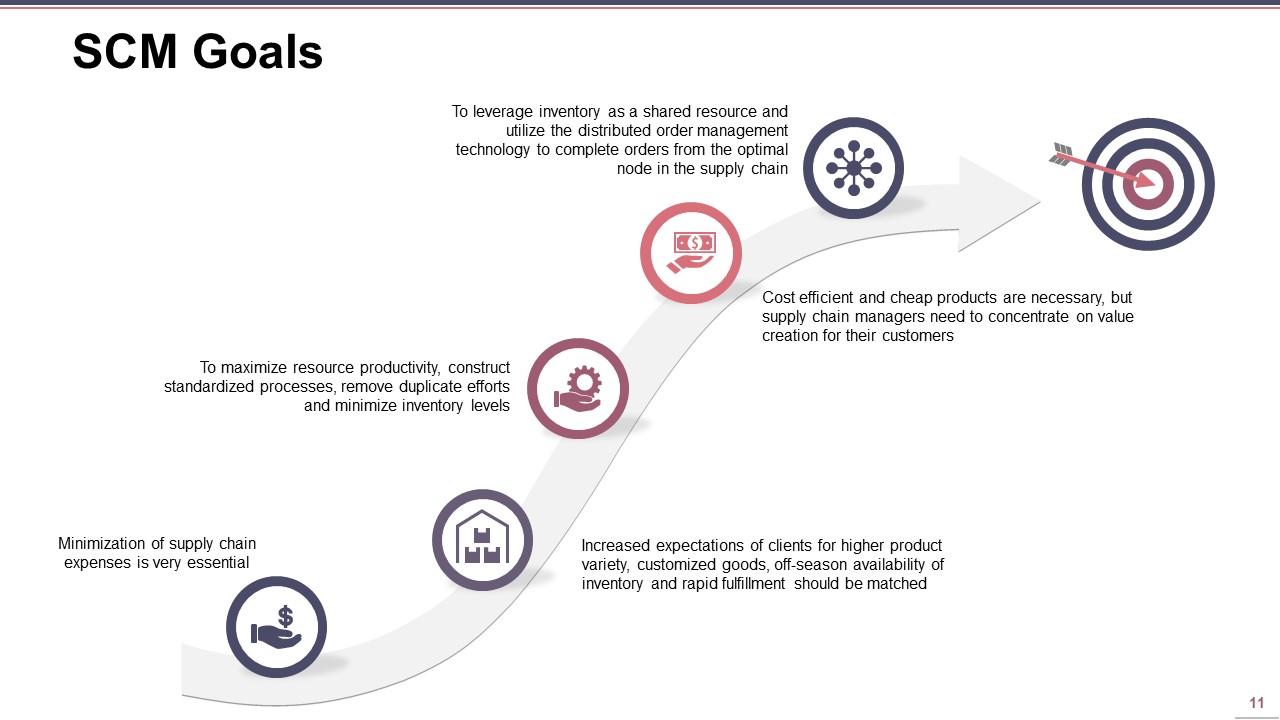
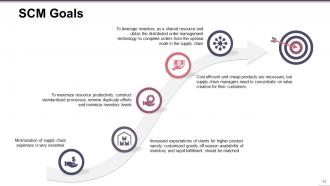
Properly establishing supply chain management (SCM) objectives would be important to contributing to the success of your business. An organized SCM strategy helps your organization overcome barriers with ease, thus ensuring efficient workflow, processes, and happy clients. Every objective within the SCM blueprint plays a role in attaining operational success, from reducing supply chain costs to enhancing supplier relationships. The reason why defining and striving for SCM goals holds such importance is that they keep your business adaptable, competitive, and prepared for further expansion in ever-changing market conditions. Let's transform visions into realities, one strategic SCM goal at a time.
Template 4: Supply Chain Management Process

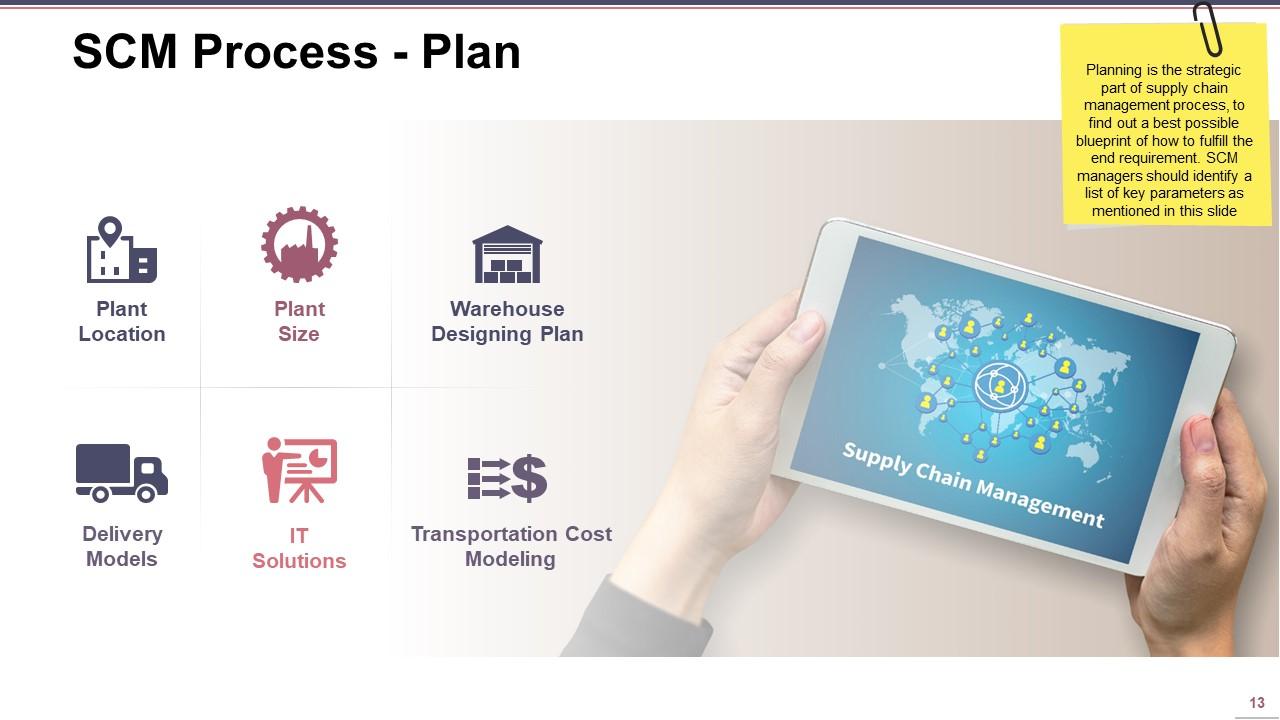
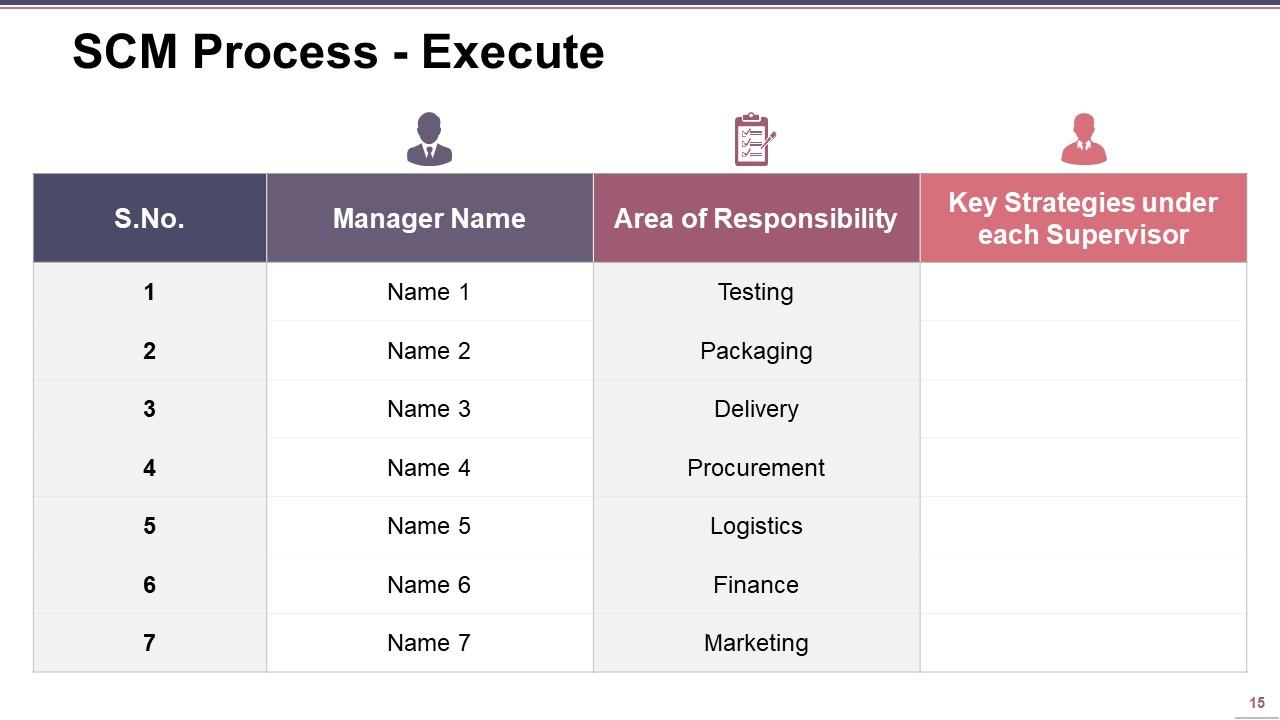
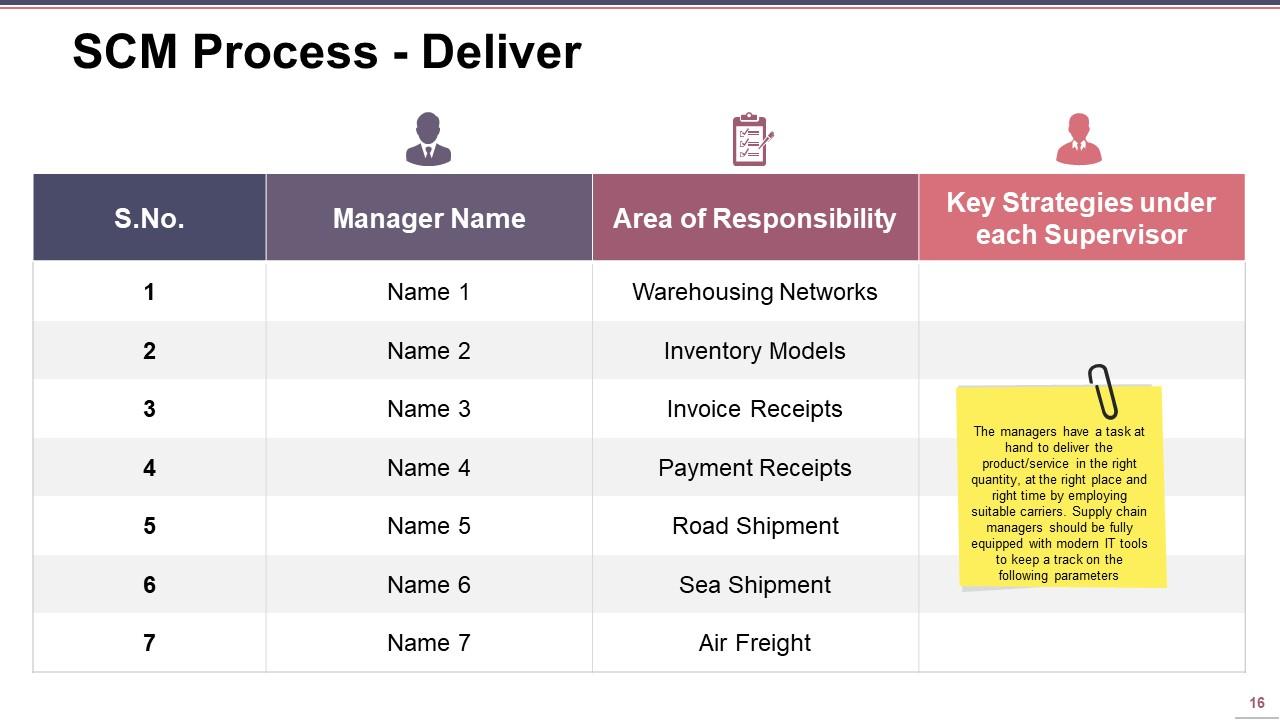
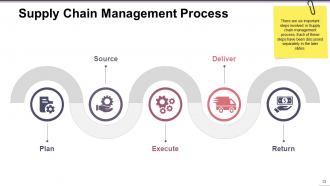
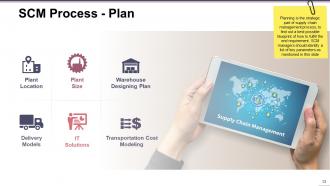
A well-organized and efficient supply chain management (SCM) process is a core pillar of organizational performance. SCM leverages planning, sourcing, execution, delivery, and returns to assure cost control efficiency and maximum satisfaction of customer demands. It is not only about moving products from point A to B but also using data-driven intelligence to help companies anticipate demand in advance, preventing stock shortages and thus reducing risks associated with market fluctuations. SCM assists business organizations in staying competitive and futuristic.
Template 5: Strategic Sourcing Progress
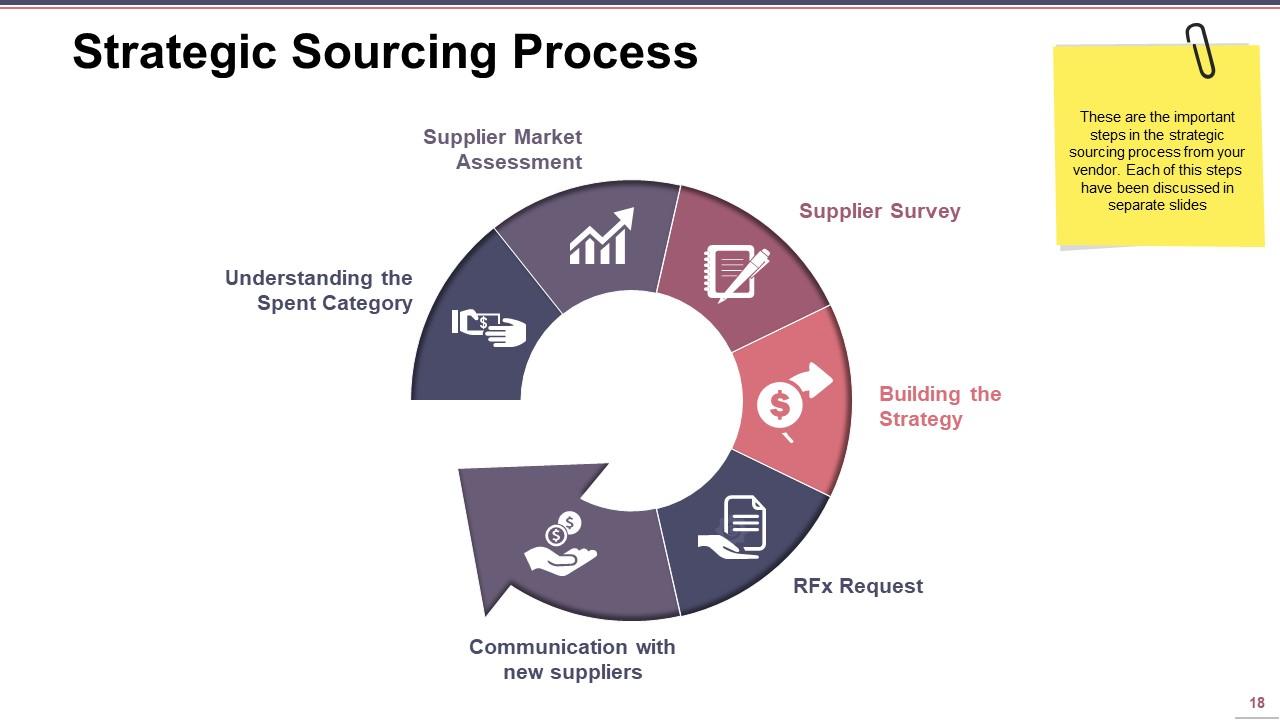
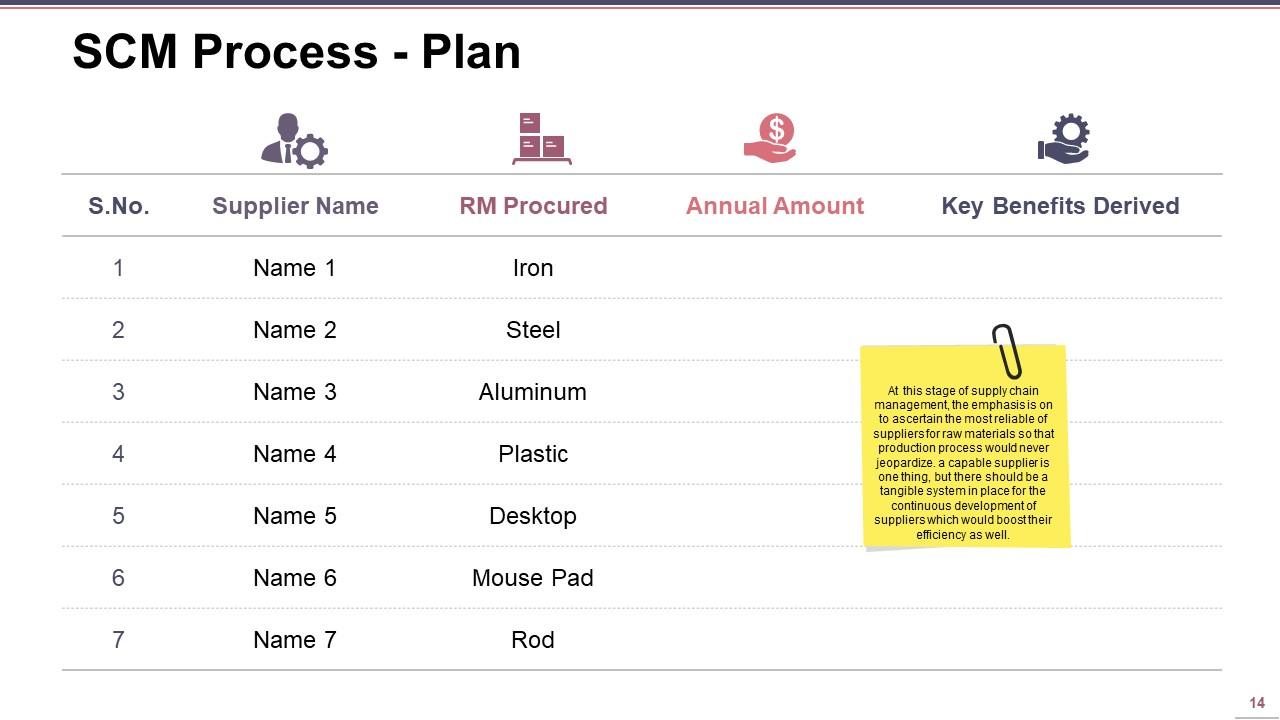
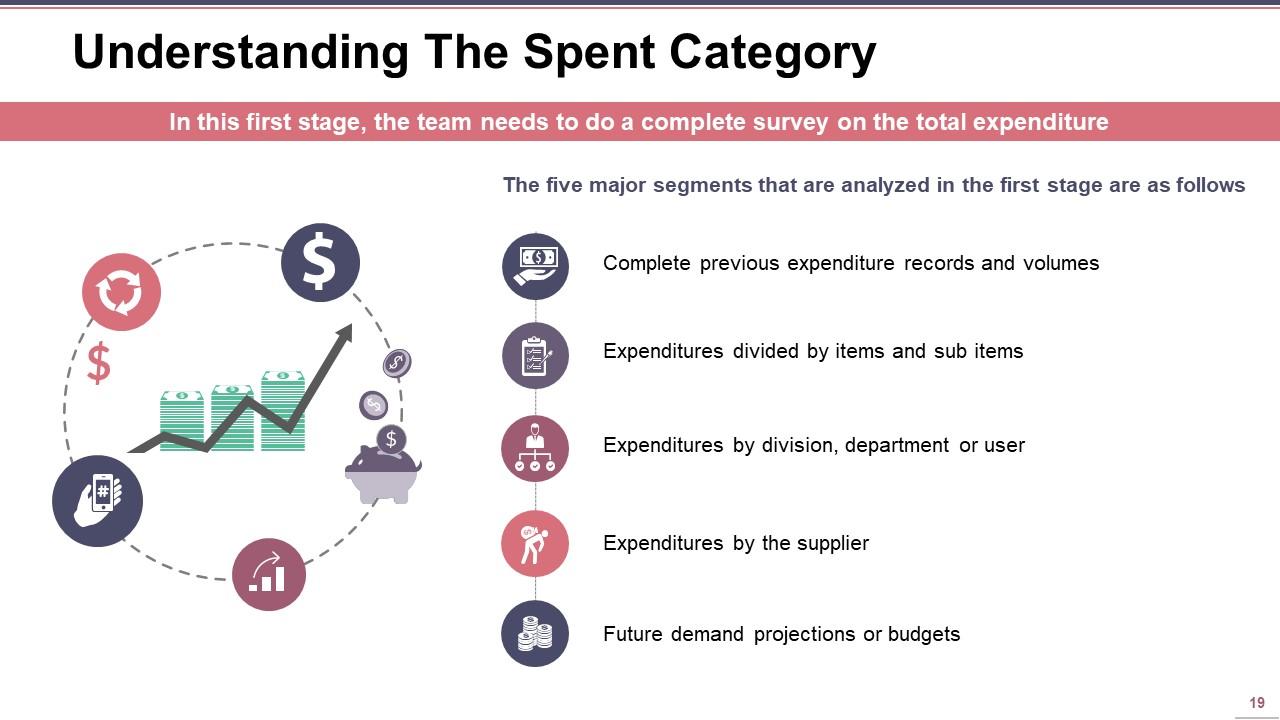
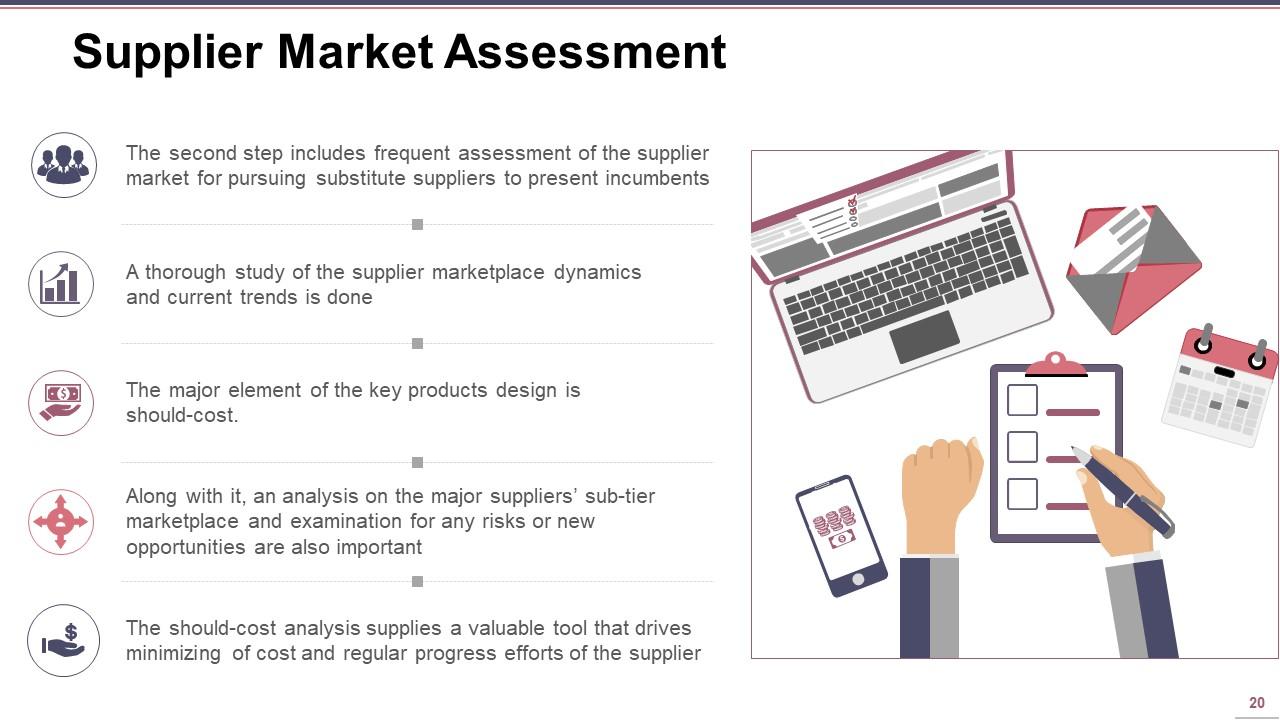
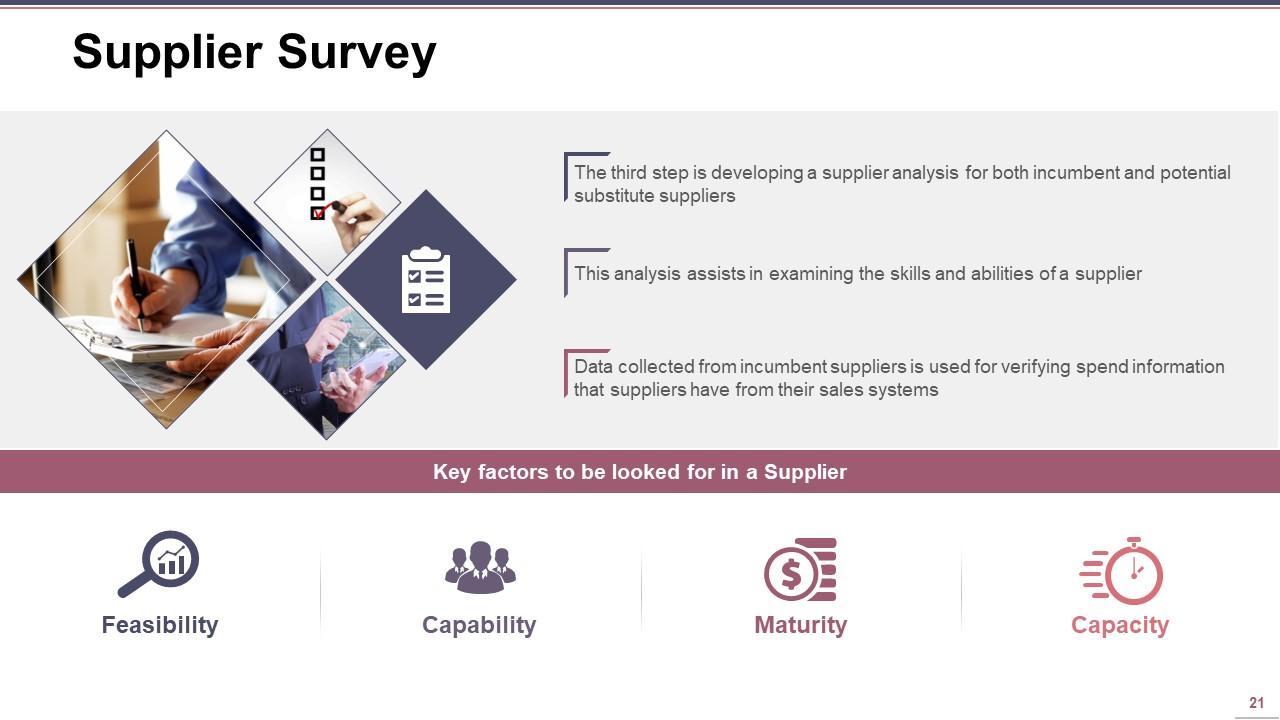
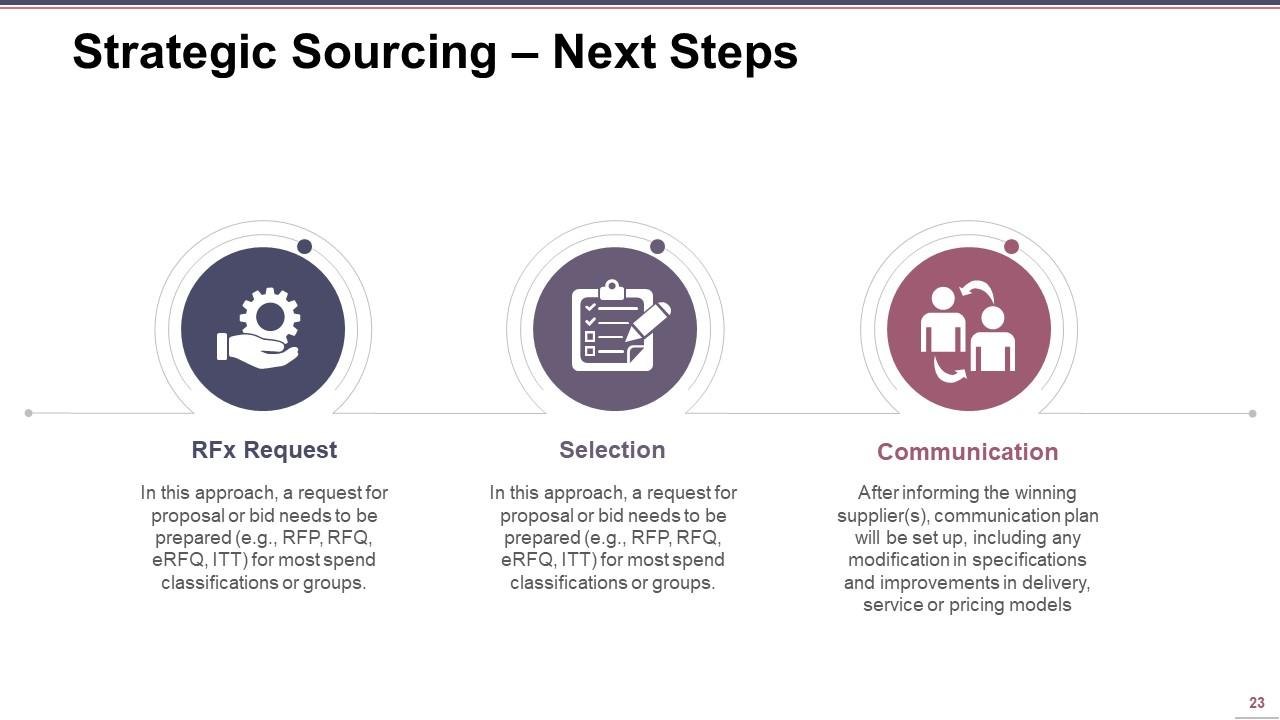
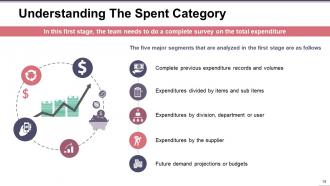
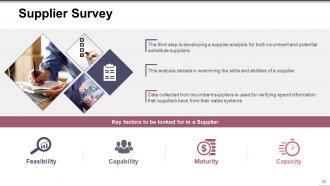
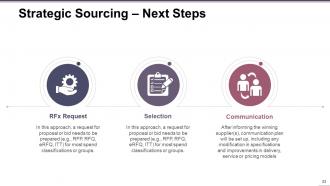
Strategic Sourcing Evolution uses the strength of data analytics to identify opportunities for cost reductions, establishing partnerships with suppliers for dependability. In an environment where financial prudence is important, strategic sourcing goes beyond cost savings—it constitutes a prudent investment for enduring expansion. This template enables you to explore and depict spending categories, evaluate supplier markets, conduct supplier evaluations, develop the sourcing strategy, initiate RFx inquiries, and engage with prospective suppliers.
Template 6: Order Fulfillment Process
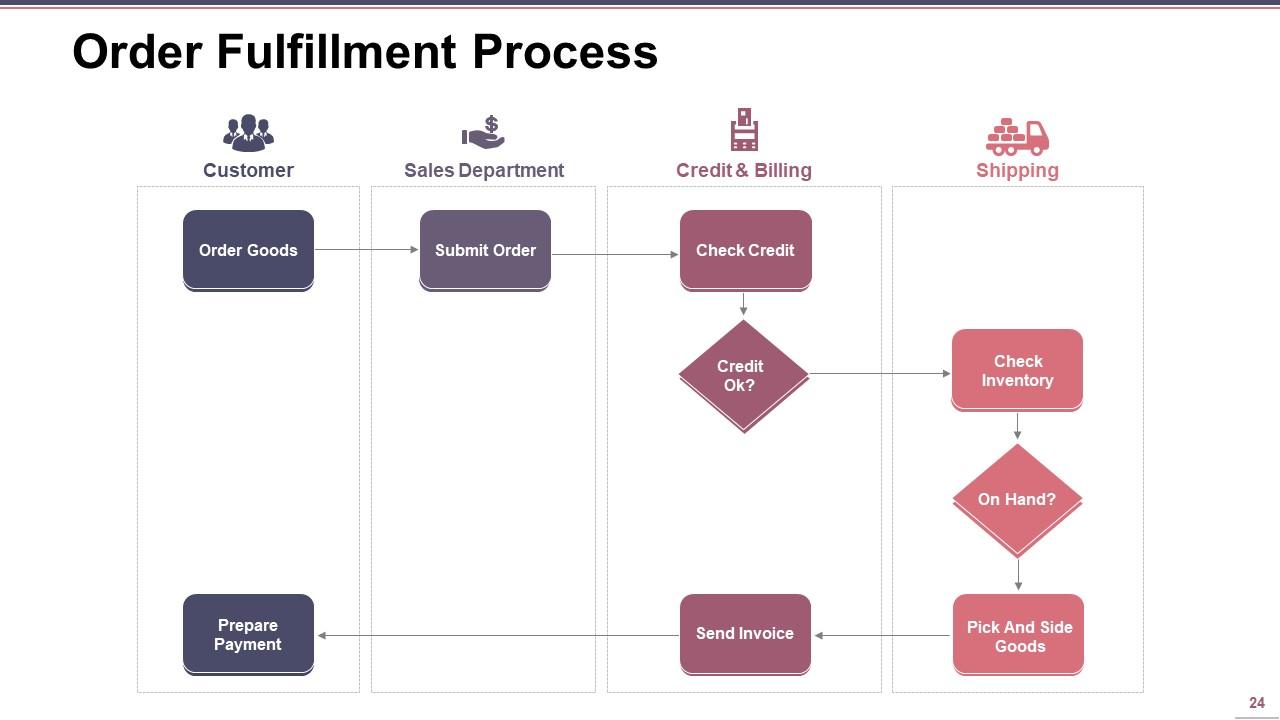
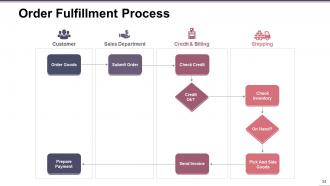
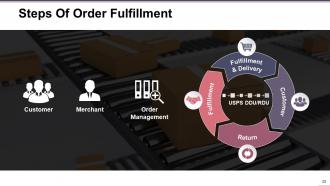
In trade, efficient order fulfillment is important. This template outlines the procedures from order intake to delivery, allowing firms to track operations with accuracy. Simply said, it is the foundation of client loyalty. It is the distinction between a one-time purchase and a devoted consumer. Use this template to illustrate the full process, from ordering products, submitting the order, checking credit and inventory, picking and distributing goods, sending the invoice, and finally, the customer arranging the payment.
Template 7: Information Technology in a Supply Chain: Analytical Applications

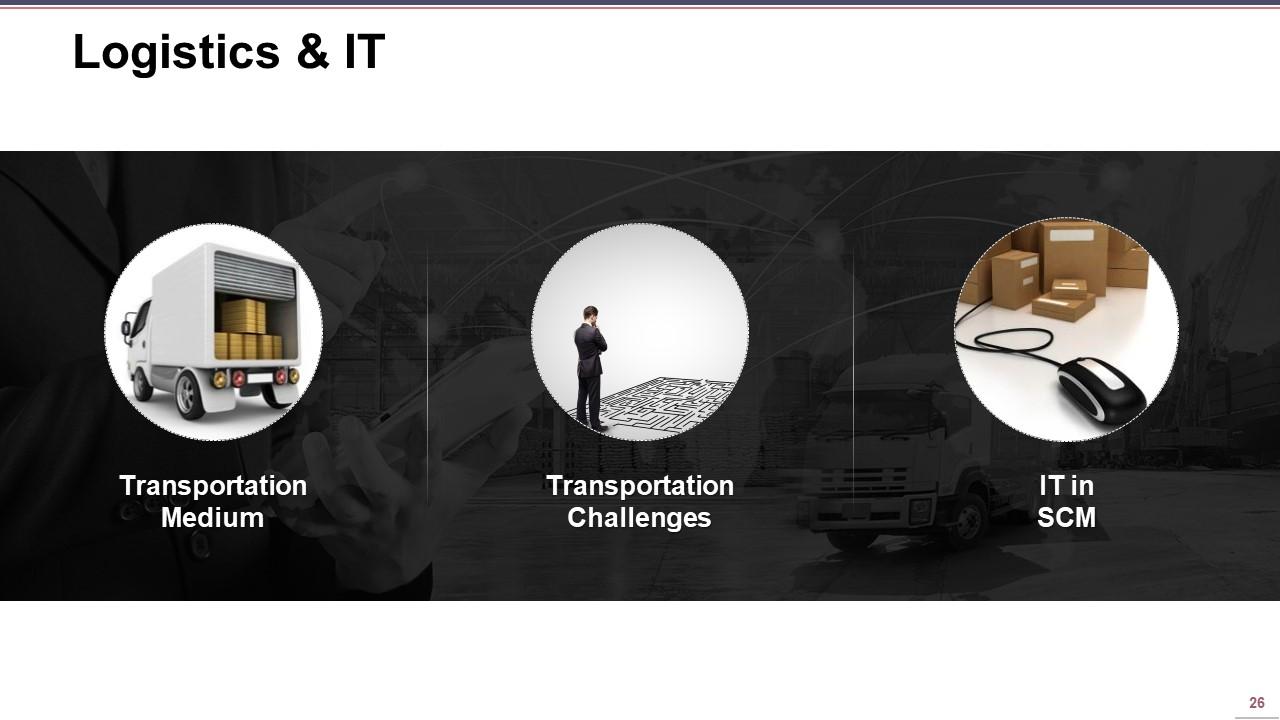
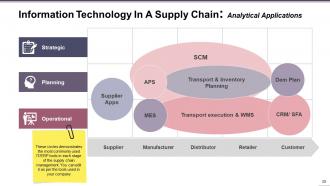
Staying on top of its supply is important for a business to keep up, and IT plays a big role, especially in the supply chain. This template on IT in a Supply Chain: Analytical Tools gives a clear plan to use information technology for tighter and more secure operations and better work. From moving goods and keeping stock to carrying out transport and WMS, this template helps businesses plan more efficiently and track their stocks in a better manner to cut down costs.
Template 8: Supply Chain Management Budget Forecasting

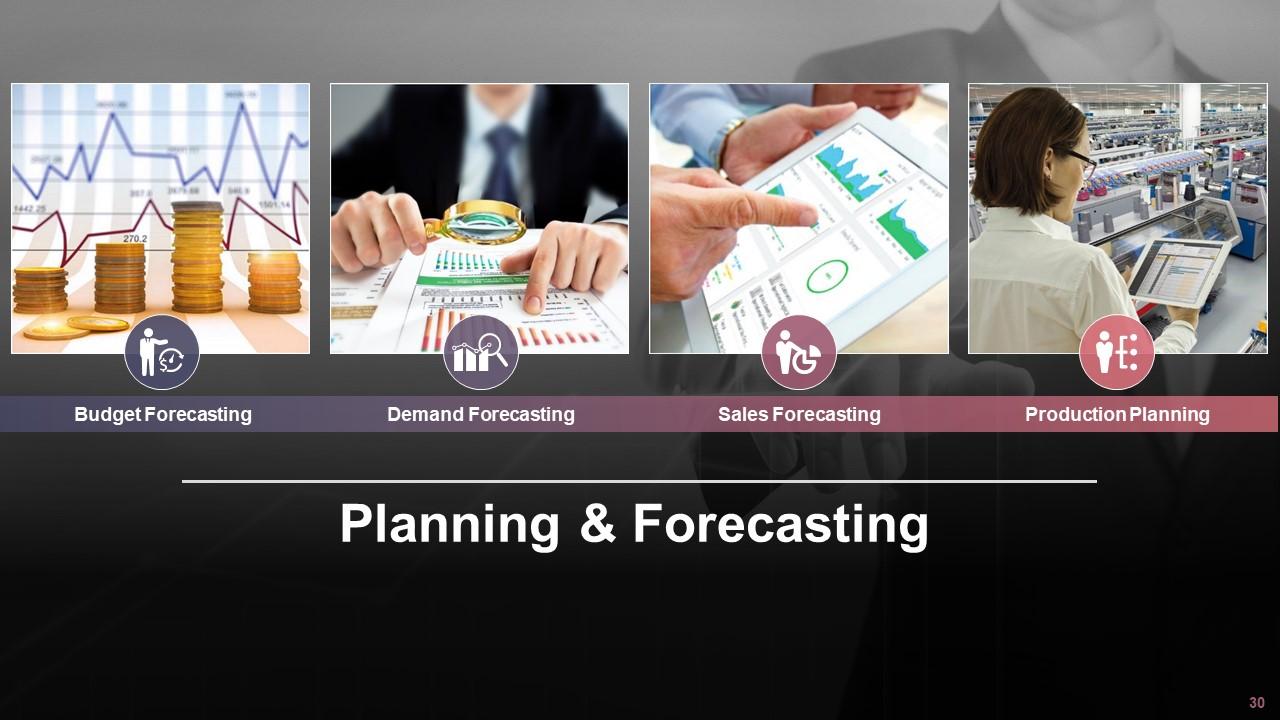
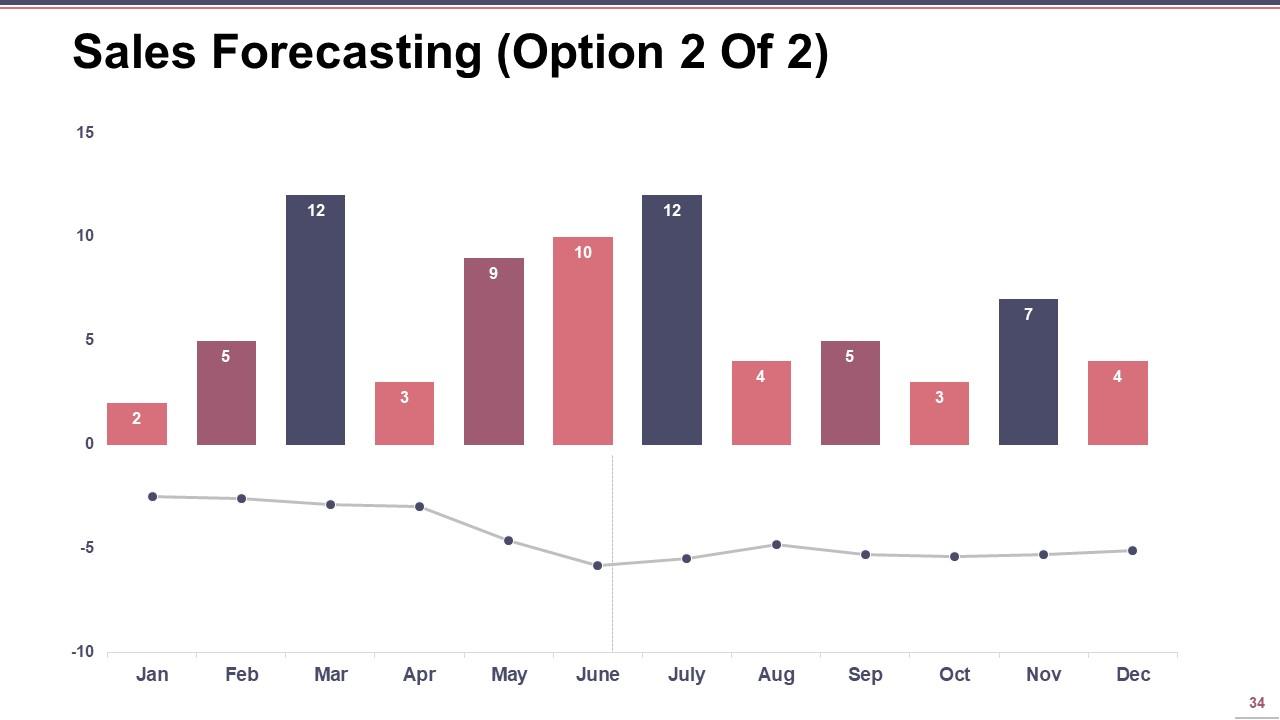
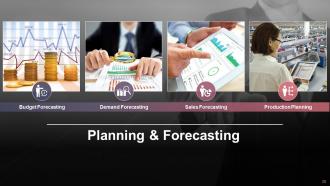
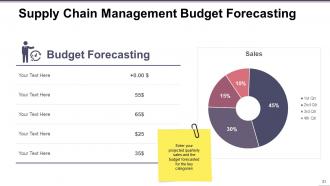
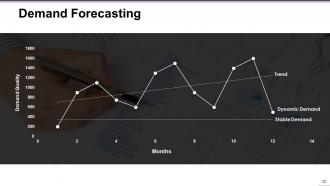
To keep your brand strong and loyal customers happy, you need to meet all their supply needs. That's why Planning for your Supply Chain Budget is necessary so that you can maintain your supply of products according to your customers’ demands. With this template, you can guess market changes, have the right amount of stock, and set up your work before your rivals catch on. It can help you avoid any demand problems and work smarter, leading your business through the ups and downs of supply and demand. Because staying ahead isn't just good – it's needed to last.
Template 9: Economic Order Quantity (EOQ) Model

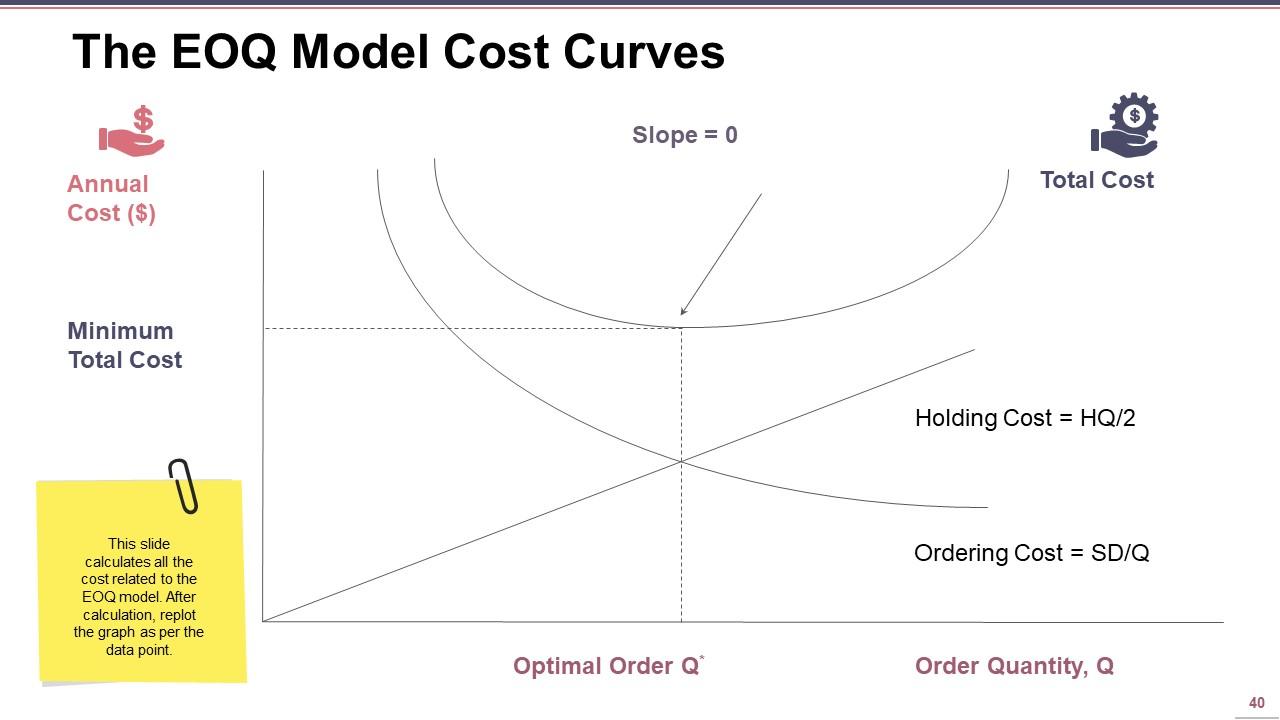
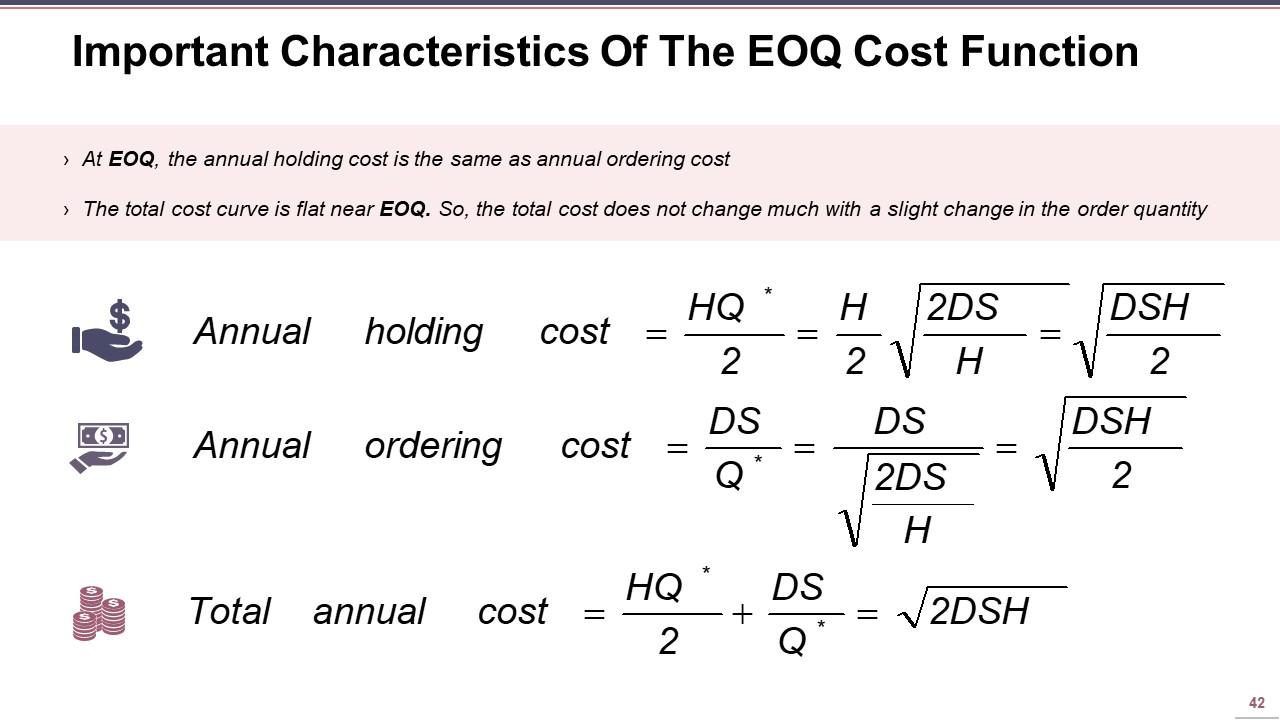
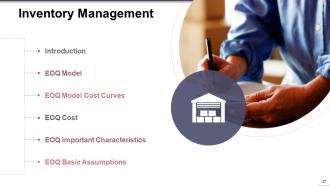
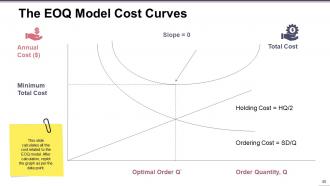
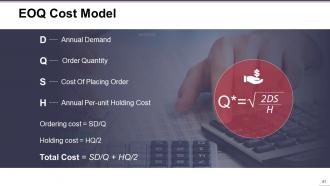
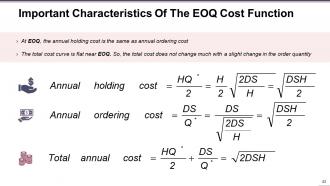
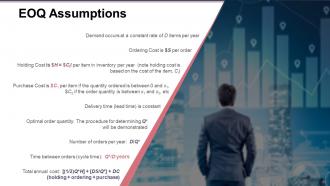
The Economic Order Quantity (EOQ) Model is an important tool for businesses wanting to be more efficient. It helps work out the best amount of goods to order, so holding costs are low, but there's always enough stock. This way, companies avoid too much inventory and running out of stock. For businesses caring about margins, using EOQ helps keep things running smoothly, cuts costs, and boosts profits. It leads companies to make wiser choices and grow in a stable way. In short, this EOQ guide makes things clear and exact for businesses by showing the correct order size, how fast things sell, when to reorder, and how much stock to keep.
Template 10: Supply Chain Optimization
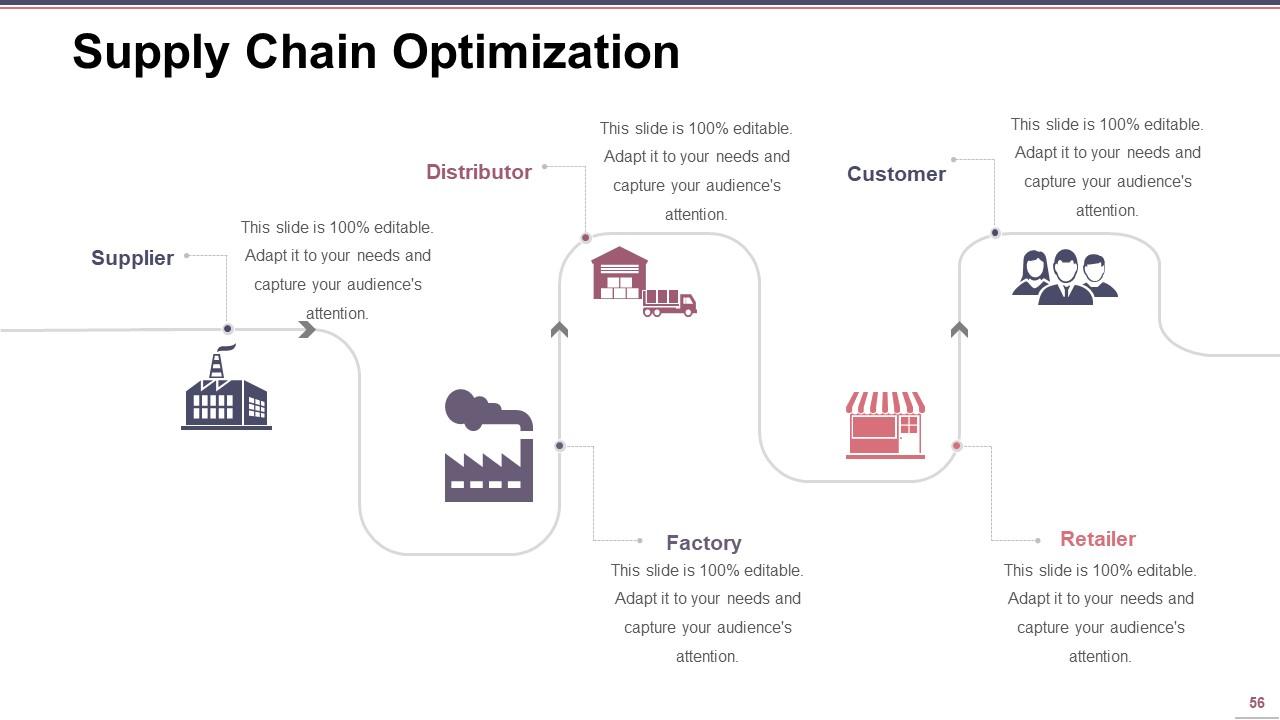
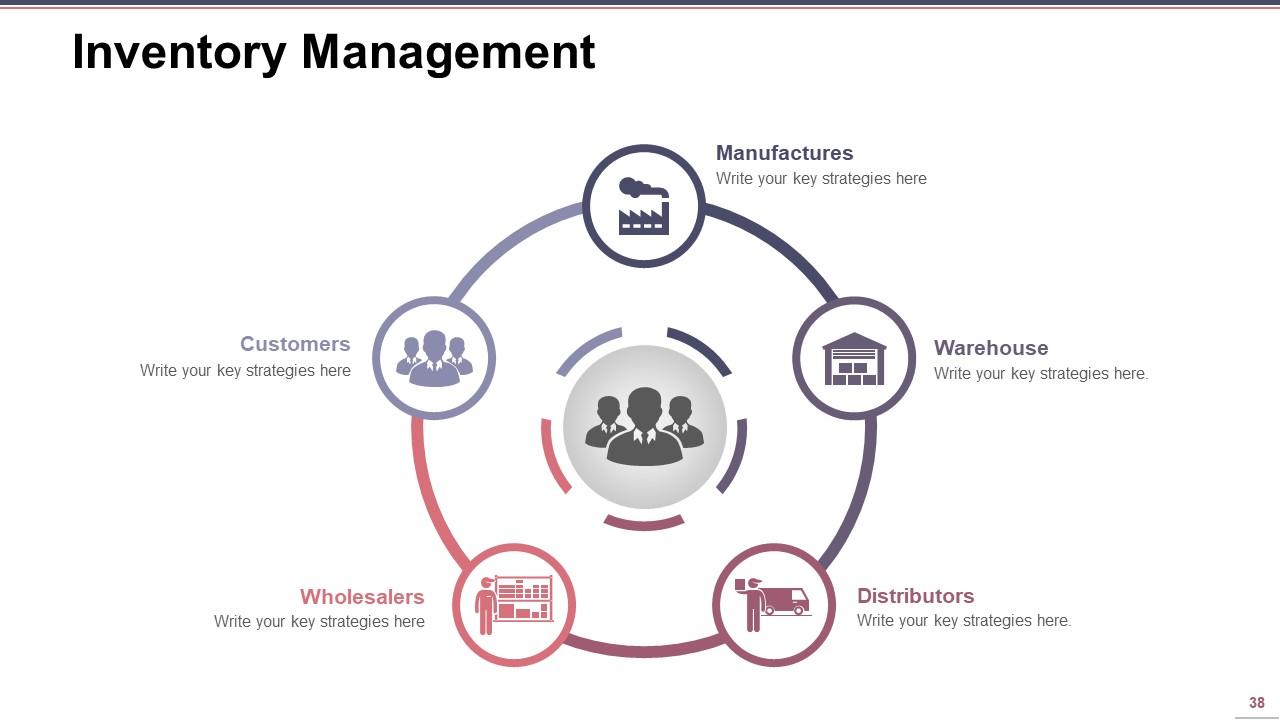
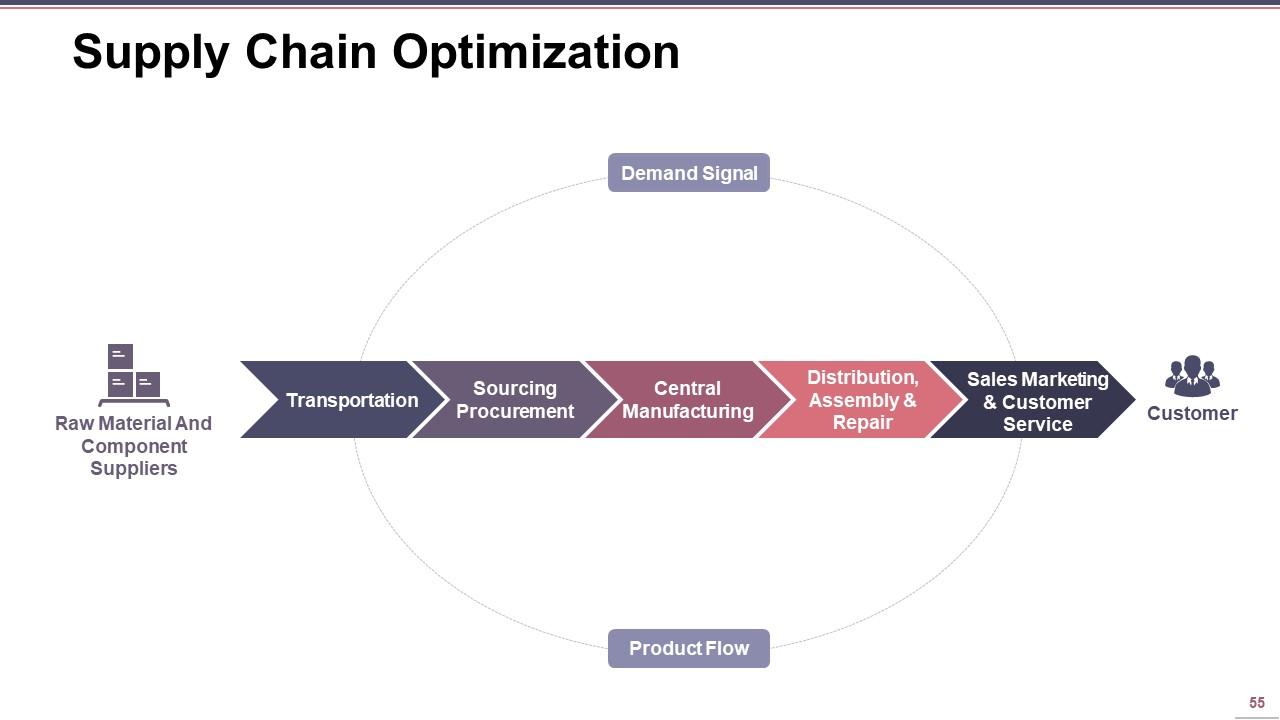
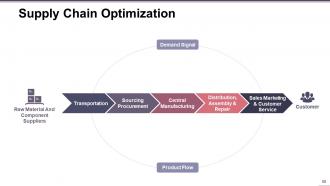
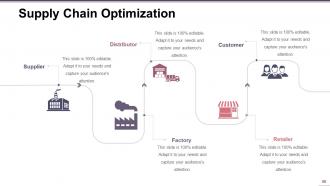
Supply chain templates help ensure the proper supply of goods and proper coordination between those who make them and those who sell them, all at the perfect time to get products to customers fast and in a correct manner. This isn't just a wish; it's real for businesses that use smart planning in their supply chains. By improving steps, using new technology, and looking at data, businesses can move through tough world markets easily and with a plan. You can use this guide to visually display the supplier, distributor, factory, customer, and shop.
SUPPLY CHAIN MANAGEMENT IS AKIN TO FORWARD PLANNING
Supply Chain Management is important for modern firms as it links steps from manufacturing the products to distributing and shipping. It's important not just to make things run smoothly but also to keep supply in check when facing unexpected problems or market changes. It helps companies get their acts together, cut down on materials they don’t need, and make moving goods simpler. This all leads to better profits and a stronger spot in the market. These plans act like guides for being efficient and steady. They help with planning ahead, staying safe from risks, and checking how well things are going.
Supply Chain Management Powerpoint Presentation Slides with all 77 slides:
Get folks interested in group events with our Supply Chain Management Powerpoint Presentation Slides. It will activate the introverts.
FAQs
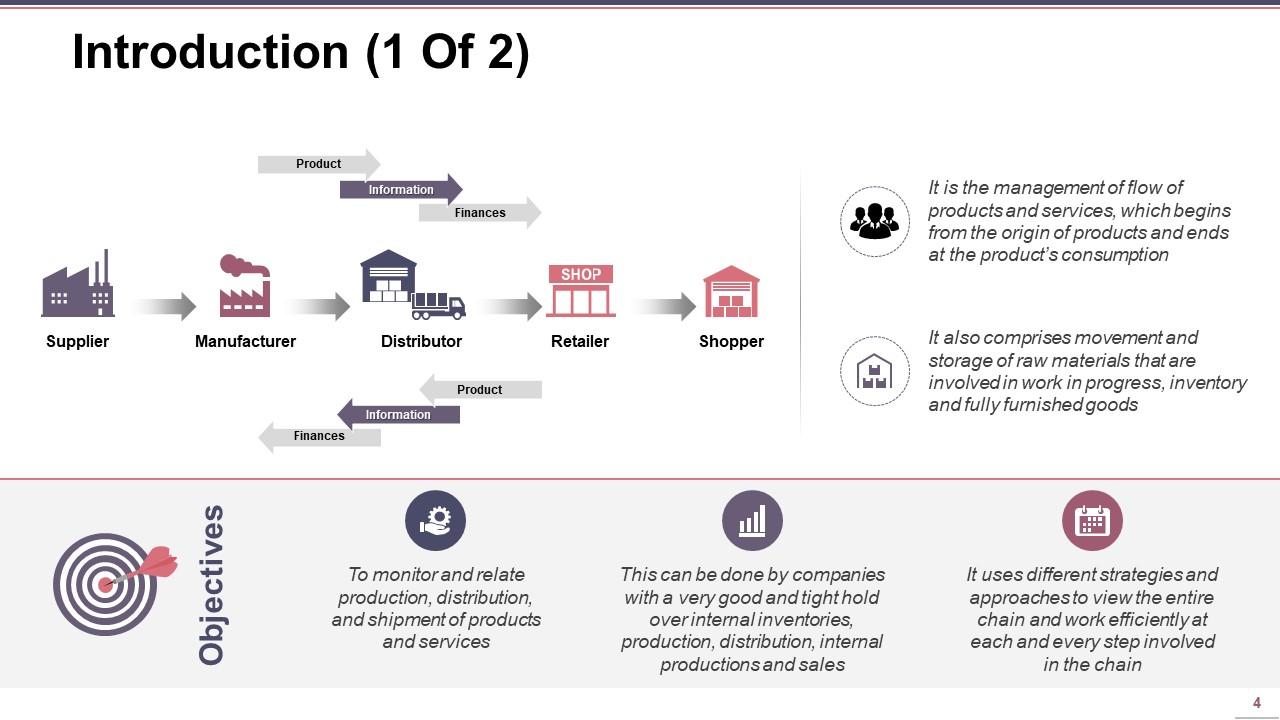
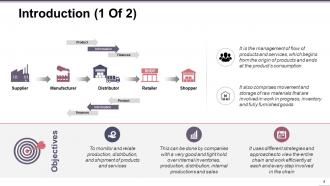
SCM is the management of the flow of goods and services, including all processes that transform raw materials into final products and the information flow and finances associated with those processes.
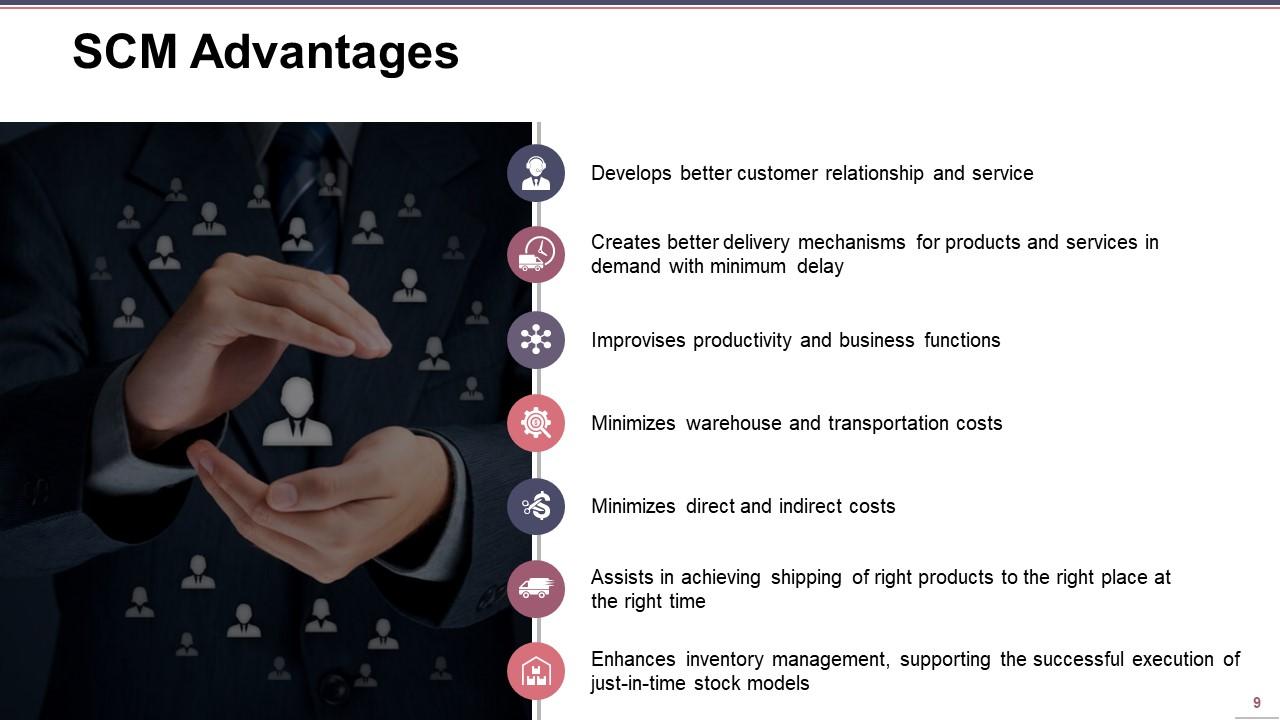
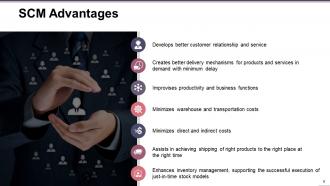
SCM provides numerous benefits, such as enhanced inventory management, improved delivery mechanisms, increased productivity, better customer relationships, lower costs, and effective shipping of the right products to the right place at the right time.
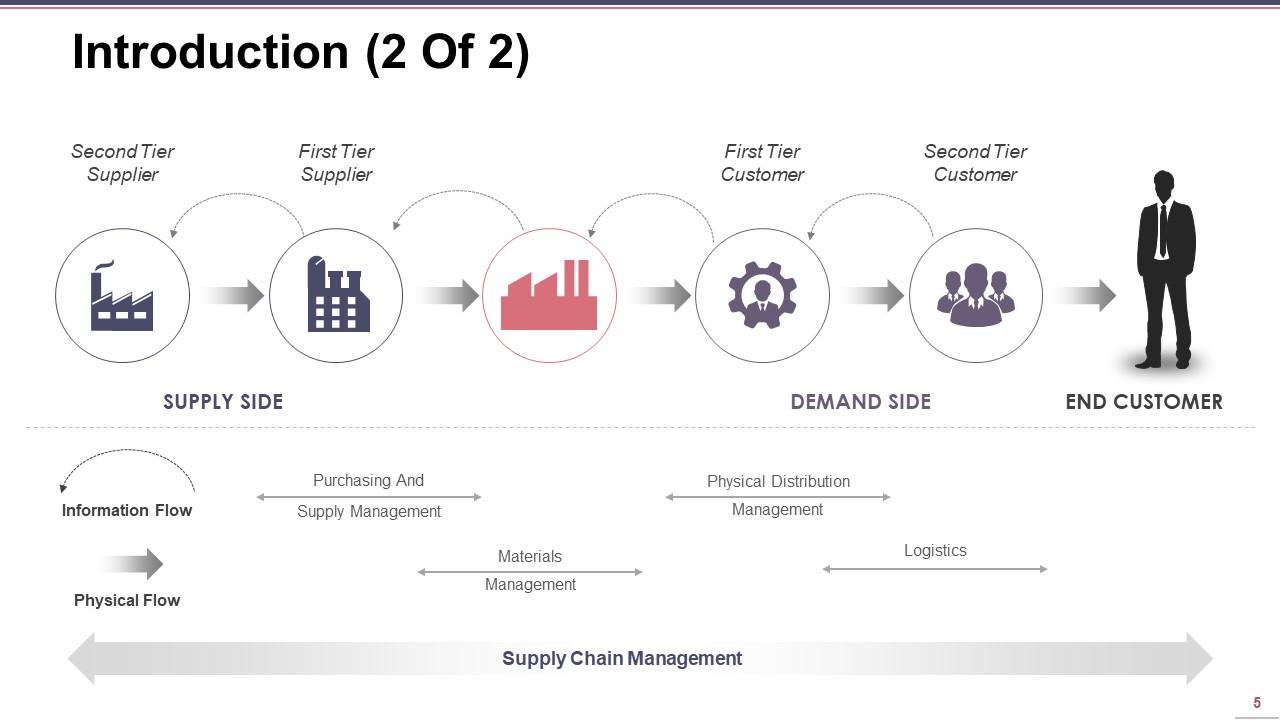
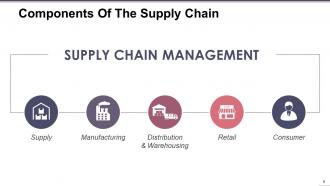
The features of the supply chain include supply, manufacturing, distribution and warehousing, retail, and consumer.
The steps involved in SCM implementation include developing an SCM vision, assessing supply chain opportunities, developing an SCM strategy, creating the optimum SCM organizational structure, establishing the SCM information and communication network, and translating the SCM strategy into actions.
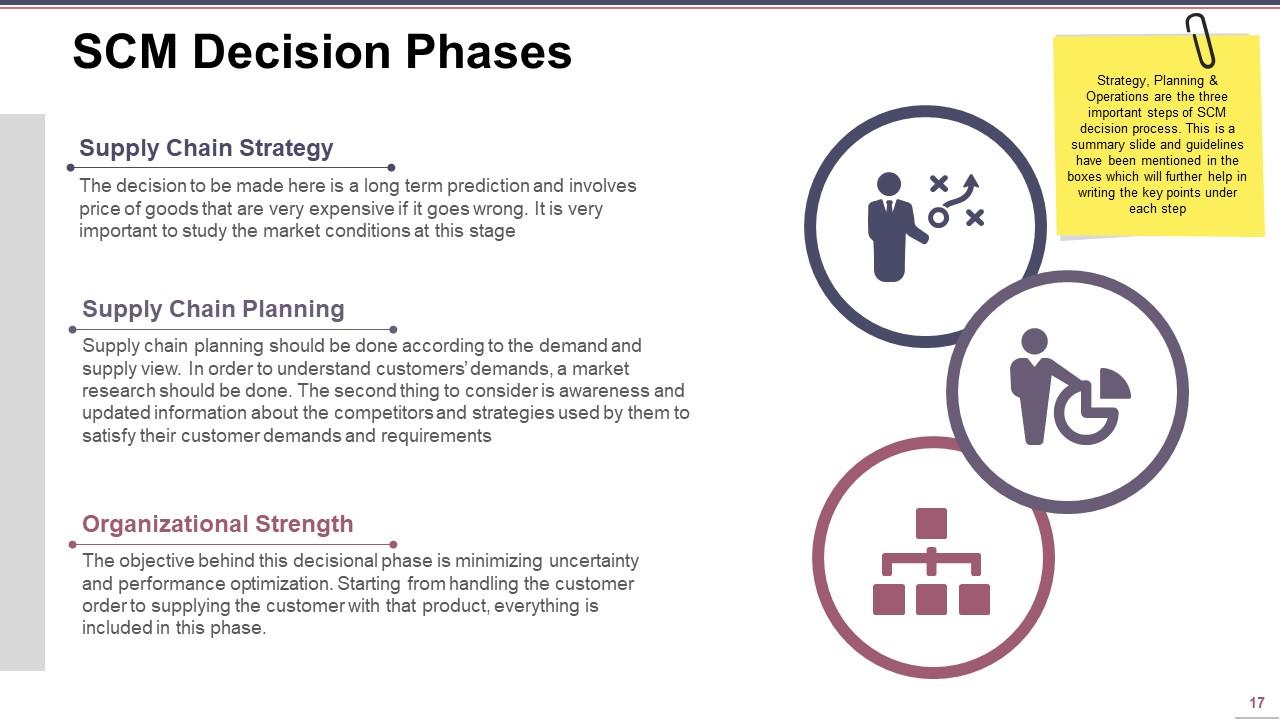
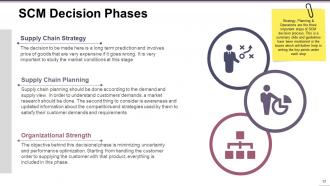
The steps of SCM decision-making include supply chain strategy, supply chain planning, and organizational strength.
-
Great design and themes.
-
The flow is very good
The step wise step explanation is superb
Each component of supply chain covered
-
tejas
-
Excellence
-
Nice
-
Good
-
Very well designed and informative templates.
-
Commendable slides with attractive designs. Extremely pleased with the fact that they are easy to modify. Great work!
-
very
helpful
