


Supply Chain Management Logistics Powerpoint Presentation Slides





Try Before you Buy Download Free Sample Product
 Impress Your
 Audience
 100%
100% Editable
 Save Hours
 of Time


Manage your business logistics process through our predesigned supply chain management logistics PowerPoint presentation slides. These PPT slides will help in improving your business supply chain function to improve your end customer’s satisfaction rate as the customers always value the fast and accurate service. Thus supply chain function is considered as the backbone which supports the business existence and reliability in the economic market. Additionally, use this supply chain PowerPoint template to take the competitive edge over others, manage your business cost and more. You can also explain various other relevant topics with this PPT slide template such as cost management, logistic services, transportation services, procurement, and operations management and many more like this. This PPT configuration will depict the centrality of the organization's method as it develops the future business prospects and helps in your general business improvement. Thus start engaging your investors with these skilled predesigned icons PPT layout. Entertain folks with a comic interlude through our supply chain management ppt Slides. It allows you to act the joker.
People who downloaded this PowerPoint presentation also viewed the following :
Content of this Powerpoint Presentation
A feasible operation of the entire supply chain is essential. There are multiple supply chain management software that can help you with this task. These tools allow you to analyze the supply chain movements and offer deeper insights into what can be improved in this domain. However, these tools can be expensive for some organizations.
What’s a better alternative is to use a supply chain management template. Thankfully, SlideTeam’s 100% customizable template for supply chain management logistics can help you with this task. The template can help you manage your entire logistics operations as well as help you showcase various data related to supply chain management to your audience.
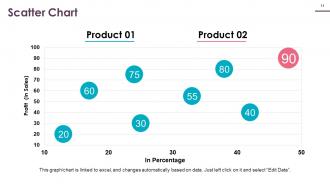
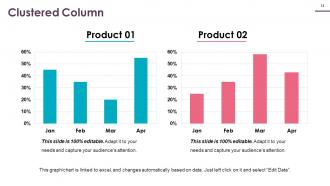
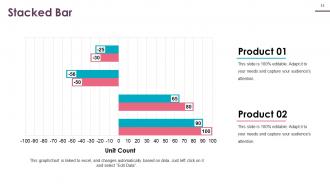
This template includes slides related to transportation problems, logistics management, charts about supply chain management, and more. To make an informed decision about the template, you can check out some of its offerings below.
Take a look at another alternative template for feasible supply chain management and enlighten your audience about the criticalities of the domain.
Template 1: Logistics and IT
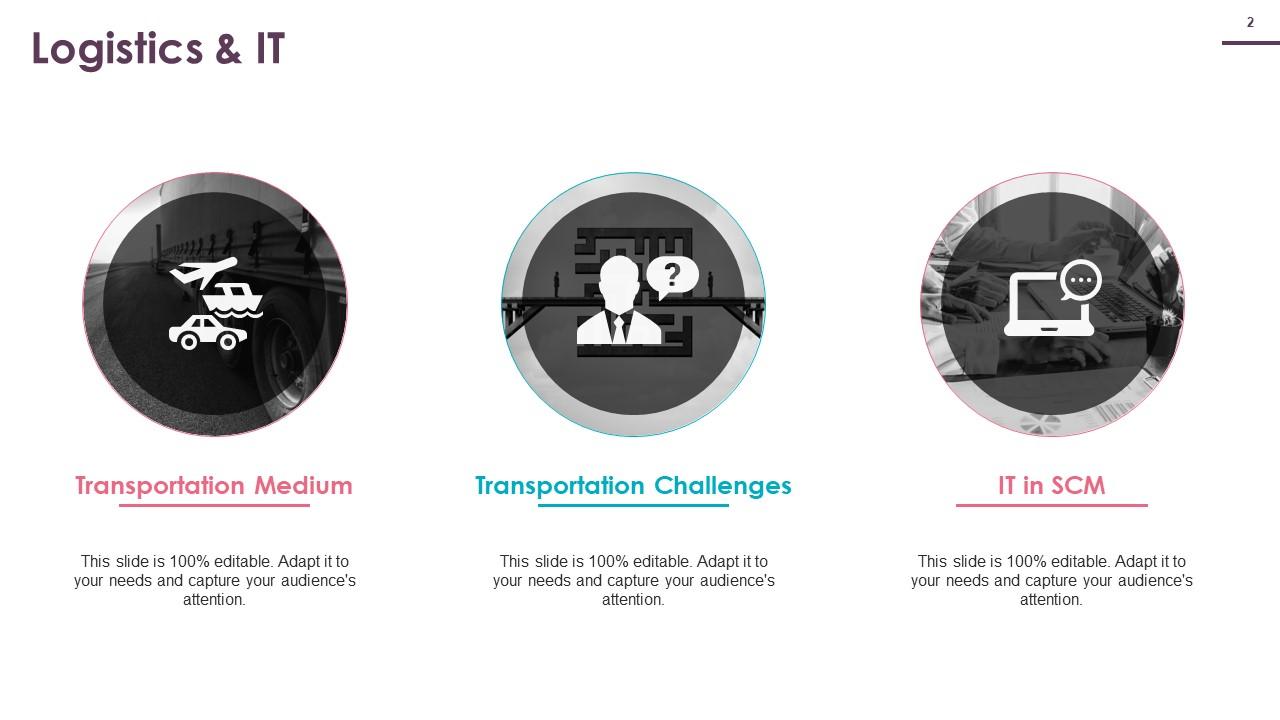
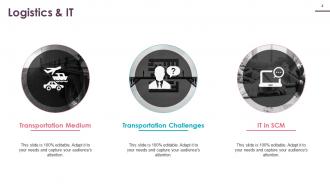
This PPT Slide allows you to showcase the logistics and IT domain categories. It caters to the main problems and aspects of the domain. Here, you can showcase what will be described or addressed in the coming slides. These categories include the Transportation Medium, Transportation challenges, and IT in SCM. You can add some informative text beneath the categories for a better understanding.
Template 2: Transportation Challenges
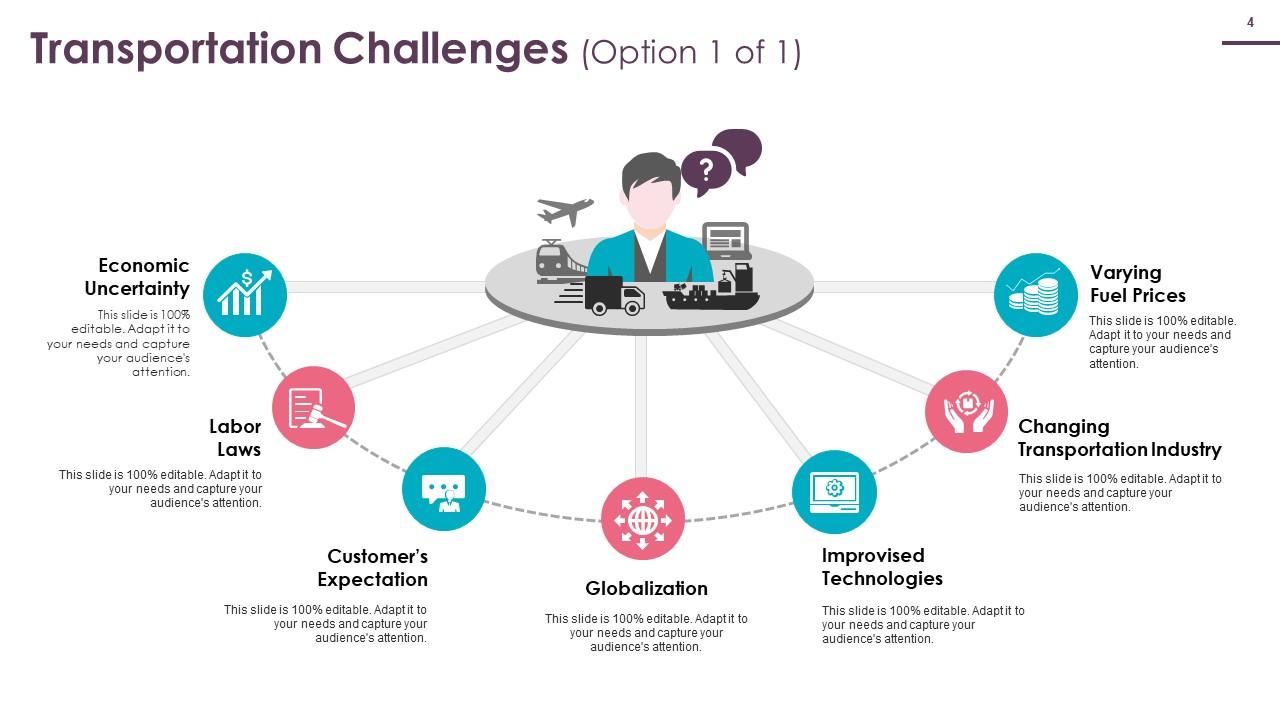
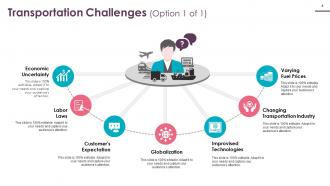
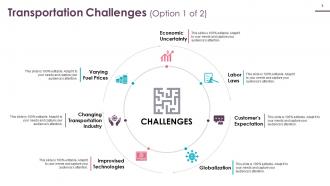
Any logistics business needs to address the transportation challenges of the organization in general. This PPT Template helps to list and explain some of the challenges faced in the previous years. These challenges could be fluctuating economic uncertainty, ever-changing labor laws, rising customer expectations, wide-scale globalization, the introduction of improvised technologies, the ever-changing transportation industry, and varying fuel prices within states/countries.
Template 3: Information Technology in a Supply Chain

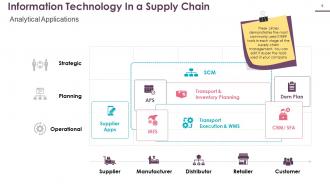
Use this PowerPoint Layout to showcase the importance and implementation of information technology in the supply chain. The slide allows you to compare Analytics Applications for various requirements (strategic, planning, and operational) and sections of logistics (supplier, manufacturer, distributor, customer, and retailer). You can showcase various applications against these sections and requirements to understand your user base better.
Template 4: Logistics Management
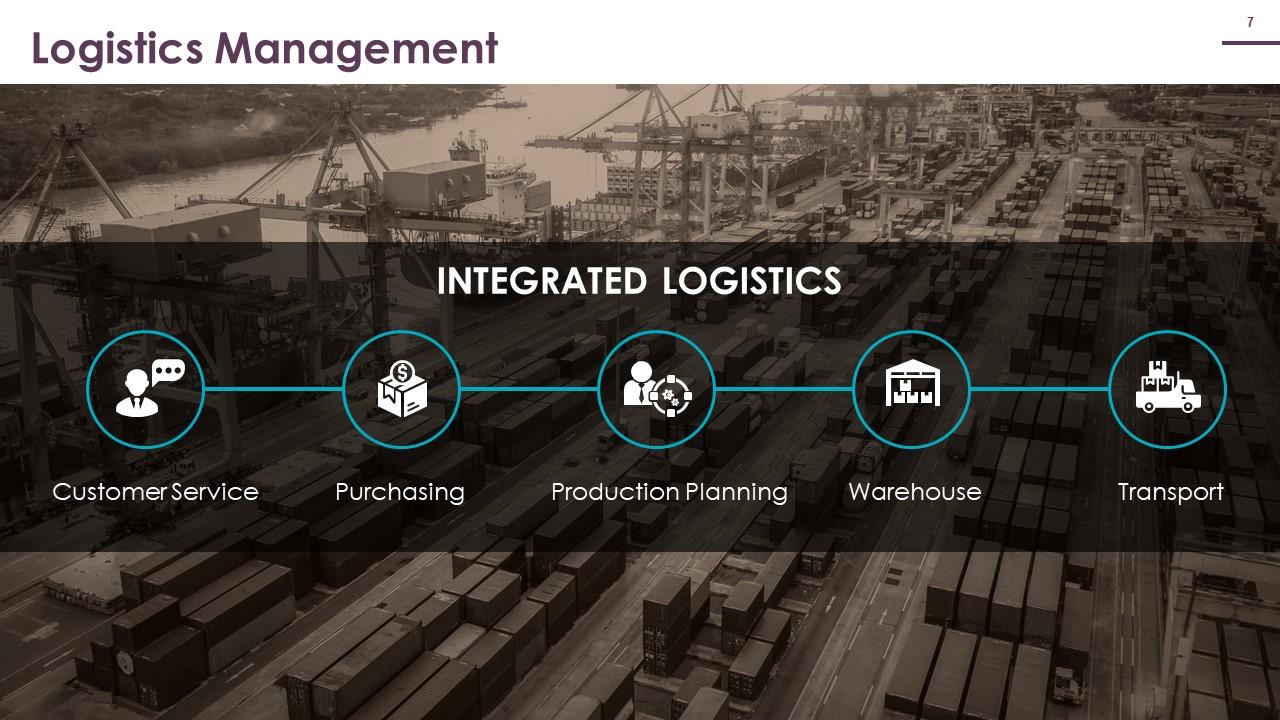
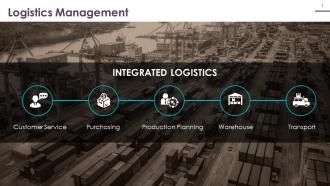
The following slide helps to represent the logistics management side of your business. Using this infographic document, you can easily showcase the integrated logistics services offered to tenants. These services can include real-time Customer Service, Purchase management and control, Production Planning execution and control, Warehouse management, and Transportation. You can easily add or remove as many services as you want according to the service structure offered by your organization or as sought by the clients.
Template 5: Logistics in Supply Chain Management
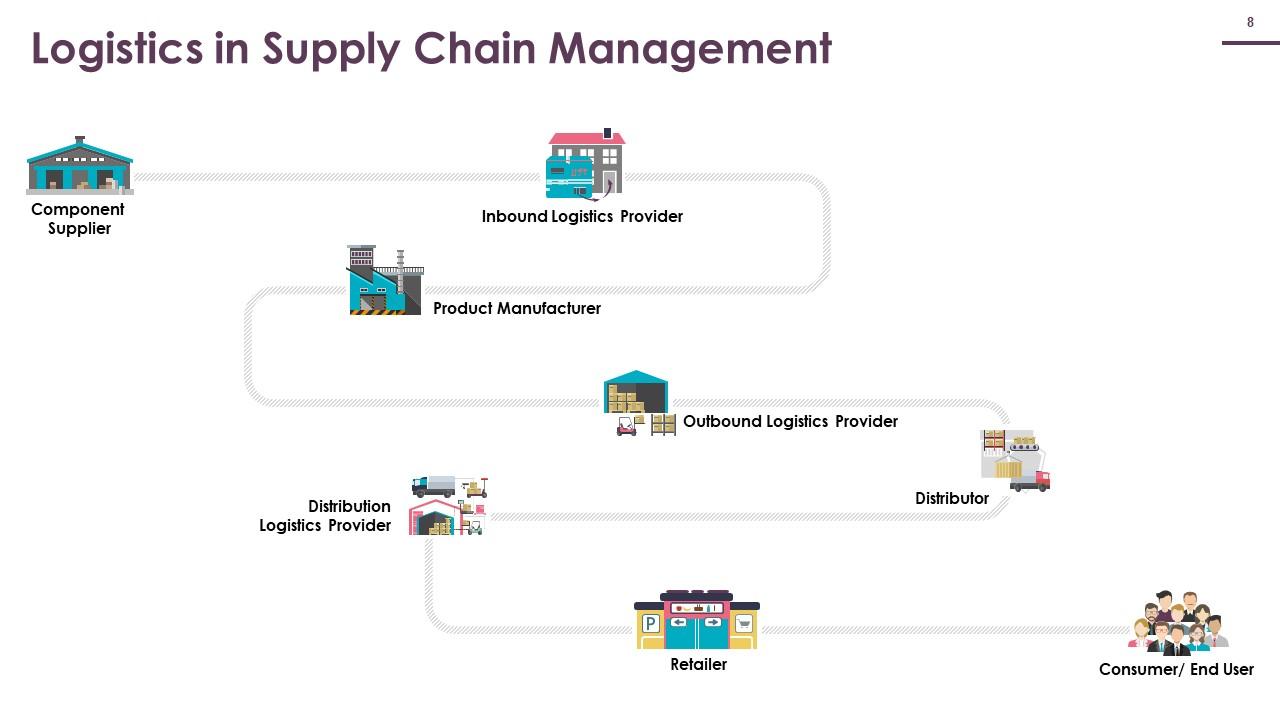
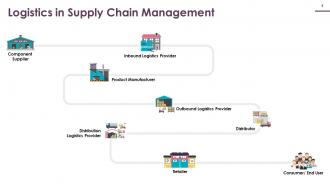
You know logistics is vital in supply chain management, but do your clients know this? Use this presentation to showcase the importance of workflow. This flow of services starts with the Supplier Component and then proceeds to the Inbound Logistics Provider, Product Manufacturer, Outbound Logistics Provider, Distributor, Distribution Logistics Provider, and Retailer, and finally, it sums up with the Customer.
Do you want to compare the advantages of combining logistics and supply chain management? This template can help you do so.
Make Inventory Movement Easy with Supply Chain Management Logistics Template
The above-offered template has helped different businesses make supply chain management easy. Whether you are a retailer, producer, manufacturer, or warehouse manager, supply chain management, when paired with logistics, can make it feasible for you to move inventory and deliver quality products in optimal time.
Explain the flow of inventory and other aspects of the supply chain using the smart template provided here.
Supply Chain Management Logistics Powerpoint Presentation Slides with all 23 slides:
Guard against criticism with our Supply Chain Management Logistics Powerpoint Presentation Slides. They ensure there are no complaints.





FAQs for Supply Chain Management Logistics
You'll need five main pieces: planning, sourcing, manufacturing, logistics, and returns management. Start with planning - that's forecasting demand and coordinating everything across your network. Finding reliable suppliers is huge for sourcing, and honestly, if you mess this up it can tank everything else. Manufacturing covers your production scheduling and quality control stuff. Then logistics handles all the warehousing, inventory, and getting products out the door. Oh, and don't overlook returns management - dealing with defective items and customer returns is annoying but necessary. I'd map out what you're currently doing in each area first. That way you can spot the gaps.
So basically, IoT sensors and RFID tags give you real-time tracking of everything in your supply chain. GPS shows where shipments are, plus sensors monitor temp and humidity during transport. Blockchain creates this permanent record of every handoff - honestly it's pretty cool tech. Your ERP system pulls it all together on dashboards so you can spot bottlenecks early. I'd start small though. Pick one pilot program with basic tracking, see how it goes, then expand from there. Way less overwhelming than trying to do everything at once.
Honestly, supply chain stuff is brutal right now. Demand forecasting feels impossible when everything keeps changing. You're constantly dealing with disruptions - could be political drama, weather, or suppliers just flaking out (which happens way too often). Cost management is a nightmare too since everyone wants things fast, cheap, AND sustainable. Real-time tracking tools are worth the investment, trust me. Also, don't put all your eggs in one basket with suppliers - having backups will literally save you when things go sideways. The whole tech integration thing is messy since most systems hate talking to each other, but visibility into what's actually happening is everything.
Ugh, economic stuff basically makes your supply chain a moving target. Currency swings, inflation spikes, trade wars - you're constantly reshuffling suppliers and inventory. Recession vibes? Time to diversify or bring production closer to home. Higher interest rates jack up your storage costs, so suddenly lean inventory makes way more sense. It's honestly exhausting - like trying to plan a road trip while the GPS keeps rerouting you. Best bet is building wiggle room upfront. Multiple suppliers, flexible contracts, decent backup plans. That way you won't be totally scrambling when the economy throws its next tantrum.
Map out your whole supply chain first - you'll spot the bottlenecks right away. Then cut inventory by ordering only what you need, when you need it (just-in-time stuff). Pull systems are your friend here. Honestly, getting suppliers to standardize their processes is probably the biggest game-changer for consistency. Set up visual dashboards so everyone knows what's happening. Oh, and make sure your suppliers are actually bought into this lean approach - otherwise you're just optimizing half the equation. Keep tweaking things continuously. It's like decluttering but for your entire operation.
Honestly, data analytics is like having a crystal ball for your supply chain. You can finally predict demand without guessing, catch bottlenecks early, and stop either drowning in inventory or frantically scrambling for stock. The forecasting piece alone will save you so many headaches - trust me on this one. Plus it helps you track how suppliers are actually performing and find real cost savings instead of just hoping for the best. I'd start small though, maybe just focus on demand forecasting first and build from there. Way less overwhelming that way.
Totally doable - just think long-term value instead of sticker price. Map out your supply chain first to spot where green practices actually save cash (less waste, smarter shipping routes, more efficient suppliers). Some stuff costs more upfront, sure, but you'll usually see payback through lower operating costs. Find suppliers who get it and can show real ROI. Honestly, measuring total ownership cost vs just purchase price is a game changer. I'd start with piloting changes in just one category - way easier to prove it works that way.
Dude, e-commerce totally changes how supply chains work. You go from shipping huge batches to stores to suddenly handling thousands of tiny orders going directly to people's houses. It's way more complicated than the old system, honestly. Now you need warehouses everywhere, crazy good inventory systems, and solid shipping partners for that last-mile stuff. Also the whole thing becomes demand-driven instead of just pushing products out there. My advice? Map out where your customers actually live first, then work backwards to figure out your fulfillment setup. That's where I'd start anyway.
Honestly, you've gotta build risk thinking into your planning from the start - don't just wing it and hope for the best. Map out your whole supply chain first so you can spot those nightmare scenarios where losing one supplier screws everything up. I learned this the hard way, but always assume something's gonna break because it probably will! Set up multiple what-if scenarios for your demand forecasting. Keep buffer stock for the stuff you absolutely can't live without. Diversify your suppliers too - never put all your eggs in one basket. Regular risk check-ins during planning meetings will save your butt later.
So JIT basically means you only order stuff right when you need it - cuts inventory costs big time. No more cash tied up in piles of products sitting around. Quality actually improves too since you catch defects quicker with smaller batches. Your suppliers get their act together fast when they have to hit tight deadlines. The catch? Supply chain hiccups can mess you up pretty bad. But honestly, most places think the savings are totally worth the risk. I'd probably test it out on just one product line first - see how it goes before going all in.
Honestly, partnerships are a game-changer for supply chain stuff. You split risks and costs with suppliers and distributors, which just makes sense financially. Better visibility into what's actually happening too - no more guessing games about demand or scrambling when things go sideways. I learned this the hard way, but you've got to build these relationships *before* you need them. When disruptions hit (they always do), you'll already have people who actually pick up the phone. Start with your most critical partners. Set up regular check-ins, even if it's just a quick coffee or call. Trust me, working in silos sucks for everyone involved.
Honestly, I'd start by spreading your suppliers around - never rely on just one or two. Get cozy with vendors in different regions so when stuff hits the fan (and it will), you're not scrambling. Real-time tracking tools are a game changer for catching problems early. Keep some extra inventory of your must-have parts on hand. Oh, and cross-train your people because when chaos hits, having folks who know multiple areas is gold. Map out which suppliers could screw you over the most if they fail, then build backup plans. That's where I'd put my energy first.
Honestly, AI is a game-changer for demand forecasting. It chews through tons of historical data plus external stuff like weather patterns and economic trends. Way better than the old spreadsheet methods we used to rely on. Machine learning gets smarter as it processes more data, which is actually pretty neat. Real-time adjustments happen automatically when new info comes in. You can also run "what if" scenarios - super helpful for planning around potential disruptions. My advice? Start with just one product or region first. Once you see how well it works, then expand from there. Don't try to boil the ocean right away.
Dude, supply chains are getting completely flipped right now. AI's taking over warehouses and forecasting - it's wild how accurate it's gotten. Companies are also obsessing over sustainability because customers actually check that stuff now. Oh, and everyone's done with putting all their eggs in one global basket after the past few years of chaos. Regional sourcing is the new thing. Digital twins let you test scenarios without breaking anything, which is pretty smart. Honestly though? The real game-changer is prioritizing flexibility over just being cheap. You'll want visibility tools that work in real-time if you're serious about this.
Ugh, regulatory changes are honestly such a headache - they can flip your whole supply chain upside down. New trade rules or environmental standards hit, and suddenly you're scrambling for different suppliers or completely changing how you move stuff around. Brexit was insane for this - companies literally had to rebuild their entire European networks in like no time. The compliance piece gets messy fast since every country has different rules, and the fines? Yeah, they're brutal. You should probably set up some kind of system to track upcoming changes. Trust me, getting blindsided by new regulations is the worst.
-
good
-
Best way of representation of the topic.
-
Great designs, Easily Editable.