

Supply Chain Management Overview Powerpoint Presentation Slides





Try Before you Buy Download Free Sample Product
 Impress Your
 Audience
 100%
100% Editable
 Save Hours
 of Time


Manage your inventory control system with this content ready Supply Chain Management Overview Powerpoint Presentation Slides. Showcase the high-performance and effective solutions of inventory management using supply chain network PPT visuals. The logistics management outline presentation deck has covered various topics and had professionally designed templates such as components of the supply chain, company timeline, SCM advantages, project management and communication, supply chain management goals and bifurcations, logistics, control tower, and more. You can utilize the same enterprise resource planning PowerPoint complete deck for topics like supply chain network, supply management, operations management, order fulfillment, procurement, service management, logistics management and so on. Our team of experts has used appealing graphics with editable charts & graphs to make it more interactive. Develop effective SCM strategy using enterprise planning system PPT slides. Download our ready to use integrated planning system presentation deck to demonstrate the process of manufacturing, distribution, warehousing, and retail. Boundaries blur with our supply chain management ppt Slides. Created borders will not deter you.
People who downloaded this PowerPoint presentation also viewed the following :
Content of this Powerpoint Presentation
Slide 1: This slide introduces Supply Chain Management Overview. State your Company Name and begin.
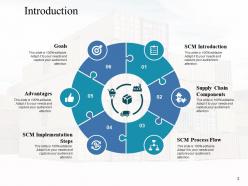
Slide 2: This is an Introduction slide describing- SCM Introduction, Supply Chain Components, SCM Process Flow, SCM Implementation Steps, Advantages, Goals.
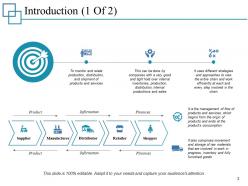
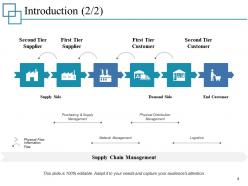
Slide 3: This is another Introduction slide describing- Retailer, Distributor, Manufacturer, Supplier, Shopper.
Slide 4: This is another Introduction slide showing supply chain.
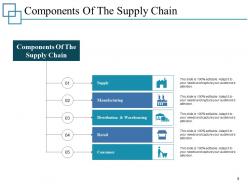
Slide 5: This slide shows Components Of The Supply Chain describing- Supply, Manufacturing, Distribution & Warehousing, Retail, Consumer.
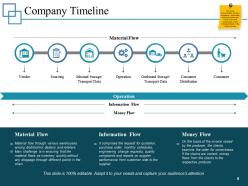
Slide 6: This slide presents Company Timeline describing- Vendor Inbound Storage/ Transport Data Outbound Storage/ Transport Data Consumer Operation Sourcing Consumer Distribution
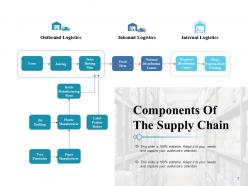
Slide 7: This slide displays Components Of The Supply Chain with related flow chart.
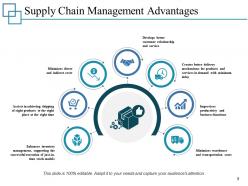
Slide 8: This slide represents Supply Chain Management Advantages with related diagram and icons.
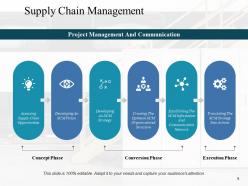
Slide 9: This slide showcases Supply Chain Management describing- Assessing Supply Chain Opportunities, Developing An SCM Vision, Developing An SCM Strategy, Creating The Optimum SCM Organizational Structure, Establishing The SCM Information And Communication Network and Translating The SCM Strategy Into Actions.
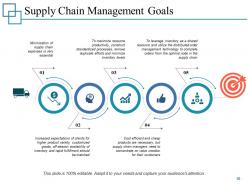
Slide 10: This slide shows Supply Chain Management Goals.
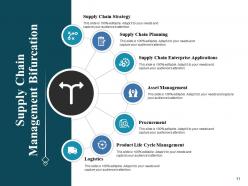
Slide 11: This slide presents Supply Chain Management Bifurcation describing- Logistics, Product Life Cycle Management, Asset Management, Procurement, Supply Chain Enterprise Applications, Supply Chain Planning, Supply Chain Strategy.
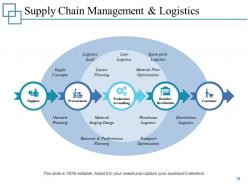
Slide 12: This slide displays Supply Chain Management & Logistics describing- Procurement, Production/ Assembling, Supplier, Retailer/ Distribution, Consumer.
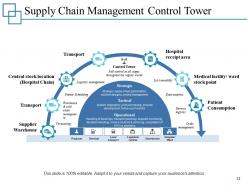
Slide 13: This slide showcases Supply Chain Management Control Tower.
Slide 14: This slide displays Supply Chain Management Overview Icons.
Slide 15: This is another slide for Supply Chain Management Overview Icons.
Slide 16: This slide reminds about a 15 minutes Coffee Break.
Slide 17: This slide is titled as Additional Slides for moving forward.
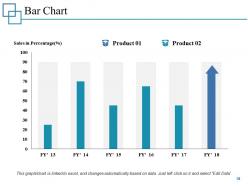
Slide 18: This slide shows Bar Chart with two products comparison.
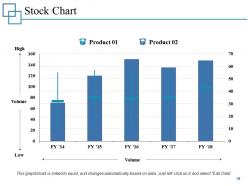
Slide 19: This slide presents Stock Chart with two products comparison.
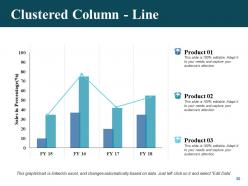
Slide 20: This slide displays Clustered Column - Line chart for compariong two diferent products.
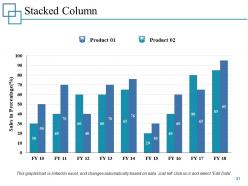
Slide 21: This slide represents Stacked Column chart with two products comparison.
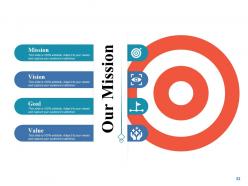
Slide 22: This is Our Mission slide with related imagery and text.
Slide 23: This is Our Team slide with names and designation.
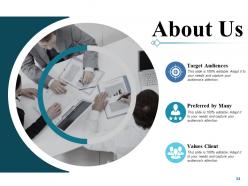
Slide 24: This is About Us slide to show company specifications etc.
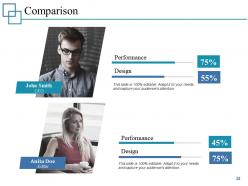
Slide 25: This is a Comparison slide to state comparison between commodities, entities etc.
Slide 26: This is Our Goal slide. Show your firm's goals here.
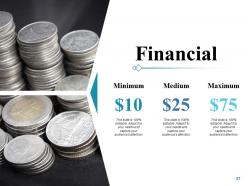
Slide 27: This is a Financial slide. Show your finance related stuff here.
Slide 28: This is a Quotes slide to convey message, beliefs etc.
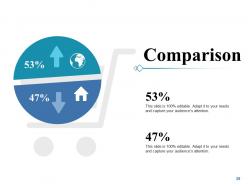
Slide 29: This is a Comparison slide to state comparison between commodities, entities etc.
Slide 30: This is a Timeline slide to show information related with time period.
Slide 31: This is a Target slide. State your targets here.
Slide 32: This is a Puzzle slide with text boxes.
Slide 33: This slide shows Mind Map for representing entities.
Slide 34: This is a Bulb Or Idea slide to state a new idea or highlight information, specifications etc.
Slide 35: This is a Thank You slide with address, contact numbers and email address.
Supply Chain Management Overview Powerpoint Presentation Slides with all 35 slides:
Use our Supply Chain Management Overview Powerpoint Presentation Slides to effectively help you save your valuable time. They are readymade to fit into any presentation structure.




FAQs for Supply Chain Management Overview
So you'll need demand planning, supplier management, inventory control, logistics coordination, and performance monitoring. I know, sounds like a lot when I dump it on you like that! But really you're just connecting the dots - forecasting what customers want, building solid supplier relationships, keeping stock levels right, managing transportation smoothly, and tracking performance. Oh and definitely don't let these work separately. That's where things fall apart. The real magic happens when these components actually communicate with each other instead of staying stuck in their own little worlds. Start by mapping your current processes first.
Honestly, the visibility you get is game-changing - IoT sensors and RFID tags let you track everything in real time instead of just hoping stuff shows up. Cloud platforms mean everyone's looking at the same data (thank god, no more version control nightmares with spreadsheets). AI can actually spot problems coming before they wreck your day. The blockchain stuff is pretty solid for transparency too. I'd say pick your most critical parts first and run a pilot program. Once you see how much smoother things get, you'll want to roll it out everywhere.
Honestly, data analytics is like having superpowers for your supply chain. You'll catch bottlenecks before they mess everything up and actually predict when demand's gonna spike. No more sitting on dead inventory or scrambling when you run out of stuff people want. The prediction algorithms are pretty wild - they'll suggest backup suppliers when disruptions hit. Real-time tracking shows you which suppliers are always late (we all have that one). My advice? Don't go crazy trying to fix everything at once. Pick something specific like inventory forecasting, prove it works, then expand from there.
Honestly, you gotta stop thinking short-term and look at the bigger picture. Map out your supply chain first - figure out where you're bleeding money and hurting the environment most. Those are your targets. I know it feels overwhelming at first, but here's the thing: going green actually saves cash in the long run. Cut packaging waste, use local suppliers to slash shipping costs, stuff like that. Don't go crazy though - pick one or two small pilots, track the money AND environmental results, then expand what works. The magic happens when sustainability actually boosts your profits.
Ugh, supply chains are such a mess right now! You're probably drowning in demand forecasting issues and unreliable suppliers. Inventory's a nightmare - too much and you're bleeding cash, too little and customers are pissed. Plus everyone wants sustainability now, which honestly adds another layer of complexity. Your systems probably don't even talk to each other, right? That visibility problem is killer. I'd start by diversifying your supplier base - like, don't put all your eggs in one basket. Then get some decent tracking tools so you actually know where stuff is. COVID really showed how fragile everything was.
Honestly, the biggest thing is not relying on just one supplier - that's a disaster waiting to happen. Spread your vendors across different regions so you're covered if something goes sideways. Get some tracking tools that show you what's happening in real time throughout your whole chain. Also, map out where you're most vulnerable first - that's your starting point. Build solid relationships with multiple suppliers (this part takes time but it's worth it). Oh, and have backup plans ready for your critical stuff. Regular check-ins help you catch problems early instead of dealing with fires later.
Honestly, start with demand forecasting and figuring out your safety stock levels - that's huge. ABC analysis helps you focus on the stuff that actually matters instead of getting lost in the weeds with low-value items. Ditch those nightmare annual counts and do regular cycle counting instead. Your sanity will thank you later. Track your turnover rates and carrying costs religiously. Set up clear reorder points so you're not constantly scrambling for stock. Automate what you can. Before diving into anything though, audit where you're at now and tackle your biggest headaches first.
Honestly, globalization makes everything way more complicated but also way more interesting. Your supply chain turns into this crazy web across different countries and time zones. Yeah, you'll deal with longer lead times and currency headaches, but the cost savings can be incredible - plus you get access to suppliers you'd never find locally. The tricky part? One disruption somewhere can mess up everything else. I'd start by mapping out where all your current suppliers are located, then maybe look for backup options in totally different regions. Building in some redundancy isn't glamorous but it'll save you when things go sideways.
Honestly, your supplier relationships can make or break everything. Good partnerships mean better prices, they'll hook you up during shortages, and actually give you a heads up when stuff goes sideways. Bad ones? Constant fires to put out. I've watched companies throw away stupid amounts of money just because they treated suppliers like crap instead of actual partners. Talk to them regularly and share your forecasts - sounds obvious but most people skip this. Oh, and start small. Pick your top 5 most critical suppliers and set up quarterly check-ins with them first.
So demand forecasting with AI is seriously crazy accurate - it pulls from weather data, economic stuff, even what people are posting on social media. Wild, right? Your inventory gets optimized automatically, plus it figures out the best shipping routes and catches problems before they mess up your operations. The complexity it handles would take your team forever to sort through manually. Honestly, I'd start with just your top-selling products for demand forecasting. Once you see how well it works, you can expand it to other areas. Trust me, the results will sell themselves.
Honestly, diversification is your best friend here. Don't put all your suppliers in one region - when stuff hits the fan (and it will), you'll be scrambling. Get some real-time tracking going so you're not flying blind. Those key supplier relationships? Worth their weight in gold. They'll bump you to the front of the line when everyone's panicking. Keep some buffer stock for the critical stuff too - I learned that one the hard way during COVID. Map out where you're most vulnerable first, then tackle those big risks. Trust me on this one.
Honestly, good demand forecasting is like the secret sauce for your whole supply chain. You'll avoid that nightmare of either running out of stuff or drowning in inventory nobody wants. I've seen companies cut costs by huge amounts just from getting their forecasts 10-15% better - it's wild how much that small improvement ripples through everything. Better predictions mean you can actually plan production schedules that make sense and coordinate with suppliers without the constant panic. Plus your warehouse and shipping costs get way more manageable. Start digging into your historical data and seasonal patterns. Trust me, it's worth the effort even if spreadsheets make you want to cry.
JIT inventory is pretty solid for cutting storage costs and waste. But honestly? It's risky as hell when supply chains get messy. You're not stockpiling stuff, which frees up cash and warehouse space - that part's great. The problem hits when suppliers mess up or there's some random global crisis (hello 2020). Your production can literally stop overnight if one key supplier flakes. I mean, it worked fine for years until everything went sideways. My take? Only do it if your suppliers are super reliable, and maybe stash away some backup stock for the really critical parts just in case.
Dude, sharing info with your suppliers changes everything. No more guessing games about inventory or demand - everyone actually knows what's happening. Real-time data on stock levels, production schedules, all that stuff. Honestly, it's wild how much smoother things run when people aren't working blind. You'll get fewer stockouts, less waste, and customers won't hate you for delays. Oh, and problems get fixed way faster too. Don't go crazy at first though. Pick one partner and nail sharing just one data type before you expand. Trust me on this.
Honestly, AI forecasting is changing everything right now. Blockchain's making supply chains way more transparent too. Automation hit warehouses hard - even procurement runs itself now. After COVID, everyone's obsessed with resilience (can't blame them). Customers want to track orders in real-time, so that tracking tech isn't really optional anymore. Sustainability went from nice-to-have to make-or-break for most companies. The whole circular economy thing is forcing people to redesign their entire flow. Start by figuring out where your current setup would totally break if something went wrong.
-
Very clear, very helpful!
-
The Designed Graphic are very professional and classic.