


Purchasing Goods And Services Process Powerpoint Presentation Slides




Try Before you Buy Download Free Sample Product
 Impress Your
 Audience
 100%
100% Editable
 Save Hours
 of Time


Purchasing Goods And Services Process PowerPoint Presentation Slides: Acquire necessary products and services using content-ready Purchasing Goods And Services Process PowerPoint Presentation Slides. Procure raw materials, officer equipment, services, supplies, furniture and facilities, technical equipment, etc for better products and services. Incorporate ready-made purchasing goods and services process PPT templates and deal with sourcing activities, negotiation and selection of goods and services that are necessary for an organization. Go through the process of ordering goods and services with the help of purchasing goods and services process PowerPoint presentation slideshow. This deck comprises of several templates for you to follow the process such as procurement strategy structure, procurement steps, procurement workflow process, procurement strategy, approach to procurement, formulating procurement strategy, creating procurement strategy, etc. These templates are editable. Change color, text, icon and font size as per your need. Grab access to the ready-to-use purchasing goods and services PPT slides to include these in your organizational business strategy to acquire things at the best possible cost. Accelerate away to your goal with our Purchasing Goods And Services Process Powerpoint Presentation Slides. It helps you change gears.
People who downloaded this PowerPoint presentation also viewed the following :
Content of this Powerpoint Presentation
Slide 1: This slide introduces Purchasing Goods And Services Process. State Your company name and begins.
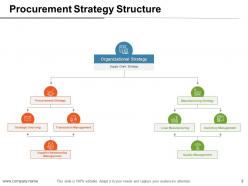
Slide 2: This slide showcases Procurement Strategy Structure with these ten stages- Organizational Strategy, Supply Chain Strategy, Supplier Relationship Management, Transaction Management, Strategic Sourcing, Procurement Strategy, Lean Manufacturing, Manufacturing Strategy, Quality Management, Inventory Management.
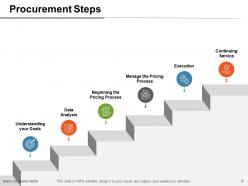
Slide 3: This slide showcases Procurement Steps with these six steps- Understanding your Goals, Data, Analysis, Beginning the Pricing Process, Manage the Pricing Process, Execution, Continuing Service.
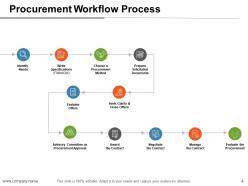
Slide 4: This slide presents Procurement Workflow Process with these steps- Identify Needs, Write Specifications (TOR/SOW), Choose a Procurement Method, Prepare Solicitation Documents, Evaluate Offers, Seek, Clarity & Close Offers, Advisory Committee on Procurement Approval, Award the Contract, Negotiate the Contract, Manage the Contract, Evaluate the Procurement.
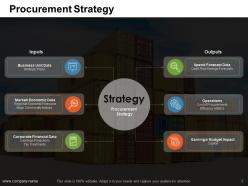
Slide 5: This slide presents Procurement Strategy with these steps- Inputs, Outputs, Business Unit Data, Strategic Plans, Market/ Economic Data, Regional Economic Forecasts, Major Commodity Indices, Corporate Financial Data, Earnings Projections, Tax Treatments, Spend Forecast Data, Cash Flow Savings Forecasts, Operations, Cost of Procurements, Efficiency Metrics, Earnings/ Budget Impact, Capital, Procurement, Strategy.
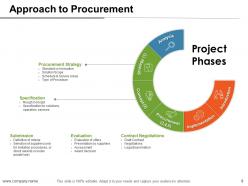
Slide 6: This slide showcases Approach to Procurement. You can use it as per your business requirement.
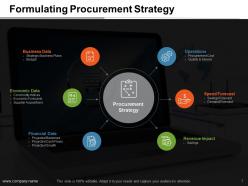
Slide 7: This slide presents Formulating Procurement Strategy and we have listed these six - Financial Data, Business Data, Economic Data, Spend Forecast, Operations, Revenue Impact.
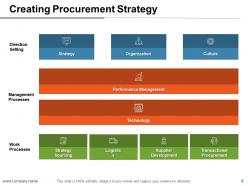
Slide 8: This slide shows Creating Procurement Strategy with these three main parameters- Direction Setting, Management Processes Work Processes.
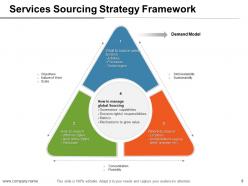
Slide 9: This slide presents Services Sourcing Strategy Framework with a Demand Model.
Slide 10: This slide showcases Procurement Icon Slide.
Slide 11: This slide is titled Additional Slides.
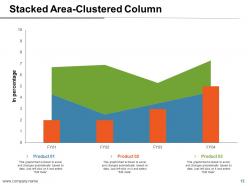
Slide 12: This slide shows a Stacked area chart in terms of percentage and years for comparison of Product 01, Product 02, Product 03 etc.
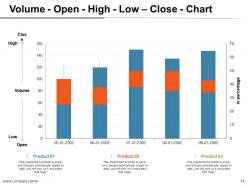
Slide 13: This slide displays a with volume as parameter in terms of high and low, open and close.
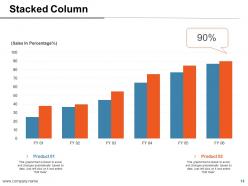
Slide 14: This slide shows a Stacked Line graph in terms of percentage and years for comparison of Product 01, Product 02, Product 03 etc.
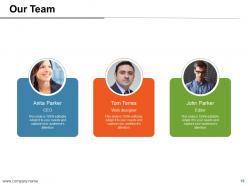
Slide 15: This slide showcases Our Team with Name and Designation to fill.
Slide 16: This slide contains Our Mission with text boxes.
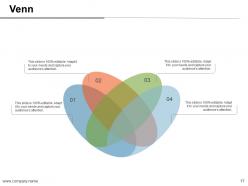
Slide 17: This slide displays a Venn diagram image.
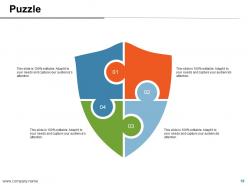
Slide 18: This is a Puzzle slide with the following subheadings- PPC Advertising, Media Marketing, Print Marketing, E-mail Campaigns.
Slide 19: This is a Thank You slide for acknowledgement.
Purchasing Goods And Services Process Powerpoint Presentation Slides with all 19 slides:
Discover boundless freedom with our Purchasing Goods And Services Process Powerpoint Presentation Slides. Experience the happiness of endless choices.
FAQs for Purchasing Goods And Services Process
So there's basically six main steps: figure out what you need, write up requirements, find suppliers, evaluate their bids, negotiate contracts, then manage the ongoing relationship. Everything connects though - like if your requirements suck, good luck comparing bids later. Honestly, the sourcing part really affects how much leverage you have when negotiating. Plus how you handle current suppliers impacts future deals too. It's kind of a cycle where your early choices mess with everything down the line. My take? Spend way more time than you think on requirements upfront. Trust me, it beats trying to compare totally different proposals later.
Honestly, start with a deep dive into your spending data - figure out where all the money's actually going. Then talk to each department about what they really need vs what they *think* they need (there's always a difference, trust me). Survey everyone about their pain points and upcoming projects. Historical data is your friend here - look for patterns and seasonal stuff. Getting finance, end users, and department heads involved early saves headaches later. Oh, and make a standard template for collecting this info so you're not reinventing the wheel every time.
Honestly, picking the right suppliers is huge - it affects everything from your costs to delivery times. Don't just go with whoever's cheapest. I've watched companies cut 20-30% by switching to suppliers who actually got their goals. You want partners who'll grow with you, not flake out when things get busy. Quality, sustainability targets, innovation - all that hinges on who you're working with. My old boss used to say "cheap suppliers make expensive problems" and man, was he right. Find people who share your values and can actually deliver what they promise.
Dude, automation is a game changer for procurement stuff. All those annoying tasks like approvals and invoice processing? Gone. I'm talking hours saved on data entry alone. The AI tools are actually pretty smart too - they'll spot spending patterns you missed and help with contract negotiations. Oh, and cloud platforms let you see everything in real-time, which is clutch for catching issues early. Honestly, just pick your biggest time-waster process and digitize that first. You'll probably wonder why you waited so long.
Oh man, you're gonna hate supplier delays the most - they'll mess up everything. Cost overruns are brutal too, plus your team probably won't communicate half as much as they should. Quality goes out the window when deadlines get tight (learned that one the hard way lol). Build in extra time for literally everything and keep backup suppliers ready. I'd set up weekly check-ins because people just... don't talk otherwise? Write super clear specs from day one and don't let anyone change the approval process mid-project. Track it all in one place so you can catch problems before they blow up your whole timeline.
Oh man, government procurement is a total nightmare compared to private sector. Everything takes forever because they have to follow these crazy strict rules about transparency and bidding. Private companies? They can just call up their favorite vendor and make a deal happen fast. With government work, you're drowning in paperwork and audit requirements - honestly kind of ridiculous sometimes. Plus they care way more about hitting diversity goals and social impact stuff. The timelines are just brutal. If you're thinking about switching sectors, brace yourself for completely different speeds and processes.
Oh man, cycle time is definitely the one people overlook - like how long from request to actual contract. Everyone feels it when procurement drags on forever! Cost savings percentage is obvious, plus spend under management. Supplier performance scores matter too, and contract compliance rates. Don't forget procurement ROI and maverick spending (basically stuff bought outside your approved processes). Honestly I'd pick maybe 3-4 metrics that match your worst headaches right now. You can always add more once you're getting decent data. Makes way more sense than trying to track everything at once.
Honestly, risk management is just your safety net for the whole procurement thing. You're constantly checking what might go wrong - supplier finances, supply chain mess-ups, quality problems, compliance stuff. Sounds boring but trust me, it'll save your ass when something inevitably goes sideways. Build risk checks into your vendor scorecards and always have backup plans for the critical stuff. Oh and document everything you find during each cycle - you'll start seeing patterns that help you make way better decisions later. Super worth the upfront effort.
Do your research first - check what their competitors charge and know your position going in. Volume discounts are your friend, so bundle orders when you can. Payment terms and delivery stuff can matter just as much as the actual price, honestly. Build some rapport before diving into numbers, then hit them with actual data instead of just begging for discounts. Walking away is totally fair game if they're not budging. Oh, and never let them think you're desperate - they'll sense it immediately and you're screwed. Present real proposals backed by facts rather than vague requests.
Honestly, you can't ignore sustainability anymore - it's become a dealbreaker. Most companies now bake environmental and social standards right into their vendor requirements. Investors and customers are watching your ESG scores like hawks, so your procurement choices actually matter for the bottom line. The cool thing is sustainable suppliers often end up saving you money through less waste and better efficiency. I'd start by throwing some sustainability questions into your vendor forms and scoring them next to price and quality. Oh, and heads up - some suppliers won't even get past the first round if they don't meet basic green standards these days.
Honestly, the biggest game-changer is getting everyone involved from the start. IT can tell you if something's actually compatible. Finance keeps you from going over budget (learned that one the hard way). Operations knows what features people will actually use versus what sounds good in demos. When you loop in all the departments early, you avoid those awkward moments where someone goes "uh, this won't work for our team." Plus negotiations go way smoother because you understand what everyone needs. Next time you're buying something big, just map out who should have input and when.
Dude, globalization basically blew up the whole procurement game. Your supplier options went from local guys to literally anywhere on the planet - which sounds awesome until you realize it's a nightmare to manage. Sure, you can get stuff cheaper from other countries, but now you're juggling currency swings, shipping delays, and quality issues across different time zones. Plus geopolitical drama can tank your whole operation in like 24 hours (look at what happened during COVID). My advice? Don't put all your eggs in one basket geographically. Map out where your critical suppliers are and have backups ready. Trust me on this one.
Look, you gotta bake compliance right into your process from day one - don't try to slap it on afterward. Map out what you're doing now and see where the regulatory stuff fits naturally. Clear approval workflows are huge, plus document everything (I learned this the hard way). Train your people on whatever regulations hit your industry. Here's the thing though - regular audits actually save your butt by catching problems early. Yeah, it feels like extra work at first, but make it part of your normal routine instead of some separate thing you dread. Way less painful that way.
Honestly, supplier relationships are what separate good procurement from great procurement. You'll get better deals, faster problem-solving, and they'll actually pick up the phone when supply chains go crazy (which happens more than you'd think). Regular check-ins are huge - don't just call when stuff breaks. Ask about their business challenges too. Sounds cheesy but they remember when you actually care about more than just getting your order. It's like... imagine having a mechanic who prioritizes your car because you've built real trust. Same concept, different industry.
Honestly, data analytics is a game changer for procurement decisions. Instead of going with your gut, you'll have actual numbers showing which suppliers are reliable and where you're bleeding money. I've seen people catch supply chain issues before they become disasters just by tracking the right metrics. Budget meetings become way less painful too - nothing beats having solid data when someone questions your vendor choices. My advice? Don't try to analyze everything at once, that's overwhelming. Start with something simple like tracking supplier performance or categorizing your spending, then expand from there.
-
Great experience, I would definitely use your services further.
-
Topic best represented with attractive design.