MVP Plan Powerpoint PPT Template Bundles

Rating:
80%
Slide 1 of 27
Favourites Favourites

Try Before you Buy Download Free Sample Product

Audience Impress Your
Audience
Editable 100%
Editable
Time Save Hours
of Time
The Biggest Sale is ending soon in
0
0
:
0
0
:
0
0
Rating:
80%
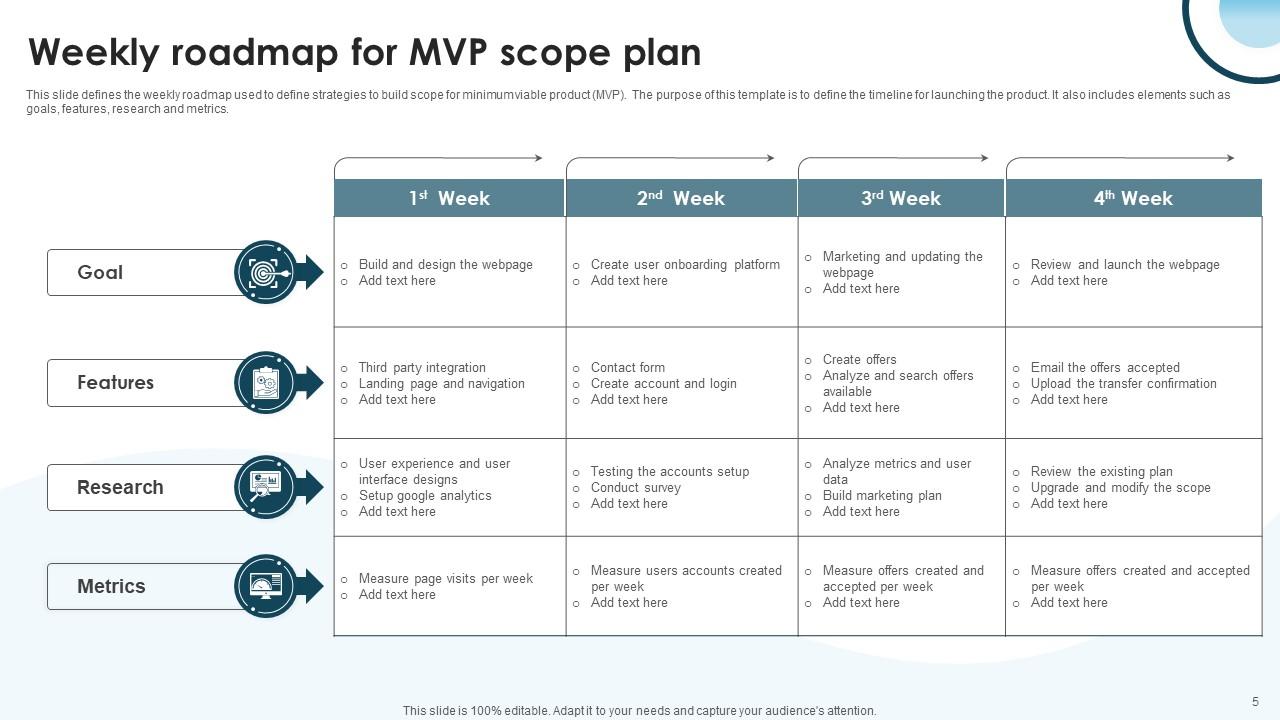
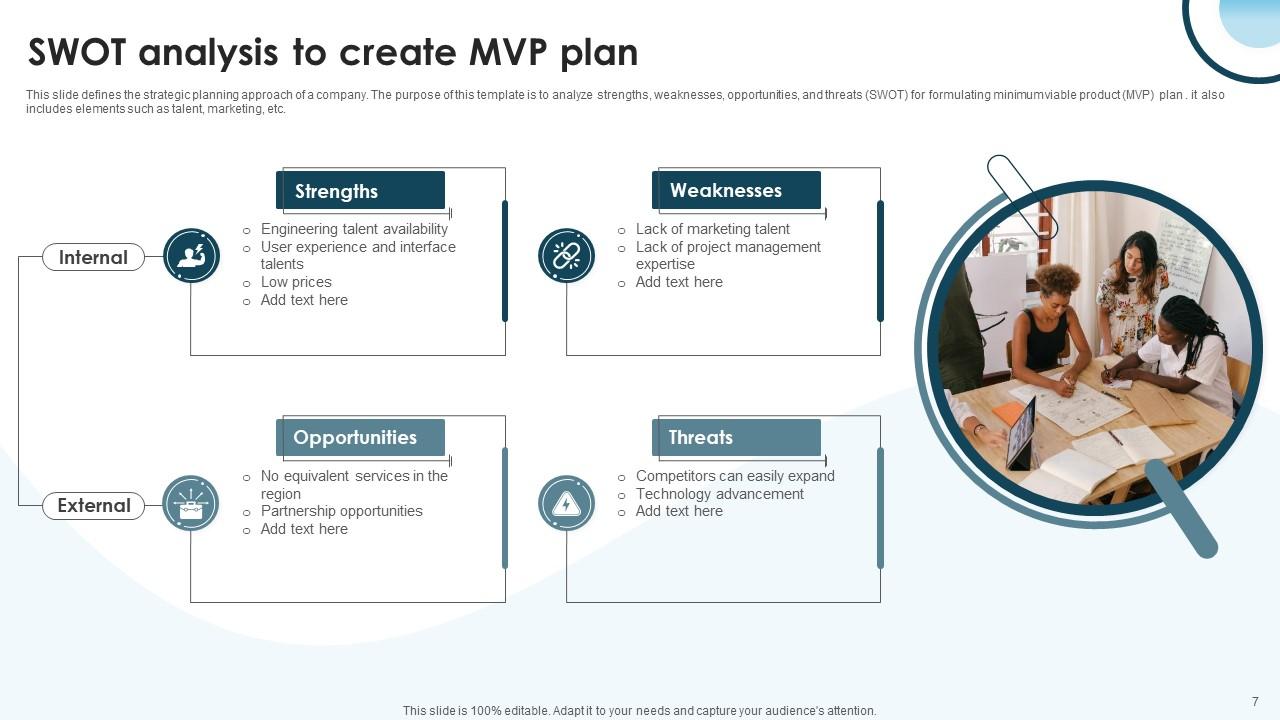
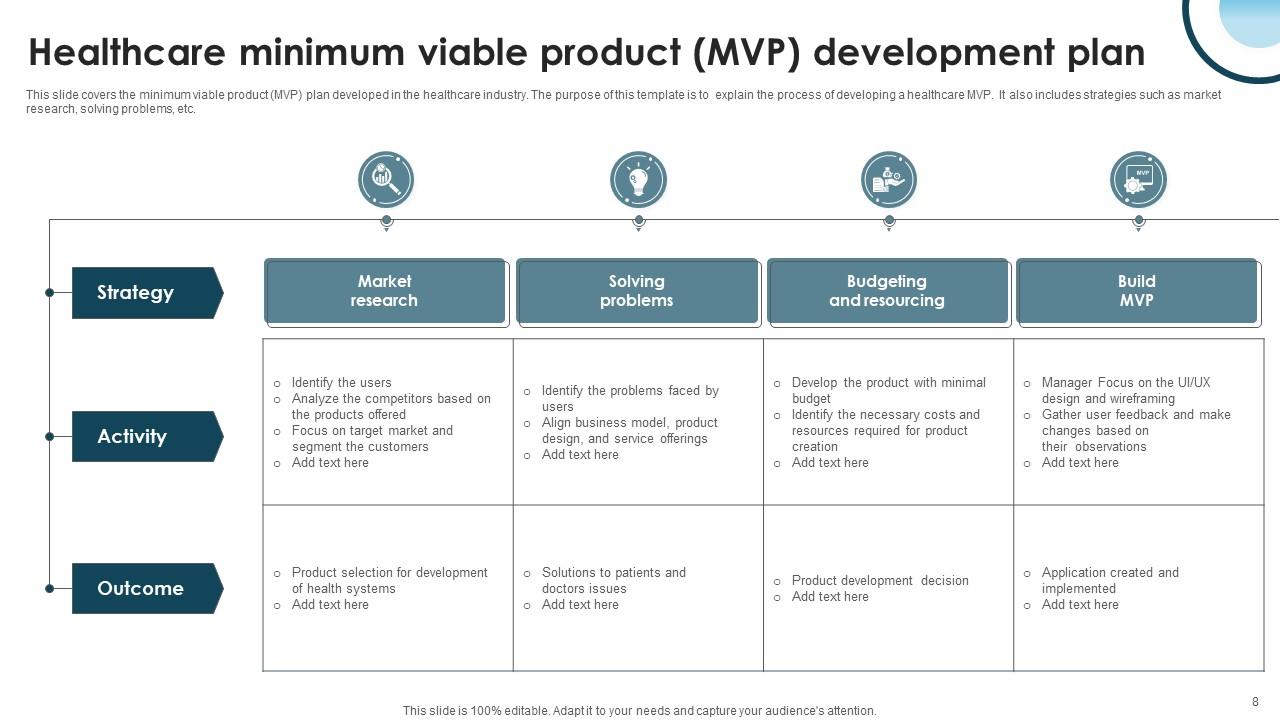
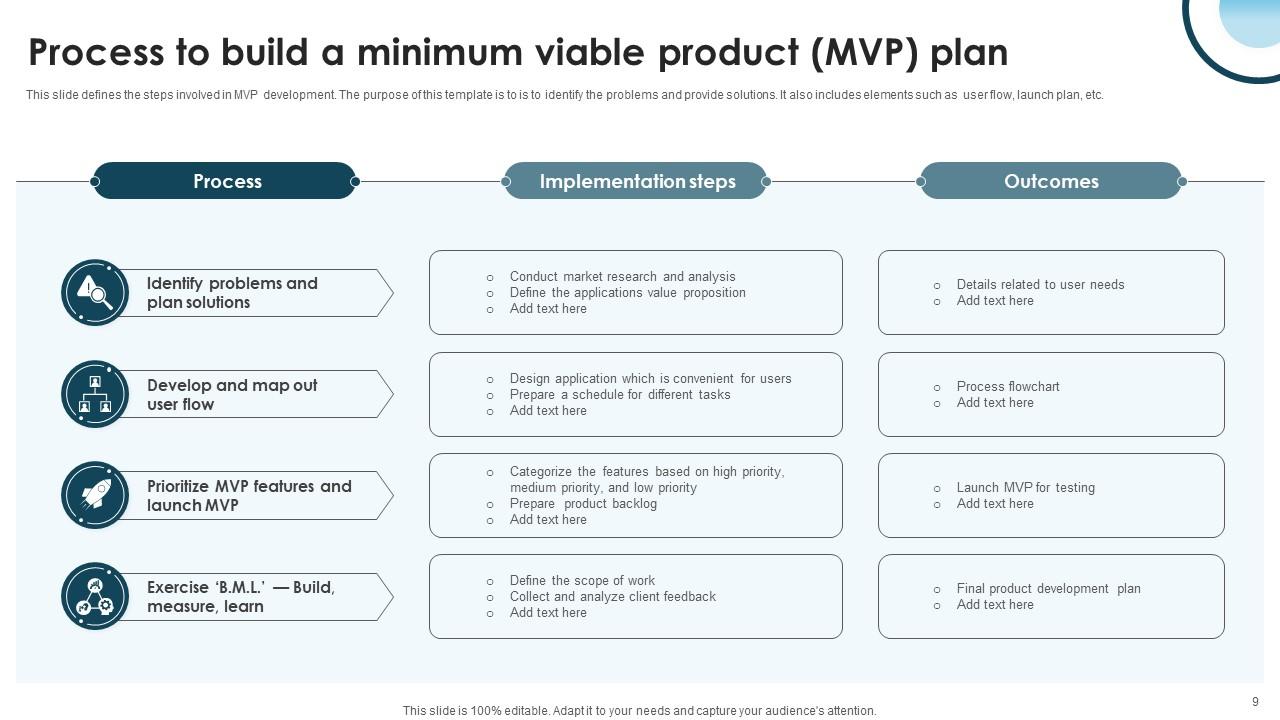
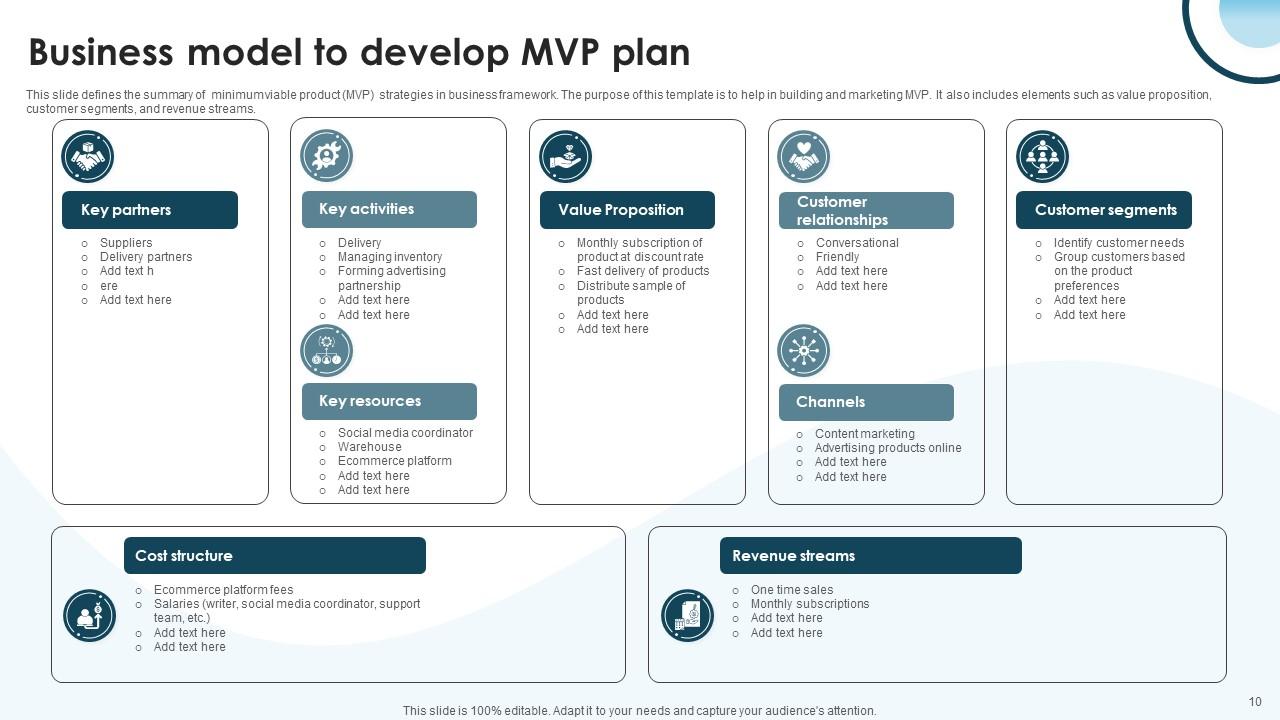
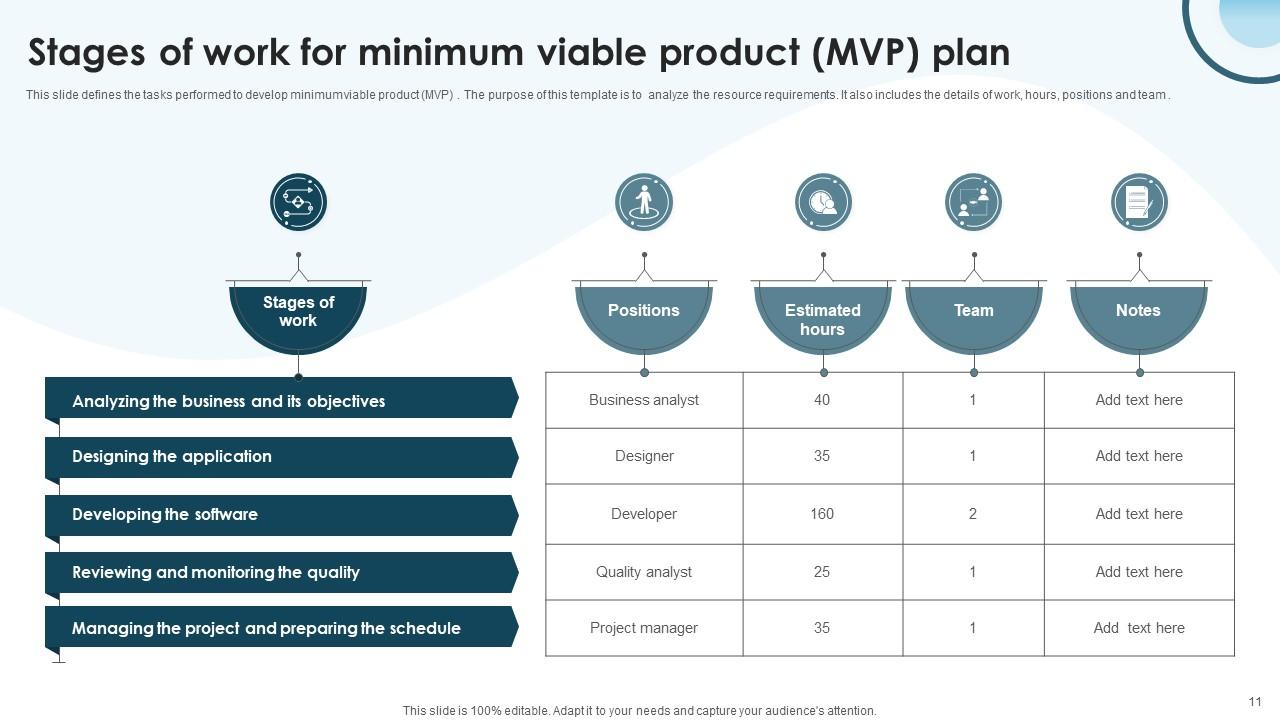
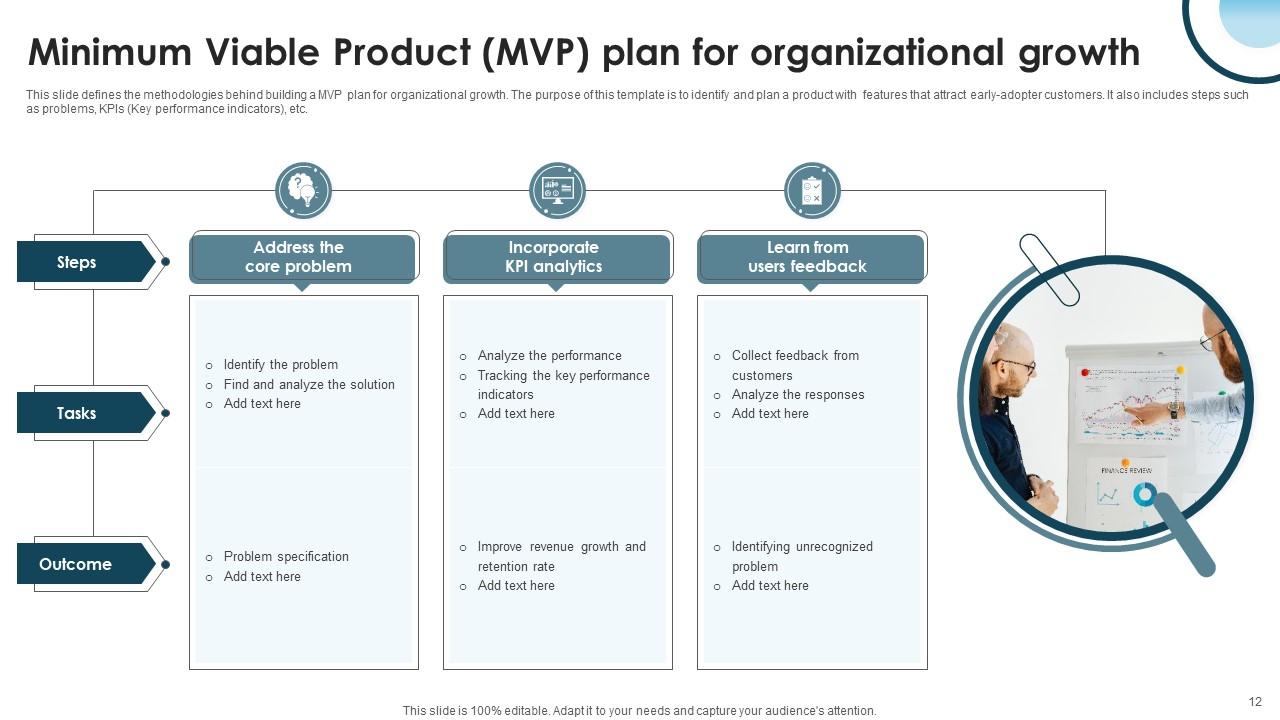
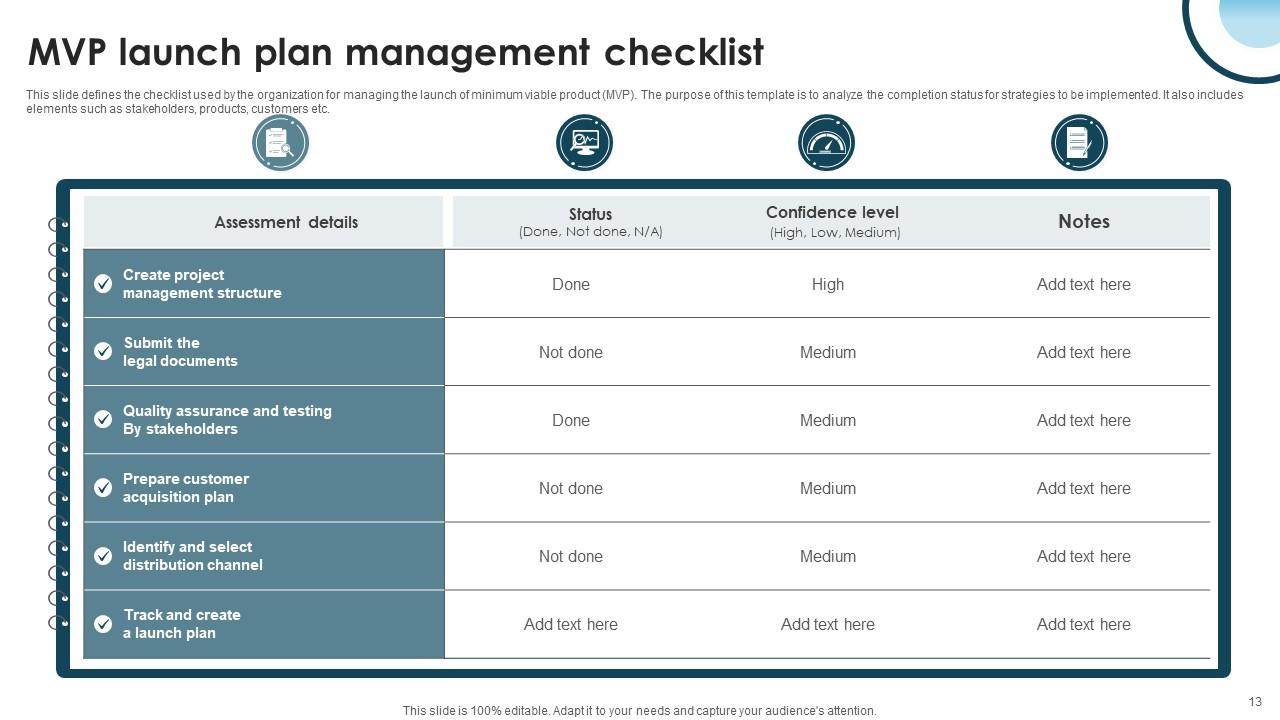
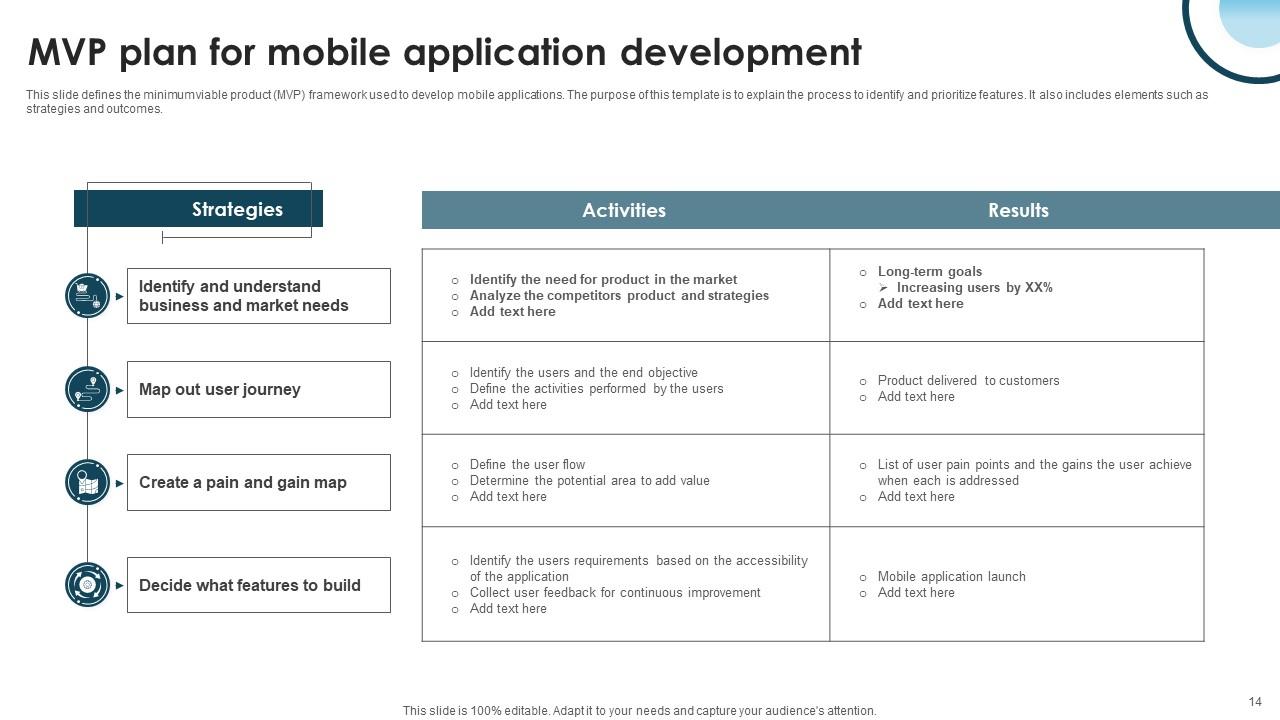
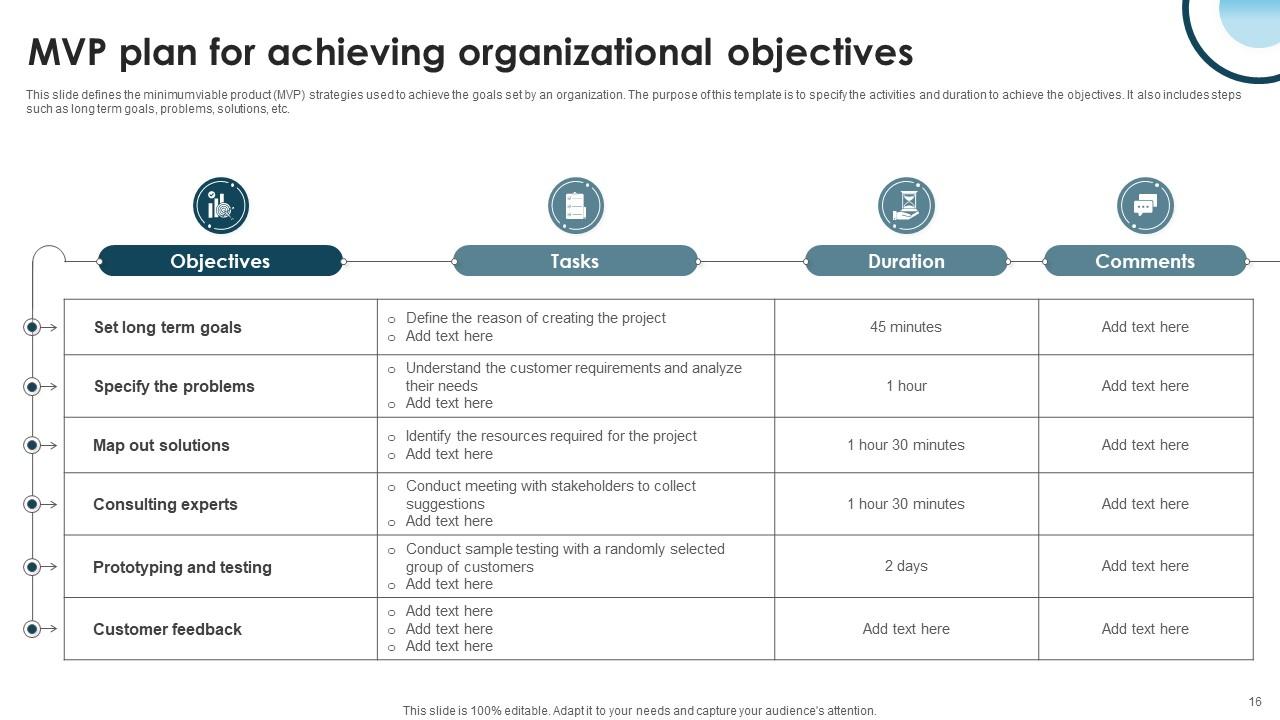
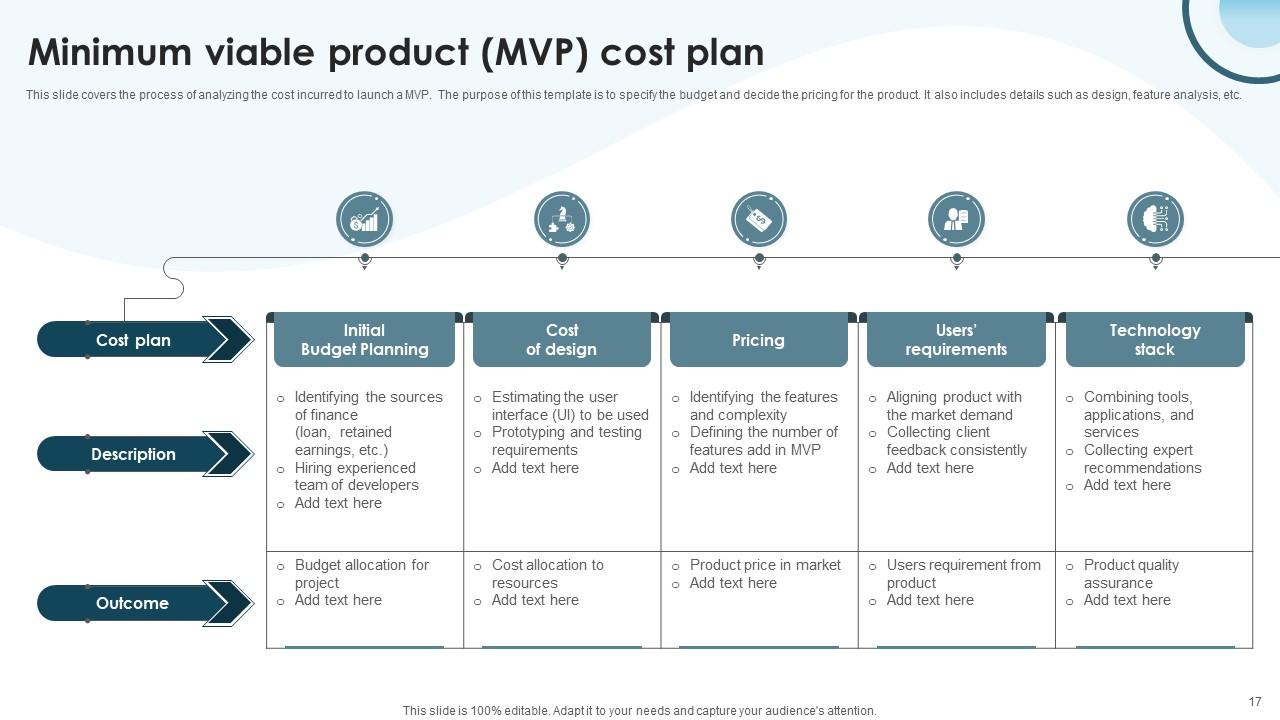
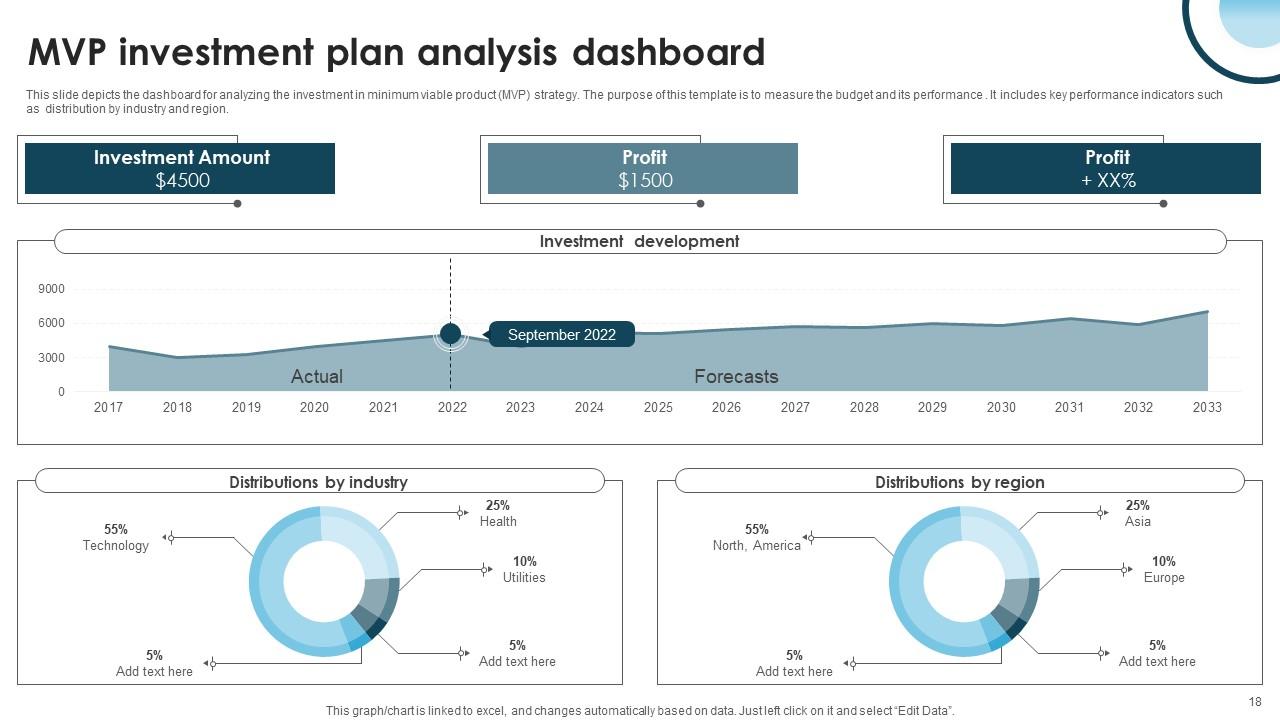
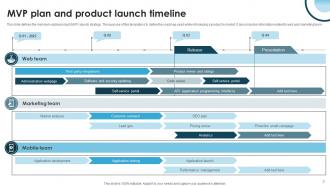
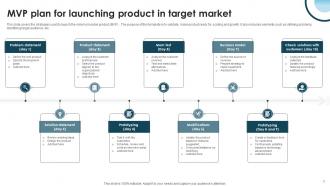
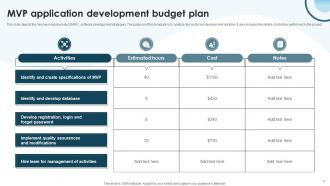
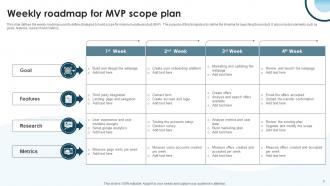
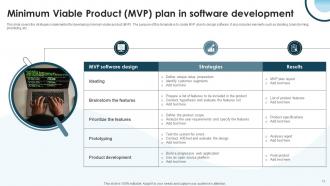
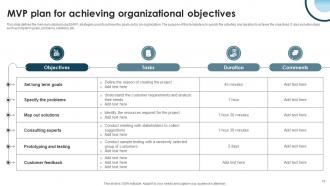
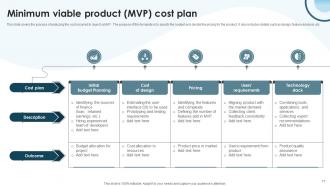
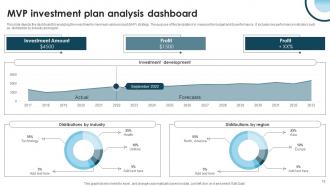
If you require a professional template with great design, then this MVP Plan Powerpoint PPT Template Bundles is an ideal fit for you. Deploy it to enthrall your audience and increase your presentation threshold with the right graphics, images, and structure. Portray your ideas and vision using twenty two slides included in this complete deck. This template is suitable for expert discussion meetings presenting your views on the topic. With a variety of slides having the same thematic representation, this template can be regarded as a complete package. It employs some of the best design practices, so everything is well-structured. Not only this, it responds to all your needs and requirements by quickly adapting itself to the changes you make. This PPT slideshow is available for immediate download in PNG, JPG, and PDF formats, further enhancing its usability. Grab it by clicking the download button.
FAQs for MVP Plan Powerpoint

Alright, so for your MVP presentation - start with the problem and who you're solving it for. Then show the bare minimum features you need to test if this thing actually works. Put your success metrics right up front with real numbers, not vague stuff like "user engagement." Timeline and budget are obvious but necessary. Oh, and definitely include how you'll get user feedback because that's the whole point. I always add the biggest assumptions and risks too - stakeholders eat that up since it shows you're not just winging it. Focus on learning over perfection. Honestly, lead with your scariest assumption first. That slide usually makes or breaks the whole pitch.

Look, start with the pain point - stakeholders actually give a damn about real problems, not shiny features. Then explain who you're helping and what you expect to happen. Be specific about metrics you'll track, like engagement or conversions or whatever makes sense. Here's the thing though - don't pitch it as some perfect final product. That's amateur hour. Position it as your quickest way to figure out what customers really want (because let's be honest, we're all just guessing at first). Always wrap up with concrete next steps and timing so everyone's on the same page.

Honestly, just figure out what actually fixes your users' main problem and stick to that. Everything else is fluff you don't need right now. I'd grab maybe 3-5 features max that you absolutely can't launch without. MoSCoW framework helps tons here - forces you to be real about what's actually critical vs what sounds cool. Talk to your actual users though, not just the people who think they speak for users (learned that one the hard way). Those impact/effort grids work great too for cutting through the emotional attachment to features. Once you've got your short list, start building.

Honestly, just pick 2-3 metrics that actually prove your hypothesis about what users want. Conversion rates are solid. Day 7 retention is huge - shows people stick around. Downloads sound impressive but they're basically meaningless if nobody's using your thing after. Behavioral stuff matters way more than vanity numbers. You want data that screams "yes, people actually get value from this." I learned this the hard way with my first project - got obsessed with signups while ignoring that half my users bounced immediately. Pick something you can easily track but that genuinely signals product-market fit. Start day one, even when the numbers suck.

Definitely start with user interviews - they're cheap and you'll uncover stuff you never even thought to ask about. A/B testing is solid for comparing different feature versions. Surveys work well when you need feedback from a ton of people fast. Oh, and landing page tests are clutch for testing interest before you actually build anything (learned that one the hard way). Honestly, interviews reveal the gap between what people say they want and what they actually do. That's where the real insights are.

Start collecting feedback before you even launch - seriously, don't wait. Throw in some simple stuff like feedback buttons or quick surveys. Keep it short though, nobody's filling out some massive form. User interviews work great too if you can swing it. Once feedback starts rolling in, actually do something with it. Fix the stuff people complain about most and iterate fast. Oh, and close the loop - let users know when you've implemented their ideas. Makes them feel heard and keeps them around. Plus you get solid data for planning your next sprint.

Look, market research is like having a GPS for your MVP - without it you're just guessing what people want. Do user interviews first, before you even touch code. This stuff helps you figure out which pain points actually matter vs the features you think are cool. I've seen way too many products flop because founders skipped this step and built what they wanted instead of what users needed. Surveys work too but honestly conversations tell you more. Strip out the nice-to-haves and focus on real problems. It's what separates products people use from ones that just sit there collecting digital dust.

Honestly, just write your MVP features next to your actual business goals - like literally on paper or whatever. You'll see pretty quickly what connects and what doesn't. Your MVP needs to test the scariest assumptions about whether people will actually pay you, not just prove you can code something fancy. Work backwards from where you want to be in 2-3 years. Does this version actually validate your main value prop? I'd make a simple scoring thing - rank each feature by how much it helps long-term vision vs. what you'll learn right now. That usually makes the priorities way clearer than just guessing.

Honestly, the worst thing you can do is build way too much stuff. Your "minimum" product becomes this massive thing that never ships. Skip the user research and you're basically guessing what people want - which is usually wrong, trust me. Also define your success metrics first or you'll have no clue if it worked. People fall in love with shiny features that don't actually solve anything important. Just focus on proving one main thing works. Keep it simple, test constantly. I learned this the hard way on my last project.

Definitely do competitive analysis - it's a game changer for finding what's missing in the market. I usually pick 2-3 direct competitors and make a simple spreadsheet comparing their features and pricing. Check out user reviews too, people love complaining about what sucks. Honestly, don't feel bad about "borrowing" ideas that work well - everyone does it. But the real gold is spotting what they're doing poorly or completely ignoring. That's where you can actually differentiate your MVP. This whole process helps you figure out what features are actually essential vs just nice-to-have fluff.

Honestly, just pick whatever you're comfortable with and focus on the story instead. Canva's super easy if you want nice visuals without much effort. Figma works too, plus it has decent templates. Prezi or Pitch are cool if you hate boring slide decks - way more interactive than PowerPoint (which everyone's sick of anyway). Google Slides is actually fine if you keep it clean. Oh, and Miro's solid for those workshop-style presentations where you're collaborating with stakeholders. Don't overthink the tool choice though - I've seen great MVPs presented on basic slides and terrible ones on fancy platforms.

Look, storytelling makes or breaks your MVP pitch - I can't stress this enough. Don't just list features like you're reading a spec sheet. People need to feel something. Walk them through the actual problem your users face, then show how your solution changes their world. The best pitches I've seen basically tell a mini movie - here's the struggle, here's what happens when they find your product, here's the amazing outcome. Your metrics matter, but they should back up the story, not BE the whole story. Trust me on this one.

Focus on the stuff that actually matters - daily/weekly active users, how many people stick around after 7 and 30 days, and which features people actually use. Conversion rates are huge if you've got a signup flow. Honestly, don't get sucked into vanity metrics like total signups. Sure, they look good on slides but they're basically meaningless if nobody's using your product. Customer feedback scores and churn tell the real story. Technical performance counts too - crashes and slow load times will kill any momentum you've built. I'd start with maybe 5-7 metrics tops and check them weekly.

Here's my take: nail one problem instead of throwing every shiny feature at the wall. Your MVP needs to feel new enough to matter but not so weird that people get confused. I'd stick to maybe 2-3 innovative bits max - otherwise you're just overwhelming everyone. Honestly, the boring stuff matters most. Good UX, things that actually work, clear value. That foundation has to be solid before you get fancy. Start with your crazy brainstorm list, then cut ruthlessly. What's left should be stuff users can actually get value from on day one. Most features can wait.

Don't rebuild from scratch - just build on what you learned from your MVP. Look at what users actually used and asked for, not what you thought they'd want. Technical debt is annoying but deal with it now before it becomes a nightmare later. Add features slowly and watch how people respond to each one. Honestly, most founders try to do too much too fast. Set up metrics for every new thing you release so you know if it's actually helping. Keep that feedback cycle tight - it's way easier to pivot when you catch problems early.

Ratings and Reviews

80% of 100
Review Form
Write a review
Most Relevant Reviews
  1. 80%

    by James Rodriguez

    I was confident and well prepared for my presentation for the first time ever. With SlideTeam’s templates, I could deliver one of my best presentations. Will be coming back for more!
  2. 80%

    by Edward Nunez

    Professionally designed slides with color coordinated themes and icons. Perfect for enhancing the style of the presentations. 

2 Item(s)

per page: