


5 Year Marketing Plan PowerPoint PPT Template Bundles




Try Before you Buy Download Free Sample Product
 Impress Your
 Audience
 100%
100% Editable
 Save Hours
 of Time


Our 5 Year Marketing Plan PowerPoint PPT Template Bundles are topically designed to provide an attractive backdrop to any subject. Use them to look like a presentation pro.
People who downloaded this PowerPoint presentation also viewed the following :
5 Year Marketing Plan PowerPoint PPT Template Bundles with all 17 slides:
Use our 5 Year Marketing Plan PowerPoint PPT Template Bundles to effectively help you save your valuable time. They are readymade to fit into any presentation structure.
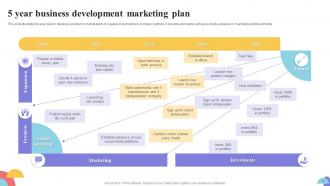
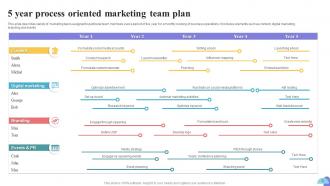
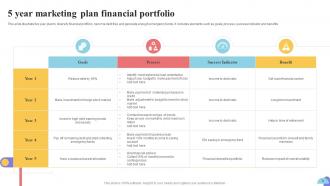
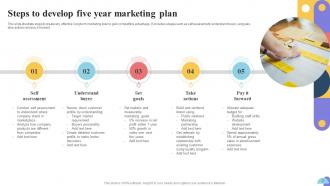






FAQs for 5 Year Marketing Plan PowerPoint
Honestly, keep it simple and focus on three big things: where you want your brand to sit in the market, growth numbers (revenue, customers, market share), and what new capabilities you'll need to build. Map out major product launches and if you're planning to expand anywhere new. Digital stuff too, obviously. Don't get bogged down in tactics - that's what your yearly plans are for. Pick 2-3 huge wins you want by year five, then work backwards. I always think it's better to be ambitious but not completely unrealistic, you know? The whole thing should actually connect to your bigger business strategy or it's pretty pointless.
Honestly, market research is like your GPS for the next 5 years. It tells you where customers are going, what your competitors are up to, and which segments will actually make money. I used to wing it with trends - terrible idea. The data helps you catch opportunities early, like new demographics or how people's buying habits shift. My cousin's startup failed because they ignored this stuff completely. Pick 3-4 key numbers to watch every quarter so you're not just throwing darts blindfolded. Otherwise your strategy is basically hoping for the best.
Honestly, focus on the metrics that actually matter - revenue growth, customer acquisition cost, and lifetime value are your core trio. Brand awareness and customer satisfaction give you the bigger story though. Website traffic and conversion rates are obvious must-haves too, especially if you're doing any digital marketing (which, let's be real, everyone is these days). Pick maybe 5-7 metrics max that you'll actually look at quarterly. Trust me, having 20 different KPIs sounds impressive but they'll just collect dust. Set up some automated reports now so you're not pulling your hair out trying to find data later when someone asks for it.
Honestly, flexibility is everything these days. Build in quarterly reviews instead of locking yourself into some rigid annual plan. I mean, look how fast TikTok blew up - nobody saw that coming. Set aside maybe 20% of your budget just for experimenting with new stuff. Track what's happening with demographics and where people are actually hanging out online. Short bursts of testing beats scrambling later when everyone's moved to whatever platform Gen Z discovers next. Your brand goals can stay consistent while you adjust the day-to-day tactics. Data check-ins should be routine, not afterthoughts.
So digital marketing is gonna be huge for your 5-year plan - that's where most growth happens these days. Start with SEO and content in the first couple years, then scale up paid ads later. The landscape changes so fast it's honestly crazy... like, what worked 3 years ago is basically useless now. That's why you need the long view though. Budget for your core stuff but also set aside money each year to test new platforms. Oh and don't blow your budget on experimental stuff right away - build your foundation first.
So competitive analysis is basically your secret weapon for finding those sweet market gaps. I'd start by tracking your top 3-5 competitors every quarter - watch their pricing, new launches, customer complaints. You can actually predict their next moves this way. The fun part? Spotting where they're completely screwing up. Map out their investments and future plans, then build your strategy to go the opposite direction. Position yourself in those underserved spaces they're ignoring. Oh, and definitely monitor their digital changes - sometimes they telegraph their moves way too early.
Okay so for your five-year marketing budget, start with revenue goals and work backwards - that's honestly the only way to stay sane. Digital ads will probably eat up most of your money, then you've got content creation, your tech stack, events, and staff costs. I'd split brand campaigns from performance marketing into separate line items because they're totally different beasts. Build in 10-15% increases each year since everything keeps getting more expensive. Oh, and definitely set aside a contingency fund for when random opportunities come up. Leave some room for testing new channels too - you never know what might work.
Check your 5-year plan every quarter, then do the big updates once a year. I promise it's worth it - those quarterly reviews catch market changes before they blindside you. Annual reviews are for the heavy stuff: reassessing goals, shifting budgets, maybe scrapping what isn't working. Honestly, 2020 taught us all that markets can flip overnight. Short reviews keep you nimble without losing sight of the bigger picture. Set those calendar reminders now (seriously, do it right after reading this) and write down your changes so you can spot trends later.
Honestly, the worst thing you can do is get too locked into specifics that far out. Like, who knows what technology will look like in 5 years? I've seen so many companies set these super detailed metrics for 2030 and then wonder why nothing works out. Your data today matters way more than wishful thinking about hockey stick growth - trust me on that one. Build in checkpoints to change direction when stuff inevitably goes sideways. Keep your big picture vision clear but stay flexible on how you'll actually get there. Otherwise you're just setting yourself up to fail.
Look, brands that don't evolve just die a slow death. Pay attention to how your customers are changing - like if they suddenly care way more about sustainability than they used to. I'd say refresh your visuals every couple years (nothing crazy dramatic though). Update your messaging so you don't sound like you're stuck in 2019. Oh, and do quarterly check-ins where you're brutally honest about whether you still connect with people. Better to make tiny tweaks regularly than scramble for a complete rebrand later. Trust me on this one.
Honestly, start playing with AI tools now - they're already changing everything about content and customer insights. Voice search and personalized experiences? Yeah, you'll need those soon. AR/VR is getting big too. Blockchain sounds cool for data transparency but might take forever to actually happen (just being real). Chatbots and social commerce are solid bets. The metaverse thing... who knows where that's heading. Build your plan so you can switch gears when something new pops up. Better to experiment early than scramble later.
Okay so basically you want to bake feedback collection right into your 5-year plan from the start. Schedule surveys and focus groups at major milestones, then actually DO something with what you learn every quarter. Honestly, most companies are terrible at this - they'll spend money collecting insights then just ignore them. Your messaging and target audience should evolve based on what customers tell you, not the other way around. Oh, and definitely budget for this stuff upfront or it'll be the first thing cut when you're scrambling. Think of customer feedback as your strategy GPS, not just a nice-to-have.
Start with a basic spreadsheet that connects your marketing moves directly to business goals. Like if they want 40% revenue growth, break down exactly how you'll get there through leads or retention or whatever makes sense. The thing is, you gotta speak their language - use the same metrics the CEO actually cares about, not just marketing fluff numbers. I'd skip the vanity stuff entirely. Set up quarterly check-ins so you can adjust tactics without losing the big picture alignment. Honestly, building in that flexibility from the start will save you so much headache later when priorities inevitably shift.
Honestly, working with other departments is what separates good marketing from great marketing over the long haul. Sales teams know which campaigns actually bring in money (total game changer). Product can tell you what's realistic to promise customers. Finance keeps you grounded on budget stuff, and customer service? They hear complaints first. Without their input, you're just guessing at what'll work. I've seen too many campaigns flop because marketing didn't check with product first - awkward conversations with angry customers later. Set up quarterly meetings with the key players. Sounds boring but it's worth it.
Okay so for your 5-year plan, definitely branch out beyond just blog posts - video, podcasts, interactive stuff, user content. Everyone's doing the same boring shit right now so you really need to stand out. I'd put money into personalization and AI optimization tools. Community building beats pushing sales content every time, trust me on that one. Oh and create those content pillars that can shift as your audience changes - super important. Start by looking at what's actually making you money now, then go hard on those formats. But also mess around with new platforms because you never know what'll hit.
-
Unique and attractive product design.
-
Extensive range of templates! Highly impressed with the quality of the designs.