


5s workplace efficiency warehouse management organizational procedures




Try Before you Buy Download Free Sample Product
 Impress Your
 Audience
 100%
100% Editable
 Save Hours
 of Time


Our 5s Workplace Efficiency Warehouse Management Organizational Procedures are topically designed to provide an attractive backdrop to any subject. Use them to look like a presentation pro.
People who downloaded this PowerPoint presentation also viewed the following :
5s workplace efficiency warehouse management organizational procedures with all 12 slides:
Use our 5s Workplace Efficiency Warehouse Management Organizational Procedures to effectively help you save your valuable time. They are readymade to fit into any presentation structure.
FAQs for 5s workplace efficiency warehouse
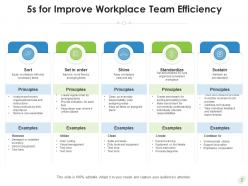
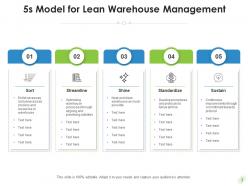
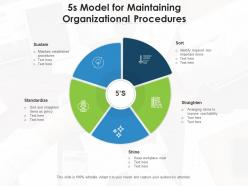
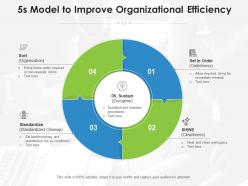
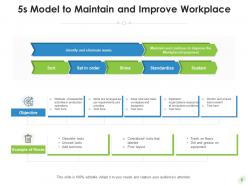
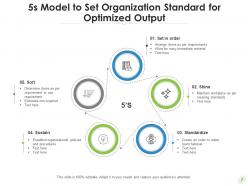
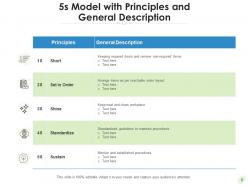
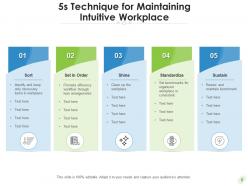
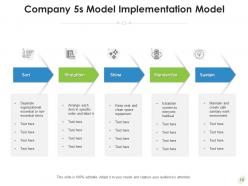
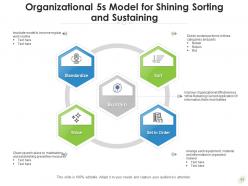
So 5S is basically Sort, Set in Order, Shine, Standardize, and Sustain. Start by throwing out all the junk you don't actually need - you'd be surprised how much random stuff accumulates. Then give everything that's left a proper home. Keep things clean and do regular maintenance (the shine part). Standardize means everyone follows the same processes, which honestly saves so many headaches later. Sustain is just making sure it all sticks. Oh, and don't try to tackle your whole warehouse at once - pick one section and get the first three steps down solid before you move on. Way less overwhelming that way.
Dude, 5S is a game changer for inventory accuracy. Everything gets its own spot, so you're not constantly hunting around for stuff - and trust me, that adds up to SO much wasted time. The visual setup makes it super obvious when stock is low or things are out of place. Your picking gets way more accurate, cycle counts become actually manageable instead of a nightmare. Stock discrepancies? Way fewer headaches there. I'd start small with just one area and see how it goes. You'll probably be shocked at how much smoother everything runs once people aren't playing hide-and-seek with inventory all day.
Dude, standardization is what stops your 5S from completely falling apart in like a month. You need everyone doing the same stuff - same labels, cleaning routines, where things go. Otherwise each team just wings it their own way and it's a total mess. I've watched warehouses where day shift organizes everything one way, then night shift comes in and does whatever they want. Nightmare fuel honestly. Document your processes and train people the same way across the board. Just make sure your standards aren't crazy unrealistic or nobody will stick to them. Oh, and audit regularly so people don't slack off.
Honestly, the worst part is dealing with pushback from your team. People absolutely hate changing how they work, especially the old-timers. They'll think you're just adding more busy work or trying to micromanage them. Different shifts will do things completely differently too, which is frustrating. Oh, and good luck finding time to actually sort through everything while still getting your regular work done - that's always a nightmare. The hardest part though? Keeping everyone disciplined after the first few weeks. Pick one small area to start with and get some wins under your belt first. Management backing you up makes a huge difference.
Dude, you absolutely need your team actually wanting to do 5S, not just going through the motions because they have to. When people are genuinely into it, they'll catch problems before you even notice and come up with their own fixes. Nobody wants their boss breathing down their neck about keeping their desk clean - that's just annoying. Get them involved from day one when you're setting everything up. Workers who feel ownership of their space become your biggest champions for keeping the whole thing going. Oh, and ask them regularly what's working and what sucks. Their feedback is gold.
Grab some whiteboards for visual management and colored floor tape - that stuff gets beaten up fast so don't go cheap. You'll want label makers, storage bins, and shadow boards to outline where tools go. Red tags are perfect for marking stuff to toss during sorting. Oh, and cleaning supplies - I swear this is where everyone drops the ball but it actually matters. Digital camera for before/after shots helps with audits later. Honestly, skip those overpriced 5S starter kits and just hit up your local office store first. The floor tape and labels take the most abuse, so that's where I'd put my money.
Honestly, 5S is a game-changer for warehouse safety. You sort out all the junk and suddenly trip hazards disappear. Tool placement becomes predictable so people actually know where safety gear is. I've worked with places that dropped accidents by 40% just doing this right. Clean aisles with good lighting? Your crew spots spills way before someone eats it. The visual stuff is pretty cool too - when everything has its place, you'll notice danger signs immediately. Oh, and definitely tackle your busiest areas first. That's where you'll see the biggest impact fastest.
Honestly, going digital with 5S makes a huge difference. Warehouse management systems help track where stuff actually belongs - covers your Sort and Set in Order pretty well. Mobile apps are clutch for workers to flag problems quickly. For the cleaning and standardizing parts, digital checklists with automated reminders work way better than hoping people remember their weekly audits (spoiler: they won't). Some places use IoT sensors to monitor cleanliness automatically, which seems a bit fancy but whatever works. Just don't pick tools that'll make your team's life harder - you want things that actually stick, not more busywork.
Dude, visual management is a game changer for warehouses. Color-coded zones and clear labels mean your team stops wasting time hunting for stuff. Low inventory? You'll spot it right away with visual indicators. Problems become super obvious instead of sneaking up on you later - which honestly saves so much stress. It's kinda like having GPS but for your whole operation. Once you try it, the old chaotic way feels ridiculous. My advice? Pick one small area first and test it out. You'll be amazed how much smoother everything flows when people can actually see what's going on.
Track time to find stuff, inventory accuracy, accidents, and how well people stick to the 5S rules. Monthly works best for spotting trends. Before/after photos are weirdly effective with management - they eat that visual stuff up. If you've got equipment, measure setup times and overall effectiveness too. Honestly, start with maybe 3-4 metrics max. I've seen teams try to track everything and just burn themselves out completely. You can always add more later once you get the hang of it.
Start with weekly audits, then go monthly once your crew gets it down. Quick daily checks are clutch too - I've watched places completely fall apart when they skip the regular walkthroughs. Weekly catches stuff early, monthly shows you patterns. Honestly, being consistent matters way more than being perfect. Use a basic checklist for all five S's across your main areas. Oh, and don't stretch past monthly or you'll lose steam. Once your scores stay solid for a couple months straight, maybe try every two weeks. But seriously, don't get lazy with it.
Honestly, people think 5S is just fancy cleaning - but it's way more systematic than that. You can't just do it once and call it done either. Requires constant upkeep and regular check-ins, which sounds annoying but trust me on this. Yeah, it might slow things down at first (I won't lie), but the productivity boost later is worth it. Oh, and managers love saying it's only for factory floors - total BS. Your warehouse will benefit just as much from having everything standardized and visual. My advice? Pick one small area first, show it works, then expand from there.
Look, 5S basically cuts waste by getting your space so organized that you stop overproducing and buying duplicate stuff. Everything gets a designated spot, which means no more emergency orders (and all that extra packaging waste). Your equipment actually lasts longer too since you're maintaining it properly - I was shocked how much our energy bills dropped when machines weren't constantly struggling. The whole "Sustain" thing keeps it working long-term. Honestly, just start by figuring out where you're wasting the most right now, then hit those spots with Sort and Set in Order first. Makes a huge difference.
Skip the PowerPoint stuff - get everyone actually sorting through real warehouse sections instead. Way more effective when they're hands-on. Train supervisors first so they can coach properly later. Those "5S days" where the whole team tackles one area work really well for buy-in. Gemba walks are solid too - everyone spots waste together right on the floor. Cover each S with actual exercises, not just theory. Oh, and visual management training is huge for making changes stick. Honestly, interactive beats lecture-style every time when you're dealing with warehouse folks.
Honestly, you've gotta get your hands dirty with this stuff - don't just tell everyone else to do 5S. Walk around daily and actually sort and clean with your team. Spot something messy? Fix it right then instead of hoping someone else will notice. The worst thing you can do is preach 5S while your own office looks like a tornado hit it (seen this way too many times). Talk about it regularly, get excited when people do it well, and own up when you screw up too. Your team will match whatever energy you bring, so if you're actually committed to keeping things organized, they'll follow suit.
-
Great designs, Easily Editable.
-
Design layout is very impressive.
-
Understandable and informative presentation.
-
Awesomely designed templates, Easy to understand.