


Advertising management powerpoint presentation slides
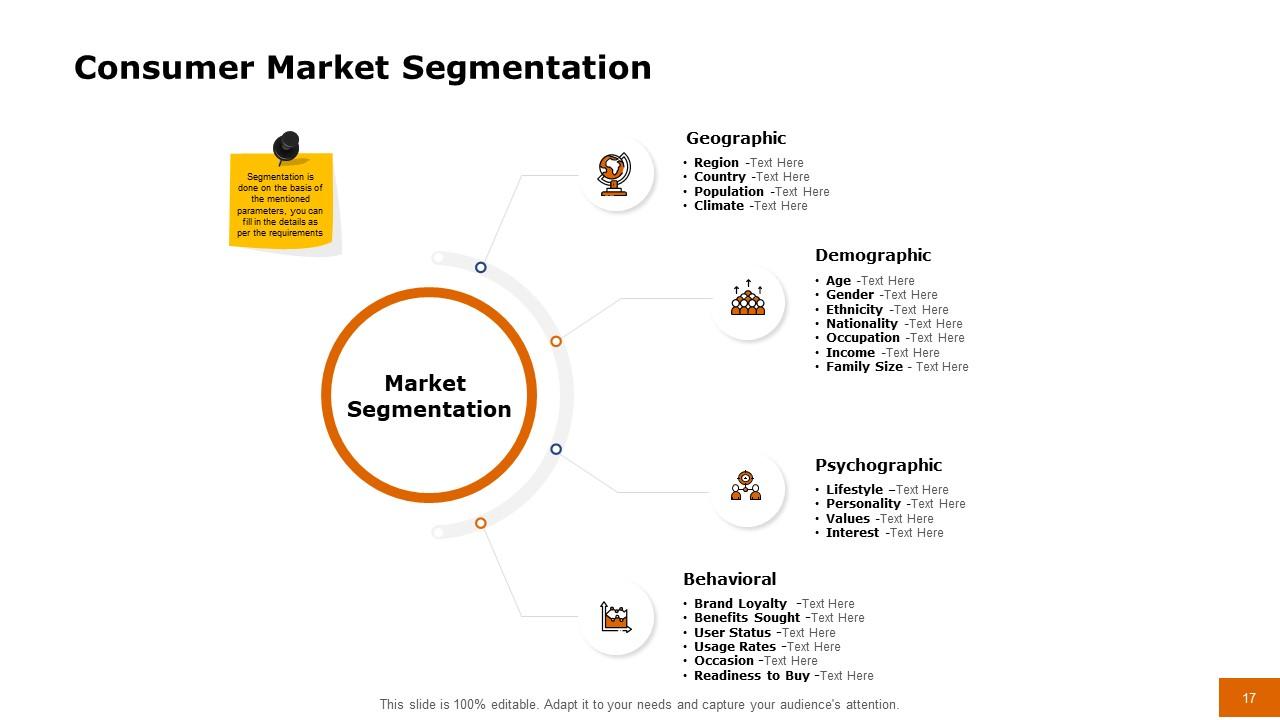
Grab this professional Advertising Management PowerPoint Presentation Slides to showcase your promotion plan with visual appeal. Our advertising campaign PPT template covers marketing fundamentals such as market analysis, branding, customer building, product strategy, and distribution channels. Using our advertising campaign PowerPoint slideshow, you can represent marketing insights through PESTEL and SWOT analysis. This marketing strategy PPT presentation helps users to represent global market trends in an easy-to-follow tabular format. Advertisement management PPT users can illustrate the target market by segmenting consumers based on geographic, demographic, psychographic, and behavioral characteristics. Our advertisement program PowerPoint slides help you showcase competition using various parameters like market share, price competition, and brand image. This advertisement strategy PPT also assists in demonstrating the pricing program and strategies. Use our product promotion PowerPoint presentation to portray retail, wholesale, logistics, and other elements associated with supply chain management. This promotion plan PPT contains performance indicators that you can use to evaluate your advertisement management.




































-

- Google Slides is a new FREE Presentation software from Google.
- All our content is 100% compatible with Google Slides.
- Just download our designs, and upload them to Google Slides and they will work automatically.
- Amaze your audience with SlideTeam and Google Slides.
-

Want Changes to This PPT Slide? Check out our Presentation Design Services
-

- WideScreen Aspect ratio is becoming a very popular format. When you download this product, the downloaded ZIP will contain this product in both standard and widescreen format.
-

- Some older products that we have may only be in standard format, but they can easily be converted to widescreen.
- To do this, please open the SlideTeam product in Powerpoint, and go to
- Design ( On the top bar) -> Page Setup -> and select "On-screen Show (16:9)” in the drop down for "Slides Sized for".
- The slide or theme will change to widescreen, and all graphics will adjust automatically. You can similarly convert our content to any other desired screen aspect ratio.
Compatible With Google Slides

Get This In WideScreen
You must be logged in to download this presentation.


Do you want to remove this product from your favourites?
PowerPoint presentation slides
Presenting Advertising Management PowerPoint Presentation Slides. This is a complete deck made up of 70 PPT slides. This PowerPoint presentation is compatible with Google Slides and available in dual screen ratios, i.e. standard (4:3) and widescreen (16:9). Moreover, you can change the background, text, images, icons, and font as all the slides are completely editable. You can also convert the file format into PNG, PDF, and JPG.

People who downloaded this PowerPoint presentation also viewed the following :
Content of this Powerpoint Presentation
Slide 1: This slide introduces Advertising Management. State your Company name and begin.
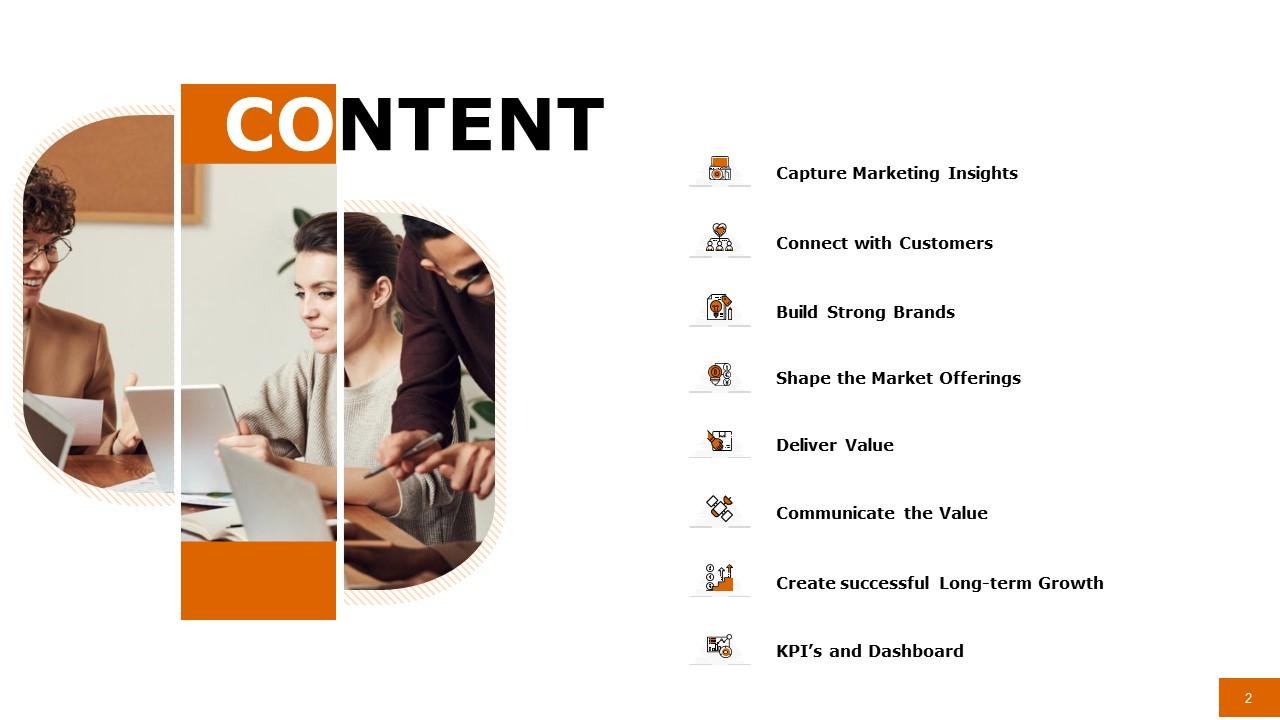
Slide 2: This slide displays Content of the presentation.
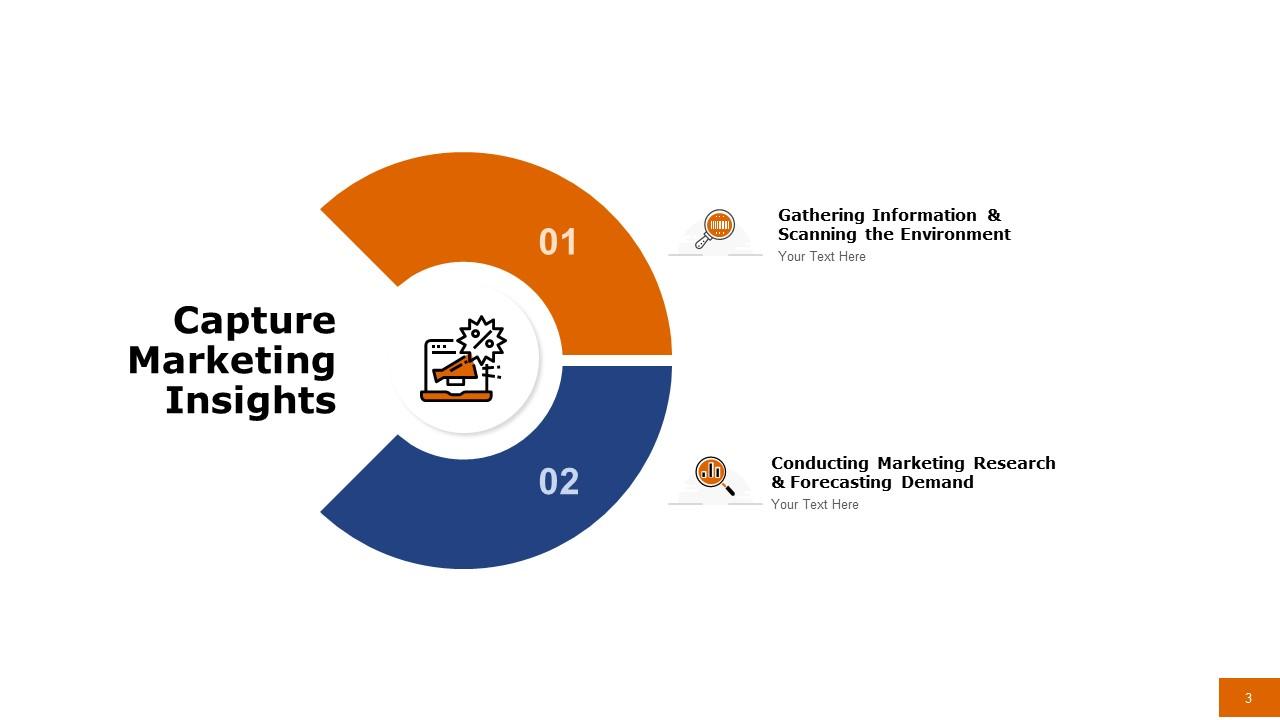
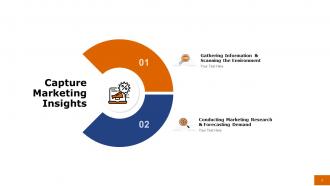
Slide 3: This slide shows Capture Marketing Insights.
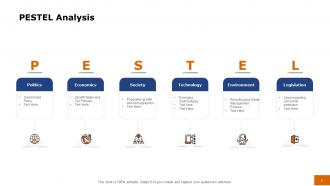
Slide 4: This slide depicts PESTEL Analysis.
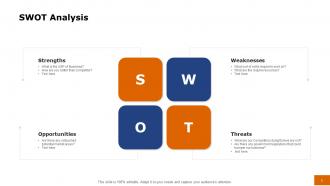
Slide 5: This slide presents SWOT Analysis.
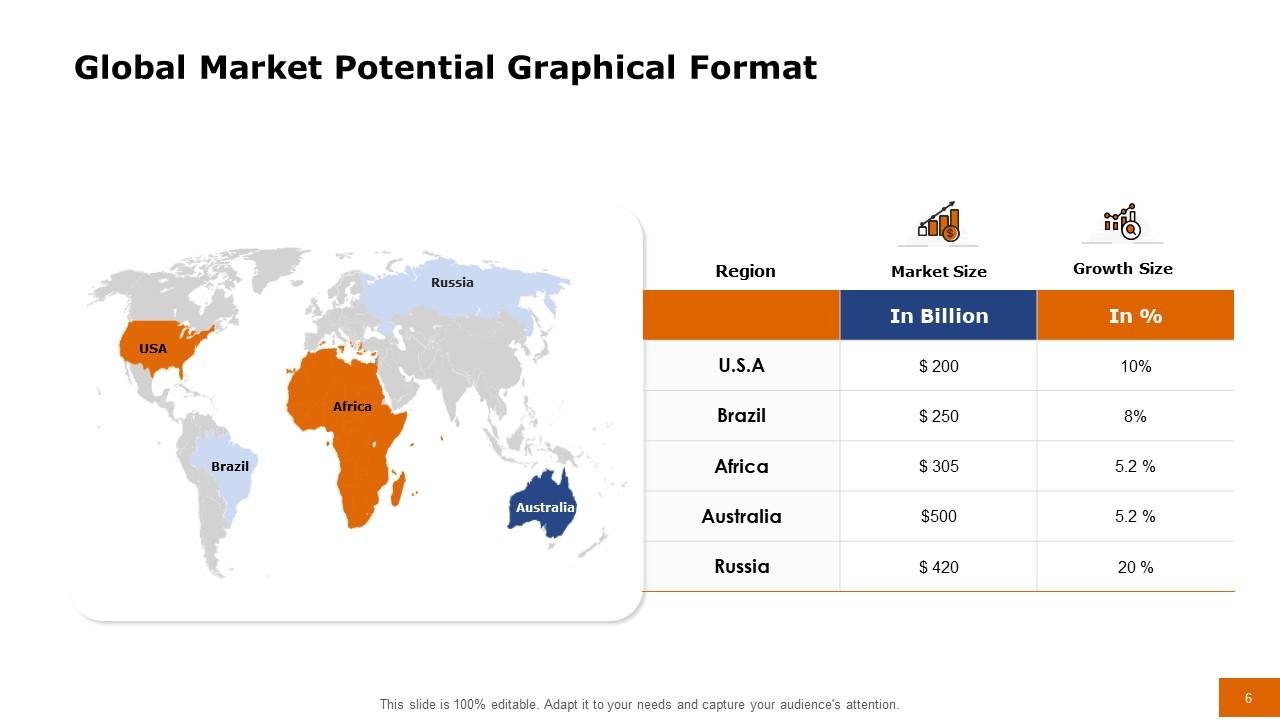
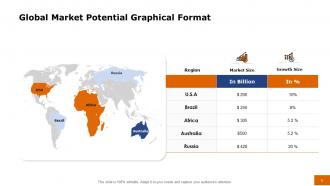
Slide 6: This slide shows Global Market Potential Graphical Format.
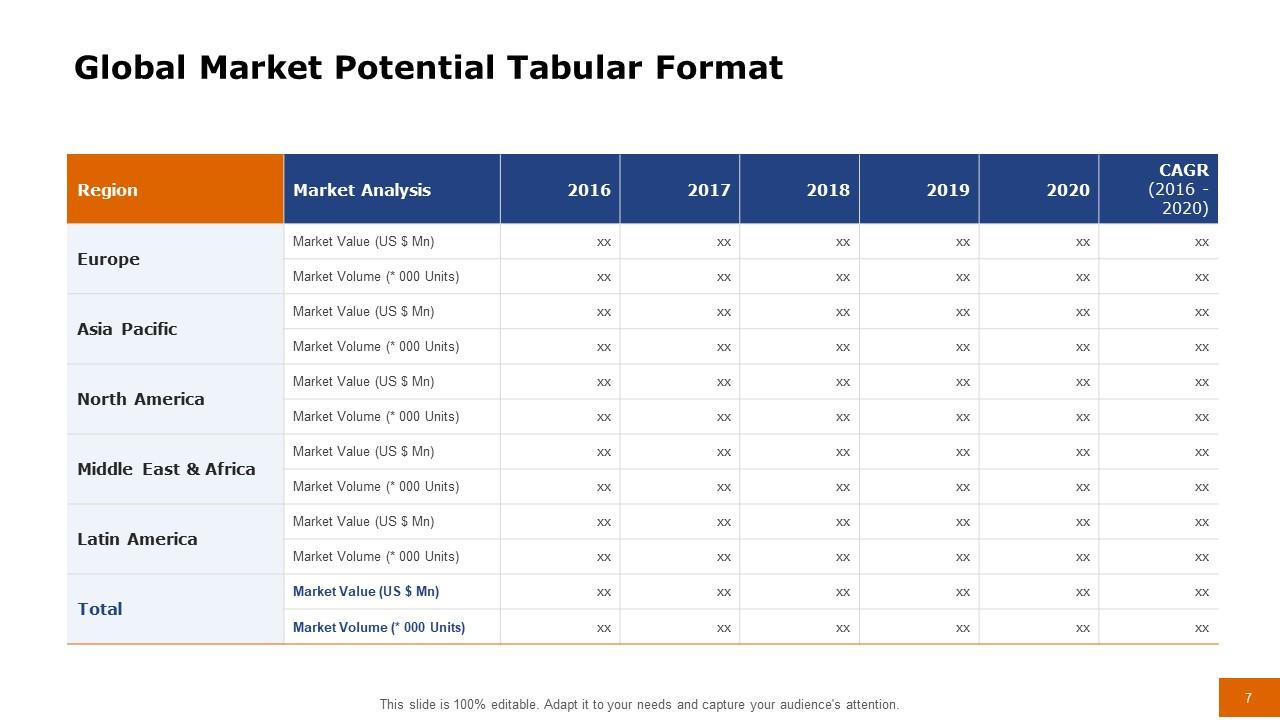
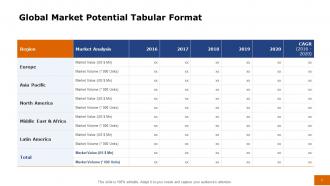
Slide 7: This slide showcases Global Market Potential Tabular Format.
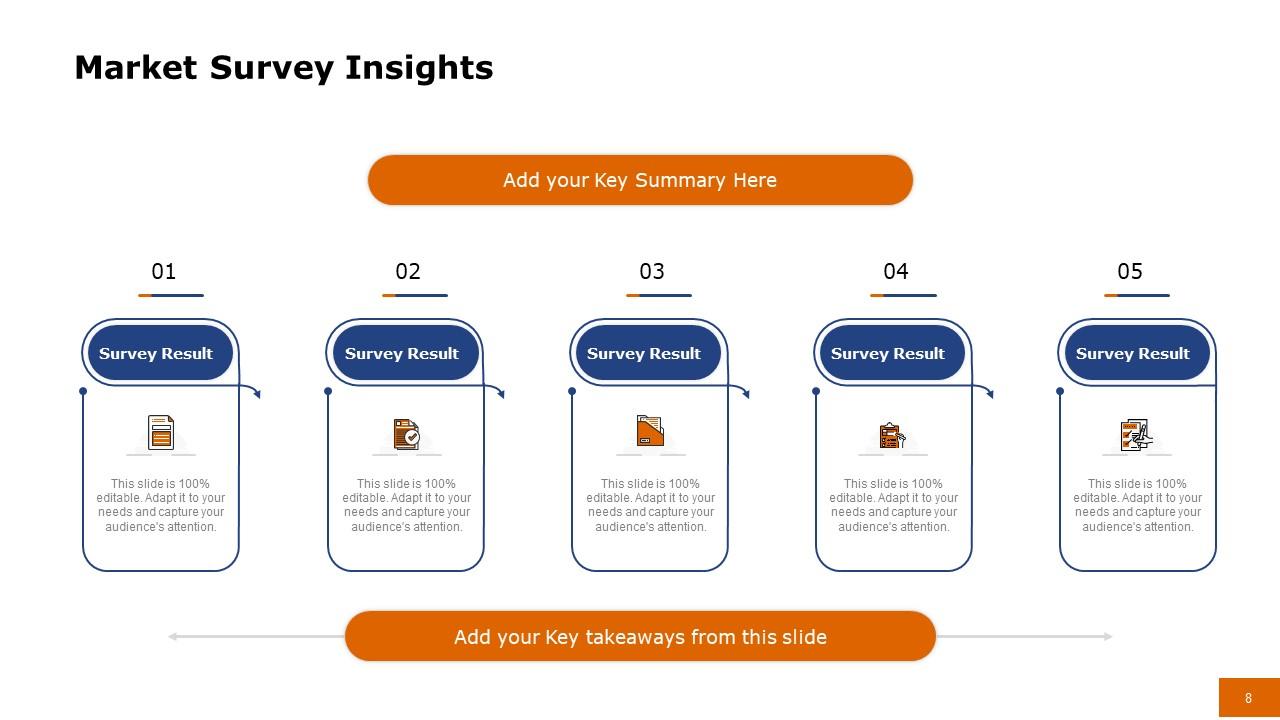
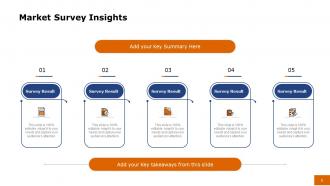
Slide 8: This slide depicts Market Survey Insights.
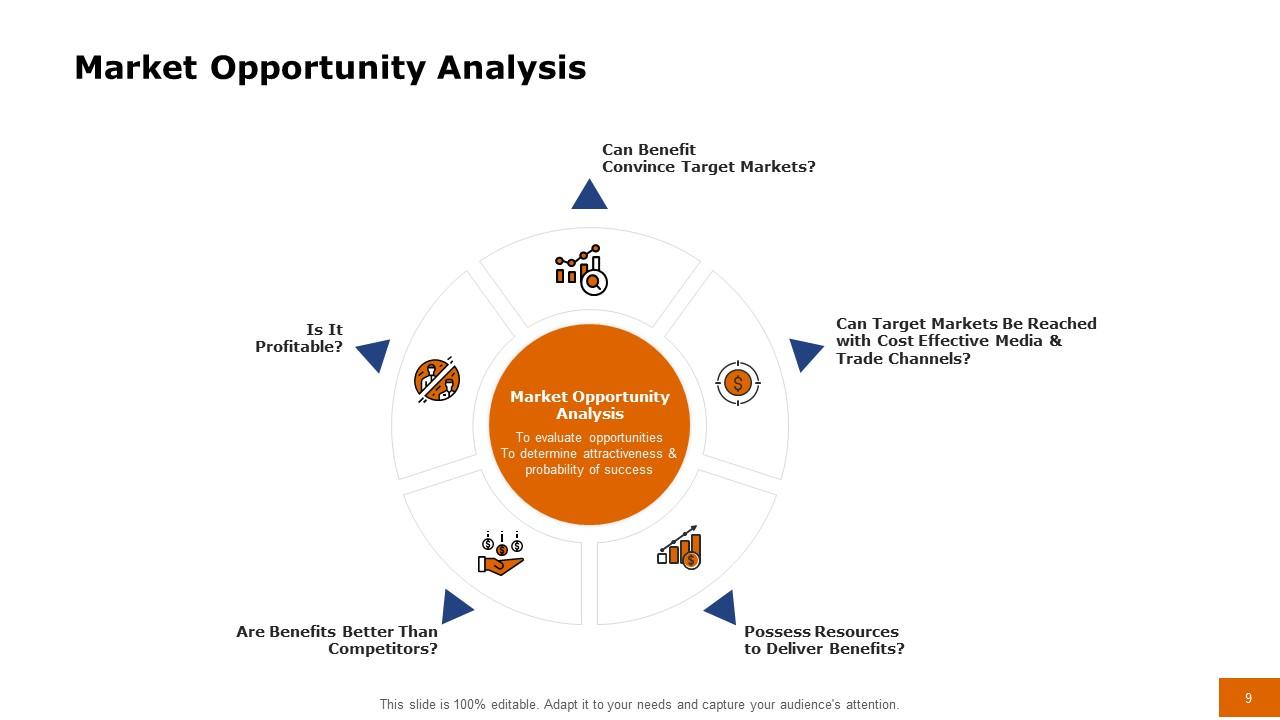
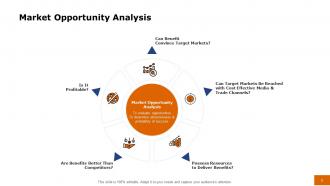
Slide 9: This slide displays Market Opportunity Analysis.
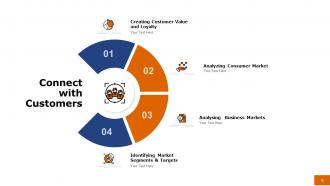
Slide 10: This slide displays Connect with Customers.
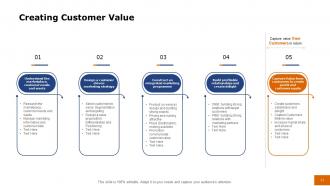
Slide 11: This slide showcases Creating Customer Value.
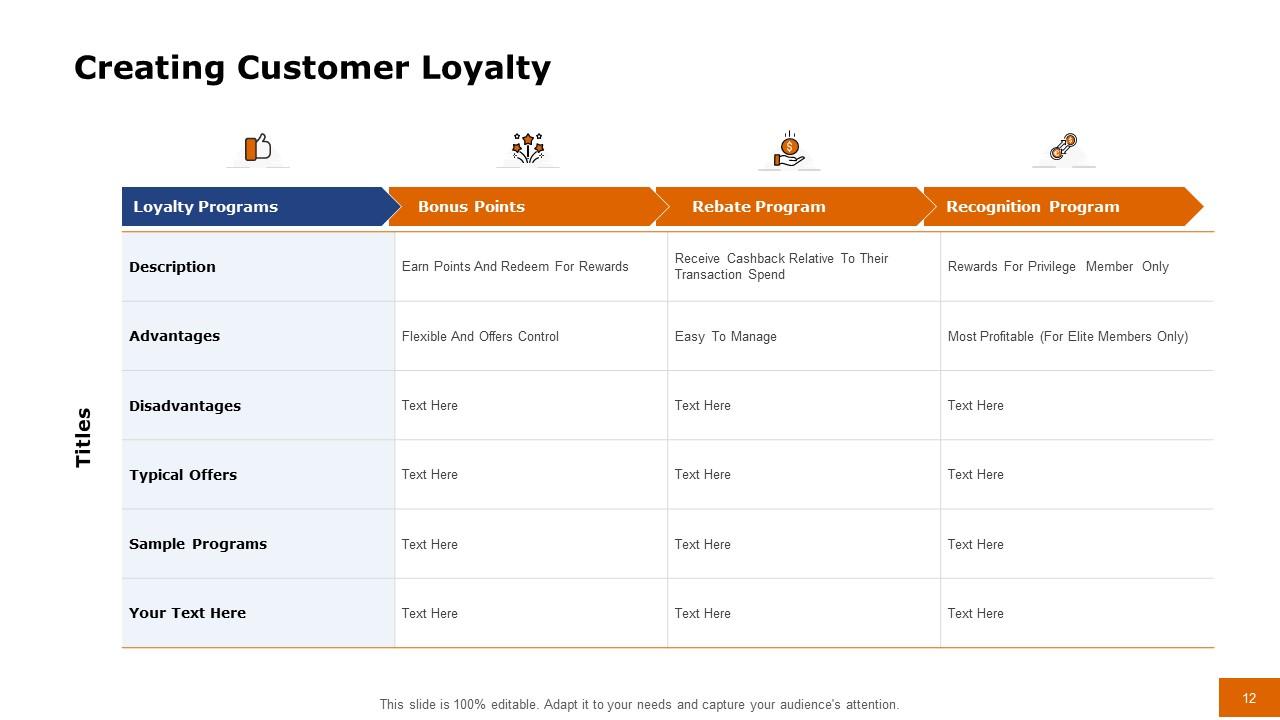
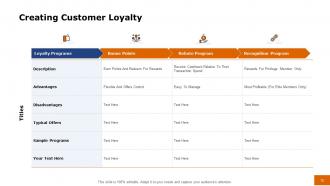
Slide 12: This slide shows Creating Customer Loyalty.
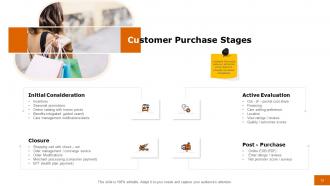
Slide 13: This slide displays Customer Purchase Stages.
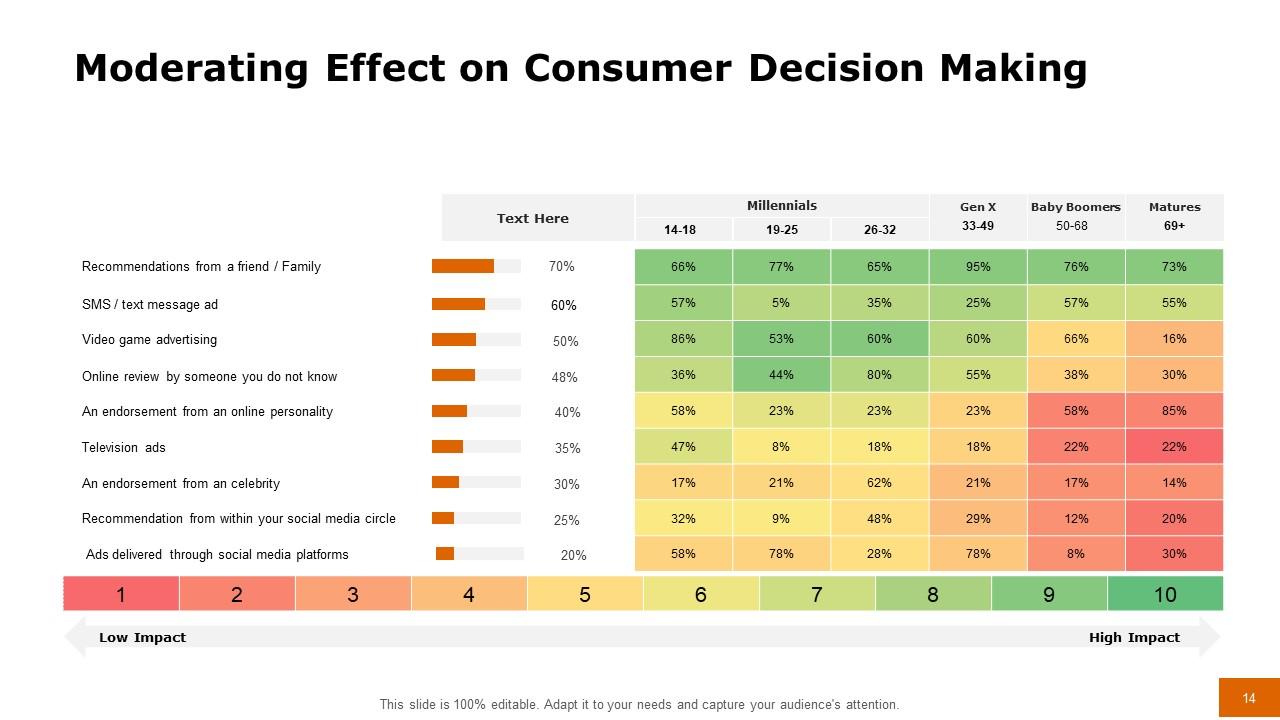
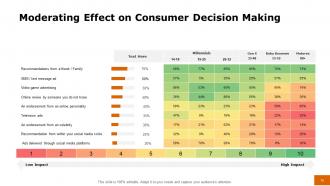
Slide 14: This slide shows Moderating Effect on Consumer Decision Making.
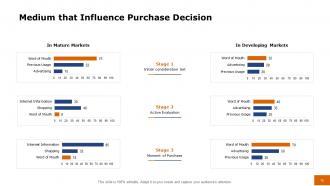
Slide 15: This slide represents Medium that Influence Purchase Decision.
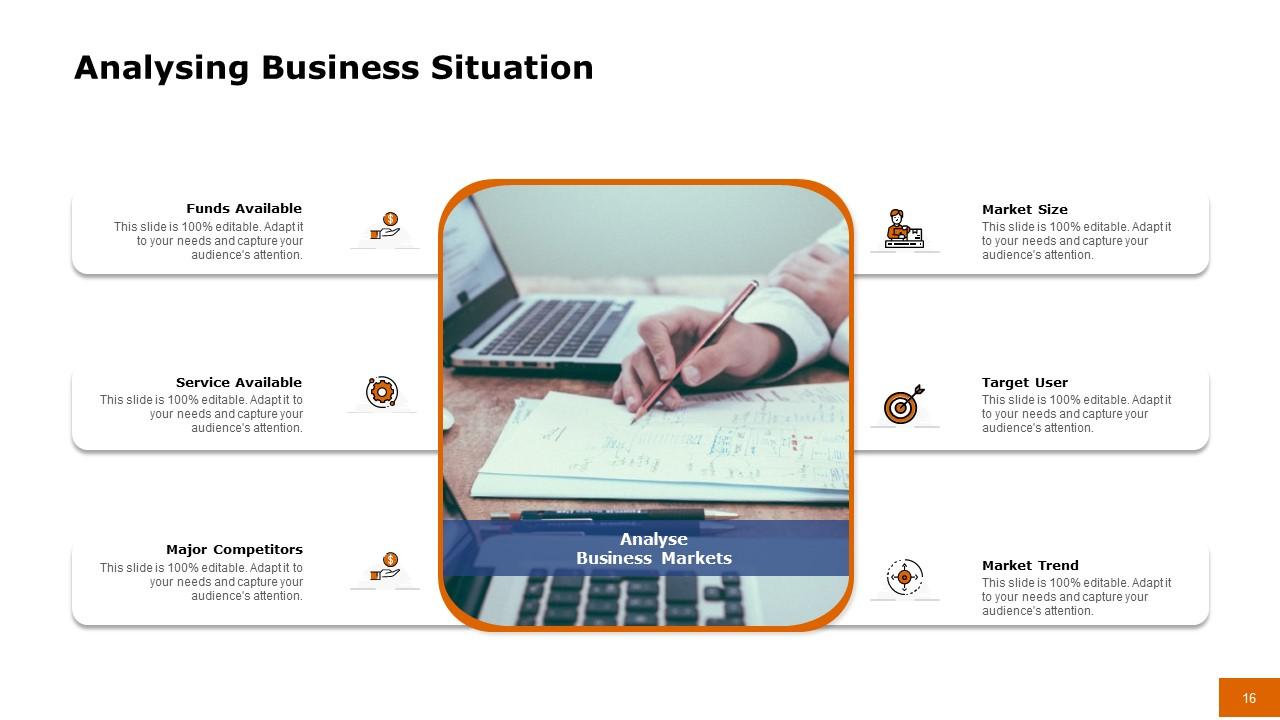
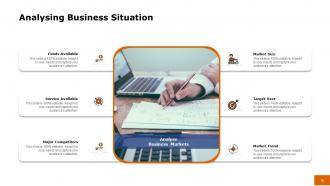
Slide 16: This slide depicts Analysing Business Situation.
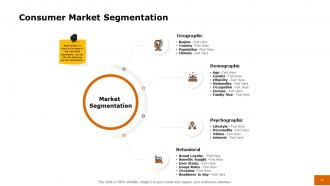
Slide 17: This slide depicts Consumer Market Segmentation. Segmentation is done on the basis of the mentioned parameters, you can fill in the details as per the requirements
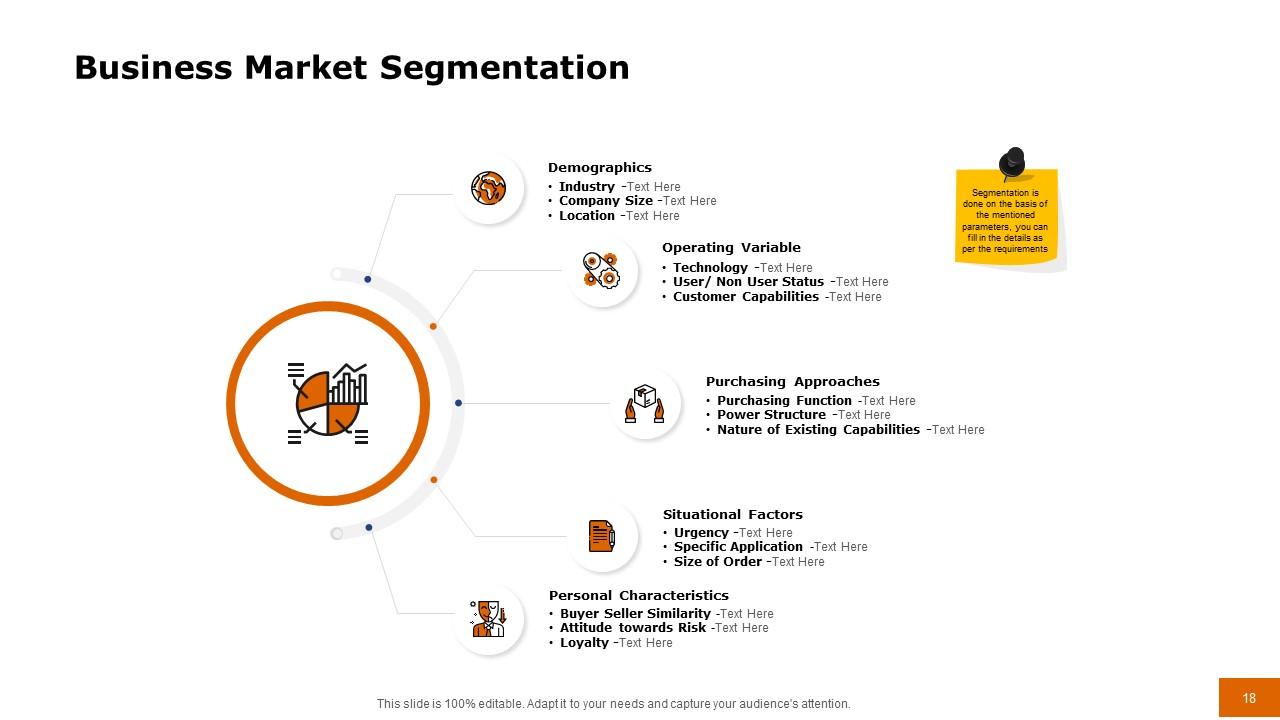
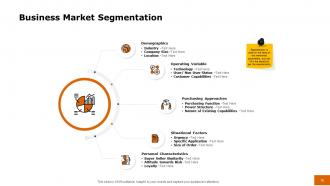
Slide 18: This slide showcases Business Market Segmentation.
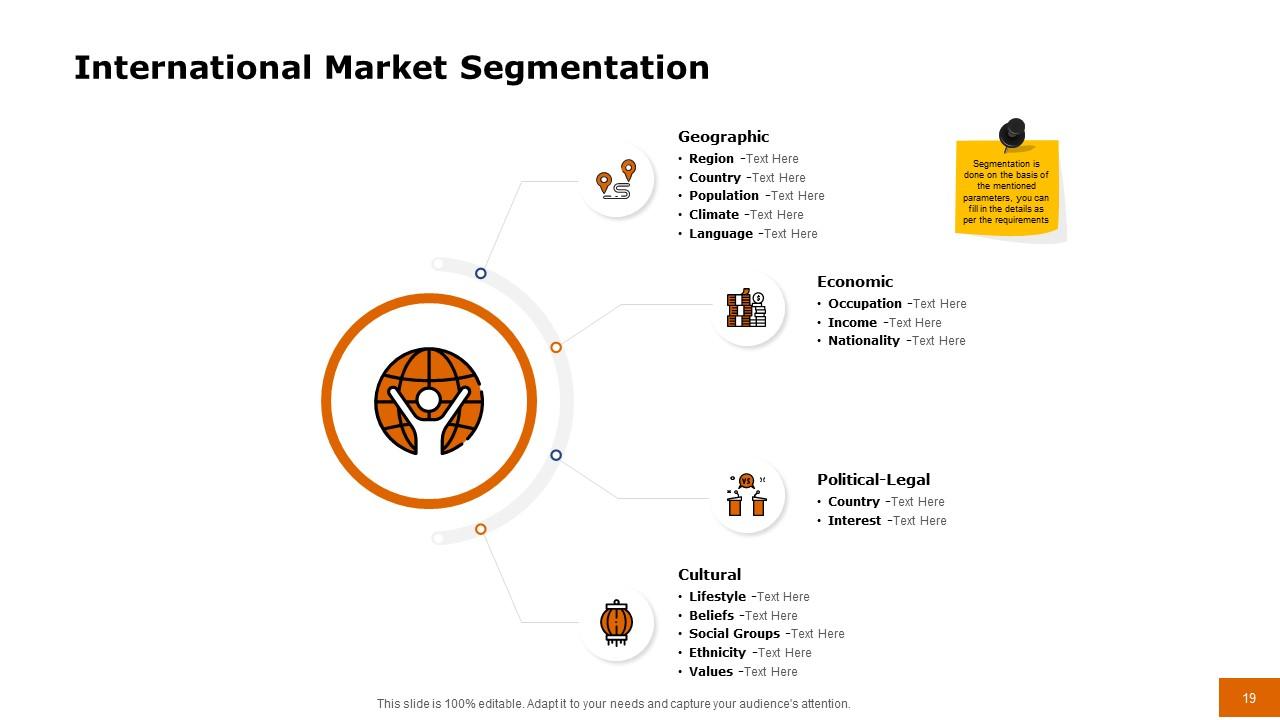
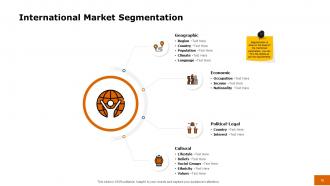
Slide 19: This slide represents International Market Segmentation.
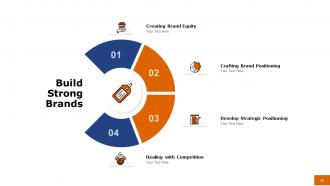
Slide 20: This slide describes about Building Strong Brands.
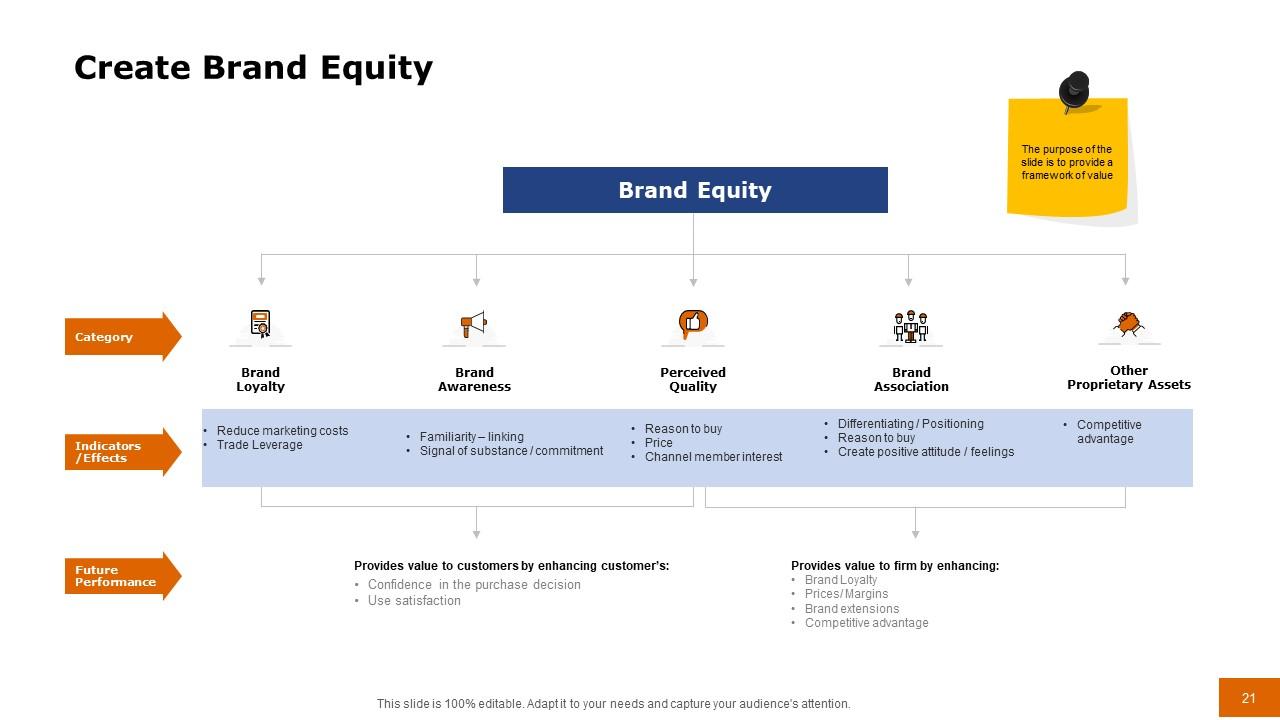
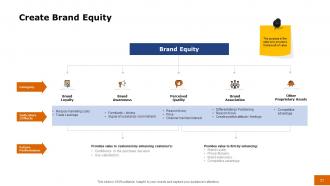
Slide 21: This slide shows Creating Brand Equity.
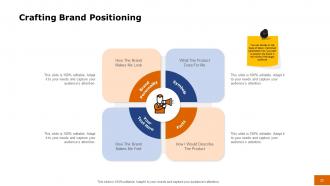
Slide 22: This slide explains Crafting Brand Positioning. You can decide on the basis of below mentioned parameters how you want to position the brand in the minds of the target audience
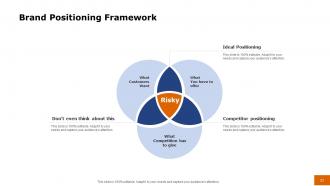
Slide 23: This slide showcases Brand Positioning Framework.
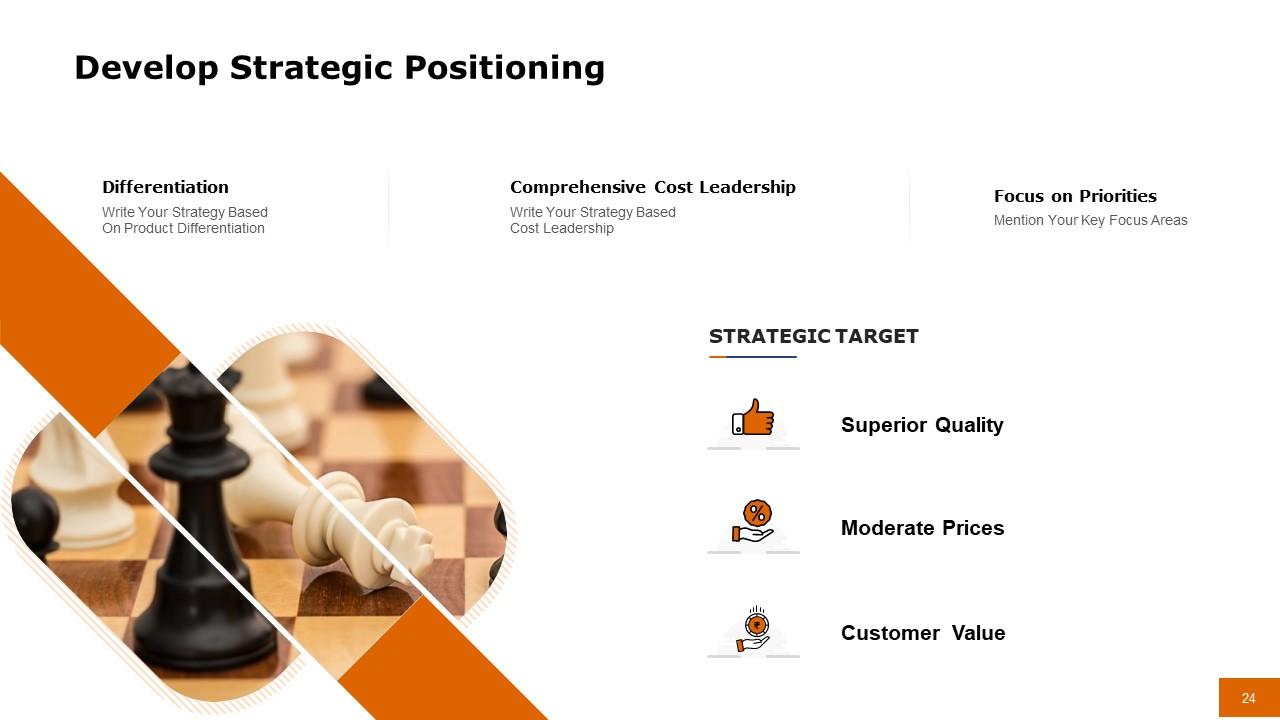
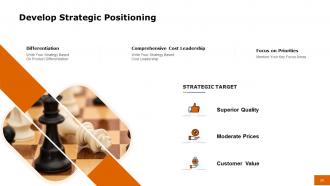
Slide 24: This slide shows Developing Strategic Positioning.
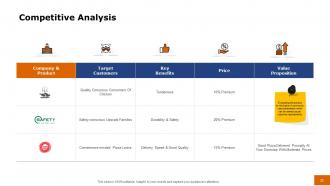
Slide 25: This slide shows Competitive Analysis. Evaluate the product on the basis of commonly used parameters which can be altered as per customer requirements
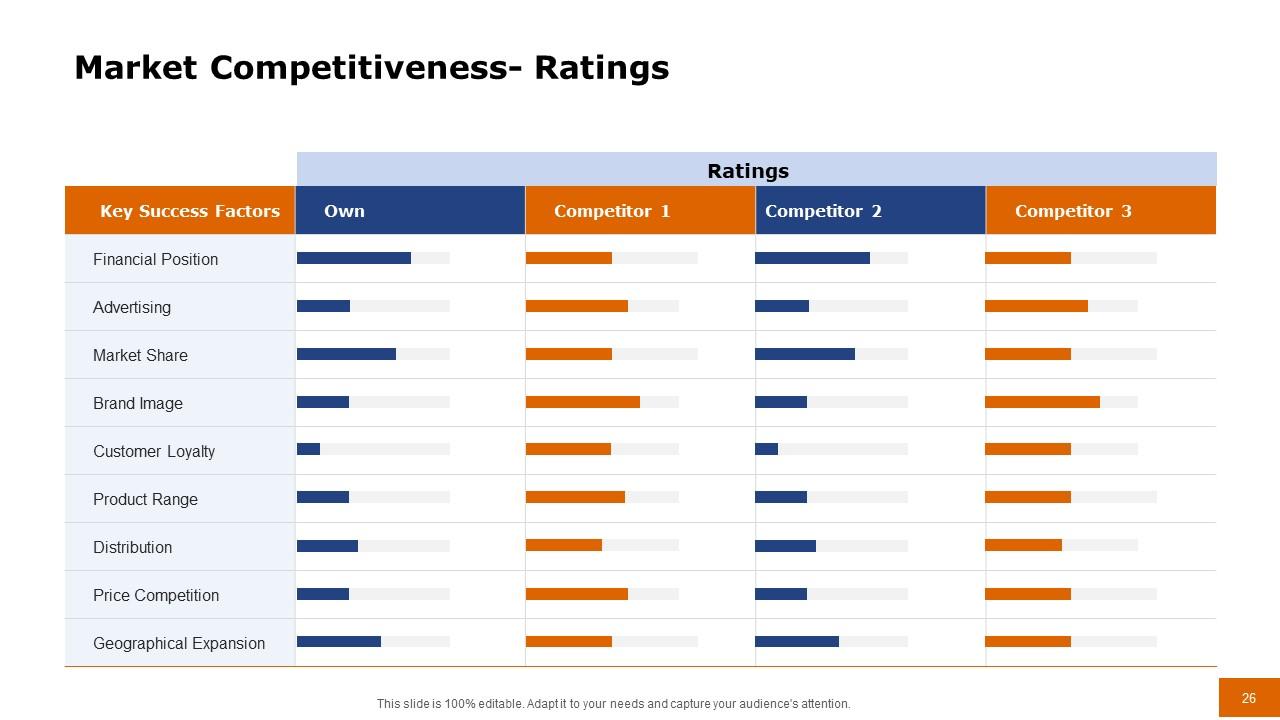
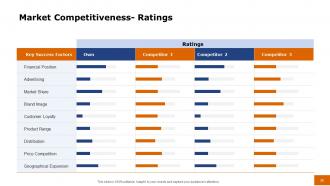
Slide 26: This slide represents Market Competitiveness- Ratings.
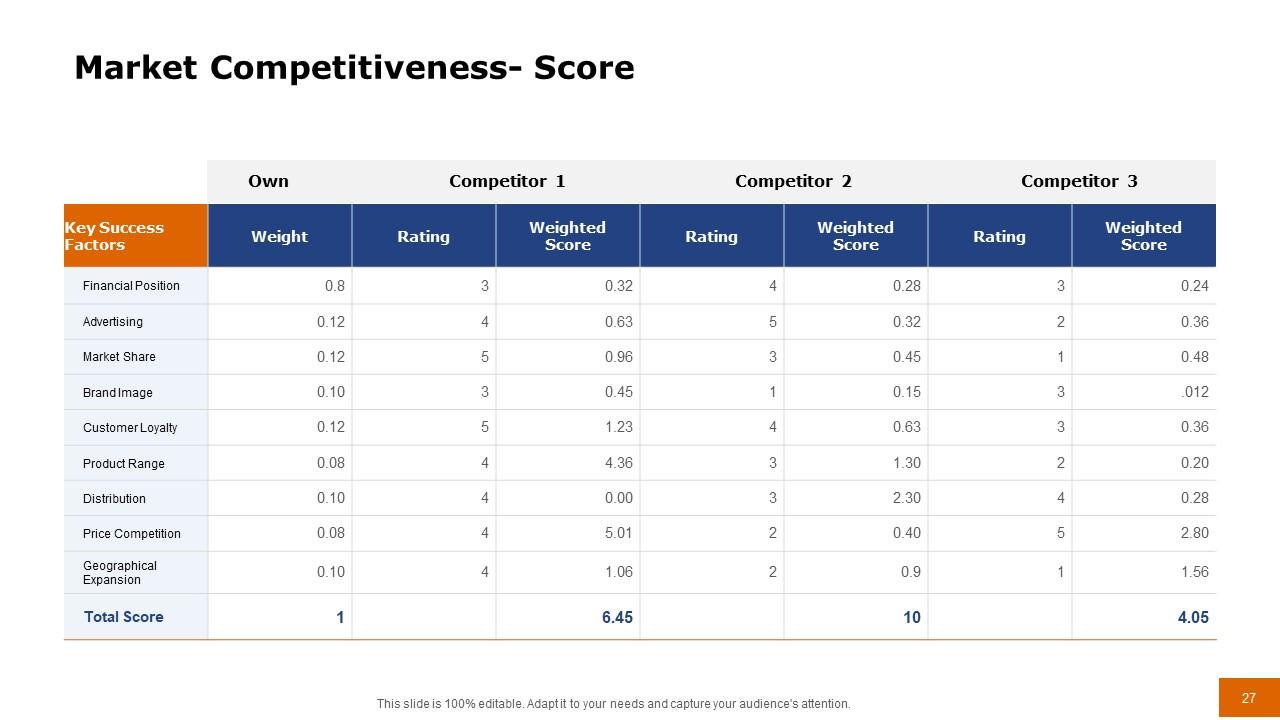
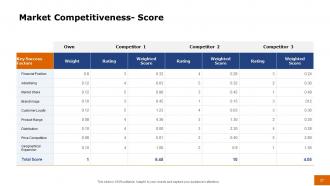
Slide 27: This slide presents Market Competitiveness- Score.
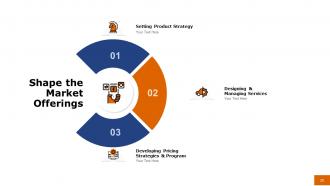
Slide 28: This slide represents Shaping the Market Offerings.
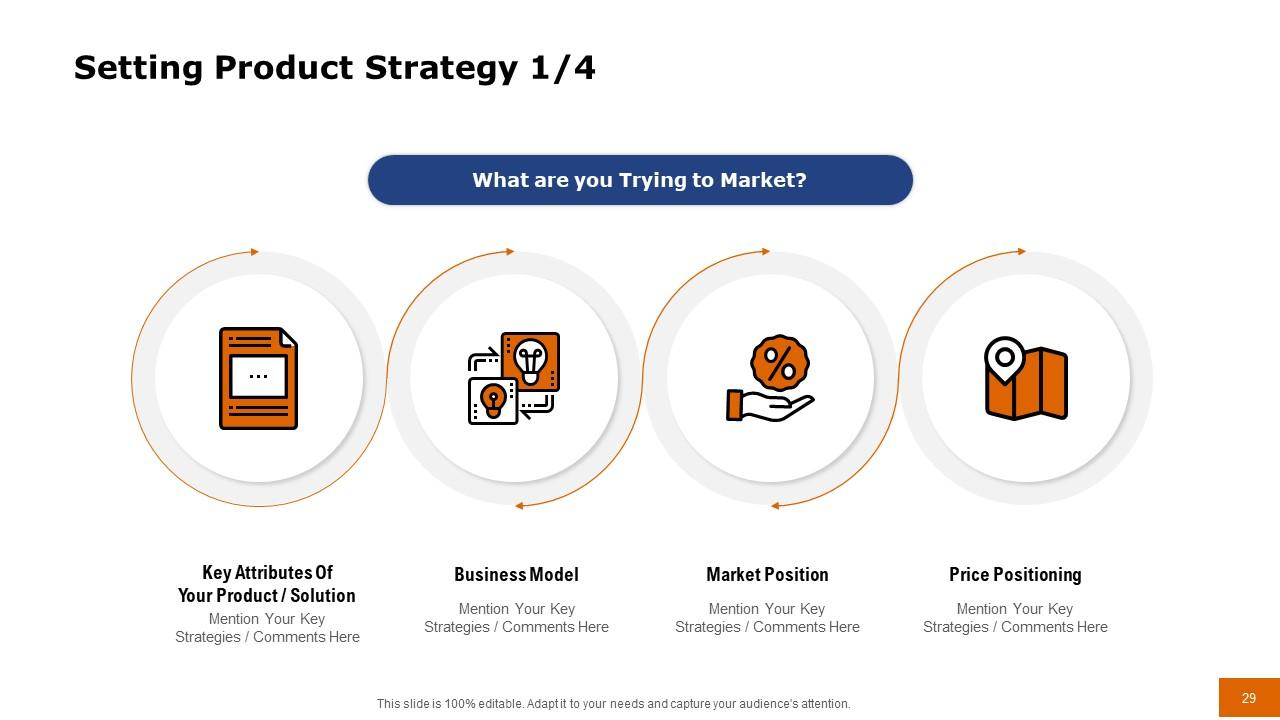
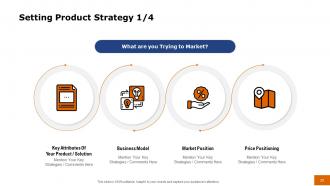
Slide 29: This slide describes Setting Product Strategy.
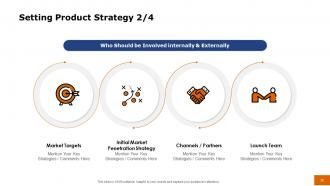
Slide 30: This slide displays Setting Product Strategy.
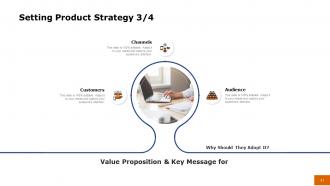
Slide 31: This slide showcases Setting Product Strategy.
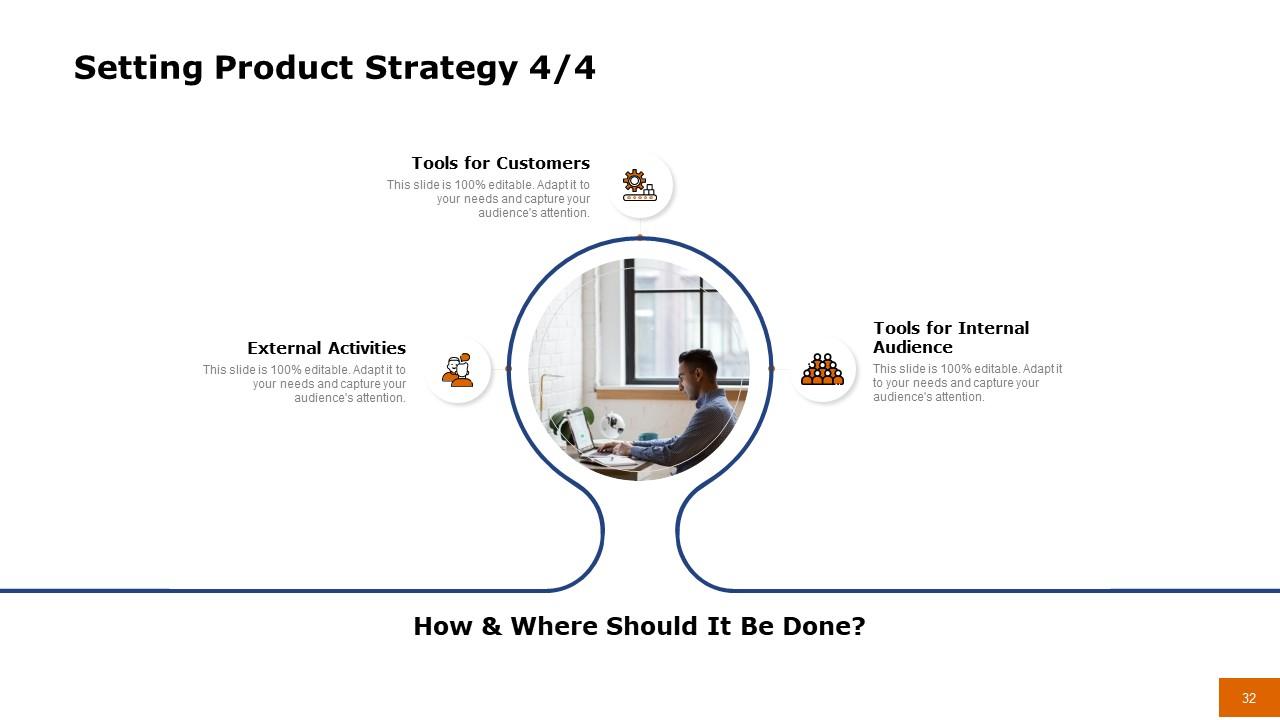
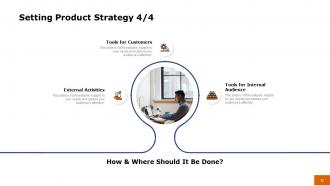
Slide 32: This slide shows Setting Product Strategy.
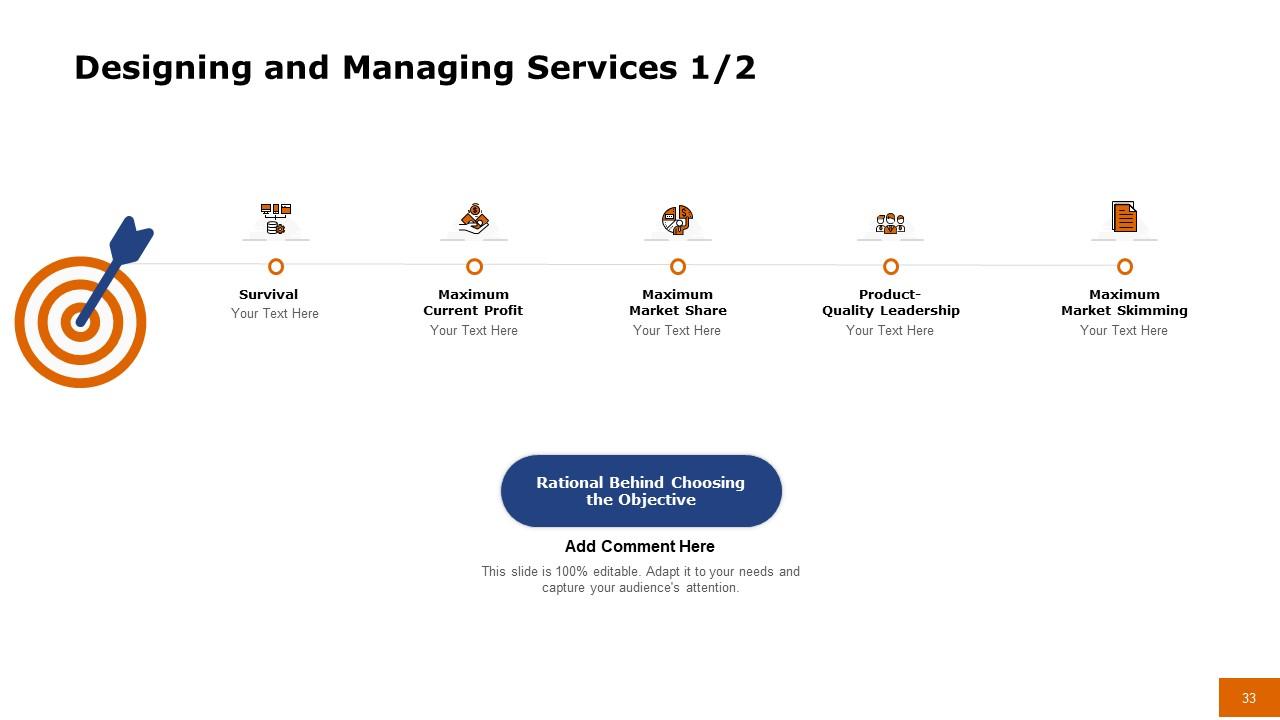
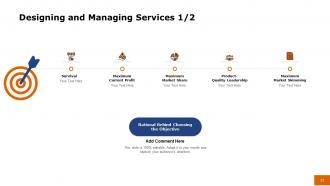
Slide 33: This slide displays Designing and Managing Services.
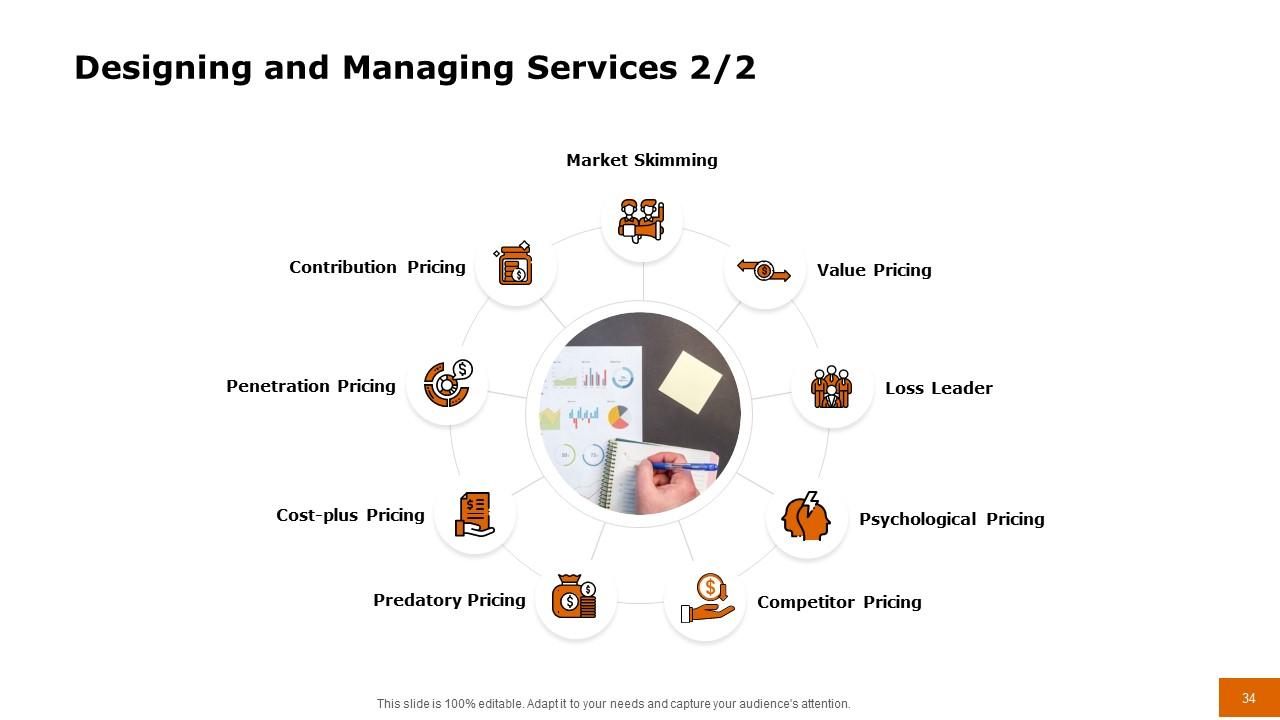
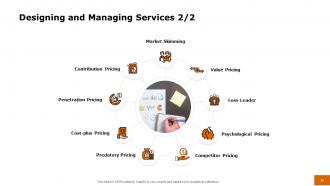
Slide 34: This slide showcases Designing and Managing Services.
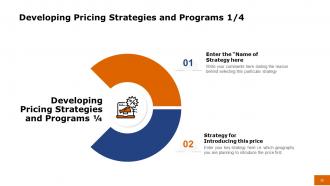
Slide 35: This slide depicts Developing Pricing Strategies and Programs.
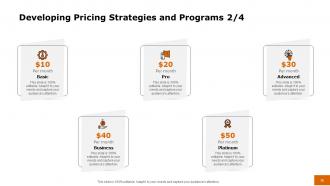
Slide 36: This slide showcases Developing Pricing Strategies and Programs.
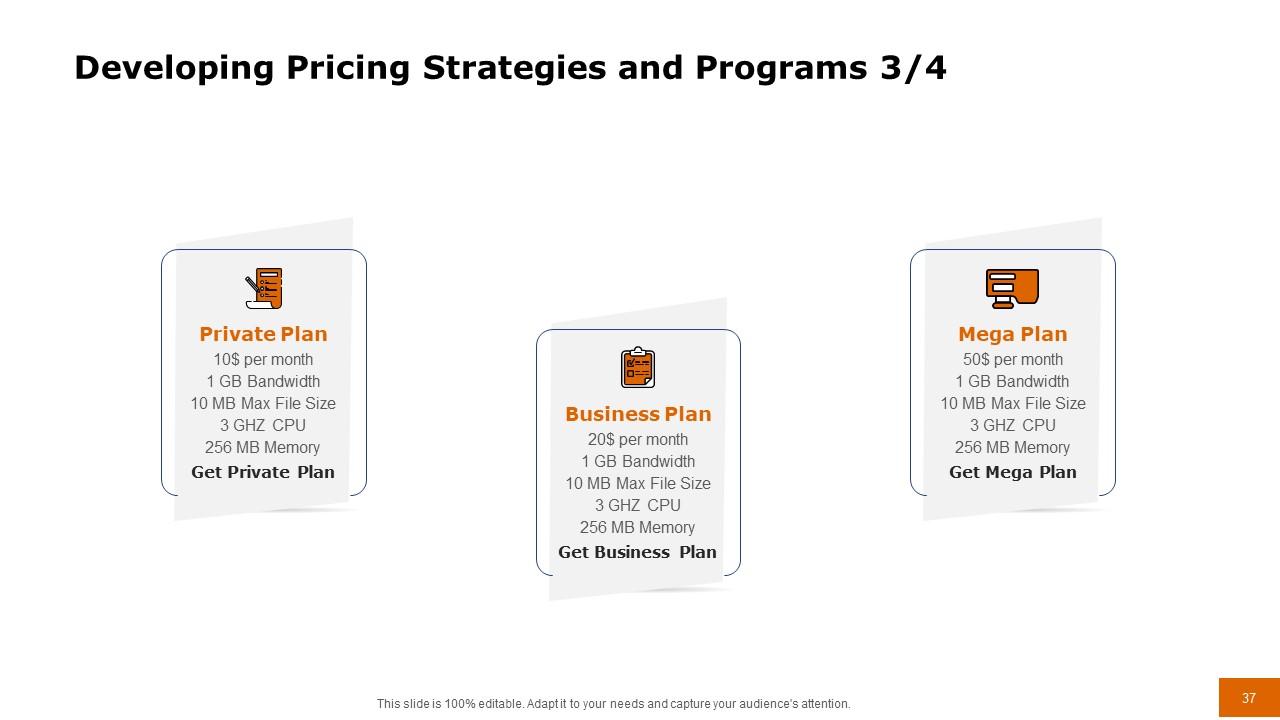
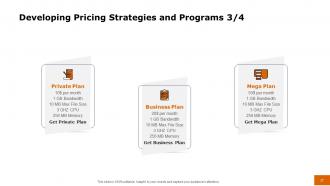
Slide 37: This slide explains Developing Pricing Strategies and Programs.
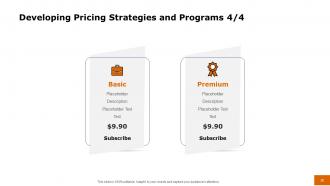
Slide 38: This slide shows Developing Pricing Strategies and Programs.
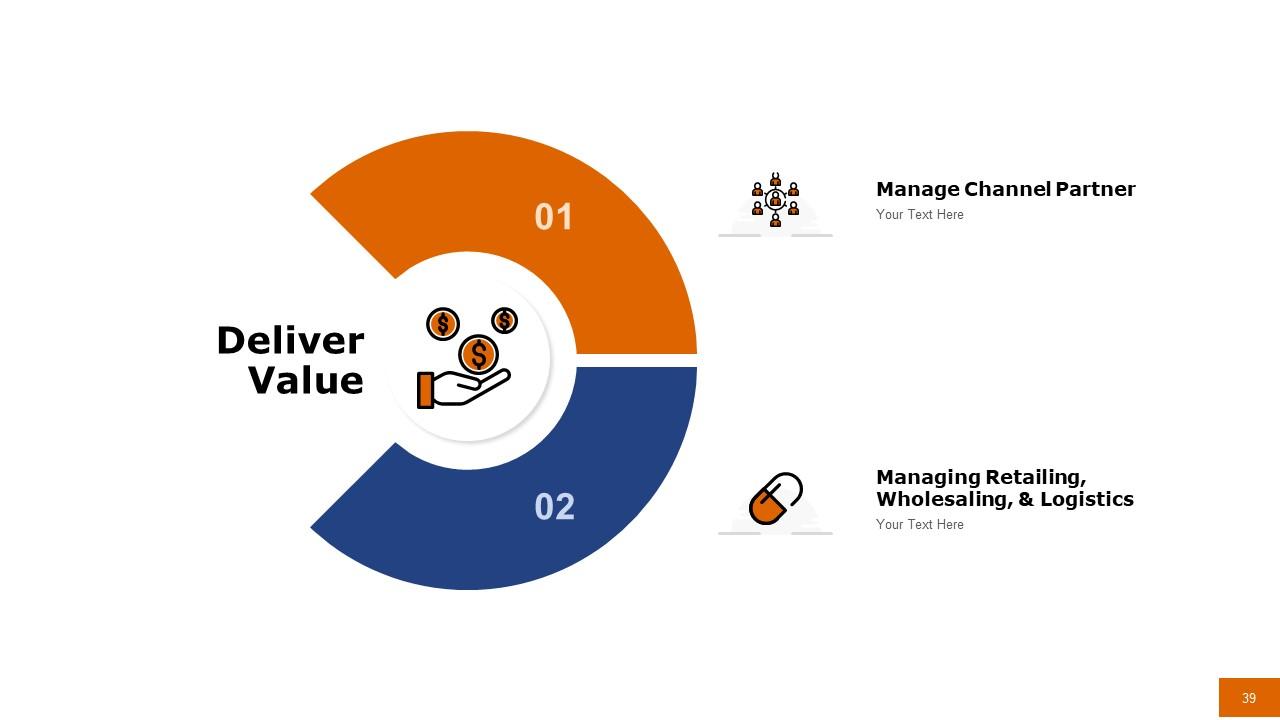
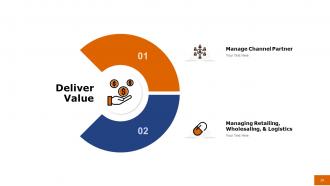
Slide 39: This slide explains about Delivering Value.
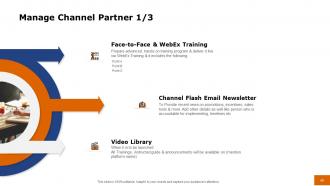
Slide 40: This slide describes about Managing Channel Partner.
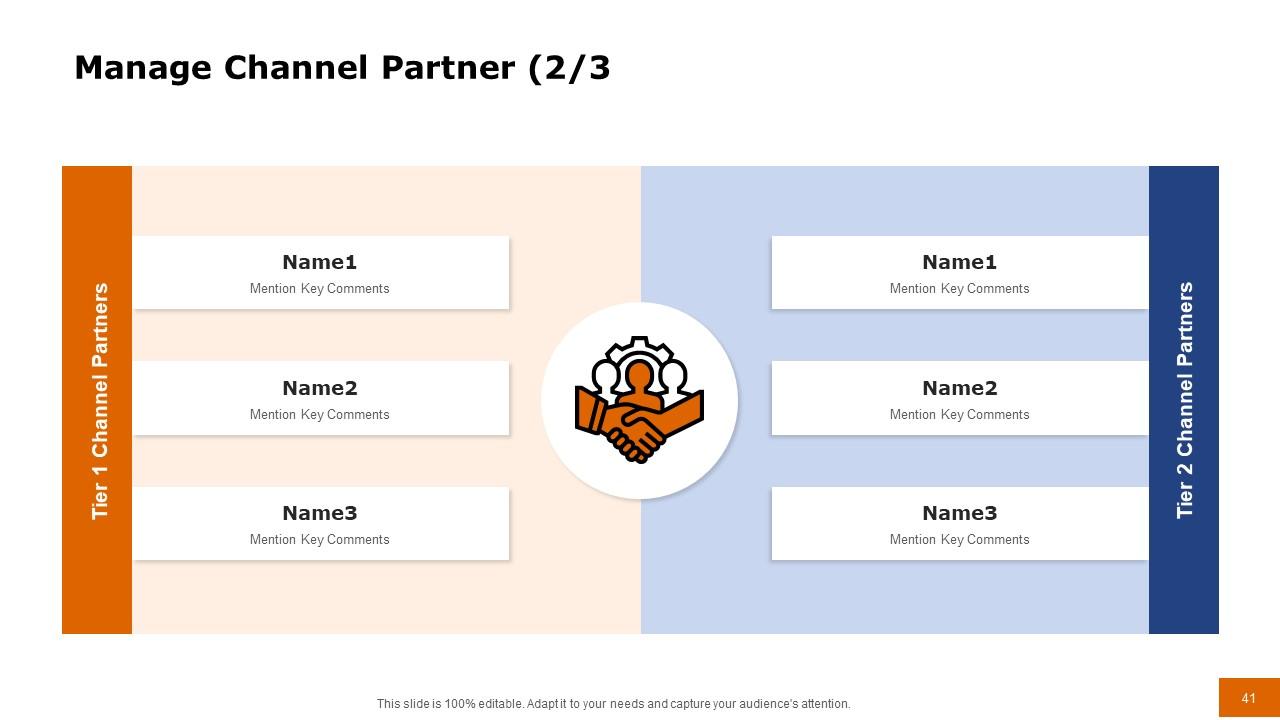
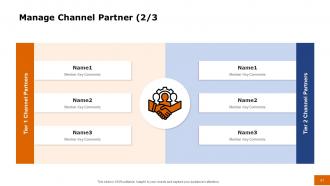
Slide 41: This slide describes about Managing Channel Partner.
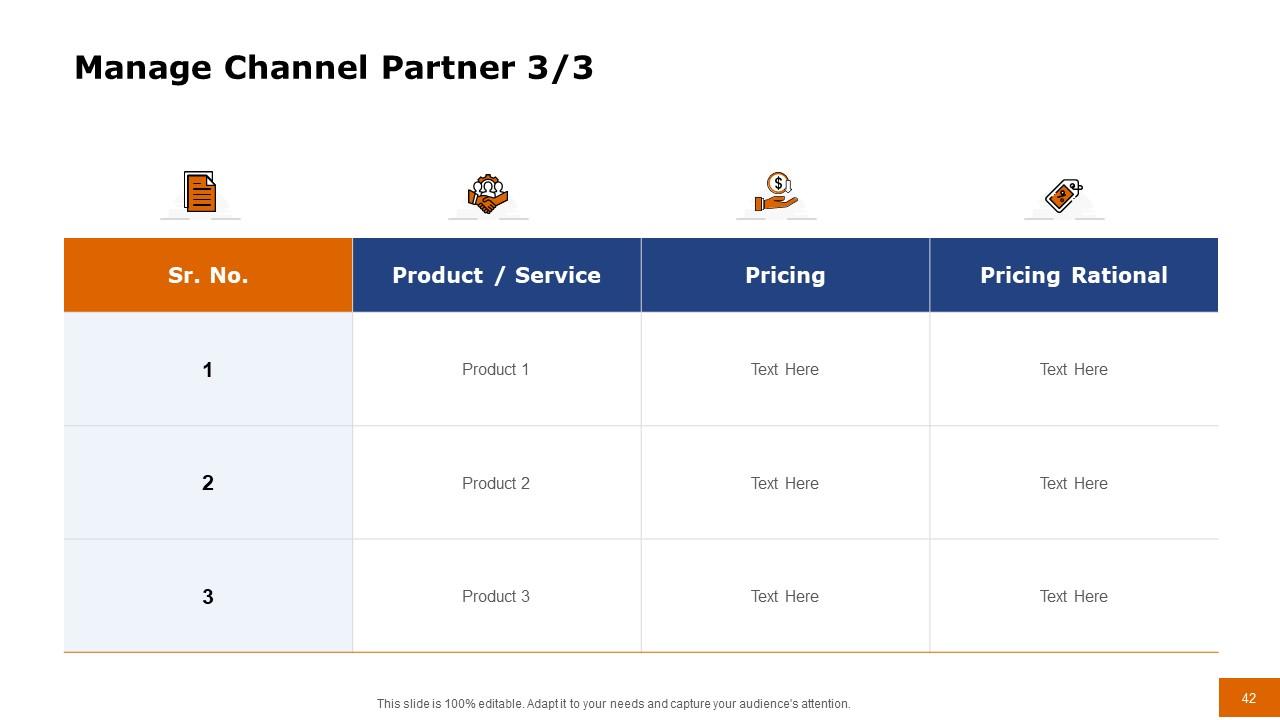
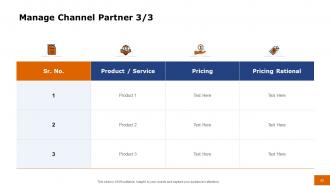
Slide 42: This slide describes about Managing Channel Partner.
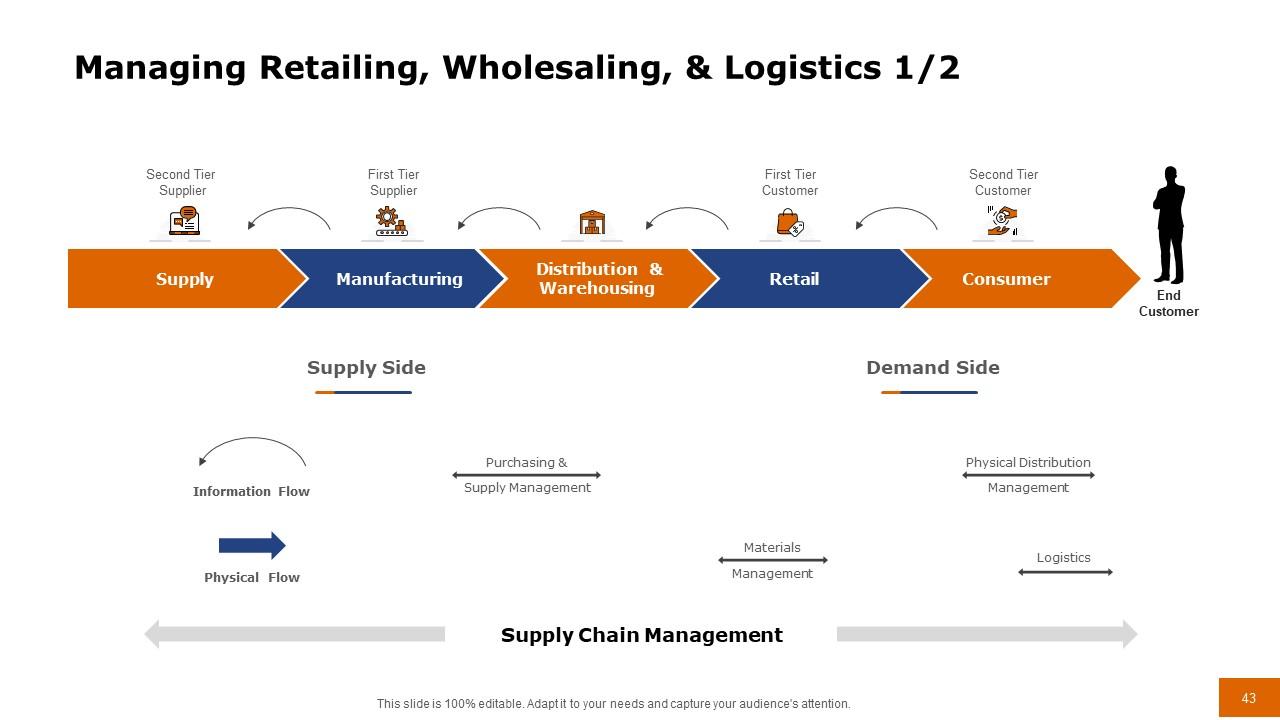
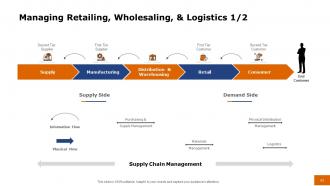
Slide 43: This slide showcases Managing Retailing, Wholesaling, & Logistics.
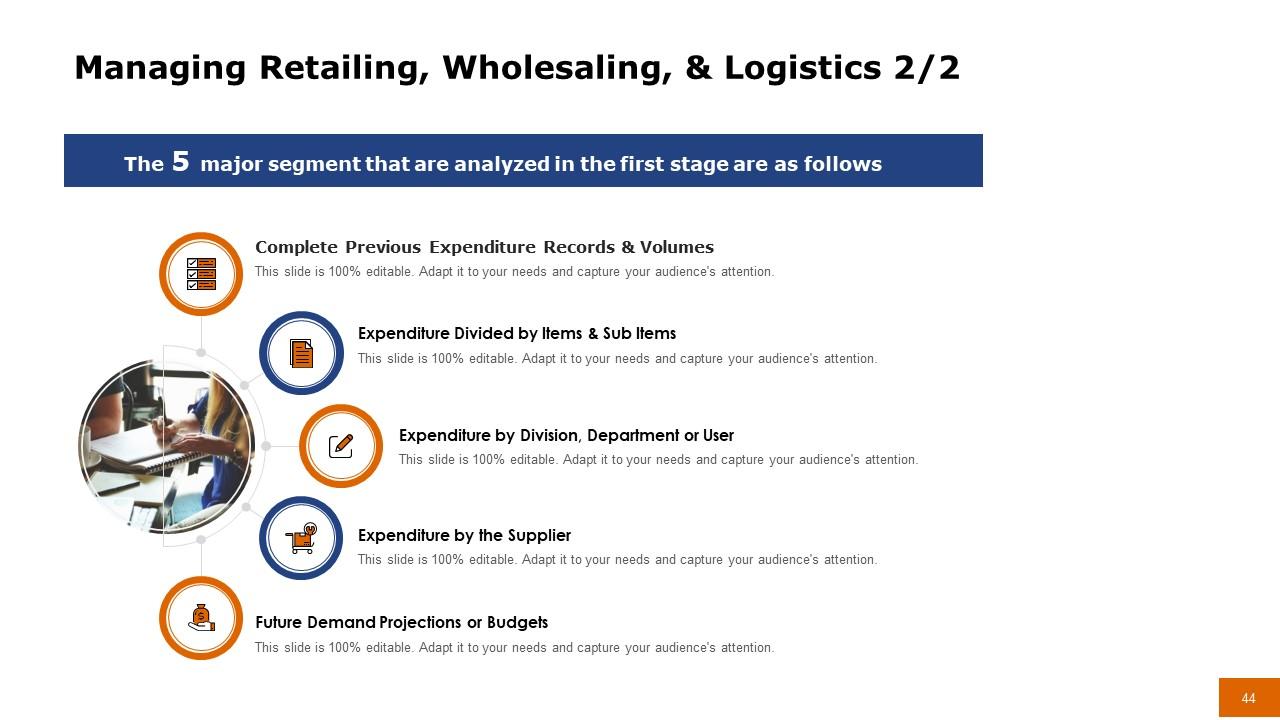
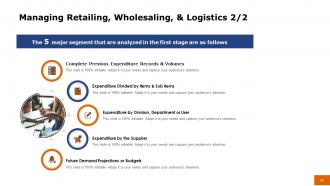
Slide 44: This slide showcases Managing Retailing, Wholesaling, & Logistics.
Slide 45: This slide depicts Communicating the Value.
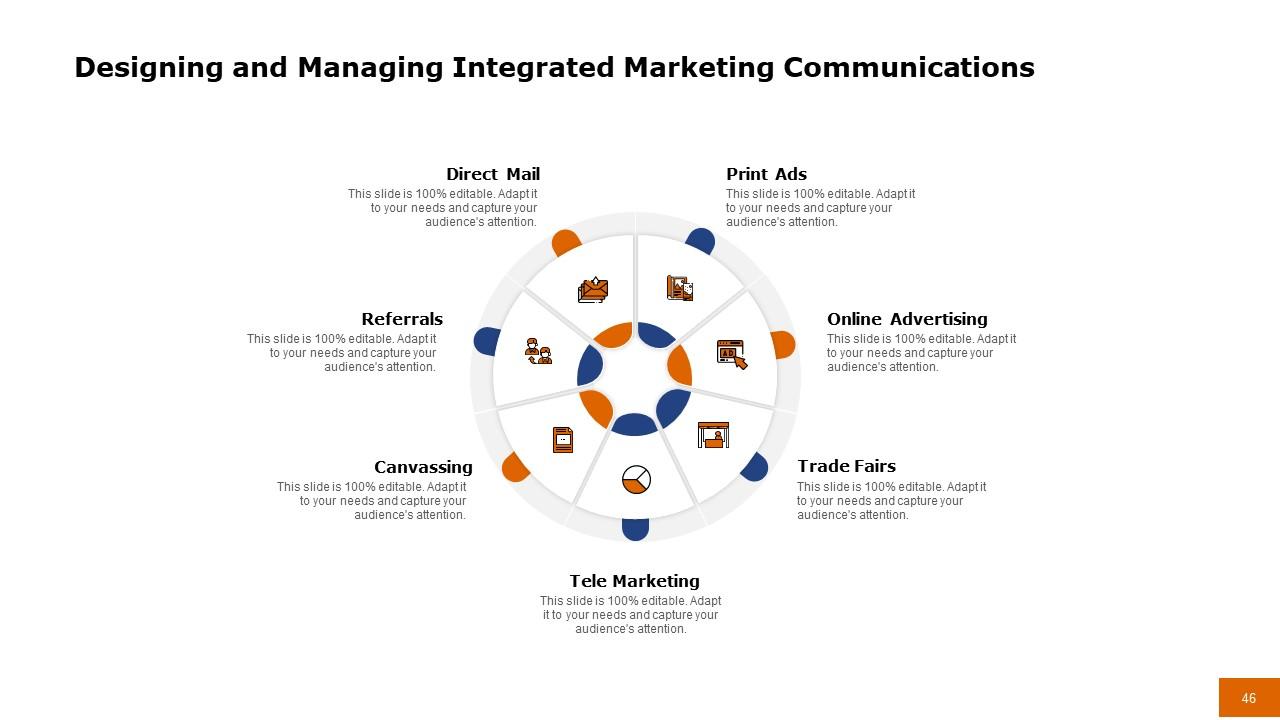
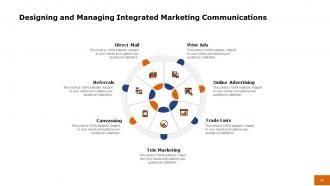
Slide 46: This slide shows Designing and Managing Integrated Marketing Communications.
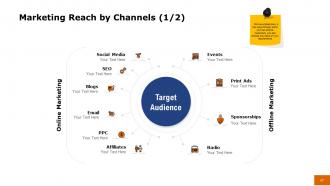
Slide 47: This slide showcases Marketing Reach by Channels. We have listed down a few ways through which you can acquire customers, you can choose any basis of your requirements
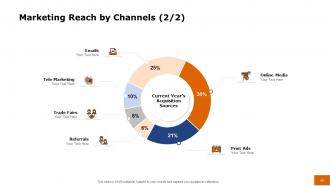
Slide 48: This slide showcases Marketing Reach by Channels.
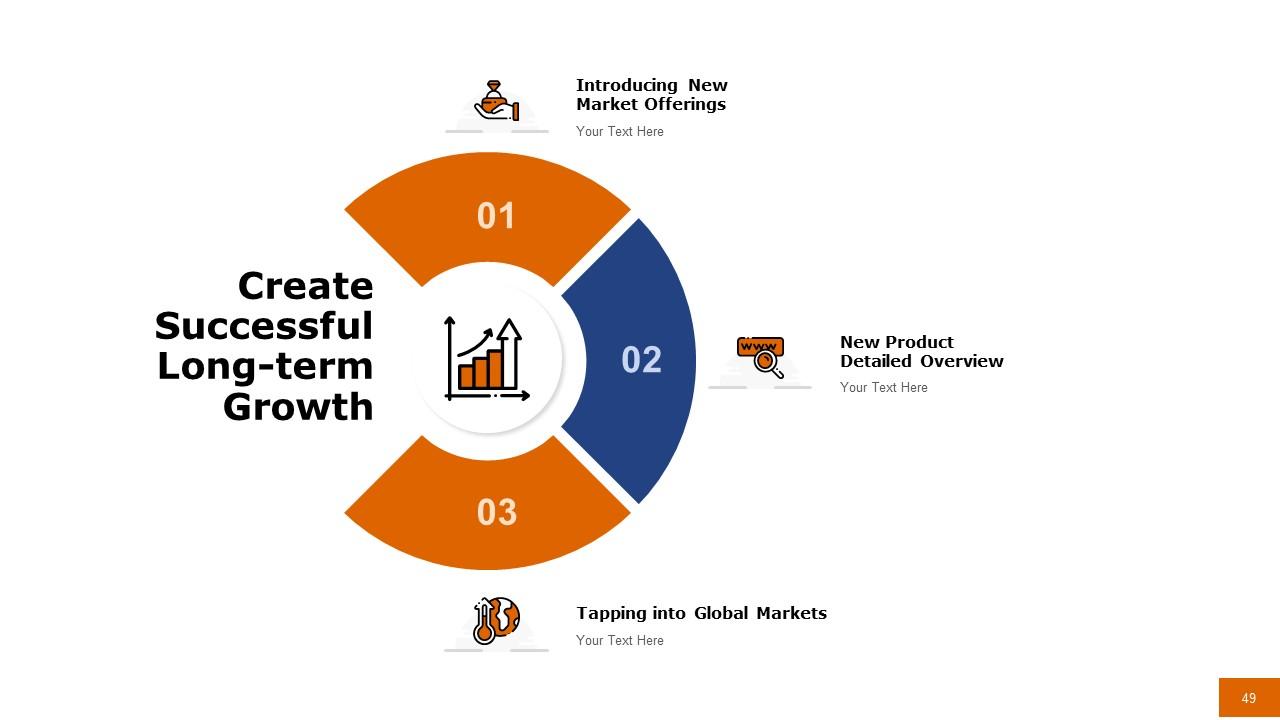
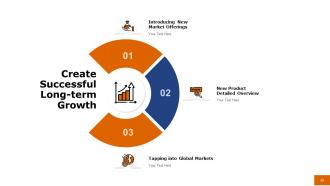
Slide 49: This slide showcases Create Successful Long-term Growth.
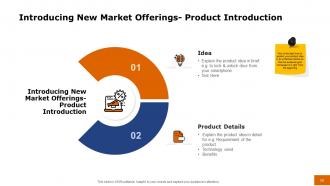
Slide 50: This slide depicts Introducing New Market Offerings- Product Introduction.
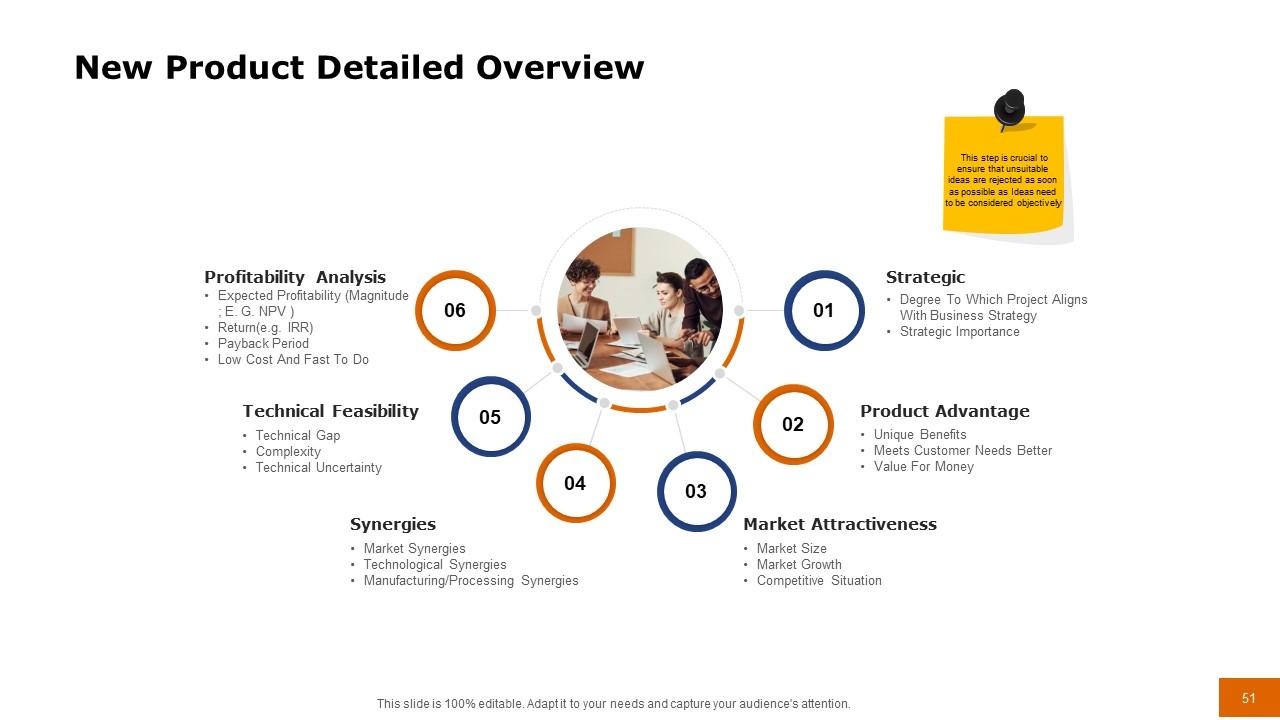
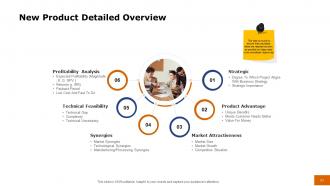
Slide 51: This slide presents New Product Detailed Overview. This step is crucial to ensure that unsuitable ideas are rejected as soon as possible as Ideas need to be considered objectively
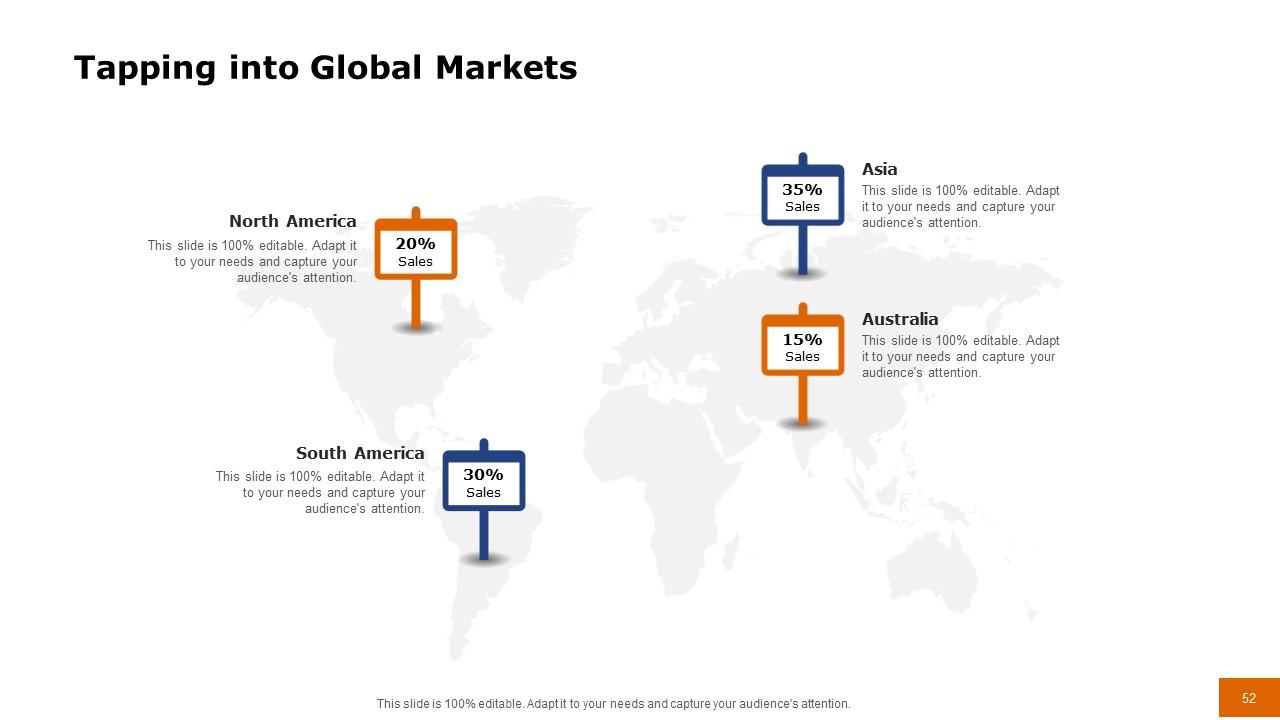
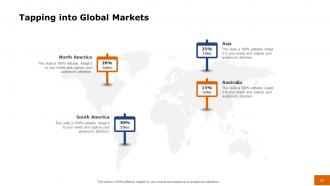
Slide 52: This slide showcases Tapping into Global Markets.
Slide 53: This slide shows Dashboard and KPIs.
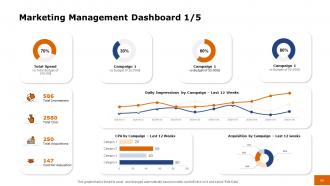
Slide 54: This slide depicts Marketing Management Dashboard.
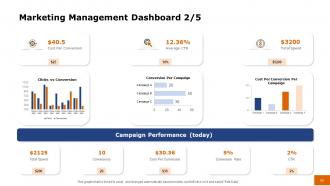
Slide 55: This slide describes Marketing Management Dashboard.
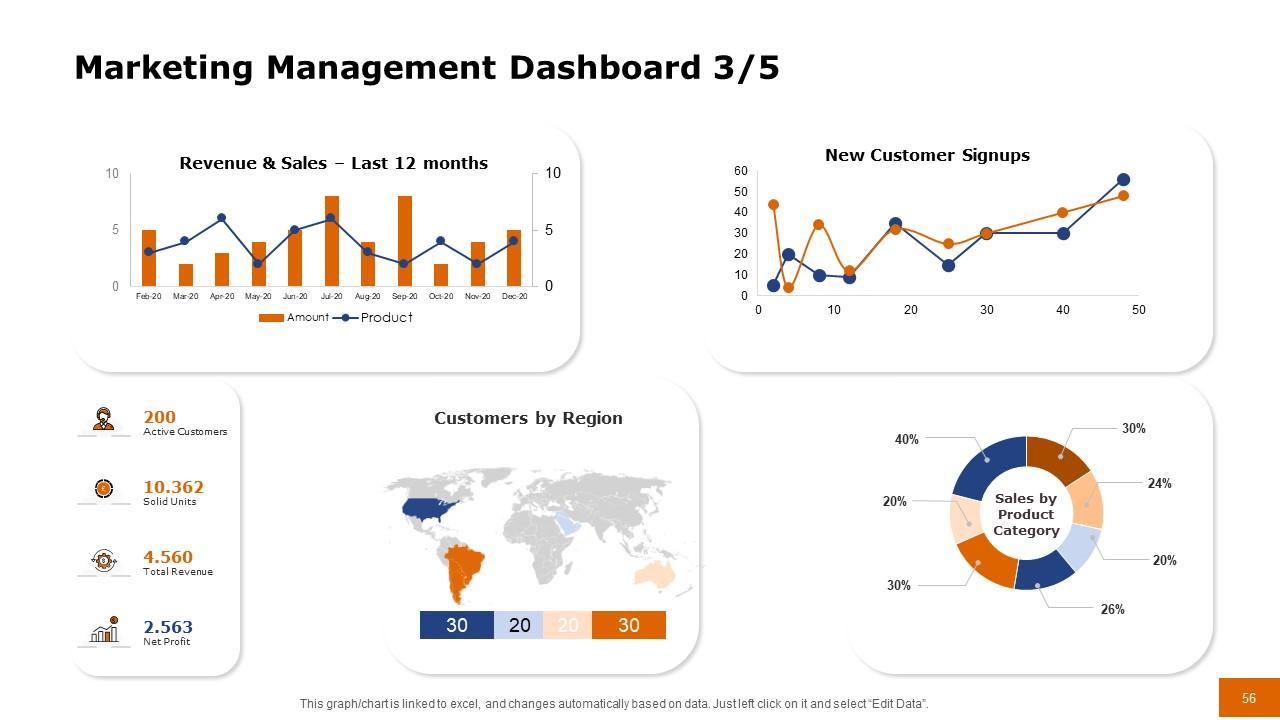
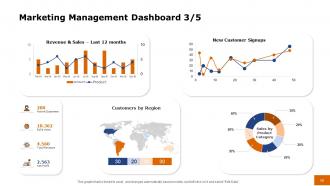
Slide 56: This slide describes about Marketing Management Dashboard.
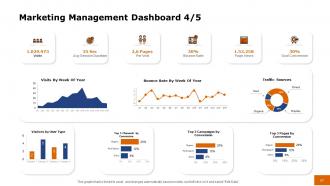
Slide 57: This slide shows Marketing Management Dashboard.
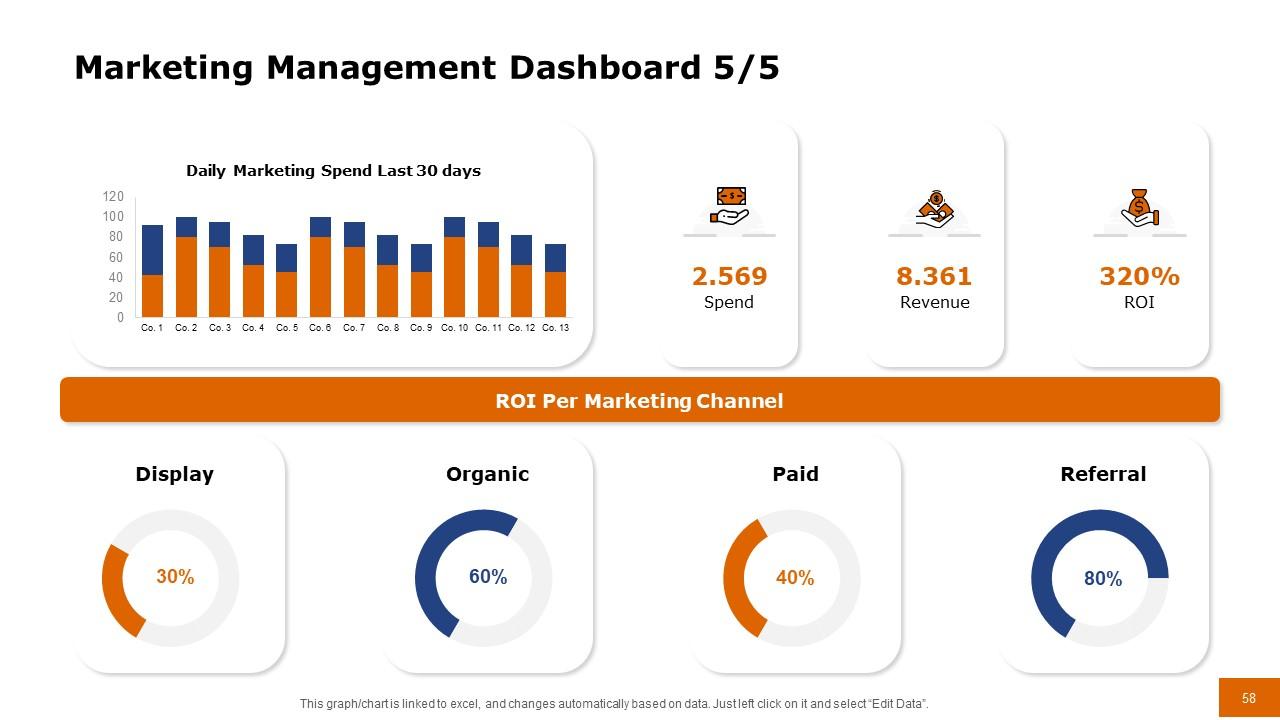
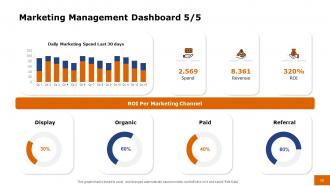
Slide 58: This slide displays Marketing Management Dashboard.
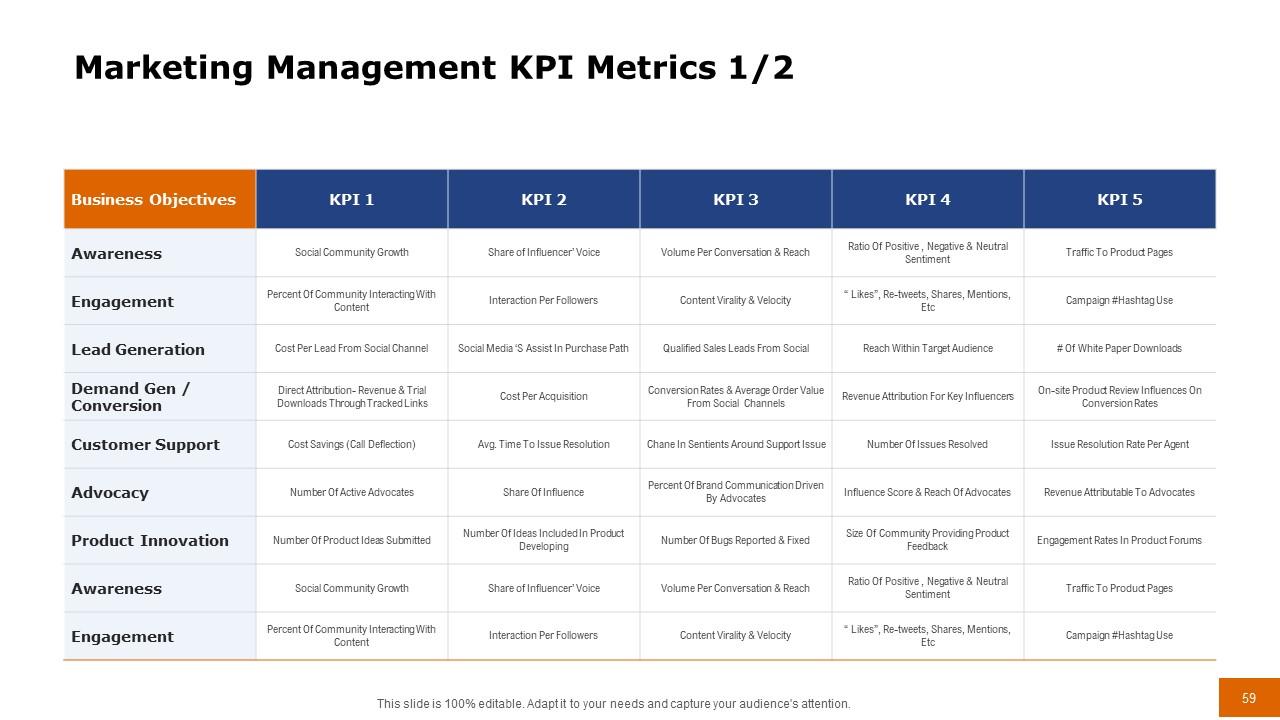
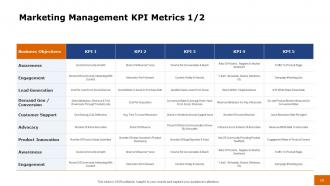
Slide 59: This slide depicts Marketing Management KPI Metrics.
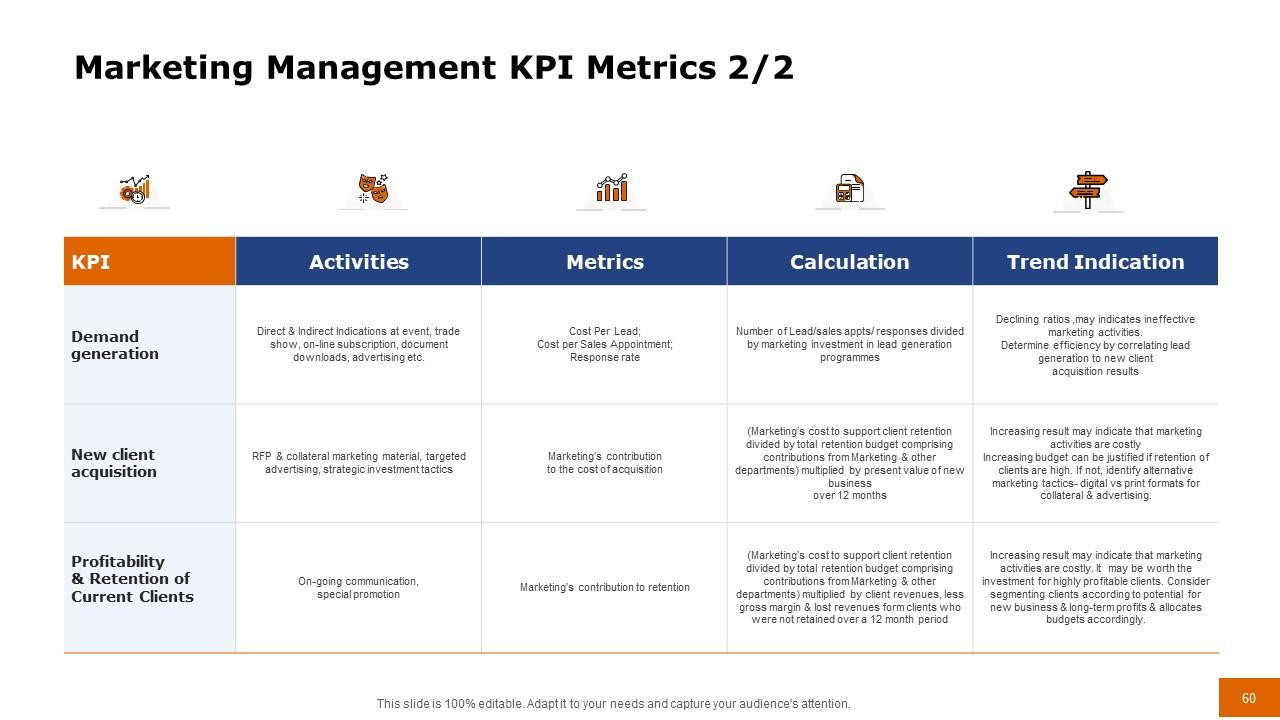
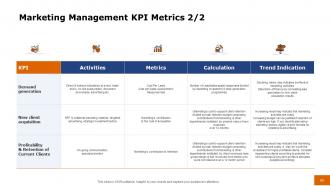
Slide 60: This slide shows Marketing Management KPI Metrics.
Slide 61: This is Advertising Management Icons Slide.
Slide 62: This slide reminds about Coffee Break.
Slide 63: This slide is titled as Additional Slides for moving forward.
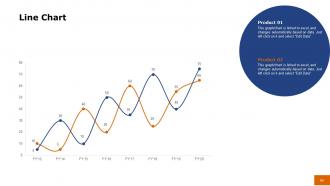
Slide 64: This slide displays Line Chart with product comparisons.
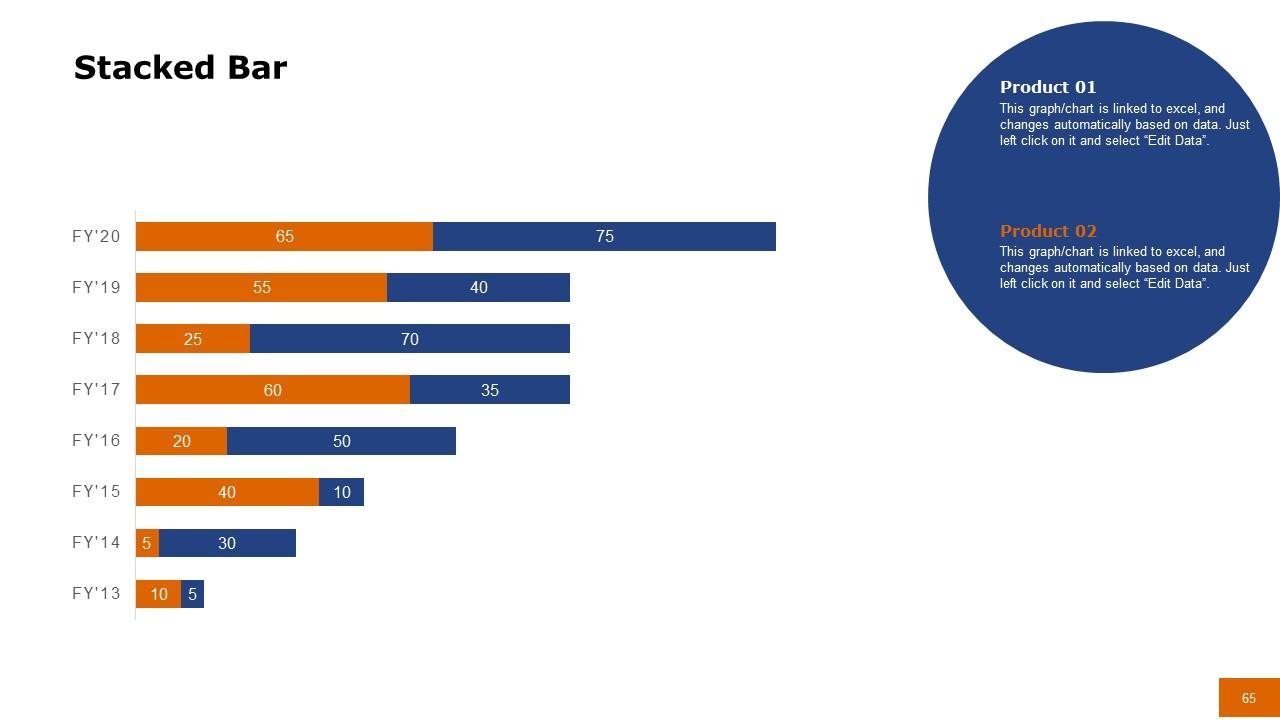
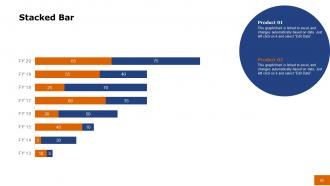
Slide 65: This slide displays Stacked Bar chart with product comparison.
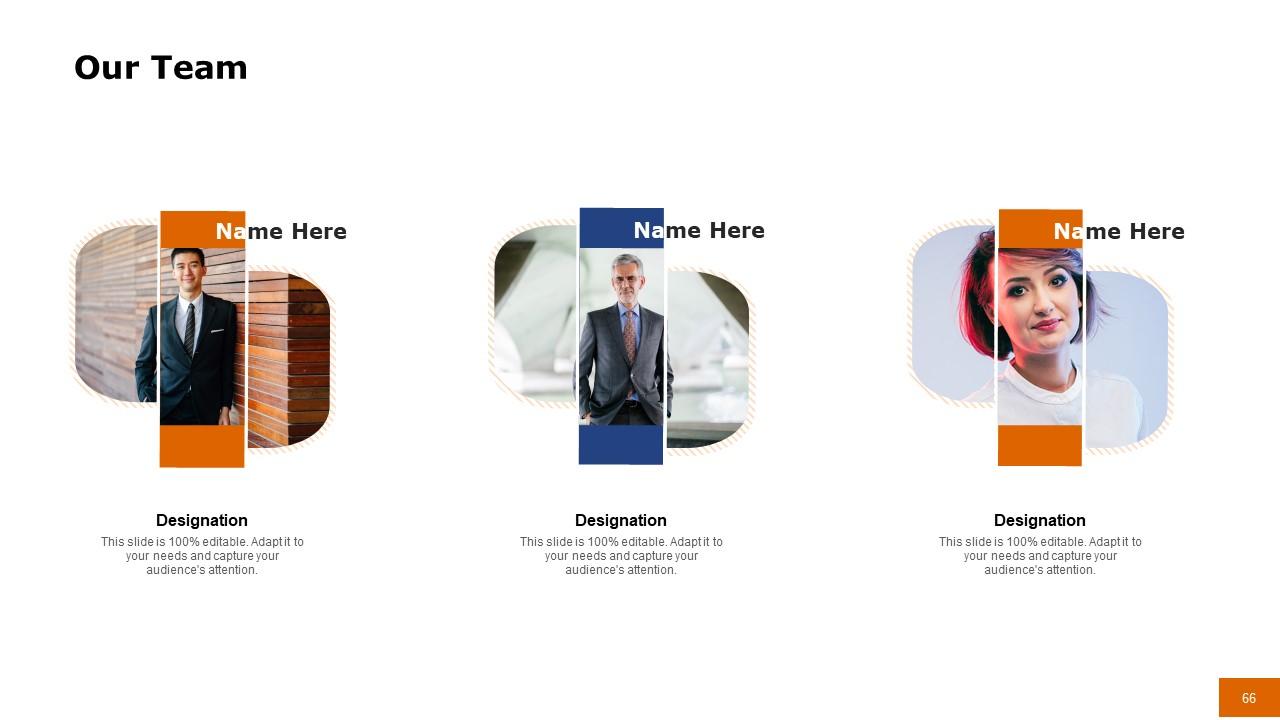
Slide 66: This is Our Team slide with Names and Designations.
Slide 67: This is Target slide. State your targets here.
Slide 68: This is Mind Map slide to represent enitities.
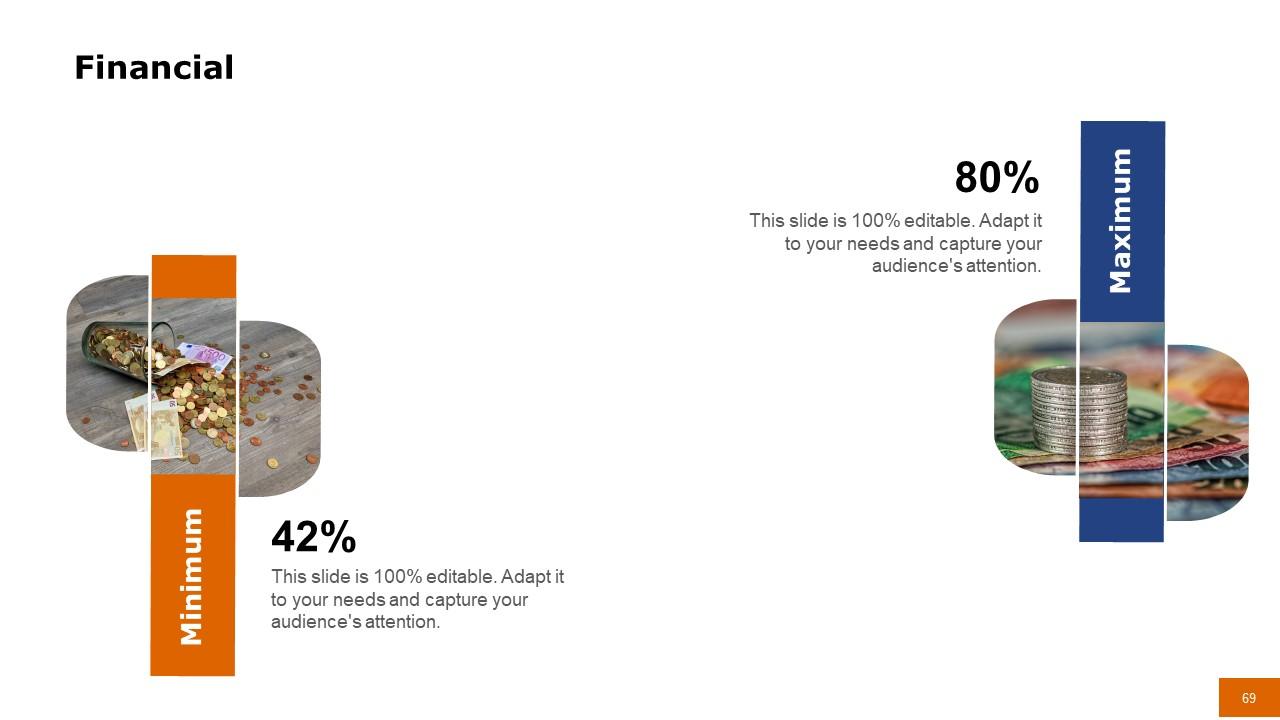
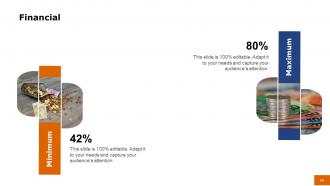
Slide 69: This is Financial slide. State finance related stuff here.
Slide 70: This is Thank You slide with Contact number, Email address, and Address.
Advertising management powerpoint presentation slides with all 70 slides:
Use our Advertising Management Powerpoint Presentation Slides to effectively help you save your valuable time. They are readymade to fit into any presentation structure.
-
Awesomely designed templates, Easy to understand.
-
Designs have enough space to add content.
-
Great quality product.
-
Unique design & color.
-
Best Representation of topics, really appreciable.
