


Annual budget project proposal powerpoint presentation slides




Try Before you Buy Download Free Sample Product
 Impress Your
 Audience
 100%
100% Editable
 Save Hours
 of Time


Your ideas and our Annual Budget Project Proposal Powerpoint Presentation Slides are birds of a feather. They will successfully flock together.
People who downloaded this PowerPoint presentation also viewed the following :
Annual budget project proposal powerpoint presentation slides with all 35 slides:
Give birth to your brilliant ideas with our Annual Budget Project Proposal Powerpoint Presentation Slides. They make wonderful mid-wives.



FAQs for Annual budget project proposal
Here's what you need: revenue projections, expense breakdowns by department, capital expenditure requests, and cash flow analysis. Definitely include justification for any increases from last year. Performance metrics that tie spending to goals are crucial too. Oh, and build in contingency planning because honestly, budgets never go as expected. Make your expense categories detailed enough so leadership can see exactly where money's going. Start collecting department input now - they always drag their feet on responses. Include an implementation timeline too. That covers the main pieces you'll need.
Okay so first thing - map your big spending categories straight to what you're actually trying to achieve. Like if innovation matters, you better have real money going to R&D. Honestly crazy how many places mess this up. Go through each expense and literally ask "does this get us closer to our goals?" Anything that doesn't? Cut it or shrink it. When you present the budget, spell out these connections super clearly - stakeholders need to see how spending ties to strategy. Oh and try making a simple chart with goals on one side, budget stuff on the other. Makes it way easier to spot gaps.
Start way before crunch time - seriously, don't wait until you're panicking about deadlines. Send surveys or do focus groups first to see what people actually care about. Town halls are solid for keeping things transparent, plus you can use email updates or throw together a basic project page. Two check-ins minimum though - one to gather input, then another to show the draft and get final feedback. Oh, and make sure people feel like their opinions matter, not just that they're being updated for the sake of it. Digital stuff works too if in-person is tricky.
Your past financial data is like having a cheat sheet for budget planning. Look at 2-3 years back to catch real trends, not random stuff like that year everyone got standing desks (still not sure why that happened). You'll see which departments always overspend and seasonal patterns you forgot about. Honestly, it's a lifesaver when executives start grilling you about numbers - you can actually back up your projections. Pull those actual vs. budgeted reports and use the variances to pad realistic buffers into this year's proposal. Way better than guessing.
Honestly, risk assessment is just your reality check for budgeting. Look at what could mess up your plans - market weirdness, revenue dropping, surprise costs, new regulations. I call it the "when things go sideways" planning, which sounds dramatic but whatever. Build buffer funds based on those risks you spot. My go-to method? List your top 5 risks first. Then estimate what they'd actually cost you if they happened. Gives you way better numbers to work with than just guessing. Way less stressful when you've already thought through the worst-case stuff.
Here's what I'd do - pick 2-3 things that actually match your company's vibe first. Then create specific budget lines for stuff like energy upgrades, waste programs, or community partnerships. Some teams I know allocate money for volunteer hours (which is honestly pretty smart). Always try to put numbers on the impact - energy savings, people helped, whatever makes sense. Oh, and don't forget to show how it'll pay off business-wise. Local supplier partnerships can be a good starting point since they're usually easier to quantify. Just make sure you're being realistic about costs upfront.
Focus on variance analysis first - that's your actual vs budgeted spending comparison. ROI tracking for big projects matters too, plus cash flow forecasting. Department budgets are honestly where most chaos happens, so watch those closely. Quarterly reviews beat annual ones by miles since you can fix stuff before it gets messy. Track both money outcomes and operational goals - don't just obsess over numbers. Oh, and pick your top 5-7 KPIs that actually connect to what you're trying to achieve, then build your dashboard around those. Way more effective than tracking everything under the sun.
Dude, get yourself a good budgeting system that pulls data automatically - saves SO much time versus doing it all by hand. Real-time tracking lets you catch overspending before it spirals. The forecasting stuff is actually pretty solid for variance analysis too. Analytics help you spot patterns and predict costs way better than just winging it. I'd set up a dashboard first that connects to your main financial systems, then add the predictive features later. Oh and honestly? Once you get it running smoothly, you'll wonder how you ever managed without it.
Honestly, the worst thing you can do is get too excited about potential revenue while totally lowballing your expenses. I've seen this mess up so many budgets. Don't just roll over last year's numbers either - actually look at what's different now. Seasonal stuff always catches people off guard, plus there's random costs that come out of nowhere. You need some kind of cushion built in. Also, loop in whoever needs to approve this early on or you'll get annoying pushback later. Oh and actually check your assumptions against real data instead of just hoping they're right.
Honestly, just turn those numbers into stories people actually give a damn about. Nobody wants to stare at spreadsheet rows - use charts or something visual instead. Talk about outcomes, not budget line items. Like "we'll cut customer wait times by 30%" hits way harder than "allocating $50K to IT infrastructure." I learned this the hard way after watching people's souls leave their bodies during my first budget presentation lol. Keep it conversational. Leave room for questions. You're trying to get them on board, not prove you're a spreadsheet wizard.
Honestly, I'd budget around 5-10% for the stuff that's gonna go sideways. Equipment breaks, markets shift, someone quits at the worst possible moment - you know how it goes. Look back at last year's surprises because they have this annoying habit of repeating themselves. Don't just think money either - have backup vendors ready and flexible staffing options. Oh, and definitely spell out these scenarios in your proposal. Leadership needs to see you're being strategic, not just throwing extra padding on everything. Trust me on this one.
Honestly, benchmarking is a game-changer for budget proposals. You're not just throwing random numbers around anymore - you can actually say "hey, industry standard for marketing is 7% of revenue, we're asking for 6.5%." Boom, instant credibility. It also helps catch if you're way overspending compared to competitors (or weirdly underspending). Trade associations and industry reports are your best bet for solid data, though sometimes networking events work too. Just make sure you're comparing similar company sizes - comparing yourself to Google when you're a 50-person startup doesn't help anyone.
Honestly, the key is being super transparent from day one. Document all your revenue guesses and cost estimates upfront - include the risks you're worried about too. Get drafts to people early so they can poke holes before you lock anything in. Trust me, budget meetings become total disasters when people feel ambushed! Throughout the year, do regular check-ins comparing what you planned vs. what's actually happening. Don't try to hide when things go sideways. A simple dashboard helps - something everyone can actually read without a finance degree. Oh, and make sure department heads can flag problems early. Way better than scrambling later when everything's already broken.
Honestly, get everyone in a room way before crunch time starts. Cross-departmental meetings are clutch - have each team share their priorities and what they'll need budget-wise. Finance should run these and make templates so you're not all speaking different languages. I can't tell you how many times I've seen budgets blow up because marketing had no clue IT was doing some massive server overhaul that'd mess with their campaigns. Set up regular check-ins and pick someone from each department as the go-to budget person. Oh, and make a timeline that everyone actually follows - none of this "we'll figure it out later" stuff.
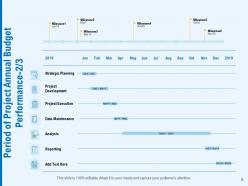
Honestly, start this whole thing 3-4 months out from your fiscal year - trust me on this one. Give departments like 4-6 weeks for their initial requests, then you'll need another 2-3 weeks for all the back-and-forth with leadership. We totally rushed it last year and it was a nightmare! Always leave room for revisions too because something always changes. Final approval should be done at least 2 weeks before you actually need to implement everything. Oh, and definitely make a shared calendar with all the deadlines. People forget stuff otherwise.
No Reviews