


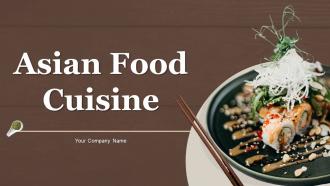
Asian Food Cuisine Powerpoint Ppt Template Bundles





Try Before you Buy Download Free Sample Product
 Impress Your
 Audience
 100%
100% Editable
 Save Hours
 of Time


Our Asian Food Cuisine Powerpoint Ppt Template Bundles are topically designed to provide an attractive backdrop to any subject. Use them to look like a presentation pro.
People who downloaded this PowerPoint presentation also viewed the following :
Asian Food Cuisine Powerpoint Ppt Template Bundles with all 20 slides:
Use our Asian Food Cuisine Powerpoint Ppt Template Bundles to effectively help you save your valuable time. They are readymade to fit into any presentation structure.







FAQs for Asian Food Cuisine Powerpoint
Okay so Asian food is basically all about balancing those five flavors - sweet, salty, sour, bitter, and umami. Rice or noodles anchor everything. Then you've got fresh herbs everywhere, plus ginger, garlic, lemongrass... all that good stuff. The cooking methods matter too - stir-frying, steaming, high heat that keeps things crisp. What's crazy is how different each region tastes though. Like Thai food vs Japanese? Completely different worlds. Oh and pro tip - nail the flavor balance first when you're cooking. Everything else just clicks after that. Trust me on this one.
Dude, it's all about what grows where. Southeast Asia has coconut and tropical stuff everywhere, but up north in China they're dealing with harsh winters so it's wheat and pickled vegetables. Honestly, the spice thing alone explains so much - like you can't get real Sichuan peppercorns in some places so the food just tastes completely different. Coastal regions obviously went heavy on seafood while inland areas got really good at meat and veggie dishes. You should actually try cooking with the real ingredients though. Made Thai curry with galangal instead of regular ginger once and wow, totally different flavor.
Dude, rice is literally everything in Asian cooking! Japan does sushi rice and rice bowls. China has fried rice and congee - honestly their congee is so underrated. Thai jasmine rice? Perfect with curry. Indians make incredible biryanis with basmati. It's not just food either - rice means prosperity in tons of cultures. I used to think it was just filler, but now I get it. When you're making Asian dishes, treat rice like the star instead of some boring side. Makes such a difference in how everything comes together.
Okay so Asian cooking is basically about balancing all the flavors at once - sweet, sour, salty, bitter, umami. Like pad thai hits you with fish sauce, tamarind, palm sugar AND lime juice all together. It's honestly like being a flavor DJ lol. Chinese food does this contrast thing too - not just sweet and sour pork, but even basic stir-fries mix soy sauce with sugar and rice wine. The trick is tasting constantly while you cook. Too salty? Add sugar. Needs more punch? Splash some vinegar in there. You'll get the hang of it!
Honestly, street food is where you'll find the real deal in Asia. Most of those famous dishes everyone raves about? They started on the streets before restaurants picked them up. The vendors usually have recipes passed down forever, but they're also mixing things up constantly - it's wild how much flavor comes out of those tiny carts. Plus there's this whole community vibe that's hard to explain until you experience it. My advice? Skip the tourist traps completely and just follow where the locals are eating. That's where the magic happens, trust me.
Dude, Asian spicing is wild - each region does completely different things. Southeast Asian food goes all-in with these crazy spice pastes, tons of chilies and lemongrass that'll blow your head off. Chinese cooking is way more chill, they're into five-spice blends and those Sichuan peppercorns that make your mouth go numb (which is weird but addictive honestly). India throws everything at you - cumin, coriander, turmeric in these insane combinations. Japan keeps it super simple with just wasabi and this stuff called shichimi togarashi. My advice? Figure out what vibe each region's going for before you start cooking.
Honestly, Asian cooking techniques are pretty amazing. Stir-frying is the obvious one - crazy high heat that keeps veggies crunchy and locks in all the good stuff. Steaming is everywhere too, from dumplings to whole fish. Chinese braising with soy sauce? *Chef's kiss* - so good. Oh and fermentation is huge! Kimchi, miso, those funky black beans. I swear my Korean friend's mom has like 6 different fermented things going at once lol. Most of these methods are way healthier than how we cook here too. Start with stir-frying if you're curious - hard to mess up and any decent pan works.
Oh festivals are HUGE for Asian cooking! Like, Chinese New Year = entire families making dumplings for days. Diwali means tons of sweets and special vegetarian dishes. The prep work is half the experience honestly - grandmas teaching kids techniques they've used forever. These celebrations keep old recipes alive when everything else is going McDonald's, you know? Pro tip: if you're planning an Asian dinner, look up what festivals are happening right now. Gives you the real story behind the food instead of just random dishes.
Yeah, globalization totally messed with traditional Asian cooking. Fusion places are everywhere now - some are cool, others... not so much. Like cream cheese in sushi rolls? Come on. But honestly, it's also gotten more people interested in the real deal. Chefs actually travel to learn authentic techniques now, and immigrant families keep passing down their recipes. My advice? Skip the trendy fusion spots and find places run by actual immigrant families. Or take a cooking class from someone who learned back home. That's where you'll get the good stuff.
Dude, you HAVE to get som tam next time you're at a Thai place - it's this crazy spicy papaya salad that's way more interesting than pad thai. Korean gamjatang is another one nobody knows about, but it's like the ultimate hangover soup with pork bones and vegetables. Okonomiyaki from Japan will blow your mind too, it's basically a savory pancake but so much better than that sounds. Oh and mapo tofu! I know, I know, tofu sounds boring but this Sichuan version is silky with this addictive numbing spice. Honestly any of these beats the usual orange chicken situation.
Asian food has way more vegetarian stuff than people think! India and Thailand have amazing plant-based traditions - like, centuries of it. Chinese Buddhist cuisine is also fantastic for this. But watch out because so many dishes that look vegetarian actually aren't. Fish sauce and oyster sauce sneak into everything. Japanese food is honestly the trickiest since they put dashi (fish stock) in basically everything, even things you wouldn't expect. I'd definitely research restaurants ahead of time or find places that specifically say they're vegetarian-friendly. Always ask about ingredients when you order!
Dude, Asian ingredients are honestly so good for you! Ginger and turmeric are like nature's ibuprofen - crazy anti-inflammatory. Then you've got fermented stuff like kimchi and miso that'll fix your gut health (I'm obsessed with kimchi right now). Green tea's packed with antioxidants, way better than coffee IMO. Shiitake mushrooms boost your immune system, and seaweed has iodine you can't really get anywhere else. Just start with one thing - even switching to green tea helps. The whole fermentation thing in Asian cooking is just on another level compared to what we do here.
Honestly, tech has made Asian cooking so much easier. Rice cookers are game-changers - mine's never failed me once. Apps now teach you stuff like dumpling pleating techniques that used to take forever to learn. Food delivery opened up all these regional dishes too, which is pretty cool. Smart steamers and induction woks help you get restaurant-level results at home. Social media's wild though - suddenly everyone's obsessed with Korean corn dogs and those fluffy Japanese pancakes! I'd say grab a solid rice cooker first, then see what you actually end up cooking most. No point buying fancy gear you won't use.
Oh totally! Asian meals are basically social events disguised as dinner. Most of the food is meant for sharing anyway - think lazy Susans, all those Korean side dishes, stuff like that. I swear eating alone at these places feels so awkward sometimes. The whole point is sitting around the table telling stories and celebrating things together. My grandma always said recipes don't mean much without the people you share them with (she was dramatic but not wrong). If you're doing an Asian-inspired dinner, definitely go family-style with shared plates. Gets everyone talking.
Honestly, Asian plating is just way more thoughtful about balance - like they're arranging colors and textures to represent nature or whatever. You know how Western food usually plops the main protein in the center with sides around it? Asian dishes do the opposite - tons of small plates at once or everything flows across the plate in this intentional but asymmetrical way. Bento boxes are perfect examples of this. It's not just about looking pretty either. The whole presentation is supposed to connect to cultural meaning and create this complete experience for your senses. Next time you get dim sum or something, actually look at how they arrange everything - the seasonal colors are no accident.
-
SlideTeam is my go-to resource for professional PPT templates. They have an exhaustive library, giving you the option to download the best slide!
-
You can rely on SlideTeam whenever you run out of designs for your presentation. Thank you so much SlideTeam!