


Food Cuisine Powerpoint Ppt Template Bundles




Try Before you Buy Download Free Sample Product
 Impress Your
 Audience
 100%
100% Editable
 Save Hours
 of Time


Our Food Cuisine Powerpoint Ppt Template Bundles are topically designed to provide an attractive backdrop to any subject. Use them to look like a presentation pro.
People who downloaded this PowerPoint presentation also viewed the following :
Food Cuisine Powerpoint Ppt Template Bundles with all 21 slides:
Use our Food Cuisine Powerpoint Ppt Template Bundles to effectively help you save your valuable time. They are readymade to fit into any presentation structure.








FAQs for Food Cuisine Powerpoint
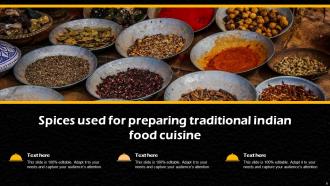
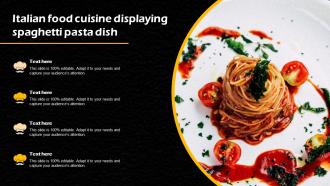
So basically it comes down to what ingredients people had around them, plus how they learned to cook from their families. Climate plays a huge role too - like how Japanese food has tons of seafood since they're surrounded by water. Cultural stuff matters, and honestly trade routes shaped everything more than people realize. Italian food is perfect example - sure they got tomatoes from the New World, but it's really the Mediterranean climate and all those pasta techniques passed down that make it Italian. Indian cuisine shows centuries of spice trading influence. Geography is everything when you think about it. Next time you try something new, you'll start noticing these patterns everywhere.
So basically everything shapes what people eat - local ingredients, religion, history, all of it. Italian-Americans literally invented dishes that don't exist in Italy, which is wild when you think about it. Climate matters too; tropical places aren't making heavy stews obviously. Trade routes brought spices everywhere, immigrants mixed their traditions with local stuff. Even colonial history left its mark on food. Honestly, once you start noticing these patterns when you're eating out or traveling, it makes the whole experience way more interesting. Food tells stories, you know?
Globalization's doing crazy things to traditional cooking right now. Korean fermentation techniques are suddenly everywhere in American kitchens, but then you've got artisan bread getting pushed out by factory methods because it's cheaper and faster. Honestly, it's kind of a double-edged sword - your nana's secret recipe could go viral on TikTok tomorrow, which is amazing for preserving knowledge. But there's also this weird flattening effect happening. Everything becomes accessible, sure, but sometimes it loses that deeper cultural meaning in translation. I always try to dig into the actual history when I'm trying new cuisines - makes the food taste better somehow.
Okay so spices and herbs are literally your best friends in the kitchen - they turn boring food into something you'll actually want to eat again. I used to just throw whatever spices I had at everything (terrible idea btw). What actually works is using them to create contrast, like pairing cooling mint with spicy lamb. Warm spices like cinnamon add richness. Fresh herbs like basil brighten things up. Start with just one or two so you can figure out what each one does. You don't want to overpower your main ingredients, just make them shine.
Oh totally! Good plating really does change everything. Your brain starts "tasting" before you even pick up the fork - it's crazy how much visuals matter. Try playing with colors that pop against each other, maybe stack things at different heights. Clean up those plate edges too, makes such a difference. Honestly, the odd numbers thing works way better than even ones for some reason. Fresh herbs are like instant magic for making basic stuff look fancy. Don't try to do everything at once though - pick one technique per dish and you'll get way better results. It's all about making people excited to eat!
Honestly, Mediterranean and Japanese are your best options - tons of omega-3s and antioxidants that actually help your heart. Traditional Indian food is amazing for inflammation because of all the spices, just don't go crazy with the ghee. Western processed stuff? Yeah, that's basically asking for diabetes and heart problems. Chinese varies so much depending on how it's made - sometimes healthy, sometimes not so much. I've been doing more Mediterranean meals lately and it's pretty easy. Focus on fresh veggies, whole grains, less processed junk. Even small swaps help.
Honestly, Mediterranean food wins here - they've always done the seasonal thing with tons of veggies and way less meat. Asian cooking is brilliant too, using literally every part of an ingredient (zero waste!). Nordic countries are obsessed with foraging now, which is kinda cool I guess. Latin American dishes work with crops that actually belong in those climates, so that makes sense. It's wild how old-school cooking methods just happen to be sustainable. Try looking at food from places with your climate - you'll probably find stuff that grows nearby anyway.
Dude, Georgian food is insane - their khachapuri (cheese bread basically) will ruin you for other breads. Ethiopian cuisine hits different too with that spongy injera and berbere spice that's like nothing else. Oh, and their coffee ceremony is this whole beautiful ritual... anyway. Peru's got way more than ceviche - anticuchos are these killer beef heart skewers. Don't overlook Filipino food either; adobo and sisig are straight fire. I'd pick whichever sounds most interesting and hit up a local spot first before trying to cook it yourself.
Dude, old cooking methods are like time machines for culture. Your grandma's mortar and pestle? You're doing the exact same motions people did hundreds of years ago. Wild, right? These techniques don't just save flavors - they carry all the stories and connections behind the food. Fermentation, grinding spices by hand, even how you knead dough. My mom showed me this weird way to fold dumplings last month and I was like, damn, this is ancient knowledge. Ask older relatives about cooking tricks they remember. You'll probably find some cool family secrets you never knew existed.
Honestly, seasonal ingredients are a game changer for your menu. Fresh stuff tastes infinitely better and costs way less than whatever's been shipped from across the world. Your customers already want what's in season anyway - like who orders soup when it's 90 degrees out? I'd plan menu swaps every 3-4 months and get tight with local suppliers so they can tip you off about what's coming in. Map out your staple dishes first, then figure out which ingredients you can rotate. The margins alone make it worth it, plus your food will actually taste like something.
Food trends are basically society's diary, but edible. People stressed about health? Suddenly kale's everywhere and quinoa becomes the new rice. Economy tanks and everyone's making mac and cheese again. Instagram totally flipped the script too - now everything has to look pretty enough for photos, which is honestly kind of exhausting. Environmental guilt drives the plant-based craze. New immigrants bring flavors that eventually hit mainstream menus. Want to predict what's next? Just watch what's making people anxious or excited culturally. The food world always catches up.
Honestly, start small and just mess with one thing at a time. Swap out weird ingredients - like what happens if you put miso in chocolate chip cookies? Deconstructing stuff is fun too, turn apple pie into separate components on the plate. I've been obsessed with smoking everything lately, even mac and cheese works somehow. Sous vide can make any braised dish ridiculously tender. Or just take something rustic and plate it fancy - same flavors, totally different vibe. Fusion's cool but don't go crazy. Taste constantly though, some experiments are... learning experiences.
Dude, you gotta hit up that food festival! It's like traveling the world without leaving town - Ethiopian injera, Korean street corn, all that good stuff in one spot. What I love most is talking to the actual cooks, especially the grandmas who'll tell you their whole tamale story while you're stuffing your face. Everyone's trying weird new things so you don't feel awkward being adventurous. Honestly, I've found some of my favorite restaurants this way. Just show up starving and ready to experiment - you'll definitely walk away with a new obsession.
Honestly, good food pairing is like magic for your taste buds. You're building these layers where flavors actually help each other instead of fighting. Wine and cheese is the classic example - there's a reason people have been obsessed with that combo forever! Balance is everything though. Try sweet with salty, or match similar flavors that play well together. I always start beginners with acidic stuff paired with rich foods because you can literally taste how they balance out. Your brain picks up on these connections and boom - way more satisfying meal.
Look, sharing stories about your food totally changes the game. When you tell people where that heirloom tomato came from or mention how your grandma inspired the recipe, suddenly they're not just eating - they're experiencing something. It's honestly pretty wild how much difference a good story makes. Same exact dish, but now people actually care about it, you know? They remember it later instead of just moving on to dessert. My advice? Pick one dish you're proud of and come up with a genuine 30-second backstory. Trust me, it works.
-
SlideTeam provides PPTs on every single topic. Their templates suit my job very well. I am very grateful!
-
A big thanks to SlideTeam! An incredible and diverse library of templates helped me with my business project presentation.