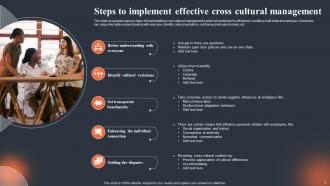
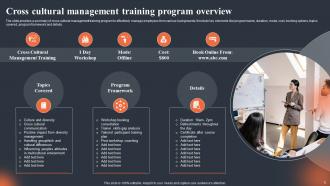
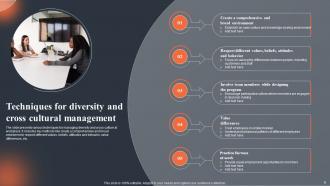
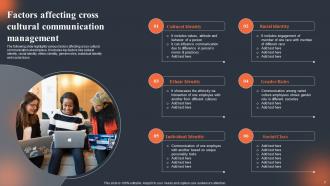
Cross Cultural Management Powerpoint PPT Template Bundles
Try Before you Buy Download Free Sample Product
Audience
Editable
of Time
Our Cross Cultural Management Powerpoint PPT Template Bundles are topically designed to provide an attractive backdrop to any subject. Use them to look like a presentation pro.
People who downloaded this PowerPoint presentation also viewed the following :
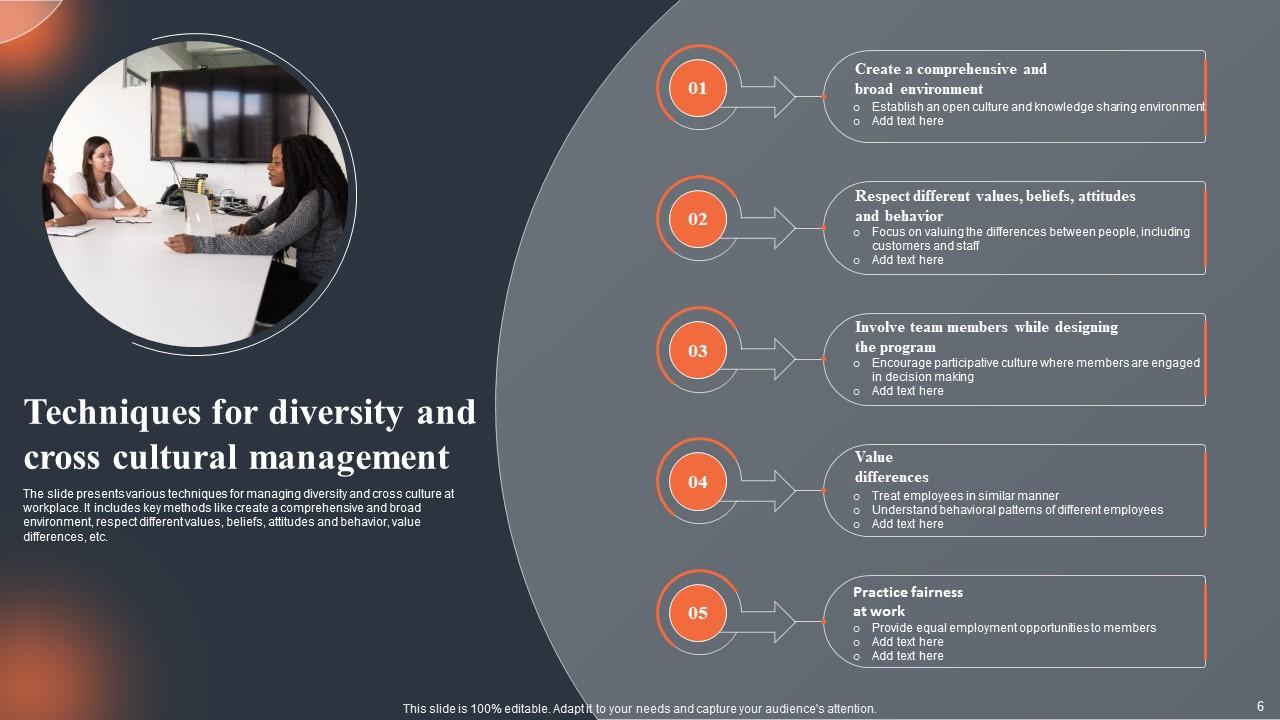
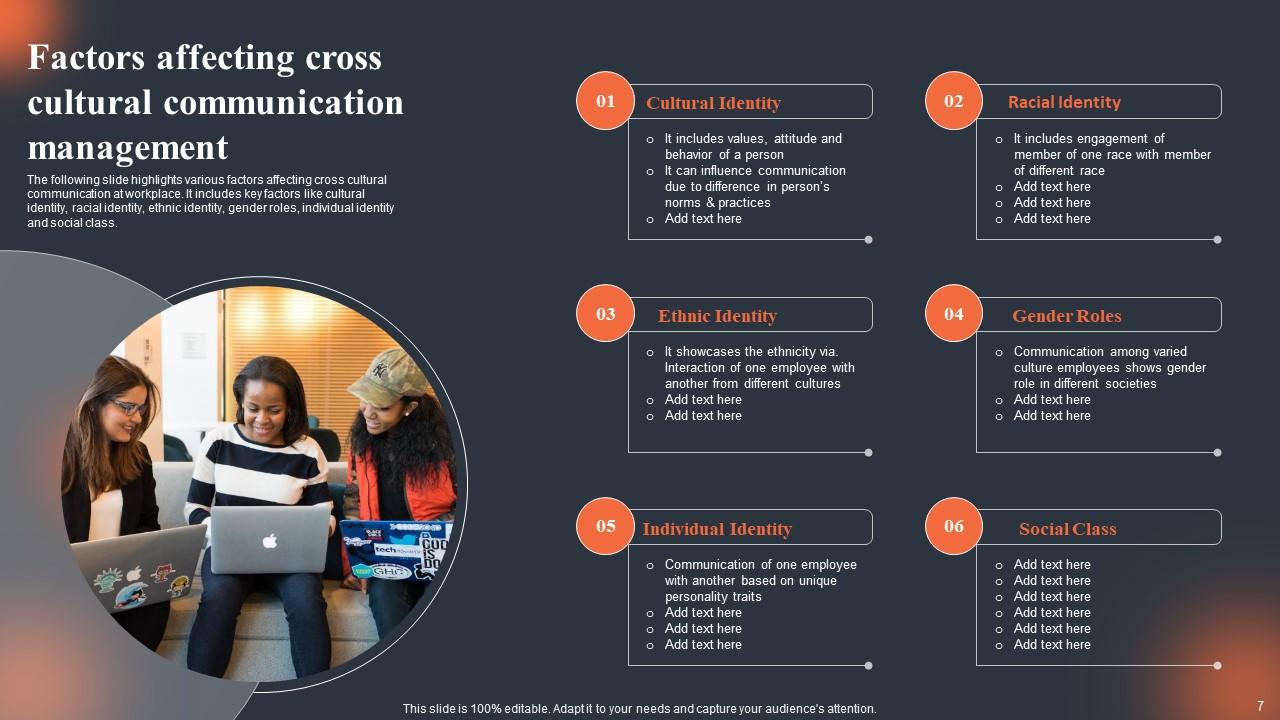
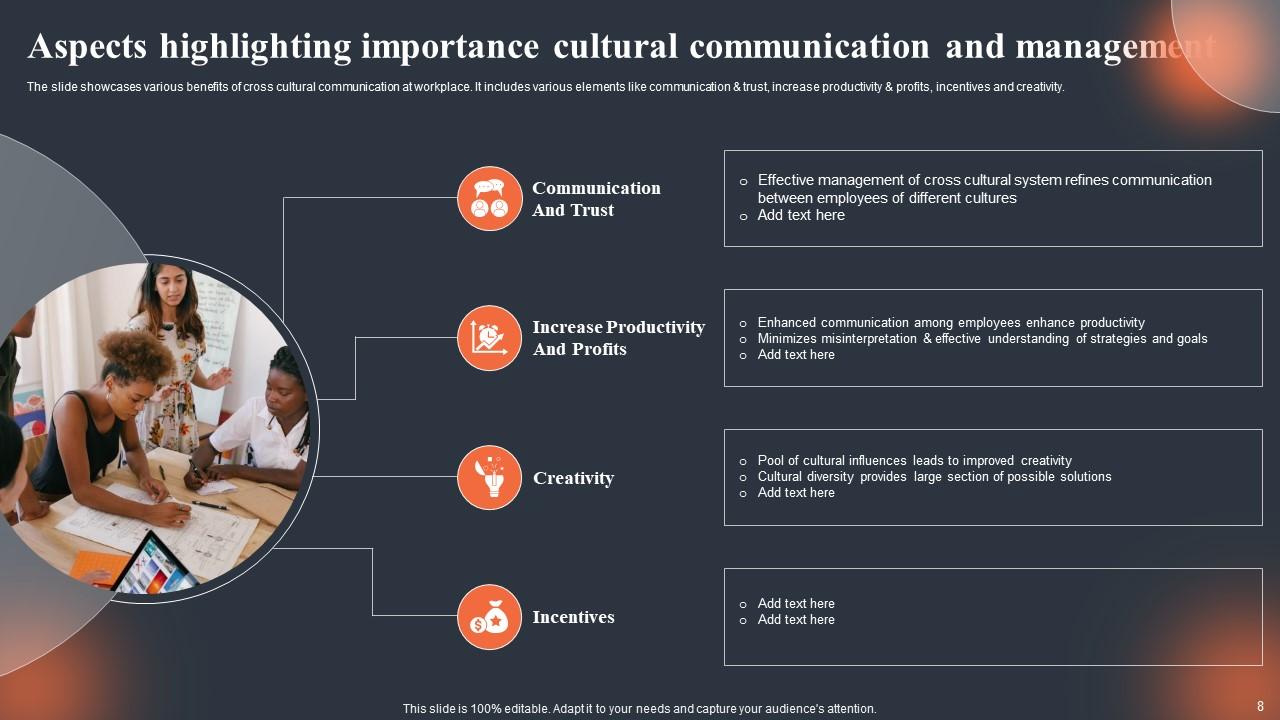
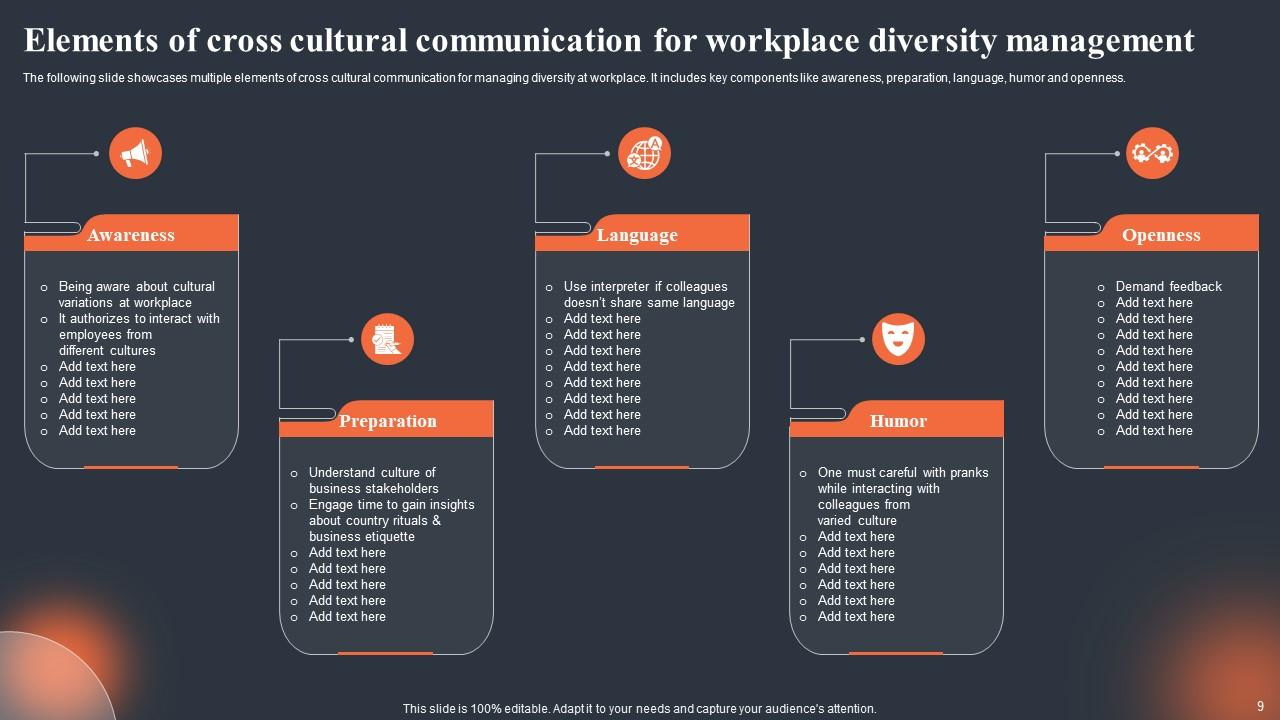
Cross Cultural Management Powerpoint PPT Template Bundles with all 17 slides:
Use our Cross Cultural Management Powerpoint PPT Template Bundles to effectively help you save your valuable time. They are readymade to fit into any presentation structure.
FAQs for Cross Cultural Management Powerpoint
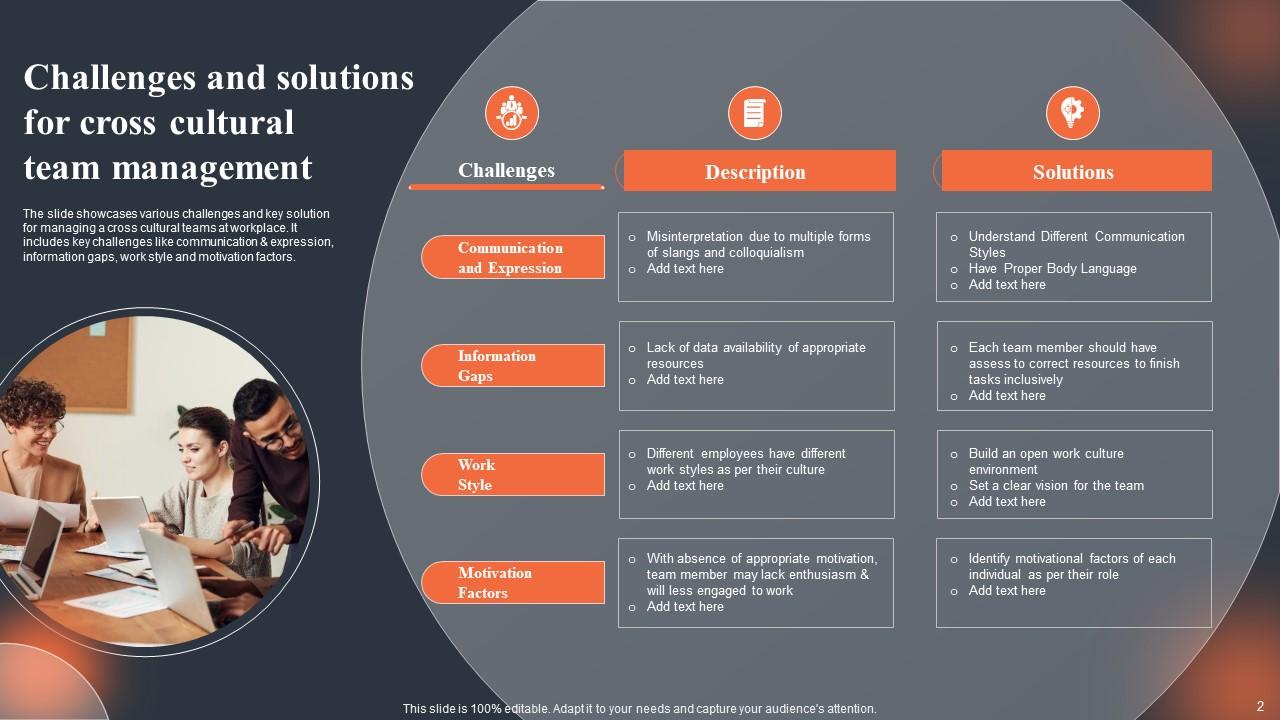
Oh man, language barriers are just the start - you're also dealing with totally different communication styles and cultural stuff around hierarchy. Some people think being direct is rude, others see it as efficient. Meeting structures, feedback styles, even how people handle conflict varies wildly depending on where they're from. Honestly, time zones seem easy compared to navigating when someone values "saving face" versus brutal honesty. I'd set up clear communication rules upfront and get everyone talking about their work preferences early. Trust me, it'll save you headaches later.
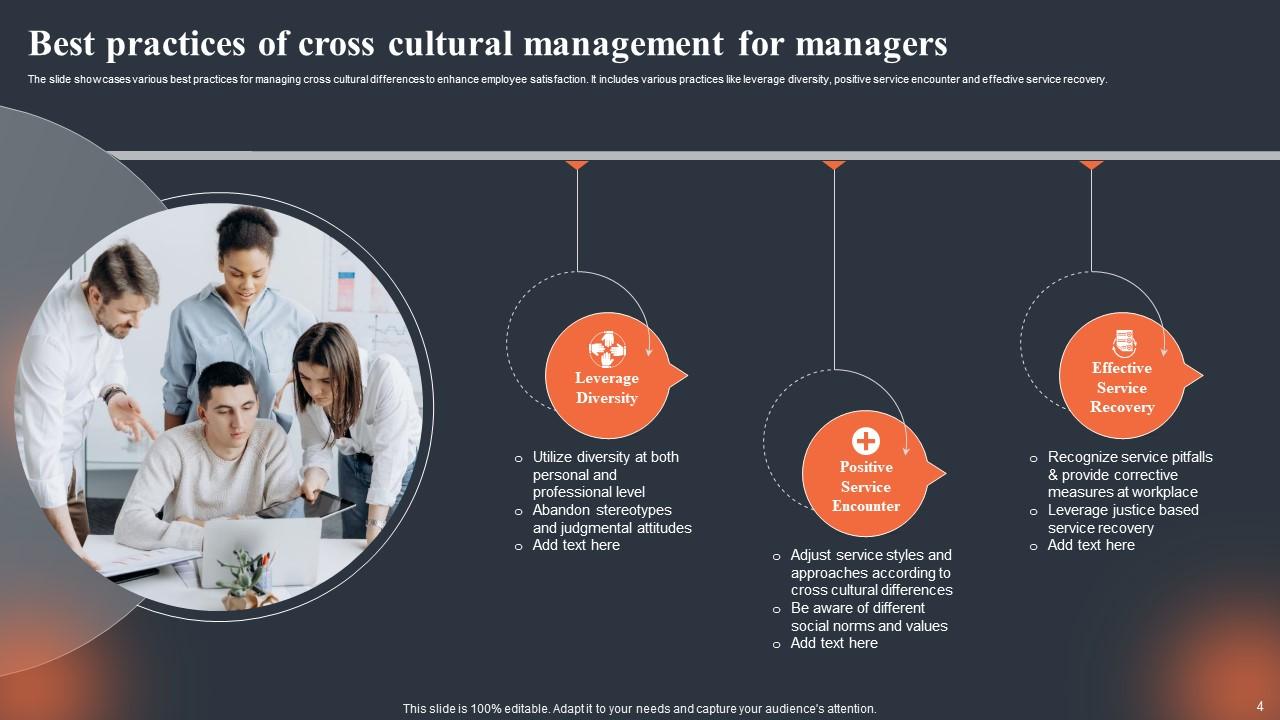
Honestly, you've gotta make everyone feel like their voice actually counts. Don't just let the loud people dominate - actively ask the quiet ones what they think. I've been in way too many meetings where cultural stuff gets ignored instead of being seen as an advantage. Set up communication rules that work for different styles, because some people are super direct while others need more context. Oh, and switch up meeting times so you're not screwing over certain timezones every time. Start with one-on-ones to figure out how each person likes to communicate and make decisions. Then just adapt from there.
Honestly, emotional intelligence is like your secret weapon for managing people from different cultures. You've got to read between the lines - pick up on body language, figure out how people communicate, and switch up your style based on their background. Some cultures are super direct, others dance around conflict completely. I've watched managers totally bomb because they missed these cues. Work on knowing yourself first, then focus on understanding how your words might land differently with team members from other places. Ask questions and actually listen to what they're telling you.
Yeah so Hofstede's cultural stuff is actually pretty useful for this. High power distance countries like Malaysia? Your team wants clear boss-employee lines and formal approvals for everything. Denmark's the opposite - they'll expect everyone to weigh in on decisions. Germans need every detail spelled out in contracts (honestly kind of refreshing tbh), while people in India are way more chill about loose agreements. Before you dive into a new market, just look up where they fall on these dimensions. You'll know whether to be super formal or more collaborative right off the bat.
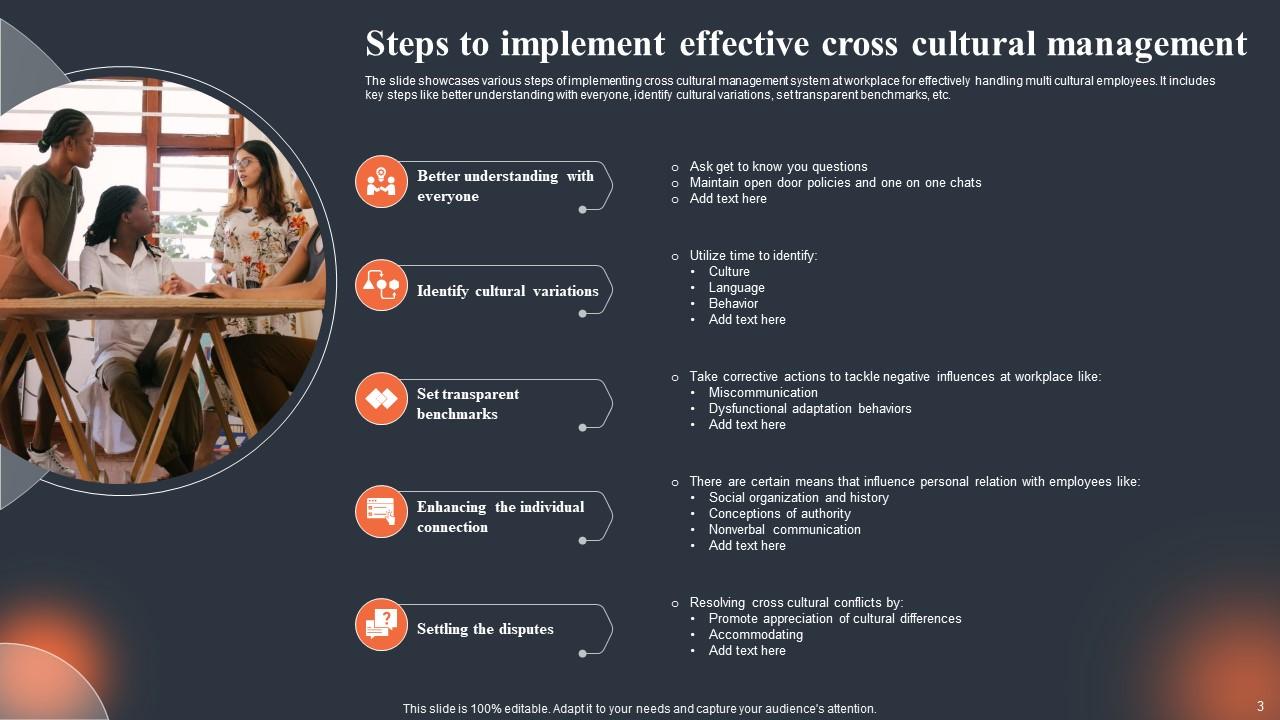
Focus on three main things: good communication, understanding different cultures, and making everyone feel safe to speak up. Encourage people to ask questions without worrying they'll look dumb - honestly, those "stupid" questions usually catch assumptions nobody realized they were making. Give your team some training on how different cultures communicate differently. Like, some people are super direct while others aren't at all. Do regular check-ins so misunderstandings get caught early. When cultural stuff comes up, stay curious instead of judgmental. Make it totally normal to say "help me understand where you're coming from" rather than guessing what someone meant.
Honestly, just start by actually listening to people on your team - like really hearing what they're saying about their experiences. Ask open questions instead of assuming your way is the right way (I've definitely been guilty of that before). The whole psychological safety thing is huge too - people need to feel safe sharing their cultural perspectives without getting judged. But here's what really matters: don't just nod along and then change nothing. Actually look at your policies around holidays, communication styles, work stuff. Do they work for everyone or just some people? It's wild how many companies talk diversity but their practices tell a different story. Move past the awareness phase and start adapting based on what you learn.
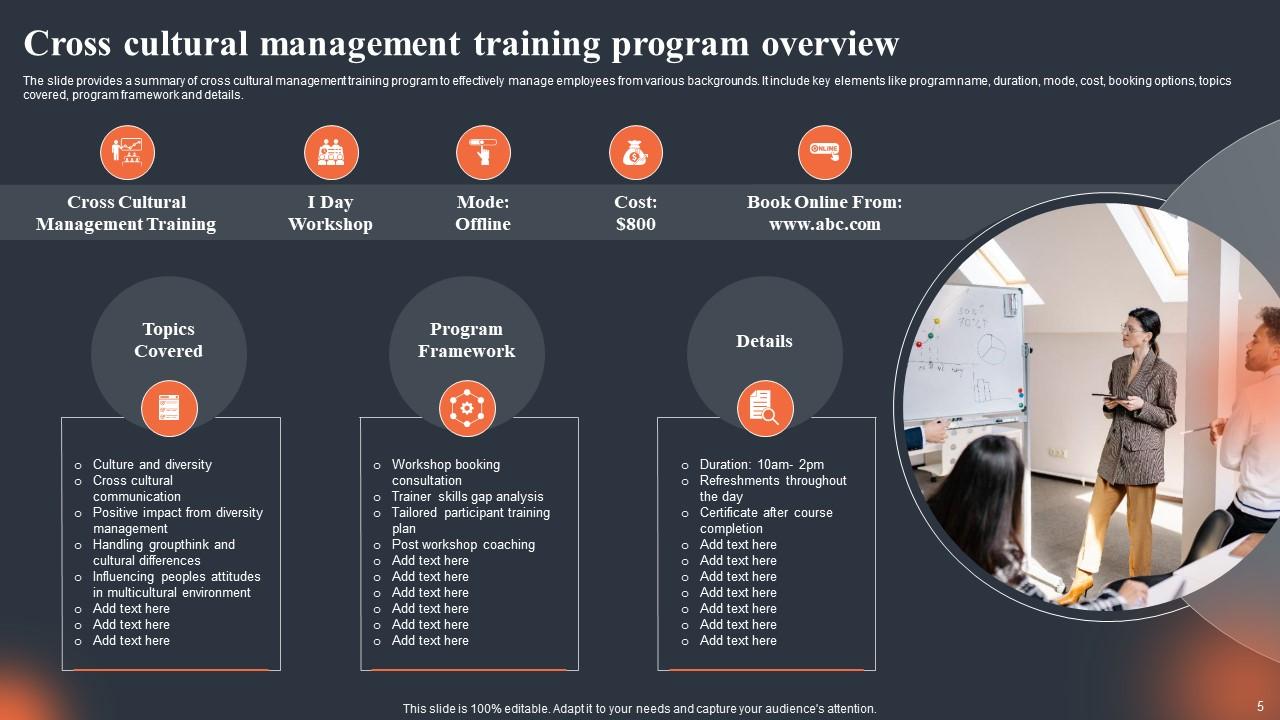
Start with self-awareness stuff first - like how your own team communicates. Then make it interactive with real scenarios they'll actually deal with, not death-by-PowerPoint. Communication styles and business etiquette matter way more than random cultural trivia. Get local consultants or employees from those regions to train if you can - they know what actually happens vs textbook nonsense. Don't do it once and call it done though. People need ongoing support and quick reference tools they can pull up during meetings. Oh, and focus on decision-making processes too since that's where things get weird between cultures.
Honestly, start simple with like 2 metrics or you'll go crazy trying to track everything. Retention rates by cultural groups are huge - plus look at promotion diversity and how teams actually perform together. But real talk, employee surveys are where you get the good stuff. Ask people if they feel included, if their culture's understood, whether anyone actually listens to them. Also watch how different cultural teams work together (or don't) - that's usually where things get messy or click really well. Oh and do quarterly check-ins so you can see if your efforts are actually working. Compare the before/after data once you've got some initiatives running.
Honestly, it's a total juggling act. You're managing people with completely different ideas about hierarchy and communication - like when your direct American feedback style accidentally offends someone from a culture that values saving face. Nordic teams want flexibility while German colleagues prefer structure. I've seen it get pretty chaotic, not gonna lie. The trick is getting better at reading cultural cues. Ask your international team members straight up what communication style works for them. You'll need to switch gears constantly, but once you develop that cultural awareness, it gets way easier to navigate.
Mix up your team with people from different backgrounds - they'll spot blind spots you'd totally miss. Different cultures = different ways of attacking problems. The tricky part? Getting everyone comfortable enough to actually speak up (some people need more coaxing than others). Try rotating who leads meetings and explicitly ask for different cultural takes during brainstorming. When someone's unique perspective cracks a problem, make a big deal about it. Honestly, I'd just start by switching up who you put on your next project team and see what happens.
Oh man, communication styles will trip you up fast. Being too direct in certain cultures? Yeah, that's awkward. Also watch out for missing those subtle hierarchy cues - who actually makes decisions isn't always obvious. Time zones are whatever, but time *urgency* hits different everywhere. Some places you gotta do the whole relationship-building dance before any real work happens. Others just want you to cut to the chase. Your work-life boundaries from home probably don't apply there either. Honestly just grab a local colleague early on and ask them to call out when you're being weird in meetings.
Oh man, this is so real! Different cultures handle deadlines completely differently. Like, Americans and Europeans treat them as set-in-stone commitments. But in Latin America, Africa, Middle East? They're more like suggestions - relationships matter way more than being on time. Asian teams are honestly the trickiest because they'll show up punctually but won't tell you if your timeline is impossible. Then boom - last minute chaos. I'd say talk about expectations right from the start and pad your deadlines. Don't just assume everyone's panicking about the same stuff you are.
Language totally shapes how teams work together, especially with communication and trust-building. Different native speakers have varying comfort levels expressing complex ideas or jumping into discussions - honestly, the joke-telling in virtual meetings gets pretty painful sometimes. It's not just vocabulary though. Different languages actually structure thinking differently, which affects how people approach problems and run meetings. You need psychological safety so everyone speaks up. Visual aids help, written follow-ups too. Always check if people actually understand, not just whether they're nodding along.
So it really depends on the culture you're working with. Japanese folks usually want feedback given privately and indirectly - build the relationship first, then ease into it. Germans? Just be direct and give specific examples. They actually prefer it that way. Public praise works great for some cultures but totally backfires with others (trust me on this one). Also timing matters - some people want feedback right away, others prefer formal scheduled reviews. Honestly, the easiest thing is just asking your team how they like to receive feedback instead of guessing.
Oh man, this stuff gets tricky real quick. Power dynamics are huge - like when gift-giving is totally normal in one culture but looks like straight-up bribery to another. Then there's the whole direct vs. indirect communication thing. Some places value being super blunt, others think you're being rude if you're not subtle about it. Honestly, I'd say do your research on cultural norms first, but don't throw your own ethics out the window. Set clear boundaries with your team upfront so nobody's confused about where you stand when things get weird.
-
I looked at their huge selection of themes and designs. They appeared to be ideal for my profession. I'm sure I'll grab a few of them.
-
Thanks for all your great templates they have saved me lots of time and accelerate my presentations. Great product, keep them up!