


Food Product Launch Powerpoint Ppt Template Bundles




Try Before you Buy Download Free Sample Product
 Impress Your
 Audience
 100%
100% Editable
 Save Hours
 of Time


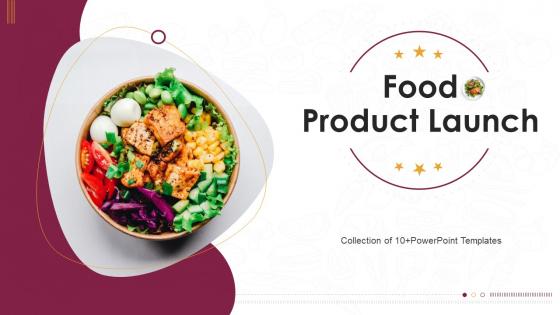
Our Food Product Launch Powerpoint Ppt Template Bundles are topically designed to provide an attractive backdrop to any subject. Use them to look like a presentation pro.
People who downloaded this PowerPoint presentation also viewed the following :
Food Product Launch Powerpoint Ppt Template Bundles with all 18 slides:
Use our Food Product Launch Powerpoint Ppt Template Bundles to effectively help you save your valuable time. They are readymade to fit into any presentation structure.





FAQs for Food Product Launch Powerpoint
Honestly, you'll want to cover your product basics first - what makes it different, who's buying it, and how it stacks up against competitors. Pricing strategy is huge obviously. Then dive into your go-to-market plan and distribution channels. Financial projections are a must - sales forecasts, costs, when you'll see ROI. If you've got consumer testing data, definitely throw that in there. Oh and regulatory stuff can be a pain with food products so address that upfront. Marketing strategy and timeline too. Food launches are tricky but if you nail these areas you should be solid.
Okay so basically your market research is gonna be the foundation for everything. Pull those consumer insights to show what problems you're actually solving. Competitive analysis shows why you're better than the other guys. Demographics are huge - like, you can't talk to Gen Z the same way you'd pitch to their parents, right? Structure the whole thing around maybe 3-4 major findings from your research. Way more convincing than just listing random product features. Oh and definitely use those metrics like purchase intent to build your value prop slide - that stuff's gold.
Dude, branding is HUGE when you're pitching to retailers. Those buyers see like hundreds of products every week - your packaging and visual story need to grab them instantly. It's literally what sells your product before anyone even tries it. Strong branding screams "we're professional and ready for market" while helping retailers figure out if you'll actually move product. Plus it shows them exactly who your target customer is. Oh and make sure everything looks consistent when you walk in there - nothing kills credibility like mismatched materials.
Okay so people literally eat with their eyes first, right? Get some high-quality shots of your food actually being eaten - steaming bowls, fresh ingredients, people looking genuinely happy while they're eating it. Behind-the-scenes stuff works amazing too because everyone's obsessed with those "how it's made" videos now. You can throw in some infographics to show benefits without walls of text. Just make sure every photo actually tells part of your story instead of random filler. Honestly, anything that makes people hungry or emotional will convert way better than those boring sterile product shots you see everywhere.
Honestly, I'd start with the obvious stuff - age, income, where they live. But the juicy parts are lifestyle things like how they shop, what they eat, where they find new products. The psychological stuff is way more fun than basic demographics, though you need both. Figure out what problems your product actually solves and what they're buying instead of yours right now. If you've got different customer types, break them into primary and secondary groups. Oh, and don't just guess - back it up with real research data. Trust me, stakeholders will grill you on sources and you'll look like an idiot if you're just making assumptions.
Split those sections up clearly so your team knows what to do with them. Pricing needs your target retail price, wholesale margins, promotional plans - the whole money side. Distribution covers your channels (retail, online, foodservice), rollout timeline, exclusivity deals if any. Oh and minimum order quantities! I literally always forget that part but it matters. Don't just list what you're doing though. Explain why you picked these strategies. Stakeholders need to get your thinking or they won't buy into it, and honestly that's where most of these things fall apart.
Start with market size and growth - investors eat that stuff up. Your target customer demos matter too, but get specific about buying behaviors so you don't sound clueless about who's actually purchasing. Throw in competitive analysis and pricing strategy. Here's the thing though - sales velocity from test markets trumps everything else. Consumer testing scores? Meh. Real sales data is what stakeholders actually care about. Oh, and definitely include your distribution strategy plus any retail partnerships you've locked down. Nothing makes the rest of your pitch more believable than having actual shelf space already confirmed.
Don't just dump all the focus group stuff in one section - that's boring as hell. Sprinkle their insights throughout your whole presentation instead. Lead with the pain points they mentioned, then show how your product fixes those exact problems. Actual participant quotes are gold - way better than generic "people liked it" statements. Their feedback backs up your pricing and positioning choices too. Oh, and be real about negative comments. Acknowledge what sucked and explain your fix. The demographic stuff helps justify who you're targeting. Bottom line: connect every piece of their feedback to actual business decisions you're making.
Make it visual - don't just list features, show where competitors are actually weak. Pick 3-5 direct competitors and map their positioning, pricing, messaging. Most people go nuts here and include like 20 companies which is useless. Use actual product photos, not boring logos. Your team needs to see what's really on the shelf competing with you. What matters is finding 2-3 clear gaps where they're falling short and you can actually win. Skip the feature comparison charts - focus on what makes you different instead. Way more helpful than another spreadsheet nobody reads.
Honestly, just bake the sustainability stuff into your template from day one. Add checkboxes for Fair Trade, organic, carbon-neutral packaging - whatever applies. Trust me on this one - I've watched teams completely panic trying to retrofit this later. Super messy. Include supplier audits and environmental assessments too. Oh, and definitely loop in your marketing team early so they know which claims you can actually make legally. Way easier when it's built into the process instead of being some last-minute scramble. Makes everything flow better.
Honestly, lead with benefits over features - tell people how your product makes their life better, not just what's inside. Your strongest differentiator should be right upfront. I can't tell you how many launches I've seen that bury their best selling point halfway down the page - drives me crazy. Skip the vague "artisanal" nonsense and use concrete language instead. Proof helps too - certifications, awards, testimonials. Visual storytelling's huge for food products. Before/after shots work well. Oh, and definitely test your messaging with focus groups early to see what actually clicks with people.
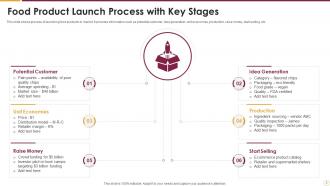
So basically you want to hit three main things. Start with who's actually buying your stuff - retailers need proof there's real demand, not just wishful thinking. Marketing support is huge too. Think co-op ad budgets, displays, social campaigns, PR pushes. They care about this because it drives people through their doors. Oh and definitely include measurable goals with timelines so nobody's confused about what we're aiming for. Don't forget exclusive launch windows or territory deals if you've got them. The whole point? Show them how you'll help move product off their shelves.
Honestly, three things work really well for food launches. Origin stories are huge - like where your ingredients actually come from or how you stumbled on the recipe. Then there's showing your product in real moments people relate to, not some perfect Instagram setup. Also, sensory words are crazy powerful. "Crispy" and "melted" literally make people hungry (I swear it works every time). The key is not overselling it - nobody likes feeling manipulated. Oh, and don't try all three at once. Pick one approach first and see how it lands before going all in.
Add a social media section after your audience slide - include the launch week content calendar, influencer partnerships, and your hashtag strategy. Honestly? Focus way more on TikTok than Instagram if you're going after Gen Z. Show actual post mock-ups instead of just saying "we'll create engaging content" because that's basically meaningless. Oh, and definitely cover how you'll handle trolls and negative comments. User-generated content campaigns are huge right now too. End with specific KPIs for each platform so there's no confusion about what you're measuring.
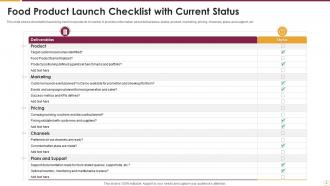
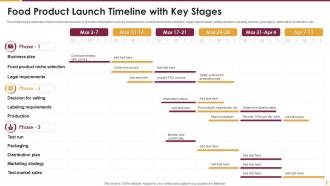
So you'll need dates for recipe finalization, packaging approval, regulatory stuff, production runs, and launch day obviously. Work backwards from your launch date though - that's way easier. Build in extra time because literally something always goes wrong (learned this the hard way lol). Don't forget about samples for trade shows, retailer meetings, consumer testing. Internal deadlines matter too. Marketing needs sign-off time, sales team training, all that. I'd add like 20% buffer to everything you think you need. Oh, and milestone markers help keep everyone on track.
-
I want to thank SlideTeam for the work that they do, especially their customer service.
-
“I really like the convenient operation and professionalism I saw on the SlideTeam website. I want to express my regards and appreciation to the team.”