Bank Fraud Powerpoint Ppt Template Bundles

Rating:
80%
Bank Fraud Powerpoint Ppt Template Bundles
Slide 1 of 17
Favourites Favourites

Try Before you Buy Download Free Sample Product

Audience Impress Your
Audience
Editable 100%
Editable
Time Save Hours
of Time
The Biggest Sale is ending soon in
0
0
:
0
0
:
0
0
Rating:
80%
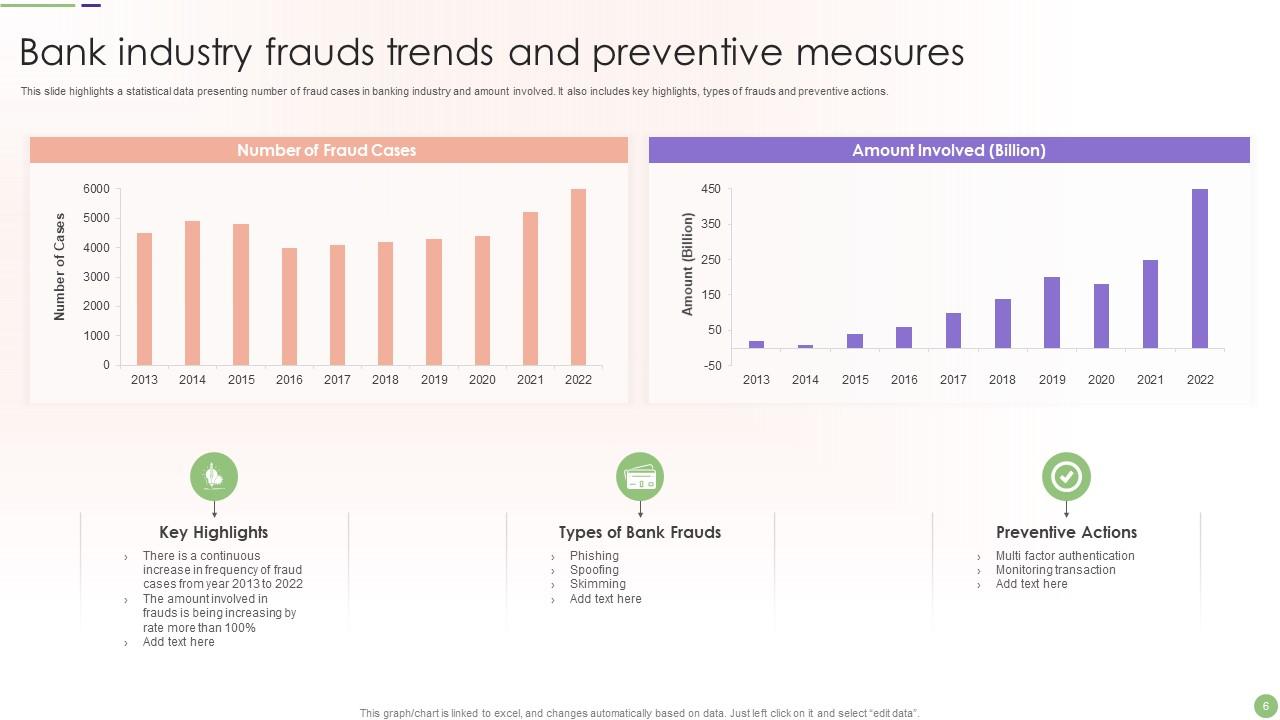
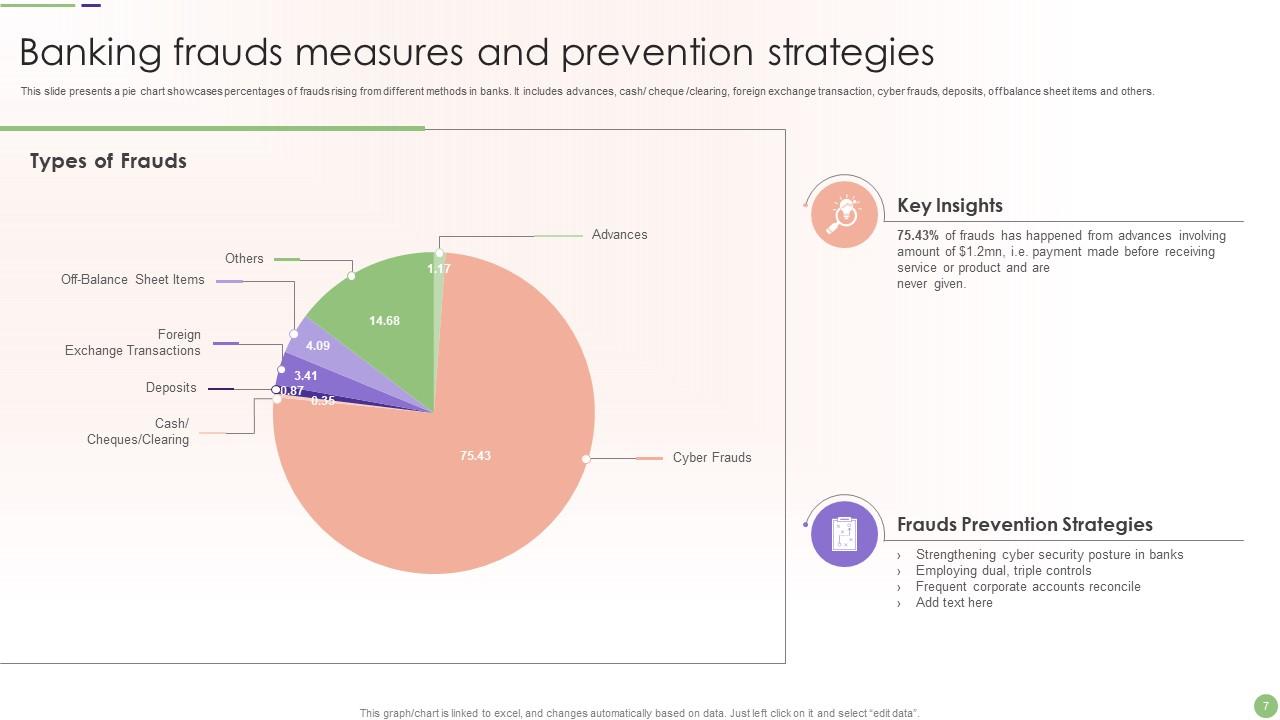
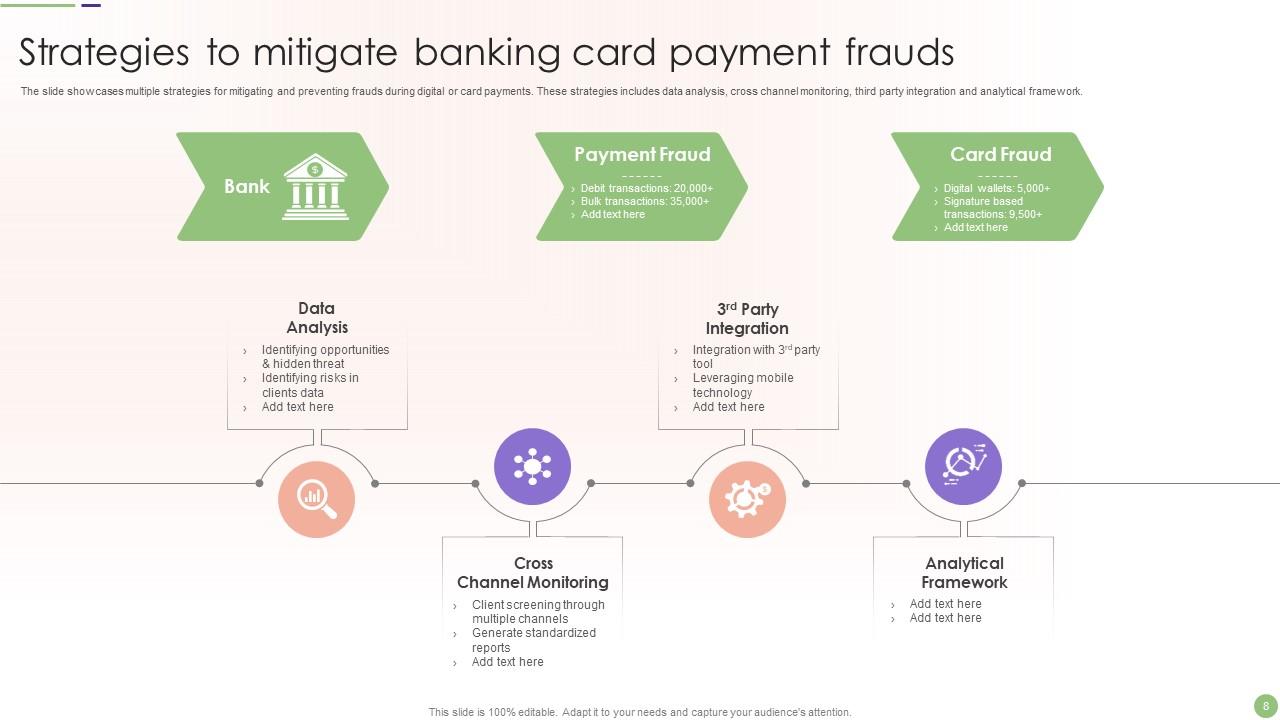
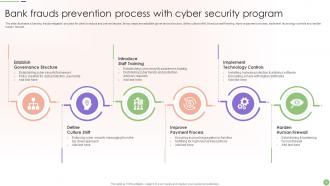
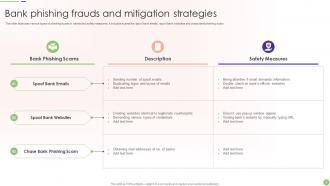
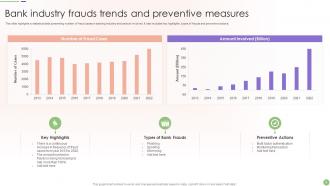
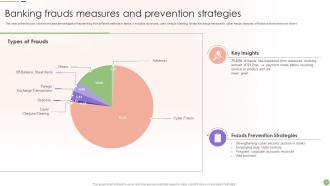
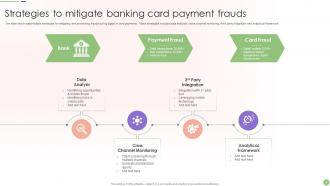
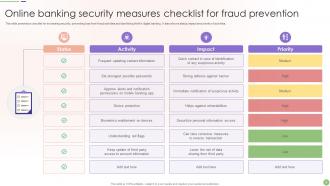
Deliver a credible and compelling presentation by deploying this Bank Fraud Powerpoint Ppt Template Bundles. Intensify your message with the right graphics, images, icons, etc. presented in this complete deck. This PPT template is a great starting point to convey your messages and build a good collaboration. The twelve slides added to this PowerPoint slideshow helps you present a thorough explanation of the topic. You can use it to study and present various kinds of information in the form of stats, figures, data charts, and many more. This Bank Fraud Powerpoint Ppt Template Bundles PPT slideshow is available for use in standard and widescreen aspects ratios. So, you can use it as per your convenience. Apart from this, it can be downloaded in PNG, JPG, and PDF formats, all completely editable and modifiable. The most profound feature of this PPT design is that it is fully compatible with Google Slides making it suitable for every industry and business domain.

FAQs for Bank Fraud Powerpoint

Credit card fraud and identity theft are the big ones - honestly identity theft is just everywhere now, it's crazy. Check fraud's still happening too. People lie on loan applications all the time, plus there's wire transfer scams hitting businesses hard. Phishing emails trying to grab your login info, ATM skimmers at gas stations and stuff. The newer tricks? Account takeovers where they sweet-talk customer service, and those business email scams are getting super sophisticated. Just watch your statements like a hawk and never give account details over the phone - that'll block most of this garbage.

Okay so first thing - always go straight to your bank's website or app, don't click those sketchy email links even if they look real. Get a strong password that's different from your other stuff, and definitely turn on two-factor auth if they have it. I check my accounts like every few days because you never know. Public wifi is a hard no for banking - I learned that one the hard way. Your bank probably has alerts you can set up, which honestly saves you from constantly checking. If anything looks weird at all, just call them. Better to feel dumb than get scammed.

Honestly, banks are getting pretty wild with their fraud protection now. Real-time AI watches for weird spending patterns - like if you suddenly buy something in another state. Biometric stuff too, fingerprints and face scans. They track how you normally swipe and tap, which is kinda creepy but useful I guess. Your card data gets tokenized so hackers can't steal the actual numbers. Most banks send instant alerts now and you can freeze your card right from the app. My cousin got her card stolen last month and caught it immediately because of the notifications. Just make sure you actually enable these features though!

Oh man, social engineering is everywhere in bank fraud now. Scammers just call pretending they're from your bank, right? They'll make up some story about "suspicious activity" to freak you out. Some even show up in person with fake badges - honestly scary how convincing they are. People fall for it because we naturally want to help or panic when money's involved. Here's what I do: always hang up and call the bank's real number instead. Never give info to random callers. If it feels weird, it probably is.

Dude, they're getting sneaky with fake banking apps that look exactly like the real ones. Phishing texts are everywhere too - don't click those links claiming to be from your bank. Weak passwords are like leaving your door unlocked, and public wifi? Total nightmare for data theft. The malware stuff is wild - keyloggers record every single thing you type. Oh and they'll literally call pretending to be your bank to trick you into giving up codes. Stick to official app stores, use strong passwords (seriously, make them weird), and turn on two-factor authentication. I learned this the hard way lol.

Ugh, that sucks! Call your bank right now and freeze everything - seriously, like drop what you're doing and call them. The faster you move, the better chance you have of getting your money back. File a police report too, even though they probably won't do much with it honestly. Change all your banking passwords immediately, even ones you think are safe. Screenshot everything and save all your statements because you'll need proof later. Also contact the FTC to get it on record. I know it's stressful but document every conversation you have with the bank - write down names, times, everything.

Dude, you've actually got decent protection here. If someone jacks your debit card, report it within 48 hours and you're only out $50 max - wait longer and it jumps to $500 which totally sucks. Credit cards are way better though, capped at $50 no matter when you catch it. Banks have to investigate and give you provisional credit while they figure it out. Honestly, the key is just being super quick about reporting anything sketchy. Don't let them drag their feet during the investigation either.

So they'll freeze your account right away, which is annoying but necessary. Investigation usually starts within a day or two. You'll need to fill out paperwork and maybe get a police report - depends on how much money we're talking about. The good news is most banks have gotten way better at handling this stuff since fraud is everywhere now. They should give you provisional credit within 10 business days while they sort it out. Complex cases take longer, sometimes up to 90 days. Just save all your paperwork and bug them if they go quiet.

Dude, fraud has gone absolutely crazy since COVID hit. Account takeovers are everywhere, plus all these synthetic identity scams targeting people working from home. Fraudsters got way sneakier too - they're using pandemic fears and those government relief programs to hook people. Business email scams have basically doubled, which honestly makes sense when everyone's security got sloppy with remote work. You'll definitely want to watch for weird transaction patterns and maybe educate customers more about phishing. People are still the easiest target, unfortunately.

Definitely need solid training programs covering red flag spotting, transaction monitoring, and customer behavior analysis. Regular workshops on account takeovers, check fraud, identity theft - the usual suspects. Your team should watch for suspicious patterns like multiple accounts with similar details or weird transaction timing. Honestly, the "nervous customer" thing is kinda hit-or-miss since people get anxious over normal banking stuff too. But pair behavioral training with good system alerts and you'll catch way more. Set up quarterly refreshers. Make reporting super easy or nobody'll actually do it.

Okay so bank fraud basically screws with the whole economy. People stop trusting banks as much, which makes them way less likely to invest or get loans. Banks lose money and then get all paranoid - they jack up interest rates and make it harder to qualify for stuff. All those extra security measures? Yeah, we end up paying for that through higher fees. It's like when one person steals from a store and suddenly they're checking everyone's bags. Even small fraud adds up over time. The annoying part is it all trickles down to regular people getting hit with worse rates and more expensive banking.

Dude, you absolutely should report it. I get that it feels weird being a whistleblower, but bank fraud screws over regular people when banks jack up fees to cover their losses. Plus you're probably legally required to report it anyway - especially if you work anywhere near finance. Honestly, I'd rather deal with some awkwardness now than know I let something slide that hurt innocent customers later. Just document everything you've seen first, then go through whatever reporting process your company has. The right thing isn't always comfortable, but it's still right.

So basically data analytics picks up on weird transaction patterns that normal systems miss. Machine learning spots stuff like someone suddenly dropping tons of cash or buying from sketchy locations - way better than those old rule-based setups honestly. The smart part? It keeps learning, so scammers can't just figure out one trick and run with it forever. You'll catch fraud before it happens instead of cleaning up the mess later. I'd start simple with basic anomaly detection on your transactions, then add fancier models once you see how it works. Way less stressful than playing catch-up all the time.

So the FDIC, OCC, and Fed are basically the watchdogs here. They set anti-fraud rules and do regular bank checkups. Banks have to report sketchy stuff and keep solid internal controls - otherwise these guys can hit them with major penalties. Most banks actually listen because regulators can literally shut them down if they keep screwing up. Though honestly, sometimes I think they could be tougher. If you're dealing with suspected fraud at your place, definitely check what your main regulator wants for reporting deadlines and paperwork. They don't mess around with repeat offenders.

Bank fraud penalties are all over the map honestly. The US doesn't mess around - federal charges can mean decades in prison for big cases. Germany and the UK used to be lighter with mostly fines and shorter sentences, but they're cracking down more now. Singapore? Brutal with financial crimes. Developing countries have the laws but enforcement is... well, pretty hit or miss. International cases get messy fast since you could face anything from a slap on the wrist to serious jail time depending where you end up. Research the specific country's laws ASAP if you're dealing with cross-border stuff.

Ratings and Reviews

80% of 100
Review Form
Write a review
Most Relevant Reviews
  1. 80%

    by Cristobal West

    SlideTeam makes creating presentations easy. Unlimited products, premium quality designs and affordable.
  2. 80%

    by David Snyder

    Time saving slide with creative ideas. Help a lot in quick presentations..

2 Item(s)

per page: