


Bank Management System Powerpoint Ppt Template Bundles




Try Before you Buy Download Free Sample Product
 Impress Your
 Audience
 100%
100% Editable
 Save Hours
 of Time


Introducing our comprehensive Bank Management System PowerPoint PPT presentation, a game changer in the financial sector. This meticulously crafted presentation highlights the seamless document workflow benefits, cutting edge software solutions, and innovative features for efficient bank account management. Delve into advanced customer relationship management software that ensures personalized experiences for clients, enhancing customer satisfaction. Our data rich PPT showcases the latest market trends and highlights how our system helps banks increase their market share. Experience the power of this PPT, where insightful visuals and compelling content converge to transform how banks strategize, adapt, and thrive in todays competitive landscape. Stay ahead with this all in one Bank Management System PPT, designed to elevate your institutions financial prowess.
People who downloaded this PowerPoint presentation also viewed the following :
Bank Management System Powerpoint Ppt Template Bundles with all 20 slides:
Use our Bank Management System Powerpoint Ppt Template Bundles to effectively help you save your valuable time. They are readymade to fit into any presentation structure.













FAQs for Bank Management System Powerpoint
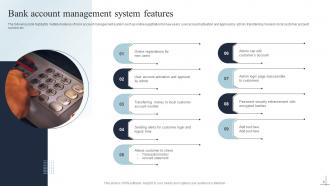
Honestly, you can't skimp on account management and transaction processing - that's your bread and butter right there. Make sure it handles deposits, withdrawals, transfers smoothly. Real-time reporting is a must too. Security's obviously critical since you're dealing with people's life savings, so multi-factor auth and solid encryption are non-negotiable. Don't forget about customer portal access and compliance reporting (ugh, regulations). Oh, and you'll definitely need it to play nice with other banking systems. My advice? Map out what your team does most often during a typical day - that'll tell you exactly where to focus first.
So basically, tech completely changes the CRM game in banking. Real-time analytics show you exactly how customers behave, which means you can pitch the right products at perfect moments. Those AI chatbots are actually pretty solid for handling basic questions around the clock. CRM systems track everything across all your channels - honestly way better than the old spreadsheet days. Mobile apps handle most of what customers need themselves, so your team can focus on the complicated relationship stuff. The trick is connecting all these pieces so you see the full customer picture and can jump on issues before they blow up.
So banks are basically drowning in data these days, but that's actually perfect for spotting risk patterns. You can crunch transaction histories, credit scores, market stuff - way more than any person could handle. The algorithms catch things that would totally fly under the radar otherwise. Stress-testing loan portfolios is huge too, plus monitoring real-time exposure across everything. Honestly, it's pretty crazy what gets flagged sometimes. Just make sure your data isn't trash to begin with and keep updating the models. Otherwise you're building castles on quicksand, you know?
So basically these systems watch everything automatically and catch sketchy transactions before they become your problem. They'll generate all those boring compliance reports for you - honestly saves so much time. The real game changer though? You get alerts BEFORE you mess up, not after when it's too late. It tracks your lending limits, capital ratios, all that regulatory stuff. Plus it keeps customer data secure for GDPR compliance. Set up those dashboards early though - way easier to spot trouble when you're not scrambling to fix it later.
Oh man, data formats are gonna be your worst enemy - old systems speak completely different languages than new APIs. Security's a mess too since those legacy setups weren't designed for modern threats. The databases are painfully slow and rigid, nothing like today's real-time stuff. I swear it feels like plugging a flip phone into a Tesla sometimes lol. Start with middleware to translate between systems, that's what saved my sanity on my last project. Then you can slowly move the important stuff over without breaking everything.
Mobile banking apps are honestly a total game-changer for customer experience. Your customers can check balances, transfer money, deposit checks, and pay bills instantly - no more driving to branches or sitting on hold forever. The convenience is incredible. I mean, taking time off work just to deposit a check? That's so 2010. Modern apps also have cool features like spending insights and real-time fraud alerts that actually help people manage their finances better. Oh, and bill reminders too - super helpful. If you're building one, just make sure the interface loads quickly and doesn't confuse people.
Security's gonna be a layered thing - encrypt everything, both when it's moving around and sitting in storage. Multi-factor auth is a must, and set up role-based permissions so people can't access stuff they shouldn't. SSL/TLS for connections, obviously. Session timeouts are clutch because honestly, who hasn't walked away from their computer without logging out? Audit trails will save your butt later when you need to track what happened. Regular updates and pen testing too. Start with mapping user roles first - that's where most breaches actually happen anyway.
Honestly, automation is a total game-changer for efficiency. It cuts out all that tedious manual stuff and way fewer mistakes happen. Things like loan approvals that used to take days? Now they're done in minutes. Your team gets to actually work with customers instead of drowning in data entry - which is so much better for morale too. The best part is everything runs 24/7, so you don't wake up to a mountain of backlogged transactions. I'd start by looking at whatever process currently eats up the most time. Those usually give you the biggest bang for your buck.
Honestly, going cloud is a no-brainer for banks. Your IT costs drop big time since you're not buying servers or dealing with maintenance headaches. Remote access becomes super easy too - your team can work from literally anywhere. Security's actually way better than most banks can pull off themselves because these cloud companies spend crazy money on protection. Oh, and updates happen automatically which is nice. If something breaks, recovery is much faster than the old days. I'd crunch the numbers on what you're spending now though - most places I've seen break even within like 12 months, sometimes less.
Set up feedback collection everywhere - post-transaction surveys, app ratings, chatbot follow-ups, whatever works. Then build a dashboard that sorts everything by department or service type. Most banks totally blow this step, but it's where the magic happens. Hook it up to your CRM so managers can see each customer's feedback history. Also set alerts for bad scores so you can jump on issues fast. Oh, and don't try to launch everything at once - pick one channel, nail that process, then add more. Way less headache that way.
So banks are using AI to crunch through tons of data crazy fast now. Credit scores, loan approvals, spotting fraud - it's everywhere. The algorithms catch patterns that would take people weeks to find manually. Honestly think it's one of the cooler tech developments lately. But don't worry, it's not like robots are making all the calls yet. Human judgment still matters big time. When you're setting up new processes, definitely use these AI tools but keep real people checking the work. Makes decisions way smarter without going full autopilot.
So basically these systems grab data from all your banking modules as it happens - account balances, transactions, risk stuff, the whole deal. Your dashboards update automatically and ping you when something hits your limits. Way better than waiting for those old end-of-day reports, honestly. You can actually catch problems early since you're seeing current numbers instead of yesterday's mess. Oh and definitely set up custom alerts for whatever metrics matter most to you. Otherwise you'll be glued to those screens all day checking everything manually.
So for bank liquidity management, you've got a few solid moves. Keep decent cash reserves but spread your funding around - diversification is your friend here. Cash flow forecasting helps you see what's coming down the pipe. Match up your asset and liability timelines so loan terms actually make sense with your deposits. Honestly, the backup plan stuff is probably most important though. Have relationships with other banks ready for emergency borrowing, monitor those liquidity ratios every day, and always keep multiple funding options on standby. It's basically about never getting caught without options.
So basically these systems watch transactions in real time and catch weird stuff - like if someone suddenly withdraws a ton of money or makes purchases from random locations. You can set up alerts for sketchy patterns, plus everything gets logged so there's always a paper trail. The cool thing is it cross-checks customer data way better than people can (we're honestly pretty bad at spotting patterns). Some systems will even freeze accounts automatically when red flags pop up. Oh, and definitely customize your alert settings based on your actual customers - otherwise you'll get flooded with false alarms.
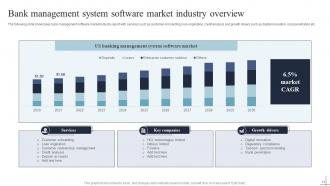
Honestly, focus on cloud-native stuff first - banks are *finally* dumping those ancient mainframes for microservices that don't completely suck. Real-time payments aren't going away, so that's becoming table stakes now. AI automation is handling tons of compliance work automatically, which is pretty wild if you think about it. Open banking APIs are huge too since everyone wants their data flowing between different services seamlessly. Oh, and definitely go API-first on any upgrades - you'll thank me later when you need to integrate with fintech partners without wanting to scream.
-
I had them make a presentation for an office retirement party. They were very helpful in understanding what we wanted and delivered the perfect presentation. Highly recommended!
-
A library of engaging, customizable and content-ready templates.