


Business Model Innovation Framework Powerpoint Presentation Slides
Use Business Model Innovation PowerPoint Presentation Slides to help you develop new and unique concepts for the betterment of the business. Improve existing products and the process of delivering the same to the consumers using business model innovation PPT templates. Get new ideas and a plan to implement those unique ideas with the help of professionally designed ready-to-use business model innovation PowerPoint slideshow. Turn your company towards to business model innovation to stay competitive and stimulate business growth. Include business model innovation PPT slides to align IT with business objectives to successfully attain your goal and to improve processes throughout the organization. Escalate business model innovation success, identify ways to use new and existing technology using ready-to-use business model innovation PowerPoint slides. This content-ready deck on business model innovation covers topics like business model innovation framework, business model innovation segments, approaches to business model innovation, strategy of business model innovation, and more. Get your hands on this ready-made business model innovation complete PowerPoint presentation and either improve the existing business model or create a better one to satisfy the needs of the customers. Our Business Model Innovation Framework Powerpoint Presentation Slides are like Father Christmas. They ensure you get the gifts you desire.

























-

- Google Slides is a new FREE Presentation software from Google.
- All our content is 100% compatible with Google Slides.
- Just download our designs, and upload them to Google Slides and they will work automatically.
- Amaze your audience with SlideTeam and Google Slides.
-

Want Changes to This PPT Slide? Check out our Presentation Design Services
-

- WideScreen Aspect ratio is becoming a very popular format. When you download this product, the downloaded ZIP will contain this product in both standard and widescreen format.
-

- Some older products that we have may only be in standard format, but they can easily be converted to widescreen.
- To do this, please open the SlideTeam product in Powerpoint, and go to
- Design ( On the top bar) -> Page Setup -> and select "On-screen Show (16:9)” in the drop down for "Slides Sized for".
- The slide or theme will change to widescreen, and all graphics will adjust automatically. You can similarly convert our content to any other desired screen aspect ratio.
Compatible With Google Slides

Get This In WideScreen
You must be logged in to download this presentation.


Do you want to remove this product from your favourites?
PowerPoint presentation slides
Presenting business model innovation presentation slides. This deck has a total of 25 professionally designed slides. Our PowerPoint experts have conducted their thorough research before making it into a complete presentation. Each slide comprises of professional visuals with an appropriate content. Not just this, every PPT template consists of diagrams, graphics, icons, charts and graphs. This deck is completely editable. You can edit the color, text, icon, and font size as per your need. Easy to download. Compatible with all screen types and monitors. Supports Google Slides. Premium Customer Support available. Grab this professionally designed PPT and bring required changes in your business.

People who downloaded this PowerPoint presentation also viewed the following :
Content of this Powerpoint Presentation
Slide 1: This slide introduces Business Model Innovation Framework. State Your Company Name and begin
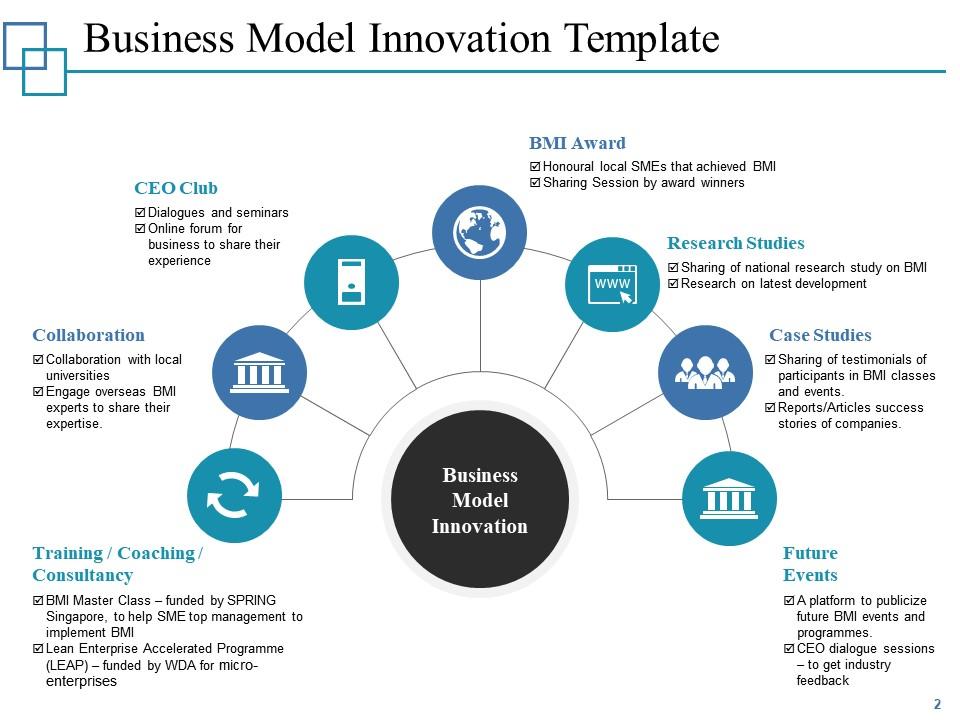
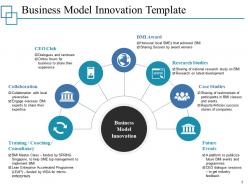
Slide 2: This slide shows Business Model Innovation Template.
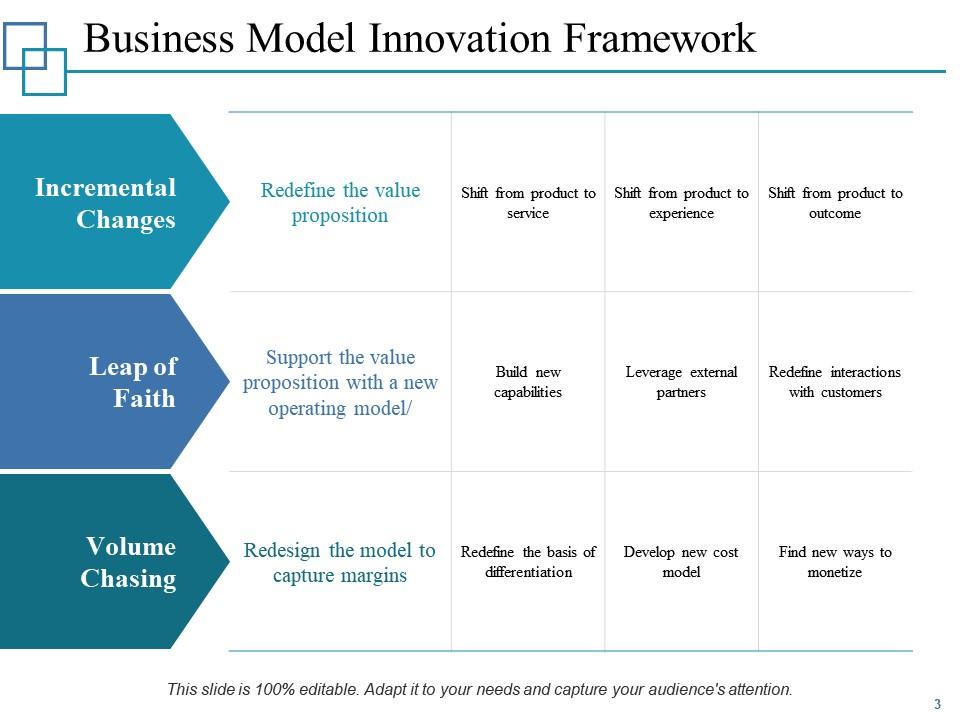
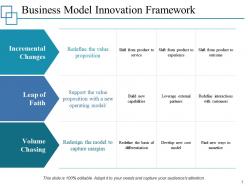
Slide 3: This slide presents Business Model Innovation Framework.
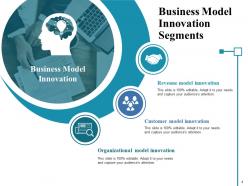
Slide 4: This slide showcases Business Model Innovation Segments.
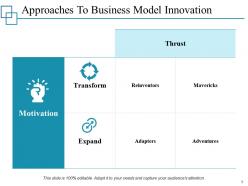
Slide 5: This slide presents Approaches To Business Model Innovation.
Slide 6: This slide shows Business Model Innovation In Different Fields.
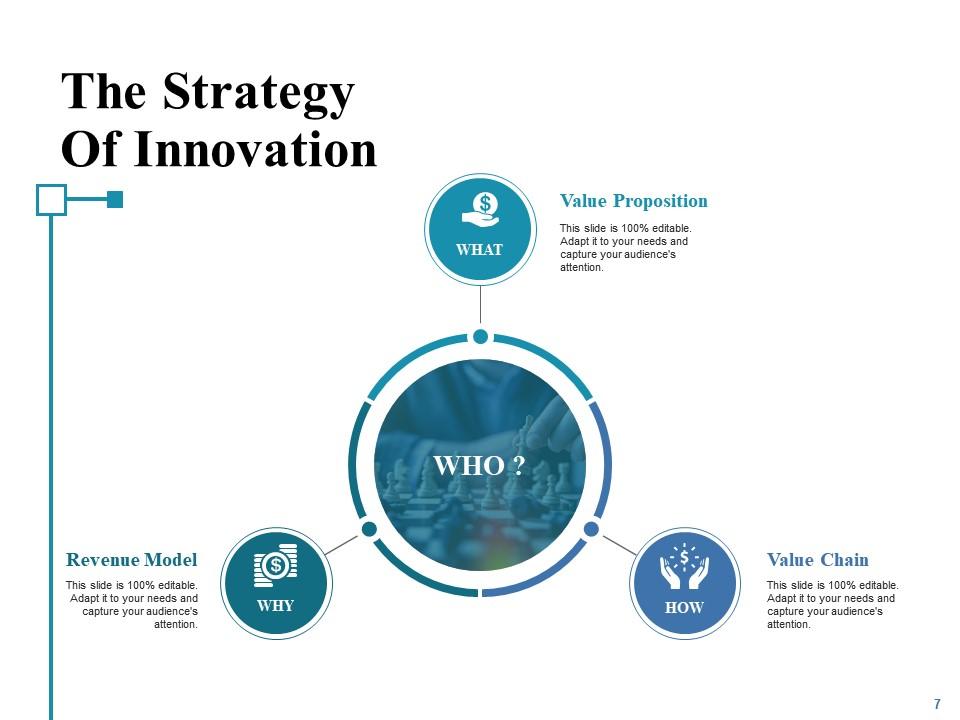
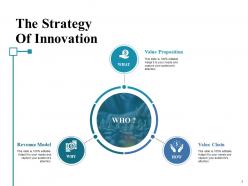
Slide 7: The Strategy Of Innovation with these three of the characteristics- Value Proposition, Value Chain, Revenue Model.
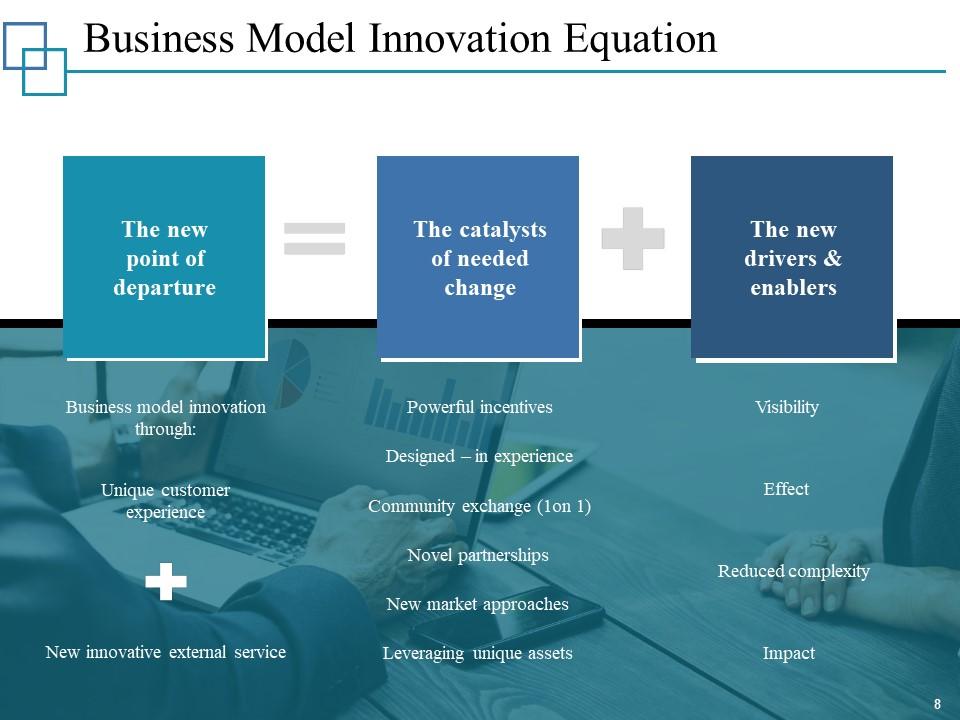
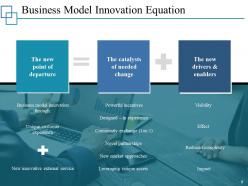
Slide 8: This slide presents Business Model Innovation Equation.
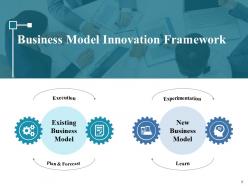
Slide 9: This slide showcases Business Model Innovation Framework with these Execution, Plan & Forecast, Existing Business Model, Experimentation Learn, New Business Model.
Slide 10: This slide is a Coffee Break image for a halt.
Slide 11: This slide presents Business Model Innovation Framework Icons Slide.
Slide 12: This slide forwards to Charts & Graphs.
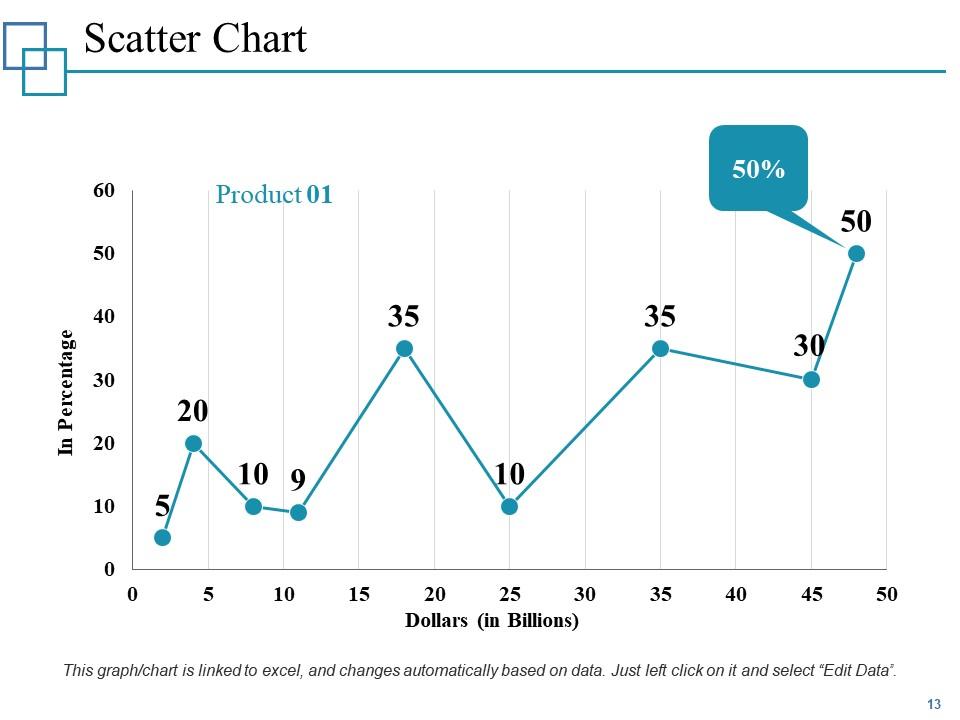
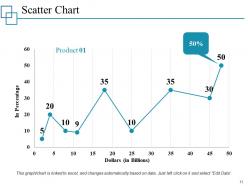
Slide 13: This slide presents Scatter Chart with which you can use it for comparing the products.
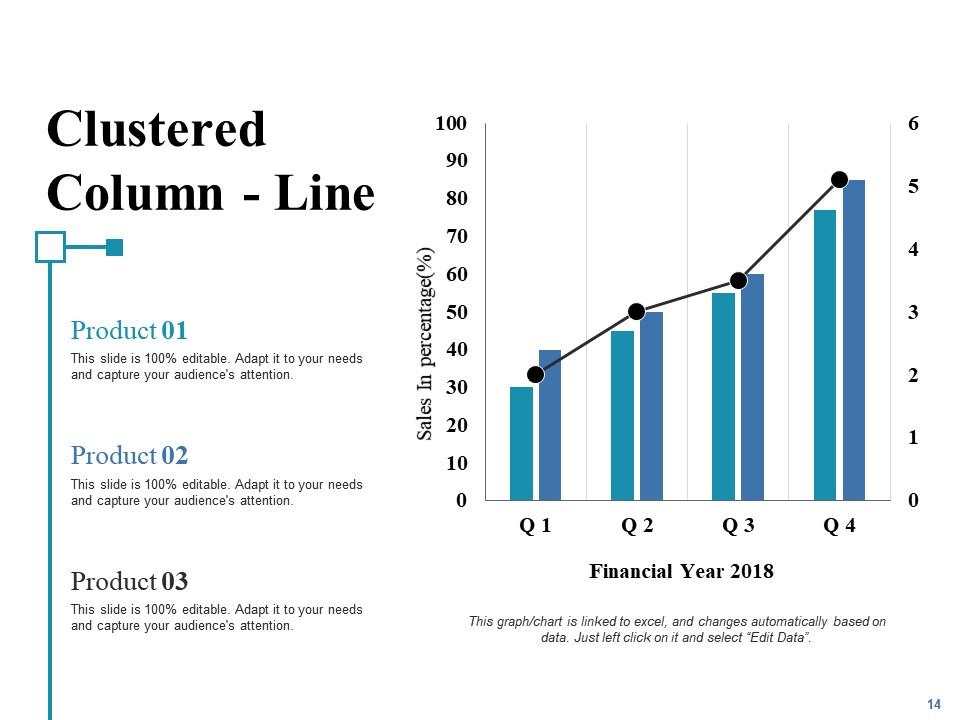
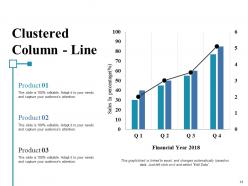
Slide 14: This slide shows Clustered Column - Line with which you can use it
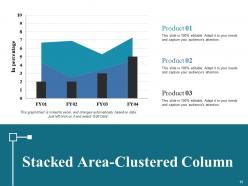
Slide 15: This slide presents Stacked Area-Clustered Column.
Slide 16: This slide is titled Additional Slides.
Slide 17: This slide represents Our Mission. State your mission, goals etc.
Slide 18: This slide showcases Our Team with Name and Designation to fill.
Slide 19: This slide helps show- About Our Company. The sub headings include- Creative Design, Customer Care, Expand Company.
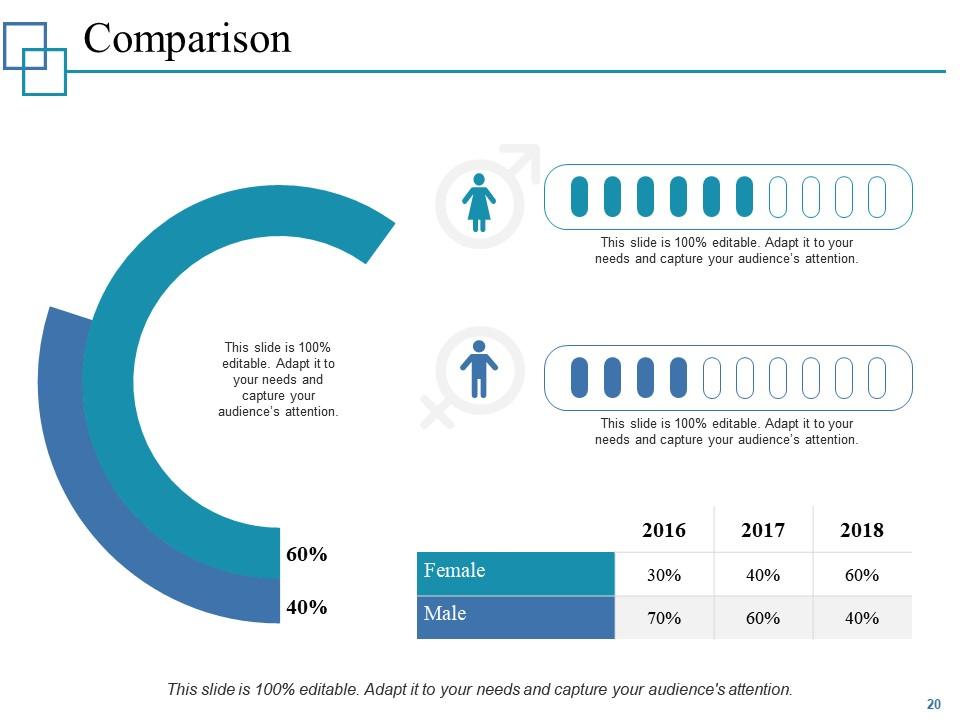
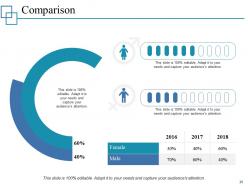
Slide 20: This slide shows Comparison of Positive Factors v/s Negative Factors with thumbsup and thumb down imagery.
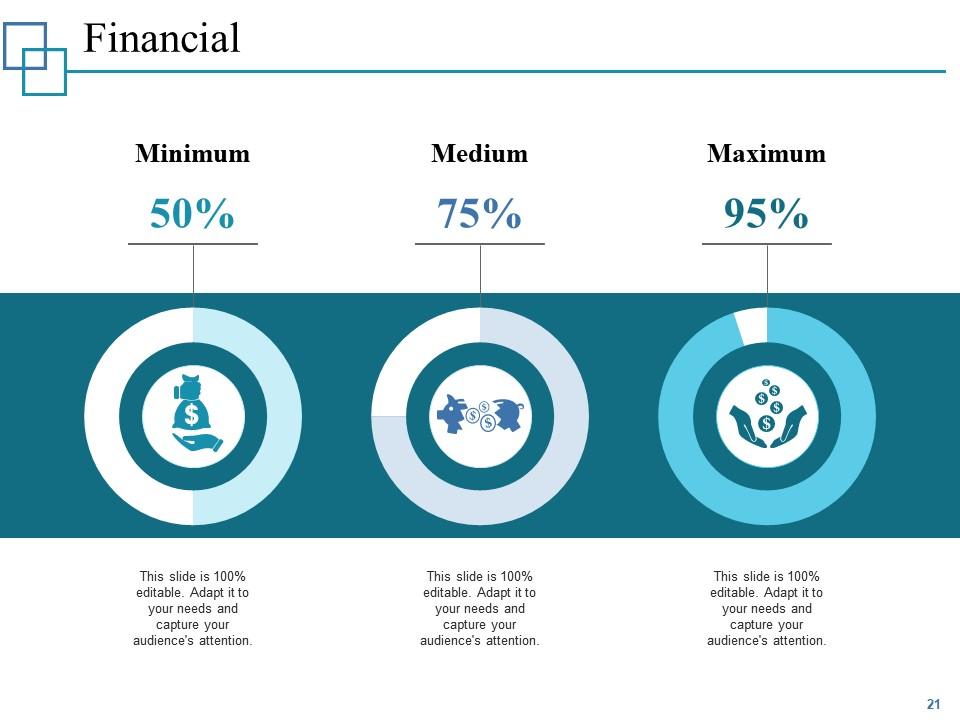
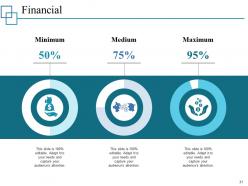
Slide 21: This is a Financial Score slide to show financial aspects here.
Slide 22: This is a Quotes slide to convey message, beliefs etc.
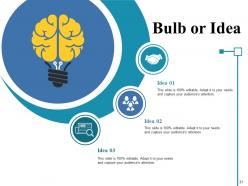
Slide 23: This is a Bulb Or Idea image slide to show information, innovative aspects etc.
Slide 24: This is a Magnifying glass image slide to show information, scoping aspects etc.
Slide 25: This is a Thank You slide for acknowledgement.
Business Model Innovation Framework Powerpoint Presentation Slides with all 25 slides:
Use our Business Model Innovation Framework Powerpoint Presentation Slides to effectively help you save your valuable time. They are readymade to fit into any presentation structure.
-
Excellent Designs.
-
Illustrative design with editable content. Exceptional value for money. Highly pleased with the product.
-
Thanks for all your great templates they have saved me lots of time and accelerate my presentations. Great product, keep them up!
-
Unique and attractive product design.
-
The content is very helpful from business point of view.
-
Good research work and creative work done on every template.
