

Career Development Plan Goals And Objectives Powerpoint Presentation Slides






Try Before you Buy Download Free Sample Product
 Impress Your
 Audience
 100%
100% Editable
 Save Hours
 of Time


To showcase your career objectives and goals in form of a PPT presentation is a hard job. So to help you out our expert designers and research team has come up with 59 slides content-ready complete deck namely Career Development Plan Goals And Objectives Powerpoint Presentation Slides. This career path PPT sample deck file can help you get your next big position. Not only this, you can showcase your skills and achievements with these job aspiration PPT slides to impress your boss. This PowerPoint example has slides like about me, my mission and vision, objectives, education qualification, choosing a career, career prospects, evaluating prospects, work experience, career path, projects and assignments, achievements, short, mid and long-term goals, personal goals, my values, personal preferences, key skills, current competencies and many more. PowerPoint slides are designed in a way that they can be used for related topics such as career advancement goals, Additionally, this whole PPT deck sample is fully editable and you can edit it as per your need. Download this Career Development Plan Goals And Objectives Powerpoint Presentation Slides today and present yourself in front of the audience with sheer confidence! Our Career Development Plan Goals And Objectives Powerpoint Presentation Slides will get them bright and cheery again. They will bring back the feel good factor.
People who downloaded this PowerPoint presentation also viewed the following :
Content of this Powerpoint Presentation
Slide 1: This slide introduces Career Development Plan, Goals and Objectives. State Your Company Name and begin.
Slide 2: This is an Agenda Slide. Showcase your agendas here.
Slide 3: This is an About Me slide. State highlights, specifications etc. here.
Slide 4: This slide states My Mission and My Vision with text boxes, target and arrow imagery.
Slide 5: This is a Career Objectives slide. State them here.
Slide 6: This is also a Career Objectives slide. State them here.
Slide 7: This slide presents Educational Qualification to be displayed.
Slide 8: This slide showcases Choosing a Career.
Slide 9: This slide showcases Career Prospects showing- Consultant, Entrepreneur, Freelance, Analyst, Employment as Career Prospects For Business Graduates.
Slide 10: This is Evaluating Prospects slide in tabular form.
Slide 11: This slide presents Work Experience to be shown.
Slide 12: This slide showcases Career Path chosen and to display.
Slide 13: This slide also showcases Career Path chosen and to display.
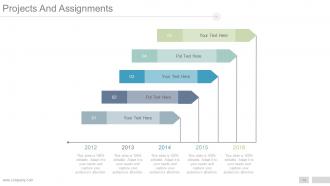
Slide 14: This slide shows Projects And Assignments undertaken or completed.
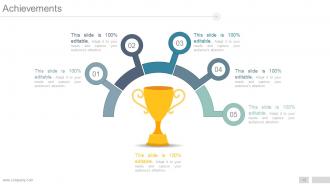
Slide 15: This slide showcases Achievements with a creative winner cup imagery.
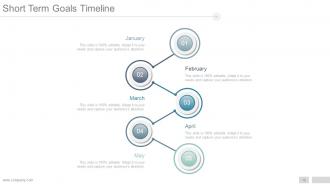
Slide 16: This slide shows Short Term Goals Timeline.
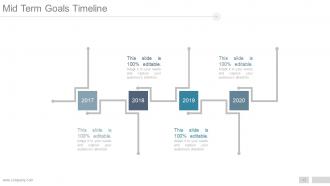
Slide 17: This slide shows Mid Term Goals Timeline.
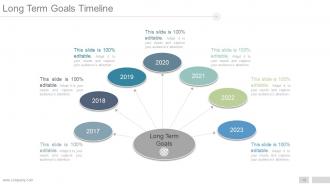
Slide 18: This slide presents Long Term Goals Timeline.
Slide 19: This slide shows Personal Goals to be chased or followed.
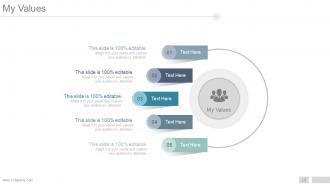
Slide 20: This is My Values slide. Showcase your practiced values here.
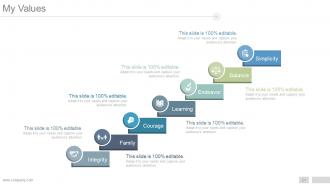
Slide 21: This is My Values slide. Showcase your practiced values here such as- Learning, Courage, Balance, Simplicity, Integrity, Family, Endeavor.
Slide 22: This slide showcases Personal Preferences such as- Competitive Environment, Opportunities, Teamwork, Performance, Leadership.
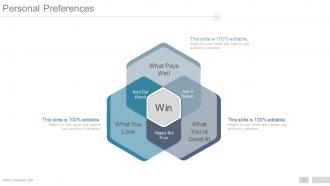
Slide 23: This slide showcases Personal Preferences with- Happy But Poor, Just A Dream, Rich But Bored, What You Love, What Pays Well, What You’re Good At, Win.
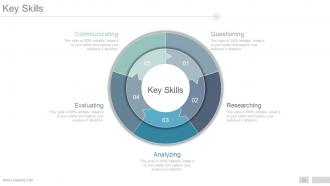
Slide 24: This slide showcases Key Skills such as- Key Skills, Questioning, Researching, Analyzing, Evaluating, Communicating.
Slide 25: This slide showcases Key Skills to be displayed.
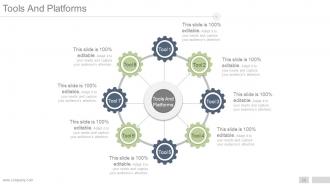
Slide 26: This slide shows Tools And Platforms.
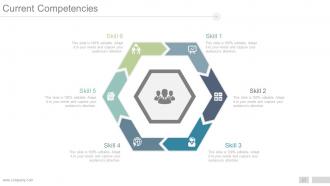
Slide 27: This slide shows Current Competencies to be displayed in form of skills.
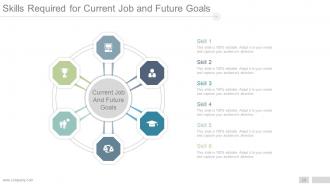
Slide 28: This slide shows Skills Required for Current Job and Future Goals.
Slide 29: This is an Action Plan slide displaying- Tasks, Success Criteria, Time Frame, Resources, Room, Time Period.
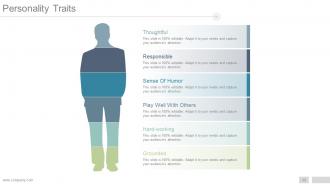
Slide 30: This slide showcases Personality Traits such as- Thoughtful, Responsible, Hard-working, Grounded, Play Well With Others, Sense Of Humor.
Slide 31: This slide shows Limitations.
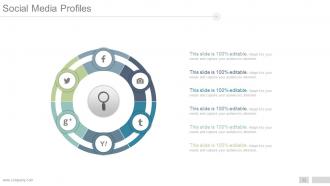
Slide 32: This slide showcases Social Media Profiles.
Slide 33: This slide showcases Personal Profile to be shown in details.
Slide 34: This slide is titled Additional Slides to proceed. You may change the slide content as desired.
Slide 35: This slide also presents Mission in target imagery image form.
Slide 36: This is an About Me slide. State self specifications here.
Slide 37: This is My Goal slide. State your professional goals here.
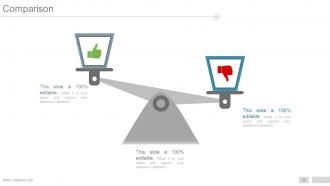
Slide 38: This slide showcases Comparison of two entities in a creative scale form.
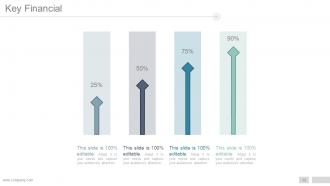
Slide 39: This slide is titled Key Financial. Show finance related stuff, stats etc. here.
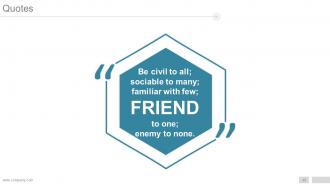
Slide 40: This is a Quotes slide. You may add/modify the slide content as per need.
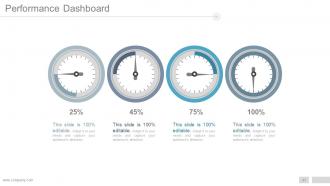
Slide 41: This is a Dashboard slide to state metrics, kpis etc.
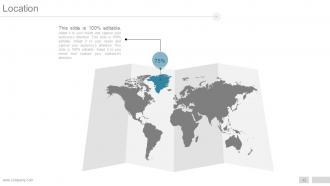
Slide 42: This is Location image slide of world map image to show global growth, presence etc.
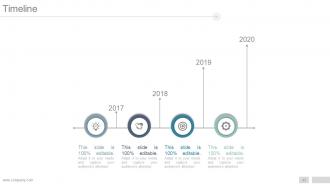
Slide 43: This is a Timeline slide to show growth factors, milestones, highlights, etc.
Slide 44: This slide showcases Post It Notes to be displayed. Show events, important piece of information, events etc. here.
Slide 45: This slide showcases Newspaper image. Show events, important piece of information, events etc. here.
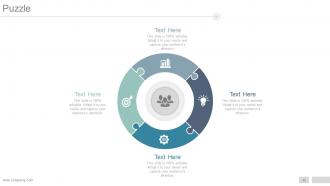
Slide 46: This is a Puzzle image slide to show information, specifications etc.
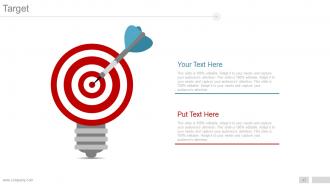
Slide 47: This is a Target image slide to show targets, goals, information, aspirations etc.
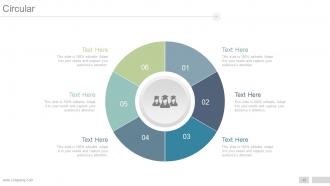
Slide 48: This is a Circular image slide to show targets, goals, information, aspirations etc.
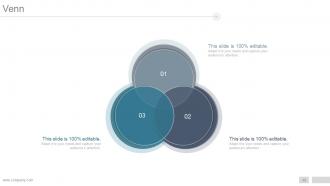
Slide 49: This is a Venn Diagram image slide to show information, specifications etc.
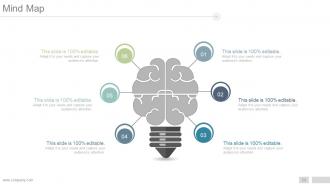
Slide 50: This is a Mind map image slide to show information, segregation, specifications etc.
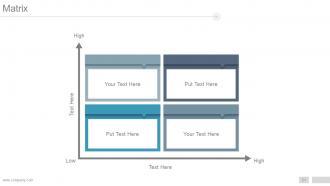
Slide 51: This is a Matrix slide to show information, comparison, specifications etc.
Slide 52: This is a Lego Blocks Diagram slide to show information, specifications etc.
Slide 53: This is a Silhouettes infographic slide to show information, specifications etc.
Slide 54: This is a Hierarchy image slide to show information, specifications etc.
Slide 55: This is a Bulb & Idea image slide to show ideas, innovative information etc.
Slide 56: This is a Magnifying Glass image slide to show information, specifications etc.
Slide 57: This is a Bar Graph slide to show product/entity comparison, specifications etc.
Slide 58: This is a Funnel image slide to show information, funneling aspects, specifications etc.
Slide 59: This is a Thank You slide with Email, Address# street number, city, state, Contact Numbers.
Career Development Plan Goals And Objectives Powerpoint Presentation Slides with all 59 slides:
Folks invest in you due to our Career Development Plan Goals And Objectives Powerpoint Presentation Slides. They believe that you will further their interest.
-
Career Development Plan Goals and Objectives
-
Agenda
-
About Me
-
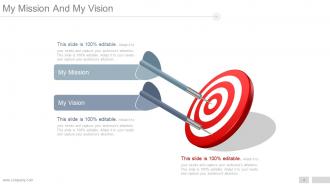
My Mission And My Vision
-
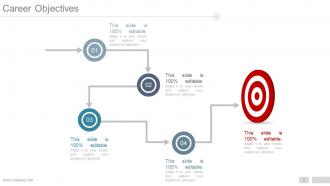
Career Objectives
-
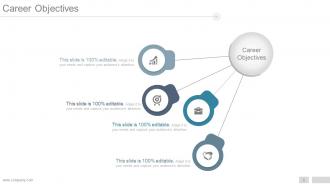
Career Objectives
-
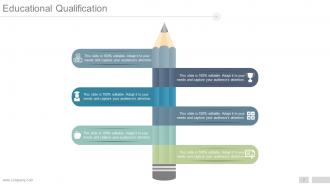
Educational Qualification
-
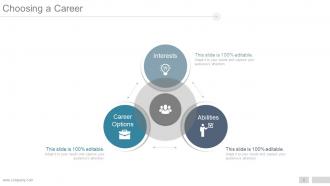
Choosing a Career
-
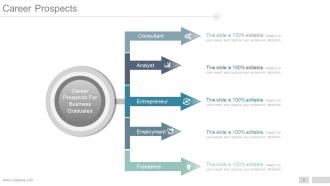
Career Prospects
-
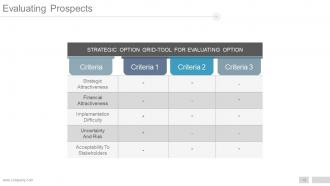
Evaluating Prospects
-
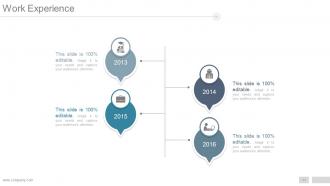
Work Experience
-
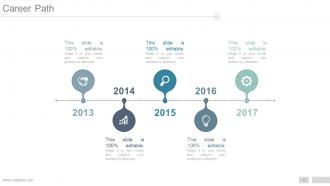
Career Path
-

Career Path
-
Projects And Assignments
-
Achievements
-
Short Term Goals Timeline
-
Mid Term Goals Timeline
-
Long Term Goals Timeline
-

Personal Goals
-
My Values
-
My Values
-

Personal Preferences
-
Personal Preferences
-
Key Skills
-
Key Skills
-
Tools And Platforms
-
Current Competencies
-
Skills Required for Current Job and Future Goals
-

Action Plan
-
Personality Traits
-
Limitations
-
Social Media Profiles
-
Personal Profile
-

Additional Slides
-
Mission
-
About Me
-

My Goal
-
Comparison
-
Key Financial
-
Quotes
-
Performance Dashboard
-
Location
-
Timeline
-
Post It
-

News Paper
-
Puzzle
-
Target
-
Circular
-
Venn
-
Mind Map
-
Matrix
-
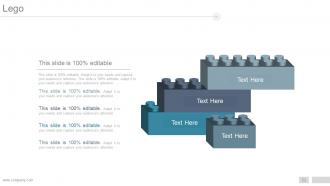
Lego
-
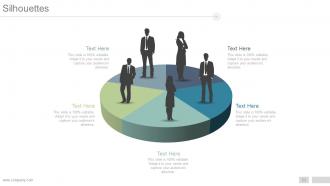
Silhouettes
-
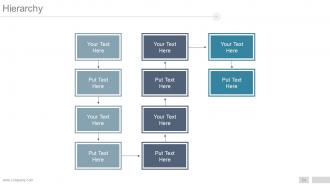
Hierarchy
-
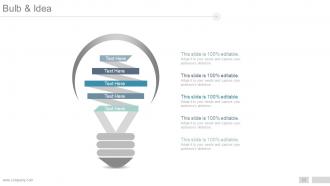
Bulb Idea
-
Magnifying Glass
-
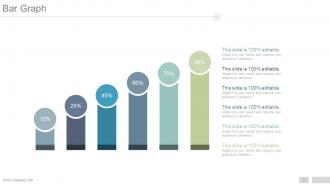
Bar Graph
-
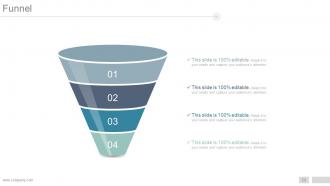
Funnel
-
Thank You Slide
FAQs for Career Development Plan Goals And Objectives
Start with where you want to be in two years, then work backwards from there. You'll need clear short and long-term goals, plus figure out what skills you're missing. Break it down into specific steps with actual deadlines - and I mean real ones, not "someday" dates. Most people totally skip this part and wonder why nothing happens. Set up check-ins every 3-6 months to see if you're actually moving forward. Oh, and find someone who can mentor you or point you toward good resources. Keep the whole thing to one page max. Any longer and you're just making it complicated for no reason. Trust me on this one.
Honestly, just pay attention to what gets you pumped up at work versus what makes you want to hide under your desk. Notice which tasks you actually volunteer for - that tells you everything. I swear by creeping on LinkedIn profiles of people whose jobs make me jealous, it's weirdly helpful lol. Think about your values too. Want good work-life balance? Money? Creative stuff? Write it all down and see what patterns pop up. Then grab coffee with people doing jobs that sound cool - they'll tell you the real deal about what it's actually like.
You can't figure out where you're headed career-wise without knowing where you stand right now. Self-assessment is huge for this - it shows you your strengths, what you suck at, and what actually gets you excited about work. I used to just apply to whatever sounded cool (terrible idea, don't do that). Once you understand your natural abilities and interests, you won't waste months chasing jobs that'll drain your soul. Start simple with a SWOT analysis on yourself. StrengthsFinder is solid if you want to spend money, but honestly there are decent free career tests online too.
Honestly, mentorship is a game-changer for career planning. Think of it like having someone who's already walked the path you're trying to figure out. They'll catch things you miss, introduce you to people who matter, and save you from timing mistakes that seem obvious in hindsight. My old mentor once told me my five-year plan was more like an eight-year plan - brutal but necessary reality check. The best part? They've screwed up before so you don't have to. I'd share your current plan with someone you respect and ask what they'd change.
Okay so first thing - work backwards from where you wanna be. Most people (myself included lol) totally underestimate how long stuff takes to learn. I thought I'd nail Excel in like 6 weeks. Yeah, that didn't happen. Map out quarterly goals first, then break those down monthly. Don't forget to add buffer time because your boss will definitely throw you a curveball right when you're making progress. Check in with yourself every couple months to see if you're actually hitting these targets or if you need to adjust. Life's messy so your timeline should account for that reality.
Dude, networking is like having a cheat code for your career. Most good jobs never even make it to job boards - they get filled through connections first. When you actually know people in your field, they'll think of you when cool opportunities come up. Plus you get the inside scoop on what companies are really like to work for (saves you from some truly awful places, trust me). The trick isn't just meeting random people though. Focus on connecting with folks who are where you want to be in a few years. They can introduce you to the right people and give you advice that actually matters. Seriously, start now!
Honestly, I'm still using Google Sheets for mine and it works great - just log your goals, skills, accomplishments, whatever. LinkedIn has this career insights thing that's pretty solid for seeing how you stack up. If you want something fancier, try Trello or Notion. Oh, and ask HR what internal tools your company has - there's probably stuff you don't even know exists. My advice though? Just pick one and actually stick with it. I've seen people burn out trying to maintain like three different tracking systems at once.
Your career plan isn't some sacred document - update it every 6 months or when big industry changes hit. LinkedIn's actually pretty decent for spotting which skills are hot right now and what jobs are vanishing. Industry reports help too, though honestly some are boring as hell. Stay flexible but don't abandon your main goals completely. Sometimes you'll need to pivot between specializations or grab new certifications. Right now, pick one trend that's emerging in your field and figure out how you'd fit into it. The whole "set it and forget it" approach doesn't work anymore.
Honestly, digital literacy is huge right now - like, you can't avoid tech anymore even in "non-tech" jobs. Adaptability's another big one since everything shifts constantly. Communication and emotional intelligence matter way more than people think, especially with remote work being so common. Oh, and basic data skills are surprisingly useful even if you're not crunching numbers all day. Critical thinking never goes out of style either. My take? Don't try to master everything at once. Pick maybe 2-3 that actually fit your career goals and focus on those through courses or just messing around with projects.
Look for companies that actually map out advancement paths and give regular feedback - not just during yearly reviews. Training programs and mentorship are huge too. The good places offer tuition help and let you work on projects outside your department (which honestly teaches you way more than most formal training). What really matters though? Finding a manager who'll have real career conversations with you. Don't wait around for them to bring it up. The best organizations I've seen treat development like an investment, not some HR thing they have to check off. They'll help you figure out skill gaps and create actual plans with deadlines. Push for those regular check-ins about where you want to go.
Look, you've gotta keep learning new stuff or you'll get left behind. The job market moves crazy fast now - skills from just a few years back are already useless. I learned this the hard way when my old coding knowledge became irrelevant overnight. Anyway, staying updated makes you way more confident and opens doors you didn't even know existed. When industries shift (and they will), you'll actually be ready instead of scrambling. Don't overthink it though. Just spend like 30 minutes weekly learning something relevant to your field.
Your supervisor is honestly your best bet for a reality check on whether your career plan makes sense. They watch you work every day, so they know what you're good at and what you're not. Plus they understand the politics and opportunities in your department way better than you do. I mean, they've either climbed that ladder themselves or watched others do it. The thing is, you can't just bring this up during regular project meetings - you need dedicated time to talk about where you want to go. Otherwise it gets lost in all the other stuff.
Honestly, just roll with the punches and think of obstacles as redirects rather than dead ends. Hit a wall? Take a step back and figure out what skills or connections you're missing, then get creative about building them. I've seen people's "detours" turn out way better than their original plans. Chunk those massive obstacles into bite-sized pieces you can actually handle. Check in with mentors or colleagues when you're spinning your wheels - they'll spot things you can't see. And don't be married to your original plan! You'll learn stuff about yourself and the industry will shift, so adapt as you go.
Oh man, this is so true! Different cultures have totally opposite approaches to career stuff. Some places expect you to promote yourself and network like crazy. Others? You're supposed to be humble and wait for people to notice your work. I've seen this mess people up when they switch industries or work with international teams. Communication styles are huge too - like how direct you can be with feedback or how you build relationships with colleagues. Even things like mentorship expectations and work-life balance vary wildly. My advice? Do some digging on the cultural norms in your field, then adapt without losing yourself in the process.
Honestly, you'll stick with your career plan way longer if it actually matches what you care about. I mean, chasing a salary that looks impressive but makes you miserable? Been there, seen that disaster too many times. Here's the thing - when you're working toward stuff that feels meaningful, it doesn't drain you as much. You perform better naturally, which creates more opportunities anyway. My advice? Figure out your non-negotiables first. Maybe it's work-life balance, or getting to be creative, or actually helping people - whatever. Then build everything else around those core things that drive you.
-
Easily Understandable slides.
-
Very well designed and informative templates.