

Career Pathways Powerpoint Presentation Slides





Try Before you Buy Download Free Sample Product
 Impress Your
 Audience
 100%
100% Editable
 Save Hours
 of Time


Chart a path for professional development with the Career Pathways Powerpoint Presentation Slides. Showcase the yearly career progression in business by employing career management slideshow. Present the career roadmap by mentioning short-term and long term goals using our content ready professional development timeline PowerPoint layout. Showcase various options in your career by incorporating this career ladder PPT slideshow. Overcome all the obstacles that keep you from achieving your career goals with the help of our professionally designed career roadmap PPT templates. You can also map out your career path and create a detailed personal vision statement by taking advantage of the job interview PPT visuals. Also, outline steps to prepare a career timeline by taking the assistance of the career roadmap PowerPoint slideshow. This professional development timeline PowerPoint graphics can be used to demonstrate the yearly achievements & milestones. Achieve your career goals by downloading our ready to use professional development roadmap PowerPoint layout.
People who downloaded this PowerPoint presentation also viewed the following :
Content of this Powerpoint Presentation
Slide 1: This slide introduces the Career Pathways. Add your Company Name to begin.
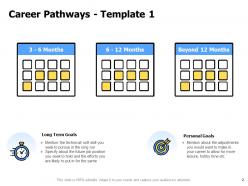
Slide 2: This slide consists of the Career Pathways Template- Long Term Goals, Personal Goals.
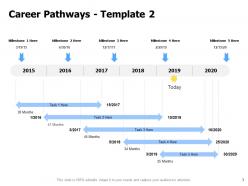
Slide 3: This slide consists of the Career Pathways Template.
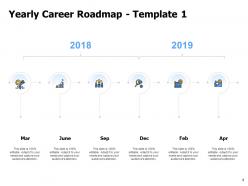
Slide 4: This slide consists of the Yearly Career Roadmap Template.
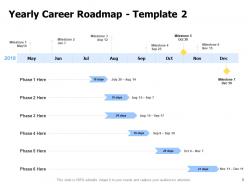
Slide 5: This slide ALSO consists of the Yearly Career Roadmap Template.
Slide 6: This Template consists of the Career Pathways Icons Slide.
Slide 7: This slide is titled as Additional Slides for moving forward.
Slide 8: This slide shows About Us- Target Audiences, Preferred by Many, and Value Clients.
Slide 9: This slide reveals the names and designation of Our Team members.
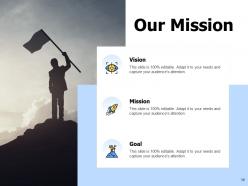
Slide 10: This slide shows Our Mission.
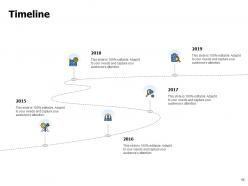
Slide 11: This slide shows the Timeline for various years.
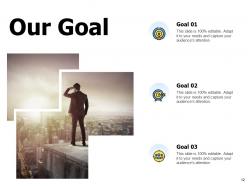
Slide 12: This slide shows Our Goal.
Slide 13: This slide shows the Post it Notes.
Slide 14: This slide shows the Idea Generation.
Slide 15: This is a Thank You slide consisting of Address, Contact numbers and email Address.
Career Pathways Powerpoint Presentation Slides with all 15 slides:
Use our career pathways powerpoint presentation slides to effectively help you save your valuable time. They are readymade to fit into any presentation structure.

FAQs for Career Pathways
Dude, AI/ML engineering is absolutely insane right now - companies can't hire fast enough. Cybersecurity and cloud stuff too. Data science is still solid, plus DevOps if you're into that. Basically anything with automation or security will get you interviews. Oh and UX/UI is surprisingly hot since everyone finally noticed their apps look like garbage from 2015. Product management roles are everywhere too. Honestly though, just pick something you actually find interesting and start building stuff. Your GitHub matters way more than whatever degree you have when you're sitting across from someone trying to get hired.
Figure out what skills you already have that actually translate over - there's usually more overlap than you think. Fill in the gaps with online courses or whatever's available (YouTube can be surprisingly helpful if you're broke). Networking is huge though - try reaching out for informational interviews because people love talking about their work. Maybe take on some freelance gigs or volunteer work to pad your portfolio. Oh, and definitely start tweaking your LinkedIn while you're still getting paid at your current job. Don't just quit without a plan - that's how you end up panicking and taking the first thing that comes along.
Honestly, clinical skills are your foundation, but communication is what'll make or break you. Patients need complex stuff explained simply, and you're constantly working with different teams. Tech skills matter way more than they used to - EMR systems change constantly and it's honestly annoying but necessary. Problem-solving and leadership help when you want to advance later. Emotional intelligence is underrated too since healthcare gets pretty intense with people. Oh, and don't try to tackle everything at once. Pick one area first, maybe through some online course or volunteering for stuff that challenges you.
Dude, get a mentor if you can. They're like having cheat codes for your career - they'll show you the office politics, warn you about dead-end projects, stuff like that. My old mentor literally introduced me to people I never would've met otherwise. Plus there's something about having someone who actually gets what you're going through. Makes you way more confident when you're second-guessing everything. They might even suggest career paths you hadn't thought of. If your company has a program, definitely do it. Otherwise just look around your industry.
Dude, most jobs never even make it to job boards - I think it's like 70% that get filled through connections first. People in your field will literally think of you when stuff opens up if they know you're looking and what you can do. Just don't be weird about it, you know? Actually help people when you can and stay in touch without being annoying. Be upfront about what kind of role you want. Honestly, the whole "networking" word makes it sound so formal but it's really just... making friends who work in cool places? Start with reaching out to one person this week.
Honestly, skip those random online quizzes - they're pretty useless. Get a real assessment like StrengthsFinder or VIA instead. Ask coworkers for honest feedback too, since we're terrible at seeing our own strengths. Pay attention to what energizes you vs. what feels like torture at work. You know those tasks that seem easy to you but everyone else finds hard? That's gold right there. The magic happens where your natural talents meet stuff you actually enjoy doing. Once you've got that list, research careers that use those specific skills. It's like detective work but for your future.
Honestly, LinkedIn informational interviews are clutch - just message people doing cool stuff and ask for 15 minutes. Most folks actually enjoy talking about their career path. Try Coursera or Skillshare to mess around with new skills first. Reddit and Discord have solid professional communities too (way less corporate than LinkedIn groups). Local college career counselors will usually help non-students, which is pretty nice of them. Oh, and definitely hit up industry meetups or virtual events. The whole point is starting conversations and doing small experiments before you jump into anything major. Don't overthink it too much.
Honestly, don't put all your eggs in one basket with some super specific career path. Build skills that'll transfer anywhere - problem-solving, communication, learning fast. I mean, half the jobs that'll exist in 10 years probably don't even have names yet. Instead of mapping out every detail, think bigger picture. What kind of impact do you want? Network like crazy and stay curious about what's coming next. Oh, and treat your career like an investment portfolio - diversify everything. Your skills, connections, opportunities. Always be ready to pivot when something cool comes up.
Dude, niche certifications are seriously underrated. Way less competition since most people don't even know they exist, which means better pay for you. I'm talking stuff like drone piloting or solar panel installation - sounds random but companies actually need these skills badly. The networking alone is worth it because everyone in these tiny communities knows each other. Before you pick one though, make sure employers actually care about it. Some certifications look cool on paper but are basically useless in the real world. Research first, then go all in.
Honestly, internships are like test-driving careers before you commit. You'll see what the actual day-to-day looks like instead of just imagining it from job posts. The networking part is clutch too - you meet people who could hire you later or give solid references. Company culture hits different when you're actually there versus reading about it online. Sometimes you'll love it and know you're headed the right direction. Other times you'll realize "nope, definitely not for me" which saves you from a terrible job later. Either way you win. Oh and treat it seriously even if you're not getting paid much - think of it as expensive career research that someone else is funding.
Don't skip the research phase - like actually talk to people doing that job daily, not just stalking their polished posts. You'll probably have to take a step back salary-wise (sucks but it's not forever). Most people blow through their emergency fund way too fast because transitions take longer than expected. Oh and don't try changing your industry AND role AND city all at once - that's just asking for chaos. Network before you're desperate for it. Maybe do some freelance work or volunteer in that space first to test the waters and build credibility.
Honestly, social media is clutch for career stuff if you use it right. Follow people whose jobs you'd want - industry leaders, companies, random professionals who seem cool. LinkedIn's obvious but Twitter and Instagram can be surprisingly helpful for seeing what people actually do day-to-day. Don't just lurk though. Join professional groups and actually comment on things. Most people are way more willing to chat than you'd think, so slide into DMs asking for quick informational interviews. I'd start by picking like 5-10 people whose paths look interesting and just... follow what they post consistently. You'll learn tons.
Honestly, you've gotta keep an eye on where your industry's heading or you might get blindsided. Automation and new tech can totally wipe out jobs - or create awesome new ones. Consumer habits shift too, which changes everything. I watched social media flip marketing upside down (still kinda wild how fast that happened). The trick is building skills that transfer between roles, not just getting super narrow in one thing. Maybe check in every few months on what's changing in your field? Stay flexible and you'll be fine, but ignore the trends and... yeah, that's risky.
Honestly? Soft skills are where it's at for climbing the ladder. Every job involves people somehow, so communication and emotional intelligence travel with you anywhere. I've watched super smart people get stuck because they can't read a room or explain stuff clearly. Meanwhile, the ones who build relationships and adapt well? They shoot right past everyone else. Problem-solving matters too, obviously. Pick one skill to work on this quarter - maybe active listening or whatever feels rough right now. Practice it daily and you'll be surprised how much it changes things.
Don't put everything into one basket - you need different skills and income sources. Figure out what you're already good at, then add stuff that complements it. Side projects work great for this, or even volunteering if you're broke right now. I know someone who mixed coding with graphic design and it's been amazing for her. Network outside your main industry too (sounds obvious but people forget). Document what you pick up along the way. Oh and definitely start with just one extra thing while you still have your day job. Testing ideas without worrying about rent money is so much easier.
-
Professional and unique presentations.
-
Great product with effective design. Helped a lot in our corporate presentations. Easy to edit and stunning visuals.