Career path career development ppt slide

Rating:
80%
Career path career development ppt slide
Slide 1 of 5
Favourites Favourites

Try Before you Buy Download Free Sample Product

Audience Impress Your
Audience
Editable 100%
Editable
Time Save Hours
of Time
The Biggest Sale is ending soon in
0
0
:
0
0
:
0
0
Rating:
80%
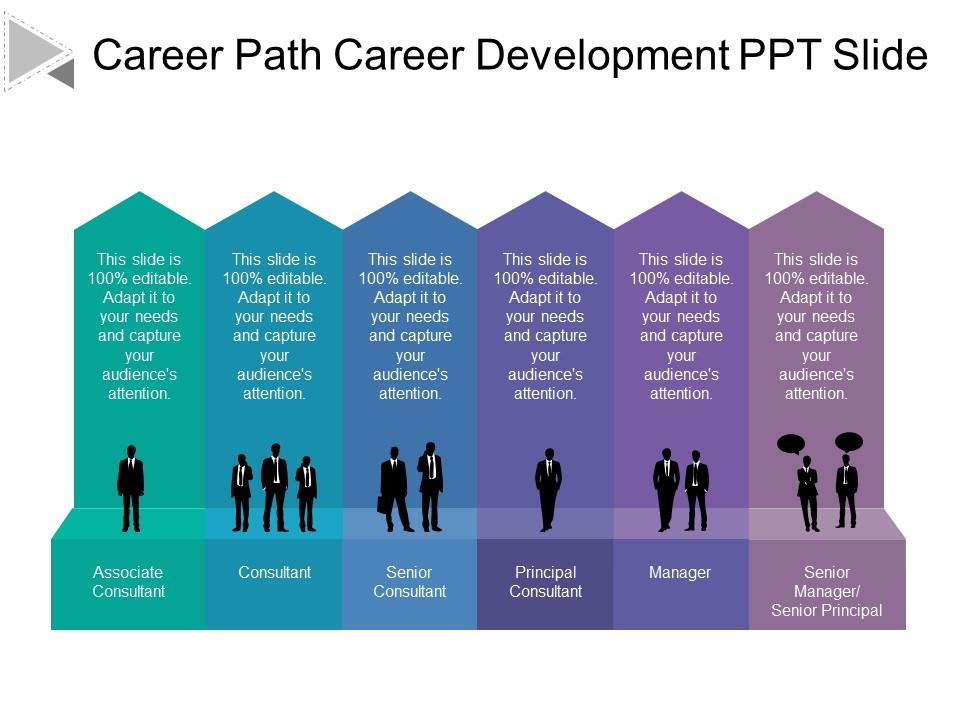
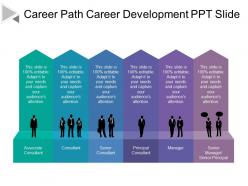
Presenting this set of slides with name - Career Path Career Development Ppt Slide. This is a six stage process. The stages in this process are Career Mapping, Career Growth, Career Path.

FAQs for Career path career

Communication is huge - you'll use it everywhere, so start there. Problem-solving and critical thinking come next because honestly, managers love when you can handle stuff without constant hand-holding. Emotional intelligence sounds fluffy but it's not - helps you deal with office weirdness and actually connect with people. Tech skills obviously matter for your field, though adaptability might be more valuable since everything changes so damn fast. Oh, and leadership skills even if you're not managing anyone yet. Pick one area and practice it actively - maybe try Toastmasters or volunteer for a small project to get started.

Honestly, networking beats job boards every time. You get insider info on openings before they're even posted. Companies would rather hire someone they already know than take a gamble on a random resume - it's just human nature. Your connections become this amazing source for advice and keeping up with what's happening in your field. The trick is being genuine about it. Don't just hit people up when you need something. Actually try to help them out too. Oh, and start simple - maybe grab coffee with one person this week or send a casual LinkedIn message.

Dude, you HAVE to keep learning new stuff or you'll get left behind. Industries change so fast now - like blink and there's some new software everyone's using. Companies want people who can roll with the punches and pick up whatever's next. I mean, even my mom's taking online courses now lol. YouTube tutorials, certifications, workshops - whatever works. Takes like 30 minutes a week to stay sharp. Pick one thing you're weak at in your job and start there. Trust me, it's worth it.

Find people who've already done what you want to do - they'll share insider stuff and help with office politics you wouldn't see coming. Most folks actually enjoy helping when you ask smart questions. Don't just target C-suite executives either. Sometimes that person killing it in marketing or sales has way better advice for your situation. Look both inside and outside your company. Come with specific questions, not vague "tell me everything" requests. Oh, and actually follow their advice - nothing kills a mentoring relationship faster than ignoring what they tell you.

Just be yourself, honestly. Don't try to be some polished version of who you think people want to see. Pick one platform where your people actually are - LinkedIn if you're corporate, Twitter for tech stuff, whatever. I used to stress about being everywhere and it was exhausting lol. Share what you know and actually help people instead of just promoting yourself. When you mess up or learn something new, talk about it. People love that real stuff. Oh and definitely google yourself first to see what's already out there - might surprise you. Way better to go deep on one platform than half-ass it on five different ones.

Dude, emotional intelligence beats technical skills almost every time after you're past the newbie stage. I've watched crazy smart people hit walls because they can't read a room or work with different personalities. Once you climb higher, it's all people problems anyway - less coding, more politics if that makes sense. Listen to feedback about how you interact with teammates. Practice noticing body language during meetings. Honestly? It's way more learnable than people think, you just gotta actually work at it instead of assuming you're fine.

Honestly, SMART goals actually work if you don't overthink them. Specific, measurable, all that stuff - but put them somewhere you'll see daily, not buried in some folder. Break the big scary ones down quarterly because staring at "become VP" for years is soul-crushing. I track mine in a basic spreadsheet monthly - what I did, what's stuck, what's next. Nothing fancy. Talk to your manager about them regularly too. The magic happens when you review and tweak things, not when you write them once and pray.

Okay so first things first - dive deep into researching that industry. Figure out who the big players are, what trends are happening, what skills they actually want. LinkedIn is your best friend here, plus industry events if you can swing it. I know it feels weird reaching out to strangers, but honestly most people don't mind helping out. Map out what skills you already have that translate over - just learn to talk about them in their language, you know? Maybe grab some certifications to fill gaps. Oh and be ready for this to take a while. It's not gonna happen overnight. When you do start applying, customize everything. Show them you get their specific problems.

Your workplace culture basically controls your whole career path. Good companies give you mentors, challenging projects, and face time with the big bosses. Toxic places? You'll stay stuck no matter how hard you work. I've watched super talented people hit walls at crappy companies, then absolutely kill it after they jumped ship. Look for spots that actually invest in people and promote internally - not just talk about it. Oh, and having clear advancement rules helps too. If you're feeling stuck where you are, start reaching out to your network. Sometimes you just need the right environment to thrive.

Honestly, online courses are a game changer for getting hired these days. Employers actually care about them now - especially from Coursera, LinkedIn Learning, those kinds of places. Some companies even prefer them over degrees for certain jobs, which is wild. They're perfect if you need to fill skill gaps or switch careers without doing the whole back-to-school thing. Here's what I'd do: look up job postings you want and see what skills they mention repeatedly. Then find courses that teach exactly that stuff. It shows you're not just sitting around - you're actively learning what they need.

Honestly, LinkedIn's the obvious choice - just update it as you hit milestones and watch your network grow. But I'm weirdly into basic spreadsheets for this stuff. You can track new skills, salary bumps, certifications, all with dates. Super satisfying to see it all laid out. Notion and Trello are solid if you want something more visual for mapping out goals. Some friends use apps like MyPlan, though I've never tried it myself. Really though, even your phone's notes app works fine - whatever you'll actually stick with consistently matters more than finding the "perfect" tool.

Honestly, feedback is your best friend for getting better at work - even when it sucks to hear. When your boss gives you vague comments, push for actual examples. Don't just smile and nod when coworkers point out stuff you could improve on either. I used to hate getting criticized, but that's usually where the gold is. Set up some basic way to track what people tell you, like working on presentations or collaborating better. Then circle back in a few months to see if they've noticed changes. It's pretty satisfying when they do.

Honestly, it's usually three things that screw people over. First - nobody knows what you're actually doing. You could be killing it but if your boss doesn't see it, you're invisible. Skills gaps hit different too. Half the time you don't even know what you're missing until someone's like "oh, you need X certification for that role." And yeah, networking feels icky but those relationships matter way more than they should. Start shouting about your wins more - seriously, tell your manager everything. Ask what you actually need for the next level. Build real connections with other teams. Don't just wait around hoping someone notices you.

Honestly, you need both but soft skills will take you way further. Sure, technical stuff gets you hired - nobody's promoting someone who can't actually do the job. But I've watched so many brilliant engineers hit a wall because they couldn't talk to clients or manage people. It's kinda sad actually. Being the smartest person in the room means nothing if you can't explain your ideas or inspire a team. Tech skills give you credibility, but communication and leadership? That's what gets you the corner office. Focus on both, but don't sleep on those people skills.

Honestly, job satisfaction makes such a difference for your career in the long run. You'll stick around longer when you actually like what you do, which means building real expertise and getting those promotions. Makes sense, right? Happy people naturally work harder and go after the challenging stuff that actually moves careers forward. Nobody wants to be miserable for 30+ years at a desk. Dissatisfaction just leads to constant job switching and your skills never really grow. I learned this the hard way! Check in with yourself regularly - figure out what's bugging you and fix it before it becomes a bigger problem.

Ratings and Reviews

80% of 100
Review Form
Write a review
Most Relevant Reviews
  1. 80%

    by Davis Mason

    Out of the box and creative design.
  2. 80%

    by Devon Ferguson

    Easy to edit slides with easy to understand instructions.

2 Item(s)

per page: