

Career Planning Powerpoint Ppt Template Bundles





Try Before you Buy Download Free Sample Product
 Impress Your
 Audience
 100%
100% Editable
 Save Hours
 of Time


Our Career Planning Powerpoint Ppt Template Bundles are topically designed to provide an attractive backdrop to any subject. Use them to look like a presentation pro.
People who downloaded this PowerPoint presentation also viewed the following :
Career Planning Powerpoint Ppt Template Bundles with all 17 slides:
Use our Career Planning Powerpoint Ppt Template Bundles to effectively help you save your valuable time. They are readymade to fit into any presentation structure.

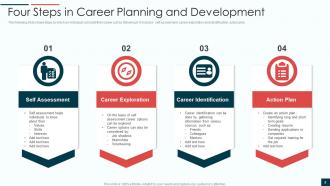
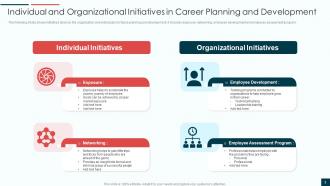
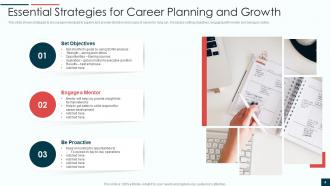
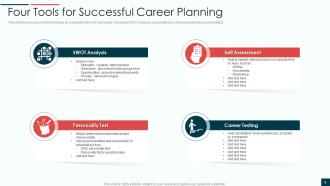






FAQs for Career Planning Powerpoint
Start with where you're at right now - list your current skills and what you're missing. Then map out your short and long-term goals. I'd throw in a section for different career paths you're considering, plus your networking contacts (trust me, you'll lose track of people otherwise). Action steps with deadlines are huge - otherwise it just becomes another document you never look at. Oh, and track your wins! You'll totally forget the good stuff when you're feeling stuck. The whole thing should be something you actually update and use, not just create once and abandon. Keep it simple at first.
Honestly, these templates are game-changers because they make you actually break down those huge career dreams into stuff you can tackle. You know how we always say "I want to be running my own company someday" but never figure out the steps? Yeah, this fixes that. The whole point is mapping realistic timelines - like what you can pull off in 6 months vs what takes years. It also keeps you grounded about your current skills and what you're missing. No more delusional "I'll be a VP by Christmas" thinking! Short-term goals start connecting to your bigger picture instead of just being random. Just fill one out this week - you'll be surprised how much clearer your next moves become.
Honestly, start with the old SWOT thing - strengths, weaknesses, opportunities, threats. Basic but it works. Ask people you trust for feedback too since we're terrible at seeing our own blind spots (though weirdly good at downplaying what we're actually good at). Those personality tests like StrengthsFinder aren't total BS either - they give you structure. Oh, and dig through your old performance reviews if you can stomach it. Mix your own thoughts with what others tell you. That's how you get the real picture instead of just what's in your head. Pick one thing and try it this week.
Honestly, start with the boring stuff first - Bureau of Labor Statistics and Glassdoor are your best friends here. I'm always on these sites way too much lol. LinkedIn's got decent economic insights too. Scroll through job postings in your field and see what skills they're actually asking for. You'll start noticing patterns pretty quick. Industry reports are helpful, but talking to real people doing the job? That's where you get the truth about what it's really like. Oh and check salary ranges obviously - don't want any surprises there. All this research basically helps you figure out what certifications to get and when to make your move.
Honestly, networking is what makes career planning actually work. Sure, you can map out skills and goals all day, but connections open doors you didn't even know existed. Most jobs aren't posted anymore - they're filled through referrals. Your template needs specific networking goals: industry events, reaching out to people in target roles. Don't just collect LinkedIn connections though, that's pointless. Build real relationships with folks who can give insights, mentorship, or introductions. I'd start with one new person each week. Sounds small but it adds up fast.
Your career plan should be flexible, not set in stone. I check mine every few months (okay, maybe more like twice a year if I'm being honest). Set up regular check-ins to see what's trending in your field and what skills are becoming irrelevant. Build in space for learning new stuff and potential career pivots. When some new technology comes along and flips your industry upside down, you'll be prepared instead of panicking. The whole point is staying adaptable - treat it like a GPS that recalculates when you hit traffic, not some ancient paper map.
Honestly, visual tracking makes such a difference with career planning! Gantt charts work really well for mapping out when you want to hit certain skill milestones. Progress bars are simple but satisfying - you can literally see how much you've knocked out. Traffic light systems (red/yellow/green) are perfect if you're juggling multiple goals at once. Oh, and milestone maps are basically like career roadmaps that show your big wins. I've been messing around with dashboard-style charts lately that track skill growth over time. Just pick whatever doesn't make your eyes glaze over and actually update the thing regularly!
Look at what skills your dream job actually needs vs what you have right now. Focus on the deal-breakers first - like if they want Python and you don't know it, that's priority one. Don't get stuck overthinking this though, just pick something and dive in! I made that mistake for months before finally starting. Quick wins help too - maybe there's something you can learn in a couple weeks while working on the bigger stuff. Check what's hot in your field right now. Make a simple list, rank the top three, and go for it.
Honestly, the worst thing you can do is create that template once and forget about it - I've been guilty of this myself. Don't write vague goals like "get promoted." Be specific! "Senior marketing manager in 18 months" gives you something real to work toward. People always skip the skills section too, which is crazy because that's literally the roadmap of what you need to learn. Also? Don't set yourself up for disappointment with unrealistic timelines. Update it every few months and actually be honest about where you're at versus where you wanna be.
Honestly, getting feedback on your career template is a game-changer. Mentors have that industry experience to tell you if you're being realistic or completely delusional about timelines. Peers? They'll give you the brutal honesty you need - plus they've probably screwed up the same stuff you're about to. I swear, sometimes the best advice comes from hearing what didn't work. Your template stops being this fantasy document and actually becomes useful when other people poke holes in it. Try doing check-ins every few months with both groups.
Honestly, you gotta figure out your values before chasing any job titles. I've watched so many people land these "dream" positions only to be completely miserable because the work goes against everything they believe in. Money can't fix that kind of soul-crushing disconnect. Start simple - write down your top 3-5 non-negotiables. Maybe it's flexibility, creativity, actually making a difference, whatever matters to YOU. Then build your career plan around those instead of just salary numbers. Sounds backwards but trust me, you'll thank yourself later when you don't dread Sunday nights.
Honestly, don't just slap any generic skills on there - research what your industry actually wants first. Check out 3-4 job postings to see what keeps popping up. Tech folks need programming languages and certs, healthcare people should highlight licenses and ongoing education stuff. Timeline sections matter too since some fields move crazy fast while others are more old-school about career progression. I've watched people chase totally irrelevant goals because they grabbed some random template online. Also, tweak the networking part - mention the conferences and professional groups that actually matter in your space. It's worth the extra effort upfront.
Honestly, emotional intelligence is so underrated for career stuff. Like, you know those people who seem miserable in jobs that should be amazing? Usually they didn't think about the emotional fit. Understanding what actually energizes you versus what drains you is huge - are you someone who needs constant collaboration, or do you work better with quiet focus time? EQ also makes networking way less awkward since you get better at reading people. I'd start by really thinking about what parts of your current job make you feel alive versus dead inside.
Honestly, I check mine every 3 months or so. Things move crazy fast now - like, what made sense in spring can feel totally wrong by fall, you know? I literally put 30-minute "career check-ins" on my calendar because otherwise I forget. Six months is probably the absolute max you should wait though. Oh and if something big happens - new boss, industry drama, whatever - definitely update it right away. Don't stress about making it perfect, just keep it real so it's actually useful when you need to make decisions.
Honestly, I'd start by figuring out what 2-3 skills you actually want to work on this year - makes everything way more focused. Then build your template around that. Throw in sections for the obvious stuff like LinkedIn Learning or Coursera, plus any certifications that matter in your field. Don't forget internal things though! Mentorship programs, cross-department projects, even those random lunch-and-learns can be gold. Professional associations are clutch for conferences and workshops too. Oh, and definitely add a learning budget tracker - I learned that one the hard way after overspending on courses I never finished. Keep it specific to your goals, not just some generic list you'll ignore.
-
SlideTeam is very efficient when it comes to saving time. I am happy that I chose them for my presentation.
-
I was never satisfied with my own presentation design but SlideTeam has solved that problem for me. Thank you SlideTeam!