Career Development Plan Powerpoint Ppt Template Bundles

Rating:
90%
Career Development Plan Powerpoint Ppt Template Bundles Career Development Plan Powerpoint Ppt Template Bundles
Slide 1 of 25

or

Favourites Favourites

Try Before you Buy Download Free Sample Product

Audience Impress Your
Audience
Editable 100%
Editable
Time Save Hours
of Time
The Biggest Sale is ending soon in
0
0
:
0
0
:
0
0
Rating:
90%
Deliver a lucid presentation by utilizing this Career Development Plan Powerpoint Ppt Template Bundles. Use it to present an overview of the topic with the right visuals, themes, shapes, and graphics. This is an expertly designed complete deck that reinforces positive thoughts and actions. Use it to provide visual cues to your audience and help them make informed decisions. A wide variety of discussion topics can be covered with this creative bundle such as Career Growth, Future Plans, Advancement Plan, Employee growth, Staff Advancement Plan. All the twenty slides are available for immediate download and use. They can be edited and modified to add a personal touch to the presentation. This helps in creating a unique presentation every time. Not only that, with a host of editable features, this presentation can be used by any industry or business vertical depending on their needs and requirements. The compatibility with Google Slides is another feature to look out for in the PPT slideshow.

FAQs for Career Development Plan Powerpoint

So first thing - figure out your 2-3 year goal and work backwards from there. You'll want both short and long-term targets with a realistic timeline. Map out what skills you actually need to develop and what roles or experiences will get you there. Oh, and seriously find a mentor or sponsor if you can - that part is honestly game-changing but everyone skips it. Any training or certs you might need? Write those down too. The whole thing should be specific enough that you can follow it, but don't make it so rigid that you miss good opportunities when they come up.

Honestly, I'd start by comparing your skills to job postings you actually want. That'll show you the real gaps. Your manager and coworkers can give you feedback too - sometimes they see stuff you're totally blind to. Online skills assessments help, or just think about recent projects where you crushed it vs. where you struggled. The brutal honesty part sucks but it's necessary. Oh, and don't try fixing everything at once - pick like 2-3 things max to focus on first. You'll burn out otherwise.

Honestly, you can't build a decent career without setting actual goals - otherwise you're just crossing your fingers and hoping stuff works out. Short-term stuff keeps you moving forward, while the bigger picture gives you something to aim for. Goals help you figure out which skills are worth your time and which opportunities actually matter. I learned this the hard way after spending way too long just "seeing what happens." Make them specific though - none of that vague "I want success" nonsense. Write down 2-3 real goals for the next 6 months and you'll be amazed how much clearer everything becomes.

Honestly, having a good mentor is like having cheat codes for your career. They've already made the mistakes you're about to make and can steer you away from them. Plus they know people - which sounds shallow but it's true. Finding the right one is key though, someone who's actually where you want to be someday. You can't just sit back and wait for magic to happen. Schedule regular coffee chats or whatever works. Ask specific questions about navigating politics at work and making smart moves. Sometimes I think people underestimate how much mentors actually want to help - most are flattered you asked.

Figure out your end goal first, then just work backwards from there. I like breaking things into 6-month and 1-year chunks - anything past 5 years feels kinda pointless to me since everything changes so fast anyway. Be super specific too. Instead of "advance my career," go with something like "get promoted to senior analyst." Way more concrete. Talk to people who've done what you want to do and see what their timeline looked like. Oh, and definitely check in on your progress every few months. You'll probably need to pivot based on what comes up.

Honestly, networking matters way more than you'd think. Most good jobs never even get posted - they go to people who already know someone inside. Plus you'll get the real scoop on what companies are actually like to work for. Don't be that person who only reaches out when they need something though, that's so transparent. Start now while you're not desperate. I try to have one real conversation with someone new each week, even if it's just grabbing coffee. People want to help, but only if there's already some kind of relationship there first.

Honestly, LinkedIn Learning is pretty solid for this - they've got skills assessments and career courses that actually help. MyPlan.com and O*NET Interest Profiler are worth checking out too if you want to find roles that fit your strengths. Oh, and informational interviews are clutch (I know, sounds formal but people love talking about their jobs). Your company probably has mentorship stuff you don't even know about yet. Pick one thing and mess around with it for like 30 minutes this week. See what clicks.

Honestly, you've gotta stay on top of what's happening in your field. Set up Google alerts and actually follow those industry people on LinkedIn - I'm terrible at reading newsletters but they're worth it when big changes hit. Quarterly check-ins work way better than waiting for annual reviews. Build some flexibility into your career plan from day one because pivoting is basically inevitable now. When you see shifts coming (and you will), quickly figure out what skills you're missing. Think of it like insurance for your career rather than some rigid 10-year plan that'll probably be outdated anyway.

Don't be super vague about what you want - "getting ahead" means nothing. Also, your timeline's probably way off (no, you won't be CEO next year). Map out what skills you're actually missing first. Here's what kills most career plans though: people write them once and never look again. Your interests change, companies pivot, stuff happens. Oh and connect your goals to real openings at your company or you're just daydreaming. I learned this the hard way - get feedback from your manager regularly so you're not planning in a bubble.

Honestly, think of self-reflection as your career compass. It shows you where you actually are versus where you think you want to be. I used to just say yes to literally everything - terrible strategy, don't recommend. But when you take time to assess your strengths, what drains you, and whether your goals have shifted, you'll make smarter choices about opportunities. Monthly check-ins work great. Just 30 minutes journaling about recent wins, challenges, and patterns you're noticing. What energizes you? What skills do you need to develop? Sometimes you realize your priorities have completely changed and that's totally normal.
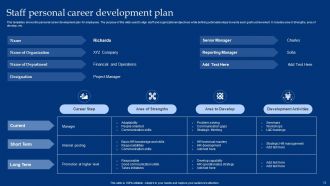
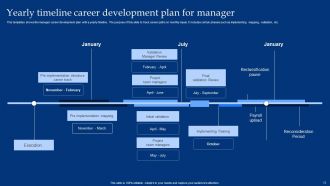
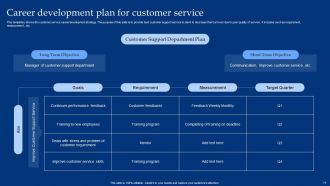
Honestly, performance reviews are like having a GPS for your career - shows you where you're at and helps figure out next steps. Your manager points out what you're crushing and where you need work, which becomes the roadmap for setting goals that actually make sense. Yeah, they're awkward as hell, but think of them more like planning meetings than getting graded. That feedback turns into real stuff - training, new projects, maybe getting paired with a mentor. Oh, and definitely go in with your own ideas about what you want to tackle next. Makes the whole thing way more useful.

Figure out what skills you're missing first - like, where do you want to be vs where you actually are right now? Then find ways to learn that stuff. Could be courses, certifications, workshops, whatever. I usually block out 30 minutes a week for learning (though I'll admit I sometimes skip it when work gets crazy). Don't just wing it though. Put these learning goals in your yearly plan and actually track them like you would any work project. Otherwise you'll keep saying "I really should learn Python" or whatever but never actually do it. Makes it way more likely to stick.

Your company's culture basically determines how far you can actually get with any career plan. Some places are amazing about promoting from within and pairing you with mentors - those are goldmines. Others are stuck in the dark ages with rigid hierarchies and zero development budget. What skills they actually care about, how they measure success, whether they'll let you take risks or freak out if you try something new - it all comes from the culture. I'd honestly figure out what kind of place you're working at pretty fast, then either play their game or start looking elsewhere.

Ask your manager, coworkers, and clients for honest feedback - yeah, it might hurt a bit, but that's where you'll find the real insights. Look for patterns in what everyone's telling you. If three people say you're amazing at analysis but terrible at presenting, and you want to get promoted? Well, there's your answer right there. Don't just ask "how am I doing?" - be specific about what you want to know. I actually keep notes on feedback I get because I'm forgetful like that. Then create little action plans to work on those areas. The disconnect between your current skills and career goals becomes pretty obvious once you start collecting this stuff regularly.

Track it with both the obvious stuff and the fuzzy feelings, honestly. Promotions, salary bumps, new certifications - that's your hard data. But also notice if you're speaking up more in meetings or getting those cool stretch projects. I always forget this part, but checking in with your manager or a mentor gives you that outside view you can't get yourself. Maybe do a quarterly thing where you look back at your goals? Short sentences work. The confidence boost is real and you'll feel it before you see it on paper.

Ratings and Reviews

90% of 100
Review Form
Write a review
Most Relevant Reviews
  1. 100%

    by Charles Nguyen

    No second thoughts when I’m looking for excellent templates. SlideTeam is definitely my go-to website for well-designed slides.
  2. 80%

    by Cortez Graham

    Templates are beautiful and easy to use. An amateur can also create a presentation using these slides. It is amazing.

2 Item(s)

per page: