


Career Planning Powerpoint Presentation Slides





Try Before you Buy Download Free Sample Product
 Impress Your
 Audience
 100%
100% Editable
 Save Hours
 of Time


Make a strong career path by utilizing our readily available Career Planning Powerpoint Presentation Slides. Highlight the six steps of the career planning process such as to conduct field research, explore career options, build your credentials, etc. Achieve your career goals in the future with the aid of professional development roadmap PPT slides. You can also map out your career path and create a detailed personal vision statement by taking advantage of the professional journey PPT visuals. Make a career plan by including your skills and interests, set career goals, and put actions in place that will help you reach them. Outline steps to prepare a career path by taking the assistance of the career roadmap PowerPoint layouts. Provide the steps of career planning using our professionally designed career management PowerPoint templates. Download our content ready career roadmap PPT presentation and set professional goals and identify the means to achieve them.
People who downloaded this PowerPoint presentation also viewed the following :
Content of this Powerpoint Presentation
Slide 1: This slide introduces the Career Planning. Add Your Company Name to begin.
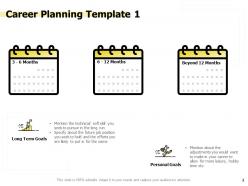
Slide 2: This slide contains a Career Planning Template.
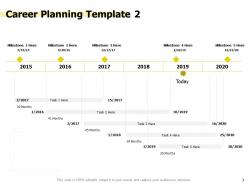
Slide 3: This slide again contains a Career Planning Template.
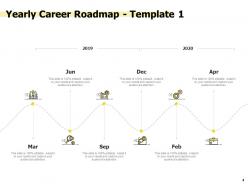
Slide 4: This slide contains a Yearly Career Roadmap.
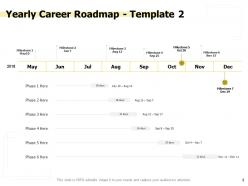
Slide 5: This slide also contains a Yearly Career Roadmap.
Slide 6: This template comprises a Career Planning Icons Slide.
Slide 7: This slide is titled as Additional Slides for moving forward.
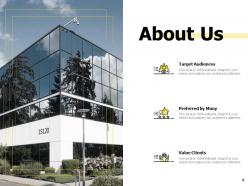
Slide 8: This slide shows About Us.
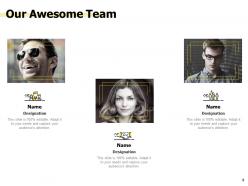
Slide 9: This slide reveals the names and designation of Our Awesome Team members.
Slide 10: This slide contains Venn diagrams.
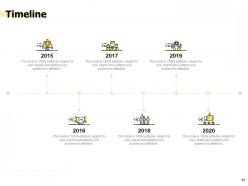
Slide 11: This slide shows the Timeline.
Slide 12: This slide shows Our Mission.
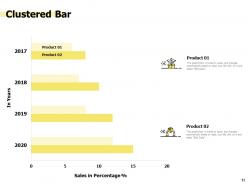
Slide 13: This slide contains an editable Clustered Bar chart depicting the market share of products for various years.
Slide 14: This is a Thank You slide consisting of Address, contact number and email address.
Career Planning Powerpoint Presentation Slides with all 14 slides:
Use our career planning powerpoint presentation slides to effectively help you save your valuable time. They are readymade to fit into any presentation structure.


FAQs for Career Planning
Okay, first thing - be brutally honest about what you're actually good at and what drives you. Research takes forever (way longer than you'd think) but dig into careers that match your strengths. Write down short and long-term goals with real deadlines. Figure out what skills you're missing and how to get them - training, volunteering, whatever works. Here's the thing though: don't just write it once and call it done. I revisit mine every six months because things change. It's more like a living plan than some document collecting dust.
Honestly, start by figuring out what actually energizes you vs. what makes you want to hide under your desk. Ask people you trust - coworkers, friends, your boss - for real feedback since we're terrible at seeing ourselves clearly. Those personality tests like StrengthsFinder are kind of cheesy but they do help (I was skeptical too). Look back at your wins and failures. What felt easy? Where did you bang your head against the wall despite trying hard? Also notice what people always come to you for - that's usually where you shine. Don't just rely on your own thoughts though. Get info from everywhere.
Dude, networking is seriously a game-changer. Like, most decent jobs never even get posted online - your connections basically become your intel network. Coffee chats with coworkers, joining industry groups, even just commenting meaningfully on LinkedIn posts... it all adds up. I used to think it was all fake schmoozing (kinda cringy tbh), but it's really just building real relationships with people who actually understand your field. The trick is helping others out too, not just hitting people up when you need something. You'll get insider info on companies, what skills matter, opportunities before they're public. Start small though.
Okay so I'd literally work backwards from your 5-10 year dream job. Figure out what skills you need, who you should know, that kind of stuff. Then your shorter goals become way clearer - like instead of just "get promoted," make it "finish that leadership course and run a team project by next year." I used to be terrible at this honestly, would set these crazy timelines and then feel like crap when I missed them. Write everything down somewhere you'll actually look at it. Check in every few months. The short-term stuff has to connect to the big picture or you're just spinning your wheels.
Here's my take: work on stuff robots can't do well yet. Critical thinking and emotional intelligence are gold right now. Yeah, tech skills matter, but the tools change so damn fast it's kinda pointless to chase specific ones. Problem-solving abilities? That's where it's at. Communication is seriously underrated too - if you can explain techy stuff to regular people, you'll stand out big time. Being adaptable and learning quickly will save your butt when everything shifts again (which it will). I'd honestly just pick whatever you suck at most and start there.
Honestly, learning new stuff is like insurance for your career. Industries change fast and you don't want to get left behind. When you're always picking up skills, you become way more valuable to employers. Managers notice that initiative too - especially when promotion time rolls around. Also, staying curious just makes work less mind-numbing, you know? I mean, who wants to do the exact same thing for 20 years? It builds your confidence to tackle bigger projects and helps you network with different people. My advice? Start small. Pick one skill that's close to what you already do and commit to learning it this quarter.
First thing - figure out what skills you already have that actually matter for the new field. Then see what you're missing and grab some courses or certs to fill those gaps. LinkedIn networking is annoying but it works, so start messaging people who are doing what you want to do. Don't throw away your current experience though - find ways to connect it to where you're going. Maybe pick up some freelance work or volunteer gigs to prove you're serious. Honestly, the biggest mistake is waiting until you feel completely ready. Just start applying and you'll figure out the rest as you go.
Honestly, mentorship is huge for your career. Good mentors share industry secrets, help you dodge mistakes, and connect you with opportunities you'd never find alone. Think of them as your personal career GPS when you're completely lost - which honestly happens way more than people admit. Don't just pick any senior person though. Find someone whose career you genuinely respect, then reach out with specific questions instead of generic "let's grab coffee" messages. I'd target maybe 2-3 people max so you're not spreading yourself too thin.
Honestly, there's a bunch of good stuff out there for this. Myers-Briggs and StrengthsFinder are the classic personality tests everyone knows. O*NET Interest Profiler is free and actually pretty decent - way better than you'd expect. LinkedIn Learning has career assessment courses too, which is where I randomly figured out I'm way more into data analysis than I thought. Short sentences feel weird but whatever. Your company might have coaching or partner with platforms like BetterUp. I'd probably start with something free like 16Personalities or O*NET first, then maybe spend money on a deeper one if you're really feeling it.
Oh totally! LinkedIn's your best bet - share stuff about your industry and actually comment on other people's posts (not just the generic "great point!" stuff). Twitter can work too if you follow the right people, though I honestly get distracted scrolling through random drama half the time. The trick is staying consistent instead of posting once and disappearing for months. Just optimize your profiles first, then maybe spend 15 minutes daily engaging with people. Authenticity beats trying to sound super polished - nobody wants to connect with a corporate robot, you know?
Ugh, where do I even start? Don't copy someone else's career path just because it worked for them. Set actual specific goals instead of vague "I want success" nonsense. Your plan will definitely change, so don't treat it like gospel. I made the mistake of putting everything into one opportunity once - terrible idea. Also, soft skills matter just as much as technical stuff, which honestly took me forever to figure out. Network regularly but not in a weird pushy way. The job market's crazy unpredictable right now, so check in with your goals every few months and pivot when you need to.
Honestly, personal branding is kind of a game-changer. You start putting yourself out there consistently - LinkedIn posts, networking events, whatever - and suddenly you're the go-to person for certain stuff. Recruiters remember you. I know someone who got headhunted just because her posts kept popping up in the right feeds. It's wild how that works. Plus you can actually negotiate better pay when you're seen as *the* specialist instead of just another resume in the pile. Figure out what you want to be known for first, then just keep sharing insights around that topic.
Honestly, LinkedIn stalking is where I'd start - creep on people doing jobs you're curious about and see how they landed there. Research the big companies, what's growing, what's dying. Coffee chats are clutch though, way better than just reading about stuff online. People will actually tell you if the work sucks or if everyone's stressed 24/7. Also figure out what skills you already have that might transfer over (you'd be surprised). Oh and definitely look up salary ranges so you don't lowball yourself later. Few informational interviews before jumping ship = smart move.
Honestly, start freshman year if you can - way earlier than I did lol. Hit up career fairs and try to snag internships, even unpaid ones. Your career center isn't just for seniors having breakdowns (guilty). Coffee chats with alumni are clutch too. Grades matter but employers care more about actual experience and whether you can work with people. Oh, and don't stress if you change your mind about your major - happens to literally everyone. Build connections with professors while you're at it. Being flexible saved my butt when I realized marketing wasn't for me.
Dude, emotional intelligence is seriously underrated. I've watched super smart people get stuck in the same position for years because they can't read social cues or work well with others. Meanwhile, someone with decent skills but great EQ gets promoted faster. You don't need to be fake about it either - just pay attention to how people react when you talk. Handle criticism without getting weird about it. Oh, and actually listen instead of just waiting for your turn to speak. It's honestly a game-changer once you start practicing it.
-
Graphics are very appealing to eyes.
-
Commendable slides with attractive designs. Extremely pleased with the fact that they are easy to modify. Great work!
-
Informative design.
-
Much better than the original! Thanks for the quick turnaround.
-
Awesome use of colors and designs in product templates.