Career Timeline Powerpoint Presentation Slides

Career Timeline Powerpoint Presentation Slides
Slide 1 of 17

or

Favourites Favourites

Try Before you Buy Download Free Sample Product

Audience Impress Your
Audience
Editable 100%
Editable
Time Save Hours
of Time
The Biggest Sale is ending soon in
0
0
:
0
0
:
0
0
Presenting career timeline PowerPoint deck with slides. This deck consists of 17 PPT slides. Each slide includes the necessary layouts, diagrams, icons and graphs. Our PowerPoint experts have crafted this presentation keeping the customers’ requirements in mind. It covers all the major aspects of the topic and includes the appropriate content. The best part is that this content ready deck is completely customizable. You can edit the color, text and icon as per your need. You can also add or delete the content as per the requirement. Downloading is easy. Templates are perfectly compatible with Google slides.

Content of this Powerpoint Presentation


Slide 1: This slide introduces Career Timeline. State Your Company Name and begin
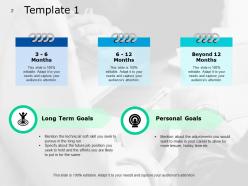
Slide 2: This slide showing Long Term Goals and Personal Goals. Mention About The Adjustments You Would Want To Make In Your Career To Allow For More Leisure, Hobby Time Etc
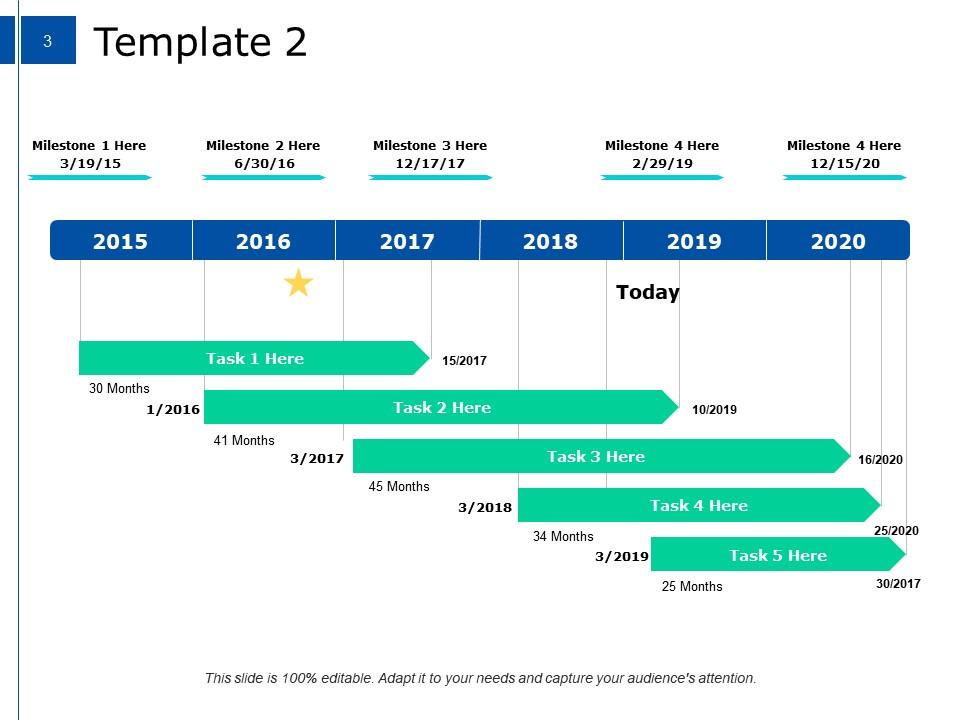
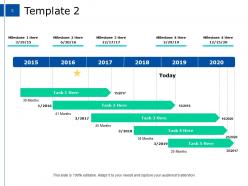
Slide 3: This slide presents with a timeline and make the best use of it.
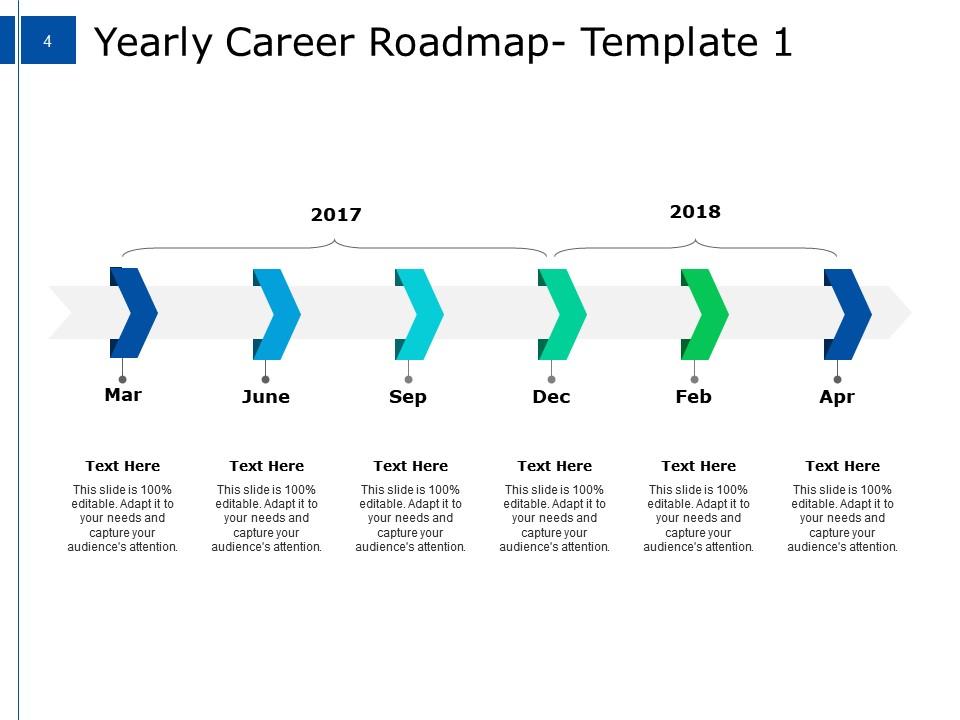
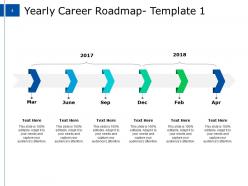
Slide 4: This slide showcases Yearly Career Roadmap – Template 1. Add your own data and use it accordingly.
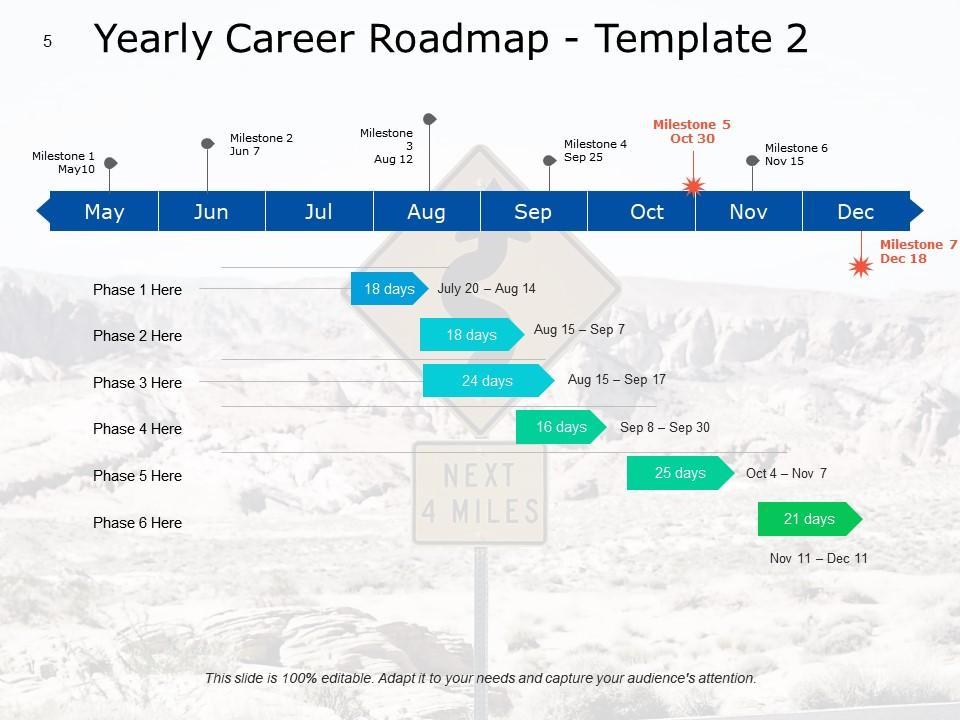
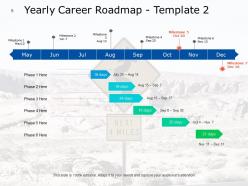
Slide 5: This slide presents yearly career roadmap and use it for adding business growth.
Slide 6: This slide is titled Additional Slides.
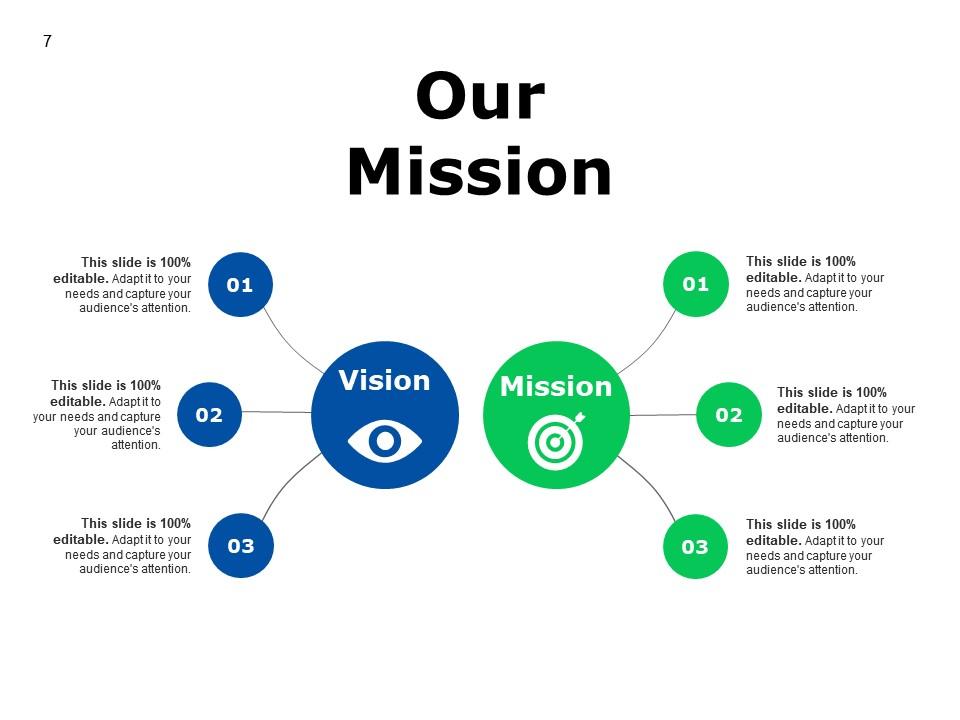
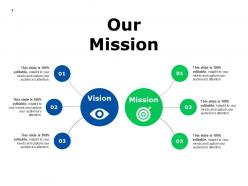
Slide 7: This slide represents Our Mission. State your mission, goals etc.
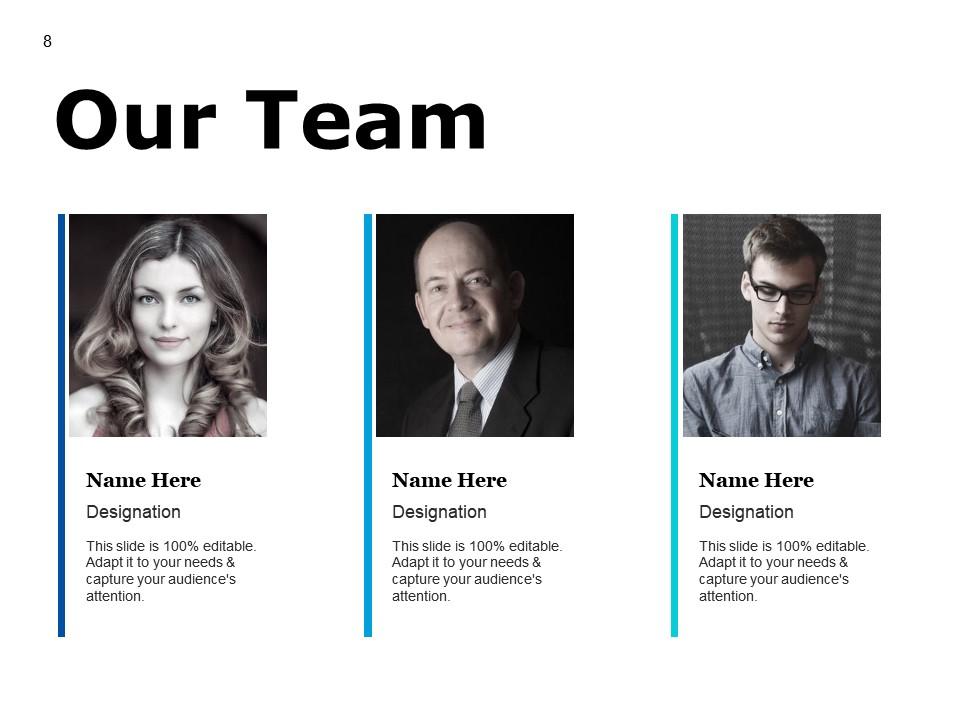
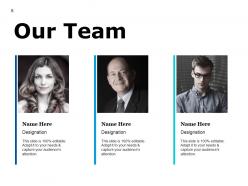
Slide 8: This slide showcases Our Team with Name and Designation to fill.
Slide 9: This slide shows Our Goals for your company.
Slide 10: This is a Quotes slide to convey message, beliefs etc.
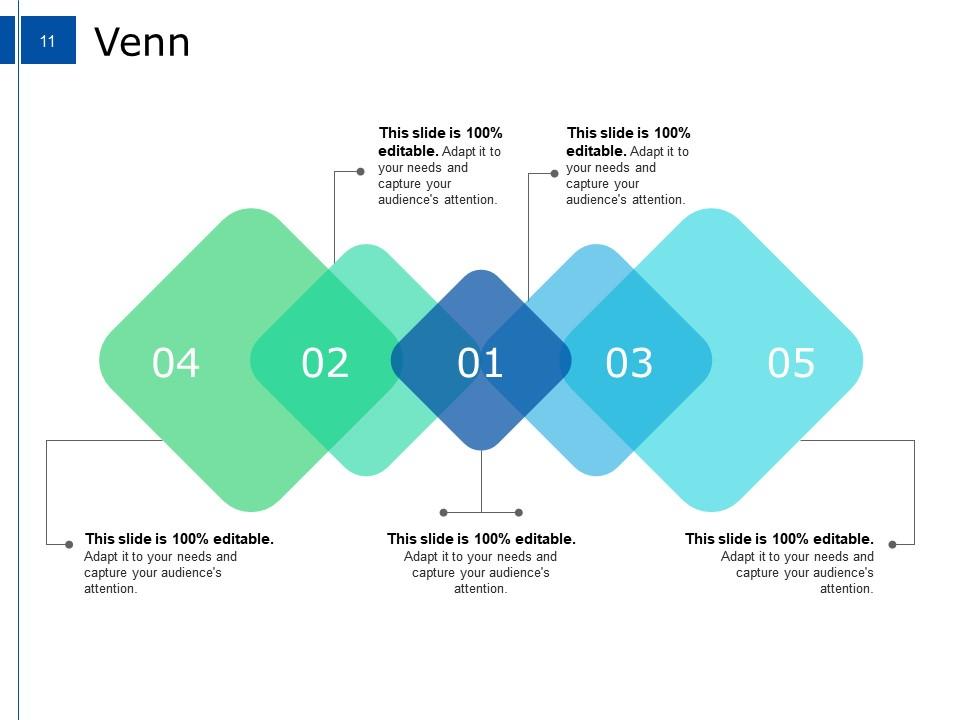
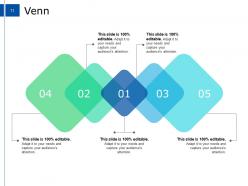
Slide 11: This slide displays a Venn diagram image.
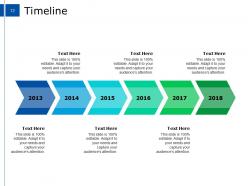
Slide 12: This is a Timelines slide to show- Plan, Budget, Schedule, Review.
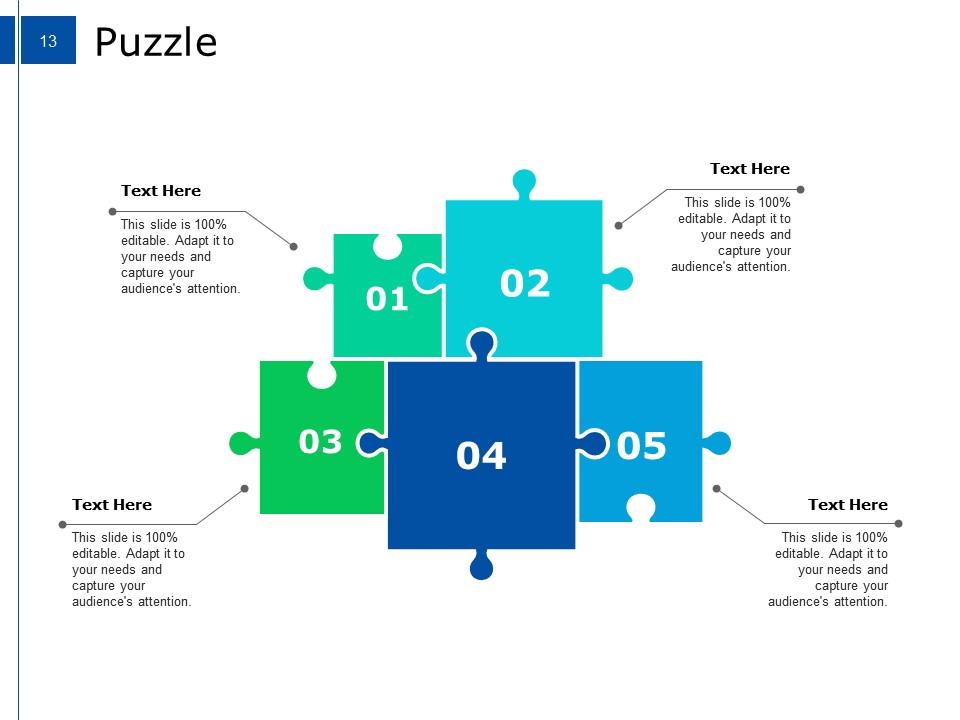
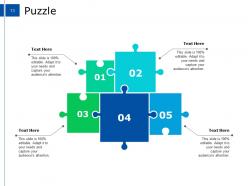
Slide 13: This slide showcases a Puzzle with imagery.
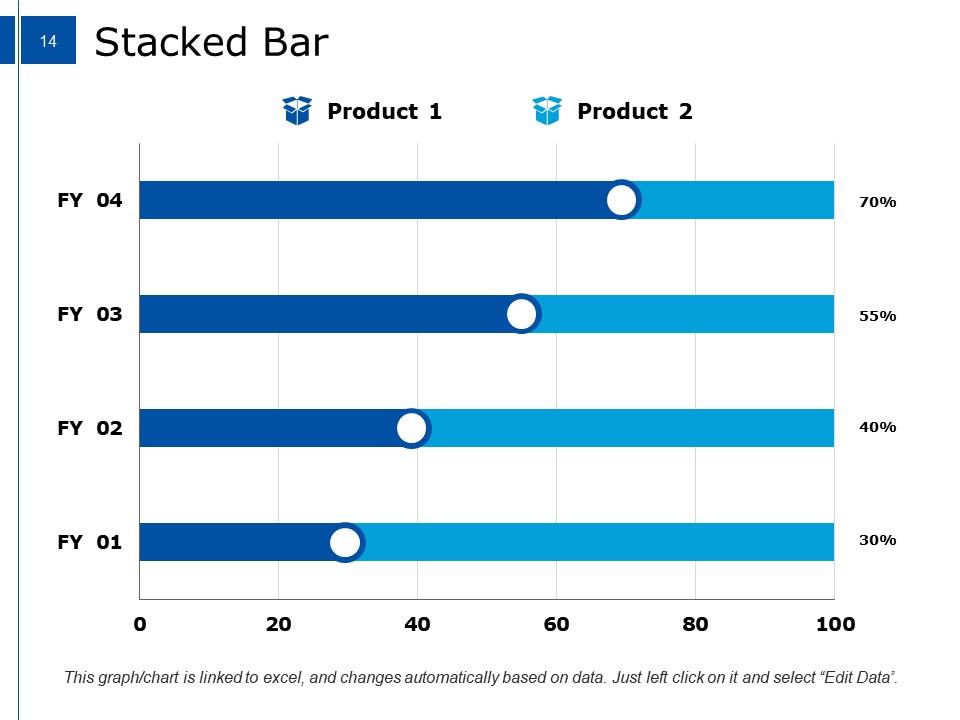
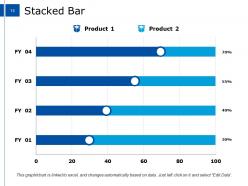
Slide 14: This slide shows a Stacked Line graph in terms of percentage and years for comparison of Product 01, Product 02, Product 03 etc.
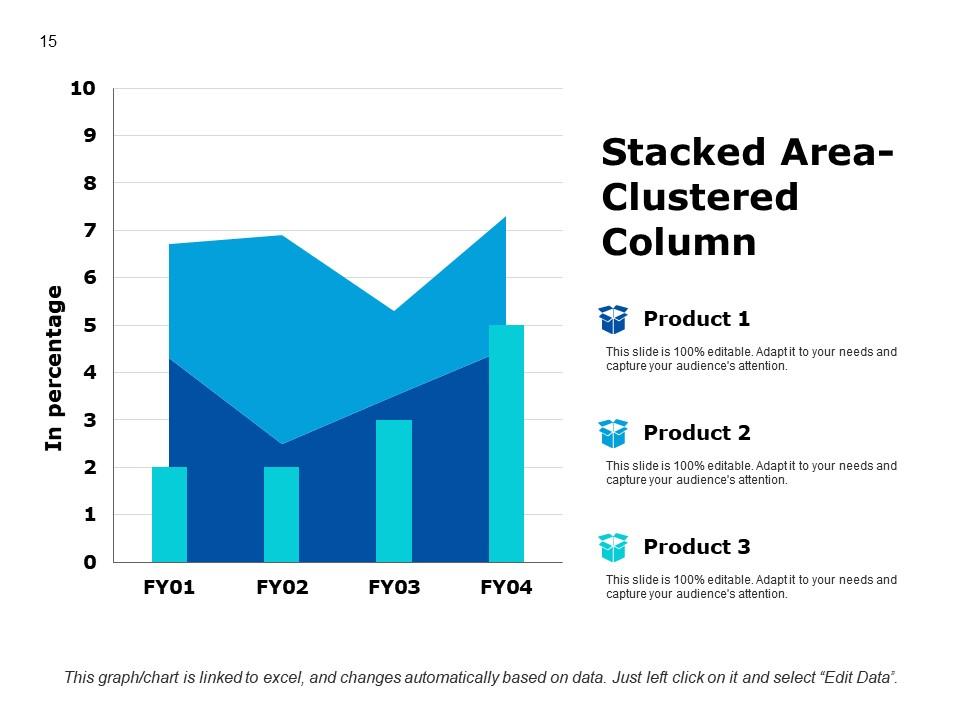
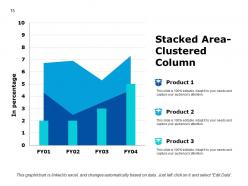
Slide 15: This slide shows Stacked Area-Clustered Column in terms of comparing
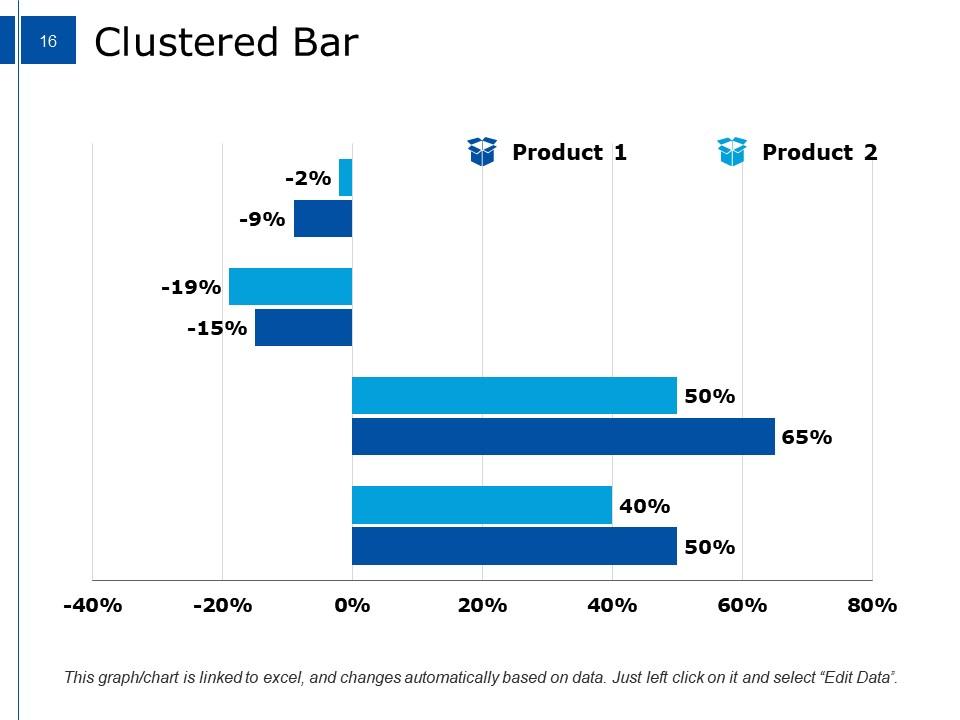
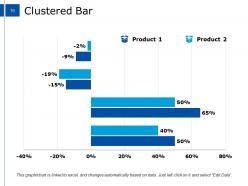
Slide 16: This slide presents Clustered Bar for comparing.
Slide 17: This is a Thank You slide with Address:# street number, city, state, Contact Numbers and Email Address.

FAQs for Career Timeline

Honestly, most career paths follow a pretty predictable pattern. You start entry-level for like 2 years, then move into mid-level stuff with actual responsibility (years 3-7). Around year 8-15 you're probably leading teams or big projects. After that? Executive roles or becoming the go-to expert in your field. But here's the thing - tons of people don't follow this timeline at all. Some skip ahead fast, others switch careers entirely and basically start over. Which isn't necessarily bad! Each stage builds your skills for the next one anyway. Don't freak out if you're behind some imaginary schedule though. Your career is yours to figure out.

Honestly, first figure out what actually gets you excited vs what you think you're supposed to want. It's wild how often we chase stuff that sounds good on paper but would make us miserable. Check out your current skills and values, then dig into roles that match up. Definitely hit up people on LinkedIn who are already doing jobs you're curious about - most folks love talking about their work anyway. Set some concrete short-term goals (like 6 months out) and longer ones too, but don't be too rigid about it. Being specific helps tons though. Skip the vague "get promoted" thing and go for something like "lead a project by Q3."

Dude, networking is like having cheat codes for your career. You'll hear about jobs before they're even posted, meet the actual decision-makers, and get insider tips that help you move way faster. I know it sounds cheesy, but I've literally watched people leap over entire career levels just because the right person said "yeah, hire them." Your contacts become like free career coaches too - they'll tell you when to make your move. Even grabbing coffee counts as networking (which I had to learn the hard way). Start building those relationships now.

Look, everything shifts constantly in most industries now - it's honestly exhausting keeping up. You've got to check in on your goals pretty regularly and see if they still make sense. Watch for new tech and skills that are suddenly hot. I always build extra time into my plans for pivoting or learning something new when I have to. Network like crazy so you're not the last person to hear about changes. Sometimes you need to speed things up, other times you wait for better timing. My career timeline looks like a mess with all the edits, but that's way better than sticking to some outdated roadmap.

Honestly, the worst thing you can do is stick too rigidly to your plan. Industries shift overnight, random opportunities come up, and life just... happens. Also LinkedIn will make you feel like garbage if you're constantly comparing timelines with other people (seriously, that app is brutal). Most folks set crazy unrealistic expectations about promotions too. Oh and job searches? They take forever. Way longer than you think. You've gotta leave room for learning new skills and maybe switching directions completely. I always tell people to think of it more like a rough draft than some set-in-stone thing.

Honestly, degrees do help you climb faster early on - like those first 5-10 years especially. Management tracks tend to favor people with credentials too. But here's the thing: really skilled people without degrees often catch up later through pure talent and results. I've seen it happen tons of times. Industry matters a lot though - tech companies barely care about your diploma, while finance and healthcare are way more picky about it. If there's specific roles you want but keep hitting that qualification wall, maybe crunch the numbers on whether going back to school would actually speed things up for you.

Don't just drift into your next career move - actually plan it out. Figure out what you want first (more leadership? different field? actual work-life balance?). Then honestly look at your skills and see what's missing. Yeah, networking matters even though it feels gross sometimes. Find people doing what you want to do and talk to them. Lateral moves can be smart if they get you closer to your goal. Oh, and start thinking about this stuff before you hate your job. Way easier to move when you're not desperate, trust me.

Look, don't just panic-learn when you're job hunting - that's backwards. Start early building your basics and grabbing certifications. Mid-career's honestly the sweet spot though. Companies will actually pay for your MBA or leadership courses when you've got some clout. Plus you can pivot specializations without looking crazy. Later on, you're mentoring people but still need to stay current with new tech (ugh, it never ends). I do a quarterly check-in with myself about what skills I'm missing. Sounds nerdy but it works way better than scrambling last minute.

Honestly, having a good mentor is like having cheat codes for your career. They've already navigated the politics and stupid mistakes, so you don't have to stumble through blindly. You'll get the real timeline on promotions (not the BS HR gives you) and actual insight into what skills matter. Plus they can make introductions that would take you years to build on your own. The trick is finding someone who's maybe 2-3 levels up from where you want to be - not so high they're out of touch, but successful enough to know the path. Just don't be weird about it when you ask.

Dude, remote work totally changes the promotion game. You're judged on what you actually produce instead of just showing your face around the office all the time. Geography becomes irrelevant too – work for some fancy Silicon Valley company while chilling in Ohio, or even join a European team without moving. Pretty sweet deal honestly. The catch? You lose those random hallway conversations and mentoring moments that just happened naturally before. Oh, and office drama becomes way less entertaining lol. You'll need to be way more proactive about networking and making sure people see your work.

Honestly, soft skills matter way more as you climb up - they're what turns decent workers into actual leaders. Technical stuff gets you in the door early on, but later? It's all about communication and working with people. I've watched super smart colleagues just hit a wall because they couldn't handle team dynamics or tough conversations. Once you're higher up, you're basically influencing others instead of just cranking out work. Oh, and start building these now - they take forever to develop properly. These skills will save you during career changes and when you're managing people.

Your personal brand is what makes people remember you throughout your whole career. Early on, it helps you stand out from all the other newbies applying for the same jobs. Mid-career is where it really pays off - you become the person everyone thinks of for your specialty. Most people totally waste this stage though, they just get comfortable and stop building their reputation. Later on, doors start opening automatically. Leadership roles, speaking gigs, industry recognition - it all flows from having that solid brand foundation. The trick is being consistent everywhere: LinkedIn, networking events, even day-to-day work stuff. Document your wins now, even if it feels awkward at first. You'll thank yourself later.

Canva and Lucidchart are both pretty solid for making clean timeline graphics. For something more interactive with milestones and stuff, I'd check out Airtable or Notion. Miro's cool too if you want to brainstorm with other people - though honestly, that might be overkill for most career planning. A basic Google Sheets template works surprisingly well too. Sometimes simple beats fancy. I'd just pick whatever you're already used to and go from there. You can always upgrade later if you need more bells and whistles. The main thing is actually sitting down and mapping it out.

Dude, it's wild how fast you can switch careers now. Online courses let you pick up skills in months instead of years. Remote work opened up so many more opportunities too - you're not stuck with whatever's in your city anymore. I mean, people are literally building their whole reputation on LinkedIn or GitHub now, which still feels weird to me but whatever works! The downside? Everything moves so fast it's honestly exhausting keeping up. But if you're smart about it, you can probably do a complete career pivot in like 2-3 years instead of the decade it used to take.

Honestly, prioritizing work-life balance can completely change where your career goes. Some people pass up promotions that involve tons of travel. Others jump ship to companies with flexible policies or even switch industries entirely. I know someone who ditched a six-figure corporate gig for a remote startup just to escape her hellish commute – totally worth it though. Your career might move slower if you're putting family first, or actually speed up if you're smart about setting boundaries. Really depends what "balance" looks like for you right now, and that'll probably change anyway.

Ratings and Reviews

0% of 100
Review Form
Write a review
Most Relevant Reviews

No Reviews