


Chocolate Brochure Trifold





Try Before you Buy Download Free Sample Product
 Impress Your
 Audience
 100%
100% Editable
 Save Hours
 of Time


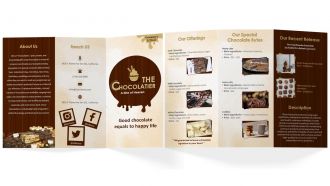
Chocolate Brochure is the perfect tool for businesses looking to expand their advertising efforts. This comprehensive brochure is designed to showcase top-quality chocolate products in a sleek and modern design thats sure to catch your eye. Our interactive pages allow for easy navigation, allowing you to explore our wide range of delicious chocolates, from dark to milk, with different flavors and textures. Our Chocolate Brochure summarizes the critical details about our company and highlights our commitment to using only the finest ingredients to create irresistible chocolate treats. Whether attending a trade show or handing out brochures to potential customers, the Chocolate Brochure is the perfect tool to help you make a lasting impression. Get yours today and start expanding your brands reach.
People who downloaded this PowerPoint presentation also viewed the following :
Chocolate Brochure Trifold with all 1 slides:
Use our Chocolate Brochure Trifold to effectively help you save your valuable time. They are readymade to fit into any presentation structure.
FAQs for
So dark chocolate is actually way better for you! It's loaded with these things called flavonoids that help your blood pressure and heart stuff. Milk chocolate? Honestly it's just sugar and dairy that cancels out the good parts. You want at least 70% cocoa to get any real benefits. Higher percentage = more antioxidants. Oh and apparently it might help your brain function too - though let's be real, I was gonna eat it anyway lol. Your heart will definitely thank you for switching over.
Dude, it's all about where the beans come from! Madagascar chocolate tastes super fruity and bright, while Venezuelan stuff is way earthier and complex. Think wine regions but for chocolate. The actual bean type matters too - Criollo beans are like the fancy delicate ones, Forastero are more bitter and sturdy. Ecuador has these Nacional beans that taste weirdly floral (in a good way though). Honestly, just grab a few bars from different countries next time you're at the store. Try them side by side and you'll totally taste the difference. It's pretty wild how much geography affects flavor.
Honestly, chocolate farms can be pretty amazing when they're done right. The best ones use agroforestry - basically growing cacao trees with other plants and native species mixed in. Creates these cool forest ecosystems that are great for wildlife and soil health. Plus carbon sequestration, which is nice I guess. But yeah, tons of plantations still just clear-cut everything because it's easier. If you're buying for work, look for Rainforest Alliance certified stuff or direct trade partnerships. Those labels usually mean the farmers aren't just bulldozing forests. Makes a real difference.
Oh man, chocolate making is wild - it went from people literally grinding cacao beans by hand for hours (my wrists hurt just thinking about it) to these crazy precise machines. Now they've got conching equipment that mixes chocolate for literal days to get it super smooth. The science behind it is actually fascinating - like how they figured out the exact temperatures for tempering so your chocolate bar makes that perfect snap sound. I went to this local chocolatier last month and the owner was so excited to show me around. You should totally find one near you if you're into this stuff!
So basically couverture chocolate has way more cocoa butter (like 32%+) which makes it awesome for tempering and coating stuff - melts super smooth and gives you that perfect snap when it hardens. Baking chocolate? That's usually unsweetened or semi-sweet with less cocoa butter so it won't go all funky in your recipes. Then eating chocolate is just balanced for munching on directly. Oh, and seriously don't swap eating chocolate for baking chocolate in recipes - learned that the hard way once. The sugar levels are totally different and you'll mess up whatever you're making.
Okay so basically when you temper chocolate right, it gets that perfect snap and shiny finish. The whole thing is about getting the cocoa butter crystals to line up properly - otherwise you'll end up with sad, dull chocolate that gets white bloom on it (ugh). Heat and cool it in the right order and those fat crystals align as they set, which is what gives you that glossy look. Yeah it takes like 15 extra minutes, but honestly? Your chocolates will look so much more legit. Worth it if you're trying to impress someone or just want them to actually look good.
So vegan chocolate basically swaps dairy milk for plant stuff - oat, almond, coconut milk, whatever. They use coconut oil instead of milk fat too. The cocoa solids, cocoa butter, and sugar? Same as regular chocolate. Texture's a tiny bit different - not quite as creamy - but honestly I can barely tell anymore. Some brands are getting ridiculously good at it. Oh, and they usually toss in lecithin to help everything bind together. Pro tip: go for higher cocoa percentages. They taste way richer in the vegan versions.
Dude, chocolate festivals are massive money-makers for towns. Tourism goes crazy, hotels fill up, local restaurants do special chocolate menus. Even random shops that don't sell chocolate get busier just from all the people wandering around. It's honestly genius marketing when you think about it. Plus they're actually preserving old chocolate-making traditions and teaching people about cacao history, which is cool. My cousin went to one in Vermont last year and said the local vendors had way better stuff than the big booths. Definitely bring cash and don't eat beforehand - you'll want to try everything.
Honestly, consumer trends are running the whole chocolate game right now. People want healthier stuff? Boom - dark chocolate and organic everything. Plant-based movement hits? Suddenly oat milk chocolate is in every store. Social media's crazy powerful too. Remember those Dubai chocolate bars that went viral? Companies literally scrambled to make their own stuffed versions - kinda wild how fast that happened. Millennials basically created the whole artisanal chocolate thing because they wanted pretty treats for Instagram. Smart move, really. If you're trying to predict what's next, just watch wellness and sustainability trends. That's where the innovation's headed.
Ugh, chocolate production is honestly pretty rough on the planet. Deforestation's the worst part - cocoa farms have wiped out huge sections of rainforest in West Africa. Plus it takes like 1,700 liters of water just to make 100 grams of chocolate, which is insane when you think about it. Then there's pesticide runoff messing up waterways and all that global shipping. The packaging waste is annoying too, but that's kinda minor compared to everything else. If you're buying chocolate, try to find stuff with Rainforest Alliance or Fair Trade labels - they're not perfect but definitely better than regular brands.
Dude, chocolate culture is wild when you travel! Belgium's praline game is no joke - people literally fight over which chocolatier is superior. Switzerland does that smooth milk chocolate thing plus fondue everywhere. Mexico keeps it real with ancient spicy hot chocolate and mole. France acts like chocolate is fine wine with fancy tastings (honestly pretty pretentious but whatever). Italy makes hot chocolate so thick it's basically pudding. Pro tip: look up local chocolate stuff before you go. Makes great small talk with clients or just helps you not look like a total tourist!
So there's a few ways chocolatiers get those crazy flavors in there. They can infuse stuff directly into the cocoa butter or cream. Or they'll blend dried ingredients - like spices or those freeze-dried fruits - right into the chocolate itself. Ganaches and fillings are another route. Some do alcohol infusions too (those are honestly the best). Temperature's super important though - you can't mess with the chocolate's temper or it'll look all weird and chalky. Oh and timing matters too, like when exactly they add the flavoring during the whole process.
Okay so this might sound weird but dark chocolate is actually amazing in savory stuff! I was totally skeptical too until I tried it. Think of it like wine or herbs - it adds this deep, complex flavor without making things sweet. Cocoa powder in steak rubs is incredible, seriously. You can also grate some into chili, stews, or even pasta sauce. Mole sauce obviously uses it but don't stop there. Start with like a tablespoon of cocoa powder or maybe an ounce of 70%+ chocolate per serving. The bitterness balances out rich flavors perfectly. Just don't go overboard at first!
Oh totally! Dark chocolate actually triggers your brain to pump out endorphins and serotonin - those natural happy chemicals. It's got these compounds like phenylethylamine that genuinely mess with your brain chemistry in a good way. The magnesium helps chill you out too. Honestly, I think half the magic is just taking that moment to savor something you love - there's something weirdly therapeutic about that ritual. My sister swears by keeping good quality dark chocolate around for rough days, and honestly? She might be onto something. It's not just comfort eating, there's real science behind it.
So fair trade certification means cocoa farmers get paid better and don't work in crappy conditions. You'll pay more for the chocolate, but farmers get minimum prices plus extra money for community stuff like schools. It also bans child labor and pushes sustainable farming - which honestly should be standard everywhere but whatever. Companies have to stick with the same farming cooperatives long-term instead of just chasing the cheapest beans. Look for that little logo next time you're buying chocolate. Makes a real difference for these families.
-
“The presentation template I got from you was a very useful one.My presentation went very well and the comments were positive.Thank you for the support. Kudos to the team!”
-
Best way of representation of the topic.