


Coffee Industry Market Analysis And Customer Segmentation Powerpoint PPT Template Bundles BP MD




Try Before you Buy Download Free Sample Product
 Impress Your
 Audience
 100%
100% Editable
 Save Hours
 of Time


Our Coffee Industry Market Analysis And Customer Segmentation Powerpoint PPT Template Bundles BP MD are topically designed to provide an attractive backdrop to any subject. Use them to look like a presentation pro.
People who downloaded this PowerPoint presentation also viewed the following :
Content of this Powerpoint Presentation
Slide 1: This slide introduces Coffee Industry Market Analysis and Customer Segmentation. State your company name and begin.
Slide 2: This slide shows Table of Content for the presentation.
Slide 3: The slide represents the market gap in the coffee industry.
Slide 4: This slide showcases Assessing market opportunities in the industry.
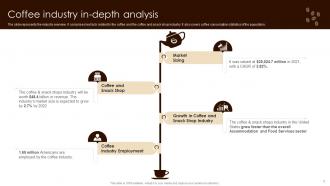
Slide 5: This slide shows Coffee industry in-depth analysis.
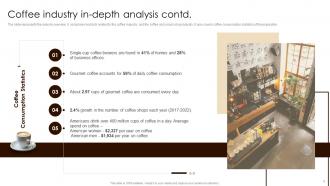
Slide 6: This slide presents Coffee industry in-depth analysis.
Slide 7: This slide displays Coffee-to-go industry statistics.
Slide 8: This slide represents Countries most addicted to coffee statistics.
Slide 9: This slide showcases Global specialty coffee market statistics.
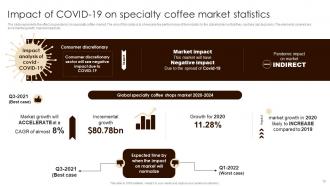
Slide 10: This slide shows Impact of COVID-19 on specialty coffee market statistics.
Slide 11: This slide presents Key market trends in the industry.
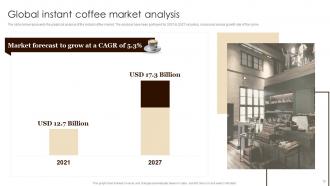
Slide 12: This slide displays Global instant coffee market analysis.
Slide 13: This is a Thank You slide with address, contact numbers and email address.
Coffee Industry Market Analysis And Customer Segmentation Powerpoint PPT Template Bundles BP MD with all 18 slides:
Use our Coffee Industry Market Analysis And Customer Segmentation Powerpoint PPT Template Bundles BP MD to effectively help you save your valuable time. They are readymade to fit into any presentation structure.












FAQs for Coffee Industry Market Analysis And Customer Segmentation Powerpoint PPT Template
Honestly, sustainability's the big one right now - people actually care where their coffee comes from and how it's made. Third-wave coffee is still killing it too. Everyone wants those fancy single-origin beans with the whole story behind them. Tech's everywhere now, from those crazy precise brewing gadgets to ordering through apps. And don't get me started on oat milk - that stuff literally took over overnight. I swear every café has like six milk alternatives now. If you're thinking business-wise, focus on the premium sustainable angle. That's where people are putting their money.
Dude, coffee farming is getting absolutely wrecked by climate change. Higher temps are forcing growers up mountains where there's way less land to work with. Rain patterns have gone completely haywire too, which stresses the hell out of the plants. Coffee's ridiculously picky about temperature, so yields are dropping and quality's taking a hit. Pests love the warmer weather - just makes everything messier. If you're buying beans, maybe start connecting with farms doing adaptation stuff? Or spread your sourcing around geographically. Honestly feels like we're watching an industry scramble in real time.
Look, sustainable coffee is huge right now and for good reason. Farmers are using shade-grown methods and water conservation to stay afloat - plus fair trade actually pays them decent wages. Climate change is absolutely destroying traditional coffee regions, so these practices help farms survive. Most people want their coffee guilt-free anyway, which makes sense. Certifications like Fair Trade, Rainforest Alliance, or organic are solid bets if you're buying for your business. They show the whole supply chain is legit. Honestly, it's just smart business at this point - customers care about this stuff more than ever.
So basically people's coffee habits change with their wallet and age. More money? You'll probably start caring about fancy beans. College kids usually drink whatever's cheap, then get pickier as they get older - though my dad's been drinking Folgers for 30 years and isn't changing anytime soon. Economic stress sends everyone back to the grocery store brands fast. Income trends in your area matter way more than you'd think. Also watch what competitors are charging because people will switch brands over like 50 cents when times get tight.
Look, it's honestly pretty rough out there for coffee farmers. Market prices are all over the place and barely cover what it costs to grow the stuff. Climate change keeps messing with their crops - droughts one year, too much rain the next. Most can't afford decent equipment or get loans either. The whole aging farmer thing is real too. Young people are bailing for cities, which... I mean, makes sense when farming pays so little. Then you've got diseases wiping out plants left and right. If you're buying coffee, try finding brands that do direct trade or those certification programs. At least farmers get paid better that way.
Coffee farming is getting wild with tech right now. Drones monitor soil moisture and catch diseases early - way cooler than I expected when I first heard about it. Processing got way smarter too. Those automated sorting machines spot bad beans better than people can, plus controlled fermentation creates consistent flavors. Some farms even use AI to predict perfect harvest timing, which still feels futuristic to me. When you're talking to suppliers, definitely ask what tech they're using. It's honestly one of the best ways to gauge their quality control game.
So fair trade basically adds like 20+ cents per pound that goes straight to the farming co-ops. The cool thing is farmers get guaranteed minimum prices even when the market totally tanks - which happens annoyingly often with coffee. Small farming communities see the biggest difference since that extra cash funds schools, healthcare, better equipment. Oh and they have to follow sustainable practices plus no child labor obviously. When you're buying coffee, look for Fair Trade USA or Fairtrade International logos. Otherwise you might just be paying extra for fancy marketing instead of actually helping farmers.
Oh man, brewing methods totally change everything! French press lets grounds sit forever so you get that heavy, rich taste. Pour-over is the opposite - water shoots through fast and you end up with something way cleaner and brighter. Then there's espresso which is just insane pressure creating this super concentrated flavor bomb. Most people honestly just go with whatever's easiest (aka their trusty drip machine), but some get really picky about taste. Here's what'll blow your mind though - brew the same exact beans three different ways and they taste like completely different coffees. That's why coffee people are so weird about their methods!
So coffee waste is actually a huge problem - when producers dump all that pulp and dirty water into rivers, it basically suffocates everything and ruins drinking water too. Decomposing grounds in landfills pump out methane, which honestly sucks way more for the climate than regular CO2. The crazy part though? Most of this "waste" could become compost, biofuel, even construction materials if people weren't so lazy about it. I'd definitely bug any producers you work with to start thinking circular - like, your waste should feed into someone else's process instead of just... existing.
Yeah, subscriptions are totally shaking things up. Roasters can skip the grocery stores completely and go straight to customers - better profits for them, fresher beans for us. Smart move, honestly. Grocery stores and cafes are scrambling to keep up. Some launched their own subscriptions, others are doubling down on the whole "experience" thing - tastings, coffee classes, whatever you can't get sitting at home. I mean, makes sense right? If you're stuck with a physical store, you've gotta offer something special beyond just bags of coffee on a shelf.
Okay so basically every good coffee brand has some story - fair trade beans, local roasting, whatever. Starbucks nailed this whole thing first, but smaller shops beat them by going super local or finding a weird niche. The trick is making it feel like a lifestyle thing, not just "here's your caffeine fix." People want coffee to be part of their identity, you know? Seasonal drinks, fancy packaging, good vibes in the store. Honestly the barista training matters more than people think. Pick your angle and stick with it everywhere - logo, staff, the whole deal. Consistency's everything.
Oh totally! TikTok and Instagram basically run the coffee world now. One viral video of some aesthetic latte art and boom - every shop's slammed with people wanting that exact drink. Remember when dalgona coffee was everywhere? That was insane. Coffee shops are glued to these apps because they know trends move lightning fast. Honestly, traditional advertising feels pretty dead compared to influencers - people trust some random coffee blogger way more than ads. I'd definitely watch what's blowing up if you want to predict what customers will ask for next. It's kinda crazy how much power these platforms have over what we drink.
So basically it's about knowing where your coffee actually came from - like which farm, region, whatever. Ethiopian beans taste totally different from Colombian ones, so location matters a ton. The traceability part lets you see if farmers got paid fairly and used good practices. Tbh it's kind of become this trendy marketing thing, but I still think it's worth caring about. When roasters actually tell you the specific farms they buy from, you're usually getting better quality stuff and supporting decent business practices. Way better than just buying random grocery store coffee.
Coffee creates a surprising number of jobs locally - farm workers, processors, baristas, roasters. One little bean supports tons of people, which is kinda wild when you think about it. Coffee shops also become these natural gathering spots that bring foot traffic to other businesses nearby. Companies often try to source locally too, so money stays in the community instead of disappearing to corporate headquarters somewhere. My advice? Skip the big chains when you can and hit up independent roasters or cafes. Your money will actually stick around and help real people in your area.
Honestly, the coffee packaging game is pretty wild right now. Brands are finally moving away from those plastic-lined bags toward compostable stuff made from plant-based films. QR codes are everywhere now - they link to origin stories and some even have freshness indicators that change color as beans age. Smart packaging is having a moment, I guess. Smaller batch sizes and resealable pouches are huge too since nobody wants stale coffee. When you're talking to suppliers, definitely ask about their eco-friendly options. That's where everything's headed anyway.
-
I am glad to have come across Slideteam. I was searching for some unique presentations and templates for my business. There are a lot of alternatives available here.
-
Templates are beautiful and easy to use. An amateur can also create a presentation using these slides. It is amazing.