


Concept Proposal Powerpoint Presentation Slides





Try Before you Buy Download Free Sample Product
 Impress Your
 Audience
 100%
100% Editable
 Save Hours
 of Time


Our Concept Proposal Powerpoint Presentation Slides are topically designed to provide an attractive backdrop to any subject. Use them to look like a presentation pro.
People who downloaded this PowerPoint presentation also viewed the following :
Concept Proposal Powerpoint Presentation Slides with all 36 slides:
Use our Concept Proposal Powerpoint Presentation Slides to effectively help you save your valuable time. They are readymade to fit into any presentation structure.
-
Concept Proposal
-
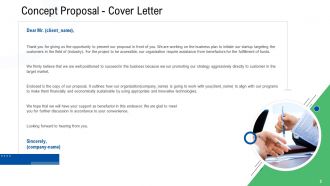
Concept Proposal Cover Letter
-
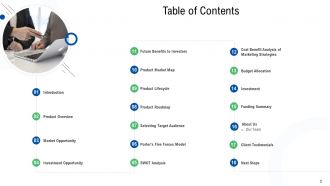
Table of Contents
-

Concept Proposal Introduction for Idea Proposal
-
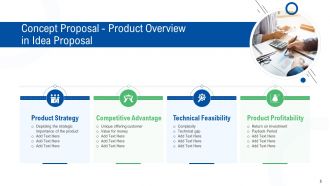
Concept Proposal Product Overview in Idea Proposal
-
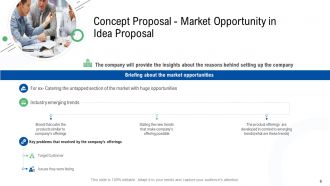
Concept Proposal Market Opportunity in Idea Proposal
-
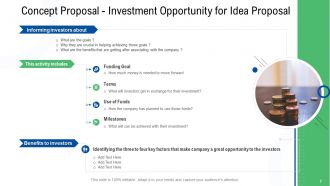
Concept Proposal Investment Opportunity for Idea Proposal
-
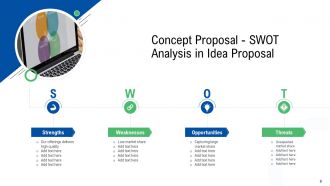
Concept Proposal SWOT Analysis in Idea Proposal
-
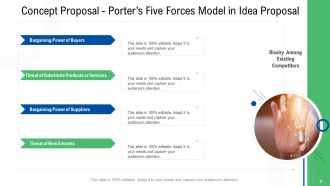
Concept Proposal Porter s Five Forces Model in Idea Proposal
-
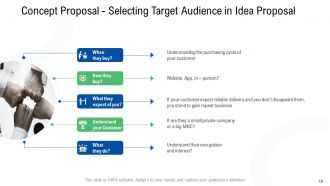
Concept Proposal Selecting Target Audience in Idea Proposal
-
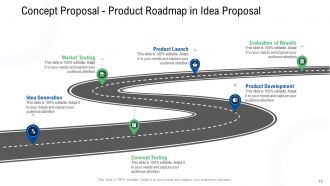
Concept Proposal Product Roadmap in Idea Proposal
-
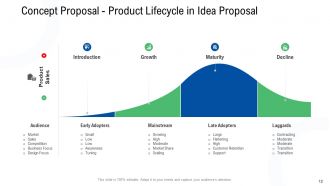
Concept Proposal Product Lifecycle in Idea Proposal
-
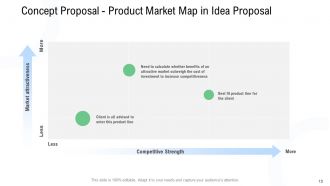
Concept Proposal Product Market Map in Idea Proposal
-
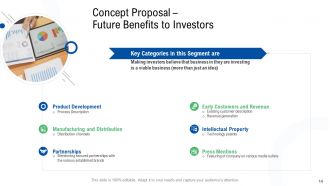
Concept Proposal Future Benefits to Investors
-
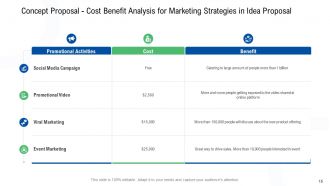
Concept Proposal Cost Benefit Analysis for Marketing Strategies in Idea Proposal
-
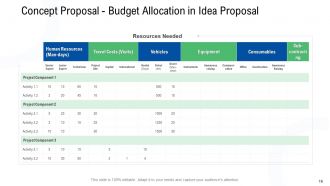
Concept Proposal Budget Allocation in Idea Proposal
-
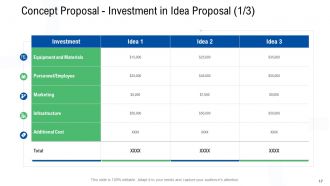
Concept Proposal Investment in Idea Proposal 1 3
-
Concept Proposal Investment in Idea Proposal 2 3
-
Concept Proposal Investment in Idea Proposal 3 3
-
Concept Proposal Funding Summary for Idea Proposal
-
Concept Proposal Our Team 1 2
-
Concept Proposal Our Team 2 2
-
Concept Proposal Client Testimonials 1 2
-
Concept Proposal Client Testimonials 2 2
-

Concept Proposal Next Steps
-
Concept Proposal Icons Slide
-
Additional Slides
-
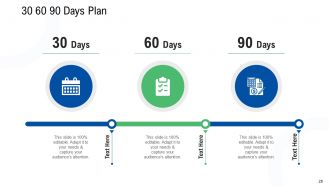
Concept Proposal
-
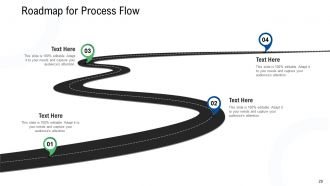
Roadmap for Process Flow
-

Weekly Timeline With Task Name
-

Our Meet Team
-
Post it Notes
-
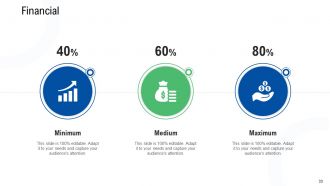
Financial
-
Timeline
-
Circular Diagram
-
Thank You For Watching
FAQs for Concept Proposal
Okay so five things you gotta hit: problem statement, your solution, who it's for, what you expect to happen, and timeline. Honestly, the problem part is where most people screw up - if you can't explain why anyone should care, you're done. Make your solution specific enough that people can actually visualize it working. Then be super clear about your audience and why they'd give a damn about this. Oh, and don't forget realistic deadlines with actual measurable stuff so everyone knows what winning looks like. I've seen too many proposals die because they were too vague on the outcomes part.
Dude, visuals are everything for proposals. People zone out reading walls of text, but show them a mockup or diagram? They get it instantly. Charts work great if you've got solid data to back up your idea. Keep slides super clean though - one main visual per point, and don't cram a novel onto each slide. Practice walking through them smoothly so you're not just standing there reading everything word for word. Honestly, I've seen too many good concepts tank because the presenter just threw up dense bullet points everywhere. Prototypes are gold if you can swing it - nothing beats showing exactly how something would actually work.
Honestly, just sprinkle market research throughout your whole proposal instead of cramming it all in one section. Customer surveys and focus groups nail down demand - boom, that's your "why now" moment. Competitor analysis shows where the gaps are. Market sizing proves revenue potential, and pricing research backs up your numbers. I swear stakeholders love seeing you've actually done the legwork. The trick is weaving insights naturally into each part rather than creating some boring research dump at the end. Oh, and definitely lead with whatever research supports your biggest assumptions first.
So basically you gotta talk to each group in their own language, you know? Execs want ROI numbers and timelines - that's their jam. Tech people need the nitty-gritty implementation stuff. Marketing gets excited about user impact and beating competitors. Finance? Show them the budget breakdown and actual measurable results. Don't change your core idea though - just flip how you present it. I'd make different one-pagers for each team that hit their specific hot buttons. Same proposal, different angles. It's kinda like translating the same story into different languages, if that makes sense.
So here's the thing - tight budgets actually make you way more creative with proposals. Put your best, most doable ideas right up front. Don't hide the money stuff in some boring appendix at the end (I've seen too many great concepts die that way). Weave costs into your actual content as you go. Be brutal about what's realistic - there's nothing worse than getting everyone excited about something that costs double their budget. Focus on your strongest ideas that actually fit their range and build everything around that. Way better strategy than overshooting and disappointing everyone later.
Honestly, storytelling is what separates proposals that get funded from ones that don't. Nobody wants to read bullet points about abstract concepts. Instead, paint them a picture - start with a real problem someone's actually facing, then show how your idea solves it. I've watched brilliant concepts get rejected because they felt too theoretical. Create a mini-story arc: problem, solution, what winning looks like. Use a specific user scenario or something concrete that makes people go "oh yeah, I get it now." That's how you make stakeholders actually care about your idea.
Figure out what actually tanked those old proposals first. Budget issues? Timing was off? Maybe the value wasn't clear enough to stakeholders. I keep what I call a "failure folder" (sounds weird but trust me on this). Look for patterns across multiple failures, not just one bad experience. Then build your new proposal around fixing those exact weak spots. Short sentences work. Address the common failure points upfront in your messaging and structure. Honestly, failed proposals are basically free market research if you think about it. Don't just forget them - mine them for intel you can actually use this time.
Start with your main idea right up front - don't make people hunt for it. Break things up with clear sections: problem, solution, impact, what's next. Honestly, visuals are everything here. Bullets, charts, mockups - anything beats those massive text blocks that make people's eyes glaze over. Your value prop needs to hit within 30 seconds or you've lost them. Oh, and definitely end with specific asks and deadlines. People need to know exactly what you want from them and when. The whole thing should be scannable but still grab their attention.
Dude, templates are a lifesaver. No more staring at that terrifying blank document wondering where to start. All the important stuff is already mapped out - your problem, solution, timeline, budget, whatever. Then you just fill in your actual ideas instead of sweating over format. I swear, I've watched brilliant projects get shot down because someone couldn't organize their thoughts properly. It's honestly painful to see. Oh, and you won't accidentally forget something crucial that your boss expects to find. Just snag a template from whoever crushed their last proposal in your department and tweak it for your thing.
Oh man, the worst thing you can do is be super vague about your actual solution. Like, give me specifics! Not just "we solve X problem." Also everyone and their mom claims it's a billion dollar market - so annoying. Be upfront about the risks too instead of hoping nobody asks. What sets you apart from competitors? Say it clearly without all that startup BS language. Timeline should be realistic (not "we'll dominate in 6 months" lol). And don't forget to actually specify what resources you need. Reviewers aren't mind readers.
Get multiple people to review it at different stages. First, have trusted colleagues who know your stuff give informal feedback - they'll spot obvious issues fast. Then bring in technical experts, followed by actual users if you can. I always do this "devil's advocate" thing where someone just tears it apart (sounds harsh but it works). Give yourself real time between reviews to make changes, not just collect comments. Oh and create a simple template so reviewers know what to focus on. The hardest part? Actually being open to criticism instead of getting defensive.
Track engagement during your pitch - how many questions you get, the vibe in the room, basic feedback scores. After that, watch for follow-up meetings or whether they actually allocate resources. Budget approvals are obviously huge. But honestly? The real test is if people keep bringing it up weeks later - that's when you know it landed. Set up a simple spreadsheet beforehand (I always forget this part) to track approval rates and stakeholder reactions. Some proposals just have that stickiness factor, you know?
Here's what I'd do - pick one thing that's genuinely different about your approach and build everything around that. Got any prototypes or mockups? Show those first. Visuals work way better than just talking about ideas (learned this the hard way). Honestly, most people just dump buzzwords everywhere without proving anything actually works. Don't be that person. Draw diagrams if you need to. Make it super clear what problem you're solving and why your way is better than what's already out there. Hard evidence beats fancy talk every time.
Do your homework on their culture first - how they communicate, what they value in business, all that stuff. Some places want you to cut straight to the point, others expect you to build relationships first. I bombed a presentation in Tokyo once because I totally missed this! Your main idea stays the same, but everything else needs to shift. Language, examples, even colors and meeting style. Find someone local who can look over your draft beforehand - saves you from looking like an idiot later. Trust me on this one.
Honestly, start with IP protection - that's huge. Get NDAs signed before you tell anyone anything (seriously, don't skip this step). Check if you have non-compete stuff with your current job too, because that can mess you up later. I'd also consider filing a provisional patent if it makes sense for your idea. Document everything with timestamps - emails, sketches, notes from conversations. Creates proof of when you came up with what. The paper trail thing might seem boring but it's saved people's asses before. Basically protect yourself legally first, then start talking to partners and investors.
-
Very unique, user-friendly presentation interface.
-
Much better than the original! Thanks for the quick turnaround.
-
The content is very helpful from business point of view.
-
Much better than the original! Thanks for the quick turnaround.
-
Editable templates with innovative design and color combination.
-
Graphics are very appealing to eyes.
-
Very well designed and informative templates.
-
Excellent products for quick understanding.
-
Content of slide is easy to understand and edit.
-
Appreciate the research and its presentable format.