


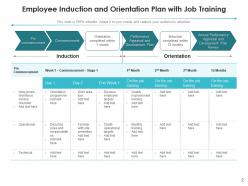
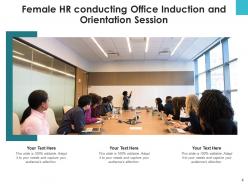
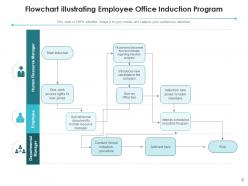
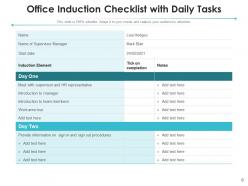
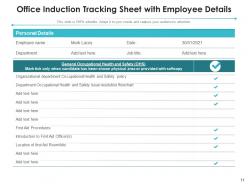
Office Induction Employee Orientation Induction Organizational Department Services





Try Before you Buy Download Free Sample Product
 Impress Your
 Audience
 100%
100% Editable
 Save Hours
 of Time


Our Office Induction Employee Orientation Induction Organizational Department Services are topically designed to provide an attractive backdrop to any subject. Use them to look like a presentation pro.
People who downloaded this PowerPoint presentation also viewed the following :
Office Induction Employee Orientation Induction Organizational Department Services with all 12 slides:
Use our Office Induction Employee Orientation Induction Organizational Department Services to effectively help you save your valuable time. They are readymade to fit into any presentation structure.


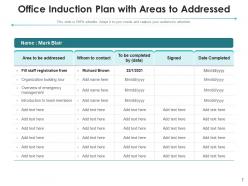
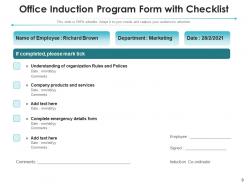
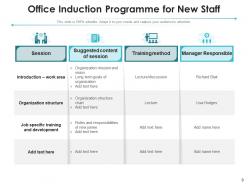
FAQs for Office Induction Employee Orientation Induction
Honestly, start with the boring stuff - IT setup, paperwork, workspace tour. But the real magic happens with the people side. Get them introduced to their team, maybe grab lunch together (seriously, food fixes everything when you're nervous). Assign someone as their go-to buddy for random questions. Cover your company values early so they get the vibe. Oh, and definitely make a checklist because those first weeks get chaotic fast and you'll forget something important. The whole point is making them feel welcome without drowning them in information overload.
Honestly, just tailor everything to what people actually need for their specific jobs. Senior hires? Skip the boring company history slideshow - they want to know strategy and who they'll be working with. New grads need the opposite though, like all the foundational stuff about how things work here. I've watched companies make engineers sit through hours of sales presentations when they literally just needed their computers set up, which is insane. Customer-facing people obviously need way more product training. Map out what each role type actually has to know and build from there instead of using the same cookie-cutter approach for everyone.
Honestly, culture is everything when you're bringing new people in. It's not just about the job tasks - they need to get how things actually work there, you know? The real communication style, unwritten rules, all that behind-the-scenes stuff. Skip the boring PowerPoint presentations about company values. Instead, share actual stories and examples that show what your culture looks like day-to-day. This helps people figure out if they'll fit in and how to read the room. Weave it into everything - office tours, meeting the team, whatever. Makes such a difference in how smoothly they settle in.
Honestly, digital onboarding platforms are a game changer - new hires can knock out forms and watch training videos before day one. Way better than drowning them in paperwork! Interactive stuff like virtual office tours and gamified modules actually keep people awake (shocking, I know). I'd definitely set up automated check-ins so nothing gets forgotten. Oh, and progress tracking is clutch. The trick is picking tools that make human connections stronger, not replace them completely. Nobody wants to feel like they're just clicking through some soulless system.
Look at time-to-productivity first - basically how fast new people actually get good at their jobs. Retention rates matter too, especially in those brutal first 90 days. Survey scores from new hires are gold because they'll tell you straight up what was garbage. Manager feedback helps since they see if people are ready or still clueless. Oh, and completion rates for training modules - some stuff might be boring everyone to death. Knowledge tests work if you don't make them too intense. Set benchmarks so you're not just guessing if things got better.
Oh totally, you need their feedback! New people see all the weird stuff we just accept as normal. They'll call out when something's confusing or missing - like we forget they don't know where the bathroom is, you know? I'd do check-ins at week 1, month 1, and 3 months while it's still fresh in their minds. Honestly, we always think our process makes perfect sense until someone new goes "wait, what?" Their perspective is gold for fixing your onboarding materials. Don't let those insights slip away.
Definitely give them a clear agenda upfront so they're not wondering what's coming next. Mix things up though - nobody wants to sit through hours of talking heads, trust me. Check in with questions like "making sense so far?" Pretty crucial to assign them a buddy too, because let's be honest, new people feel weird constantly bugging their boss. I'd spread the onboarding across their first few weeks instead of doing the whole info dump on day one. Oh, and make sure it goes both ways - let them ask questions and actually listen to their answers.
Honestly, good mentorship during onboarding is everything. I've watched so many people bail in their first month just because they felt completely lost. Pair new hires with someone who's been there at least a year - preferably doing similar work. Daily check-ins the first week, then weekly after that. Set actual goals too, like "you should know our main systems by week two." The mentor thing only works if people actually want to do it though, so don't just randomly assign it. Give them basic training on how to mentor. Trust me, your turnover will drop big time.
Honestly, most places just dump everything on people day one - total info overload. Plus different managers do completely different things, so it's like a lottery whether you get decent onboarding or not. I'd spread the important stuff over a few weeks instead. Day one should be chill, just the basics. Give everyone the same checklist so it's fair. Oh, and definitely pair them with someone who isn't their boss - someone cool who remembers what it's like being new and won't judge the dumb questions. Nobody wants to feel like cattle going through some corporate machine, you know?
Look, when you actually include everyone in your onboarding, people feel like they belong right away. Different communication styles, backgrounds, whatever - acknowledge that stuff matters. Your retention will be so much better because nobody's struggling to figure out basic expectations alone. Short sentences work. Then you get those longer ones that actually flow naturally when people feel safe being themselves. I always tell managers to just ask new hires what they need upfront. Sounds obvious but most skip this step entirely! You'll get way more authentic contributions when your team isn't trying to code-switch constantly. Plus it builds that psychological safety everyone talks about.
Definitely get Zoom or Teams sorted first - that's obvious stuff. But honestly, async tools like Loom are game changers for recording walkthroughs they can watch later. Slack keeps the questions flowing without constant meetings. Build a knowledge base in Notion or something similar. Trust me, they'll reference it constantly. Check in way more than normal - daily the first week, then weekly after. Remote people feel lost super easily. I'd set up calls with key teammates in their first two days too. Better to overcommunicate than have them sitting there wondering what they're supposed to be doing.
Your induction program could bump retention up 25-40% if you do it right. Most people quit in those first 90 days because nobody bothered showing them the ropes properly. It's wild how companies spend all this money recruiting then just... abandon new hires at the door? You'll want to hit both the technical stuff - systems, processes, all that - plus the softer side like how your team actually works together. Don't just focus on paperwork and compliance training. Track your 6-month retention before and after you fix this. The numbers will tell the whole story.
Honestly? Most places do 1-3 days and that's probably right. Depends on how complex the job is though. You don't want to dump everything on someone day one - I've sat through those awful week-long orientations that were just endless PowerPoint slides. Brutal. For tech stuff, maybe stretch it to a week. Simpler roles? Could wrap up in a day. What works better is doing one solid first day, then breaking up the rest over their first week. Way less overwhelming that way. Oh, and make it interactive - nobody learns anything just sitting there listening to HR drone on about policies for hours.
Honestly, just bake it straight into onboarding from day one. Safety stuff, data protection, whatever regulations apply to your industry - hit the big ones that'll actually cause problems if ignored. I know it sounds boring as hell, but skipping this bites companies later. Make it somewhat interactive if you can, set clear deadlines for each piece. The real trick though? Actually track who's finishing what and bug people about overdue stuff. Automated reminders are your friend here - saves you from manually chasing everyone down. Don't let it become one of those things that just... gets forgotten about.
Look, you're literally the deciding factor here - not HR, not some fancy program. Block out actual time in your calendar for them and don't reschedule it for "urgent" emails. Have real one-on-ones, introduce them around personally, help them see how their role connects to everything else. I swear, half the new hires I've seen struggle could've been saved if their manager just checked in regularly those first couple weeks instead of being "too swamped." It's honestly not rocket science, but so many people mess this up.
-
Awesome presentation, really professional and easy to edit.
-
Excellent Designs.
-
Innovative and attractive designs.
-
Very unique, user-friendly presentation interface.
-
Awesome use of colors and designs in product templates.
-
Designs have enough space to add content.
-
Commendable slides with attractive designs. Extremely pleased with the fact that they are easy to modify. Great work!
-
Understandable and informative presentation.
-
Top Quality presentations that are easily editable.