


Company Orientation Process Powerpoint Presentation Slides






Try Before you Buy Download Free Sample Product
 Impress Your
 Audience
 100%
100% Editable
 Save Hours
 of Time


Leave an amazing first impression on your new employees and wow them with the help of professionally designed company orientation process PowerPoint presentation slides. Use our content ready complete deck to familiarize your employees about the firm's history, its beliefs and cherished values, long term goals and management structure. Present company profile, vision, and mission, company history, financial highlights, company revenue growth, locations, achievements, work policies, attendance portal, leaves and holidays, office timings, office dress code, office rules and regulations, roles and responsibilities, salary and package, targets and goals, etc using HR induction PPT visuals. This job orientation presentation deck will help new employees to understand the basic functionalities and will make them clear about the company’s policies and rules and regulations. You can use this employee editable employee orientation process PowerPoint template to welcome your new hires. Download this awesome new employee induction PPT slides to create an impressive presentation. Handle adverse influences with our Company Orientation Process Powerpoint Presentation Slides. Ensure they don't cause any ill effects.
People who downloaded this PowerPoint presentation also viewed the following :
Content of this Powerpoint Presentation
Brandon Hall Group research has found that designing strong onboarding processes help organizations retain new hires by up to 82% more, and boost productivity by 70%. During onboarding, apart from seamless operations in enrolling new joinees, getting them acquainted with your company is the real first-impression they take away with them. It will narrate the true nature of your company and how it will treat them over the course of time.
Employees also get a good idea of what they can expect from this association based on the transparency, ethics, and vision demonstrated during the program. Therefore, these company orientation processes need to be designed to perfection, and executed even better.
SlideTeam’s office induction manuals help you create your own brand as an employer. Get these templates here.
The most-common processes featuring in the orientation are:
- Welcoming the new employee
- Sharing employee handbook
- Going over company policies
- Explaining the job details
- Setting goals and action plans
- Instilling in them the overarching company goals
All of these steps must be delivered effectively and the transitions need to be smooth for the entire orientation to be a success. The best way to prepare your new hires for such smooth onboarding is to share with them a company orientation process booklet. With such booklets, employees get an idea of what is coming for them. Moreover, your onboarding team, in particular, HR and the respective departmental team will also prepare ahead for their role in smooth onboarding and the integration of the new entrants into the team.
Company employee benefits, when conveyed correctly and accurately, are the best incentives for a new employee and help them stay longer. Access the best company benefits templates here.
Our Company Orientation Process PowerPoint Presentation is all you need to prepare such a meaningful toolkit.
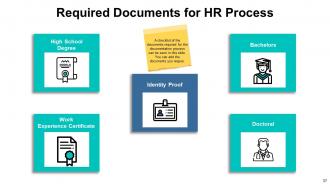
In this Company Orientation Process PowerPoint Presentation, you can highlight all steps of orientation including company introduction, job description, and employee policies. You can even disclose important documents and mention compensation of all kinds offered. With a dedicated FAQ section being the highlight of this Company Orientation Process PowerPoint Presentation, you can plan ahead to answer common questions that the newcomers could have. Without any ado, let’s check the top PPT Slides of this complete deck presentation.
Template 1: Vision and Mission
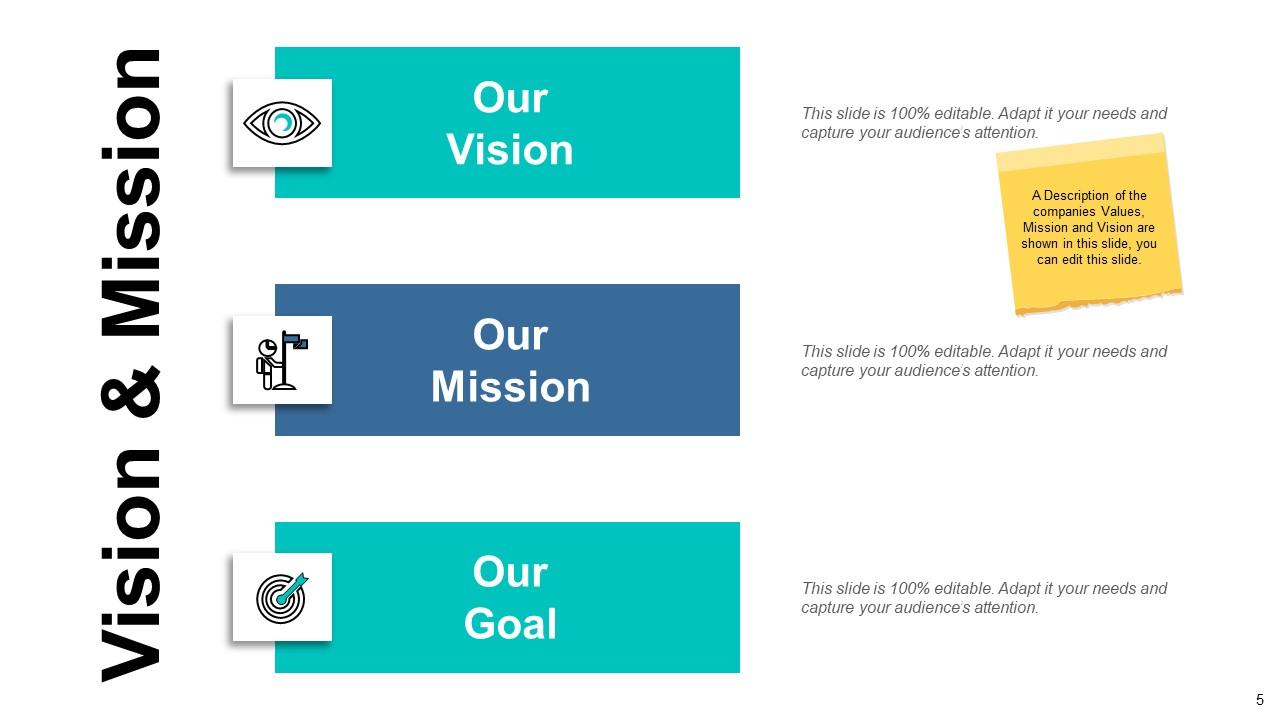
Any company orientation is incomplete without discussion of vision and mission that employees must bear in mind. With this PPT Slide, you can briefly talk about the company vision and mission statements. Having impressed these objectives and goals that are to be chased everyday in actions each employee takes, new joinees will get a picture of the ultimate direction where the company is headed.
Template 2: Our History
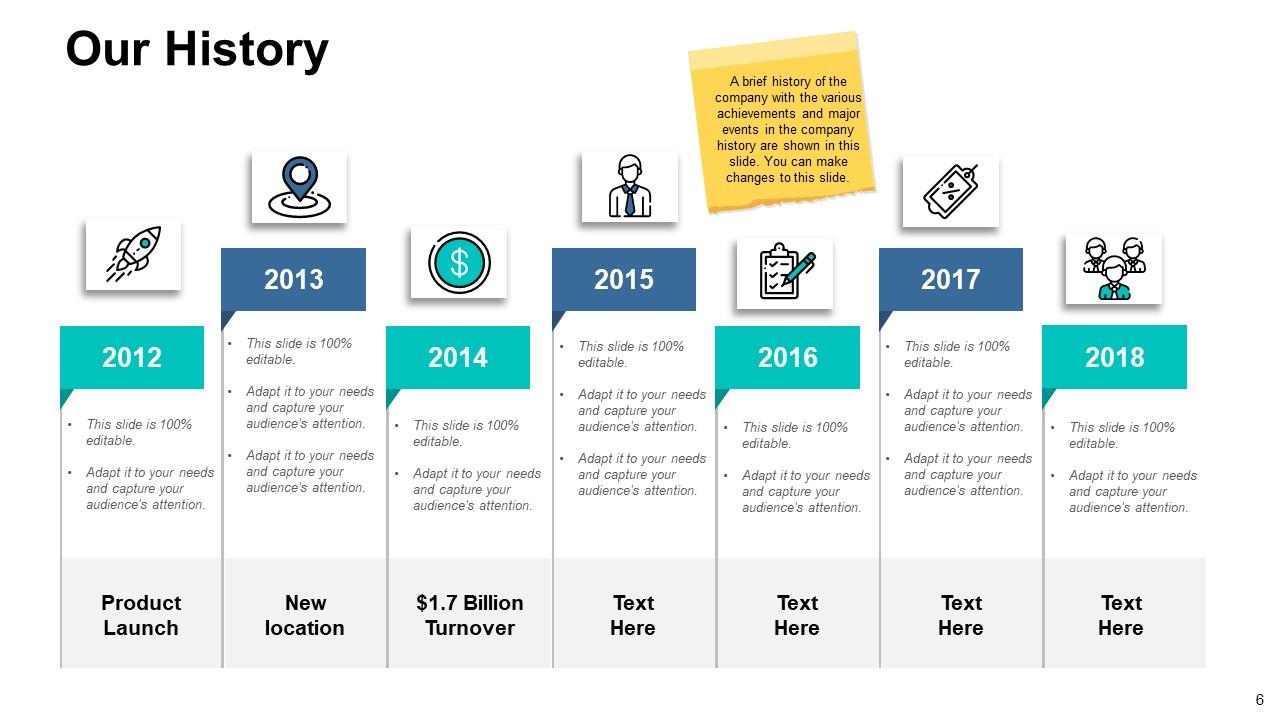
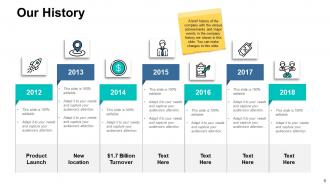
To reinforce a strong vision and mission statement, a sneak peek into the company history is needed, and this slide takes care of this aspect. Talk about your origin or the journey of your successful product launches that made you aim higher. Use a mix of icons to specify the crux of each milestone carved in this process. Sing praises of your proud history with this presentation slide.
Template 3: Company Revenue Growth

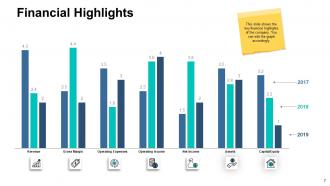
Talk about your feats with this next slide designed to be visually appealing and inspiring. These feats can be with respect to revenue collection or positions climbed to on the hierarchy ladder. Report your success over the years in staying where you are today. Inspire your new joinees to contribute to this upward graph with this presentation design.
Template 4: Attendance Portal
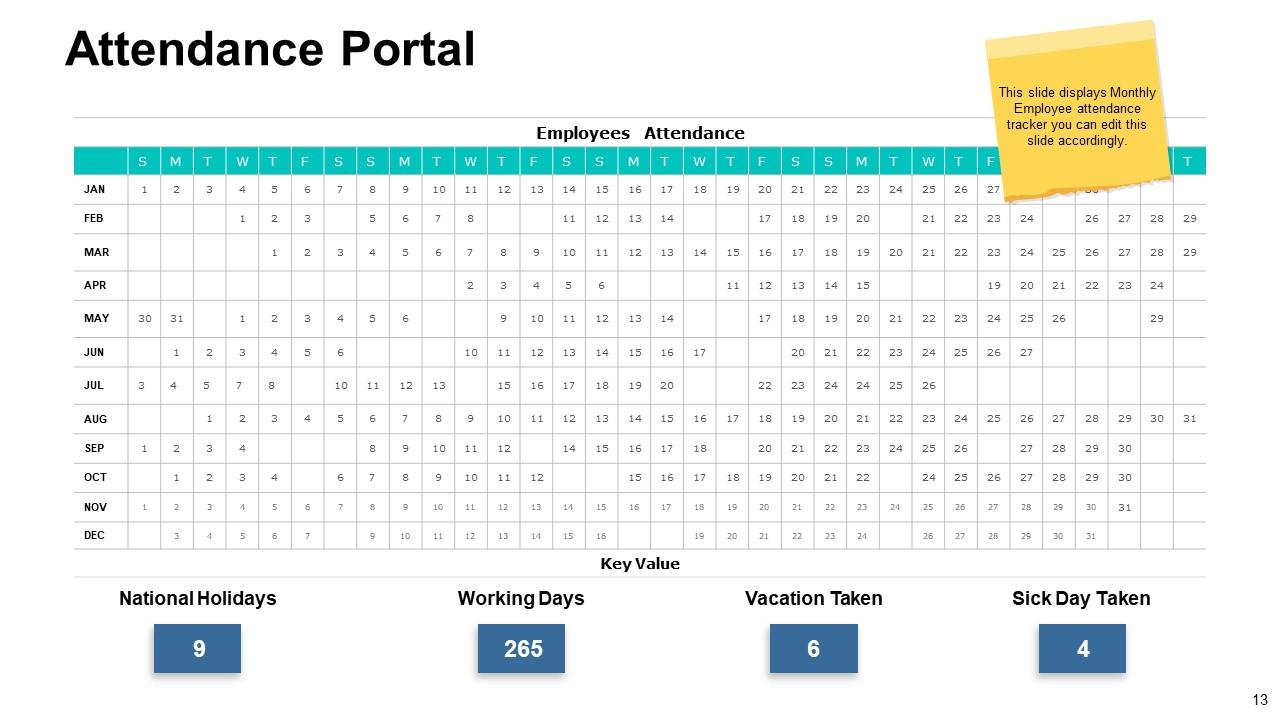
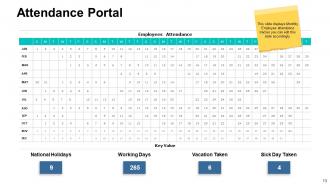
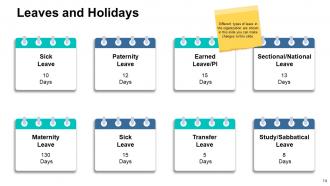
Use this PPT Template to share a snapshot of workdays, holidays, and celebrations that the company follows. You can even share a record of previous year’s attendance to show provisions of vacations, attendance of staff, and other special leaves availed by employees to show flexibility in work. Include this slide to showcase the ease of work-life balance that your company allows.
Template 5: Salary and Package
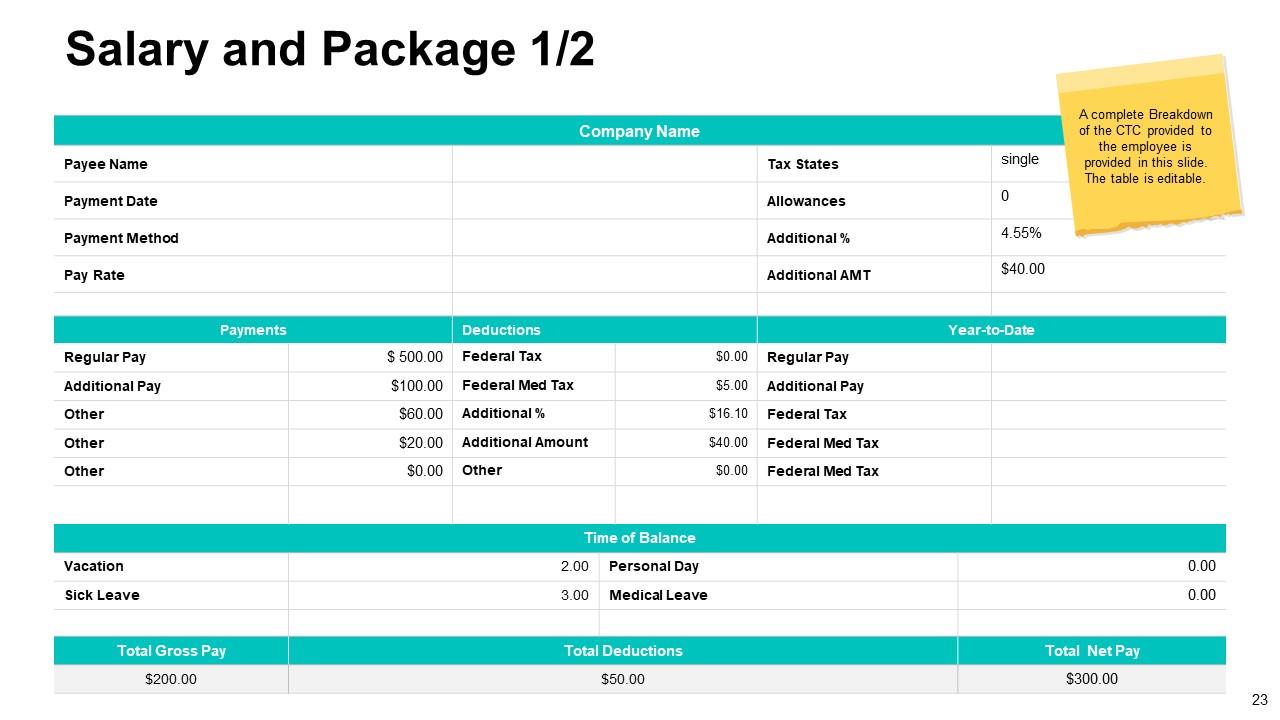
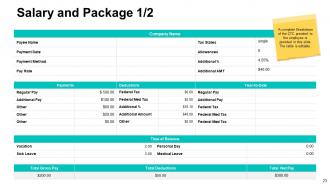
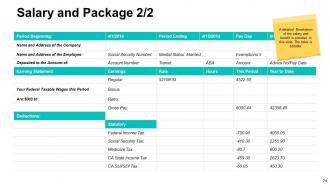
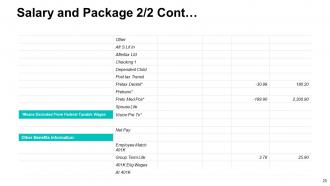
This PPT Template is of importance to both the management and the new joinees as it showcases the salary and other package details offered to each employee. Mention all deductions, increments offered on basic pay and the mode of calculating the net pay in order to ensure transparency. This PPT Slide is also great at maintaining the instantaneous record of leaves availed and in balance.
Template 6: Employee Stock Options
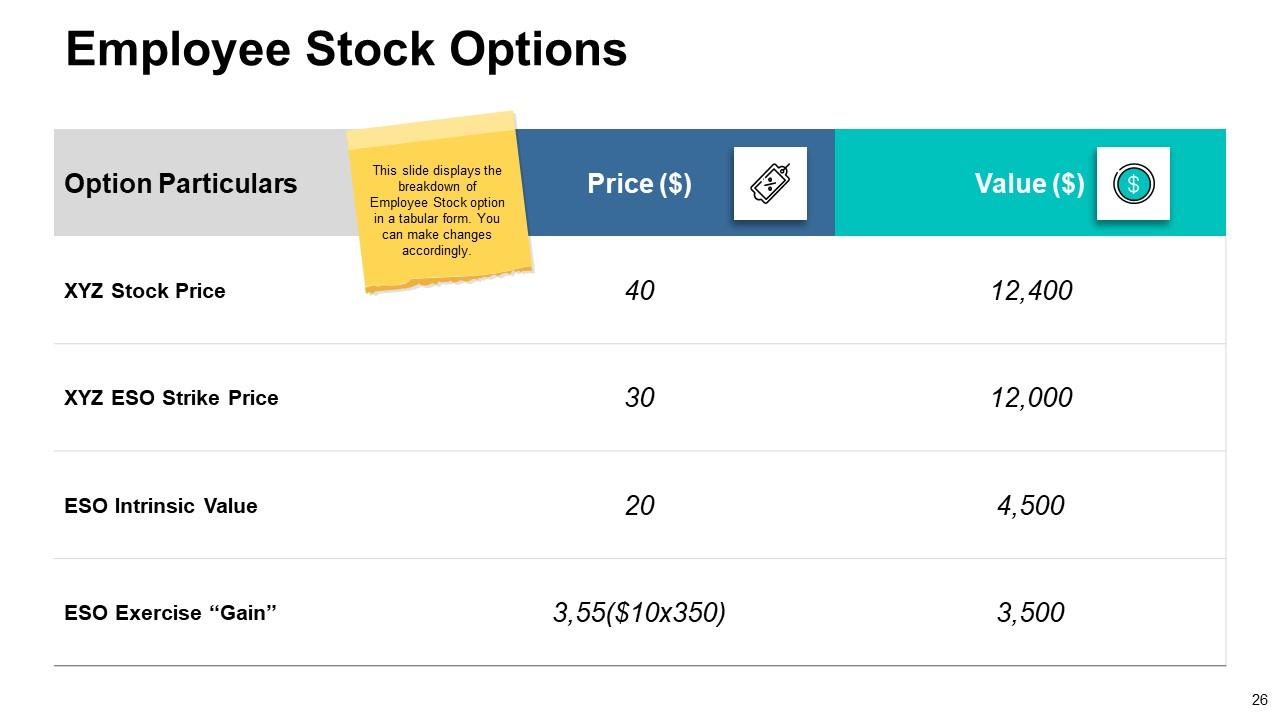
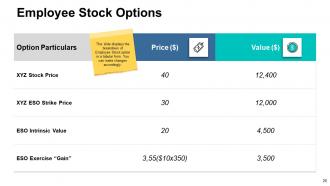
If your company has a provision for employees to invest in stocks, discuss its details in this presentation slide. Specify the types of stock available for employees to invest in and mention the amount against each. Mention the price and value as shown for employees to invest accordingly.
Template 7: Medical Insurance and Benefits
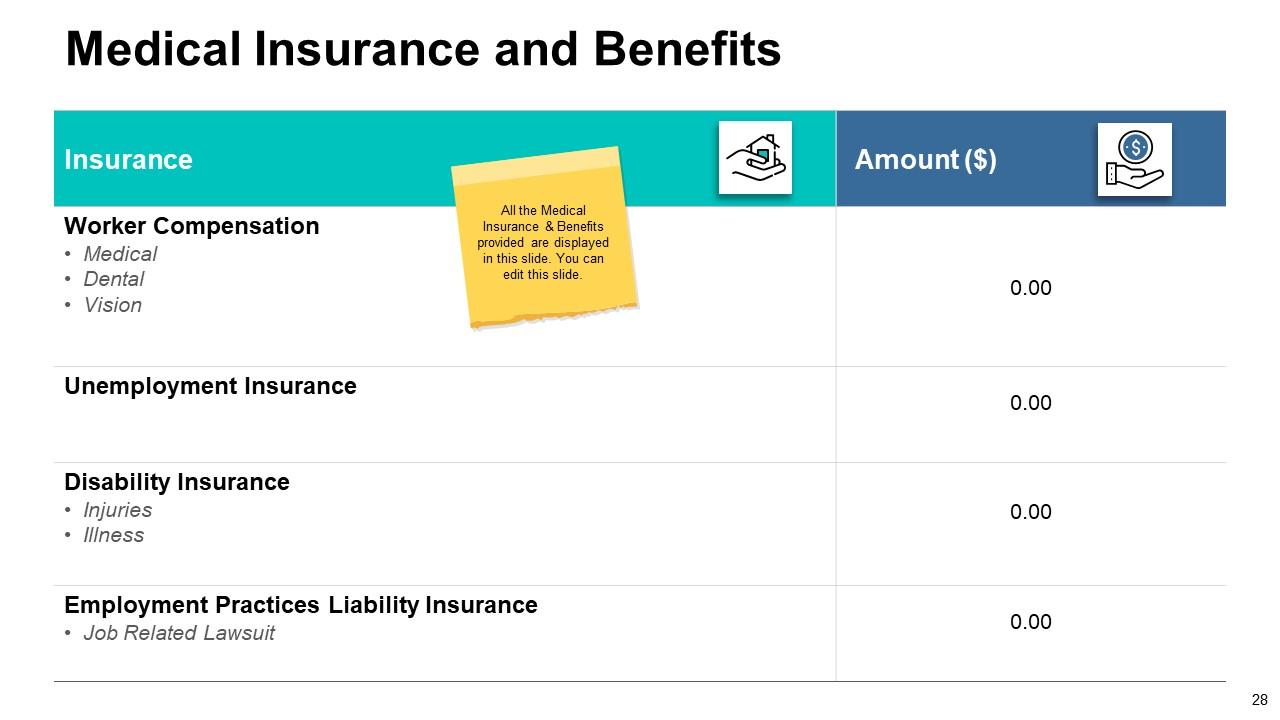
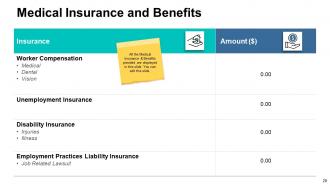
In the orientation process, it’s important to educate on the medical insurance and other benefits offered by the company to new joinees. Discuss compensations, and insurances for any medical liabilities that the employee is subjected to. Specify the conditions and amounts dedicated against types of insurances that the company allows with complete transparency using this slide.
Template 8: Team Introduction

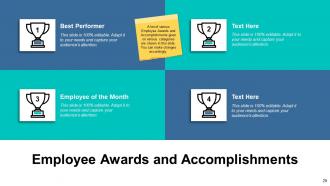
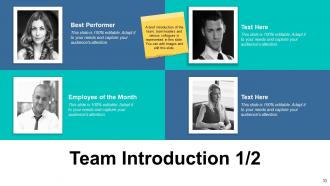
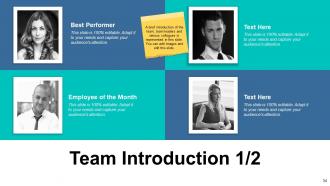
A brilliant way while introducing the existing team to the new joinees is to specify the ones that made it to the cover page of the company magazine. These include the best performers, employees of the month, and other titles given to employees for their performance and participation. Add their photos and titles along with brief details about recognition. Use this slide in addition to the regular organizational chart to demonstrate team structure and hierarchies.
Template 9: Facility and Welfare
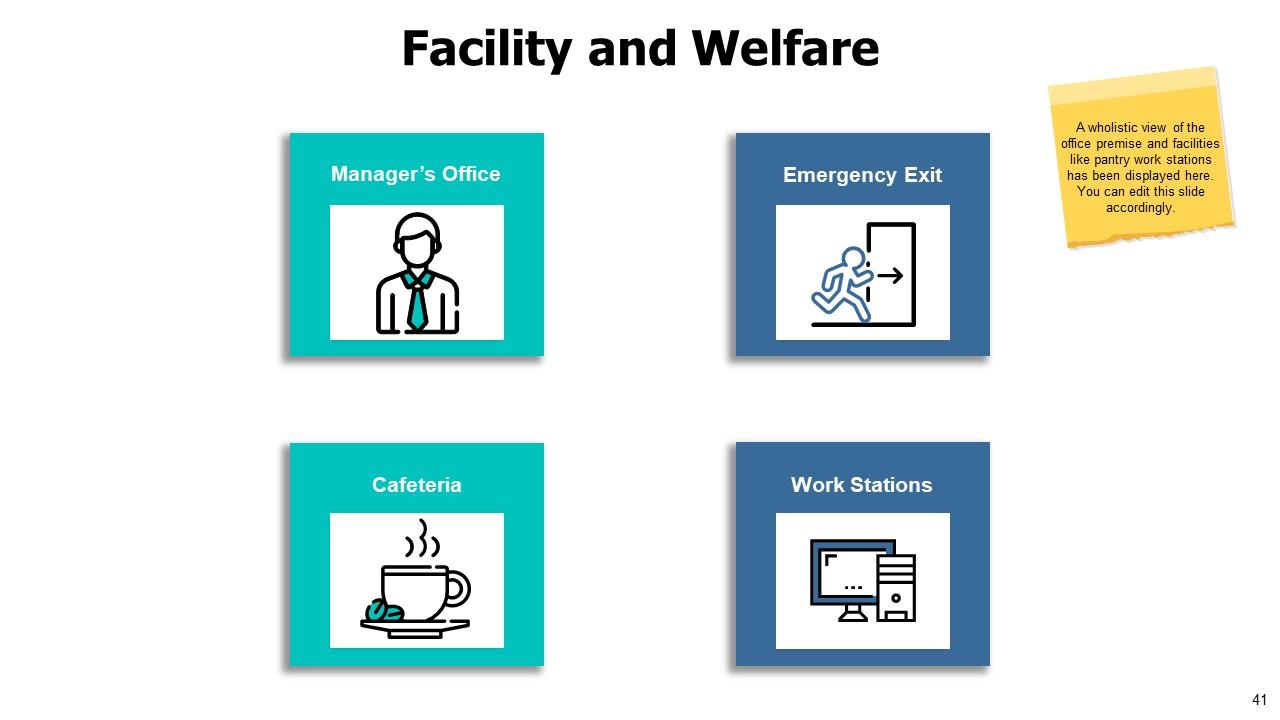
Specify the welfare departments and facilities that the company provides in this PPT Slide.
These would include the manager's office, cafeterias, work stations, and emergency exits. Point out their location, purpose, and other conditions for their usage. Use our design-ready icons to increase the visual appeal of this aspect of your company orientation process focussed on employee wellness. Download now.
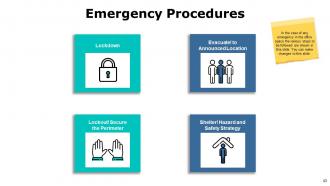
Template 10: Emergency Procedures

In the event of mishaps, share your company’s emergency plans and procedures to combat them. You can even add a safety manual to avoid dangers and for the overall safety of the staff. Common aspects to talk about should be lockdown, evacuation to announced location, securing perimeter, and seeking shelter as shown. Each of these is supported with a relevant icon to enhance the effectiveness of your emergency response.
Make a Signature Welcome
Onboard your employees with confidence and pride as you help them understand aspects of their to-be work life. Inform them of the targets to be chased, at the same time, let them know there are rewards to be reaped. Prepare a document comprising all of this information using this all-in-one company orientation process PowerPoint Presentation.
PS Get best-in-class staff on-boarding templates with a click here.
Company Orientation Process Powerpoint Presentation Slides with all 57 slides:
Use our Company Orientation Process Powerpoint Presentation Slides to effectively help you save your valuable time. They are readymade to fit into any presentation structure.
















FAQs for Company Orientation Process
Honestly, it's all about getting people comfortable fast while teaching them the actual job stuff. Cover the boring basics first - policies, benefits, whatever tools they need. But the relationship side matters way more than most companies realize. Nobody wants to spend their first week totally lost and anxious, you know? I'd definitely set them up with a buddy system for at least a couple weeks. Help them see how their role connects to everything else instead of just throwing tasks at them. Oh, and don't info-dump everything on day one - that's brutal. Structure it out so they're not drowning but still building real connections with the team.
Good orientation literally saves you from people quitting early - and honestly, it's not that complicated. New hires need to know what they're doing, meet their teammates properly, and understand how their job actually matters. The first few weeks are make-or-break time. People start panicking if they feel clueless or ignored. Get the basics right - decent introductions, clear expectations, maybe a quick early project they can nail. Do that and way fewer people will ghost you in their first three months. It's wild how many companies mess this up.
Look, culture is basically everything when it comes to orientation - it's what separates good onboarding from just throwing a handbook at someone. You need to bake your values right into those first few days. Show them how decisions actually get made around here, not just the official process. I always tell people to pick your top 3 cultural things and build activities around them. Otherwise new hires learn the what but totally miss the why behind everything. And honestly? That's when you end up with people who follow rules but don't really get it. The whole vibe matters way more than most managers think.
Oh totally, companies tailor their onboarding to whatever's gonna cause disasters if people mess up. Healthcare? You're drowning in compliance training and patient safety stuff before you even see a real patient. Tech startups just want to make sure you vibe with the culture and can actually log into Slack without calling IT three times (been there). Manufacturing is all about not getting crushed by machinery, obviously. Finance throws regulatory paperwork at you until your eyes bleed. Retail focuses on not pissing off customers and knowing what you're selling. Just figure out what would absolutely wreck someone's first few weeks at your place and build around that.
Honestly, just scrap those soul-crushing PowerPoint sessions. Get people talking to each other in small groups instead. One thing that actually works? Have new hires do a scavenger hunt around the office - sounds dumb but they learn where everything is. Also try that "speed dating" thing with department heads (I know, I know, but it's not as awkward as it sounds). Mix things up every 20 minutes or people will check out completely. Oh, and get recent hires to share their stories instead of just having HR drone on. Way more relatable that way.
Digital onboarding platforms are a game-changer for streamlining everything. VR training looks amazing but honestly might blow your budget unless you're a huge company. Interactive e-learning works perfectly for boring compliance stuff, and video calls let remote people actually participate. Oh, and chatbots handle those repetitive questions that drive you crazy at 2am. Digital signatures save so much time on paperwork - wish more places used them. Don't go overboard though. Pick maybe 2-3 tools that'll actually fix your worst headaches instead of digitizing every single thing.
Honestly, you need to track a mix of quick wins and longer stuff. Completion rates are obvious - plus satisfaction scores and maybe some quizzes to see if people actually absorbed anything. But the real money metrics? Time to productivity, whether they're still there after 90 days, and how managers rate them early on. Oh, and definitely get manager feedback on how ready new hires seem. Retention is massive here - bad orientation kills people's motivation fast. I'd set up something simple to check monthly, but here's the thing most people skip: just ask the new hires directly what sucked and what didn't.
Oh, mentorship during orientation is huge - seriously can't overstate it. Pair newbies with someone who's been there at least 6-12 months, not the person who just figured out the coffee machine last week. Good mentors teach the stuff you'll never find in a handbook - like which processes actually matter and which ones everyone ignores. They help with office dynamics too. Here's the thing though: make sure your mentors actually want to do it. Nothing worse than getting stuck with someone who was basically forced into it. Enthusiasm makes all the difference when you're trying to help someone settle in.
Honestly, most companies just throw everything at new hires on day one - it's brutal. Like, nobody's gonna remember the org chart when they're watching their fifth compliance video. Space that stuff out over a few weeks instead. And don't forget the social stuff! People need to know where the coffee is and who's cool to grab lunch with. The other huge thing? Actually follow up. I swear, companies onboard people then ghost them completely. Check in at 30 days, see how they're really doing - not just if they finished some training module.
Start with an audit of what you've got now - check if your orientation stuff comes in different formats like written guides, videos, audio versions. Companies mess this up constantly by forgetting basic things like readable fonts or captions. Different people learn differently, so mix it up. Ask your new hires directly what's working and what sucks, especially people from underrepresented groups. Don't just guess what they need. I'd do check-ins every few months with recent hires to catch problems you missed. Physical accessibility matters too - ramps, proper seating, all that.
Start with the basics - company history, mission, values, that whole deal. Benefits and policies are obviously crucial, plus IT setup and safety stuff. Introduce key people they'll work with because honestly, relationships matter more than org charts sometimes. Culture's huge too - share those weird office traditions or inside jokes that actually make work fun. Career paths and what success looks like should come early so they're not guessing. Oh, and don't dump everything at once. Keep it interactive and save time for their questions - that's when you learn what they really care about.
New hire feedback is seriously underrated for catching orientation problems you can't see. Get it through quick surveys, casual chats, or even exit interviews when people bail early. They'll call out confusing parts, stuff that feels rushed, or things you totally forgot to cover. Fresh eyes spot what the rest of us miss after being there forever. I've seen companies running the same outdated orientation for like 5 years - yikes. Just set up something simple in those first 90 days and actually use what they tell you.
Keep virtual orientations under 90 minutes with breaks every half hour - people's brains just check out otherwise. Send stuff ahead so they're not hearing everything for the first time. Polls and breakout rooms help, but honestly the tech prep is what'll make or break you. Test everything twice and have backup plans ready. Build in time for introductions since you lose all that natural mingling. Oh, and definitely follow up within a day with next steps. I learned that one the hard way when half my group forgot their login info by week two.
Honestly, go all-in on digital but make it actually engaging. Send them a welcome package to their house - people love getting mail that isn't bills. Set up video calls for intros and virtual office tours. The hardest part? Those random coffee conversations where you actually learn how things work around here. Maybe pair them with a buddy or schedule casual virtual coffee breaks. Since remote people work weird hours sometimes, make sure all your onboarding stuff is available whenever they need it. Oh, and don't just assume they're doing fine - check in way more than you think you should during their first month.
So orientation is just the bare minimum to get you functioning, right? Ongoing training is where you actually learn stuff and grow. It keeps you up to date when the company changes things (which happens constantly, ugh). Plus it helps you build real skills for moving up. Think of it like - orientation gets you a driver's license, but ongoing training teaches you how to actually drive in snow or city traffic. Companies usually have tons of options, from quick lunch sessions to full certification courses. I'd definitely ask your manager what's available and figure out a plan that matches where you want your career to go.
-
very helpful
-
Unique and attractive product design.
-
Appreciate the research and its presentable format.
-
Presentation Design is very nice, good work with the content as well.