

Construction bid analysis powerpoint presentation slides





Try Before you Buy Download Free Sample Product
 Impress Your
Audience
 100%
Editable
 Save Hours
of Time


Our Construction Bid Analysis Powerpoint Presentation Slides are topically designed to provide an attractive backdrop to any subject. Use them to look like a presentation pro.
People who downloaded this PowerPoint presentation also viewed the following :
Construction bid analysis powerpoint presentation slides with all 43 slides:
Use our Construction Bid Analysis Powerpoint Presentation Slides to effectively help you save your valuable time. They are readymade to fit into any presentation structure.

















FAQs for Construction bid analysis
Yeah, price matters but don't just pick the cheapest bid. Check unit costs on big items - sometimes you'll catch weird numbers that are either mistakes or sketchy lowballing. Their timeline needs to work with yours too. I'd also dig into who they're planning to use as subs and what materials they're speccing. Honestly, bonding capacity and past work are just as important as the dollars. I've watched too many projects crash when contractors take on more than they can handle. Make a quick scoring sheet so you're weighing everything, not just the bottom line number.
Honestly, you need to run your own numbers before looking at any bids. I usually do parametric estimates or pull from past projects - gives me something to compare against. When that one contractor comes in 30% cheaper than everyone else? Huge red flag. Like, what did they miss or what corners are they planning to cut? You'll spot weird stuff immediately - unrealistic labor hours, materials priced like it's still 2019, or they somehow "forgot" half the scope. Short sentences work well for catching BS. Do your homework first, then use it to call out anything sketchy.
Look at your old project data first - it's basically a reality check for new bids. Compare current proposals to similar past jobs (scope, materials, conditions) to catch contractors pricing way too high or low. Trust me, some guys lowball then murder you with change orders later. Short sentences work. Your historical records also show which contractors actually finish on time versus the ones who just sound good in meetings. I always pull at least 3-5 comparable projects before deciding anything. It's honestly the best way to avoid getting burned by smooth talkers.
Start with their portfolio - find projects that match your scope and complexity. Their financial statements matter too, plus bonding capacity and current workload. Honestly, I'd skip the provided references and call their recent clients myself since those can be... let's say optimized. Check licenses, insurance, safety records are up to date. The lowest bid isn't always your friend if they don't have the right experience - sometimes they underbid because they have no clue what they're getting into. Make a scoring sheet that weighs experience against price. Helps you actually compare contractors instead of just looking at dollar signs.
Honestly, Excel is still your best bet for most of this stuff. Build some templates with formulas that automatically flag weird outliers and calculate variance percentages - saves tons of time. If you need something fancier, check out ProEst, PlanSwift, or Sage Estimating. They'll import bid data and spit out comparison reports. Here's the thing though - a solid Excel template usually works just as well as those pricey tools for smaller jobs. The real trick is keeping your format consistent so you can quickly spot missing items or weird discrepancies. I'd start with Excel first, then maybe upgrade later if you're drowning in bids.
Honestly, don't just go with the cheapest bid - that's where people mess up big time. Check out each contractor's financial health and whether they've actually done projects like yours before. A lowball quote from some sketchy company will bite you later with delays or crappy work. Maybe even project abandonment, which is a nightmare. Look at their bonding capacity and recent jobs they've completed. Any weird stuff in their proposal? Red flag. Set up a simple scoring system that factors in both price and how risky they seem. Trust me, protecting your timeline matters more than saving a few bucks upfront.
Honestly, create a simple spreadsheet comparing price, timeline, experience, and quality. Don't just pick the cheapest - I made that mistake once and regretted it big time. Check if everyone's quoting the same exact work and materials because sometimes they're not. Look at their previous jobs, call references, make sure they're licensed and insured. Their timeline matters too - if it seems too good to be true, it probably is. Oh and see how many crew members they're planning to use. Trust me, having everything laid out in writing beats going with your gut on something this expensive.
Build 5-15% contingency right into your bid matrix - depends how messy the project looks. I've seen too many people get burned thinking "oh it'll work out fine" and then boom, weather delays or surprise underground utilities. Check your old projects for realistic numbers. Weather, material costs going crazy, weird site stuff - score all that when you're looking at bids. Oh and break it down into separate line items so you can actually see where things went sideways later. Honestly? Start tracking this stuff now on whatever you're working on. Future you will thank you when you're not just guessing anymore.
So first thing - double-check that everyone actually followed the submission rules. Missing signatures or late bids will bite you later, trust me. Licensing and insurance are obvious but verify they're not on debarment lists too. Anti-collusion stuff is where it gets tricky - you'll need rock-solid documentation showing your process was fair. If it's public work, don't forget prevailing wage requirements (those can be a nightmare if you mess up). Honestly, the best advice? Document everything obsessively. Someone always challenges these decisions.
Complex projects mess with bid prices in a big way - contractors jack up costs because they're dealing with specialized crews, way more risk, and coordinating a million moving parts. You'll see huge gaps between bids too. Some companies pad the hell out of their estimates for all the unknowns, while others lowball because they honestly don't get how complicated it really is (which is terrifying). Don't just focus on price with these jobs. Look at who's actually done similar work before, their timeline, how they plan to tackle it. Oh, and budget an extra 15-20% minimum - trust me on this one.
Dude, timeline is huge when you're looking at bids. Don't just go for the cheapest option if their schedule seems sketchy - you'll end up with delays and everyone breathing down your neck. A contractor promising crazy fast turnaround? Red flag. They're probably gonna cut corners. But someone taking forever might just be inefficient (learned that one the hard way). Compare how each contractor breaks down their phases and see if it actually makes sense for what you need. I always make timeline a major factor in my decision, not just an afterthought.
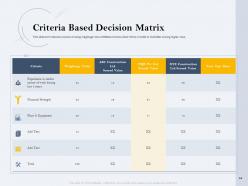
So here's what I do - create a scoring system that goes beyond just price. Give points for stuff like their reputation, how their past projects turned out, safety records, whether they actually finish on time. Weight everything based on what matters most for your specific job. Then combine those scores with the cost data. Trust me, I learned this the hard way after a "cheap" contractor nearly destroyed a project timeline because we only looked at dollars. The scoring thing really helps when you need to explain to your boss why you didn't pick the lowest bidder. Makes the whole decision way more defensible.
Honestly, going with the cheapest bid is usually a mistake - they'll cut corners somewhere. Check their references and make sure they're actually licensed and insured. Weird outliers in pricing? That's a red flag. Either they missed something big or they're trying to lowball you then hit you with extras later. I learned this the hard way on my kitchen reno. Compare each bid line by line so you're not comparing totally different things. Also ask about their timeline and what happens if they need to make changes midway through.
Market trends mess with your bid process big time. Material costs keep jumping around, so you'll get wildly different prices - some contractors gamble costs will drop while others play it safe. Labor shortages mean later bids usually cost more since wages keep climbing. Economic uncertainty makes contractors either super aggressive with pricing or really conservative about risk. Oh, and the whole thing changes weekly which is honestly exhausting. Get bidders to explain their cost assumptions upfront. That way you can tell who's being realistic vs who's living in fantasy land about where prices are headed.
Set up your scoring criteria first and write everything down as you go. I like creating a matrix that weighs price, experience, timeline - whatever matters most. Have multiple people review bids separately (seriously, the stuff you catch this way is wild). Share your evaluation method with bidders upfront so they're not guessing what you want. Document why you picked or passed on each bid. Maybe get someone neutral to audit your process if it's a big deal. Oh, and start taking notes from day one - you'll definitely need them later when people start asking questions.
-
I discovered this website through a google search, the services matched my needs perfectly and the pricing was very reasonable. I was thrilled with the product and the customer service. I will definitely use their slides again for my presentations and recommend them to other colleagues.
-
Graphics are very appealing to eyes.
-
Great quality product.
-
Really like the color and design of the presentation.
-
Excellent Designs.
-
The content is very helpful from business point of view.
-
Nice and innovative design.
-
Colors used are bright and distinctive.
-
Graphics are very appealing to eyes.