

Convenience Food Industry Report Part 1 Powerpoint Presentation Slides




Try Before you Buy Download Free Sample Product
 Impress Your
 Audience
 100%
100% Editable
 Save Hours
 of Time


Gain invaluable insights into the thriving ready to eat food industry with our comprehensive Convenience Food Industry Report template. This expertly crafted presentation provides a detailed overview of the global ready to eat industry, including statistics, market size in European countries, and market segmentation. Explore market share, drivers, challenges, and future growth opportunities, and gain deep insights into key players such as Nomad, ConAgra, General Mills, Bakkavor, and Greencore Group with their 5 year financial summaries. Dive into Porters 5 forces model, SWOT analysis, consumer behavior, go to market strategies, and customer demographic based market strategies. The report also covers promotional activities, pricing and growth strategies, business models, and risk mitigation. Whether youre a market researcher, industry professional, or business owner, this report is an invaluable resource. Download the Convenience Food Industry Report template now and stay ahead in the rapidly growing ready to eat food market.
People who downloaded this PowerPoint presentation also viewed the following :
Content of this Powerpoint Presentation
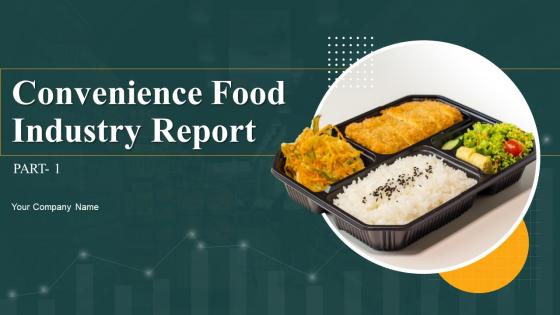
Slide 1: This slide introduces Convenience Food Industry Report. State your company name and begin.
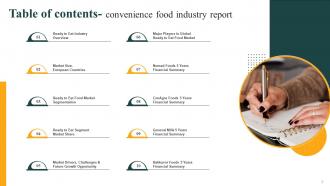
Slide 2: This slide shows Table of Content for the presentation.
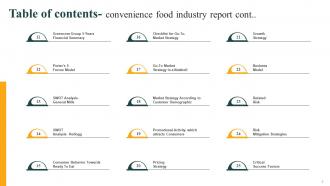
Slide 3: This is another slide continuing Table of Content for the presentation.
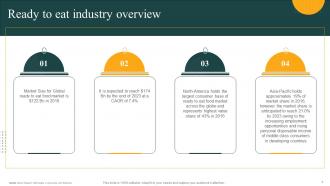
Slide 4: This slide displays Ready to eat industry overview.
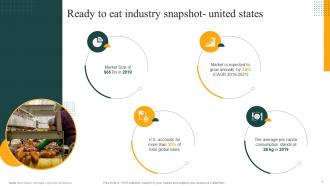
Slide 5: This slide presents Ready to eat industry snapshot - United States.
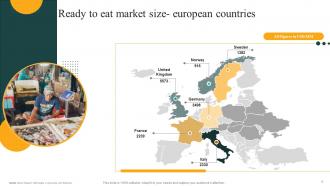
Slide 6: This slide represents Ready to eat market size- european countries.
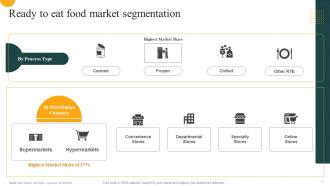
Slide 7: This slide showcases Ready to eat food market segmentation.
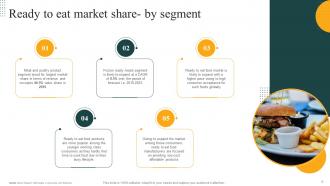
Slide 8: This slide shows Ready to eat market share - By segment.
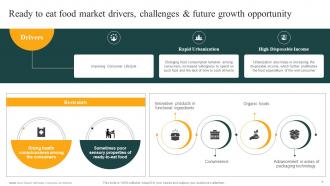
Slide 9: This slide presents Ready to Eat Food Market Drivers, Challenges & Future Growth Opportunity.
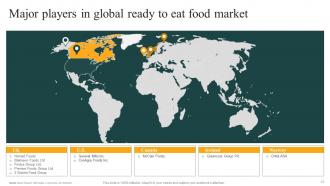
Slide 10: This slide presents Major players in global ready to eat food market.
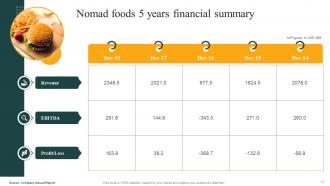
Slide 11: This slide displays Nomad foods 5 years financial summary.
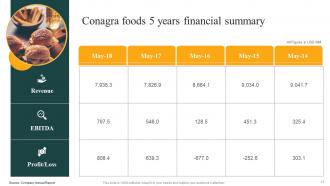
Slide 12: This slide represents Conagra foods 5 years financial summary.
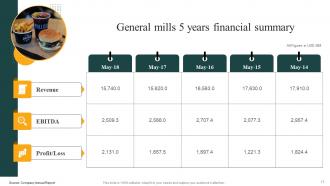
Slide 13: This slide showcases General mills 5 years financial summary.
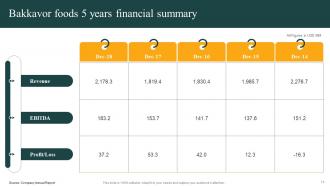
Slide 14: This slide shows Bakkavor foods 5 years financial summary.
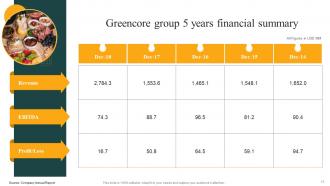
Slide 15: This slide presents Greencore group 5 years financial summary.
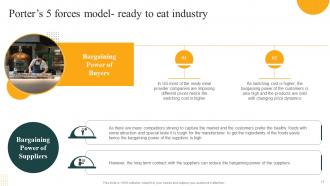
Slide 16: This slide displays Porter’s 5 forces model - Ready to eat industry.
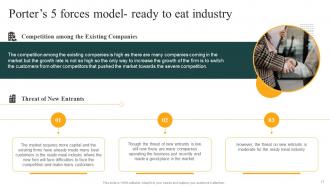
Slide 17: This slide represents Porter’s 5 forces model - Ready to eat industry.
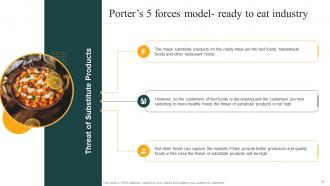
Slide 18: This slide showcases Porter’s 5 forces model - Ready to eat industry.
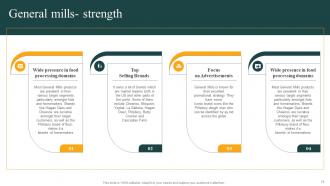
Slide 19: This slide shows Wide Presence in food Processing Domains.
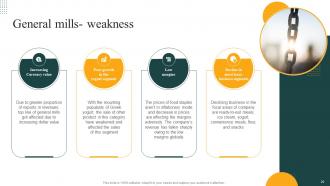
Slide 20: This slide shows Weakness of General mills.
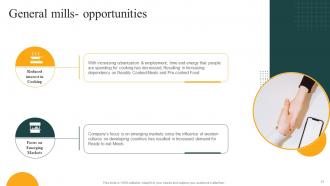
Slide 21: This slide shows Opportunities of General mills.
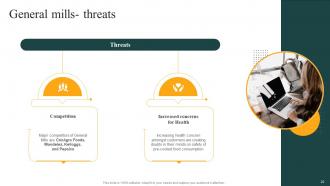
Slide 22: This slide shows Threats of General mills.
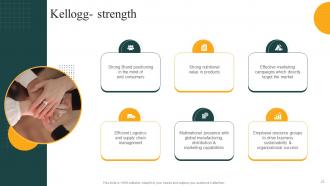
Slide 23: This slide shows Strength of Kellogg.
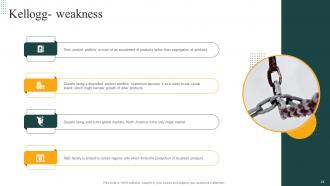
Slide 24: This slide shows Weakness of Kellogg.
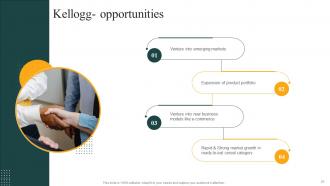
Slide 25: This slide shows Opportunities of Kellogg.
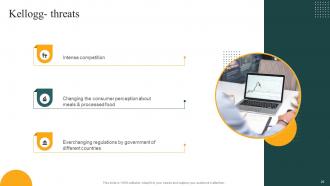
Slide 26: This slide shows Threats of Kellogg.
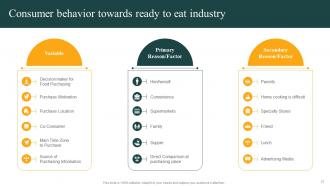
Slide 27: This slide presents Consumer behavior towards ready to eat industry.
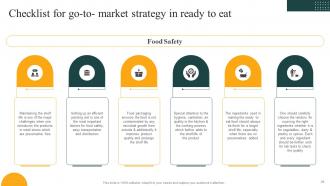
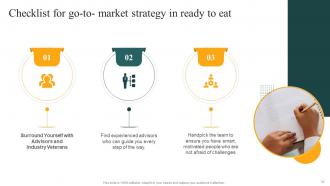
Slide 28: This slide displays Checklist for go-to- market strategy in ready to eat.
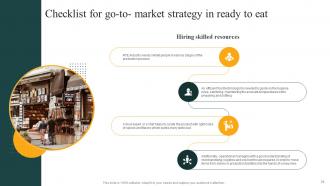
Slide 29: This slide represents Checklist for go-to- market strategy in ready to eat.
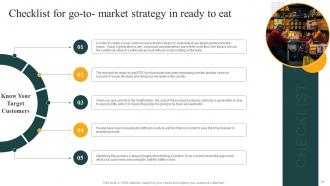
Slide 30: This slide showcases Checklist for go-to- market strategy in ready to eat.
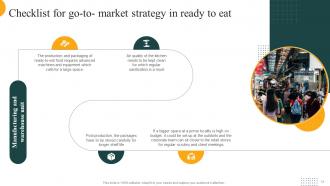
Slide 31: This slide shows Checklist for go-to- market strategy in ready to eat.
Slide 32: This slide presents Checklist for go-to- market strategy in ready to eat.
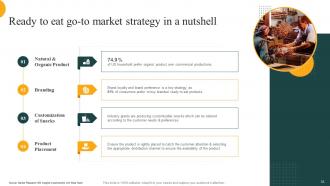
Slide 33: This slide displays Ready to eat go-to market strategy in a nutshell.
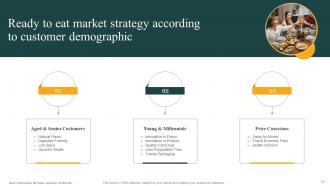
Slide 34: This slide represents Ready to eat market strategy according to customer demographic.
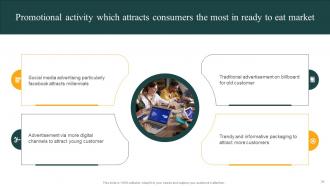
Slide 35: This slide showcases Promotional activity which attracts consumers the most in ready to eat market.
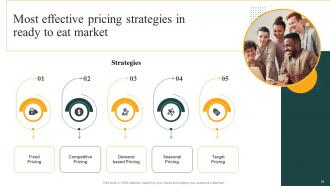
Slide 36: This slide shows Most effective pricing strategies in ready to eat market.
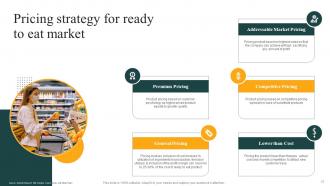
Slide 37: This slide presents Pricing strategy for ready to eat market.
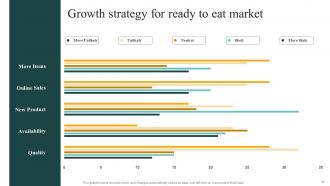
Slide 38: This slide displays Growth strategy for ready to eat market.
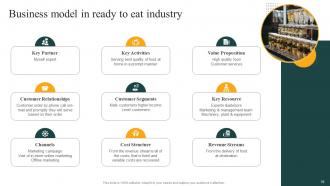
Slide 39: This slide represents Business model in ready to eat industry.
Slide 40: This slide showcases Risk & Risk Mitigation.
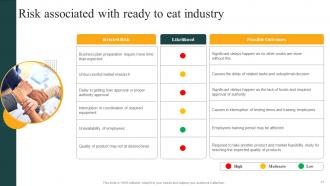
Slide 41: This slide showcases Risk associated with ready to eat industry.
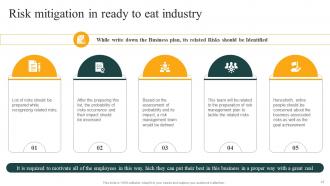
Slide 42: This slide shows Risk mitigation in ready to eat industry.
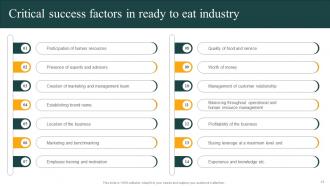
Slide 43: This slide presents Critical success factors in ready to eat industry.
Convenience Food Industry Report Part 1 Powerpoint Presentation Slides with all 48 slides:
Use our Convenience Food Industry Report Part 1 Powerpoint Presentation Slides to effectively help you save your valuable time. They are readymade to fit into any presentation structure.






FAQs for Convenience Food Industry Report Part 1
Honestly, everyone's obsessed with healthy convenience foods right now - like they want their quick meals but with actual good ingredients. Plant-based stuff is literally everywhere (I swear even sketchy corner stores have oat milk now lol). Clean labels are big too, where you can actually pronounce what's in it. Younger people especially care about sustainable packaging. There's also this whole thing with ethnic flavors going mainstream - like Korean and Middle Eastern stuff you'd never see before. The sweet spot seems to be where health meets convenience. That's where I'd put my money if I were looking at this market.
Dude, the whole healthy convenience food thing has totally exploded. Companies are scrambling to cut sodium and add protein while ditching artificial crap. Nobody wants their "healthy" frozen dinner to taste like cardboard though, so R&D teams are going crazy trying to nail the taste-nutrition combo. The organic trend made it even more intense - like, everything has to be clean label now. Honestly, if you're thinking about this market, focus on stuff that actually tastes good AND is good for you. That's where the money is.
Tech is everything in convenience food honestly. Those automated lines pump out crazy amounts of frozen meals - we're talking thousands per hour. Flash-freezing keeps nutrients locked in, and the packaging they use now can make stuff last forever basically. The logistics side is pretty insane too - AI predicts what people want, figures out the best delivery routes, keeps everything cold across thousands of stores. There's also all this preservative and flavor science happening that most people don't even think about. If you're researching this space, definitely look into their supply chain software. That's where the real innovation is right now.
Dude, convenience food companies can't just copy-paste their recipes everywhere. McDonald's literally serves rice burgers in Asia because that's what people want there. A frozen pizza that kills it in Chicago? Total flop in Mumbai. Companies blow serious cash on R&D to nail local flavors and textures. Smart ones either team up with local partners who get the market or go all-in on regional development themselves. Oh and texture matters too - not just taste. Before betting on any global food brand, check how well they actually adapt to different regions first.
Ugh, contamination is the worst nightmare - one sketchy supplier and you're screwed. Quality consistency across massive batches is brutal too. Extended shelf life means finding preservatives that won't wreck your taste, which honestly feels impossible sometimes. Temperature control throughout the whole process? Critical. HACCP systems are your lifeline here, plus third-party audits catch problems before they become expensive recalls. Supply chains are so complex these days - I swear it gets harder every year. But yeah, those audits are worth every penny.
Yeah, companies are definitely stepping up more than I thought they would. Big names like Nestlé and Unilever have set some pretty aggressive carbon goals. You're seeing way more recyclable packaging everywhere, plus tons of plant-based stuff hitting shelves. Consumer pressure is honestly doing most of the heavy lifting here - it's wild how fast things changed once people started caring. Oh, and they're putting money into regenerative farming and shorter supply chains too. When you're checking out suppliers, just ask for their actual numbers and timelines. The vague talkers usually don't deliver.
Oh man, COVID totally changed the convenience food game. Sales went absolutely nuts when everyone was stuck inside - like, frozen dinners and canned stuff just disappeared from stores. Remember those weird shortages? Supply chains were a mess. But here's the thing - people actually stayed comfortable with those easy options even after things opened up again. Most never went back to their old shopping habits, which is kinda wild if you think about it. Brands that really leaned into the whole "comfort during chaos" messaging did super well. That's where I'd look if you're researching this stuff.
Dude, packaging is everything for convenience foods now. Those microwaveable containers that go freezer to table? Game changer. Plus you've got resealable bags keeping stuff fresh way longer. Honestly, those steam-in-bag veggies make me feel domestic when I'm basically just hitting buttons on the microwave. Brands are pouring money into this stuff because people literally pick one frozen dinner over another based on how easy it heats up. The packaging IS the product experience at this point - it's not just a container, it's what makes the whole "convenient" thing actually work. Wild how much shelf space goes to products where the box does half the cooking.
Frozen brands are all about that quick convenience angle - "ready in 3 minutes!" and premium quality stuff. Meanwhile shelf-stable foods push portability and long-term value, plus the whole emergency prep thing. The frozen aisle's gotten crazy competitive with all these fancy meal kits everywhere. Both types love their health claims now, but frozen gets to play up the "fresh-frozen" nutrition card. Shelf-stable just hammers home convenience for busy people. Honestly? Just watch their pricing and where they put products in stores. That's how you'll figure out what they're really going for.
Dude, label transparency is huge for convenience foods. People read everything now - like, way more than they used to. If you're sketchy about ingredients or try to hide stuff with fancy wording, customers will drop you instantly. Just be straight up about what's in there, the nutrition facts, where things come from. I swear, my mom scrutinizes every label for added sugars and weird preservatives now. It's wild. But honestly? If you're clear and honest upfront, people trust you way more. Don't overcomplicate it - simple labels win.
Food delivery apps totally flipped convenience stores on their head. DoorDash basically made it so you don't need to grab that sad sandwich from 7-Eleven anymore - restaurant food shows up just as fast. Convenience brands saw this coming though, so they're all partnering with delivery platforms now. The smart ones are redesigning products specifically for delivery too. Like, will your food still taste decent after bouncing around in some driver's Honda for 20 minutes? That's honestly the main thing to figure out. Oh and the fees are getting crazy but people keep ordering anyway.
Oh man, food companies are totally all over this now! They've got entire sections dedicated to vegan, gluten-free, keto - you name it. Plant proteins, dairy alternatives, the works. Some of those vegan frozen dinners are honestly way better than the regular stuff (which is kinda wild if you think about it). Companies figured out there's serious money in specialty diets. Don't bother hunting through normal aisles though - just hit up those dedicated sections first. That's where all the good options are hiding.
Look, people in cities are absolutely drowning in their schedules. Two-hour commutes, late nights at work, kids to deal with - nobody's chopping vegetables after all that madness. Convenience foods are literally a lifesaver for these situations. Quick breakfasts, microwave dinners, those meal kit things - they're not about being lazy, they're about survival when time is your biggest enemy. Honestly, I think the whole "convenience equals lazy" thing is pretty unfair when you see what urban life actually looks like. For your research, focus on time scarcity - that's the real goldmine here.
Price is huge for convenience foods - like, make-or-break huge. People want quick meals but they're watching every dollar right now. Most stuff sells best around $3-6 per serving, though that's gone up a ton lately (ugh, inflation). You can charge more if you've got organic ingredients or some health angle, but customers will bail fast if it feels overpriced. I'd honestly check what competitors are doing every week. Skip convenience foods entirely becomes an option when prices get crazy. Bottom line: justify premium pricing with real value or keep it affordable.
Dude, health-conscious stuff is where it's at right now. Plant-based options, premium frozen meals that don't taste like cardboard - people will totally pay more for that. International flavors are killing it too, especially Korean and Middle Eastern. Oh, and single-person households are underserved as hell. The whole "convenient food" industry has honestly been pretty mediocre for years, so there's massive room to improve. I'd say pick one specific group first - busy families with dietary restrictions maybe? Then just solve their actual problems instead of making another bland pasta dish.
-
Their professional templates are very impressive, even my manager was curious about the source. I am very grateful.
-
You guys are life-saver when it comes to presentations. Honestly I cannot do much without your services. Thank you!!!