


Corrective action Plan in Manufacturing PowerPoint PPT Template Bundles




Try Before you Buy Download Free Sample Product
 Impress Your
 Audience
 100%
100% Editable
 Save Hours
 of Time


Our Corrective action Plan in Manufacturing PowerPoint PPT Template Bundles are topically designed to provide an attractive backdrop to any subject. Use them to look like a presentation pro.
People who downloaded this PowerPoint presentation also viewed the following :
Corrective action Plan in Manufacturing PowerPoint PPT Template Bundles with all 27 slides:
Use our Corrective action Plan in Manufacturing PowerPoint PPT Template Bundles to effectively help you save your valuable time. They are readymade to fit into any presentation structure.

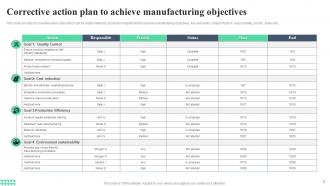
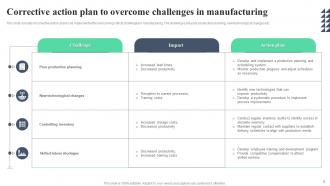
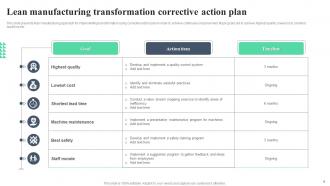






FAQs for Corrective action Plan in Manufacturing PowerPoint
Start with root cause analysis - don't just treat symptoms, figure out what actually broke. Then map out specific fixes with real deadlines and assign someone to own each piece. Honestly, the SMART goals thing is overrated but your actions should still be measurable somehow. Build in ways to prevent it happening again, plus a monitoring schedule. Oh and definitely keep stakeholders in the loop or they'll bug you constantly. I learned that one the hard way! The whole plan should revolve around fixing that core problem you identified first.
Honestly, CAPs are great because they make everyone own their screw-ups instead of passing the buck. You document who does what by when - no more "I thought Sarah was handling that" nonsense. The paper trail actually shows if problems got fixed or just talked to death (which happens way too often). Regular check-ins keep people honest after that initial meeting where everyone nods enthusiastically. Track your completion rates though - you'll spot who delivers and who's just coasting. It's pretty eye-opening once you start paying attention to the patterns.
Listen, root cause analysis has to be your starting point - no question about it. Don't just look at the surface stuff that's obvious. Dig into what actually broke down in the first place. I've seen too many CAPs fail because people skip this step and jump straight to fixes. That's just slapping band-aids on symptoms, honestly. Your whole corrective action plan depends on getting the RCA right - it tells you what actions to take, prevention strategies, even what to monitor going forward. Skip the deep dive and you're basically guessing at solutions. Trust me, start here before anything else.
Start with anything that's gonna bite you hard - safety stuff, compliance issues, things that'll shut you down. Those can't wait. After that, I usually look at what gives you the biggest bang for your buck vs how much work it takes. Quick wins are honestly underrated if your team's feeling burnt out. Dependencies matter too - some things have to happen first or you're just spinning your wheels. Maybe throw together a simple scoring thing? Rate each item on how urgent it is, impact, and effort. Sounds nerdy but it actually works pretty well for mapping out what to tackle first.
Most people I know just use Monday or Asana for CAP tracking - works fine and isn't crazy expensive. Excel works too if your team's small. Bigger companies usually go with compliance-specific stuff like MetricStream since it handles all the reporting automatically. Whatever you pick, make sure it can do milestones, assign owners, and spit out reports for the bosses. Oh, and someone actually has to update the damn thing regularly. I've seen too many orgs where the tracking system becomes this beautiful ghost town because nobody maintains it. Better to use a simple tool consistently than a fancy one that collects dust.
Don't treat your CAP like it's this separate thing - that's where most companies screw up. Build it right into whatever compliance workflows you're already using. Connect it to your risk assessments and audit findings so the corrective actions automatically flow into your compliance tracking. Honestly, keeping them separate just creates unnecessary headaches and gaps. Make sure your CAP deadlines match up with compliance timelines, and set it up so when actions get completed, your compliance status updates in real-time. Use whatever compliance software you've got to track CAP progress alongside everything else. First step? Figure out where the disconnect is happening right now.
Oh man, the worst thing you can do is be super vague about stuff. Like writing "improve communication" without saying HOW or who's doing it. I've watched so many plans crash because someone thought they could fix everything in like two weeks - totally unrealistic. Make sure you actually dig deep on what went wrong, not just the obvious surface problems. And honestly? You gotta put someone's name next to each action item or nothing gets done. Set up check-ins too so you can catch things going sideways early. Specifics are everything.
Honestly, training your team is probably the most important part of your whole CAP. I've seen so many good plans fail because nobody actually understood what they were supposed to do differently. Your employees need to get the new processes AND why they matter - otherwise you'll just see the same mess again in a few months. Make sure everyone feels confident with the changes before you call it done. Oh, and don't skip the follow-up sessions either. People forget stuff, especially when they're busy. Short version: great plan + confused team = you're back to square one.
Pick metrics that actually connect to whatever went wrong - defect rates for quality problems, cycle times for process stuff. Honestly, I'd stick to just 2-3 solid ones because too many and you'll lose focus (seen it happen). Mix in some leading indicators too, like training scores or audit results, not just the end results. Definitely baseline everything first - otherwise how do you know if you're actually fixing anything? Weekly check-ins work well, keeps people honest and you can adjust if things aren't moving. Simple dashboard beats fancy spreadsheets every time.
Honestly, I'd check it every two weeks if it's something major. Monthly works too, but don't let it just sit there forever - that's pointless. You want to catch problems before they get worse, you know? When milestones start slipping or new issues come up, tweak your timelines. Set actual calendar reminders or you'll totally forget (I always do). The goal is keeping everything realistic based on what's actually happening. Oh, and if it's not critical stuff, monthly reviews are probably fine. Just stay consistent with whatever schedule you pick.
Dude, don't mess around with CAPs - the legal consequences are no joke. You could be looking at fines, penalties, or worse depending on what industry you're in. Regulators get really pissy when they hand you a fix-it plan and you ignore it. I've watched companies go from warning letters straight to getting shut down because they dragged their feet. Plus if someone got hurt from the original problem and you didn't follow through? Yeah, you're probably getting sued too. Honestly, just treat it like the serious legal document it is and get it done on time.
So basically, a Corrective Action Plan takes your screwups and turns them into actual improvements. You figure out what broke, dig into why it happened, then fix the process so it doesn't happen again. Most teams totally blow off the documentation piece - huge mistake honestly. That's where the real value is. Writing it down helps you catch patterns later and stops the same dumb problems from popping up again. Plus your whole team gets smarter about spotting red flags early. Think of each CAP as building your team's problem-solving muscle, not just putting out fires.
So basically, CAPs are reactive - something already went wrong and you're fixing it. Preventive plans are the opposite - you're getting ahead of problems that haven't happened yet. CAPs are like "oh crap, we messed up, here's how we'll fix it." Meanwhile preventive plans are more "hey, this could go sideways based on what we're seeing, let's stop it now." Both use similar formats with root cause stuff and action steps. The key difference? One addresses actual incidents while the other tackles potential risks. Honestly, I think preventive plans are way harder to write well since you're basically predicting the future. Just be super clear about whether you're dealing with something that already happened or might happen.
Look, involving stakeholders in your Corrective Action Plan is honestly a game-changer. Different people catch things you'd totally miss, plus they bring real-world solutions from actually dealing with the mess. People support plans they helped build way more than stuff just dumped on them - basic human nature, right? Your implementation goes smoother too since everyone already knows what they're supposed to do. I'd say start by figuring out who's really affected by this whole situation. Then get them involved early in the planning. Oh, and you'll probably get better resources allocated since stakeholders can advocate for what's actually needed. Makes everything less of an uphill battle.
Honestly, the biggest thing is getting your team involved in building the CAPs instead of just dropping them from above. Check in regularly - don't wait till the deadline to see if anything's happening. People need to understand why this exists and what winning looks like, otherwise they'll just go through the motions. When someone hits a milestone, make noise about it! I know it sounds corny but it actually works. Oh and here's what really helps - ask them what's blocking them first, rather than just tracking percentages all the time.
-
Unique and attractive product design.
-
It is my first time working with them and that too on a friend's recommendation. I would say, I am not expecting such a worldly service at this low price.