

Collection Of Standard Operating Procedures Powerpoint Ppt Template Bundles





Try Before you Buy Download Free Sample Product
 Impress Your
 Audience
 100%
100% Editable
 Save Hours
 of Time


Our Collection Of Standard Operating Procedures Powerpoint Ppt Template Bundles are topically designed to provide an attractive backdrop to any subject. Use them to look like a presentation pro.
People who downloaded this PowerPoint presentation also viewed the following :
Collection Of Standard Operating Procedures Powerpoint Ppt Template Bundles with all 54 slides:
Use our Collection Of Standard Operating Procedures Powerpoint Ppt Template Bundles to effectively help you save your valuable time. They are readymade to fit into any presentation structure.

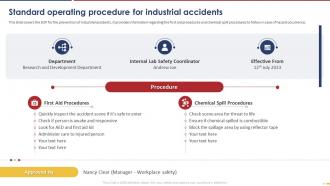
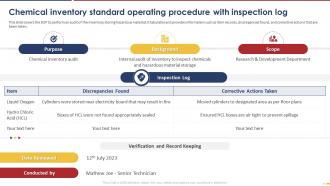
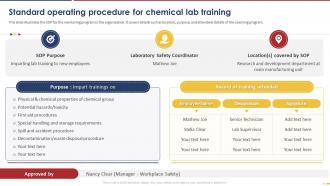
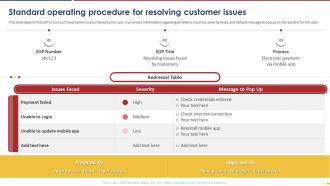













FAQs for Collection Of Standard Operating Procedures Powerpoint
SOPs are just step-by-step guides for how to do stuff at work. Super helpful when you're training someone new or need to cover for a teammate. Think of it like having recipes for your most common tasks - no more guessing what the hell you're supposed to do next. They cut down on mistakes big time and keep everyone on the same page. Honestly, they're also clutch during audits when you need to prove you followed protocol. My advice? Start with whatever processes you do most often since those are the ones that'll actually get used.
Honestly, SOPs are game-changers because nobody's wasting time figuring out the same stuff over and over. Your team just follows the steps instead of playing guessing games or making dumb mistakes. Training new people becomes way faster too - everything's already written down. I've seen teams move so much quicker when they're not constantly asking "wait, what's the process for this again?" You can actually spot where things get stuck and fix those problem areas. Oh, and start with whatever you do most often - that's where you'll notice the biggest difference right away.
So you'll need a clear purpose statement and step-by-step procedures - that's the backbone. Define who does what, safety stuff, quality standards, tools needed. Get approval signatures and revision dates on there too (I've watched old SOPs mess up entire teams, honestly). Troubleshooting steps help a ton when things go sideways. The goal? Someone brand new should be able to follow it without bugging people every five minutes. Oh, and reference docs if you've got them. Start with your biggest processes first. Actually test these with real people before you call it done - saved me so much headache last time.
SOPs are totally different depending on what industry you're in. Healthcare has crazy detailed protocols for patient safety and drug stuff - makes sense since people could die. Manufacturing focuses more on quality control and equipment maintenance. IT is all about data security and backup procedures. Honestly, healthcare probably has the strictest ones because the FDA breathes down their necks constantly. You basically want to build your SOPs around whatever could go really wrong in your specific field, plus whatever regulations you have to deal with.
Training your people is huge - honestly can't stress it enough. Without proper training, even the best SOPs just sit there collecting dust. I've watched companies write these amazing procedures then act shocked when nobody follows them properly. The thing is, everyone needs to understand the steps the same way or you get chaos. Good training cuts down on mistakes and gets people actually comfortable using the procedures. Oh, and don't forget refresher sessions - people get rusty fast. Hands-on practice beats just reading through stuff any day.
Honestly, just get your SOPs online - it'll save you so much headache. Confluence or Notion work great, even Google Docs if you're keeping it simple. Real-time collaboration is huge, plus you can actually see who changed what and when. I've watched teams completely mess up projects because someone was following an old PDF version from like six months ago. Short processes work fine written out, but for anything visual? Record a quick video walkthrough instead. Oh, and set up automatic reminders for reviews - SOPs get stale fast if nobody's updating them.
Honestly, quarterly reviews for your most important SOPs work best. Everything else can wait a year. Make it stupid easy for people actually doing the work to tell you when something's wrong - they'll catch issues way before management does. Someone needs to own each SOP though, or they'll just sit there getting stale. Track your changes too (what and why). I learned this the hard way when we had three different versions floating around last year. Put reminders on your calendar or you'll forget. The whole thing should feel normal, not like some massive overhaul project that makes everyone groan.
So honestly, the best way is tracking if people actually follow them without you breathing down their necks - that's the real test. Check error rates before vs after, how long tasks take, and compliance scores from audits. Employee feedback is gold though, they'll straight up tell you what sucks. Also look at customer satisfaction if that applies to your stuff. Time-wise, I'd review everything every 6 months or so and tweak based on what's working. Quality targets are another good indicator too. The whole point is making procedures people want to use, not ones gathering dust somewhere.
Honestly, getting people to actually participate is brutal. Subject matter experts are already drowning in work and hate documenting stuff - I mean, who can blame them? Teams will push back hard if they think their current process works fine. Then there's the nightmare of making procedures detailed enough to help but not so crazy specific that updating them becomes a full-time job. Oh, and keeping the language simple so everyone gets it? Good luck. Start with just one critical process though. Get the people who actually do the work to help write it, not managers. Set up regular reviews right away or it'll go stale fast.
Visuals totally transform SOPs - they just make everything click instantly. Flowcharts work great for decision trees, screenshots help with software stuff, and diagrams are perfect for equipment setups. Here's the thing: people absorb images so much faster than walls of text. I've literally seen 10-page SOPs that nobody followed until someone threw in some pictures. Your team will nail procedures when they can actually see what they're supposed to do. Oh, and start with whatever processes mess up the most - that's where you'll notice the biggest difference right away.
Get your frontline people involved from day one. Have them walk you through their actual daily workflow - not what management thinks happens, because those are usually two different things lol. Pull together small groups to tear apart your draft SOPs. Mix in people from different shifts and experience levels since they'll spot totally different problems. The whole thing needs to feel collaborative. Don't just hand them finished docs and ask "any questions?" Actually let them mess with the process flow and suggest changes before you lock anything down. Trust me, they know where the real pain points are.
SOPs are like your insurance policy when auditors show up. You can pull them out and go "look, here's exactly how we handle data collection, quality control, all that stuff." They help you spot compliance issues before they blow up into major headaches too. Honestly, the trick is actually using them and keeping them current - I've seen places with SOPs from like 2018 that nobody follows anymore, which is honestly worse than having nothing. They're basically your proof that you're not just winging it when it comes to following regulations.
Outdated SOPs are honestly such a pain. Your team starts ignoring them because they don't match reality - then everyone's just making stuff up as they go. Quality gets inconsistent, errors pile up, and training new people becomes impossible. I've watched whole departments basically give up on following procedures altogether, which creates way bigger problems. Safety risks go up, you'll fail audits, and productivity drops because nobody knows the actual process. Oh, and compliance issues are no joke if you're in a regulated industry. Review your SOPs quarterly at minimum, or whenever you change processes. Trust me on this one.
Build feedback loops into every part of your SOP process - creation, rollout, reviews. Quarterly surveys work, but honestly? The best stuff comes from just chatting with your team over coffee. Talk to the people actually doing the work, not just the ones writing procedures. Oh, and schedule those review sessions where you flat-out ask "what sucks about this process?" Here's the thing though - you've got to actually DO something with their feedback. Nothing kills trust faster than asking for input then radio silence. Start simple with one method. You can always add more later once you get the hang of it.
Depends what you're working with! Google Docs and Notion are solid for collaborative stuff - real-time editing is clutch. Process Street and Trainual are actually made for SOPs though, so they've got step-by-step workflows built in. If you're using Atlassian already, Confluence isn't bad either. Honestly? Sometimes a shared Word doc does the trick if you don't need anything fancy. Main thing is picking whatever your team won't abandon after a week. I'd probably just start with something you guys already know, then switch later if you need version control or approval stuff.
-
“Thanks to SlideTeam. Now I can make smart presentations in a fraction of time without any hassle.”
-
The website is jam-packed with fantastic and creative templates for a variety of business concepts. They are easy to use and customize.