


Crisis Communication Planning And Management Powerpoint Presentation Slides




Try Before you Buy Download Free Sample Product
 Impress Your
 Audience
 100%
100% Editable
 Save Hours
 of Time


Get our Crisis Communication Planning And Management PowerPoint Presentation Slides to encapsulate crisis management and communication plan. The key objectives of your crisis plan can be effectively discussed by using our readily available crisis management plan PowerPoint slide deck. Discuss the types and levels of crisis management with the help of these PPT layouts. Details about the crisis directory, risk assessment, crisis inventory, crisis communication control center, etc can be easily provided using our readily available PPT presentation. Take the assistance of this crisis communication strategy’s PPT visual, to highlight the communication plan for notifying the public along with a key message. The presentation allows you to depict crisis communication policy, crisis management steps, and evaluation form for post-crisis. Provide reliable information to avoid rumors and backlash with our content-ready PPT slideshow. Thus, Incorporate our professionally designed crisis communication planning PowerPoint presentation to communicate information about crises to the public.
People who downloaded this PowerPoint presentation also viewed the following :
Content of this Powerpoint Presentation
Slide 1: This slide introduces Crisis Communication Planning & Management. State your Company name and begin.
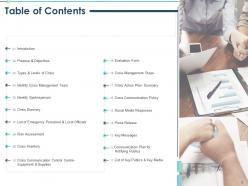
Slide 2: This slide displays Table of Contents
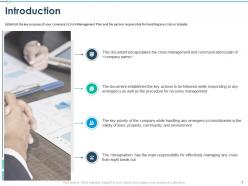
Slide 3: This slide displays Introduction
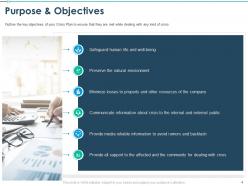
Slide 4: This slide depicts Purpose & Objectives
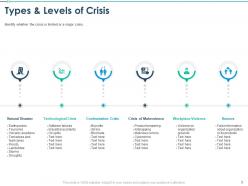
Slide 5: This slide displays Types & Levels of Crisis
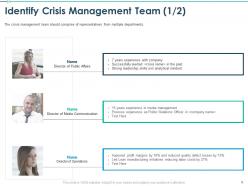
Slide 6: This slide displays Crisis Management Team.
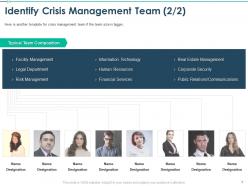
Slide 7: This slide shows Crisis Management Team.
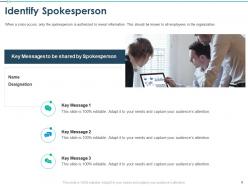
Slide 8: This slide showcases Spokesperson with names and designations.
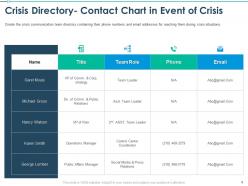
Slide 9: This slide displays Crisis Directory- Contact Chart in Event of Crisis.
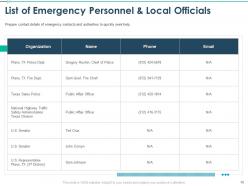
Slide 10: This slide showcases List of Emergency Personnel & Local Officials
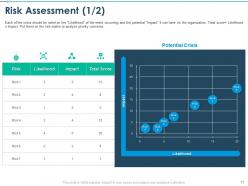
Slide 11: This slide displays Risk Assessment.
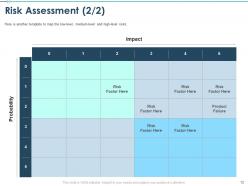
Slide 12: This slide describes Risk Assessment.
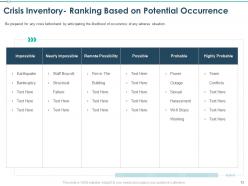
Slide 13: This slide presents Crisis Inventory- Ranking Based on Potential Occurrence
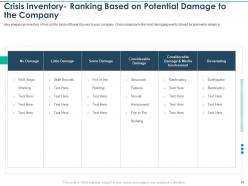
Slide 14: This slide highlights Crisis Inventory- Ranking Based on Potential Damage to the Company
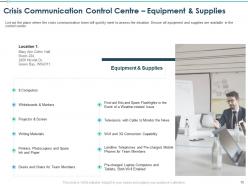
Slide 15: This slide displays Crisis Communication Control Centre – Equipment & Supplies
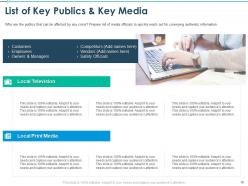
Slide 16: This slide shows List of Key Publics & Key Media
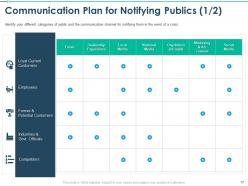
Slide 17: This slide depicts Communication Plan for Notifying Public.
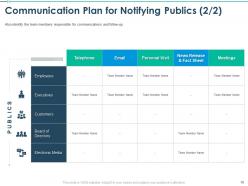
Slide 18: This slide shows Communication Plan for Notifying Publics.
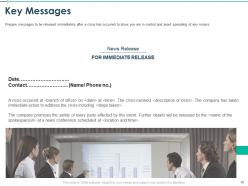
Slide 19: This slide highlights Key Messages. Prepare messages to be released immediately after a crisis has occurred to show you are in control and avoid spreading of any rumors.
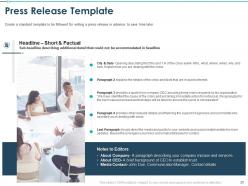
Slide 20: This is Press Release Template. Create a standard template to be followed for writing a press release in advance to save time later.
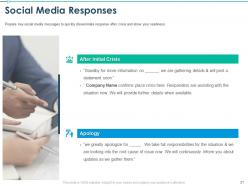
Slide 21: This slide showcases Social Media Responses. Prepare key social media messages to quickly disseminate response after crisis and show your readiness.
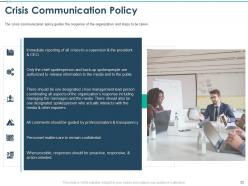
Slide 22: This slide presents Crisis Communication Policy. The crisis communication policy guides the response of the organization and steps to be taken.
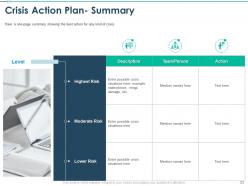
Slide 23: This slide highlights Crisis Action Plan- Summary
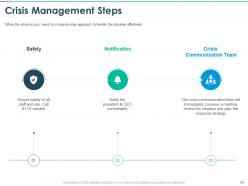
Slide 24: This slide displays Crisis Management Steps
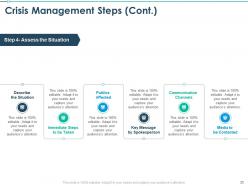
Slide 25: This slide is continued Crisis Management Steps.
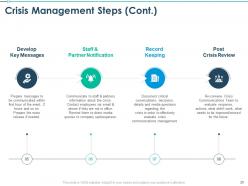
Slide 26: This slide is continued with Crisis Management Steps.
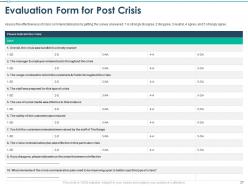
Slide 27: This slide showcases Evaluation Form for Post Crisis
Slide 28: This is Icons Slide for Crisis Communication Planning & Management
Slide 29: This slide is titled as Additional Slides for moving forward.
Slide 30: This slide displays Agenda
Slide 31: This slide depicts specifications of the Company.
Slide 32: This is Our Team slide with Names and Designations.
Slide 33: This slide displays Mission, Vision and Goals.
Slide 34: This slide shows Our Goals & Objectives
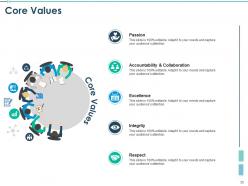
Slide 35: This slide displays Core Values
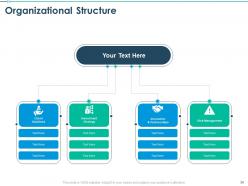
Slide 36: This slide displays Organizational Structure
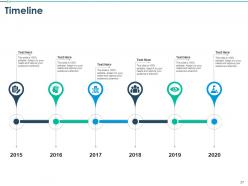
Slide 37: This slide displays Timeline process.
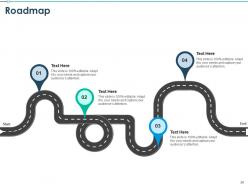
Slide 38: This slide shows Roadmap process.
Slide 39: This is Thank You slide with Contact details.
Crisis Communication Planning And Management Powerpoint Presentation Slides with all 39 slides:
Use our Crisis Communication Planning And Management Powerpoint Presentation Slides to effectively help you save your valuable time. They are readymade to fit into any presentation structure.




FAQs for Crisis Communication Planning And Management
Honestly, start with three must-haves: figure out who's calling the shots during a crisis, draft message templates ahead of time for different situations, and train specific people to talk to media. Keep your contact list current too - trust me, hunting for phone numbers while everything's falling apart is the worst. You'll also want monitoring tools to see what people are saying online. Set up approval processes that are fast but thorough. Here's the thing though - actually run practice scenarios regularly. Reading your plan on paper versus using it when stuff hits the fan are totally different experiences, and you'll catch holes you never saw coming.
Okay so this is super important - get your crisis plan ready BEFORE stuff hits the fan. Think of it like prepping for a fire drill, you know? Map out what could go wrong at your company, then write up some template responses and figure out who's gonna be the spokesperson. I swear, so many places just think they'll improvise when drama happens, but that's exactly how you get those awkward Twitter apologies that go viral for all the wrong reasons. Your team needs to know the approval process inside and out. Keep some basic holding statements ready to go. Oh, and practice these scenarios regularly! When everything's chaotic, you'll be glad everyone already knows their role.
Honestly, social media is where everything blows up first these days. News breaks there before anywhere else, so you've got to be watching it like a hawk. Quick responses are key - radio silence just makes you look sketchy or totally unprepared. Use it to tell your version of events and shut down any BS rumors floating around. But here's the thing - it can backfire hard if you mess up your messaging. I'd say figure out your game plan NOW, not when you're in crisis mode. Decide who's allowed to post what, then respond fast but don't just word-vomit without thinking it through first.
Look, people can spot fake apologies instantly during a crisis, so just be real about what happened. Own your mistakes without making excuses - that's huge. Then actually explain how you're fixing things and preventing it again. Keep everyone updated regularly so they know you're not just hiding. But here's the thing that really matters: follow through on what you promise. Say you'll make changes by March? Better deliver by March. I've seen companies nail the initial response but then drop the ball on execution - that's way worse than mediocre messaging upfront.
Don't stay quiet too long - that's like the worst thing you can do. Own what happened instead of getting all defensive about it. Seriously, people have amazing BS detectors, so don't try sugarcoating or making lame excuses. Blaming other people just makes you look terrible. Skip the corporate robot talk too... nobody wants to hear that when they're already pissed off. Just sound like an actual person who gets why everyone's upset. Oh and don't promise stuff you can't actually deliver - that'll bite you later. Move fast, take responsibility, be real about your fix.
Okay so first thing - figure out who you're actually talking to. Employees want the real deal about how this mess affects their jobs specifically. Customers just need to know you've got their back and what you're doing about it. Media's different though - they want straight facts they can quote, none of that corporate BS. Investors are all about the numbers and your comeback plan. Honestly, the trick is speaking everyone's language instead of using one generic message. Start by listing out each group, then write what they actually care about. Short sentences for some audiences, longer explanations for others. Match where they hang out too.
Okay so first thing - get mass notification systems like Everbridge or AlertMedia set up ASAP. Those are gonna be your lifeline for reaching everyone quickly. You'll also want social media monitoring (Hootsuite works well) because people will definitely be talking and you need to know what they're saying. Email, SMS, your company intranet - all crucial for keeping your team in the loop. Oh and video tools like Zoom become super important for leadership updates. Honestly the biggest mistake I see? People wait until they're in crisis mode to test this stuff. Don't do that - test everything beforehand or you're screwed.
Honestly, tracking crisis comms is way more straightforward than people make it seem. Start with the obvious stuff - media sentiment and social engagement rates. See how fast your actual info spreads compared to the BS floating around. After everything dies down, survey your people (employees, customers, whoever matters) about trust and whether your messaging made sense. Traffic spikes on your site plus crazy call volumes usually mean you left info gaps somewhere - and trust me, nobody wants angry confused calls for weeks straight. But here's what really matters: did folks actually DO what you asked? Measure behavior change above all. Set this tracking up beforehand though, not mid-crisis when you're already drowning.
Look, when everything's hitting the fan, you can't have different people saying different things. Trust me on this one. People are already freaking out and they need straight answers - not mixed signals that make you look like you don't have your act together. Get your main points figured out first, then literally give everyone the exact same talking points. I've seen companies tank their reputation because marketing said one thing while the CEO said something totally different. Short, consistent messages across the board. That's what keeps people calm and actually believing what you're telling them.
Honestly, media training is where I'd start - having your leaders nail those 30-second soundbites is way trickier than people think. Run mock crisis scenarios too so they get used to fielding questions while everything's chaos. The emotional stuff matters more than most companies realize. They need to sound human, not like they're reading from a script. Show empathy without admitting you screwed up (there's definitely an art to that). Oh, and create decision trees ahead of time! When crisis hits, people freeze up if they don't already know who calls the shots. Quick decisions beat perfect ones every time.
Move fast - get someone talking to press within an hour if you can. One spokesperson only or you'll get contradictory messages everywhere. Be straight up about what happened and what you don't know yet. Reporters hate corporate speak and will call you out. Don't admit fault right away unless you're 100% sure, but definitely show you care about people affected. Social media is probably where this started anyway, so watch it like a hawk. Oh and keep updating regularly even when there's nothing major - otherwise people just make stuff up to fill the silence.
Get your team structure sorted out way before anything goes sideways. Map out who talks to who and make sure everyone's got 24/7 contact info. Run practice drills regularly - I've seen too many teams crash and burn when real emergencies hit because they never rehearsed. Set up emergency-only communication channels (crisis Slack works great). Always have backup people for critical roles since someone will inevitably be unreachable when you need them most. Oh, and practice your handoffs between team members so your messaging doesn't turn into a game of telephone across different channels.
Honestly, being transparent is everything during a crisis. Share what you know for sure and admit when you're still figuring stuff out. I've watched companies try to cover things up - it's painful how badly that goes. Bad news? People can deal with it. Feeling lied to? That's when they really turn on you. Just don't dump every single detail if it'll make the situation messier. Stick to the solid facts first, then keep everyone posted as more info comes in. Trust me, honesty wins every time.
Honestly, post-crisis communication is where you can actually salvage things. Don't just disappear and hope everyone forgets - they won't, trust me. Be upfront about what happened and walk people through your fix. Like, actual concrete steps you're taking. New training, better systems, whatever applies to your situation. Keep updating stakeholders as you make progress too. It rebuilds trust way faster than radio silence. Oh, and document everything internally so your team has something to reference next time things go sideways. Because there will be a next time, unfortunately.
Honestly? Being fast and transparent crushes trying to be perfect every time. Johnson & Johnson nailed this with the Tylenol thing - they owned up immediately while other companies went radio silent or made excuses. People actually respect you more when you admit you screwed up (I know, makes no sense but it's true). Those first 24-48 hours? They set everything. Also, definitely have templates ready and know who makes decisions when chaos hits. Don't wait until you're drowning to figure this stuff out - build your crisis plan now.
-
Innovative and attractive designs.
-
Excellent products for quick understanding.
-
Very well designed and informative templates.
-
Great product with effective design. Helped a lot in our corporate presentations. Easy to edit and stunning visuals.
-
Topic best represented with attractive design.
-
Excellent products for quick understanding.
-
Use of icon with content is very relateable, informative and appealing.
-
Easily Understandable slides.
-
Best way of representation of the topic.