


Crisis Intervention Powerpoint Ppt Template Bundles




Try Before you Buy Download Free Sample Product
 Impress Your
 Audience
 100%
100% Editable
 Save Hours
 of Time


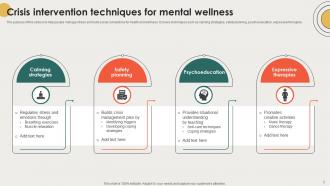
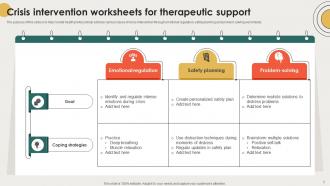
Introducing our Crisis Intervention PowerPoint PPT, a thorough manual on crisis management techniques and emergency response plans. Our presentation provides you with the necessary tools to confidently and precisely handle high stress situations by skillfully combining key ideas like crisis management, de escalation strategies, and quick emergency response protocols. Our PowerPoint helps with strategic decision making and straightforward communication during crucial crises with its customisable templates and illuminating images. Our platform gives you the ability to build readiness and resilience in your organisation, whether it is through staff training or emergency preparedness. Utilising our Crisis Intervention PowerPoint, you can improve your crisis intervention skills and guarantee the security and welfare of your group and interested parties.
People who downloaded this PowerPoint presentation also viewed the following :
Crisis Intervention Powerpoint Ppt Template Bundles with all 31 slides:
Use our Crisis Intervention Powerpoint Ppt Template Bundles to effectively help you save your valuable time. They are readymade to fit into any presentation structure.
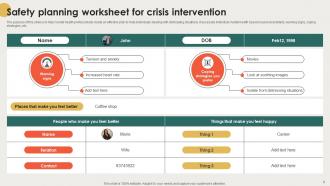
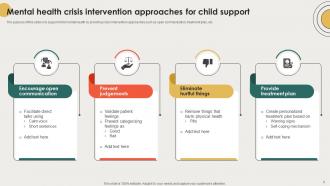
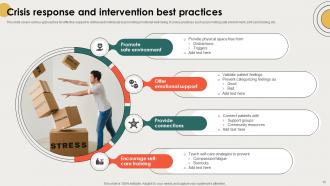
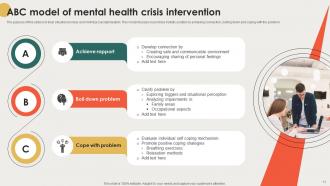








FAQs for Crisis Intervention Powerpoint
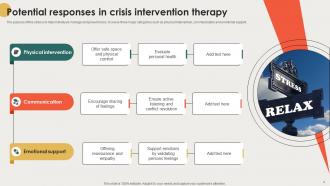
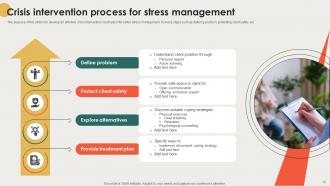
So basically you're doing emotional first aid - not trying to fix everything, just getting them through the worst of it. Your main thing is stabilizing the crisis and making sure they're safe. Short bursts work better than long conversations, honestly. Focus on reducing their immediate distress and connecting them with people who can help. Give them coping strategies they can actually handle right now. It's all about regaining some control over what feels totally chaotic. You're looking at days or weeks max, not some long-term therapy situation.
So communication is literally everything in crisis situations - it's what builds trust when someone's falling apart. Listen actively and validate what they're feeling instead of trying to fix it right away. Your tone matters way more than you'd think. Calm, clear language that matches where they're at emotionally. Half the time people just need to feel heard, you know? Body language counts too. Ask open-ended questions to keep them talking through it. Don't judge - just create that safe space where they can actually breathe and think clearly.
Honestly, active listening is a game changer for de-escalation. When someone's upset, they just want to feel heard - so reflect back what they're saying using their exact words. Don't jump straight into fix-it mode (I used to do this all the time). Ask open questions instead. Give them space to vent. Once they feel validated, they'll actually work with you on solutions. I've watched tense situations completely flip just because someone took the time to really listen first. It's wild how powerful that simple shift can be.
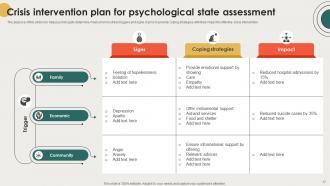
You'll mostly encounter mental health stuff - suicidal thoughts, really bad depression episodes, panic attacks. Domestic violence calls happen way too often, honestly. Substance abuse emergencies are big too. Psychotic breaks and trauma from accidents or assaults come up regularly. Oh, and grief crises - people don't expect those but they're pretty common. Lots of teen behavioral issues and older adults struggling with major life changes. Here's the thing though - what seems totally manageable to you might completely overwhelm someone else. So don't write off anything that looks "small" at first glance.
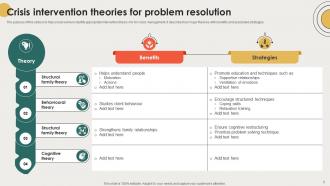
Yeah, culture plays a huge role in how people handle mental health stuff. Like, some families see it as everyone's business, not just the person going through it. Others might think it's more spiritual than medical. Eye contact is weird too - respectful in some places, totally rude in others. I've seen people mess this up by just assuming everyone wants the typical Western therapy approach. Ask them what feels right culturally instead of guessing. Sometimes you'll need to bring in family or community people. It's honestly pretty complex but worth getting right.
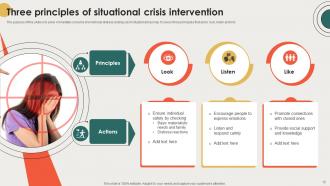
There's this framework called ALGEE that's actually pretty solid - Approach, Listen, Give reassurance, Encourage professional help, and self-help stuff. Yeah, sounds corporate as hell but bear with me. Stay calm when you approach them. Listen without jumping in with solutions or judgment. Validate what they're feeling - that part's huge. Let them know help exists and gently push them toward getting professional support. You're not their therapist though, just the bridge to real resources. Oh, and if your gut says they're in immediate danger? Don't second-guess yourself - call emergency services.
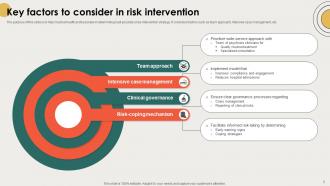
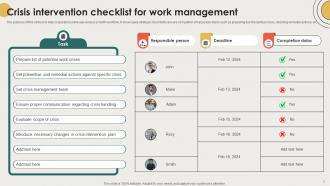
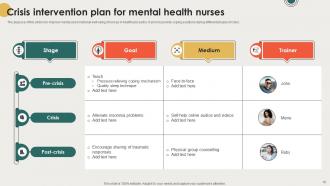
Definitely focus on hands-on training first - those scenario workshops where people actually practice talking someone down are way more valuable than just reading about it. Your team needs to know the exact steps and who to call without thinking twice. Honestly, I'd prioritize stress management training too because even experienced people can totally blank out when shit hits the fan. Oh, and don't forget refresher sessions! These skills fade super quick if you're not using them regularly. Those little reference cards with protocols and phone numbers are clutch - sounds basic but trust me, people's brains don't work normally during a crisis.
Don't rush in trying to fix everything right away - that's like the
-
No second thoughts when I’m looking for excellent templates. SlideTeam is definitely my go-to website for well-designed slides.
-
Time saving slide with creative ideas. Help a lot in quick presentations..