

Cyber Bullying Powerpoint Ppt Template Bundles




Try Before you Buy Download Free Sample Product
 Impress Your
 Audience
 100%
100% Editable
 Save Hours
 of Time


Our Cyber Bullying Powerpoint Ppt Template Bundles are topically designed to provide an attractive backdrop to any subject. Use them to look like a presentation pro.
People who downloaded this PowerPoint presentation also viewed the following :
Cyber Bullying Powerpoint Ppt Template Bundles with all 27 slides:
Use our Cyber Bullying Powerpoint Ppt Template Bundles to effectively help you save your valuable time. They are readymade to fit into any presentation structure.






FAQs for Cyber Bullying Powerpoint
Ugh, cyber bullying is so much worse than the old school stuff. Like, regular bullying at least stayed at school - you could escape it at home. But online harassment? That shit follows you everywhere through your phone. Anonymous accounts make people way more vicious too. They'll type the most brutal things knowing there's no consequences. Traditional bullying was more face-to-face, so there were some limits. The worst part is digital stuff never disappears. Screenshots get shared forever, making the damage way more lasting psychologically. If this is happening to you - document everything! Screenshot before reporting to the platform. You'll need that proof later.
Ugh, anonymity is the worst for this stuff. People say horrible things they'd never have the guts to say in person because there's no real consequences. It's like they forget there's an actual human on the other end - kind of reminds me of how people drive like maniacs but are totally polite at the grocery store, you know? The practical problem is these jerks can just make new accounts when you block them. Super frustrating. I'd stick to platforms that make people use their real names if possible, and definitely screenshot everything before you report it. Makes the whole process way easier.
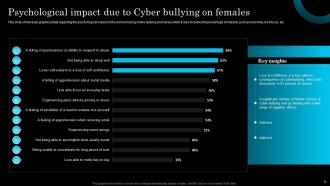
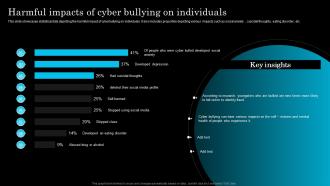
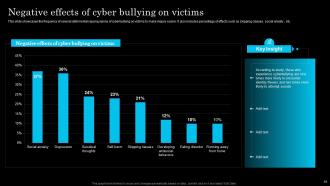
Honestly, the long-term effects are pretty scary. Victims often develop anxiety and depression that sticks around for years - sometimes into adulthood. Trust becomes this huge issue too. They'll withdraw socially and get super paranoid about anything online. Their self-esteem takes a beating from constantly fearing humiliation. What really gets me is how the digital aspect makes it feel permanent and inescapable, you know? Studies show increased suicide risk years later, which is just heartbreaking. Getting them into trauma therapy early can help prevent a lot of these lasting impacts though.
Yeah, social media companies really need to get their act together. Better AI that actually catches harassment when it happens, not three days later. Instagram's reporting system is absolutely terrible - I swear they designed it to be confusing on purpose. Instead of just banning people or doing nothing, they could try warnings or temporary restrictions first. Real support for people getting harassed would be nice too. Oh, and if you're working somewhere dealing with this stuff, try pushing for safety features from the start rather than tacking them on later.
Honestly, just sneak it into stuff you're already teaching. Health class is perfect for real scenarios. English works too - when you're doing character analysis, throw in some online ethics discussion. Computer literacy? Talk about digital footprints. Role-playing is where it's at though - kids actually practice responding to situations they'll face. Way better than another boring "be safe online" lecture (we've all sat through those, ugh). Don't go overboard with some huge unit. Just 10-15 minutes weekly hits different. They'll actually listen when you show you get their world.
Honestly, bystanders can totally change how cyberbullying plays out. Most people just freeze when they see it happening online - way more than they would IRL for some reason. But staying quiet actually makes bullies think everyone's cool with it, so things get worse. You don't have to write some big essay calling them out either. Just commenting "not okay" or DMing the person getting harassed shows support. It really does shift things when someone speaks up instead of scrolling past. Even reporting helps more than you'd think.
Yeah, cyberbullying can get you in real legal hot water. Lots of states have actual laws about it now, especially with kids involved. You could face harassment or stalking charges - some people even get hit with terroristic threats if they go too far. Civil lawsuits are happening more often too. Screenshots become evidence fast, which honestly surprises people. Penalties vary but range from fines to jail time in bad cases. My advice? Document everything if you're dealing with this mess and maybe talk to a lawyer who knows your area's laws.
Honestly, parental controls help but talking to your kids regularly is way more effective. I'd check their social media sometimes - not like a crazy person, but enough to see who they're chatting with. Watch for weird behavior changes too, like suddenly not wanting to use their phone or getting moody. Here's the thing though - if they feel like you're spying on them 24/7, they'll just find ways around it. Set clear rules about what's okay online and make sure they know they won't get in trouble for telling you if something sketchy happens. Trust me, that last part is huge.
Ugh, this stuff is awful but there's help out there. StopBullying.gov and the Cyberbullying Research Center both have 24/7 hotlines with actually useful advice. Your school counselor should know how to handle this too - most are trained for it now. Document everything if it's getting serious (especially threats) and don't hesitate to call the cops. Social media reporting has gotten better, though some platforms are still painfully slow about it. Honestly though, the biggest thing is don't try to deal with this solo. Talk to someone you trust first - parent, friend, counselor, whoever.
Honestly, meet kids where they're scrolling - TikTok, Instagram, wherever. Make content that doesn't suck (unlike those awful PSAs we grew up with). Videos and memes work way better than boring posters. Partner with actual students who can help with messaging because nothing's worse than adults trying to sound cool. Gamify it somehow - apps that reward good behavior are surprisingly effective. Oh, and use AI tools to track what's actually working instead of guessing. The whole thing needs to feel peer-driven, not like another lecture from grown-ups.
Watch for sudden changes - like if they're usually glued to their phone but now avoid it completely. Maybe they seem upset after going online, or their sleep gets messed up. Work/school stuff might start slipping too. Some people get super secretive about what they're doing online (which honestly makes total sense). You might notice they randomly delete social media accounts or just stop posting altogether. The biggest red flag is when their normal patterns flip overnight. Trust your instincts - if something feels weird, just ask them what's up.
Yeah, culture totally changes how people see cyberbullying. Like, what one community calls "building character" might be straight-up harassment to another group. The tricky part is that different cultures have completely different ideas about reporting stuff too - some families want to handle everything internally, you know? Plus communication styles vary so much. Honestly, I think that's why a lot of anti-bullying programs fail. They just copy-paste the same approach everywhere instead of actually talking to community leaders first. You really can't ignore those local values when you're trying to help kids.
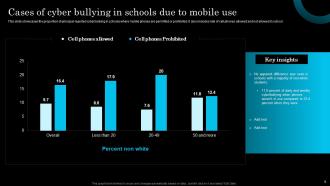
Look, cyberbullying absolutely wrecks kids' grades and attendance. They'll skip school just to avoid the harassment, which honestly makes sense when you think about it. Hard to concentrate on math when you're worried about what cruel stuff got posted about you last night. The stress creates this nasty spiral - anxiety and depression make them fall behind, then being behind academically adds even more pressure. If you're noticing these warning signs, definitely get them connected with counseling and start documenting everything that's happening. You've gotta break the cycle before their whole education gets derailed.
Honestly, peer support groups are amazing for kids dealing with cyberbullying. The isolation is probably the worst part - like you're totally alone in this mess. But when they meet others who've actually been through it? Game changer. There's this instant "oh my god, you get it" moment that even parents can't really provide. These kids share real strategies that actually work online, not just textbook advice. My cousin went through something similar and said it totally helped her confidence bounce back. If you know someone struggling, definitely try connecting them with a support group or even just informal meetups.
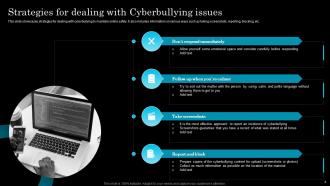
First thing - lock down your privacy settings everywhere. Seriously, I learned this the hard way. Don't post stuff you wouldn't want your boss seeing because screenshots live forever, unfortunately. Block creepy people immediately and whatever you do, don't feed the trolls - they thrive on responses. Screenshot any harassment for evidence though. Oh, and if someone's really bothering you online, tell a friend or report them to the platform. You don't have to deal with that crap alone.
-
Easy to edit slides with easy to understand instructions.
-
Superb! The innovative and inspiring template designs provide an edge to the presentation.