


Deploying Automation For Manufacturing Process Improvement Powerpoint Presentation Slides
Manufacturing automation is the development process of mechanized production in which manual control and monitoring of tasks are transferred to instruments and automated technologies. Its purpose is to optimize labor efficiency and manufacture product quality by optimally utilizing automated resources. Therefore, our team has crafted this Deploying Automation for Manufacturing Process Improvement PPT to provide detailed insight into the manufacturing automation industry. The PPT slides provide a comparative assessment of production costs within the industry along with its major trends, statistics, and gap analysis. Also, the PPT deck highlights numerous automated technologies, benefits, and framework deployment for manufacturing automation. Additionally, this PowerPoint provides access to an automatic manufacturing process implementation timeline. Moreover, it includes multiple strategies for improving and mechanizing manufacturing processes such as workflow automation, enterprise resource planner ERP, industrial IoT, robotic process automation RPA, computer-aided engineering CAD, artificial intelligence AI, visual inspection system, and procurement automation. Furthermore, this deck includes members, the training program, and the RACI matrix of the automated manufacturing process team. The complete deck also contains the overall budget, ERP software selection, and automated systems costs calculation implementing and managing production automation. Lastly, it provides KPI dashboards, monthly performance reports, and impact analysis to measure the effectiveness of automation on the manufacturing process. Get access now.




























You must be logged in to download this presentation.


Do you want to remove this product from your favourites?
PowerPoint presentation slides
Deliver an informational PPT on various topics by using this Deploying Automation For Manufacturing Process Improvement Powerpoint Presentation Slides. This deck focuses and implements best industry practices, thus providing a birds-eye view of the topic. Encompassed with sixty slides, designed using high-quality visuals and graphics, this deck is a complete package to use and download. All the slides offered in this deck are subjective to innumerable alterations, thus making you a pro at delivering and educating. You can modify the color of the graphics, background, or anything else as per your needs and requirements. It suits every business vertical because of its adaptable layout.

People who downloaded this PowerPoint presentation also viewed the following :
Content of this Powerpoint Presentation
Slide 1: This slide introduces Deploying Automation for Manufacturing Process Improvement. State your company name and begin.
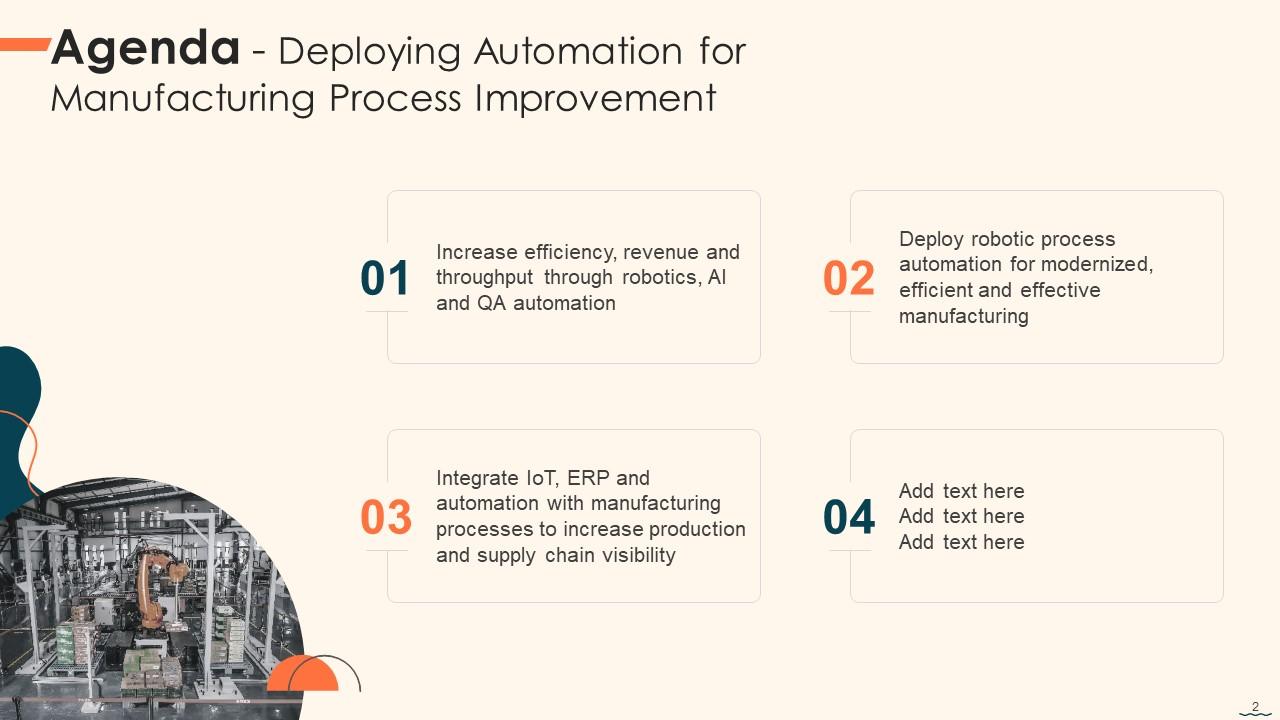
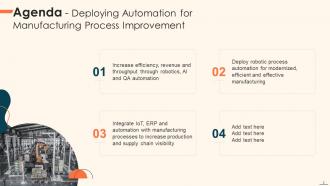
Slide 2: This slide states Agenda of the presentation.
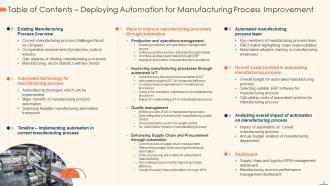
Slide 3: This slide shows Table of Content for the presentation.
Slide 4: This slide highlights title for topics that are to be covered next in the template.
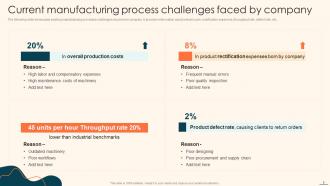
Slide 5: This slide presents Current manufacturing process challenges faced by company.
Slide 6: This slide displays Comparative assessment of production costs in industry.
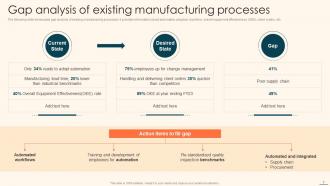
Slide 7: This slide represents Gap analysis of existing manufacturing processes.
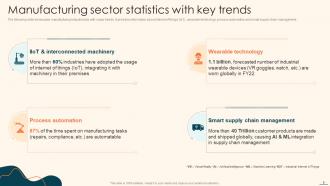
Slide 8: This slide showcases Manufacturing sector statistics with key trends.
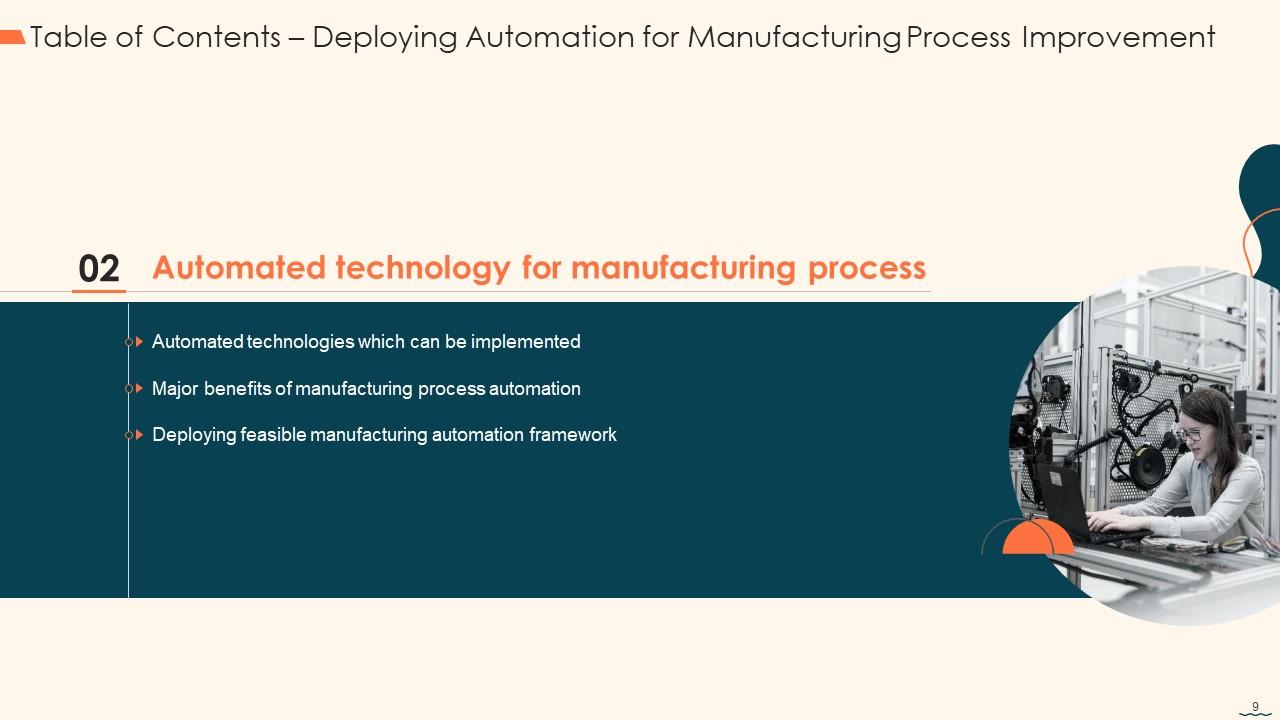
Slide 9: This slide highlights title for topics that are to be covered next in the template.
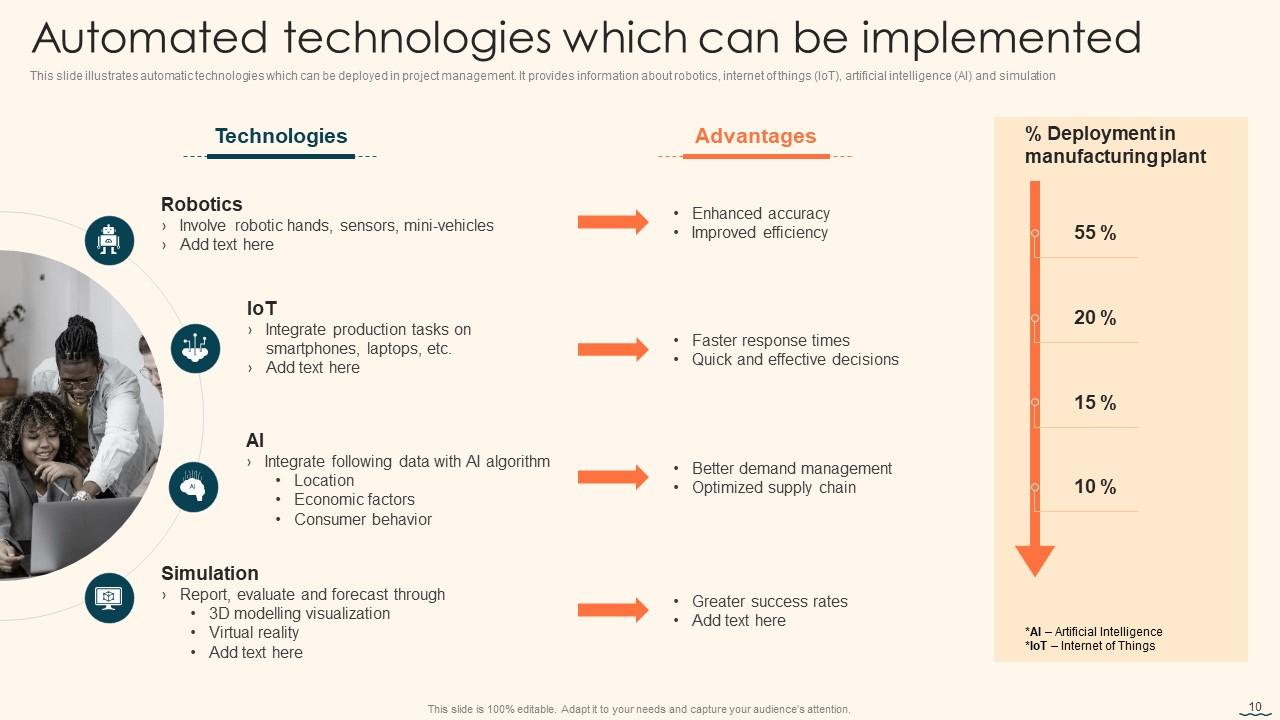
Slide 10: This slide shows Automated technologies which can be implemented.
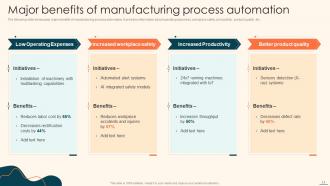
Slide 11: This slide presents Major benefits of manufacturing process automation.
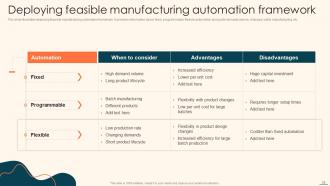
Slide 12: This slide displays Deploying feasible manufacturing automation framework.
Slide 13: This slide highlights title for topics that are to be covered next in the template.
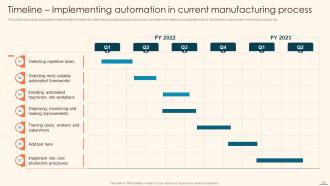
Slide 14: This slide showcases automation implementation timeline for automating existing production process.
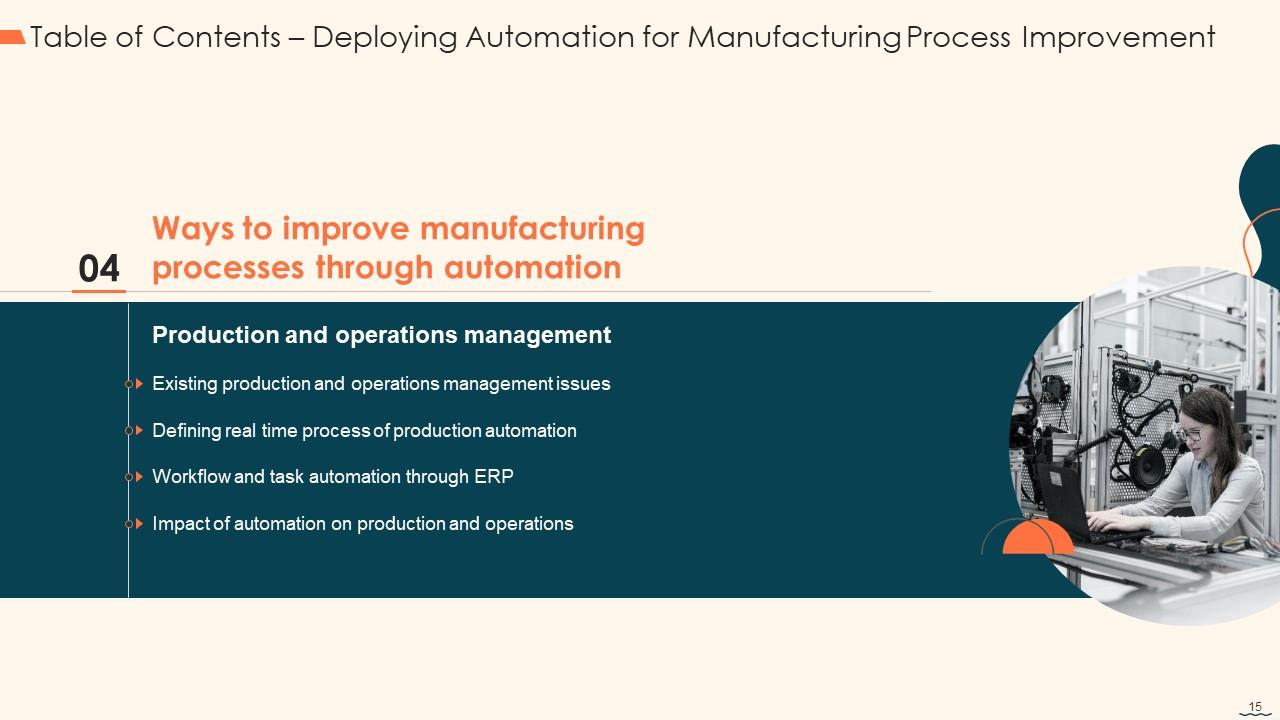
Slide 15: This slide highlights title for topics that are to be covered next in the template.
Slide 16: This slide shows Existing production and operations management issues.
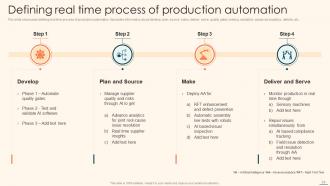
Slide 17: This slide presents Defining real time process of production automation.
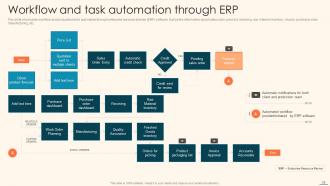
Slide 18: This slide displays Workflow and task automation through ERP.
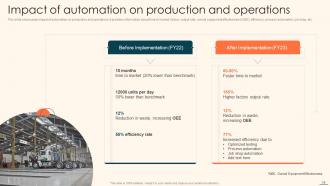
Slide 19: This slide represents Impact of automation on production and operations.
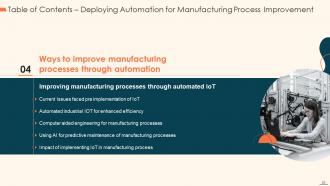
Slide 20: This slide highlights title for topics that are to be covered next in the template.
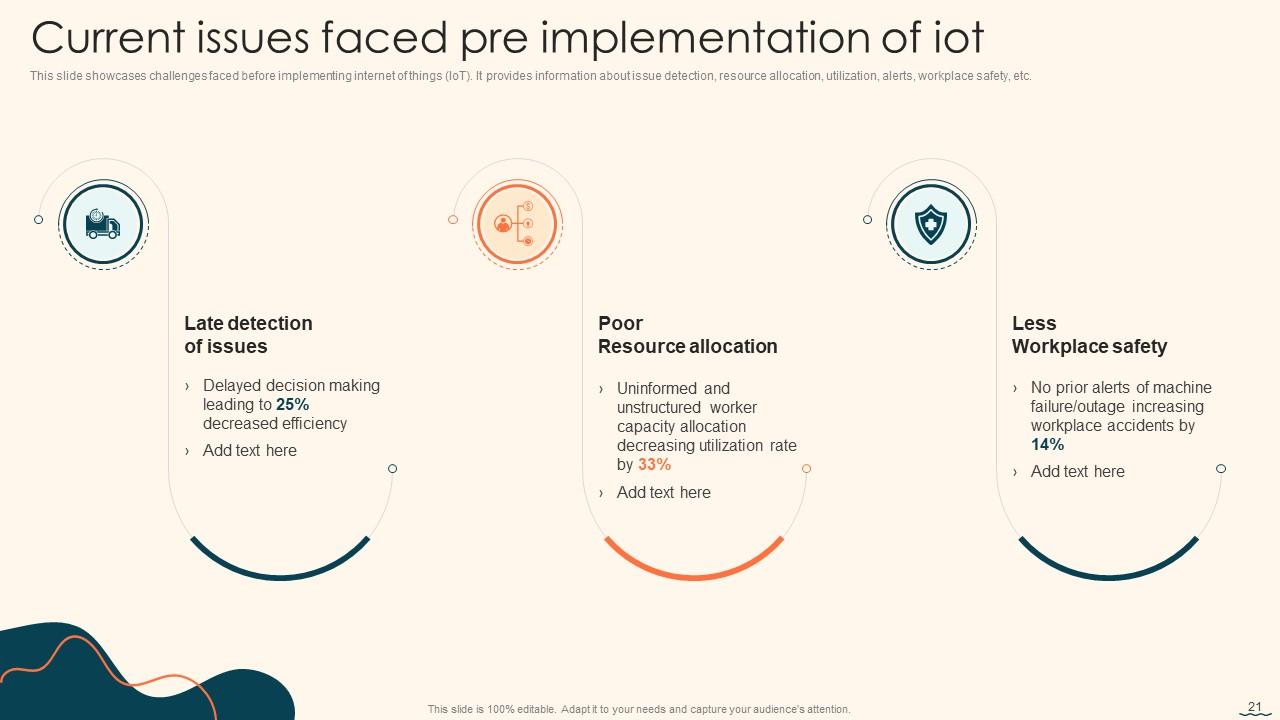
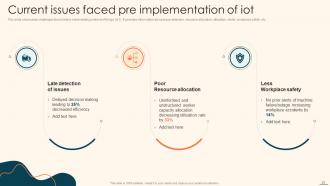
Slide 21: This slide showcases Current issues faced pre implementation of iot.
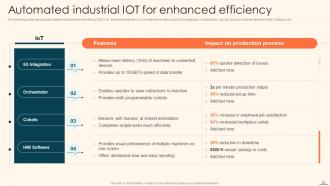
Slide 22: This slide shows Automated industrial IOT for enhanced efficiency.
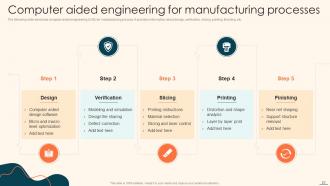
Slide 23: This slide presents Computer aided engineering for manufacturing processes.
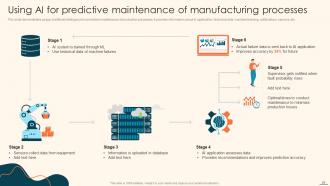
Slide 24: This slide demonstrates usage of artificial intelligence for predictive maintenance of production processes.
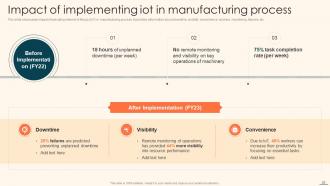
Slide 25: This slide displays Impact of implementing iot in manufacturing process.
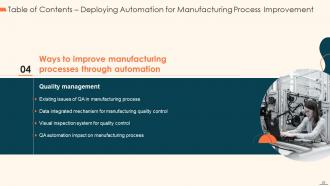
Slide 26: This slide highlights title for topics that are to be covered next in the template.
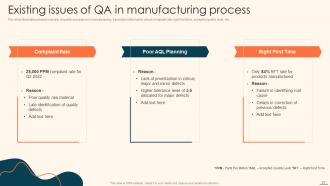
Slide 27: This slide represents Existing issues of QA in manufacturing process.
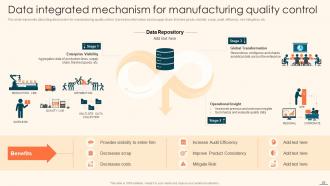
Slide 28: This slide showcases Data integrated mechanism for manufacturing quality control.
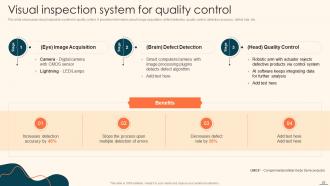
Slide 29: This slide shows Visual inspection system for quality control.
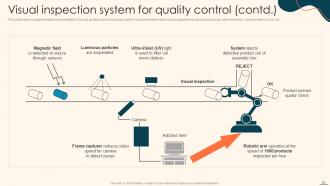
Slide 30: This is another slide continuing Visual inspection system for quality control.
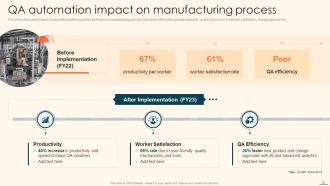
Slide 31: This slide showcases impact of automated quality inspection strategies on manufacturing process.
Slide 32: This slide highlights title for topics that are to be covered next in the template.
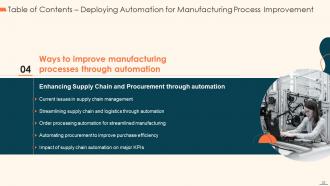
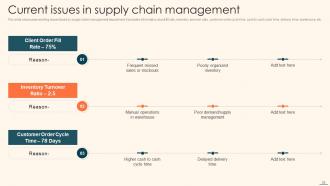
Slide 33: This slide shows Current issues in supply chain management.
Slide 34: This slide presents Streamlining supply chain and logistics through automation.
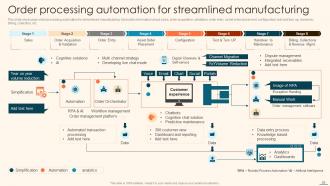
Slide 35: This slide displays Order processing automation for streamlined manufacturing.
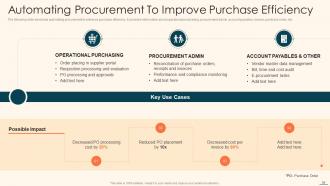
Slide 36: This slide represents Automating Procurement To Improve Purchase Efficiency.
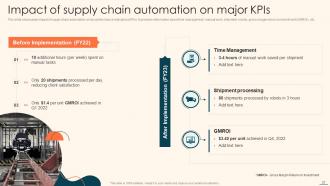
Slide 37: This slide showcases Impact of supply chain automation on major KPIs.
Slide 38: This slide highlights title for topics that are to be covered next in the template.
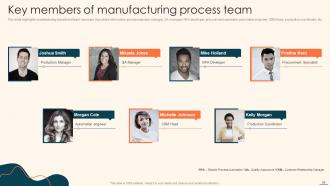
Slide 39: This slide shows Key members of manufacturing process team.
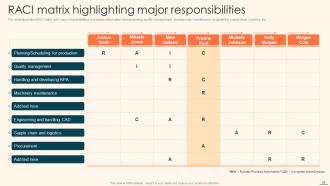
Slide 40: This slide presents RACI matrix highlighting major responsibilities.
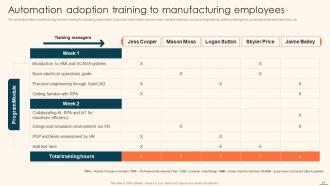
Slide 41: This slide displays Automation adoption training to manufacturing employees.
Slide 42: This slide highlights title for topics that are to be covered next in the template.
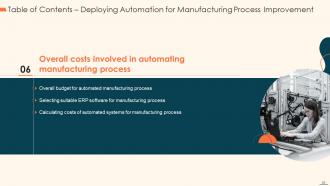
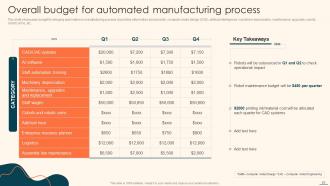
Slide 43: This slide represents Overall budget for automated manufacturing process.
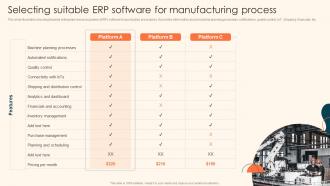
Slide 44: This slide showcases Selecting suitable ERP software for manufacturing process.
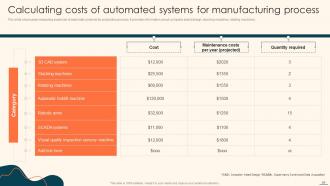
Slide 45: This slide shows Calculating costs of automated systems for manufacturing process.
Slide 46: This slide highlights title for topics that are to be covered next in the template.
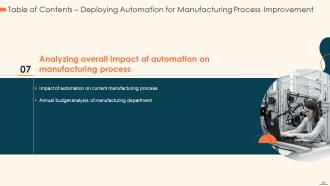
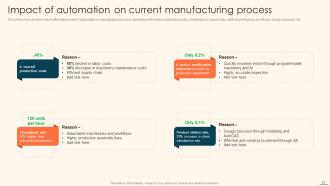
Slide 47: This slide presents Impact of automation on current manufacturing process.
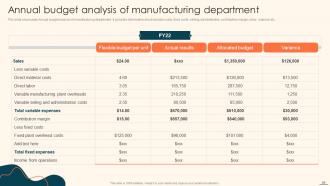
Slide 48: This slide displays Annual budget analysis of manufacturing department.
Slide 49: This slide highlights title for topics that are to be covered next in the template.
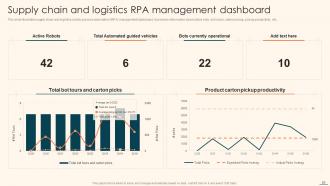
Slide 50: This slide represents Supply chain and logistics RPA management dashboard.
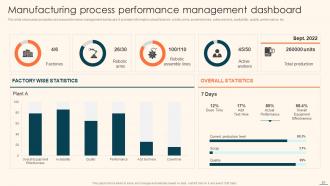
Slide 51: This slide showcases Manufacturing process performance management dashboard.
Slide 52: This slide contains all the icons used in this presentation.
Slide 53: This slide is titled as Additional Slides for moving forward.
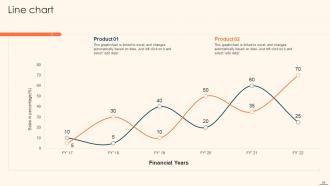
Slide 54: This slide describes Line chart with two products comparison.
Slide 55: This slide shows Post It Notes. Post your important notes here.
Slide 56: This slide depicts Venn diagram with text boxes.
Slide 57: This slide presents Roadmap with additional textboxes.
Slide 58: This slide contains Puzzle with related icons and text.
Slide 59: This is Our Target slide. State your targets here.
Slide 60: This is a Thank You slide with address, contact numbers and email address.
Deploying Automation For Manufacturing Process Improvement Powerpoint Presentation Slides with all 65 slides:
Use our Deploying Automation For Manufacturing Process Improvement Powerpoint Presentation Slides to effectively help you save your valuable time. They are readymade to fit into any presentation structure.
-
Wonderful templates design to use in business meetings.
-
Amazing product with appealing content and design.
