

Slides de apresentação em PowerPoint sobre Tecnologia Digital de Recursos Humanos





Try Before you Buy Download Free Sample Product
 Impress Your
Audience
 100%
Editable
 Save Hours
of Time


Apresentação de slides em PowerPoint sobre Tecnologia Digital de RH que ajudará você a identificar o estado-alvo desejado do sistema de RH e desenvolver um roteiro associado. Nossa apresentação visualmente atraente de planejamento de recursos humanos contém vários modelos que descrevem a gestão de capital humano, o sistema de tecnologia de RH, o sistema de informações de recursos humanos, os KPIs da gestão de recursos humanos, etc. Utilize nossos infográficos de apresentação de gestão de recursos humanos prontos para uso para fornecer uma visão geral detalhada das tendências da indústria de tecnologia de RH, fases da tecnologia de RH na empresa, modelo de capacidade de tecnologia de RH, etc. Mostre diferentes funções do sistema de informações de recursos humanos mencionando atividades operacionais e gerenciais. Esses designs de slides de apresentação de HRIS ajudarão no entendimento do sistema de RH, mostrando a relação das funções de RH com diferentes usuários dos sistemas, incluindo funcionário, gerente e RH. Analise diferentes categorias de fornecedores do mercado de RH e forneça uma visão geral do mercado de HRIS utilizando esses layouts de apresentação de tecnologia de RH prontos para conteúdo. Discuta os principais recursos da tecnologia de GCH, áreas de foco, visão geral do mercado, etc. em detalhes, baixando este conjunto de slides de apresentação de planejamento de recursos humanos.
People who downloaded this PowerPoint presentation also viewed the following :
Conteúdo desta apresentação em PowerPoint
Slide 1: Este slide apresenta a Tecnologia de RH Digital. Declare o nome da sua empresa e comece.
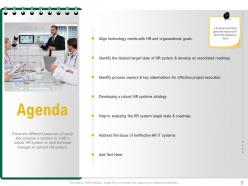
Slide 2: Este slide exibe a Agenda.
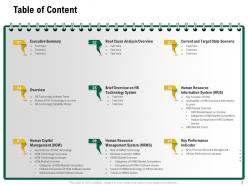
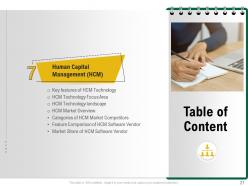
Slide 3: Este slide exibe o Sumário da apresentação.
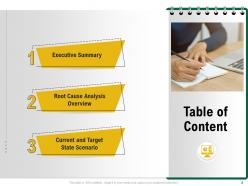
Slide 4: Este slide exibe o Sumário.
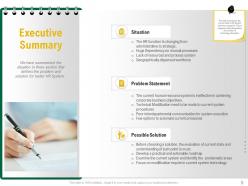
Slide 5: O slide resume o estado atual do Sistema de RH em três categorias.
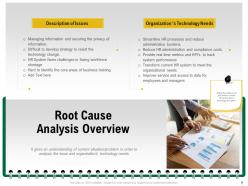
Slide 6: Este modelo fornece um entendimento da situação/problema atual, a fim de analisar a questão e as necessidades tecnológicas da organização.
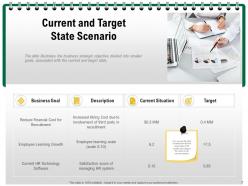
Slide 7: O slide ilustra o objetivo estratégico de negócios dividido em metas menores, associadas ao estado atual e desejado.
Slide 8: Este slide mostra o Sumário.
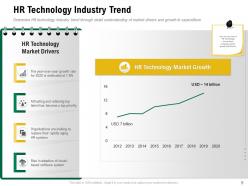
Slide 9: Este slide mostra a Tendência da Indústria de Tecnologia de RH.
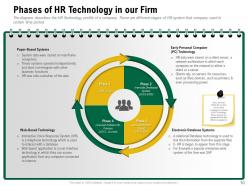
Slide 10: O diagrama neste slide descreve o perfil de Tecnologia de RH de uma empresa. Estas são as diferentes etapas do sistema de RH que a empresa usou em determinados períodos.
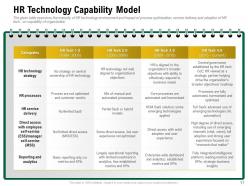
Slide 11: A tabela dada examina a maturidade do ambiente de tecnologia de RH e o impacto da otimização de processos, entrega de serviços e adoção da tecnologia de RH, na capacidade da organização.
Slide 12: Este slide exibe o Sumário.
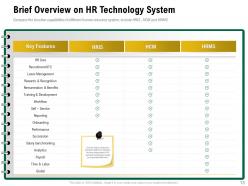
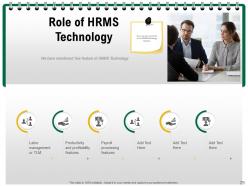
Slide 13: Este slide mostra uma Breve Visão Geral sobre o Sistema de Tecnologia de RH.
Slide 14: Este slide exibe o Sumário.
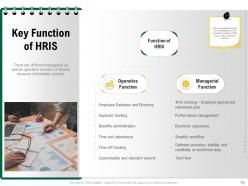
Slide 15: Este slide mostra uma lista de atividades gerenciais e operacionais do HRIS. Você pode editar ou adicionar mais atividades.
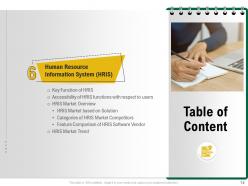
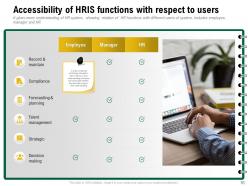
Slide 16: Este slide mostra a Acessibilidade das funções do HRIS em relação aos usuários.
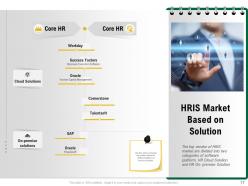
Slide 17: Os principais fornecedores do mercado de HRIS são divididos em duas categorias de plataforma de software, Solução de Nuvem de RH e Solução On-premise de RH.
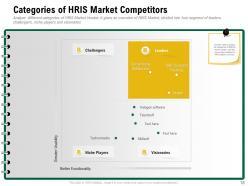
Slide 18: Este slide ajuda a analisar as categorias dos diferentes fornecedores do mercado e quem oferece a melhor solução para serviços de software HRIS.
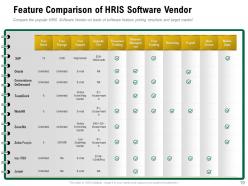
Slide 19: Este slide exibe a Comparação de Recursos do Fornecedor de Software HRIS.
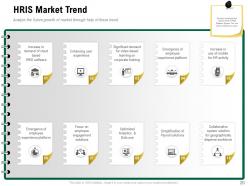
Slide 20: Este slide mostra a Tendência do Mercado de HRIS.
Slide 21: Este slide exibe o Sumário.
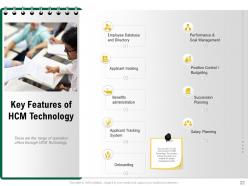
Slide 22: Este slide pode ser usado para adicionar mais funções da Tecnologia HCM. O objetivo dessas funções é simplificar as necessidades de gestão de pessoas.
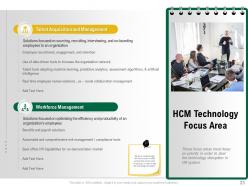
Slide 23: Este slide mostra algumas áreas de foco no sistema HCM que precisam ser priorizadas, a fim de lidar com a disrupção tecnológica.
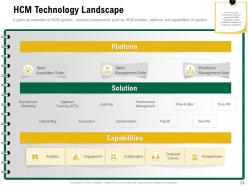
Slide 24: Este slide mostra o Panorama da Tecnologia HCM.
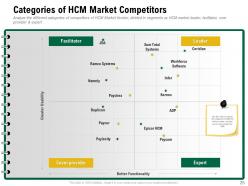
Slide 25: Este slide mostra as Categorias dos Concorrentes do Mercado HCM. Analise as diferentes categorias de concorrentes do Fornecedor de Mercado HCM, divididas em segmentos como líder de mercado HCM, facilitador, provedor principal e especialista.
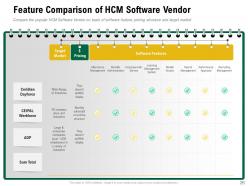
Slide 26: Este slide exibe a Comparação de Recursos do Fornecedor de Software HCM.
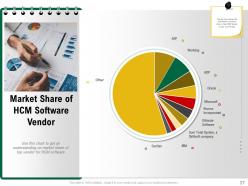
Slide 27: Este slide exibe um gráfico para entender a participação de mercado dos principais fornecedores de software HCM.
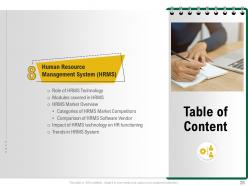
Slide 28: Este slide mostra o Sumário.
Slide 29: Este slide mostra alguns recursos da Tecnologia HRMS.
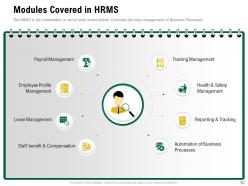
Slide 30: Este modelo mostra os Módulos Cobertos no HRMS.
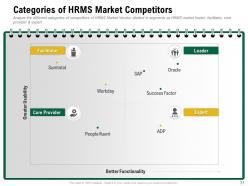
Slide 31: Este slide mostra as Categorias dos Concorrentes do Mercado HRMS.
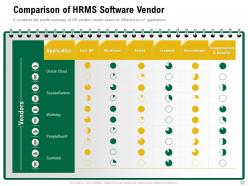
Slide 32: Este slide exibe a Comparação do Fornecedor de Software HRMS.
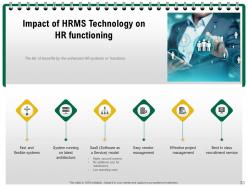
Slide 33: Este slide mostra uma lista de benefícios dos sistemas ou funções de RH aprimorados.
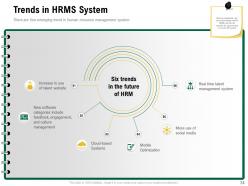
Slide 34: Este slide mostra algumas tendências emergentes no sistema de gestão de recursos humanos.
Slide 35: Este slide exibe o Sumário.
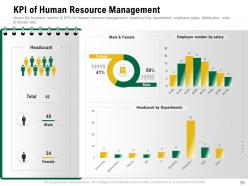
Slide 36: Este slide representa os KPIs de Gestão de Recursos Humanos.
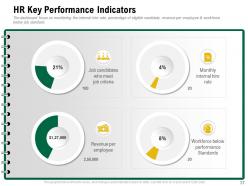
Slide 37: O painel se concentra no monitoramento da taxa de contratação interna, porcentagem de candidatos elegíveis, receita por funcionário e força de trabalho abaixo do padrão de trabalho.
Slide 38: Este é o Slide de Ícones de Tecnologia de RH Digital.
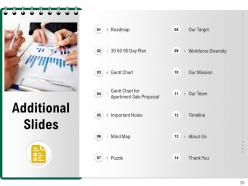
Slide 39: Este slide é intitulado como Slide Adicional para Seguir em Frente.
Slide 40: Este slide exibe um Modelo de Roteiro de 3 Etapas.
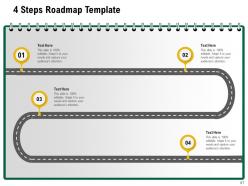
Slide 41: Este slide mostra um Modelo de Roteiro de 4 Etapas.
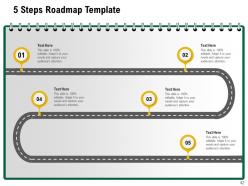
Slide 42: Este slide mostra um Modelo de Roteiro de 5 Etapas.
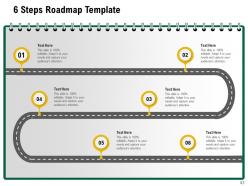
Slide 43: Este slide mostra um Modelo de Roteiro de 6 Etapas.
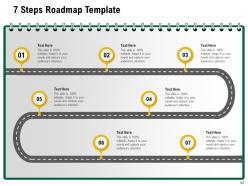
Slide 44: Este slide mostra um Modelo de Roteiro de 7 Etapas.
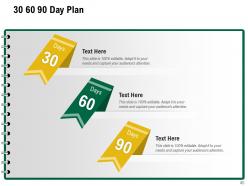
Slide 45: Este é o slide do Plano de 30 60 90 Dias.
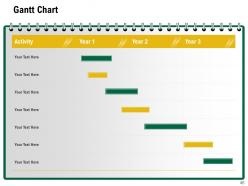
Slide 46: Este slide exibe um Gráfico de Gantt.
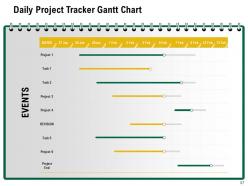
Slide 47: Este slide mostra um Gráfico de Gantt de Rastreador de Projeto Diário.
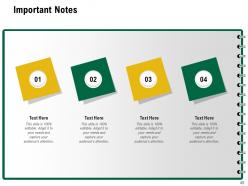
Slide 48: Este slide é intitulado como Notas Importantes para postar notas.
Slide 49: Este slide mostra um Mapa Mental para representar entidades.
Slide 50: Este é o slide Quebra-cabeça.
Slide 51: Este slide mostra Nosso Alvo.
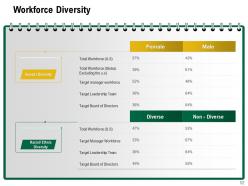
Slide 52: Este slide exibe a Diversidade da Força de Trabalho com Diversidade Racial/Étnica, Diversidade de Gênero.
Slide 53: Este slide mostra a Visão, Missão e Metas da Empresa.
Slide 54: Este é o slide Sobre Nós para mostrar as Especificações da empresa.
Slide 55: Este é o slide Nossa Equipe com Nomes e Designações.
Slide 56: Este é o slide de Linha do Tempo.
Slide 57: Este é o slide de Agradecimento com Detalhes de Contato.
Apresentação de slides em PowerPoint sobre Tecnologia Digital de RH com todas as 57 slides:
Utilize nossos slides de apresentação em PowerPoint de Tecnologia Digital de RH para economizar seu tempo valioso de maneira eficaz. Eles estão prontos para se encaixar em qualquer estrutura de apresentação.

FAQs for Digital HR Technology
Honestly, the automation stuff is huge - payroll, onboarding, all that boring admin work just runs itself. Your team can finally do actual strategic thinking instead of drowning in forms (been there, it sucks). Real-time data is a game changer too. You'll see patterns in turnover and engagement that you never noticed before. Oh, and employees will stop bothering you constantly because they can request time off and update their own info. Self-service features are seriously underrated. I'd figure out what's driving you crazy first, then tackle those areas.
Honestly, digital HR tools are game-changers for keeping people engaged. They handle all that tedious paperwork nobody wants to deal with. Your team gets real-time feedback through quick pulse surveys instead of waiting for annual reviews (which are pretty useless anyway). Self-service portals mean people can actually find their benefits info without emailing HR constantly. The analytics piece is huge - you'll spot when someone's checking out mentally before they update their LinkedIn. Just don't go overboard picking tools. Find whatever's bugging your team most right now and fix that first. Nobody needs another clunky system to figure out.
Honestly, the worst part is dealing with people who absolutely hate change - I've watched entire teams basically mutiny when they had to ditch Excel for a real HRUS system. Data migration is a nightmare too. Your IT folks will be stressed trying to move years of employee records without screwing something up. Then you've got executives breathing down your neck wanting it perfect immediately, but also complaining about costs. Oh, and timelines are always unrealistic. Best move? Find some people who are actually excited about new tech and start small with them first.
Dude, HR analytics is basically swapping your hunches for actual data. You stop guessing why people quit and start seeing real patterns. Honestly, the coolest part is catching stuff you'd totally miss otherwise - like predicting who's about to bail or spotting skill gaps early. Plus you can finally prove to your boss why certain hires make sense instead of just crossing your fingers. Compensation insights are solid too - shows what actually motivates people vs what you think does. My advice? Pick one thing that bugs you and dig into those numbers first.
So AI handles all the boring HR stuff you probably hate doing anyway. Resume screening becomes automatic. Interview scheduling too. Those employee chatbots are actually pretty decent now for basic questions. The data analysis part is where it gets interesting though - it'll spot which employees might quit or who's crushing it performance-wise. Plus it can suggest personalized training based on someone's background, which saves you from playing career counselor all day. Honestly? Just pick whatever repetitive task annoys you most and find an AI tool for that. Way easier than trying to overhaul everything at once.
Honestly, HR tech is a game-changer for hiring. AI can rip through resumes in seconds instead of you spending hours on it. Chatbots handle all those "what's the salary range?" questions that eat up your day. The analytics part is where it gets really interesting though - you'll actually see which job sites are worth your money and which ones are just burning budget. Video interviews cut out so much scheduling drama too. My advice? Pick whatever's driving you most crazy right now and fix that first. Don't go nuts trying to digitize everything - that's how you end up overwhelmed and nothing actually works.
Oh man, start by figuring out what data you actually have and who can see it - that's where you'll spot the scary gaps. Encrypt everything, both when it's stored and moving around. Set up permissions so people only access what they need for their jobs, not everything. Multi-factor authentication is a must (I know, annoying but necessary). Keep your software updated because honestly? Most hacks happen from outdated boring stuff nobody thinks about. Do regular security checks and make sure everyone understands your data rules. Trust me, having a clear policy saves your butt later.
Honestly, just grab something like BambooHR or Gusto first - they'll handle payroll and benefits without costing a fortune. No point getting some crazy expensive enterprise thing when you're still figuring stuff out. Pick whatever solves your biggest headache right now (time tracking? onboarding?) then build from there. Make sure whatever you choose plays nice with other tools though, because juggling a million different logins is the worst. Oh, and definitely take advantage of those free trials - I learned that one the hard way! Get your team used to one system before adding more features. Baby steps work better than trying to do everything at once.
Okay so first thing - figure out your biggest 3 headaches with HR stuff right now. Then see which platforms actually fix those instead of getting distracted by fancy features you don't need. The interface has to be decent or people just won't bother using it, trust me on that one. Mobile access is pretty much mandatory these days too. Make sure whatever you pick works with your current payroll system - integration headaches are the worst. You'll want good self-service options for employees, automated workflows for onboarding/reviews, and solid reporting. Don't forget compliance features and pricing that won't bankrupt you when you hire more people.
Honestly, digital HR tools are like having a virtual office that actually works. Your team stays connected no matter where they are. The shared docs and real-time collaboration features are pretty solid, but the scheduling stuff? Total lifesaver. No more crazy email threads just to plan a meeting - I swear those things multiply overnight. Performance tracking helps you keep tabs on everyone even when they're in different time zones. Oh, and don't go overboard at first. Pick one main platform that plays nice with what you're already using. Your team will thank you for not dumping five new apps on them at once.
Honestly, HR tech can be a total game-changer for diversity stuff. Blind resume screening cuts out unconscious bias, and the analytics help you spot pay gaps super fast - way better than doing it manually. I've seen companies discover patterns they had no clue existed. But here's where it gets tricky: garbage in, garbage out. If you don't set up the algorithms right or get diverse people involved in choosing the tools, you might accidentally make things worse. The data tracking across hiring and promotions is pretty solid though. Just audit your systems regularly so you're not baking bias right back in.
Track the obvious stuff first - time saved on admin work, recruiting costs, turnover rates. That's your hard data with actual dollar signs. Employee engagement scores and how fast you're hiring people matter too. Honestly, the "softer" stuff like better employee experience is harder to measure but it's huge for keeping people around. Get your baseline numbers before you start, then check in every quarter. Oh, and make a simple dashboard with like 3-4 key things so your boss can actually see what's working without digging through spreadsheets.
Honestly, digital HR tools are game-changers for L&D. Your learning management system can create custom paths for each person based on their actual skill gaps - way better than generic training modules everyone hates. AI recommendations work surprisingly well too, suggesting courses based on what's actually working for similar roles. The analytics are clutch for proving ROI instead of just hoping programs work. Mobile apps mean people can learn during their commute (though let's be real, half will just scroll social media instead). I'd start by figuring out where you're wasting the most time manually tracking stuff. That's usually the biggest win.
Oh totally - culture plays a huge role in this stuff. Japan's a perfect example where people hate self-service HR because they want that face-to-face interaction. Tech-savvy places? They jump on automation immediately. Then you've got the whole hierarchy thing - some cultures freak out over transparent feedback tools that basically let anyone rate their boss. Privacy rules are all over the map too, which honestly makes everything more complicated. My take: test it locally first with a small group before rolling out globally. Way better than assuming what works in Silicon Valley will work everywhere else.
Honestly, AI analytics are getting scary good at predicting who's gonna quit before they even know it themselves. Voice assistants will finally handle all those "how many vacation days do I have" questions - thank god. The coolest part though? Personalized career paths that actually make sense for each person, kind of like how Spotify knows your music taste better than you do. All your HR systems will talk to each other properly too (revolutionary concept, I know). Start playing around with some basic AI tools now because there's definitely a learning curve, and you don't want to be the person figuring it out when everyone else is already using it.
-
Best way of representation of the topic.
-
Graphics are very appealing to eyes.
-
Awesomely designed templates, Easy to understand.