


Hr Roadmap Powerpoint Presentation Slides





Try Before you Buy Download Free Sample Product
 Impress Your
 Audience
 100%
100% Editable
 Save Hours
 of Time


Human resource is the most important asset of the organizations. Select our Hr Roadmap PowerPoint Presentation Slides to present HR planning Strategies. Users can easily present HR developments with this content ready presentation on human resource planning. Human resource timeline PowerPoint complete deck includes templates like HR roadmap for successful onboarding, HR strategy roadmap, action Plan, transformation roadmap, etc. These roadmap templates are completely editable. Presenter can change the font, text and color as per their needs. Showcase how right talent will help your business succeed over time. Purpose of HR planning is hiring the right people with the right talent at right place on right time. Strategic human management PPT presentation also be used for related topics such as human resource planning, workforce management, workforce planning manpower planning and many more. Download HR management plan Presentation layout to identify current and future human resource needs. Convince folks that they are in capable hands with our Hr Roadmap Powerpoint Presentation Slides. Impress them with your craft.
People who downloaded this PowerPoint presentation also viewed the following :
Content of this Powerpoint Presentation
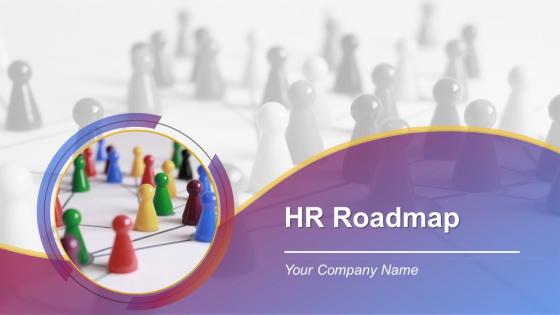
Slide 1: This slide introduces HR Roadmap with imagery. State Your Company Name and get started.
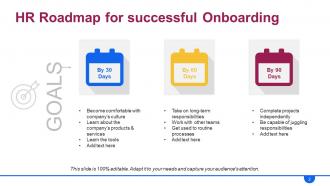
Slide 2: This slide shows HR Roadmap for successful Onboarding with- Become comfortable with company’s culture, Learn about the company’s products & services, Learn the tools, Add text here, By 30 Days, By 60 Days, By 90 Days, Take on long-term responsibilities, Work with other teams, Get used to routine processes, Add text here, Complete projects independently, Be capable of juggling responsibilities.
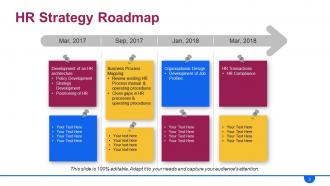
Slide 3: This slide shows a HR Strategy Roadmap showcasing- Development of an HR architecture: Policy Development, Strategy Development, Positioning of HR. Business Process Mapping: Review existing HR Process manual & operating procedures, Close gaps in HR processes & operating procedures. Organizational Design: Development of Job Profiles, HR Transactions, HR Compliance.
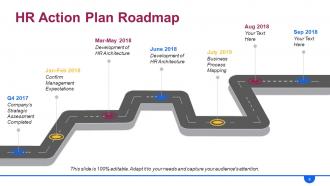
Slide 4: This slide presents an HR Action Plan Roadmap showing Company’s Strategic Assessment Completed, Confirm Management Expectations, Development of HR Architecture, Development of HR Architecture, Business Process Mapping as examples.
Slide 5: This slide presents HR Transformation Roadmap showing- Manual & Ad-hoc, Map Business Processes, Define Cloud Strategy, Define Digital Strategy, Conduct Vendor Demos, Traditional HR, Evolved, Transformed, Streamlined, Define Business Requirements, Define Implementation Strategy, Implementation Solution & PROD roll out.
Slide 6: This slide is titled Charts and Graphs. You may change content as per your need.
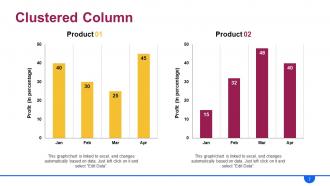
Slide 7: This slide shows a Clustered Column Chart for two product comparison, information, specifications etc.
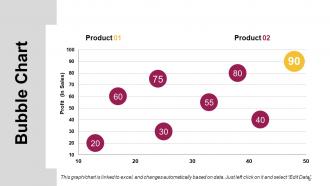
Slide 8: This slide shows a Bubble Chart for two product comparison, information, specifications etc.
Slide 9: This slide is titled Additional Slides. You may change content as per your need.
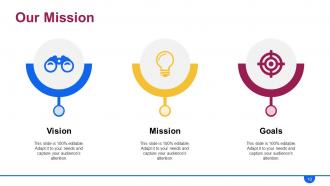
Slide 10: This slide contains Our Mission with Vision and Goals. State it here.
Slide 11: This slide shows Our Team with image boxes to fill information.
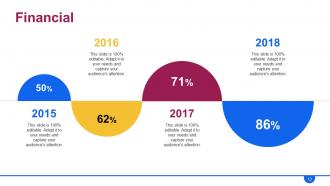
Slide 12: This slide is titled as Financials. Show finance related stuff here.
Slide 13: This slide shows- About Our Company. State company/team specifications etc. here.
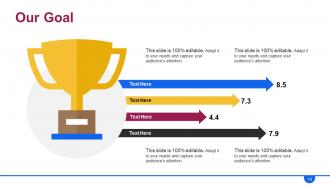
Slide 14: This slide showcases Our Main Goal for you to state.
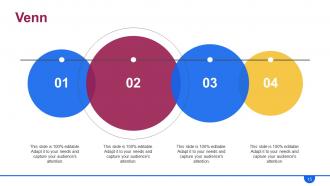
Slide 15: This slide is a Venn diagram slide. Show information, specifications etc. here.
Slide 16: This is a Bulb Or Idea slide. Present any new information, data here.
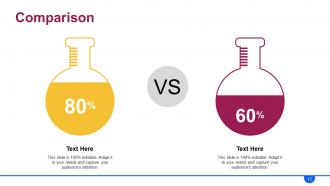
Slide 17: This slide shows Comparison in a creative manner with flasks image and text boxes.
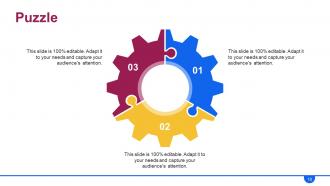
Slide 18: This slide is a Puzzle gear image slide with text boxes.
Slide 19: This is a Thank You slide with Address # street number, city, state, Contact Numbers, Email Address to be put and displayed.
Hr Roadmap Powerpoint Presentation Slides with all 19 slides:
Disclose the actual facts with our Hr Roadmap Powerpoint Presentation Slides. Get folks fully aware of existing circumstances.




FAQs for Hr Roadmap
So you'll want to start with clear objectives that actually connect to what the business needs. Do a honest assessment of where your HR stuff stands right now, then figure out what's missing. Map out specific projects with real deadlines - honestly, I've watched so many of these turn into fantasy wishlists because nobody committed to dates. Get leadership on board early (trust me on this one). Balance some quick wins with bigger transformation stuff. Oh, and build in regular check-ins to see how it's going. The trick is focusing on your biggest pain points first and asking which ones actually impact the business. Don't try to fix everything at once.
Honestly, start with figuring out where your company's actually heading in the next 2-3 years. Growth targets, new markets, all that jazz. Then build your HR stuff around those goals - don't just wing it. Scaling fast? Focus on hiring and keeping people. Innovation push? Upskilling becomes your best friend. I swear, so many HR teams work in bubbles and then act shocked when leadership ignores them. Set up quarterly check-ins with the exec team. Business priorities shift constantly, so you'll need to pivot your roadmap when things change.
Tech basically runs the whole HR game now. Start by looking at what systems you already have, then figure out what's missing. Automation tools, AI recruiting stuff, employee platforms - all that impacts your timeline and budget big time. I mean, you can't really plan anything without knowing your tech situation first. It's like trying to navigate with one of those ancient paper maps my dad still keeps in his glove compartment. Your tech choices literally decide which HR problems you can actually fix. Super frustrating when you realize halfway through a project that your systems can't handle what you want to do.
Pick your KPIs first - retention rates, how long hiring takes, engagement scores, whatever fits your situation. Monthly or quarterly tracking works well, just stay consistent with it. Some HR changes take forever to pay off though, which is honestly frustrating. Look for early wins while you wait. Better onboarding might boost new hire happiness before you see retention improve. I'd build a simple dashboard you'll actually check regularly. Nothing fancy - just something that shows trends so you can pivot when things aren't working. The key is comparing everything back to where you started.
Honestly, AI recruitment tools are crushing it right now - definitely prioritize those along with employee analytics. Your remote work setup and digital experience platforms are non-negotiable at this point since everyone's still doing hybrid. Mental health and wellbeing tech is actually expected now, not just nice-to-have anymore. Skills-based hiring platforms are blowing up too, plus internal mobility tools. Don't forget diversity analytics and pay equity stuff - compliance is getting stricter. But real talk? Just start with whatever's driving your team the most crazy day-to-day. Quick wins there will help you get buy-in for the bigger initiatives.
Don't make D&I some separate thing - build it right into everything you're already doing. Recruitment, onboarding, performance reviews, all of it. Most companies just slap together a committee and think they're good (spoiler: they're not). Track real numbers like how diverse your candidate pools are or whether promotions are actually fair. Your managers need bias training too, obviously. Oh, and make someone accountable for hitting these goals at each step. Can't just be that yearly survey everyone ignores.
Oh man, leadership buy-in is brutal - like trying to get everyone to agree on pizza toppings. Data's usually a mess too since most companies have zero clue about their actual HR metrics. You'll hit resource walls constantly, especially when asking for budget or new hires. And honestly? Your roadmap will probably be outdated by next quarter anyway - things move that fast. I'd say start with small wins first. Gets people excited and proves you're not just throwing money at problems. Focus on metrics that actually move the needle for business stuff, not just HR vanity numbers.
Honestly? Check it every quarter and do a big overhaul once a year. Things change so fast now - I swear I've watched roadmaps become totally useless in like 3 months because of some new regulation or market weirdness. Those quarterly peeks help you tweak stuff like budget shifts or sudden priorities. The yearly deep dive is for major strategic changes. Oh and don't be that person who waits until everything's a mess. Just put it on your calendar now and actually stick to it.
Dude, you HAVE to get employee feedback for your HR roadmap. Surveys, exit interviews, random hallway chats - whatever works. I've watched so many HR teams build these elaborate programs that totally missed the mark because they never actually asked people what they needed. Your employees will tell you the real problems vs what the C-suite thinks are problems. Start collecting feedback now if you're not already. It'll help you figure out what to tackle first and - this sounds obvious but trust me - you'll avoid wasting time on stuff nobody cares about.
Honestly, just figure out what's killing you right now - hiring disasters? People quitting left and right? Compliance nightmares that could bite you legally? Start there. Don't overthink it with some massive strategic plan. Grab a template online (they're free anyway) and tweak it for your situation. Handle the stuff that could actually land you in hot water first - the boring legal basics. Fun perks can wait until you're not drowning. I'd break everything into 90-day chunks so it doesn't feel impossible. Pick maybe 2-3 things you'll actually do well instead of creating this beautiful plan that'll just collect dust.
Honestly, I'd start with data analytics - being able to read workforce metrics is everything right now. Strategic thinking comes next because HR isn't just paperwork anymore, you're actually driving business results. You absolutely need digital skills since every company's going tech-heavy. Don't ignore the soft stuff though - emotional intelligence and change management are what separate the rockstars from everyone else. Employment law knowledge is crucial too. One compliance mess-up and you're toast. Pick whatever feels like your biggest weakness first and go from there.
Start with compliance baked in from day one - don't just slap it on at the end. Someone needs to actually own tracking all the regulatory stuff (this is usually where things go sideways because legal reviews are boring). Map out what regulations hit each HR initiative, especially data privacy and employment law. Oh, and industry-specific requirements too if you've got them. Set up automatic checkpoints so legal reviews just happen naturally. That way compliance becomes part of how you work instead of this annoying thing that stops everything. Trust me, it's way easier than scrambling later.
Honestly, you gotta match your message to who's listening. Executives want the big picture stuff - how this helps the business win. Managers need the nitty-gritty operational details. Create a visual timeline with major milestones (people are visual learners, trust me). Connect your HR stuff to goals they actually give a damn about through storytelling. Don't just do one big announcement - nobody remembers those anyway. Keep sending regular updates. Make it interactive too. Ask for feedback, tackle concerns head-on. Use different channels since everyone processes info differently - town halls, dashboards, emails, whatever works. Oh, and definitely schedule quarterly check-ins or momentum just dies.
Look, workforce planning is basically your HR GPS - shows you what talent gaps are coming and when. I'd start by looking at your current team vs where the business wants to be in 2-3 years. Then you can map out hiring, training, all that succession stuff. Honestly, skipping this step is like throwing money at random HR projects and hoping they work out. Most companies I've seen do this backwards though - they hire reactively instead of planning ahead. The whole point is figuring out which initiatives actually matter and won't blow your budget. Do a quick audit first, then build from there.
Start with nailing the candidate experience - application through onboarding. Build up your employer brand and use data to figure out where you're bleeding talent. Honestly? Investing in your current team matters more than people realize since most folks quit bad managers, not jobs. Stay interviews are gold - do them regularly along with comp reviews and mapping out career paths. Oh, and retention costs way less than constantly recruiting. The trick is getting ahead of problems by tracking turnover patterns now instead of scrambling later when half your team bails.
-
Informative design.
-
Great quality product.