

HR Management Powerpoint Presentation Slides





Try Before you Buy Download Free Sample Product
 Impress Your
 Audience
 100%
100% Editable
 Save Hours
 of Time


HR Management PowerPoint Presentation Slides is a highly visual virtual tool specially designed to showcase HRM strategies and practices. Human Resource Management PPT theme encompasses all the seven primary functions that rest on the shoulders of the HR department. Our workforce management PowerPoint slideshow is furnished with striking data visualization tools to assist you in effortlessly showcasing sophisticated processes. Several KPI and dashboard diagrams of personnel management PPT presentation help you to consolidate huge amounts of information systematically. Use this employee management PowerPoint theme to demonstrate strategic human resource planning, including recruitment, selection, motivation, training, development, and evaluation. The comprehensive layout of our staff management PPT slideshow helps you address all the fundamentals of a sound HRM system. Present details like compensation types, types of appraisal methods, workplace safety, and health laws using the HR management PowerPoint template. So, download our human capital management PPT deck and illustrate all the HRM functions with a dash of visual brilliance.
People who downloaded this PowerPoint presentation also viewed the following :
Content of this Powerpoint Presentation
Slide 1: This slide introduces HR Management. State your Company name and begin.
Slide 2: This slide displays Agenda.
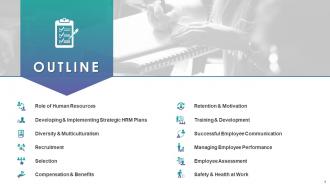
Slide 3: This slide displays Outline of the presentation.
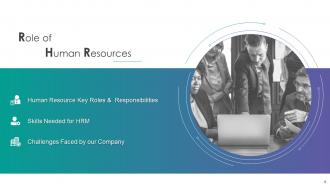
Slide 4: This slide shows Challenges Faced by our Company.
Slide 5: This slide depicts Human Resource Key Roles & Responsibilities
Slide 6: This slide displays Skills Needed for HRM
Slide 7: This slide displays Skills Needed for HRM such as- Recruiting, Screening, Negotiation, Onboarding, Performance Evaluation, Change Management, Conflict Management, Communication, Scheduling.
Slide 8: This slide depicts Challenges Faced by Our Company.
Slide 9: This slide shows Developing & Implementing Strategic HRM Plans.
Slide 10: This slide shows Strategic Human Resources Planning
Slide 11: This slide displays Future Organizational Requirements
Slide 12: This slide depicts Matching Demand and Supply.
Slide 13: This slide shows Employee renumeration & benefits.
Slide 14: This slide depicts HRM Plan.
Slide 15: This slide shows Diversity & Multiculturalism
Slide 16: This slide displays Overview.
Slide 17: This slide showcases Diversity Plan.
Slide 18: This slide shows The Recruitment Process
Slide 19: This slide presents the Recruitment Process.
Slide 20: This slide shows Recruitment Strategies & Planning.
Slide 21: This slide showcases Recruitment Sources.
Slide 22: This slide displays Recruitment Process Timeline
Slide 23: This slide displays Recruitment Budget.
Slide 24: This slide presents Selection Criteria Development & Resume Review.
Slide 25: This slide showcases Criteria Development & Resume Review.
Slide 26: This slide shows details about Interviewing.
Slide 27: This slide depicts Employee Verification Process.
Slide 28: This slide shows Making Reasonable Adjustments for Additional Conditions
Slide 29: This slide displays Compensation & benefits.
Slide 30: This slide provides information about Developing a Compensation Package.
Slide 31: This slide shows Types of Pay Systems.
Slide 32: This slide depicts Compensation Structure Salary Break-up.
Slide 33: This slide shows Other Types of Compensation (Perks & Benefits).
Slide 34: This slide shows Other Types of Compensation (Perks & Benefits).
Slide 35: This slide shows The Costs of Turnover.
Slide 36: This slide displays The Costs of Turnover.
Slide 37: This slide showcases Retention Plan.
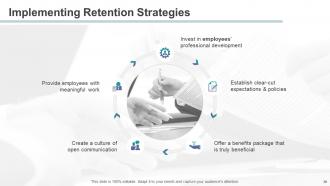
Slide 38: This slide depicts information about Implementing Retention Strategies.
Slide 39: This slide shows Training & Development.
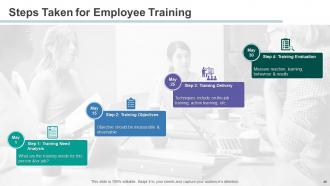
Slide 40: This slide represents Steps Taken for Employee Training.
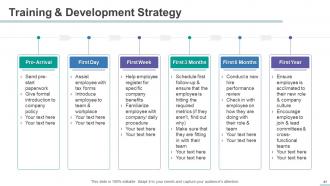
Slide 41: This slide depicts Training & Development Strategy.
Slide 42: This slide shows Successful Employee Communication.
Slide 43: This slide shows Communication Strategies.
Slide 44: This slide showcases Handling Employee Performance.
Slide 45: This slide shows Employee Performance Tracking
Slide 46: This slide presents Handling Employee Performance.
Slide 47: This slide depicts Employee Assessment Performance Evaluation Appraisal Methods
Slide 48: This slide depicts Performance Evaluation.
Slide 49: This slide shows 360 Degree Appraisal Method.
Slide 50: This slide shows Rating Scales Appraisal Method.
Slide 51: This slide highlights Work Standard Appraisal Method.
Slide 52: This slide depicts Workplace Safety & Health Laws.
Slide 53: This slide shows Workplace Safety & Health Laws.
Slide 54: This slide shows Health Hazards at Work.
Slide 55: This slide displays HR KPI Dashboard.
Slide 56: This slide shows Human Resources KPI Dashboard.
Slide 57: This slide shows Human Resources KPI Dashboard.
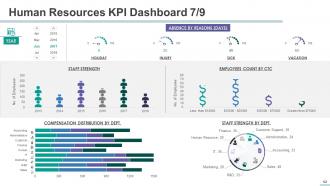
Slide 58: This slide displays Human Resources KPI Dashboard
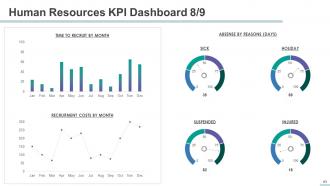
Slide 59: This slide provides information on Human Resources KPI Dashboard.
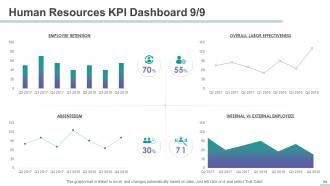
Slide 60: This slide shows Human Resources KPI Dashboard.
Slide 61: This slide shows Human Resources KPI Dashboard.
Slide 62: This slide provides information on Human Resources KPI Dashboard.
Slide 63: This slide shows Human Resources KPI Dashboard.
Slide 64: This slide shows Human Resources KPI Dashboard.
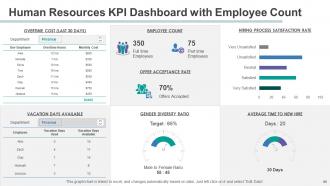
Slide 65: This slide displays Human Resources KPI Dashboard with Employee Count
Slide 66: This is HR Management Icons Slide.
Slide 67: This slide is titled as Additional Slides.
Slide 68: This slide displays Agenda.
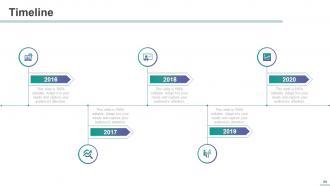
Slide 69: This slide displays Timeline process.
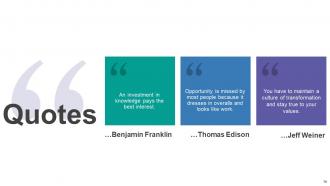
Slide 70: This is Quotess slide.
Slide 71: This is Thank You slide with Contact details.
HR Management Powerpoint Presentation Slides with all 71 slides:
Use our HR Management Powerpoint Presentation Slides to effectively help you save your valuable time. They are readymade to fit into any presentation structure.
-
HR Management
-

Agenda
-
Outline
-
Role of Human Resources
-
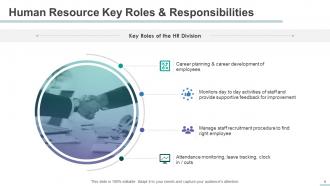
Human Resource Key Roles Responsibilities
-
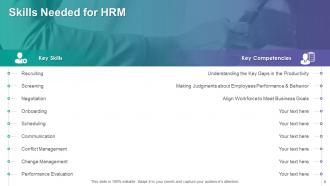
Skills Needed for HRM
-
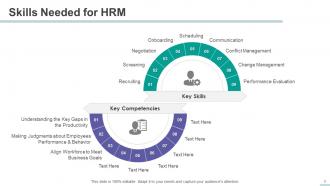
Skills Needed for HRM
-
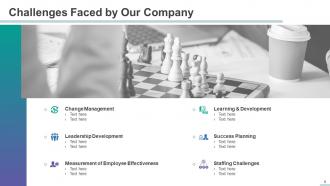
Challenges Faced by Our Company
-
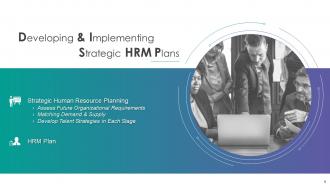
Developing Implementing Strategic HRM Plans
-
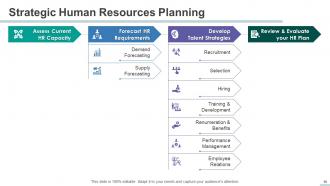
Strategic Human Resources Planning
-
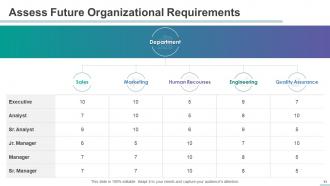
Assess Future Organizational Requirements
-
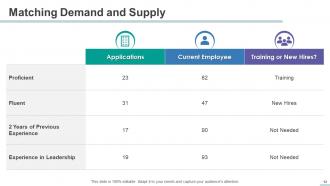
Matching Demand and Supply
-
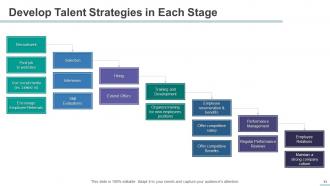
Develop Talent Strategies in Each Stage
-
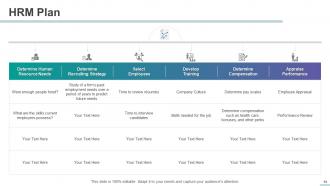
HRM Plan
-
Diversity Multiculturalism
-
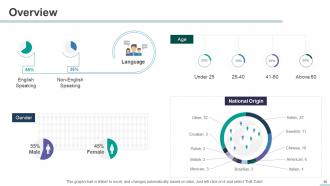
Overview
-

Diversity Plan
-
Recruitment
-
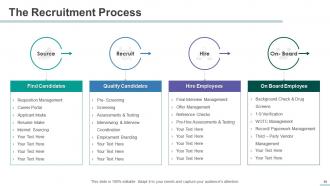
The Recruitment Process
-
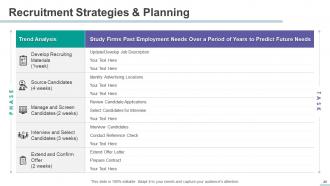
Recruitment Strategies Planning
-
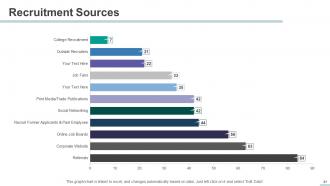
Recruitment Sources
-
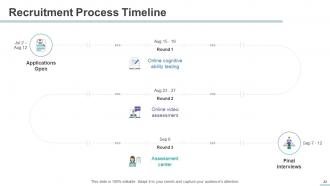
Recruitment Process Timeline
-
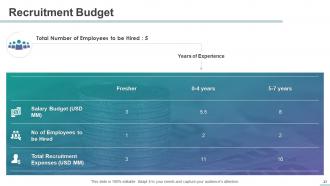
Recruitment Budget
-
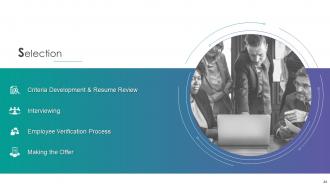
Selection
-
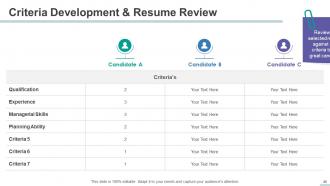
Criteria Development Resume Review
-
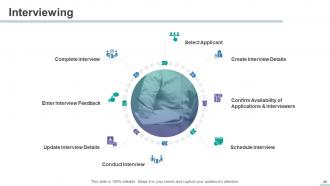
Interviewing
-
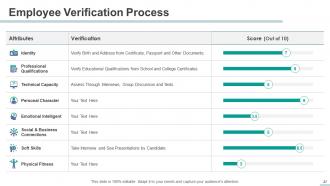
Employee Verification Process
-
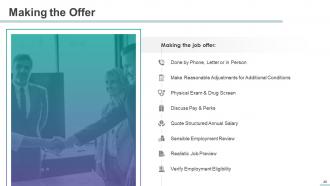
Making the Offer
-
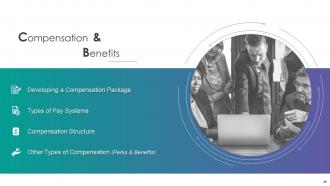
Compensation Benefits
-
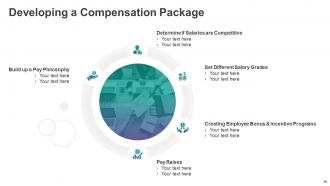
Developing a Compensation Package
-
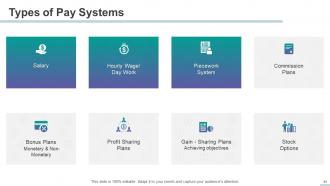
Types of Pay Systems
-
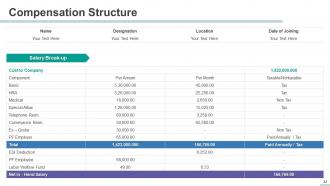
Compensation Structure
-
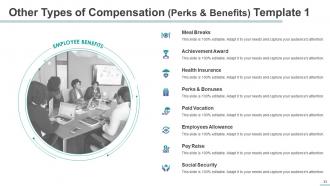
Other Types of Compensation Perks Benefits Template 1
-
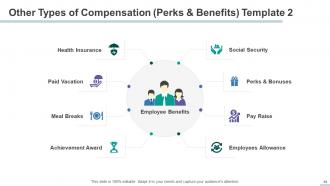
Other Types of Compensation Perks Benefits Template 2
-
Retention Motivation
-
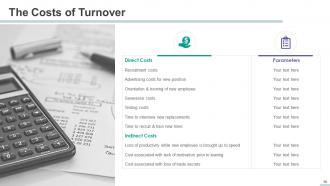
The Costs of Turnover
-
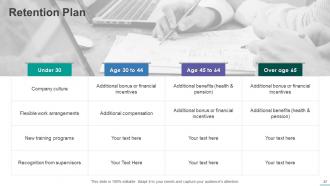
Retention Plan
-
Implementing Retention Strategies
-
Training Development
-
Steps Taken for Employee Training
-
Training Development Strategy
-
Successful Employee Communication
-
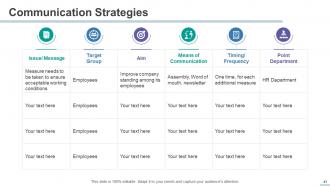
Communication Strategies
-
Managing Employee Performance
-
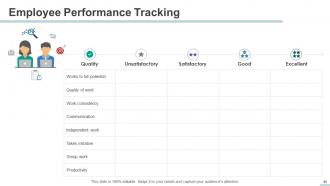
Employee Performance Tracking
-
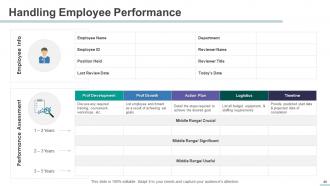
Handling Employee Performance
-
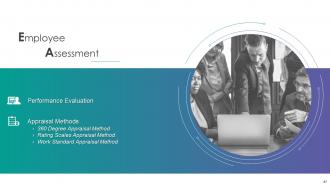
Employee Assessment
-
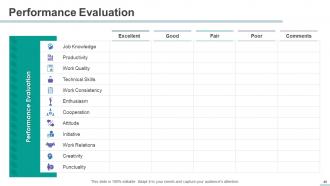
Performance Evaluation
-
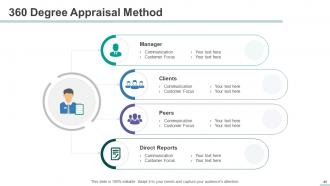
360 Degree Appraisal Method
-
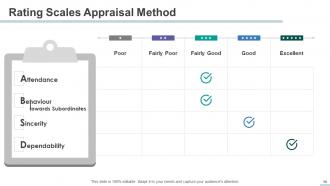
Rating Scales Appraisal Method
-
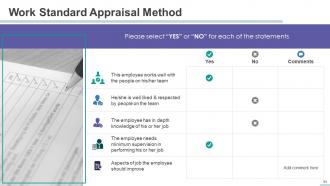
Work Standard Appraisal Method
-
Safety Health At Work
-
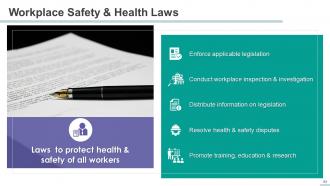
Workplace Safety Health Laws
-
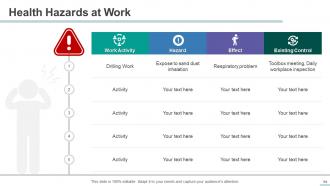
Health Hazards at Work
-
HR KPI Dashboard
-
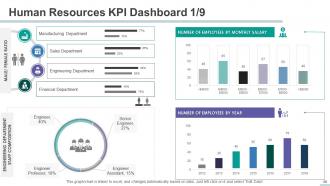
Human Resources KPI Dashboard 1 9
-
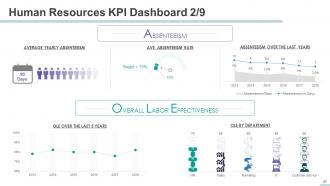
Human Resources KPI Dashboard 2 9
-
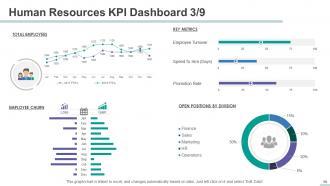
Human Resources KPI Dashboard 3 9
-
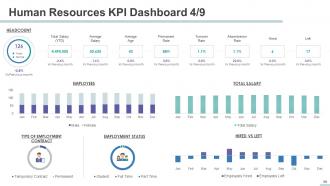
Human Resources KPI Dashboard 4 9
-
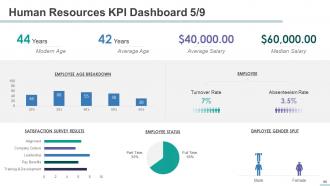
Human Resources KPI Dashboard 5 9
-
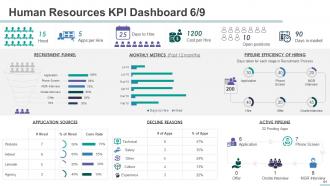
Human Resources KPI Dashboard 6 9
-
Human Resources KPI Dashboard 7 9
-
Human Resources KPI Dashboard 8 9
-
Human Resources KPI Dashboard 9 9
-
Human Resources KPI Dashboard with Employee Count
-
HR Management Icons Slide
-
Additional Slides
-
Agenda
-
Timeline
-
HR Management
-
Thanks for Watching
FAQs for HR Management
Honestly, the biggest thing right now is AI handling all the boring stuff - resume screening, scheduling interviews, you know. Remote work isn't going anywhere either, which I'm personally loving. Companies are finally caring about mental health support instead of just pretending they do. Oh, and data analytics is everywhere now - you can actually predict who's gonna quit instead of being blindsided. Skills matter more than degrees these days. Continuous feedback's replacing those awful annual reviews too. I'd start with something simple like pulse surveys or flexible schedules, then expand from there.
Honestly, the right tech makes such a difference in recruiting. Start with a decent ATS - it'll filter resumes by keywords so you're not drowning in applications. Video interviews are clutch for first rounds (thanks COVID for normalizing that, I guess). AI tools can actually help reduce bias by focusing on skills instead of other stuff. Oh, and definitely connect your social media and job boards for wider reach. Just don't go crazy implementing everything at once - your team will hate you. Pick one system first, get comfortable with it, then add more. Way less stressful that way.
Honestly, engagement is your best bet for keeping people around. When employees feel valued and see growth opportunities, they don't bolt for the first better offer that comes along. Regular feedback helps too - people hate being left in the dark about how they're doing. The stats are pretty wild actually - companies with engaged teams cut turnover by 40%. I'd start with pulse surveys to figure out what's bugging your people most, then fix those issues first. Clear career paths make a huge difference too. It's not rocket science, but you'd be surprised how many places ignore this stuff.
Track the obvious stuff first - turnover rates, how long it takes to hire people, engagement scores. But honestly? The real insights come from actually talking to people. Exit interviews are gold mines if you ask the right questions. I'd set up monthly check-ins on maybe 3-4 key numbers, then dig deeper every quarter to see what's actually happening. The trick is measuring before you change policies, not after when it's too late to compare. Oh, and don't just rely on surveys - sometimes the most telling feedback happens in casual conversations by the coffee machine.
Honestly, start by fixing your job postings - ditch the biased language and post them in more places. Employee resource groups are solid but only if leadership actually shows up, not just sends supportive emails. Training's fine I guess, but what really moves the needle is getting diverse people into roles where they make decisions. Track everything though - who's getting promoted, pay gaps, retention rates by group. Data beats good intentions every time. Oh and don't try to do everything at once. Pick one thing, get your bosses on board, see what works, then expand from there.
Honestly, the biggest thing is getting your communication game tight since you can't just pop over to someone's desk anymore. I'd start with regular one-on-ones and team check-ins - maybe throw in some async updates too. You've gotta be way more intentional about the culture stuff now. Like, those random coffee conversations? Gone. So create virtual hangout spaces and actually block time for people to just chat about whatever. Oh, and here's the real shift - stop watching if people are "online" and focus on whether they're actually getting stuff done. Trust goes a long way. I'd audit your current tools first though and see where things are falling through the cracks.
Ditch the annual review thing - it's basically useless. Monthly or quarterly check-ins work way better because you can actually fix stuff before it gets messy. Train your managers to give decent feedback without being weird about it. People need to feel safe enough to mess up and learn from it, you know? Set goals that actually matter to the business and aren't just random busy work. Document everything in whatever system works - doesn't have to be fancy. Oh, and be consistent about it or people will think you're just going through the motions and stop caring.
Honestly, my inbox is a disaster from all the legal updates but whatever - it works. Subscribe to labor law services and join HR associations for the constant stream of changes. I do quarterly policy reviews against current regs, and monthly "law update" blocks so I'm not panicking later. Don't go solo on the complex stuff though. Partner with employment lawyers when things get messy. Compliance software helps track everything automatically, which saves me tons of time. The whole trick is making it routine instead of reactive - way less stressful that way.
So there's a bunch of ways to tackle this. Your HRIS system (BambooHR, Workday, whatever you're using) probably already has dashboards showing ratings and goal tracking - I'd check there first. Excel's always solid if you want to export and mess around with pivot tables, though honestly Power BI or Tableau make way prettier charts if you're presenting to leadership. Oh, and tools like 15Five or Lattice are decent too but might be overkill. Start with what you've got before buying anything new.
Look, the biggest thing is just being real about what working there is actually like - skip the fake glossy BS. Get your current employees to share their honest experiences on social media instead of some corporate fluff. Also make sure your hiring process doesn't suck, even when you're rejecting people. Don't be that company promising "work-life balance" while everyone's pulling 70-hour weeks lol. Survey your team first - ask what they'd actually tell their friends about the job. Those authentic stories? That's your goldmine right there. Way better than whatever marketing usually comes up with.
Your work environment literally messes with your brain chemistry - stress hormones go crazy in toxic places, which kills your focus and creativity. But when you feel psychologically safe? Dopamine up, cortisol down, everything just flows better. I've watched entire teams become twice as productive once they sorted out their trust issues (wild how much that stuff matters). Fight-or-flight mode is productivity poison, basically. Regular check-ins help catch cultural problems early - way easier than fixing them later when everyone's already burned out.
Honestly, survey your people first instead of guessing what training they need - performance reviews help too. Make it hands-on and actually relevant to their jobs. Nobody's got time for boring theory sessions (trust me on this one). Get managers involved as mentors, and create learning paths that tie to promotions. Mix things up - online stuff, workshops, peer sessions work well. Oh, and measure the results! Otherwise you're just throwing money at programs that might suck. Regular feedback keeps everything on track.
Honestly, HR becomes the glue holding everything together when stuff hits the fan. You're juggling emergency comms, keeping people safe, and somehow maintaining operations while everything's chaos. Remote work rollouts, layoffs, hiring freezes - all lands on your desk. Plus you've gotta keep everyone's spirits up (good luck with that one). The real magic happens before disasters strike though. Build those crisis playbooks now, not when you're panicking. Cross-training, succession plans, flexible policies - they're what actually help companies recover quickly instead of just surviving.
Honestly, just ask your team what they actually want first. Half the time it's not the expensive stuff - maybe they'd rather work from home or get some training money. I'd skip the flashy perks that look good on paper but nobody cares about. Let people pick what matters to them instead of deciding for everyone. Partner with local places for discounts too - way cheaper than fancy benefits. Track if people are actually sticking around and seem happier. Then tweak things based on what's working. Sounds boring but it's way better than guessing.
Honestly, start with regular cross-functional meetings and shared project channels - but here's the thing, don't make it another pointless meeting. Give people actual problems to work on together. I've watched this bomb so many times when it's just talk for the sake of talking. What really works though? Rotate employees between departments for short assignments. Nothing beats actually walking in someone else's shoes for a few weeks. You'll be amazed how much the marketing team suddenly "gets" operations after that. Pick two departments that already overlap a bit and run a pilot first. Then expand once you've got some wins under your belt.
-
Good slides
-
It saves your time and decrease your efforts in half.
-
Design layout is very impressive.
-
Easily Understandable slides.