


Human Resources Management Process Powerpoint Presentation Slides





Try Before you Buy Download Free Sample Product
 Impress Your
 Audience
 100%
100% Editable
 Save Hours
 of Time


In order to give new definition to your business, it’s important to have the right planning and information recorded in human resources management process PowerPoint slides. It’s not only the people but the department associated, whose information, objective and achievements are to be recorded in human resource PPT presentation. Every single step designed and implemented to maximize the human resource potential can be recorded in this very handy and easy to use presentation layout. Recruitment, interview and hiring process becomes very easy and manageable when you have all the stats right in front of you in PPT design. The human resources managers can coordinate well with the administrative staff by directing, coordinating and planning well with the help of pre designed PowerPoint visual. Management becomes much of an easy task when information can be added in human resource PowerPoint presentation as and when required. The images create a 3D illusion, thus making your work on presentation speak for itself without you having to invest a lot of time. Express affection with our Human Resources Management Process Powerpoint Presentation Slides. They help display your emotions.
People who downloaded this PowerPoint presentation also viewed the following :
Content of this Powerpoint Presentation
Slide 1: This slide introduces Human Resources Management Process. State company name and begin.
Slide 2: This is an Agenda slide. State your agendas here.
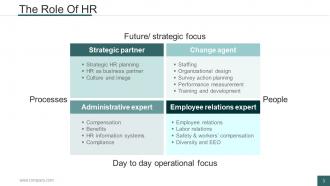
Slide 3: This slide states The Role Of HR with these 4 aspects- Strategic partner, Change agent, Administrative expert, Employee relations expert.
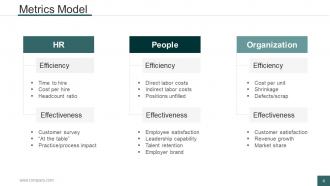
Slide 4: This slide showcases Metrics Model with the following sub headings- HR, People, Organization.
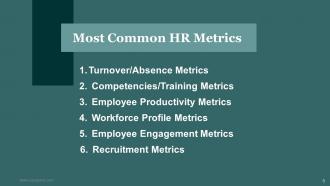
Slide 5: This slide showcases the Most Common HR Metrics. These are- Competencies/Training Metrics, Employee Productivity Metrics, Turnover/Absence Metrics, Recruitment Metrics, Workforce Profile Metrics, Employee Engagement Metrics.
Slide 6: This slide is titled Turnover/Absence Metrics.
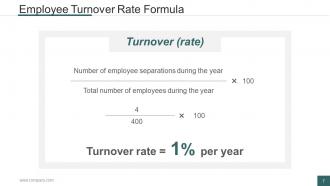
Slide 7: This slide state Employee Turnover Rate Formula. Use it to calculate your Employee Turnover Rate.
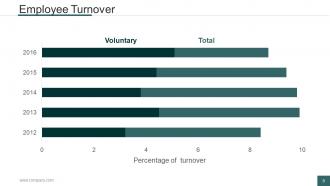
Slide 8: This is Employee Turnover slide in a bar graph/ chart form. Use it to assess the percentage of employee turnover etc.
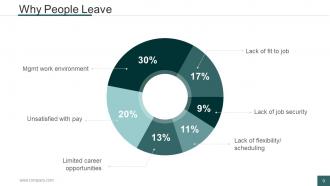
Slide 9: This is Why People Leave slide. State its various reasons in a pie chart form here. Some of the reasons are- Unsatisfied with pay, Lack of job security, Lack of fit to job, Lack of flexibility/ scheduling, Limited career opportunities, Mgmt work environment.
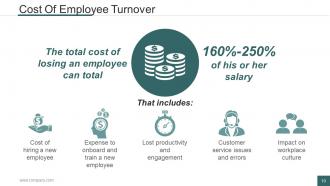
Slide 10: This slide showcases the Cost Of Employee Turnover which includes the following factors- Impact on workplace culture, Customer service issues and errors, Lost productivity and engagement, Expense to onboard and train a new employee, Cost of hiring a new employee.
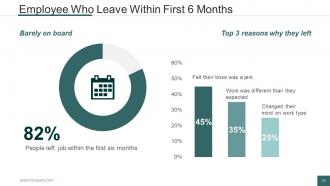
Slide 11: This slide showcases the stats of Employee Who Leave Within First 6 Months in a bar graph/ chart form.
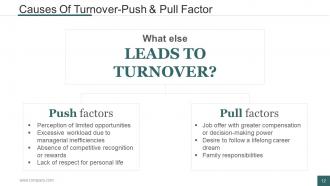
Slide 12: This slide states Causes Of Turnover-Push & Pull Factor. State them here
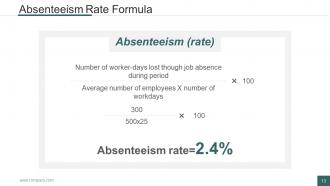
Slide 13: This slide showcases Absenteeism Rate Formula. Use it to calculate your own.
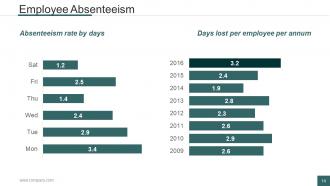
Slide 14: This is Employee Absenteeism rate slide. Use it to calculate your own employee absenteeism rate as per the formula.
Slide 15: This slide showcases Employee Attendance Tracker Template in a tabular form. Use as per your own need.
Slide 16: This slide states Competencies/Training Metrics.
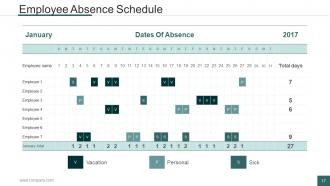
Slide 17: This slide showcases Employee Absence Schedule in a tabular form. Mark vacation, personal and sick aspects in this table here.
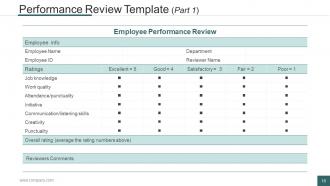
Slide 18: This slide presents Performance Review Template with respect to Employee Performance Review. State relevant information here in a tabular form.
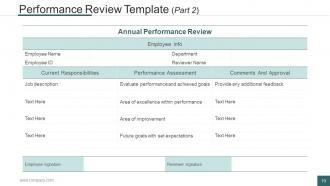
Slide 19: This slide also presents Performance Review Template showing Annual Performance Review in tabular form.
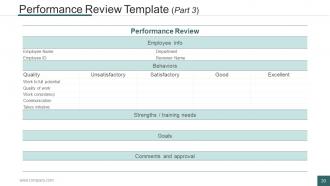
Slide 20: This is another slide showing Performance Review Template in tabular form.
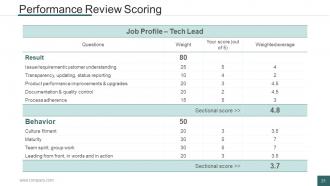
Slide 21: This slide showcases Performance Review Scoring in tabular form.
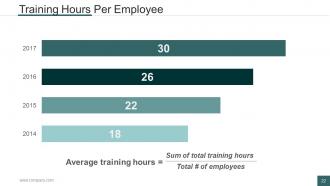
Slide 22: This slide showcases Training Hours Per Employee in a bar graph/ chart image form. State them here.
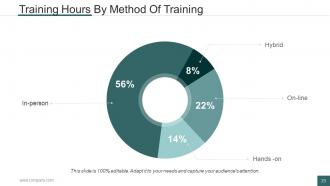
Slide 23: This slide showcases Training Hours By Method Of Training in a pie chart/ graph form. Use it to present the stats of the following- On-line, In-person, Hybrid, Hands -on.
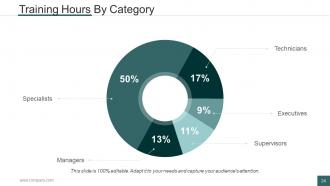
Slide 24: This slide showcases Training Hours By Category in a pie chart form. These categories are- Technicians, Executives, Specialists, Managers, Supervisors.
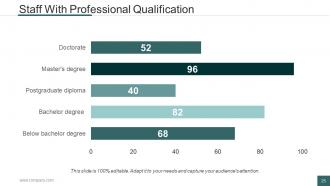
Slide 25: This slide showcases Staff With Professional Qualification in a bar graph/ chart fom. Use it to present your own staff qualifications.
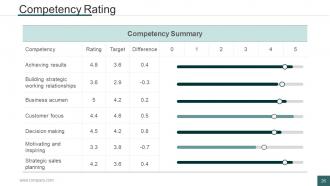
Slide 26: This slide showcases Competency Rating with Competency Summary in a tabular form.
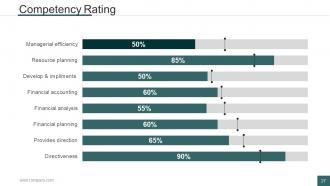
Slide 27: This is Competency Rating slide showing the following aspects in a bar graph/ chart form- Managerial efficiency, Resource Planning, Develop and impliments, Financial accounting, Financial analysis, Financial planning, Provides Direction, Directiveness.
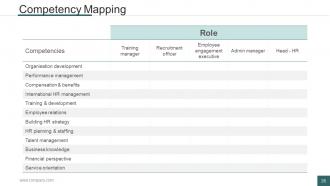
Slide 28: This slide showcases Competency Mapping table. Present relevant information here.
Slide 29: This is Employee Productivity Metrics slide to state.
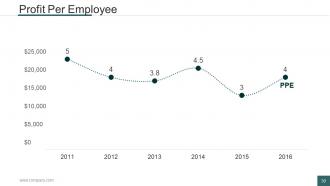
Slide 30: This slide showcases Profit Per Employee in a graph form.
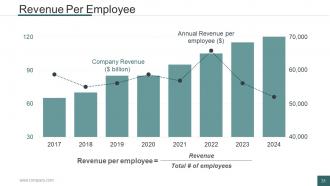
Slide 31: This slide showcases Revenue Per Employee graph. Use it for analysis etc.
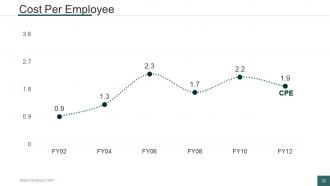
Slide 32: This slide showcases Cost Per Employee graph. Use it to assess your own cost.
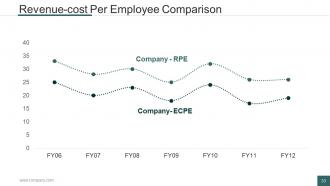
Slide 33: This is Revenue-cost Per Employee Comparison slide in a graph form. Use it to state a comparison between the following- Company - RPE, Company- ECPE.
Slide 34: This is Workforce Profile Metrics slide.
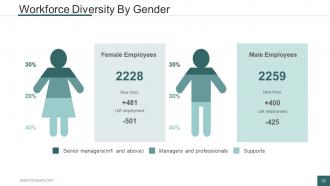
Slide 35: This slide showcases Workforce Diversity By Gender with male and female imagery. Present the stats of your male employees and female employees here.
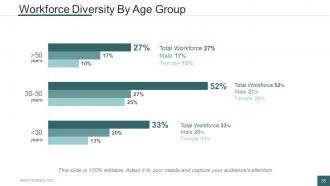
Slide 36: This slide shows Workforce Diversity By Age Group in a bar graph/ chart form.
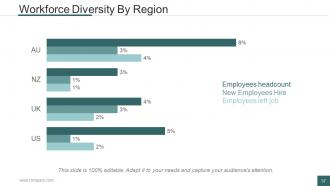
Slide 37: This slide showcases Workforce Diversity By Region in a bar graph/ chart form. Use it to present the stats of following aspects- Employees headcount, New Employees Hire, Employees left job.
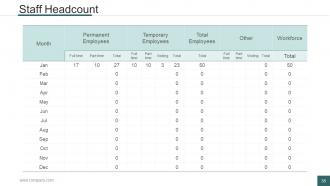
Slide 38: This slide showcases Staff Headcount in a tabular form. State them here.
Slide 39: This is Employee Engagement Metrics slide to move forward.
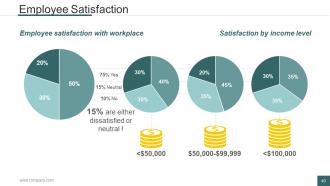
Slide 40: This is an Employee Satisfaction slide in a pie chart form. Use it to present the following- Employee satisfaction with workplace, Satisfaction by income level.
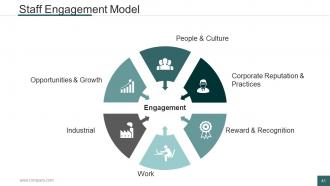
Slide 41: This slide showcases Staff Engagement Model in a circular image form. It consists of the following factors- People & Culture, Corporate Reputation & Practices, Reward & Recognition, Work, Industrial, Opportunities & Growth, Engagement.
Slide 42: This is The Aon Hewitt Employee Engagement Model slide showing- Engagement outcomes, Business outcomes, Engagement drivers.
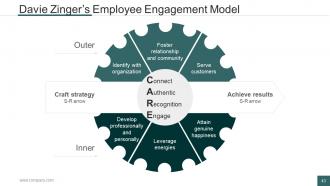
Slide 43: This slide showcases Davie Zinger’s Employee Engagement Model in a circular form.
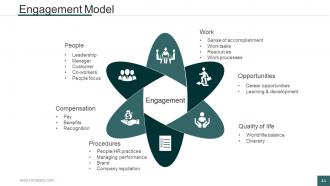
Slide 44: This slide showcases Engagement Model in a creative form with icon imagery. Use it to state the following factors- Work, Opportunities, Quality of life, Procedures, Compensation, People.
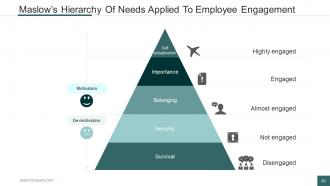
Slide 45: This slide showcases Maslow’s Hierarchy Of Needs Applied To Employee Engagement in a pyramid form. It has 5 levels which are- Self actualisation, Survival, Importance, Security, Belonging. Each of the level further shows the level of engagement. Use it as per your own need.
Slide 46: This is Recruitment Metrics slide to move ahead.
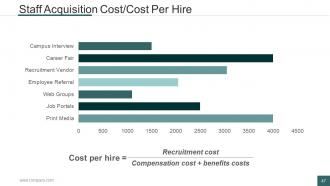
Slide 47: This slide shows Staff Acquisition Cost/Cost Per Hire. Present it here in a bar graph/ chart form.
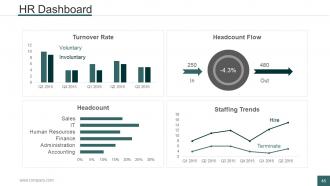
Slide 48: This slide showcases HR Dashboard in charts and graphs. Use it according to your need.
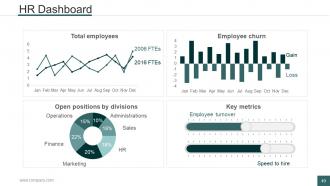
Slide 49: This slide also showcases HR Dashboard in charts and graphs.
Slide 50: This slide is titled Additional Slides to move forward. You can change the slide content as per need.
Slide 51: This is Our Mission slide. State it here.
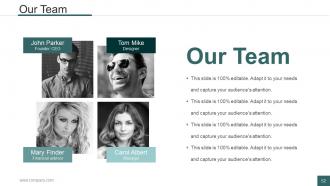
Slide 52: This slide showcases Our team with name, designation and image boxes.
Slide 53: This is Our Goal slide with imagery. State your goals here.
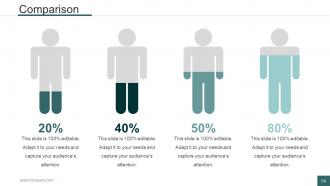
Slide 54: This is a Comparison slide to compare product/enitities etc.
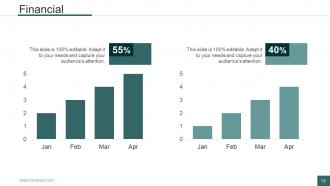
Slide 55: This is a Financial score slide. State financial aspects etc. here.
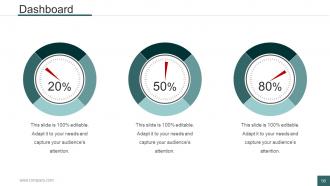
Slide 56: This is Dashboard slide to show information in percentages etc.
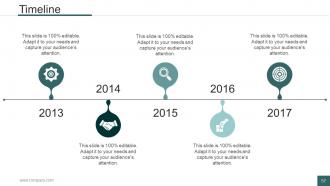
Slide 57: This slide presents a Timeline to show growth, milestones etc.
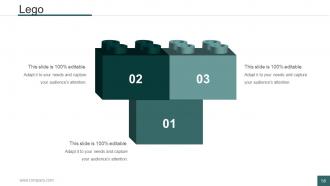
Slide 58: This is a LEGO slide with text boxes to show information.
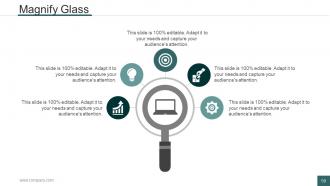
Slide 59: This is a Magnifying glass image slide to show information, scoping aspects etc.
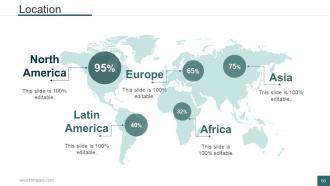
Slide 60: This is a Location slide to show global segregation, presence etc. on a world map and text boxes to make it explicit.
Slide 61: This is a Thank You slide with Address# street number, city, state, Contact Numbers, Email Address.
Human Resources Management Process Powerpoint Presentation Slides with all 61 slides:
Rough design can kill even the best planned presentation. Our Human Resources Management Process Powerpoint Presentation Slides will lend your projects world class design.



FAQs for Human Resources Management Process
Oh man, HR is wild now - you're basically juggling recruitment, employee drama, performance reviews, and legal compliance all at once. The benefits and policy stuff too, obviously. But honestly? The coolest part is how strategic it's gotten. You're not just filing paperwork anymore, you're actually shaping company culture and helping hit business goals. People skills are huge, but weirdly enough data analytics is becoming super important too. It's way more of a business partnership role than most people realize. Definitely not boring like everyone thinks!
Honestly, skip the whole "employee of the month" thing - it's so outdated and feels fake. Three things actually work: regular check-ins (not just yearly reviews because who remembers what happened 8 months ago?), real career development paths with actual training, and specific recognition that means something. Like, don't just say "good job" - tell them exactly what they did well and why it mattered. The biggest thing though? Just ask your people what they want. Then actually do something about it when you can. Most managers never get past the asking part.
Honestly, blind resume reviews are a game changer - strip out names, photos, all that stuff first. Then branch out from LinkedIn (everyone uses it anyway) and post on different job boards. Your interview panels need diversity too, plus some training on inclusive techniques. I'd also hit up organizations that support underrepresented groups and check out diverse career fairs. Oh, and skills-based assessments work better than those random requirements that knock out good people. Don't try everything at once though - pick like two things and start there.
Dude, HR tech has seriously changed everything. Screening resumes, interview scheduling, all that boring paperwork - it's mostly automated now. Makes life so much easier. AI actually helps spot good candidates way faster than doing it manually. LinkedIn and job boards give you access to tons more people too. Video interviews are clutch - saves money and nobody has to drive anywhere. Oh, and don't just buy whatever's trendy right now. Pick stuff that actually fixes problems you're dealing with, not random shiny objects.
Don't wait for the yearly review to give feedback - that's where everyone screws up. I'd start documenting stuff now, like actual examples of wins and problems. When you do the review, ask them what was hard for them this year and actually listen. Oh and set goals WITH them, not just dump a list on them. The whole thing should feel like a real conversation where they can tell you how you're doing too. Honestly, the prep work with those examples makes or breaks it.
Honestly, most company values are just fancy wall art that nobody actually follows. Hire people who already get what you're about - way easier than trying to change someone later. Your managers need to walk the walk every single day, not just talk about it in meetings. We always did little things to celebrate when people lived our values, and yeah, sometimes you gotta have awkward conversations when someone's being toxic despite what the poster says. Oh, and ask your team regularly if they actually feel the culture you think you're building. They'll tell you the truth.
Honestly, employment law compliance is your lifeline here. Federal stuff like Title VII, ADA, and FLSA covers the basics - discrimination, wages, safety. But here's the thing - state laws will absolutely blindside you if you're not paying attention. They're usually way stricter. FMLA for family leave is huge too. Document everything! Performance issues, disciplinary stuff, all of it. I learned this the hard way at my last job when we had zero paper trail for this one situation. Get a good employment lawyer on speed dial rather than figuring it out as you go.
Honestly, training programs are such a game-changer for your bottom line. Your team gets way more productive when they actually know what they're doing, and people don't bounce as quickly when they feel like you're investing in them. Nobody wants to be stuck somewhere with zero growth, you know? Plus you'll get better ideas and problem-solving from folks who feel confident in their skills. Oh, and less turnover means you're not constantly hiring and training new people - which gets expensive fast. I'd start by figuring out where your biggest skill gaps are and tackle those first.
Honestly, it's way trickier than it looks on paper. Company culture gets weird when everyone's remote - you'll spend so much time trying to recreate those random coffee conversations through Slack. Communication becomes this whole thing too since you can't just pop by someone's desk. I'd start with regular video calls and get really good collaboration tools set up. Onboarding new people is a nightmare without being able to show them around physically. Oh, and you gotta be more structured about check-ins. Trust your team but actually follow up - sounds contradictory but it works.
So data analytics is pretty clutch for HR stuff. You can track turnover patterns and figure out why people are actually leaving (hint: usually not just the paycheck). Performance data shows which recruiting channels bring in your best hires. Plus you can spot burnout early by watching engagement scores - way better than scrambling after someone already quit. Predictive modeling helps with succession planning too. Honestly, just pick one annoying metric like time-to-hire and start there. Don't try to analyze everything at once or you'll go crazy. The patterns that show up when you dig into numbers are wild.
Okay so employer branding is just how people see your company as a workplace, right? It's actually pretty huge for getting good people to apply. Strong employer brand means candidates come to you instead of you desperately trying to lure them with crazy salaries. Your current team stays engaged too because they're proud to tell people where they work. Honestly, I think it's way more effective than most companies realize. Start simple though - just ask your employees what they genuinely love about the job, then share those real stories on LinkedIn and wherever you post openings.
First thing - figure out your key leadership roles and who could actually step into them over the next 1, 3, and 5 years. Performance reviews and 360 feedback help you spot potential, though honestly the assessment part drags on forever. Build development plans for your top candidates with stretch assignments and mentoring. Don't just look at the obvious choices either. Some of my best leaders came from totally unexpected departments. The real trick? Make it ongoing instead of cramming it into one annual planning session - keeps your pipeline fresh.
Look, employee feedback is basically your cheat sheet for HR policies that actually work. Surveys, exit interviews, random coffee chats - they all give you the real dirt on what's broken. Maybe it's pay issues, terrible managers, or people burning out from crazy hours. The trick is actually doing something with what you hear (shocking concept, I know). Don't just collect feedback and let it sit there - that's how you lose credibility fast. Show people their complaints led to real changes. It's honestly the difference between policies that work and ones that just sound impressive in meetings.
Honestly, start with Employee Assistance Programs and mental health days - that's your foundation right there. Most people are way more stressed than they'll admit, so create spaces where they can actually talk about it. Your managers need training too - they should spot burnout early instead of just caring about deadlines (which, let's be real, happens way too often). Partner with therapists or those mental health apps. Also check that your insurance doesn't suck for mental health coverage. Oh, and don't wait for problems to explode. Send out a quick survey first to see what your team's actually dealing with right now.
Ugh, globalization makes HR so much messier than it used to be. Different countries have completely different labor laws, cultural expectations, pay scales - the whole thing. You'll be managing people across time zones (fun times), adapting how you communicate based on local culture, and honestly? The competition for good talent is insane now. But that also means you can find incredible people you never would've had access to before. My advice - and I can't stress this enough - get really solid on employment laws first. That's your safety net. Everything else builds from there, but screw up the legal stuff and you're toast.
-
Unique and attractive product design.
-
Best way of representation of the topic.