


Strategic Human Resource Planning Process Powerpoint Presentation Slides





Try Before you Buy Download Free Sample Product
 Impress Your
 Audience
 100%
100% Editable
 Save Hours
 of Time


To sole purpose of these content-ready strategic human resource planning process PowerPoint presentation slides is to help companies appoint right people in the right job. In this strategic workforce planning PPT templates, you’ll learn how manpower planning can prepare your company for success. Here you will be acquainted with many concepts such as strategic workforce planning, mission & vision, goals & objectives, performance requirements, market forecasts, rganizational development, change management, organizational structure, cultural initiatives, and many more. Furthermore, you can use this presentation to design your own on related topics such as strategic HR planning, human resource management plan, staffing model, on boarding process, human capital business model and resource staffing. These will guide you on how your organization should move from its current to the desired manpower position. Planning in advance will help you assign the right people at the right time to do things, thus benefitting both organization and the individual. So, download Human Resource Management Strategy ppt now. Convince folks that change is generally for the better with our Strategic Human Resource Planning Process Powerpoint Presentation Slides. Advise against being inflexible.
People who downloaded this PowerPoint presentation also viewed the following :
Content of this Powerpoint Presentation
Slide 1: This slide Strategic Human Resource Planning Process State Your Company Name and get started.
Slide 2: This is an Agenda slide. State your agendas here.
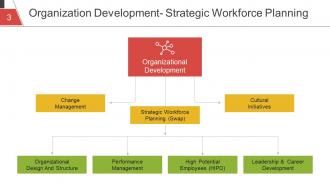
Slide 3: This slide presents Organization Development- Strategic Workforce Planning with the main subheading: Organizational Design And Structure divided into- Performance Management , High Potential Employees (HIPO), Leadership & Career Development, Organizational Development, Strategic Workforce Planning (Swap), Change Management, Cultural Initiatives.
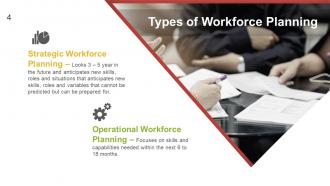
Slide 4: This slide shows Types of Workforce Planning divided as- Operational Workforce Planning – Focuses on skills and capabilities needed within the next 6 to 18 months. Strategic Workforce Planning – Looks 3 – 5 year in the future and anticipates new skills, roles and situations that anticipates new skills, roles and variables that cannot be predicted but can be prepared for.
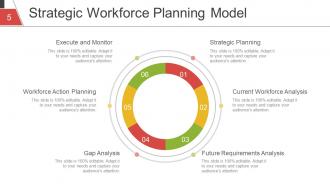
Slide 5: This slide presents a Strategic Workforce Planning Model showcasing- Strategic Planning, Current Workforce Analysis, Future Requirements Analysis, Execute and Monitor, Workforce Action Planning, Gap Analysis.
Slide 6: This slide is titled Define Organization's Strategic Plan. You may change the slide content as desired.
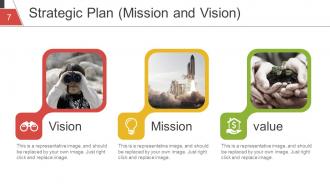
Slide 7: This slide showcases Strategic Plan (Mission and Vision) and Value. State these aspects here.
Slide 8: This slide shows Strategic Plan (Goals & Objectives). Present them here.
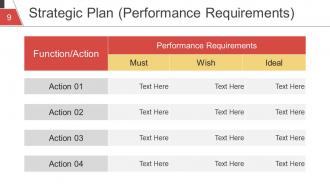
Slide 9: This slide shows Strategic Plan (Performance Requirements). Showcase them here.
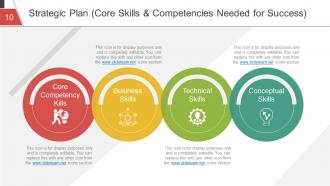
Slide 10: This slide presents Strategic Plan (Core Skills & Competencies Needed for Success) displaying- Core Competency Skills, Business Skills, Technical Skills, Conceptual Skills.
Slide 11: This is a Coffee Break slide to halt. You may change it as per requirement.
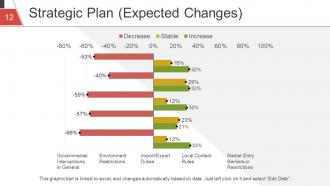
Slide 12: This slide shows a Strategic Plan (Expected Changes) displaying- Market Entry Barriers or Restrictions, Local Content Rules, Import/Export Duties, Environment Restrictions, Governmental Interventions in General.
Slide 13: This slide is titled Scan the Internal & External Environment. You may change the slide content as desired.
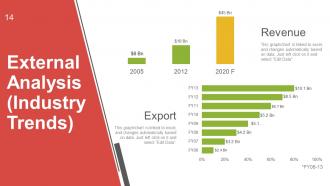
Slide 14: This slide shows External Analysis (Industry Trends) in graph form showing- Revenue, Export.
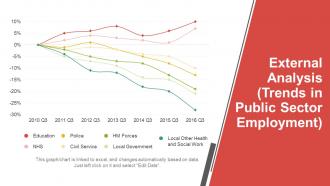
Slide 15: This slide shows External Analysis (Trends in Public Sector Employment) in line graph form.
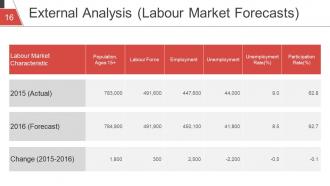
Slide 16: This slide presents External Analysis (Labour Market Forecasts) in tabular form.
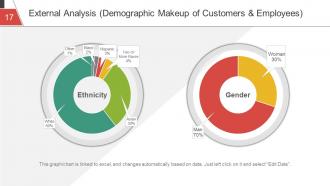
Slide 17: This slide shows External Analysis (Demographic Makeup of Customers & Employees) displaying- Ethnicity, Gender.
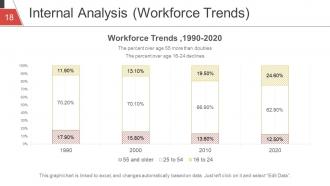
Slide 18: This slide presents Internal Analysis (Workforce Trends) displaying Workforce Trends.
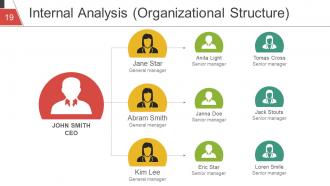
Slide 19: This slide displays Internal Analysis (Organizational Structure) in hierarchy form to be presented.
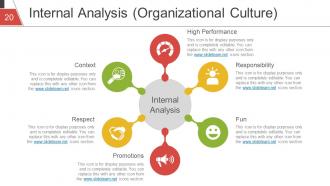
Slide 20: This slide shows Internal Analysis (Organizational Culture) with aspects of- Respect, Fun, Context, Responsibility, Promotions, High Performance.
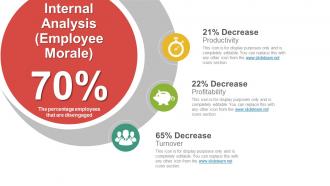
Slide 21: This slide displays Internal Analysis (Employee Morale) in terms of- Productivity, Profitability, Turnover.
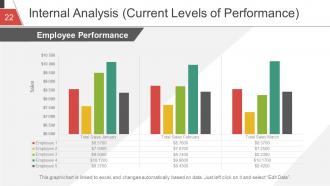
Slide 22: This slide showcases Internal Analysis (Current Levels of Performance) showing Sales and Employee Performance in graph form.
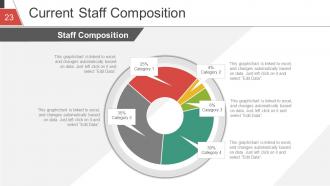
Slide 23: This slide presents Current Staff Composition. State staffing aspects etc. here.
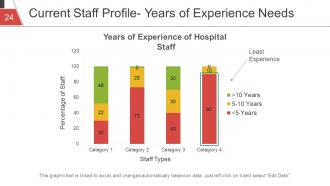
Slide 24: This slide shows Current Staff Profile- Years of Experience Needs in graph form.
Slide 25: This slide is titled Assess Future Workforce Needs. You may change the slide content as desired.
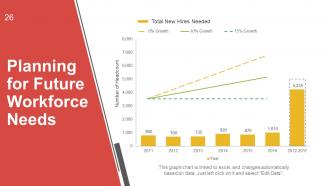
Slide 26: This slide shows Planning for Future Workforce Needs displaying Total New Hires Needed.
Slide 27: This slide is titled Gap Analysis. You may change the slide content as desired.
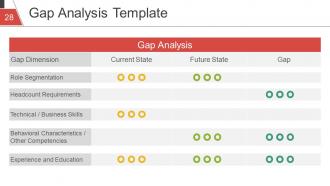
Slide 28: This slide presents a Gap Analysis Template in tabular form.
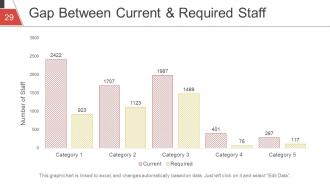
Slide 29: This slide prersents Gap Between Current & Required Staff in graph form.
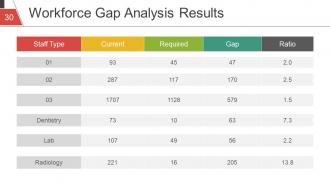
Slide 30: This is a Workforce Gap Analysis Results table slide.
Slide 31: This slide is titled Workforce Action Planning. You may change the slide content as desired.
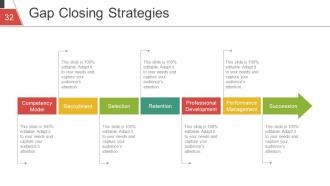
Slide 32: This slide presents Gap Closing Strategies through- Professional Development, Recruitment, Succession, Performance Management, Retention, Selection, Competency Model.
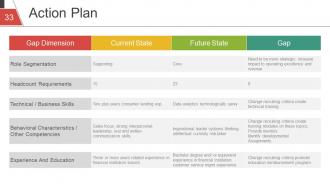
Slide 33: This is an Action Plan table slide.
Slide 34: This slide is titled Execute & Monitor. You may change the slide content as desired.
Slide 35: This is Icons Slide Strategic Human Resource Planning Process. Use them as per requirement.
Slide 36: This slide is titled Additional Slides. You may change the slide content as desired.
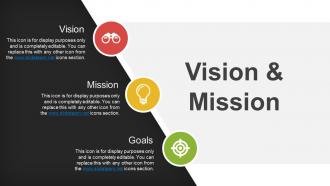
Slide 37: This is a Vision & Mission slide with Goals. State all these aspects here.
Slide 38: This is an Our Team slide with name, image & text boxes to put the required information.
Slide 39: This is an About Us slide showing Our Company. State team/company specifications here.
Slide 40: This Our Goal slide. State goals etc. here.
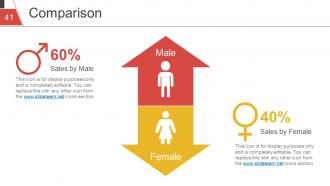
Slide 41: This is a Comparison slide for comparing entities/products etc. here.
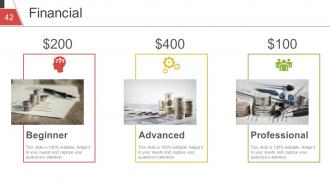
Slide 42: This is a Financial score slide. State financial aspects or beginner, advanced and professional aspects etc. here.
Slide 43: This is a Quotes slide to convey company messages, beliefs etc. You can change the slide contents as per need.
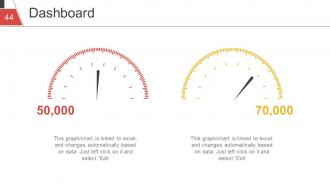
Slide 44: This is a Dashboard slide to state metrics, kpis etc.
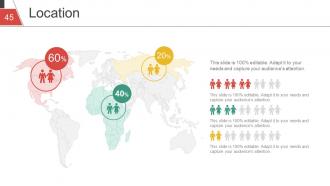
Slide 45: This is a Location slide of world map image to show global presence, growth etc.
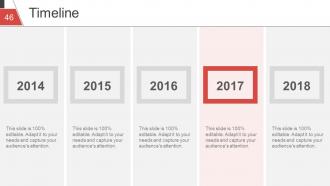
Slide 46: This is a Timeline slide to show evolution, growth, milestones etc.
Slide 47: This is an Important Notes slide to mark events, important information etc.
Slide 48: This is a Newspaper image slide to show information, specifications etc.
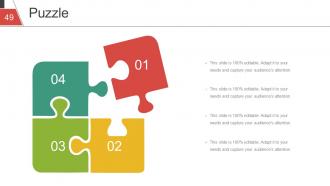
Slide 49: This is a Puzzle image slide to show information, specifications etc.
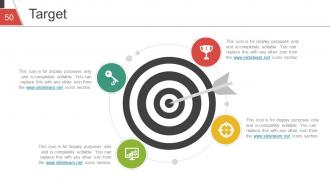
Slide 50: This is a Target slide to show targets, plans etc.
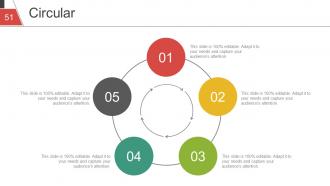
Slide 51: This is a Circular image slide to show information, specifications etc.
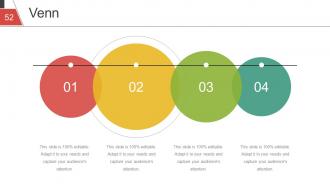
Slide 52: This is a Venn diagram image slide to show information, specifications etc.
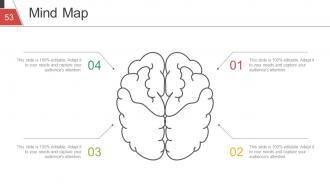
Slide 53: This is a Mind map image slide to show information, specifications etc.
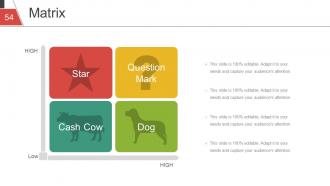
Slide 54: This is a Matrix slide to show information, specifications etc.
Slide 55: This slide showcases Lego imagery. Present information, specifications etc. here.
Slide 56: This slide showcases Magnifier Glass imagery. Present information, specifications etc. here.
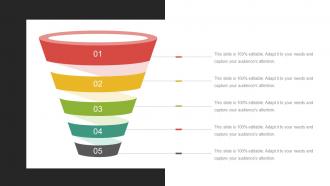
Slide 57: This is a Funnel image slide to show information, specifications etc.
Slide 58: This slide is titled Charts & Graphs to move forward. You can change the slide contents as per need.
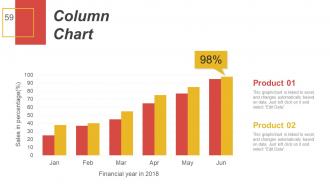
Slide 59: This is a Column Chart slide to show information, comparison specifications etc.
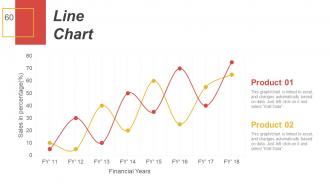
Slide 60: This is a Line Chart slide to show product/entity comparison, specifications etc.
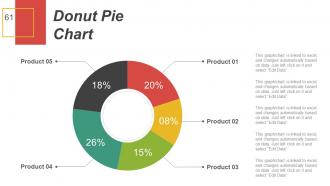
Slide 61: This is a Donut Pie Chart slide to show product/entity comparison, specifications etc.
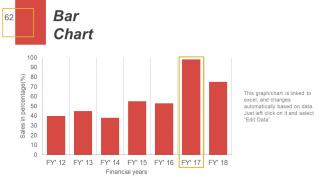
Slide 62: This is a Bar Chart slide to show product/entity comparison, specifications etc.
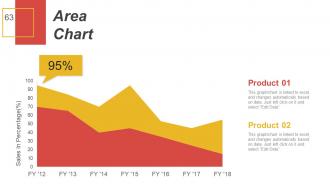
Slide 63: This is an Area Chart slide to show product/entity comparison, specifications etc.
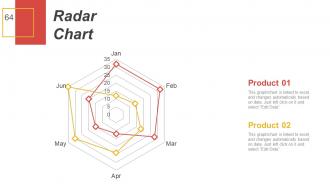
Slide 64: This is a Radar Chart slide to show product/entity comparison, specifications etc.
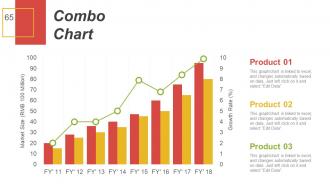
Slide 65: This is a Combo Chart slide to show information, comparison specifications etc.
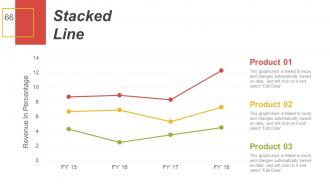
Slide 66: This is a Stacked Line graph slide to show product/entity comparison, specifications etc.
Slide 67: This is a Contact Us slide with Email, Address# street number, city, state, Contact Numbers.
Slide 68: This is a Thank You slide for acknowledgement.
Strategic Human Resource Planning Process Powerpoint Presentation Slides with all 68 slides:
Put an end to biased approaches with our Strategic Human Resource Planning Process Powerpoint Presentation Slides. They bring conflicts to a close.





FAQs for Strategic Human Resource Planning Process
So basically you need to figure out three things: who you've got now, who you'll need later, and how to bridge that gap. Map out your current team's skills and roles first. Next comes the tricky part - predicting future needs based on where the business is heading. I'll be honest, this feels like guesswork sometimes, but use whatever data you can get your hands on. Once you spot the gaps, create plans for hiring, training, or reshuffling people around. Oh, and don't set it and forget it - keep tweaking as things change because they always do.
Honestly, start with figuring out what your company's actually trying to do - new markets, product launches, cost cuts, whatever. Then work backwards from there. What skills do you need to make that happen? I think of it like... you're basically building a bridge between your current team and where you need to be. Look at the gaps first. Then build your hiring and training plans around filling those specific holes. Every HR move should connect to a real business goal. Otherwise you're just spending money randomly, which - been there, it sucks.
Honestly, data analytics is like having a crystal ball for HR stuff. You can actually predict what your workforce will look like instead of just winging it. Track things like turnover patterns, skill gaps, performance trends - even how engaged people are feeling. Once you get into it, you'll spot problems before they blow up rather than scrambling to fix them later. My advice? Don't try to analyze everything at once though. Pick one thing you really want to understand better and start there. It's way less overwhelming that way and you'll actually stick with it.
Honestly, you've got to get way more systematic about this stuff. Start with quarterly workforce reviews instead of waiting a whole year - that's been a game changer for me. Check your current skills, study industry trends, then map out 2-3 scenarios for where things might go. I know, sounds like fortune telling, but it works. Workforce analytics tools help spot gaps and turnover patterns you'd miss otherwise. Build in flexibility too - contract workers, cross-training, university partnerships. The key is pivoting fast when markets shift.
Okay so you've gotta work on getting people AND keeping them. First - make your company not suck to work for, show off your culture online, pay decently, and for the love of god speed up your hiring process. I swear, dragging candidates through 6 rounds of interviews is how you lose everyone good. Once they're hired? Give them room to grow, let them work flexibly, and actually give feedback that matters. Your managers should be coaching people, not just assigning tasks. Oh, and ask your top performers what almost made them quit - that's pure gold right there.
Look, succession planning is basically insurance for when people quit or move up. You identify who might fill critical roles before they're empty. Start with your most important positions - figure out which internal people could step up with some training. Honestly, most companies suck at this and end up scrambling later. Without a plan, you're always reactive, overpaying for outside hires because you're desperate. It's really about thinking ahead instead of just hoping your key people stick around forever. Map out career paths that actually make sense for where your company's going.
Honestly, the main stuff that'll trip you up is crappy data, people who hate change, and HR not actually talking to the business side. Those workforce planning meetings are the worst - everyone just sits there looking miserable. What's worked for me: get your data sorted first so you're not guessing at everything. Talk to department heads before you need them, not after. Your HR strategy has to match what the company's actually trying to do. Oh, and don't go crazy trying to fix everything at once. Pick one thing, make it work really well, then expand from there.
Okay so here's the thing - don't just slap DEI on at the end like some kind of Band-Aid. Set actual numbers you want to hit first, like how many women in leadership or whatever makes sense for your company. Then build everything else around that. Most places I've seen totally bomb this because they do one bias training and call it a day lol. You need diverse interview panels, mentorship programs, regular pay audits - the whole nine yards. Oh and rewrite your job descriptions too, some of them are honestly terrible. Track it all on your HR dashboard so you can see if you're actually making progress or just pretending.
Track both the obvious stuff and the harder-to-measure things. Employee engagement scores, retention rates, time-to-fill for key roles, and internal promotions are your bread and butter. Revenue per employee is honestly my favorite metric - shows if your people strategy actually makes money. Performance ratings trends matter too, plus training ROI if you're doing it right. Don't go crazy though. Pick maybe 5-7 metrics that connect to what you're actually trying to achieve. Monthly dashboard works fine - just make sure someone owns each number and has to explain when it tanks.
Honestly, tech makes HR planning so much easier. You can automate all that data stuff - workforce dashboards show turnover patterns, skill gaps, hiring needs instantly. No more endless spreadsheet hell (seriously, who has time for that?). AI tools predict your staffing needs before you even realize you need people. HRIS systems keep everything in one place too - performance reviews, succession plans, the works. Instead of always playing catch-up, you actually get ahead of problems. My advice? Figure out what's eating up most of your time manually and tackle that first.
Look, engaged employees are honestly your best bet for solid HR planning. They don't bail on you randomly, which means you can actually predict your talent needs instead of scrambling to fill gaps. Performance goes up too - these people want to crush their goals because they're invested. Here's the thing though: you've got to track engagement like any other metric in your planning. Don't just count heads, count people who genuinely want to stick around. When you need to shift direction (and trust me, you will), engaged teams roll with it way better than checked-out ones. It saves you from those awful surprise costs when half your department quits at once.
Look, labor market trends basically force you to rethink your whole hiring game. Right now with data scientists being impossible to find, you're stuck adjusting timelines, bumping up pay, or just outsourcing the whole thing. It's honestly exhausting trying to keep up. Remote work changed everything too - people want flexibility now or they'll bounce. I'd start by figuring out which positions are gonna be nightmares to fill, then work backwards from there. Don't forget about the demographic stuff either, like which industries are actually growing. Build backup plans for your trickiest roles first.
Honestly, it's all about having the right people ready before you actually need them. Map out what skills you'll need down the road, then start building those talent pipelines now. Cross-training helps too - nobody wants their team stuck in weird silos when crisis hits. I used to think this stuff was super boring until we got caught with our pants down during a major pivot. Now I'm a total convert! When market shifts happen (and they always do), you won't be frantically posting job ads. You'll already have people trained up and ready to jump on new opportunities.
Here's the thing - you gotta speak their language. Executives want ROI numbers, managers need the nitty-gritty details. Always lead with why this matters before jumping into how. Visuals are your friend because let's be real, no one's reading a novel-length strategy doc. Skip the corporate speak entirely. Don't just present and vanish - set up regular touchpoints instead. Actually ask for feedback and listen when people push back (they usually have good points). Connect everything back to business goals so it's crystal clear why this helps the company. Oh, and create a simple dashboard. Quarterly updates work well without being annoying.
Honestly, small businesses have it way easier than big corps here - you just gotta think differently. Skip the fancy HR software you can't afford anyway. Instead, focus on cross-training your people and keeping job descriptions flexible. I'd do quarterly check-ins rather than those brutal annual planning sessions. Map out your critical roles for the next year, then work backwards. The real advantage? You can actually pivot fast when things change. Forget those complicated succession charts - just have real conversations with your key employees about where they want to go. Start simple and build from there.
-
Great quality slides in rapid time.
-
Innovative and attractive designs.