

Human Resource Management Strategy Powerpoint Presentation Slides





Try Before you Buy Download Free Sample Product
 Impress Your
 Audience
 100%
100% Editable
 Save Hours
 of Time


Develop a positive work culture by employing Human Resource Management Strategy PowerPoint Presentation Slides. Incorporate your agenda for human resource management. Showcase the key role of human resources by mentioning roles and responsibilities, skills, and challenges faced by the company with the help of human resource planning PowerPoint slideshow. Highlight the skills needed for HRM such as recruiting, screening, negotiation, scheduling, communication, conflict management, change management, etc by taking the assistance of HR development PPT visuals. It is important to monitor how employees work and how managers lead. Assess future organizational requirements with the help of content ready human talent management PPT graphics. Also, showcase the five stages of the recruitment process using HR management PPT templates. Showcase details like compensation types, types of appraisal methods, workplace safety, and health laws using the HR management PowerPoint templates. Download this amazing HR process PPT presentation and estimate your company's future HR requirements.
People who downloaded this PowerPoint presentation also viewed the following :
Content of this Powerpoint Presentation
Slide 1: This slide introduces HR Management Strategy. State Your Company name and begin.
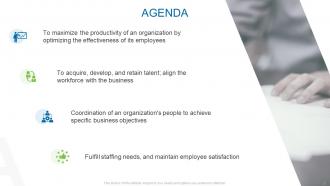
Slide 2: This slide depicts Agenda.
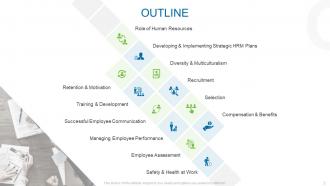
Slide 3: This slide shows the Outline of the presentation.
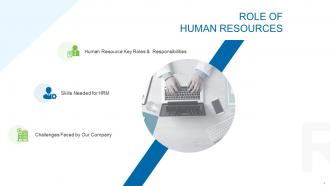
Slide 4: This slide shows Human Resource Key Roles & Responsibilities.
Slide 5: This slide depicts Human Resource Key Roles and Responsibilities.
Slide 6: This slide showcases Skills Needed For HRM.
Slide 7: This slide Depicts C Allenges Faced By Our Company.
Slide 8: This slide showcases Developing And Implementing Strategic HRM Plans.
Slide 9: This slide Showcases Strategic Human Resource Planning.
Slide 10: This slide shows Assessing Future Organizational Requirements.
Slide 11: This slide depicts Matching Demand and Supply.
Slide 12: This slide Showcases Developing Talent Strategis In Each Stage.
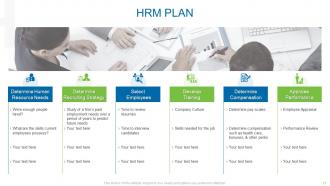
Slide 13: This slide shows HRM Plan.
Slide 14: This slide depicts the Overview with- Diversity Plans, Diversity and Multiculturism.
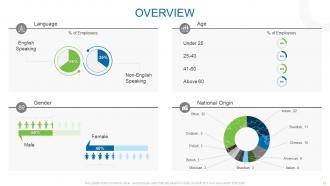
Slide 15: This slide showcases the Overview contaning- Language, Age, Gender, National Origin, Female, Male, % of Employees, English Speaking, Non-English Speaking,
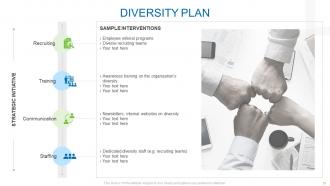
Slide 16: This slide showcases Diversity Plan.
Slide 17: This slide depicts The Recruitment Process
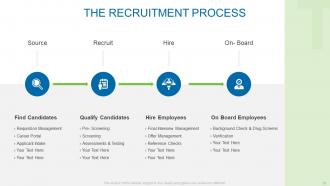
Slide 18: This slide showcases The Recruitment Process.
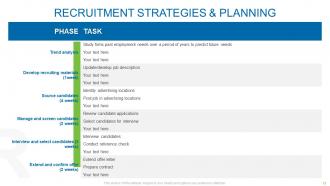
Slide 19: This slide describes Recruitment Strategies and Planning.
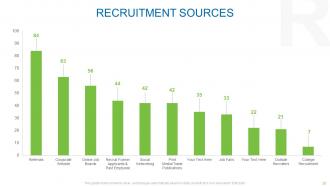
Slide 20: This slide showcases Recruitment Sources.
Slide 21: This slide showcases Recruitment Process Timeline.
Slide 22: This slide depicts Recruitment Budget.
Slide 23: This slide describes Selection Process.
Slide 24: This slide depicts Criteria Development and Resume Review.
Slide 25: This slide describes Interviewing process.
Slide 26: This slide depicts Employee Verification Process.
Slide 27: This slide describes Making the Offer.
Slide 28: This slide showcases Compensation and Benefits with- Types of Pay Systems, Other Types of Compensation (Perks & Benefits), Compensation Structure, Developing a Compensation Package.
Slide 29: This slide depicts Developing a Compensation Package.
Slide 30: This slide shows Types of Pay Systems.
Slide 31: This slide shows Compensation Structure.
Slide 32: This slide represents Other Types Of Compensation.
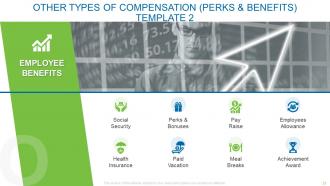
Slide 33: This slide depicts Other Types Of Compensation Template 2 with- Employee Benefits, Health Insurance, Meal Breaks, Achievement Award, Paid Vacation, Social Security, Perks & Bonuses, Pay Raise, Employees Allowance.
Slide 34: This slide depicts Retention & Motivation with- The Costs of Turnover, Retention Plans, Implementing Retention Strategies.
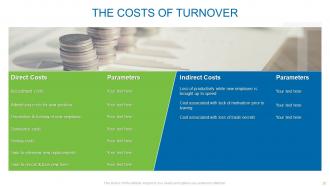
Slide 35: This slide showcases The Cost Of Turnover.
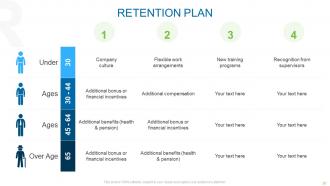
Slide 36: This slide depicts the Retention Plan.
Slide 37: This slide shows Implementing Retention Strategies.
Slide 38: This slide depicts Training & Development Strategy
Slide 39: This slide showcases Training & Development Startegy.
Slide 40: This slide shows Successful Employee Commnication.
Slide 41: This slide showcases Communication Strategies.
Slide 42: This slide showcases Managing Employee Performance.
Slide 43: This slide shwcases Employee Performance Tracking.
Slide 44: This slide depicts Handling Employee Performance.
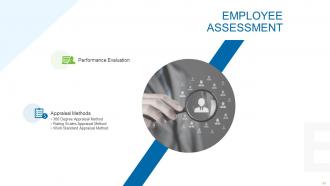
Slide 45: This slide describes Employee Assessment.
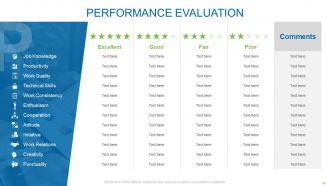
Slide 46: This slide depicts Performance Evaluation.
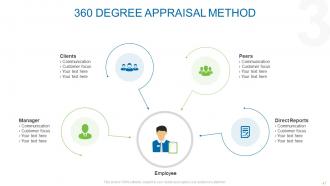
Slide 47: This slide depicts 360 Degree Appraisal Method.
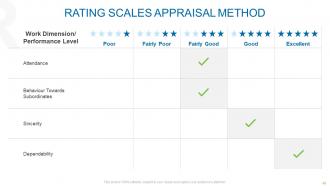
Slide 48: This slide depicts Rating Scales Appraisal Method.
Slide 49: This slide showcases Work Standard Appraisal Method.
Slide 50: This slide represents Workplace Safety and Health Laws
Slide 51: This slide presents Workplace safety and health laws.
Slide 52: This slide showcases Health Hazards At Work.
Slide 53: This slide depicts HR KPI Dashboard.
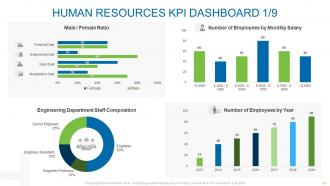
Slide 54: This slide showcases Human Resources KPI Dashboard.
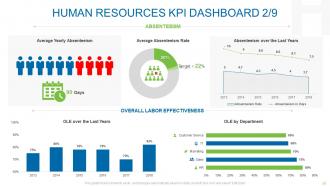
Slide 55: This slide depicts Human Resources KPI Dashboard.
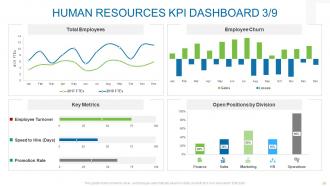
Slide 56: This slide showcases Human Resources KPI Dashboard with- Key Metrics, Employee Turnover, Speed to Hire (Days), Promotion Rate, Total Employees, Employee Churn, Open Positions by Division.
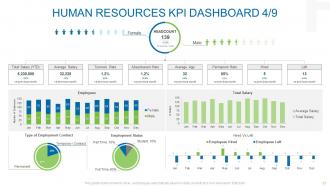
Slide 57: This slide displays Human Resources KPI Dashboard with data in percentages.
Slide 58: This slide presents Human Resources KPI Dashboard.
Slide 59: This slide depicts Human Resource KPI Dashboard.
Slide 60: This slide also shows Human Resource KPI dashboard with- Staff Strength, Employees Count by CTC, Compensation Distribution by Department, Staff Strength by Department, Marketing, R&D, IT, Human Resources, Finance, Customer Support, Administration, Sales, Accounting.
Slide 61: This slide depicts Human Resource KPI Dashboard with- Absence by Reasons (Days).
Slide 62: This slide depicts Human Resource KPI Dashboard.
Slide 63: This slide depicts Human Resource KPI Dashboard with Employee Count.
Slide 64: This is Human Resource Management Strategy Icon slides.
Slide 65: This is Human Resource Management Strategy Icon slides.
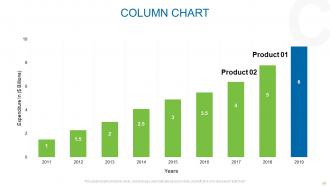
Slide 66: This slide displays Column Chart with product comparison.
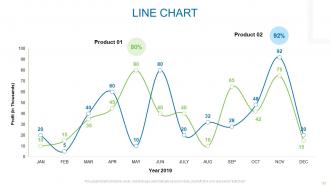
Slide 67: This slide displays Line Chart with product comparison.
Slide 68: This slide is titled as Additional slides for moving forward.
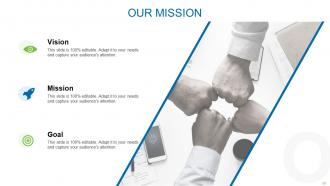
Slide 69: This is Our Mission slide with Vision, Mission and Goal.
Slide 70: This is Our Team slide with names and Designations.
Slide 71: This is About us slide to showcase Company specifications.
Slide 72: This is Idea Generation slide to highlight ideas, information etc.
Slide 73: This is Our Goals Slide. State your Goals.
Slide 74: This is Financial slide. Showcase finance related stuff here.
Slide 75: This is Venn slide.
Slide 76: This is Puzzle slide with icons and text boxes.
Slide 77: This is Thank You slide with Address, Contact number and Email address.
Human Resource Management Strategy Powerpoint Presentation Slides with all 77 slides:
Use our Human Resource Management Strategy Powerpoint Presentation Slides to effectively help you save your valuable time. They are readymade to fit into any presentation structure.
-

HR Management Strategy
-
Agenda Slide
-
Outline
-
Role of Human Resources
-
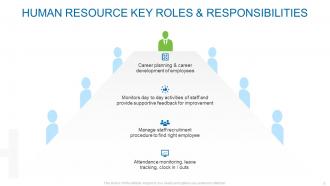
Human Resource Key Roles Responsibilities
-
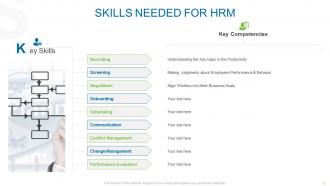
Skills Needed for HRM
-
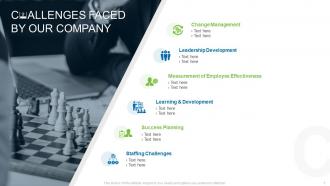
Challenges Faced by Our Company
-
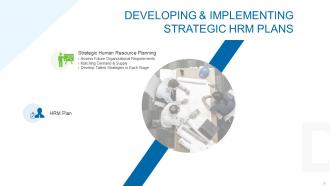
Developing Implementing Strategic HRM Plans
-
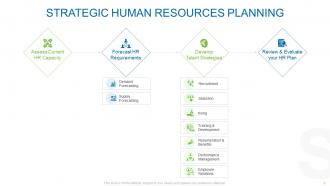
Strategic Human Resources Planning
-
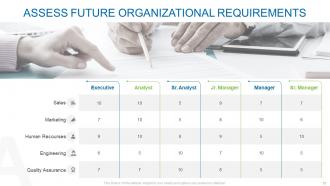
Assess Future Organizational Requirements
-
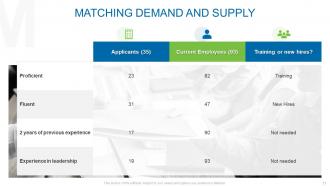
Matching Demand and Supply
-
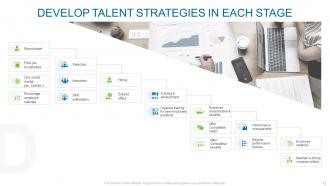
Develop Talent Strategies in Each Stage
-
HRM Plan
-
Diversity Multiculturalism
-
Overview
-
Diversity Plan
-
Recruitment
-
The Recruitment Process
-
Recruitment Strategies Planning
-
Recruitment Sources
-
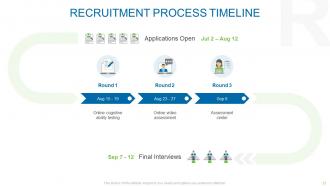
Recruitment Process Timeline
-
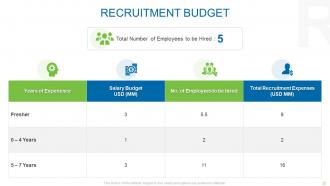
Recruitment Budget
-
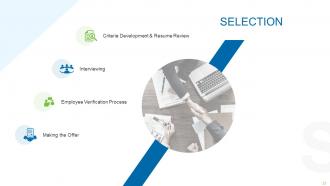
Selection
-
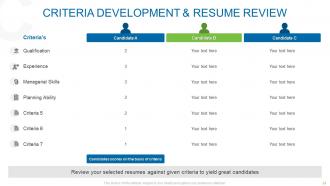
Criteria Development Resume Review
-
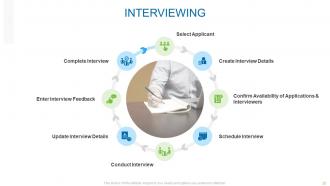
Interviewing
-
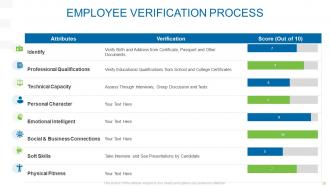
Employee Verification Process
-
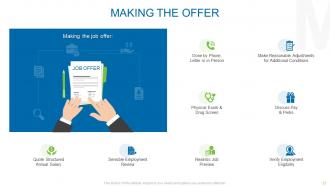
MAKING THE OFFER
-
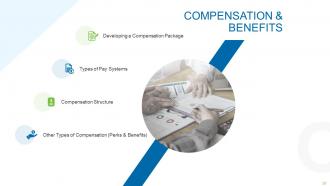
Compensation Benefits
-
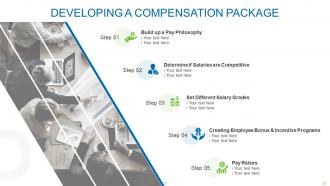
Developing a Compensation Package
-
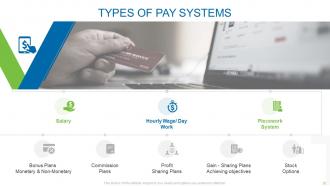
TYPES OF PAY SYSTEMS
-
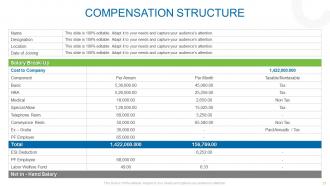
Compensation Structure
-
Other Types of Compensation Perks Benefits Template 1
-
Other Types of Compensation Perks Benefits Template 2
-
Retention Motivation
-
The Costs of Turnover
-
Retention Plan
-
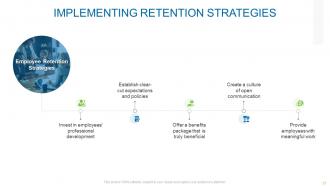
Implementing Retention Strategies
-
Training Development
-
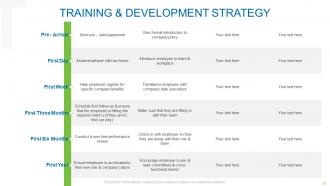
Training Development Strategy
-
Successful Employee Communication
-
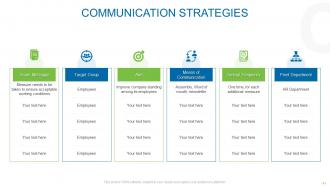
COMMUNICATION STRATEGIES
-
Managing Employee Performance
-
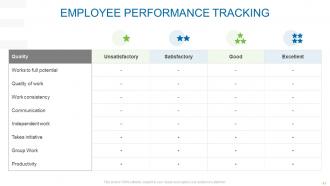
Employee Performance Tracking
-
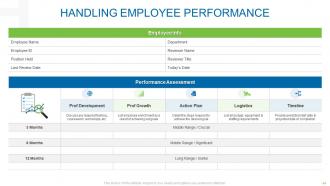
Handling Employee Performance
-
Employee Assessment
-
Performance Evaluation
-
360 Degree Appraisal Method
-
Rating Scales Appraisal Method
-
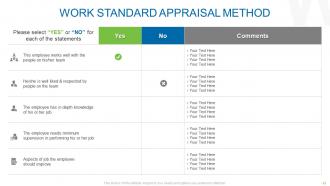
WORK STANDARD APPRAISAL METHOD
-
Safety Health at Work
-

Workplace Safety and Health Laws
-
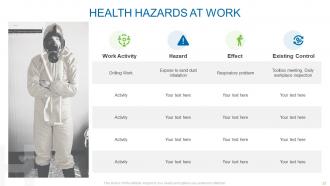
HEALTH HAZARDS AT WORK
-
HR KPI Dashboard
-
Human Resources KPI Dashboard 1 9
-
Human Resources KPI Dashboard 2 9
-
Human Resources KPI Dashboard 3 9
-
Human Resources KPI Dashboard 4 9
-
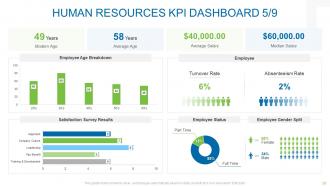
Human Resources KPI Dashboard 5 9
-
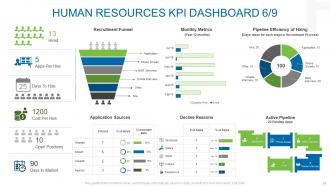
Human Resources KPI Dashboard 6 9
-
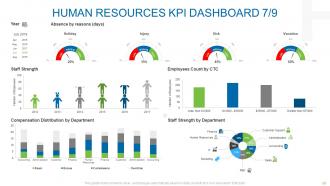
Human Resources KPI Dashboard 7 9
-
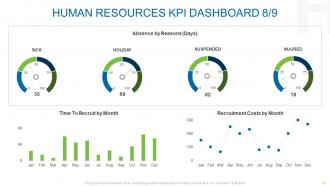
Human Resources KPI Dashboard 8 9
-
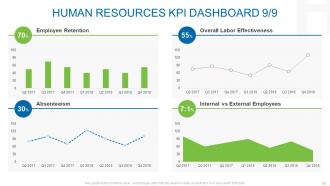
Human Resources KPI Dashboard 9 9
-
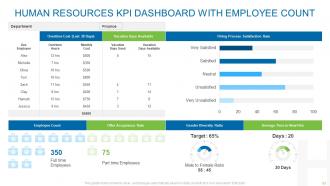
Human Resources KPI Dashboard with Employee Count
-
Human Resource Management Strategy Icon Slides
-
Human Resource Management Strategy Icon Slides
-
Column Chart
-
Line Chart
-
Additional slides
-
OUR MISSION
-
Our Team
-
About Us
-
IDEA GENERATE
-
OUR GOALS
-
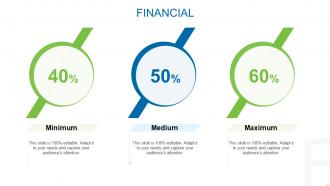
Financial Performance Indicators
-
Human Resource Management Strategy
-
Puzzle
-

Thank You
FAQs for Human Resource Management Strategy
You'll need the basics first - hiring, keeping good people, performance reviews, and pay structure. Learning programs matter too, but make sure they actually help your business goals. Culture is huge though - I've seen so many companies nail everything else then completely bomb because they ignored this part. Oh, and succession planning! Don't forget compliance stuff either (boring but necessary). The trick isn't just having these pieces - it's making them work together instead of treating each like a separate thing. I'd start by looking at what you've got now, then figure out which gaps are actually hurting your results.
First thing - figure out what your company's actually trying to do. Growing? Cutting costs? New markets? Whatever it is, your HR stuff needs to support that directly. So if they want 30% growth, your hiring and training better match that energy. I used to just do HR things because they seemed "right" - total waste of time honestly. Every big decision you make should tie back to real business results. Compensation changes, training programs, all of it. Create a basic scorecard showing how your HR numbers connect to what leadership cares about, then review it quarterly with them.
Oh man, technology is everything in HR now. Like, we've got AI tools doing the initial candidate screening, which honestly saves me so much time I used to waste on obvious no-fits. HRIS systems handle all the payroll and benefits stuff, plus there's these analytics dashboards showing employee engagement data. I'm totally dependent on this tech at this point - the insights help with hiring decisions and figuring out why people quit. My advice? Get one integrated platform instead of trying to manage like five different systems. Trust me on that one.
Honestly, data analytics completely changes how HR works - you stop guessing and start knowing what's actually happening. Like, you can spot which employees might quit before they even know it themselves. Plus you'll see what really drives performance (spoiler: it's probably not what you think). Pay gaps become obvious instead of hidden. I mean, once you start tracking recruitment sources, you realize some job boards are total money drains. Training effectiveness becomes measurable too. My advice? Don't try to analyze everything at once - pick turnover rates first and really dig into why people are leaving.
So I'd hit three main things: career growth, recognition, and work-life balance. People need to see where they're headed, so create clear advancement paths and training opportunities. Recognition is massive - could be formal awards or just regular feedback. Sometimes the small acknowledgments hit harder than the big flashy stuff. Flexible work is pretty much non-negotiable now. Oh, and train your managers properly because terrible bosses are literally why most people bail. Maybe start with a quick survey to see what your people actually care about? That way you're not just guessing.
Honestly, surveys are your best friend here - you can't fix what you don't measure first. Get diverse interview panels going and train your managers on bias (some of them really need it, trust me). But here's what actually moves the needle: leadership has to walk the walk, not just talk about it. People notice when executives show up or don't. Psychological safety is huge too - create spaces where everyone feels safe being themselves. Oh, and don't try to change everything overnight. Pick one solid initiative this quarter and nail it.
Honestly, communication becomes your biggest headache - you lose all those random conversations that actually fix stuff. Zoom fatigue hits everyone hard too. Getting new people up to speed remotely? Super awkward since they can't just grab coffee with teammates. You'll need to completely rethink how you track if people are actually productive without being that annoying micromanager boss. Company culture gets weird when everyone's scattered. Invest in decent communication tools first, then set up regular check-ins that aren't just pointless meetings. Oh, and performance reviews become way more complicated when you can't see what people are doing day-to-day.
Figure out what leadership skills you actually need first - like if you're doing digital transformation, focus on change management over basic people skills. Most programs suck because they're way too broad. Talk to your senior leaders about real gaps instead of guessing. Design stuff that targets those specific issues - could be stretch projects, mentoring, whatever works. Oh and measure results against business outcomes, not just who finished their training modules. That completion rate stuff is pretty useless tbh.
Honestly, the job market's insane right now - good people disappear in like 3-4 days max. Your interview process needs to be lightning fast because candidates have zero patience for endless rounds. Build up your company's social presence so people actually want to apply, not just stumble across your posting. Data's your friend here - figure out where your best hires came from and focus there. Don't just post and hope for the best. Go hunt people down on LinkedIn, lean heavy on employee referrals (they work way better anyway). Oh, and start building pipelines now for roles you'll need later. Waiting until you're desperate is brutal.
Look, HR is basically your secret weapon for change management. People hate change, so you need solid communication plans to keep everyone in the loop. Training programs are huge too - gotta bridge those skill gaps somehow. The culture shift is honestly the worst part though, like people will resist everything at first. But here's the thing - if you get employees involved early and show them clear career paths in the new setup, they'll actually buy in. Performance metrics need updating to match your new goals obviously. Find your change champions right away and arm them with influence tools. Trust me, they'll do half the work for you.
Look at both leading and lagging stuff - turnover rates, how long it takes to fill roles, engagement survey scores. Internal promotion rates are huge too, plus absenteeism patterns and training ROI. Honestly, performance review completion is so underrated - companies skip this and then act shocked when people quit. Employee Net Promoter Score and cost-per-hire usually tell you the most. Oh, and time-to-fill can be tricky depending on your industry. Just pick 3-5 metrics that actually match your biggest headaches first, then build out your tracking from there.
Ditch those once-a-year reviews - they're pretty useless tbh. Regular check-ins work way better. Set goals that actually connect to what your business needs, not just random stuff. I'd focus more on helping people grow their skills instead of just judging them. Survey your team first though - they'll tell you what's broken. Use whatever data you have to catch problems early. The whole thing should feel like you're working together, not like you're grading them. Oh, and real-time feedback is huge. Most traditional systems are just outdated anyway.
Your company's workplace reputation is everything when it comes to snagging good people. Candidates will stalk your Glassdoor reviews and see what employees actually post about you online. Strong employer branding means people want to work there, not just apply out of desperation - honestly makes recruiting way less painful. You can compete with bigger companies even if your salary isn't the highest. Get your current team sharing their real experiences and show off your actual culture, not some fake corporate version. Oh, and definitely check what's already online about you first.
Start with surveying what your people actually want - don't just guess. Mental health days and EAPs are great, but make sure they're visible and people won't feel weird using them. Train managers to recognize burnout because most are clueless honestly. Flexible work arrangements help way more than just talking about wellness. Benefits like gym memberships or those meditation apps work too. Oh, and wellness stipends are clutch if you've got budget. The whole thing falls apart though if nobody knows these resources exist or they're scared to use them first.
Dude, AI is taking over all the boring HR stuff - which honestly is about time. Remote work isn't going anywhere, so you better nail down those flexible policies now. Companies are finally caring about mental health and employee wellbeing too. Skills-based hiring is everywhere now - degrees matter way less than what you can actually pull off. Continuous feedback is replacing those awful yearly reviews (thank god). DEI metrics are huge right now. I'd start by figuring out what tech can streamline for you. Also get your remote work game solid if it's still messy.
-
Useful
-
Wonderful templates design to use in business meetings.
-
Top Quality presentations that are easily editable.
-
Use of icon with content is very relateable, informative and appealing.