


Strategic Workforce Planning Powerpoint Presentation Slides




Try Before you Buy Download Free Sample Product
 Impress Your
 Audience
 100%
100% Editable
 Save Hours
 of Time


Strategic Workforce Planning PowerPoint Presentation Slides is a comprehensive solution for HR professionals to showcase talent management plans. This human resource strategy PPT theme touches key aspects like employee training, motivation, performance management, career planning, and employee engagement. The manpower management PowerPoint slideshow helps you to demonstrate talent management methodology. Highlight recruitment sources, process, and how to track recruitment activities by the means of this workforce management PPT template. Elucidating the hiring plan by department becomes easy using tabular formats of employee planning PowerPoint theme. Illustrate performance planning guidelines, performance coaching, and feedback through this staff management PPT slideshow and present types of goals and priorities. Showcase action plan for employee motivation in a concise tabular layout included in this personnel management PowerPoint template. So, download this HR planning PPT deck to demonstrate the fundamentals of strategic workforce planning.
People who downloaded this PowerPoint presentation also viewed the following :
Content of this Powerpoint Presentation
Slide 1: This slide introduces Strategic Workforce Planning. State your Company name and begin.
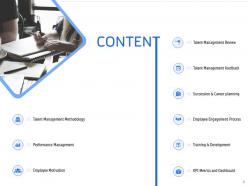
Slide 2: This slide shows Content of the presentation.
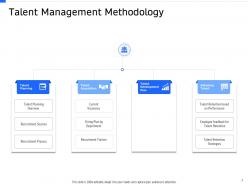
Slide 3: This slide shows Talent Management Methodology.
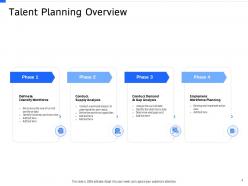
Slide 4: This slide shows Talent Planning Overview.
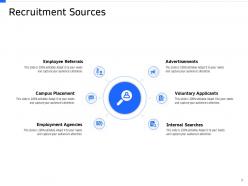
Slide 5: This slide represents Recruitment Sources.
Slide 6: This slide shows Recruitment Process
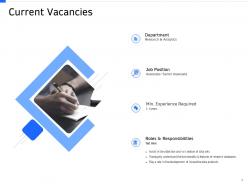
Slide 7: This slide depicts Current Vacancies with Roles & Responsibilities.
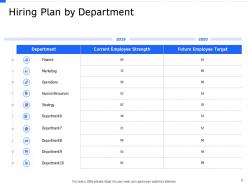
Slide 8: This slide shows Hiring Plan by Department.
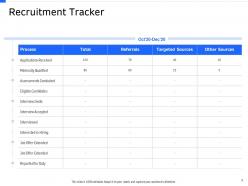
Slide 9: This slide displays Recruitment Tracker
Slide 10: This slide displays Talent Development Plan.
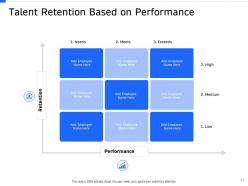
Slide 11: This slide shows Talent Retention based on Performance.
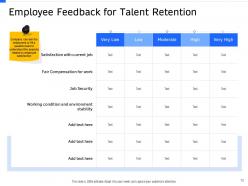
Slide 12: This slide showcases Employee Feedback for Talent Retention. Company can ask the employees to fill a questionnaire to understand the aspects related to employee satisfaction
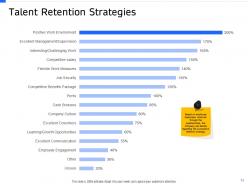
Slide 13: This slide represents Talent Retention Strategies. Based on employee responses received through the questionnaire, the company can decide regarding the successful retention strategy
Slide 14: This slide depicts Performance Management with Guidelines for Performance Planning and Types of Goals/ Priorities.
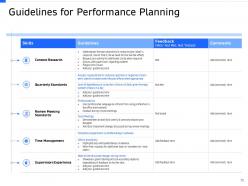
Slide 15: This slide shows Guidelines for Performance Planning.
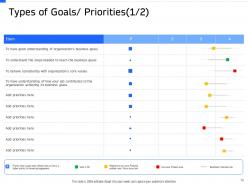
Slide 16: This slide shows Types of Goals/ Priorities.
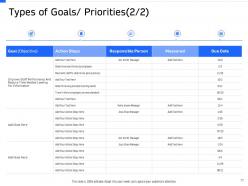
Slide 17: This slide displays Types of Goals/ Priorities.
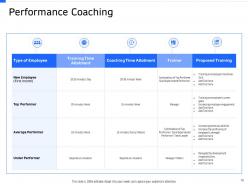
Slide 18: This slide displays Performance Coaching
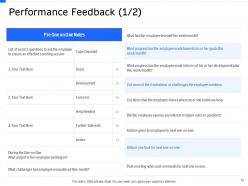
Slide 19: This slide showcases Performance Feedback.
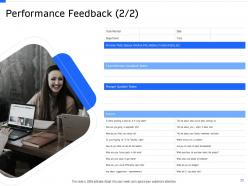
Slide 20: This slide depicts Performance Feedback.
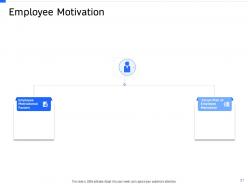
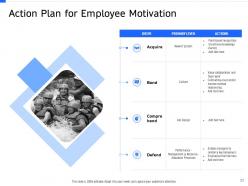
Slide 21: This slide depicts Action Plan of Employee Motivation
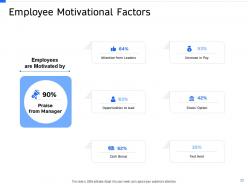
Slide 22: This slide shows Employee Motivational Factors.
Slide 23: This slide showcases Performance Feedback.
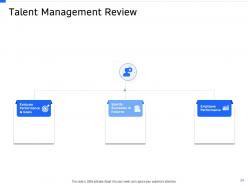
Slide 24: This slide depicts Talent Management Review.
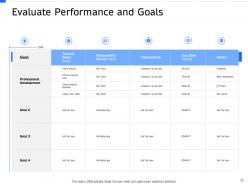
Slide 25: This slide displays Evaluate performance and goals.
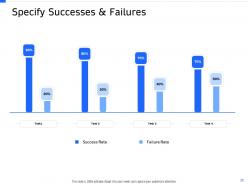
Slide 26: This slide tells to Specify Successes & Failures with- Success Rate Failure Rate
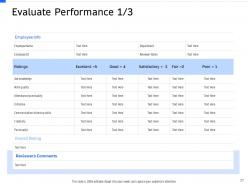
Slide 27: This slide tells how to Evaluate Performance.
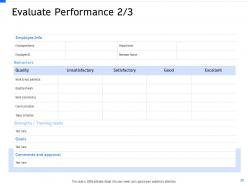
Slide 28: This slide also tells how to Evaluate Performance.
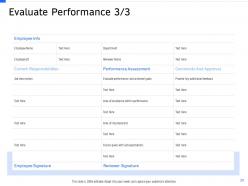
Slide 29: This slide also tells how to Evaluate Performance.
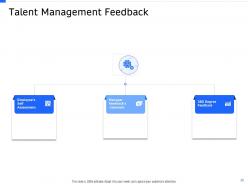
Slide 30: This slide shows Talent Management Review
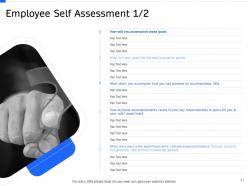
Slide 31: This slide showcases Employee Self Assessment.
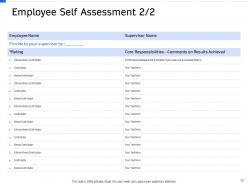
Slide 32: This slide showcases Employee Self Assessment.
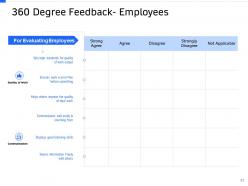
Slide 33: This slide displays 360 Degree Feedback- Employees.
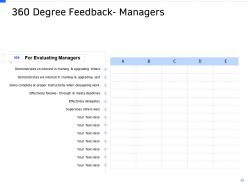
Slide 34: This slide depicts 360 Degree Feedback- Managers.
Slide 35: This slide presents Manager’s Feedback.
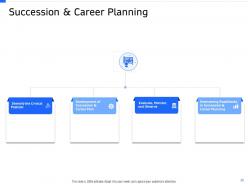
Slide 36: This slide shows Succession & Career planning.
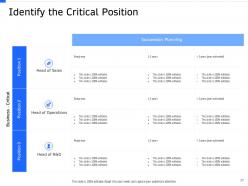
Slide 37: This slide tells to Identify the Critical Position.
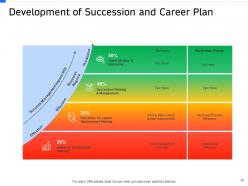
Slide 38: This slide shows the Development of Succession & Career Plan
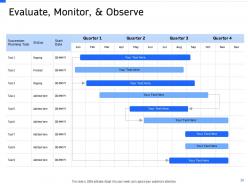
Slide 39: This slide displays Evaluate, Monitor, & Observe
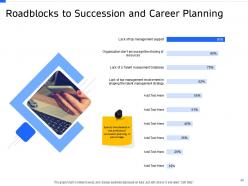
Slide 40: This slide displays Roadblocks to Succession and Career Planning. Specify the obstacle in the pathway of succession planning, in percentage
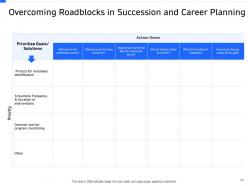
Slide 41: This slide shows Overcoming Roadblocks in Succession and Career Planning.
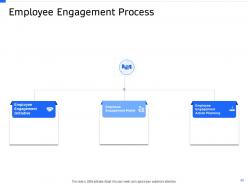
Slide 42: This slide shows Employee Engagement Process.
Slide 43: This slide showcases Company Initiative towards Employee Engagement.
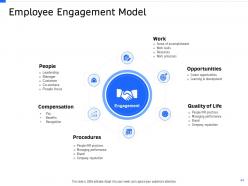
Slide 44: This slide displays Employee Engagement Model
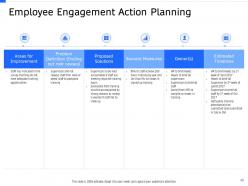
Slide 45: This slide shows Employee Engagement Action Planning.
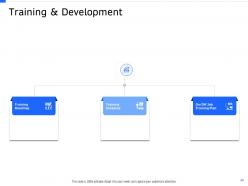
Slide 46: This slide showcases Training & Development.
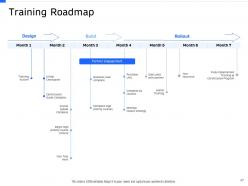
Slide 47: This slide showcases Training Roadmap
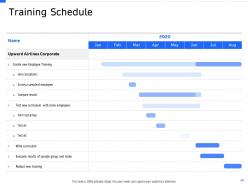
Slide 48: This slide shows Training Schedule.
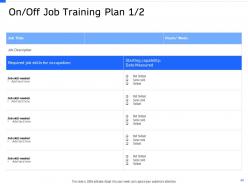
Slide 49: This slide displays On/Off Job Training Plan.
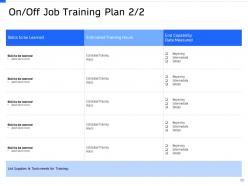
Slide 50: This slide displays On/Off Job Training Plan
Slide 51: This slide displays KPI Metrics and Dashboard.
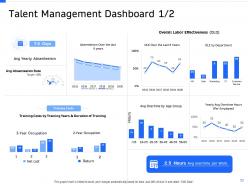
Slide 52: This slide showcases Talent Management Dashboard.
Slide 53: This slide showcases Talent Management Dashboard.
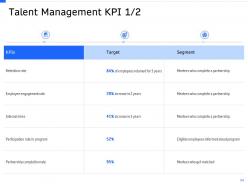
Slide 54: This slide shows Talent Management KPI.
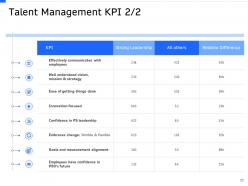
Slide 55: This slide displays Talent Management KPI.
Slide 56: This is Strategic Workforce Planning Icons Slide.
Slide 57: This slide is titled as Additional Slides for moving forward.
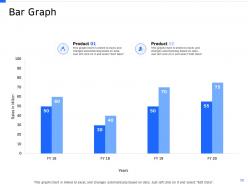
Slide 58: This slide displays Bar Graph with Product comparison.
Slide 59: This slide displays Our Mission with Vision and Goal.
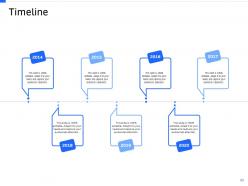
Slide 60: This slide depicts Timeline process.
Slide 61: This is About Us slide to showcase Company specifications.
Slide 62: This is Our Team slide with Names and Designations.
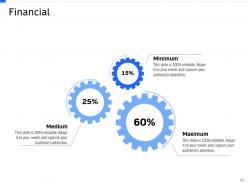
Slide 63: This is Financial slide with Maximum and Minimum.
Slide 64: This is Thank You slide with Contact number.
Strategic Workforce Planning Powerpoint Presentation Slides with all 64 slides:
Use our Strategic Workforce Planning Powerpoint Presentation Slides to effectively help you save your valuable time. They are readymade to fit into any presentation structure.






FAQs for Strategic Workforce Planning
So you'll want to start with workforce analysis - check your current team's skills, ages, how they're performing. Next, figure out what you'll actually need based on where the business is headed. Most companies totally bomb this step because they guess instead of looking at real data, which is honestly pretty dumb. Once you spot the gaps between what you have and what you need, build specific plans for hiring, training, or reshuffling people around. Oh and definitely review it regularly since everything changes so fast these days. Keep it straightforward though - if it's too complicated, your managers will just ignore it.
Honestly, start by figuring out where your company's actually going in the next few years. What's the real strategy? Then work backwards - what roles and skills do you need to hit those goals? Don't let this become some HR side project either. Your leadership team needs to be all over this stuff. I've watched so many businesses completely panic because they waited too long to think about talent needs. Update your headcount projections whenever priorities change. Make it part of regular strategic planning, not something you remember once a year. Keep it flexible since strategies shift all the time anyway.
Honestly, data analytics is like having a crystal ball for your team planning. Instead of just guessing, you can actually spot when people might quit or see talent gaps coming. The patterns it shows are wild - like which departments always have people leaving or where work gets stuck. I mean, you'd never catch that stuff just looking at spreadsheets manually. It also tells you if your hiring strategies are working or just wasting money. My advice? Don't go crazy trying to track everything. Pick something simple like turnover rates first, then build up from there.
Dude, you literally can't just set your hiring strategy once and walk away. Economic crashes? Suddenly you're freezing all hiring and cutting costs. Boom times hit and you're fighting tooth and nail for decent talent. Then random stuff happens - like how remote work exploded in 2020 and suddenly your talent pool went from local to literally anywhere. Demographics shift, industries get disrupted, new regulations drop. Honestly, it's exhausting but you've got to build flexibility in from day one. That way when life throws you curveballs (and it will), you can actually pivot instead of just panicking.
Honestly, start with one solid workforce analytics platform - don't go crazy trying to do everything at once. AI can handle the boring stuff like data collection and headcount forecasting, plus predict who's about to quit (which is actually pretty scary accurate). HR analytics tools will show you patterns you'd never spot in Excel hell. Real-time dashboards beat waiting weeks for reports any day. The turnover prediction thing still feels weird to me, but it works. You'll save tons of time on skills gap analysis and get better hiring timelines based on your actual business cycles.
So you'll need both the quick wins and long-term stuff to really see what's happening. Track time-to-fill for critical roles, internal mobility rates, and how strong your succession planning looks. Employee retention for key positions matters too - honestly, losing the wrong person can derail everything. I'd also watch skill gap closure and workforce cost per revenue dollar (that's what the C-suite actually cares about). Oh, and don't skip the softer metrics like manager confidence in their talent pipeline. Start with maybe 3-4 that match your biggest headaches right now, then build from there.
Look, you've gotta mix data analysis with scenario planning. Check your workforce demographics, skills gaps, and turnover rates first. Then match that stuff against your business strategy and market trends. Here's the thing though - most forecasts are basically useless when real disruption hits. So build multiple "what if" scenarios instead of one rigid plan. Skills assessments and succession planning tools help track capabilities as they change. Oh, and ditch the annual review cycle. Quarterly adjustments are way better for staying responsive rather than just trying to predict everything perfectly.
Honestly, the hardest part is just getting workforce planning and talent teams in the same room. They operate in totally different worlds - one's obsessed with headcount, the other's all about employee development. It's wild how disconnected they can be. Their systems don't sync up either, which makes sharing data a real pain. Oh, and the timing thing kills me - workforce planning moves in quarters while talent stuff takes years to pan out. I'd start small though. Get them doing monthly check-ins together and find one metric they both actually care about. That usually breaks the ice.
So first thing - audit your current team makeup and see where the gaps are. Then set actual targets for different roles, like you would with any other goal. Build your recruiting around reaching underrepresented groups specifically. Here's the thing though - don't forget about retention data by demographic. If people from certain backgrounds keep bailing, that's gonna mess up your whole pipeline down the road. Track this stuff like you track revenue or whatever. The worst thing is when companies treat diversity like some side project instead of building it into their actual workforce planning from day one.
Three main things to nail: growth opportunities, pay, and workplace vibe. Give them clear paths up with real challenges and mentoring - nobody good wants to just coast. Honestly, compensation needs to actually compete (and I mean the whole package, not just salary). Build a culture where their voice matters and they can influence real decisions. The biggest thing though? Regular one-on-ones to figure out what drives each person specifically. Cookie-cutter approaches don't work here. Oh, and don't wait - start having those conversations this week before someone else starts recruiting them.
Quarterly reviews are your bare minimum, but honestly? That's probably not enough anymore. Things change way too fast now - I've watched companies crash because they stuck to those old annual planning cycles. Market shifts happen overnight, and you can't afford to wait six months to adjust your hiring plans. Build in those quarterly check-ins for sure, but also create triggers for when major stuff hits your industry. Like, if there's a big economic shift or new tech disrupts everything, don't just sit there waiting for your next scheduled review. Stay flexible and ready to pivot when needed.
Think of employee engagement as your secret weapon for workforce planning. Happy people stay put and perform better - that gives you solid data to actually plan around. When engagement tanks? You're stuck playing whack-a-mole with turnover and scrambling to fill positions. Engaged employees will straight up tell you what they want career-wise, so you can build development paths that make sense. Honestly, I've watched too many perfect-on-paper workforce strategies crash because leadership ignored whether people were miserable. Measure engagement consistently and loop those insights into your talent pipeline conversations.
So you're basically running "what if" drills for your team. Economic crash, people quitting en masse, new tech replacing jobs - that kind of stuff. Map out how each scenario would mess with your current setup and where you'd be screwed. Then figure out your moves: cross-training, backup plans, flexible hiring. Honestly, I've watched teams overthink this to death when the obvious scenarios are usually what bites you anyway. The trick is doing these check-ins regularly instead of panicking when everything goes sideways. I'd start with whatever three things keep you up at night workforce-wise.
Get everyone working off the same numbers from the start - that's honestly half the battle. Set up regular meetings where HR talks talent stuff, finance shares budget limits, and ops explains what the business actually needs. I've seen too many teams work separately then scramble to make it all fit later (spoiler: it never works). Build dashboards everyone can see so you're all looking at identical workforce data. Make sure role definitions and costs match up across teams too. Start with quarterly planning sessions, then do monthly check-ins once you get the hang of it.
Oh man, global workforce stuff gets messy fast. Each country has its own labor laws, cultural norms, and pay expectations you'll need to juggle. Visa changes can totally wreck your plans - I've watched teams scramble when immigration rules shifted overnight. Managing people across time zones is its own headache, plus local competitors will definitely try stealing your talent with region-specific benefits. Honestly, the regulatory maze alone makes my head spin sometimes. Best move is mapping out what each country requires first, then build in extra time for hiring because everything takes longer than you think.
-
The Designed Graphic are very professional and classic.
-
Wonderful templates design to use in business meetings.
-
Amazing product with appealing content and design.