

Workforce Management Powerpoint Presentation Slides






Try Before you Buy Download Free Sample Product
 Impress Your
 Audience
 100%
100% Editable
 Save Hours
 of Time


Our Workforce Management Powerpoint Presentation Slides are topically designed to provide an attractive backdrop to any subject. Use them to look like a presentation pro.
People who downloaded this PowerPoint presentation also viewed the following :
Workforce Management Powerpoint Presentation Slides with all 36 slides:
Use our Workforce Management Powerpoint Presentation Slides to effectively help you save your valuable time. They are readymade to fit into any presentation structure.
-
Workforce Management
-
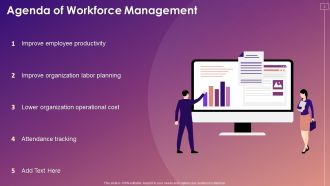
Agenda of Workforce Management
-
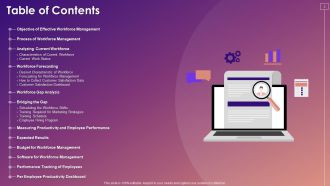
Table of Contents
-

Table of Contents
-
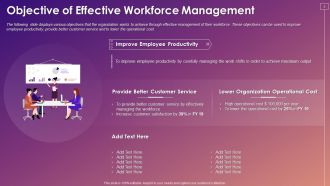
Objective of Effective Workforce Management
-
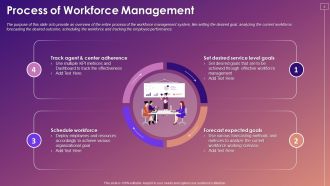
Process of Workforce Management
-
Table of Contents
-
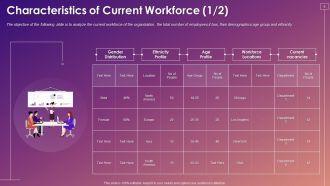
Characteristics of Current Workforce 1 2
-
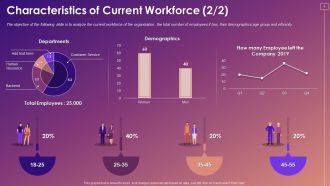
Characteristics of Current Workforce 2 2
-
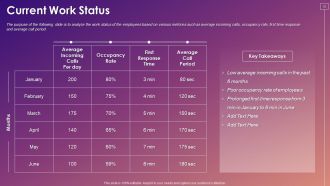
Current Work Status
-
Table of Contents
-
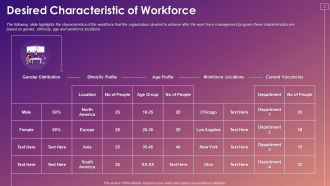
Desired Characteristic of Workforce
-

Forecasting for Workforce Management
-
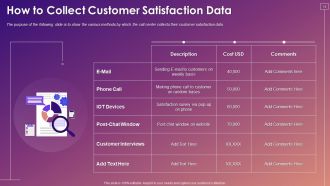
How to Collect Customer Satisfaction Data
-
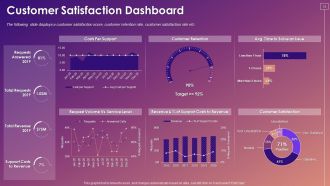
Customer Satisfaction Dashboard
-
Workforce Gap Analysis
-
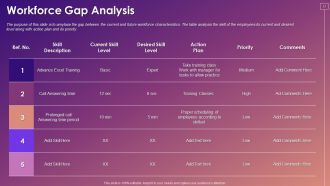
Workforce Gap Analysis
-
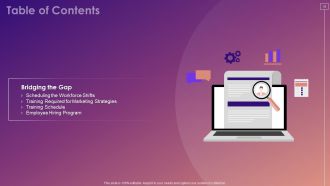
Table of Contents
-
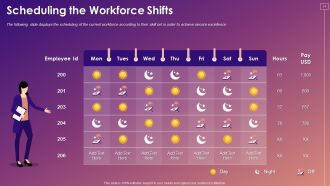
Scheduling the Workforce Shifts
-
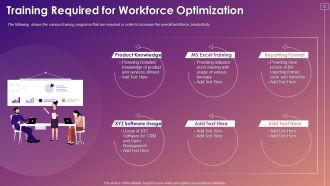
Training Required for Workforce Optimization
-
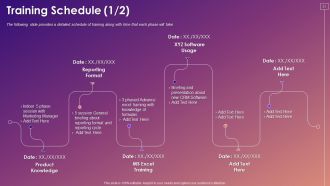
Training Schedule 1 2
-
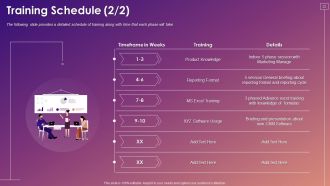
Training Schedule 2 2
-
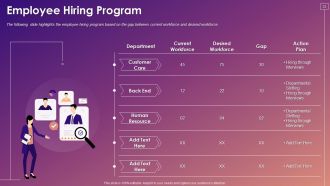
Employee Hiring Program
-
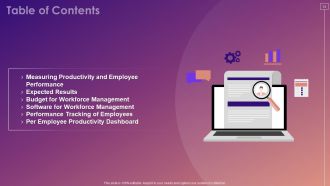
Table of Contents
-
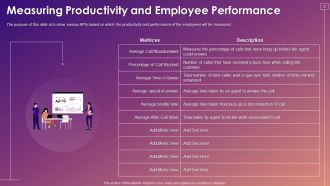
Measuring Productivity and Employee Performance
-
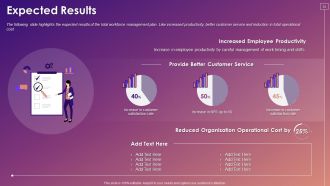
Expected Results
-
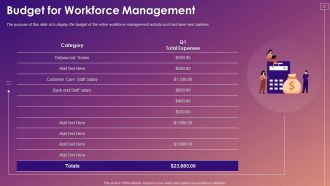
Budget for Workforce Management
-
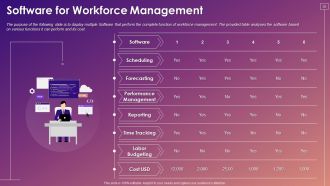
Software for Workforce Management
-
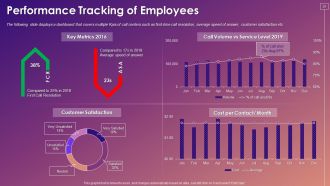
Performance Tracking of Employees
-
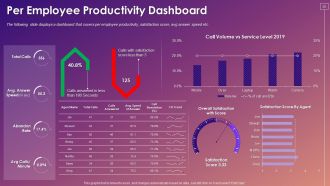
Per Employee Productivity Dashboard
-

Additional Slides
-
Venn
-
About Our Company
-
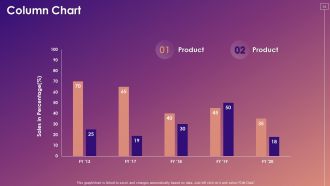
Column Chart
-
Meet Our Team
-
Thank You for Watching
FAQs for Workforce Management
Honestly, you'll probably save 5-15% on labor costs right off the bat - that's where most people see the biggest impact. No more panic texting everyone at dawn trying to fill shifts, which is honestly worth it alone. Real-time tracking shows you exactly who's where, and the system handles compliance stuff automatically so you won't get slammed with overtime violations. Your team will actually like it too since they can request time off properly and see their schedules ahead of time instead of guessing. I'd start by figuring out whatever's driving you the most crazy about scheduling right now - that's usually where you'll get the fastest payback.
Honestly, dig into your sales data from the past year first - that's where the gold is. Look for patterns in your busiest/slowest times, then staff around those trends. I've watched places cut labor costs by like 15-20% just nailing this part. Track stuff like sales per hour worked and how long customers wait. Those numbers don't lie. Seasonal trends matter too, obviously. Start small though - tweak your schedule a bit, see what happens, then adjust from there. Going too big too fast usually backfires. The sweet spot is somewhere between having enough people and not burning money on overstaffing.
Honestly, tech has been a lifesaver for scheduling headaches. AI tools can predict busy periods way better than guessing, and they automatically match people's skills to the right shifts. No more endless email chains about time-off requests either - the system just handles it. Your team can swap shifts through mobile apps instantly, which is pretty convenient. The best part? These tools spot conflicts before they blow up into actual problems. I'd say pick whatever your worst scheduling nightmare is right now and find something that fixes that specific issue first. Don't try to solve everything at once.
Honestly, focus on three main things. First, get your communication sorted - regular check-ins where people actually talk about what's blocking them, not just boring status updates. Project management tools become your lifeline since you can't just peek over cubicle walls anymore. Track results, not whether someone's online at 9am sharp (seriously, that micromanaging stuff backfires). The social aspect is huge too - those random water cooler moments don't happen naturally now, so you've got to create them with virtual hangouts or whatever works for your team. I'd start by figuring out where your current communication is falling apart and tackle that mess first.
Ugh, workforce stuff is brutal - you're constantly dealing with scheduling nightmares, people quitting, and skill shortages. Honestly feels like whack-a-mole some days. Get some decent workforce software that actually considers what your people want, not just what you need. Retention's tough but career growth opportunities help way more than pizza parties (learned that the hard way). Cross-training is clutch for filling gaps - also try partnering with local schools or training centers. The real trick? Don't wait for disasters. Regular team check-ins catch problems while they're still manageable instead of full-blown crises.
Ugh, labor laws are such a pain but you really can't ignore them. Europe's super strict about work hours and vacation time. The US gives you more wiggle room but then each state has its own weird overtime rules - like why?? Asia's totally random depending on which country you're in. I learned this the hard way when we accidentally scheduled someone over their legal limit in Germany. Now I just make sure our scheduling system is set up for whatever region we're operating in. Saves you from those awkward conversations with HR later.
Look, I'd start with the stuff that's actually driving you crazy right now - like output per employee and labor costs as a percentage of revenue. Employee satisfaction is huge too (seriously, most people ignore this until it's too late). Schedule adherence matters if you're dealing with shifts or deadlines. Then track your overtime costs, how long it takes to fill open spots, and absenteeism rates. Honestly though? Pick maybe 4-5 metrics max that connect to your actual business goals. I used to track everything and it was just noise.
Look, engaged employees just work harder - it's that simple. They show up more, actually give a damn about quality, and don't spend half the day complaining by the coffee machine. Collaboration flows way better too. Your turnover drops, which saves you from constantly training new people (such a pain). The real bonus? They'll pitch ideas and hustle when crunch time hits. I'd start by just asking your team what's frustrating them or slowing them down. Sometimes the fixes are easier than you think.
So workforce management systems are like having a compliance buddy watching your back 24/7. They'll automatically ping you about break times, overtime limits, training deadlines - all that fun regulatory stuff. Way better than the spreadsheet nightmare I used to deal with (never again). The best part? They catch violations before they actually happen and spit out those audit reports regulators always want. My advice? Pick your 3 biggest compliance headaches first and set up alerts for those. You'll thank yourself later when inspection time rolls around.
Honestly, most people quit their managers, not their jobs - so train those supervisors properly. Pay has to be competitive obviously, but don't sleep on career growth opportunities either. Your onboarding better be solid because if someone's confused those first few months, they're already mentally checking out. I'd also do regular one-on-ones to catch problems early. But here's the thing that drives me crazy - companies always ask for employee feedback then do nothing with it. Actually listen and fix what you can. Those small changes add up way more than you'd think.
Oh man, it's like night and day honestly. Healthcare is all about that 24/7 coverage - you literally can't have gaps when people's lives are on the line. Plus there's all the licensing stuff and specialized roles you've gotta plan months ahead for. Retail's way more flexible though. Seasonal rushes, part-time workers, quick hiring when you need bodies on the floor. Healthcare workers burn out fast too, so that's another headache. With retail it's more about riding those sales waves and traffic patterns. My advice? Figure out what your biggest constraints are first - regulations, when you're slammed, talent pool - then build around that. Makes everything else fall into place.
Don't put all your eggs in one basket with forecasting - mix it up. Historical data's your starting point, but throw in economic trends, seasonal stuff, and any insider info about new projects coming down the pipeline. Markets flip crazy fast these days, so past patterns won't always save you. Build out some best/worst case scenarios too. Your frontline managers are gold here - they usually catch demand shifts way before the numbers do. Oh, and update everything weekly or every couple weeks. Always pad your numbers with some wiggle room because honestly, stuff happens.
Okay so here's the thing - you can't just focus on diversity at the end when you're making final hires. Cast a wider net from the start. Hit up HBCUs, community groups, professional orgs for underrepresented folks instead of the same old job boards. Also, your job descriptions probably suck (sorry not sorry). Drop the gendered language and those weirdly specific requirements. Like, does someone really need 5 years experience when 3 would totally work? Train your managers on bias, track where candidates drop off in your process. That's how you'll actually see what's broken.
Honestly, start with AI scheduling - it'll predict your busy periods and auto-create schedules based on what people actually want to work. Mobile apps are a game changer too. Workers can swap shifts themselves instead of playing phone tag with managers (seriously, why did we wait so long for this?). Make sure whatever you pick has decent APIs so it plays nice with your current payroll stuff. My advice? Pick one annoying problem first - maybe the scheduling headaches or letting people request time off easily. Don't go crazy trying to fix everything at once, you'll just overwhelm everyone.
Honestly, you've gotta match your staff schedule to when customers actually show up - sounds obvious but most places screw this up. Put your A-team on during rush hours, not just whoever's around. Cross-training is huge too because nothing's worse than watching someone search for the "kitchen person" while you're standing there hungry. Get some scheduling software that lets you pivot fast when things get crazy busy. Oh and definitely track what customers are saying about service - that feedback tells you if your staffing's actually working. Start by checking your busiest spots this week and see if you're covered properly.
-
Informative presentations that are easily editable.
-
Great quality product.
-
Great designs, really helpful.
-
Excellent design and quick turnaround.
-
Great quality slides in rapid time.