


Workforce Management For Call Center Powerpoint Presentation Slides




Try Before you Buy Download Free Sample Product
 Impress Your
 Audience
 100%
100% Editable
 Save Hours
 of Time


Optimize the productivity of your employees by using Workforce Management For Call Center PowerPoint Presentation Slides. Discuss the objectives of effective workforce management and help to improve employee productivity, and provide better customer service. Take advantage of this workforce management system and highlight the characteristics of the workforce that the organization desires to achieve. Our customer relationship management PowerPoint templates help to provide an overview of the processes of workforce management systems like setting the desired goal, analyzing the current workforce, forecasting the desired outcome, and tracking employee performance, etc. You can display customer satisfaction scores, customer retention rates, and customer satisfaction rates with the help of the workforce optimization PPT slideshow. You can easily edit the slides to present the various methods by which the call center collects their customer satisfaction data by taking the assistance of employee call center management PPT visuals. The workforce planning PPT slides explain effective scheduling, real-time adjustments, staffing, and forecasting that are essential for the company to thrive. Achieve and maintain operational efficiency by downloading this ready-to-use call center management PPT slide deck.
People who downloaded this PowerPoint presentation also viewed the following :
Content of this Powerpoint Presentation
Slide 1: This slide introduces Workforce Management For Call Center. State your Company name and begin.
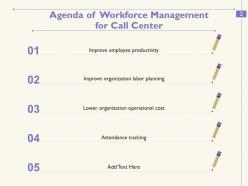
Slide 2: This slide displays Agenda of Workforce Management for Call Center
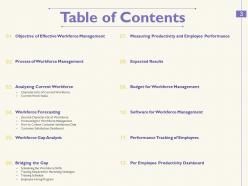
Slide 3: This slide displays Table of Contents.
Slide 4: This slide displays Table of Content.
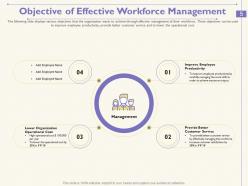
Slide 5: The following slide displays various objectives that the organization wants to achieve through effective management of their workforce. These objectives can be used to improve employee productivity, provide better customer service and to lower the operational cost.
Slide 6: This slide displays Table of Content.
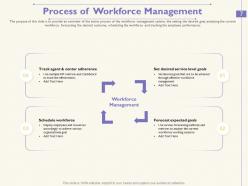
Slide 7: The purpose of this slide is to provide an overview of the entire process of the workforce management system, like setting the desired goal, analyzing the current workforce, forecasting the desired outcome, scheduling the workforce and tracking the employee performance.
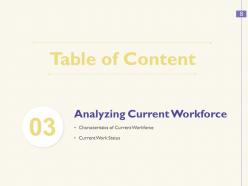
Slide 8: This slide depicts Table of Content.
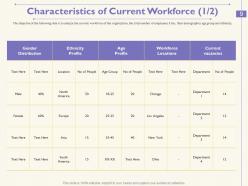
Slide 9: The objective of the following slide is to analyze the current workforce of the organization, the total number of employees it has, their demographics age group and ethnicity.
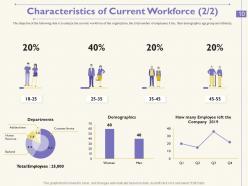
Slide 10: The objective of the following slide is to analyze the current workforce of the organization, the total number of employees it has, their demographics age group and ethnicity.
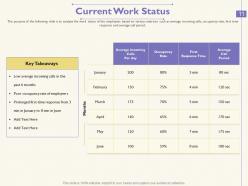
Slide 11: The purpose of the following slide is to analyze the work status of the employees based on various metrices such as average incoming calls, occupancy rate, first time response and average call period.
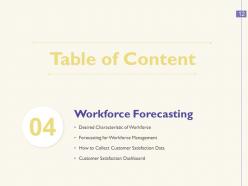
Slide 12: This slide displays Table of Content
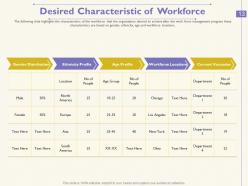
Slide 13: The following slide highlights the characteristics of the workforce that the organization desired to achieve after the work force management program these characteristics are based on gender, ethnicity, age and workforce locations.
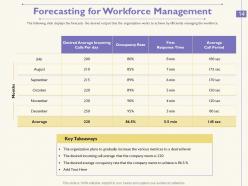
Slide 14: The following slide displays the forecasts the desired output that the organization wants to achieve by efficiently managing the workforce.
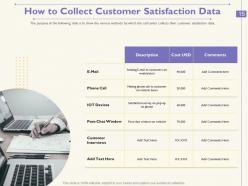
Slide 15: The purpose of the following slide is to show the various methods by which the call center collects their customer satisfaction data.
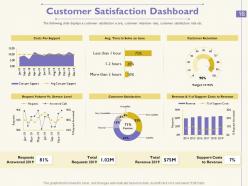
Slide 16: The following slide displays a customer satisfaction score, customer retention rate, customer satisfaction rate etc.
Slide 17: This slide showcases Table of Content.
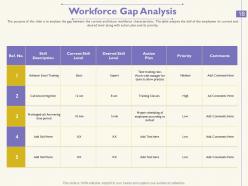
Slide 18: The purpose of this slide is to amylase the gap between the current and future workforce characteristics. The table analysis the skill of the employees its current and desired level along with action plan and its priority.
Slide 19: This slide displays Table of Content
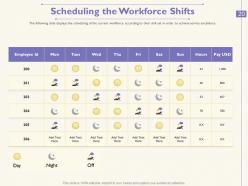
Slide 20: The following slide displays the scheduling of the current workforce according to their skill set in order to achieve service excellence.
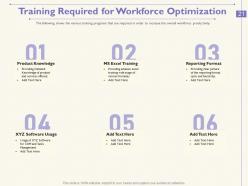
Slide 21: The following shows the various training programs that are required in order to increase the overall workforce productivity.
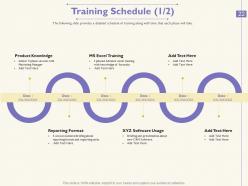
Slide 22: The following slide provides a detailed schedule of training along with time that each phase will take.
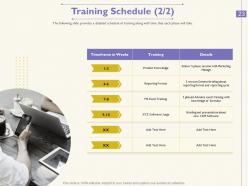
Slide 23: The following slide provides a detailed schedule of training along with time that each phase will take.
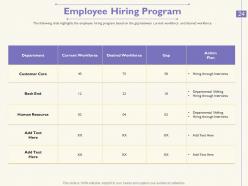
Slide 24: The following slide highlights the employee hiring program based on the gap between current workforce and desired workforce.
Slide 25: This slide displays Table of Content.
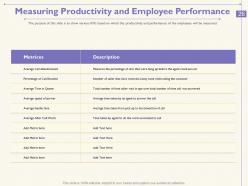
Slide 26: The purpose of this slide is to show various KPIs based on which the productivity and performance of the employees will be measured.
Slide 27: This slide displays Table of Content
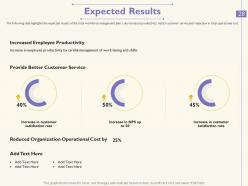
Slide 28: The following slide highlights the expected results of the total workforce management plan. Like increased productivity, better customer service and reduction in total operational cost.
Slide 29: This slide displays Table of Content containing- Budget for Workforce Management.
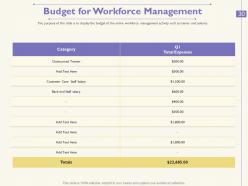
Slide 30: The purpose of this slide is to display the budget of the entire workforce management activity such as trainer and salaries.
Slide 31: This slide displays Table of Content
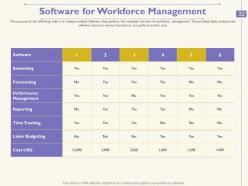
Slide 32: The purpose of the following slide is to display multiple Software that perform the complete function of workforce management. The provided table analyses the software based on various functions it can perform and its cost.
Slide 33: This slide depicts Table of Content
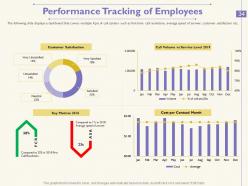
Slide 34: The following slide displays a dashboard that covers multiple Kpis of call centers such as first-time call resolution, average speed of answer, customer satisfaction etc.
Slide 35: This slide displays Table of Content.
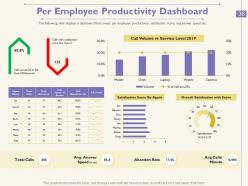
Slide 36: The following slide displays a dashboard that covers per employee productivity, satisfaction score, avg answer speed etc.
Slide 37: This is Workforce Management for Call Center Icons Slide.
Slide 38: This slide is titled as Additional Slides for moving forward.
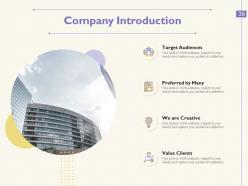
Slide 39: This slide depicts Company Introduction
Slide 40: This slide displays Venn Diagram
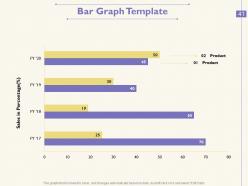
Slide 41: This is Bar Graph Template
Slide 42: This slide displays Mission, Vision and Goals.
Slide 43: This slide is titled as Post it Notes. Post your important notes.
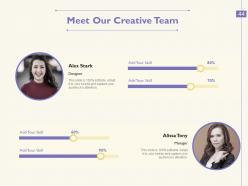
Slide 44: This is Our Team slide with Names and Designations.
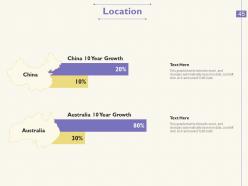
Slide 45: This slide displays Location
Slide 46: This is Thank you slide with Contact details.
Workforce Management For Call Center Powerpoint Presentation Slides with all 46 slides:
Use our Workforce Management For Call Center Powerpoint Presentation Slides to effectively help you save your valuable time. They are readymade to fit into any presentation structure.
FAQs for Workforce Management For Call Center
Look, you need workforce planning and scheduling optimization - that's your foundation. Performance tracking and employee engagement tools come next. Honestly, forecasting is where most people mess up though. You'll save yourself so much stress by predicting demand early. Time and attendance management keeps everyone accountable. Analytics show you patterns and where things get stuck. Don't forget compliance tracking either - labor violations will drain your budget fast. The magic happens when everything connects smoothly. I'd start by checking what you have now, then fix whatever's bleeding money or making employees miserable first.
Honestly, scheduling software is a total game changer. It handles all the annoying stuff - matching people to shifts based on their availability and skills, following labor laws, that whole mess. You'll literally save hours every week. The AI forecasting thing is pretty wild too, predicts when you'll be slammed based on past data. When someone inevitably calls out sick (because they always do), it adjusts everything in real time. I'd start simple though - basic scheduling software first, then add the fancy optimization stuff once everyone's used to it.
Start with the basic numbers - output per employee, revenue per person, completion times. That's your foundation. But here's the thing: fast doesn't always mean good, so you need quality scores and customer satisfaction too. Employee engagement matters more than people think. Oh, and definitely track utilization rates and absences. Honestly though? Pick like 3-5 metrics max that actually relate to what your team does. I've seen companies drown in data they never use. Check them monthly so you can catch problems before they get worse. Just match whatever you track to your actual business goals.
Honestly, engaged employees make everything so much easier. They actually show up when scheduled, don't call out constantly, and you're not dealing with constant complaints about shifts. Plus they communicate way better about their availability - saves you tons of headaches. Retention goes up, productivity follows, and the whole place just runs better. I mean, think about it - would you rather manage people who want to be there or people who hate their job? Track engagement scores and compare them to your operational stuff. You'll probably be surprised how connected they are. It's kind of a game-changer once you see the pattern.
Honestly, data analytics is a game changer for workforce stuff. Instead of just winging it, you can actually spot patterns in productivity and turnover before things get messy. Like, you'll see which employees might bail or when you need to hire more people. Excel reports (yeah, even basic ones) can show you wild trends you'd never notice otherwise. The best part? You stop making decisions based on hunches and actually know what's working. I was shocked how much our absenteeism data revealed about staffing issues we didn't even realize we had.
Honestly, just start by figuring out when you're swamped vs when things are chill. Your full-timers should handle the important stuff - core work, complicated projects, anything where experience matters. Part-time people are perfect for busy periods and seasonal rushes. Some folks actually want that flexibility anyway, so it works out. I'd probably aim for like 60-70% full-time as your base, then fill in the gaps with part-timers. Oh, and don't put part-timers on anything too complex - learned that one the hard way. Map out your actual patterns first though, that's key.
Ugh, the communication thing is brutal - like playing telephone but everyone's muted half the time. You'll constantly wonder if people are actually working or just pretending to be busy (spoiler: sometimes they're doing laundry). Focus on what gets done instead of tracking every minute. Weekly one-on-ones help a ton. Slack or Teams keeps everyone connected without being weird about it. Honestly? Set expectations early and don't assume the team bonding will magically happen like it does around the coffee machine.
Dude, labor laws are basically the rulebook for managing your team - they control scheduling, overtime pay, breaks, all of it. Gone are the days of just winging it with employee schedules. Each state has totally different requirements too, which is honestly such a pain if you're dealing with multiple locations. Minimum wage rules, meal breaks, shift pay - it varies everywhere. My advice? Build all this compliance stuff into your planning upfront instead of scrambling to fix things later. Definitely run any new scheduling ideas past HR first though.
Honestly, start by just asking your team what skills they actually want to learn - sounds obvious but most places skip this step. Do a quick skills gap analysis first. Then ditch the boring one-size-fits-all training and create personalized paths instead. Mentorship programs are gold, way better than random online courses nobody finishes. Cross-training keeps things interesting and makes everyone more versatile. For busy schedules, try microlearning or just-in-time training. Oh, and here's the key - tie development to actual career growth, not just those compliance boxes HR loves. That's what really gets people motivated.
Honestly, those workforce systems are pretty solid for turnover issues. They show you patterns you'd never catch otherwise - like certain managers always dumping weekend shifts on the same people. I've seen companies find obvious stuff like that and fix it fast. The scheduling data usually lines up with who's quitting, which is kind of depressing but useful. You can spot overworked teams before they all bail. Start with comparing your turnover numbers to shift patterns. Bet you'll find some correlation that's been staring you in the face this whole time.
Honestly, diverse teams just perform better - they solve problems more creatively and make smarter decisions because everyone brings different experiences. Makes work way less boring too. But here's the thing: just hiring diverse people isn't enough (learned that the hard way at my last job). People need to actually feel heard and valued, or you won't see those benefits. Psychological safety is huge - when team members can speak up without fear, that's when the magic happens. Plus, talented people want to work somewhere welcoming. So focus on inclusive leadership, not just diverse hiring.
Dude, employee feedback is honestly your secret weapon for workforce planning. Most companies suck at this, but regular surveys and one-on-ones will tell you who's about to bail, what skills your people actually want, and where teams are drowning. Ask about career goals, workload stress, skill gaps - the real stuff. Then use those insights when you're making hiring decisions and planning succession. I know it sounds obvious, but you'd be shocked how many places just ignore this data. Start by digging into your last survey results and see how the feedback connects to what you actually need staffing-wise.
Honestly, you've gotta use multiple data sources - don't put all your eggs in one basket because markets are weird like that. Historical trends, customer demand, market indicators - grab what you can. Build out different scenarios (best case, worst case, realistic) and update them monthly, or weekly if things get crazy. Cross-train your team so they can jump between roles when needed. Partner with staffing agencies for quick hires. The trick is staying flexible - your forecasts should be living docs, not something carved in stone. I learned this the hard way during my last job!
Good communication honestly fixes like 80% of management problems. Your team can't do good work if they're constantly guessing what you actually want from them. I've seen so many projects go sideways just because nobody wanted to over-communicate the details. Be upfront about deadlines and changes - people appreciate knowing what's coming. Trust builds naturally when you're transparent about decisions and actually ask for their input. Engaged employees stick around longer too, which saves you from that whole hiring nightmare. Start small - just be more open about the "why" behind stuff and see what happens.
Dude, AI is totally changing how companies handle scheduling and workforce stuff. You've got predictive scheduling now, automated time tracking, analytics that actually make sense. Remote work isn't going away either, so flexible scheduling tools are basically mandatory at this point. Everyone expects self-service now too - like who wants to email HR just to take a sick day? Real-time analytics and mobile platforms are standard. Companies are even tracking wellbeing metrics to prevent burnout, which is smart honestly. You should probably start looking at AI-powered tools soon. Your competition definitely is.
-
Excellent work done on template design and graphics.