


Workforce Optimization Powerpoint Presentation Slides




Try Before you Buy Download Free Sample Product
 Impress Your
 Audience
 100%
100% Editable
 Save Hours
 of Time


The Workforce Optimization deck, focused on optimizing human resource management processes, addresses key organizational challenges related to people management. This comprehensive Workforce optimization PPT tackles essential aspects and offers a step by step guide for recruitment planning and processes, enabling companies to hire the right individuals. Moreover, the Human resource development template emphasizes the significance of diversity and inclusion efforts to create a more inclusive work environment. Furthermore, the Employee recognition program presentation provides measures to track and ensure employee health and safety, and this holistic approach addresses various aspects of employee welfare at the workplace. Also, to enhance employee motivation and engagement, the deck offers insights into implementing appropriate reward and recognition programs. Lastly, the People management deck outlines the types and frequency of such programs that can effectively motivate employees and contribute to their job satisfaction. Access this valuable resource today to optimize your people management strategies, foster employee development, and create a positive work environment.
People who downloaded this PowerPoint presentation also viewed the following :
Content of this Powerpoint Presentation
Slide 1: This slide displays the title Workforce optimization.
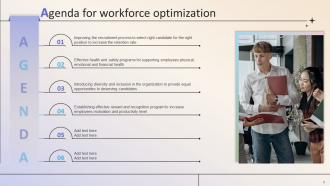
Slide 2: This slide displays the title AGENDA.
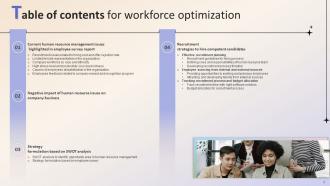
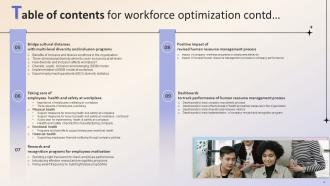
Slide 3: This slide exhibit table of content.
Slide 4: This slide exhibit table of content.
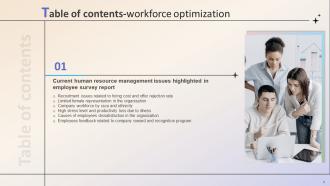
Slide 5: This slide exhibit table of content- Current human resource management issues highlighted in employee survey report.
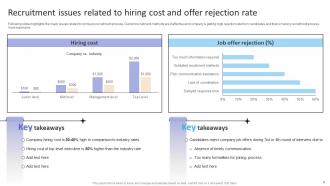
Slide 6: The following slides highlights the major issues related to company recruitment process.
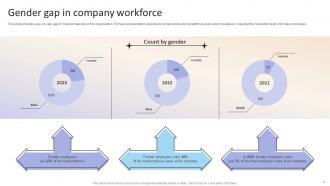
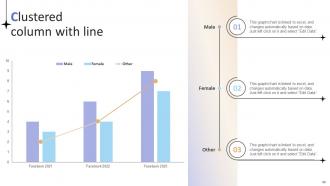
Slide 7: This slide provides year-on-year gap in male-female ratio in the organization.
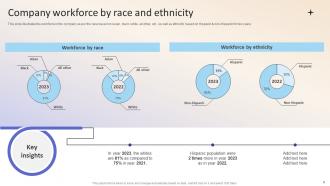
Slide 8: This slide illustrates the workforce in the company as per the race based on Asian, black, white, all other, etc.
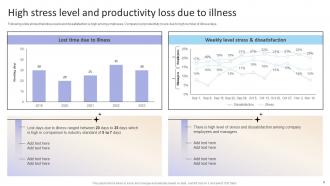
Slide 9: Following slide shows that stress level and dissatisfaction is high among employees.
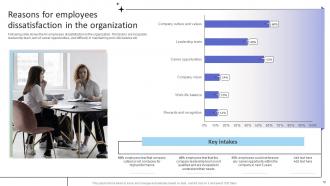
Slide 10: Following slide shows the for employees dissatisfaction in the organization.
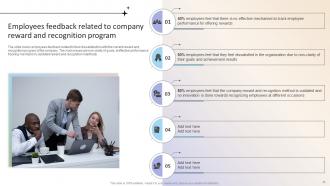
Slide 11: The slide covers employees feedback related to their dissatisfaction with the current reward and recognition program of the company.
Slide 12: This slide exhibit table of content- Negative impact of human resource issues on company business.
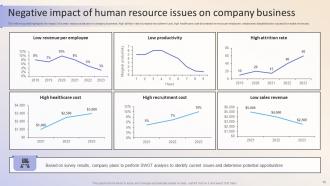
Slide 13: The following slide highlights the impact of human resource issues on company business.
Slide 14: This slide exhibit table of content- Strategy formulation based on SWOT analysis.
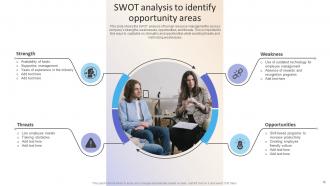
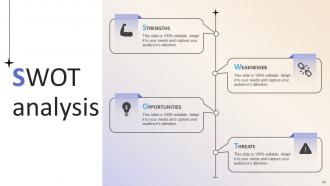
Slide 15: This slide shows the SWOT analysis of human resource management to assess company’s strengths, weaknesses, opportunities, and threats.
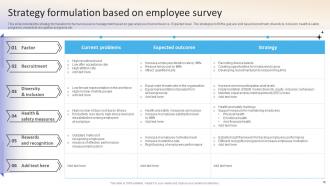
Slide 16: This slide includes the strategy formulation for human resource management based on gap analysis of current level vs. Expected level.
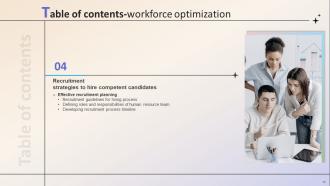
Slide 17: This slide exhibit table of content- Effective recruitment planning.
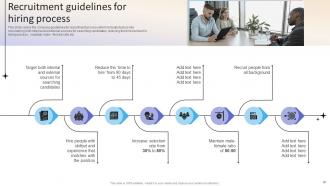
Slide 18: This slide covers the company guidelines for recruitment process.
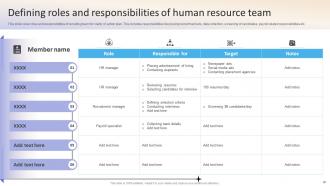
Slide 19: This slide cover roles and responsibilities of recruiting team for clarity of action plan.
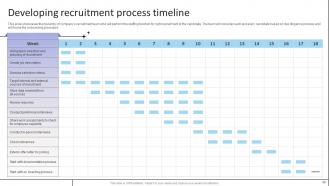
Slide 20: This slide showcases the hierarchy of company’s recruitment team who will perform the staffing function for right recruitment of the candidate.
Slide 21: This slide exhibit table of content- Employee sourcing from internal and external sources.
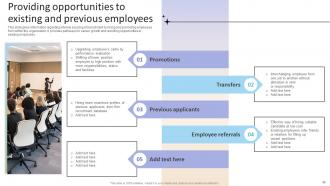
Slide 22: This slide gives information regarding internal sourcing of recruitment by hiring and promoting employees from within the organization.
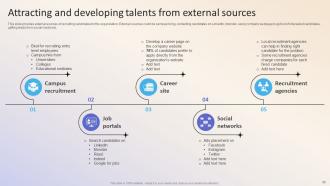
Slide 23: This slide provides external sources of recruiting candidates for the organization.
Slide 24: This slide exhibit table of content- Tracking recruitment process and budget allocation.
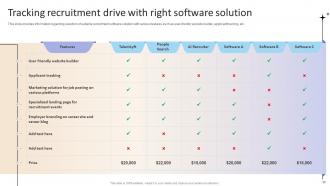
Slide 25: This slide provides information regarding selection of suitable recruitment software solution with various features.
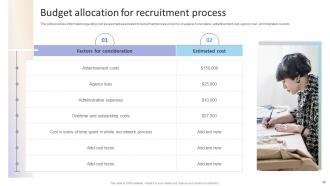
Slide 26: This slide provides information regarding cost assessment associated to recruitment process.
Slide 27: This slide exhibit table of content- Bridge cultural distances with multi-level diversity and inclusion programs.
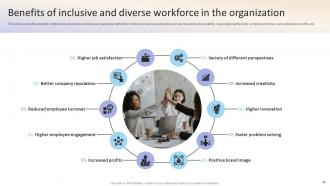
Slide 28: This slide covers the benefits of introducing diversity and inclusion parameter within the company.
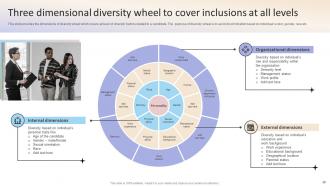
Slide 29: This slide provides the dimensions of diversity wheel which covers all level of diversity factors related to a candidate.
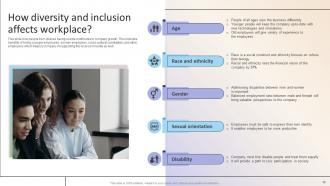
Slide 30: This slide how people from diverse backgrounds contributes in company growth.
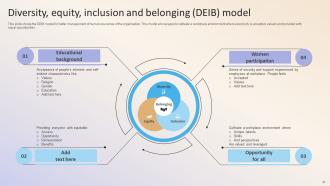
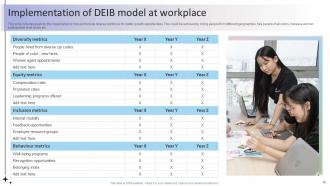
Slide 31: This slide shows the DEIB model for better management of human resources of the organization.
Slide 32: This slide includes goals for the organization to hire and include diverse workforce for better growth opportunities.
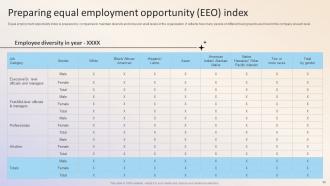
Slide 33: Equal employment opportunity index is prepared by companies to maintain diversity and inclusion at all levels in the organization.
Slide 34: This slide exhibit table of content- Taking care of employees health and safety at workplace.
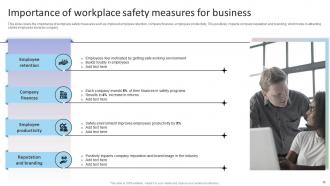
Slide 35: This slide covers the importance of workplace safety measures.
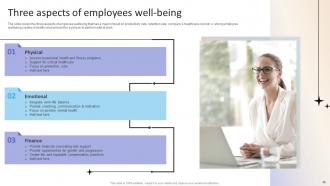
Slide 36: The slide covers the three aspects of employee wellbeing that has a major impact on productivity rate, retention rate, company’s healthcare cost etc.
Slide 37: This slide exhibit table of content- Physical health.
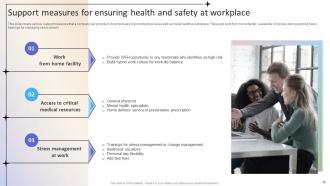
Slide 38: This slide covers various support measures that a company can provide to its employees to promote physical as well we metal health at workplace.
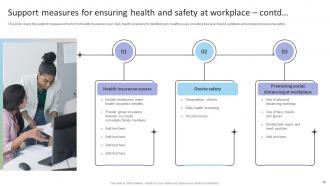
Slide 39: This slide covers the support measures in the form of health insurance cover, daily health screening for identifying any health issues, providing free face masks.
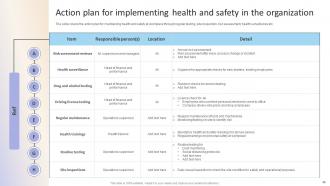
Slide 40: The slide covers the action plan for maintaining health and safety at workplace through regular testing, site inspection, risk assessment, health surveillance etc.
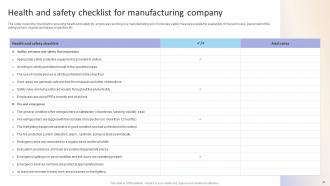
Slide 41: The slide covers the checklist for ensuring health and safety for employees working in a manufacturing unit.
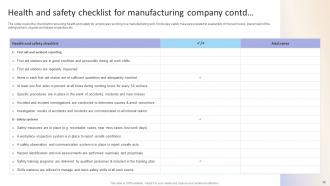
Slide 42: The slide covers the checklist for ensuring health and safety for employees working in a manufacturing unit.
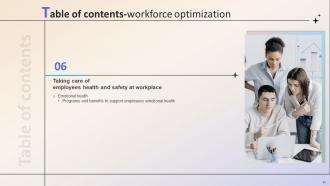
Slide 43: This slide exhibit table of content- Emotional health.
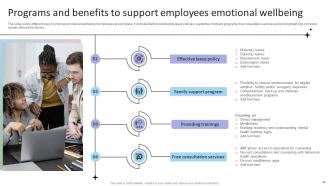
Slide 44: The slide covers different ways to improve emotional wellbeing of employees at work place.
Slide 45: This slide exhibit table of content- Financial health.
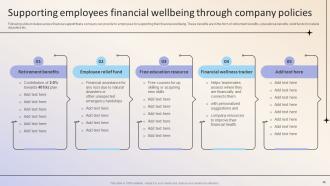
Slide 46: Following slide includes various financial support that a company can provide to employees for supporting their financial wellbeing.
Slide 47: This slide exhibit table of content- Rewards and recognition programs for employees motivation.
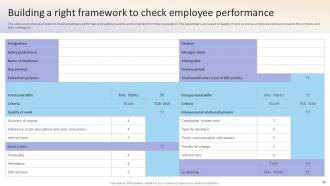
Slide 48: The slide covers the parameters to check employees performance for getting rewards and recognition from the organization.
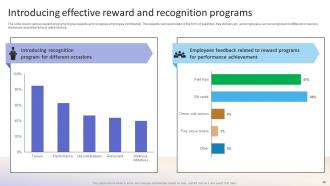
Slide 49: The slide covers various reward programs to give rewards and recognize employees contribution.
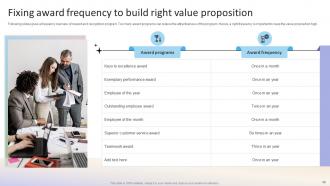
Slide 50: Following slides gives a frequency overview of reward and recognition program.
Slide 51: This slide exhibit table of content- Positive impact of revised human resource management process.
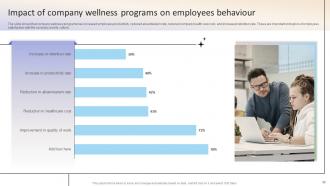
Slide 52: The slide shows that company wellness programs has increased employees productivity, reduced absenteeism rate, reduced company health care cost.
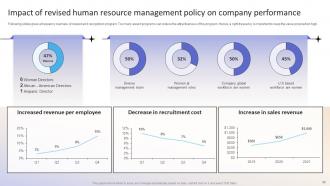
Slide 53: The following slides gives a frequency overview of reward and recognition program.
Slide 54: This slide exhibit table of content- Dashboards to track performance of human resource management process.
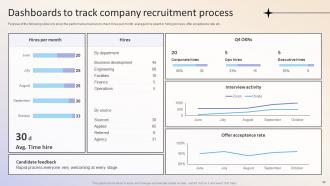
Slide 55: Purpose of the following slide is to show the performance trackers to check hires per month, average time spent in hiring process, offer acceptance rate etc.
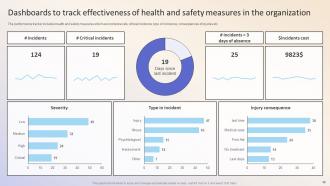
Slide 56: The performance tracker includes health and safety measures which are incidence rate, critical incidence, type of incidence, consequences of injuries etc.
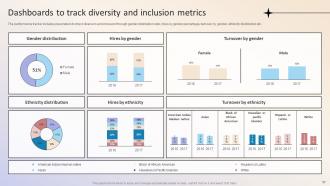
Slide 57: The performance tracker includes parameters to check diversion and inclusion through gender distribution ratio, hires by gender percentage.
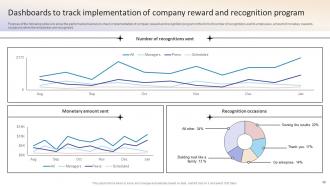
Slide 58: Purpose of the following slide is to show the performance trackers to check implementation of company reward and recognition program.
Slide 59: This is the icons slide.
Slide 60: This slide presents title for additional slides.
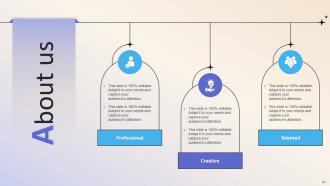
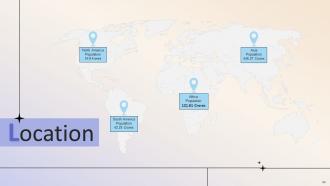
Slide 61: This slide showcase About us.
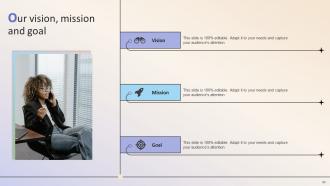
Slide 62: This slide presents your company's vision, mission and goals.
Slide 63: This slide depicts 30-60-90 days plan for projects.
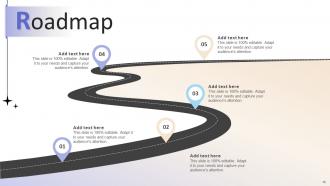
Slide 64: This slide shows roadmap of company.
Slide 65: This slide shows puzzle for displaying elements of company.
Slide 66: This slide display Venn.
Slide 67: This slide showcase Comparison.
Slide 68: This slide displays yearly bar graph for different products.
Slide 69: This slide exhibits ideas generated.
Slide 70: This is thank you slide & contains contact details of company like office address, phone no., etc.
Workforce Optimization Powerpoint Presentation Slides with all 77 slides:
Use our Workforce Optimization Powerpoint Presentation Slides to effectively help you save your valuable time. They are readymade to fit into any presentation structure.





FAQs for Workforce Optimization
Honestly, start with a skills gap analysis - figure out what you actually need vs what you have. It's like organizing your closet but way more complicated lol. Then you'll want workforce planning to map out roles, plus skills development to train people up. Performance management keeps everyone on track. Employee engagement is huge too since keeping good people beats hiring constantly. The retention thing is so much cheaper than people realize. Build your strategy around those four pillars and you should be solid.
Honestly, real-time analytics is a game changer - you'll catch productivity issues as they're happening instead of weeks later when it's too late. I can see who's drowning in work and shift things around immediately. Track completion rates, how people collaborate, workload balance. That kind of stuff. It's basically like having your team's vital signs right there on a dashboard. God, I would've killed for this back when I was constantly scrambling to fix problems. Oh, and don't go crazy with metrics at first - pick one or two that actually matter or you'll just drown in useless data.
So engagement is like the foundation for everything else - without it, your workforce plans are basically worthless. When people actually care about their jobs, they're way more productive and don't quit as much. Plus they'll actually tell you what's broken instead of just complaining behind your back. I mean, you could have the smartest strategy ever, but if everyone's mentally checked out? Good luck with that. The engaged ones also stick around longer, which saves you tons on hiring costs. Honestly, I'd focus on measuring engagement before getting too deep into all the other workforce stuff.
Here's the thing - don't try to replace people with automation. Instead, look for those mind-numbing tasks that eat up everyone's time. Data entry, repetitive reports, that kind of stuff. Map out what your team actually does day-to-day and spot where they're basically acting like robots instead of using their brains. Honestly, most people are relieved when you automate the boring parts because then they can work on things that actually matter. Start with just one workflow though - see how it goes before you get all ambitious. The whole point is freeing up headspace for creative work.
Skip the hours-worked nonsense and look at what actually matters. Track things like tasks finished, revenue per person, or how fast projects get done. Error rates and customer satisfaction tell you about quality. Honestly, I've seen too many companies obsess over the wrong numbers and miss the bigger picture. Regular check-ins with your team about how they're feeling helps too - burned out people don't produce much anyway. Pick maybe 3-4 things that match your goals and stick with them. Don't get buried in spreadsheets.
Yeah, workforce optimization definitely helps with retention when you get it right. People stick around longer when they're in roles that actually match their skills. Clear growth paths make a huge difference too - nobody wants to feel stuck. I've seen retention improve anywhere from 15-30%, though it really depends on how broken things were to start with. The key is fixing the stuff that drives good people away: confusing expectations, wrong job fits, positions that go nowhere. Honestly, just look at where your top performers are killing it and try to recreate those conditions elsewhere. That's usually your best starting point.
So the major stuff right now? AI analytics platforms and predictive scheduling tools that don't suck. Workday's solid for talent management, Microsoft Viva handles employee experience pretty well. Chatbots are everywhere doing basic HR tasks - some are decent, others... eh. What's really working though are platforms mixing workforce planning with live performance data. Oh, and don't rip out your whole system at once. Find tools that play nice with what you already have. That's where most companies actually see results fast instead of creating a mess.
Honestly, it's all about understanding what drives different age groups at work. Boomers typically want stability and that old-school face-to-face mentoring. Gen X? They're all about work-life balance and being left alone to do their thing. Millennials are those feedback sponges who need purpose in everything they do - which isn't necessarily a bad thing. Then you've got Gen Z wanting flexibility and tech that actually works. Don't try to force everyone into the same box though. Survey your people first instead of guessing what they want. Offer different benefits, communication styles, maybe even management approaches. It's messier but way more effective than assuming everyone wants the same stuff.
Honestly, most companies mess up by rushing everything and skipping the people side completely. Like, they'll spend months picking software but zero time explaining to employees why this matters. Super frustrating to watch. Don't try optimizing your entire workflow at once either - pick one thing and actually get it right first. Getting manager buy-in early is huge too, otherwise you're basically setting everyone up to fail. Oh and communicate way more than feels necessary. I know it sounds obvious but I've seen solid projects crash just because teams felt left in the dark about what was happening.
Honestly, flexibility is huge for performance. Your team works better when they can choose their best hours and spots. Less stress = way more engagement. You're not stuck hiring locally either - suddenly you've got access to talent everywhere, which is pretty sweet. People stick around longer too since work-life balance is everything now. I'd say pilot it with your best people first, just to test the waters. The trick is focusing on results instead of watching the clock all day. Trust me, micromanaging hours never works anyway.
Honestly, you need both the hard numbers and the people stuff. Track output per employee and revenue per FTE for sure. Task completion rates too. But here's the thing - if your team's miserable, those numbers won't matter anyway. So also watch engagement scores and how many people are actually sticking around. Time-to-hire is surprisingly useful since it shows how smooth your processes are. Don't go crazy though - pick like 3 or 4 metrics that actually fit what you're trying to achieve. I learned this the hard way when I tried tracking everything and just got overwhelmed by data.
Honestly, you gotta ditch tracking hours and focus on what actually gets done instead. Communication becomes super important since you can't just tap someone on the shoulder anymore - which I kinda miss tbh. Set up regular check-ins and use tools that help everyone feel connected, like virtual coffee chats or whatever works for your team. Also be way more flexible with schedules because people work differently at home, plus time zones are a thing. Trust your people but give them the structure they need. It's basically about results over micromanaging.
Honestly, mixed teams just crush it compared to everyone thinking the same way. Different backgrounds mean people catch stuff others totally miss. Short sentences work. Your optimization gets way more creative when viewpoints clash - and I mean that in a good way! Some random person might solve what's been bugging you for months. Groupthink is innovation poison, so having varied voices in those planning sessions actually matters. Quick audit: who's even in your optimization talks? You'll probably notice it's the same types of people. Go find the voices you haven't heard from yet.
Start with a skills assessment - figure out where your team is now vs where they need to be. Most companies totally skip this part, then wonder why nothing changes. Map those gaps against what you'll actually need down the road. Build training programs that hit those specific weak spots, whether it's new tech stuff, cross-training for flexibility, or prepping people for leadership roles. Track ROI on what you're spending - look at real performance improvements, not just who finished the course. Oh, and adjust programs based on what's actually working. Sounds obvious but you'd be surprised how many places just keep running the same training forever.
Honestly, AI workforce analytics are worth checking out - they're actually getting pretty good at predicting talent needs. Remote work tools are finally moving past just tracking hours (which was annoying anyway) toward measuring real productivity. Skills-based hiring is everywhere now instead of requiring degrees for everything. Real-time coaching platforms are blowing up too. The gig economy thing is interesting - companies are mixing full-timers with freelancers way more smoothly than before. I'd pick one area and start testing it out. Your competition probably already is, so don't wait too long.
-
They guys always go the extra mile to meet the expectations of their customers. Almost a year has been associated with them.
-
Crisp and neat slides. Makes it fun and easier to curate presentations.