


Manpower Optimization Methods Powerpoint Presentation Slides
The Manpower optimization methods PowerPoint presentation addresses critical organizational challenges related to human resources management. First, it delves into effective employee recruitment strategies and ways to enhance organizational diversity and inclusion. Additionally, the People management deck also focuses on measures to ensure employee health and safety in the workplace and introduces motivational rewards and recognition programs. Furthermore, the Employee recruitment process PPT templates offer a comprehensive recruitment planning guide, enabling companies to identify and hire the best candidates for specific positions. It includes various support measures for employees during emergencies, covering physical health and emotional and financial well-being. Lastly, with a holistic approach to employee health and safety, this PPT outlines specific reward and recognition programs to boost employee motivation. Take advantage of our 100 percent editable PowerPoint presentation, allowing you to tailor the content to your particular requirements. Benefit from our extensive research and skilfully designed product by downloading it now.
The Manpower optimization methods PowerPoint presentation addresses critical organizational challenges related to human res..








































-

- Google Slides is a new FREE Presentation software from Google.
- All our content is 100% compatible with Google Slides.
- Just download our designs, and upload them to Google Slides and they will work automatically.
- Amaze your audience with SlideTeam and Google Slides.
-

Want Changes to This PPT Slide? Check out our Presentation Design Services
-

- WideScreen Aspect ratio is becoming a very popular format. When you download this product, the downloaded ZIP will contain this product in both standard and widescreen format.
-

- Some older products that we have may only be in standard format, but they can easily be converted to widescreen.
- To do this, please open the SlideTeam product in Powerpoint, and go to
- Design ( On the top bar) -> Page Setup -> and select "On-screen Show (16:9)” in the drop down for "Slides Sized for".
- The slide or theme will change to widescreen, and all graphics will adjust automatically. You can similarly convert our content to any other desired screen aspect ratio.
Compatible With Google Slides

Get This In WideScreen
You must be logged in to download this presentation.


Do you want to remove this product from your favourites?
PowerPoint presentation slides
Deliver this complete deck to your team members and other collaborators. Encompassed with stylized slides presenting various concepts, this Manpower Optimization Methods Powerpoint Presentation Slides is the best tool you can utilize. Personalize its content and graphics to make it unique and thought-provoking. All the seventy slides are editable and modifiable, so feel free to adjust them to your business setting. The font, color, and other components also come in an editable format making this PPT design the best choice for your next presentation. So, download now.

People who downloaded this PowerPoint presentation also viewed the following :
Content of this Powerpoint Presentation
Slide 1: This slide displays the title Manpower Optimization Methods. State your company name and begin.
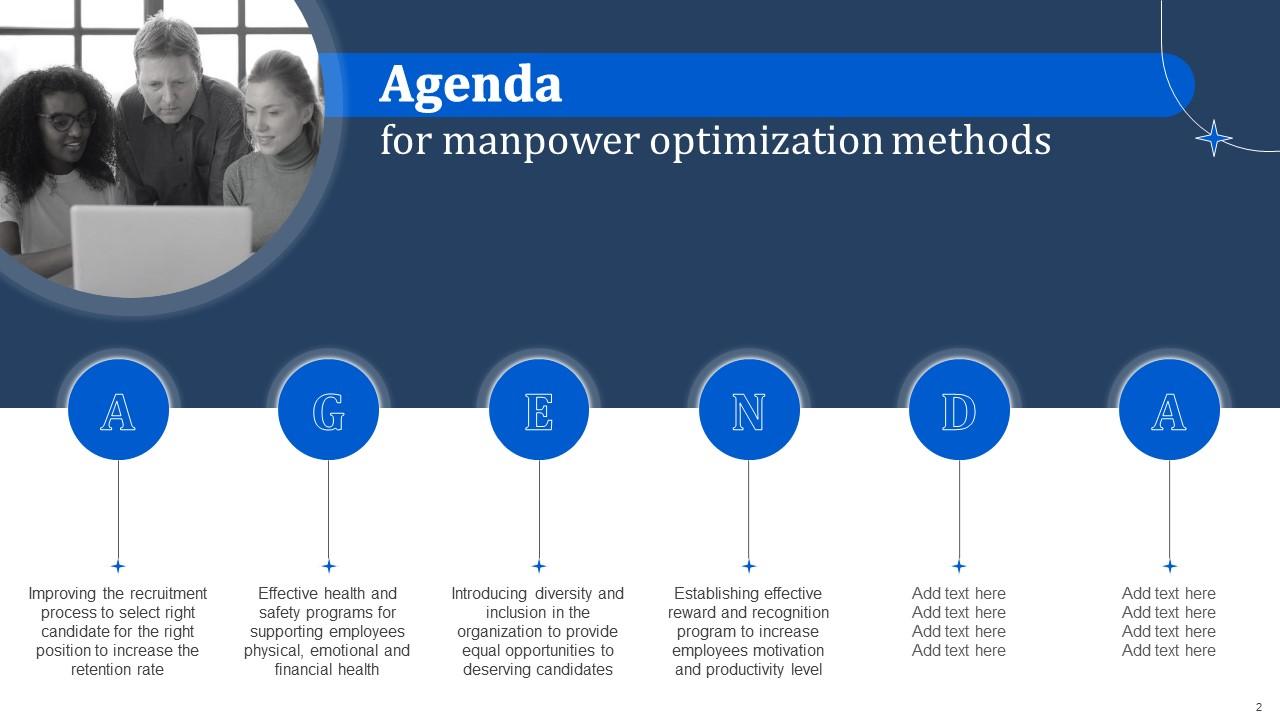
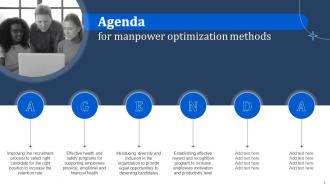
Slide 2: This slide displays the title AGENDA.
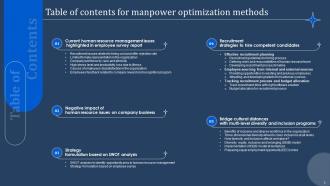
Slide 3: This slide exhibit table of content.
Slide 4: This slide exhibit table of content.
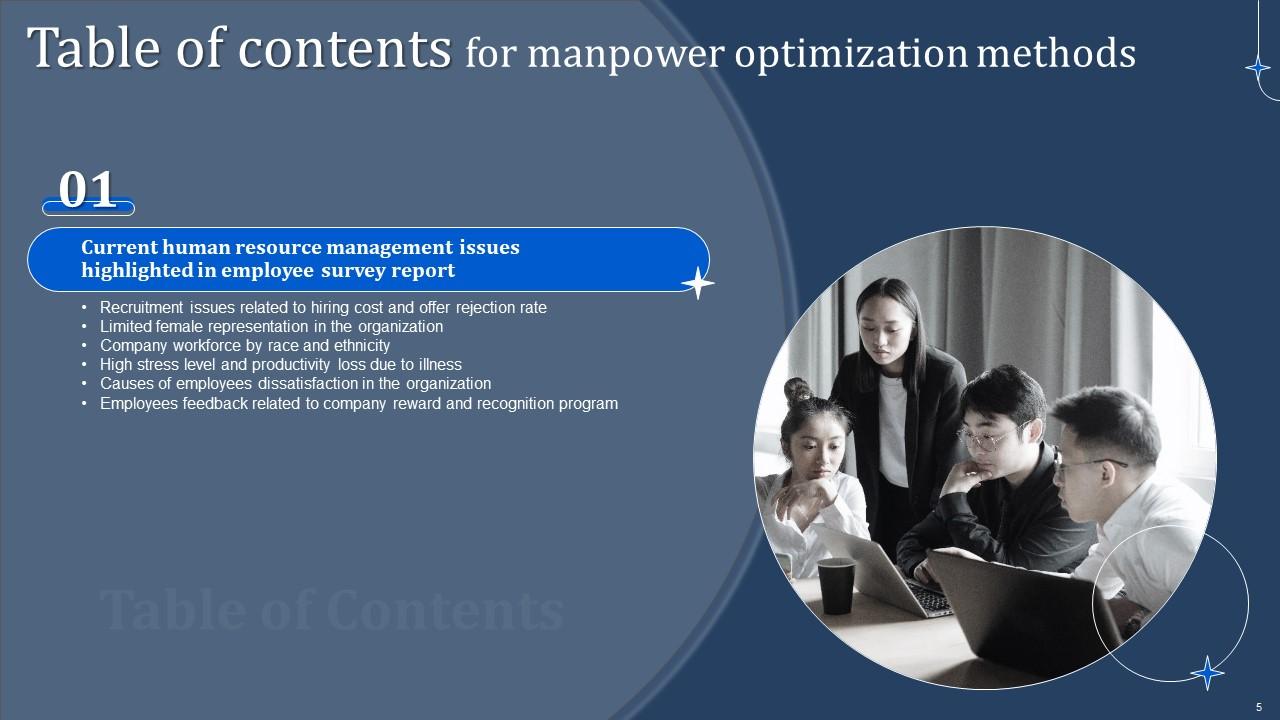
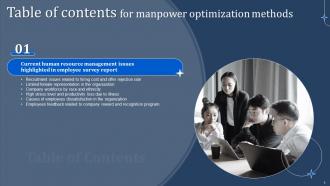
Slide 5: This slide exhibit table of content- Current human resource management issues highlighted in employee survey report.
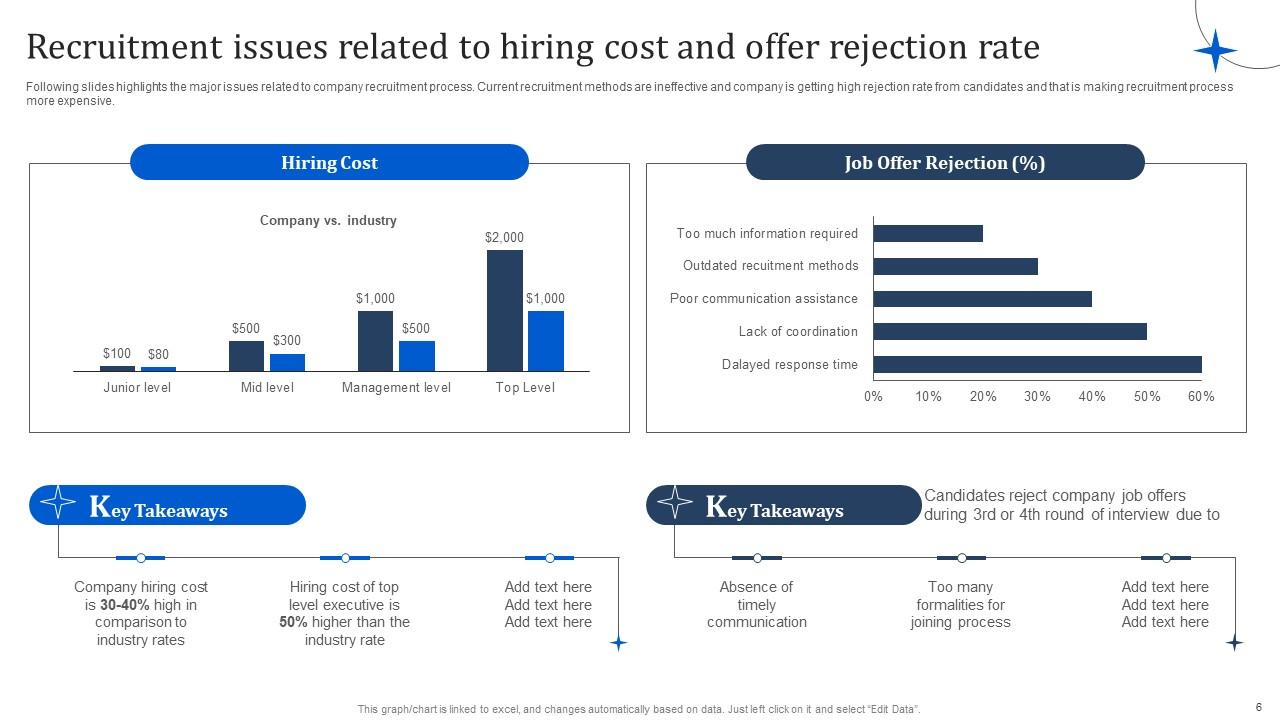
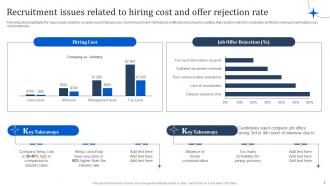
Slide 6: The following slides highlights the major issues related to company recruitment process.
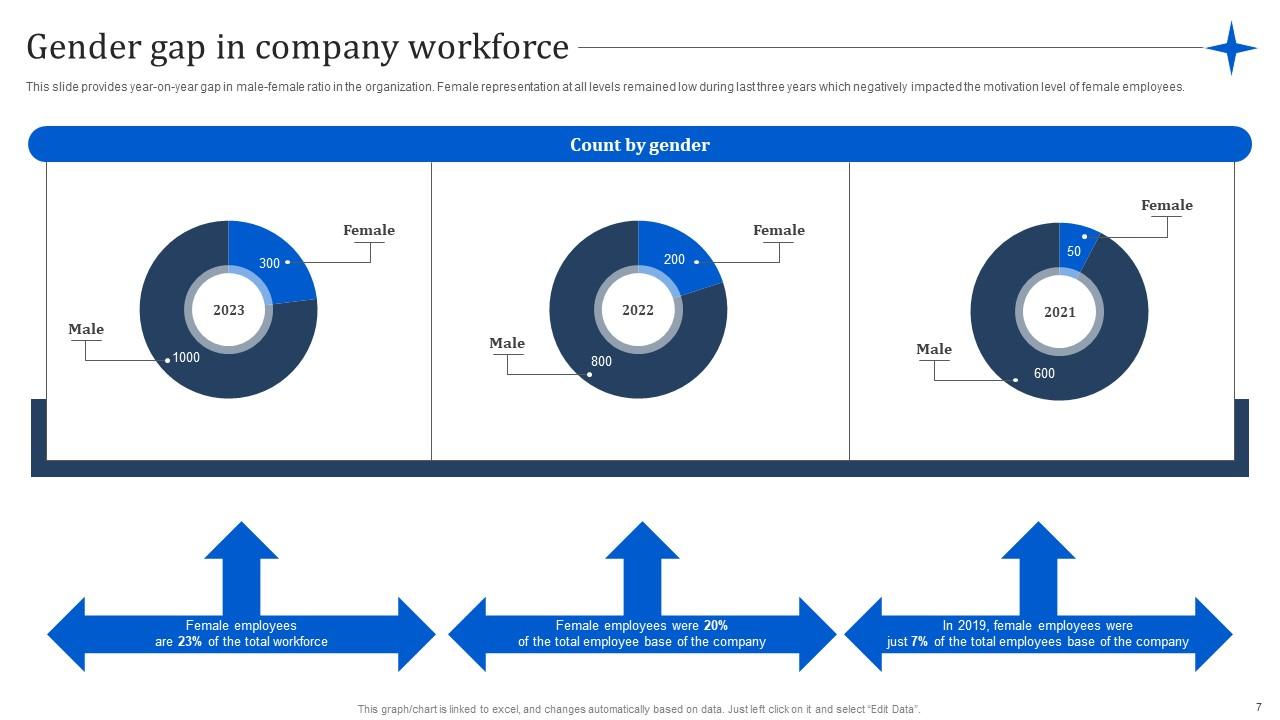
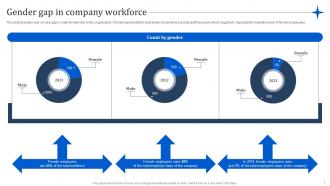
Slide 7: This slide provides year-on-year gap in male-female ratio in the organization.
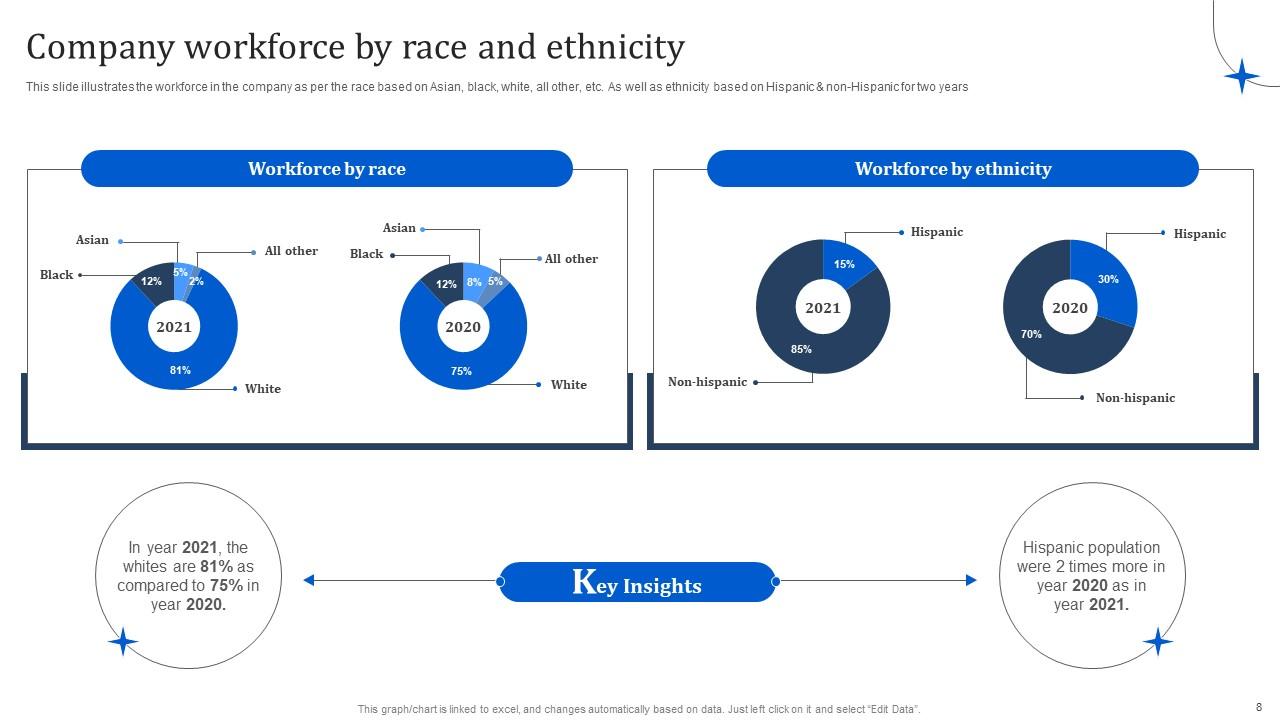
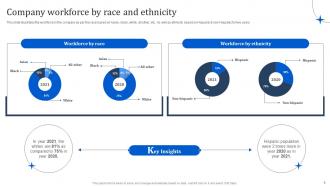
Slide 8: This slide illustrates the workforce in the company as per the race based on Asian, black, white, all other, etc.
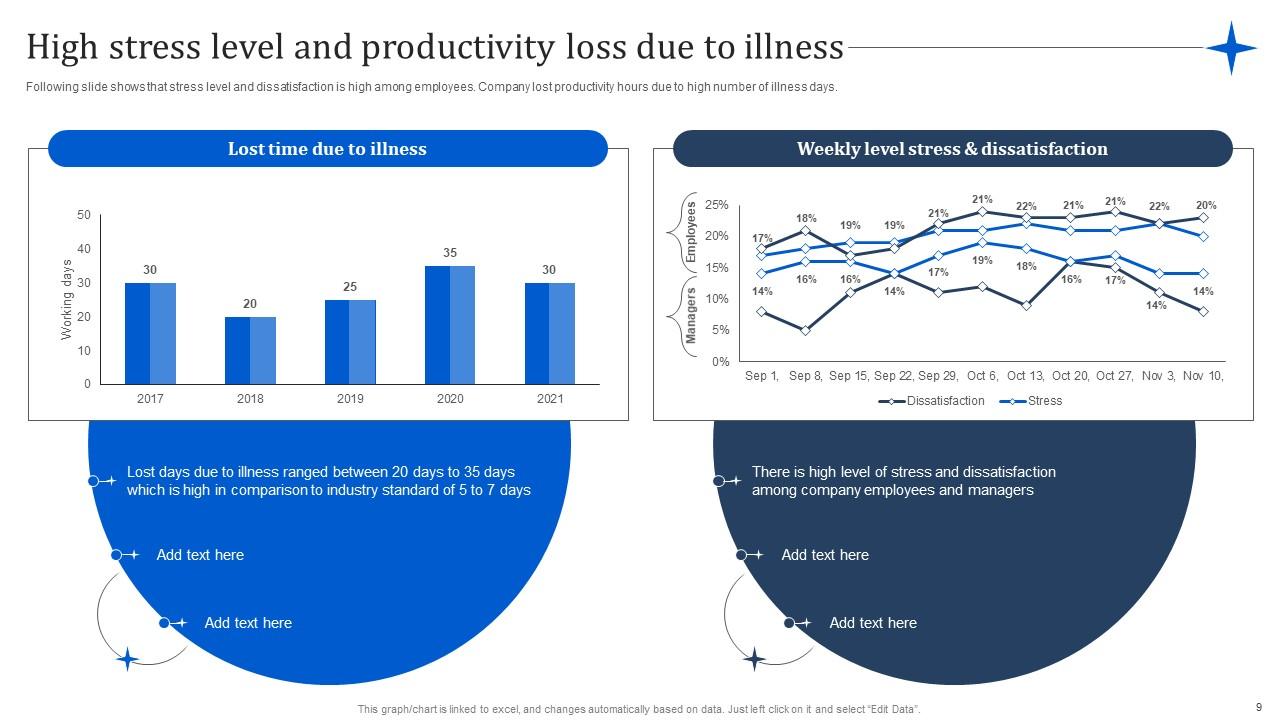
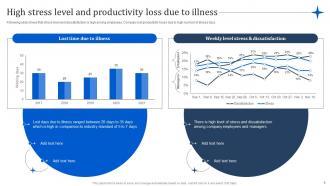
Slide 9: Following slide shows that stress level and dissatisfaction is high among employees.
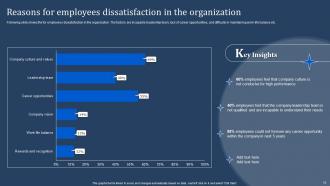
Slide 10: Following slide shows the for employees dissatisfaction in the organization.
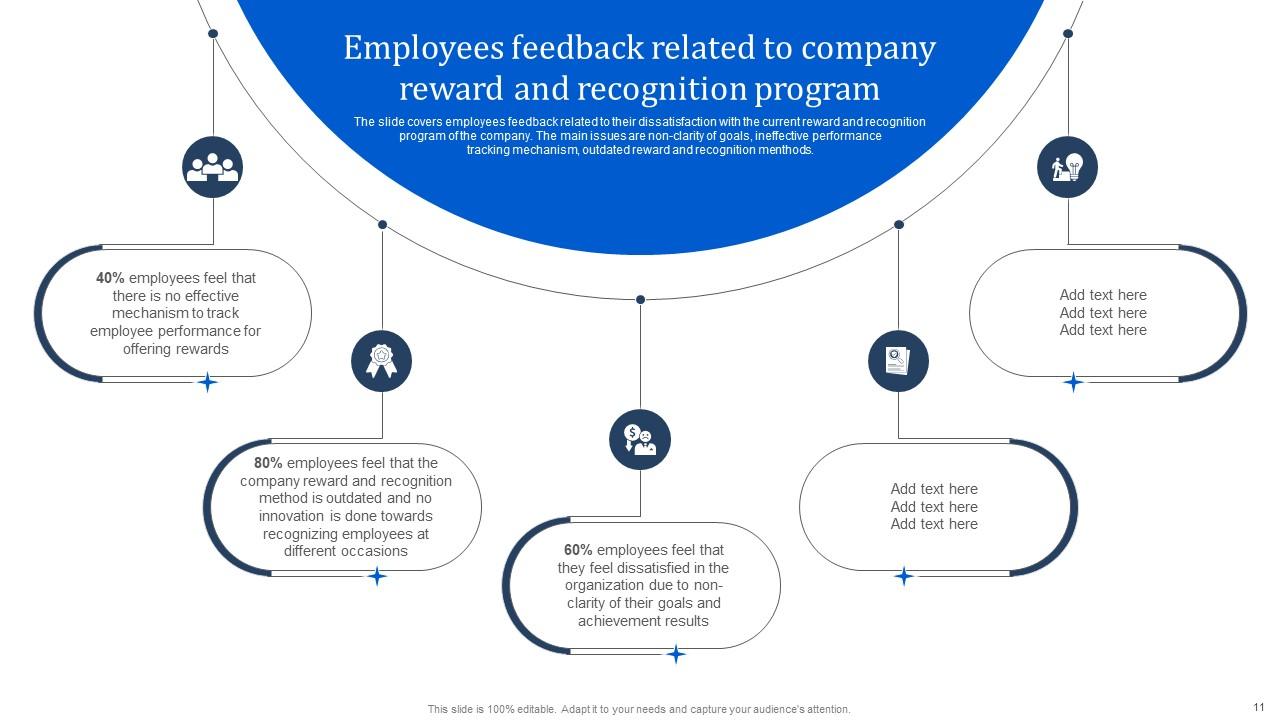
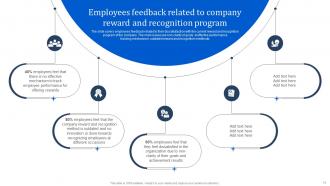
Slide 11: The slide covers employees feedback related to their dissatisfaction with the current reward and recognition program of the company.
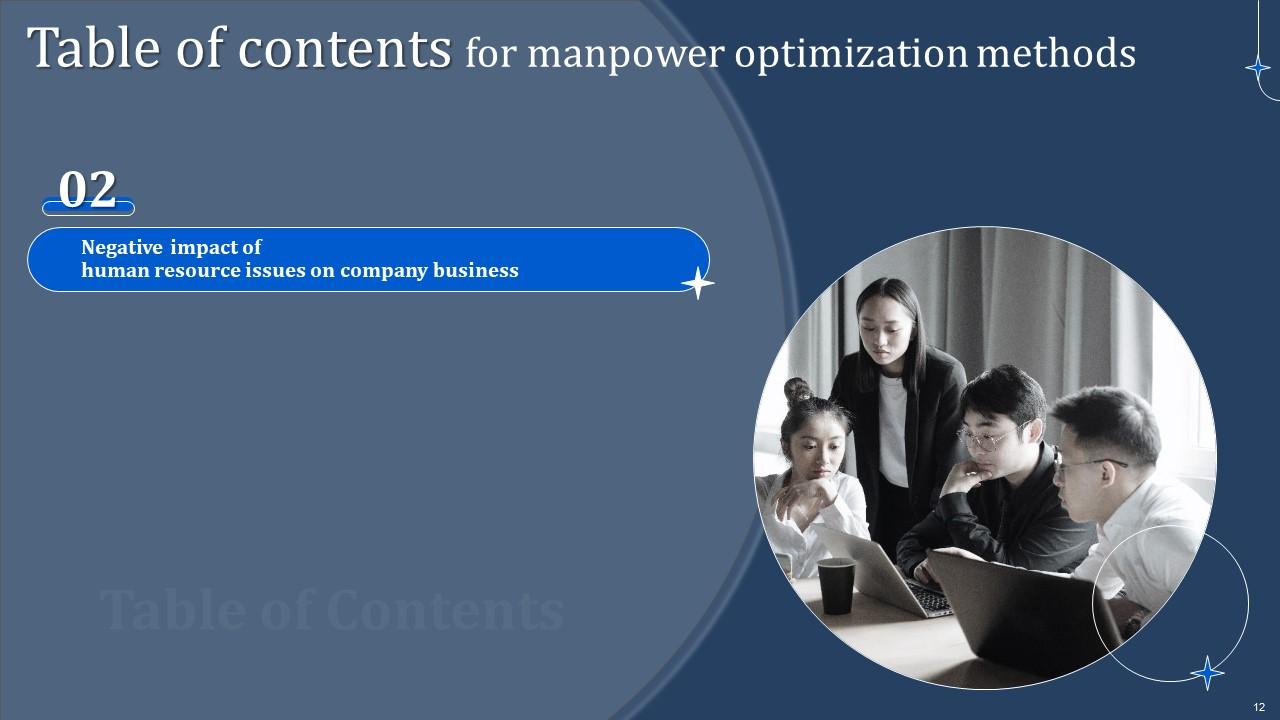
Slide 12: This slide exhibit table of content- Negative impact of human resource issues on company business.
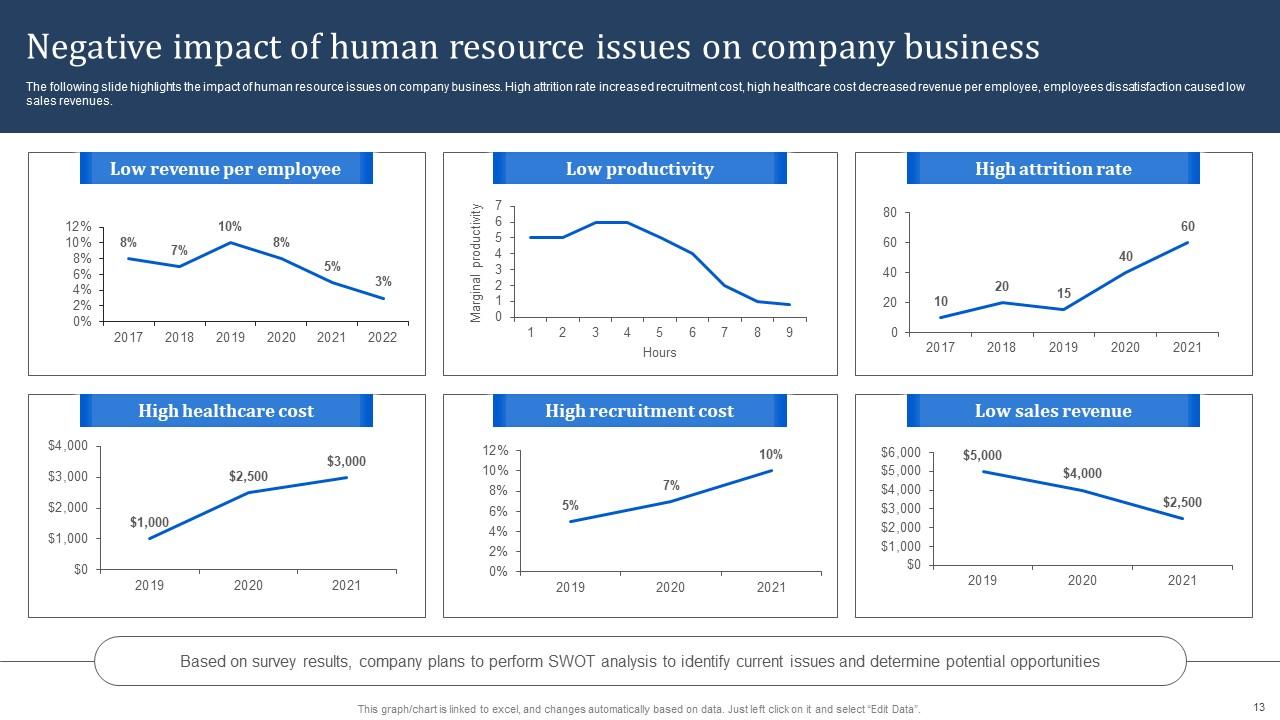
Slide 13: The following slide highlights the impact of human resource issues on company business.
Slide 14: This slide exhibit table of content- Strategy formulation based on SWOT analysis.
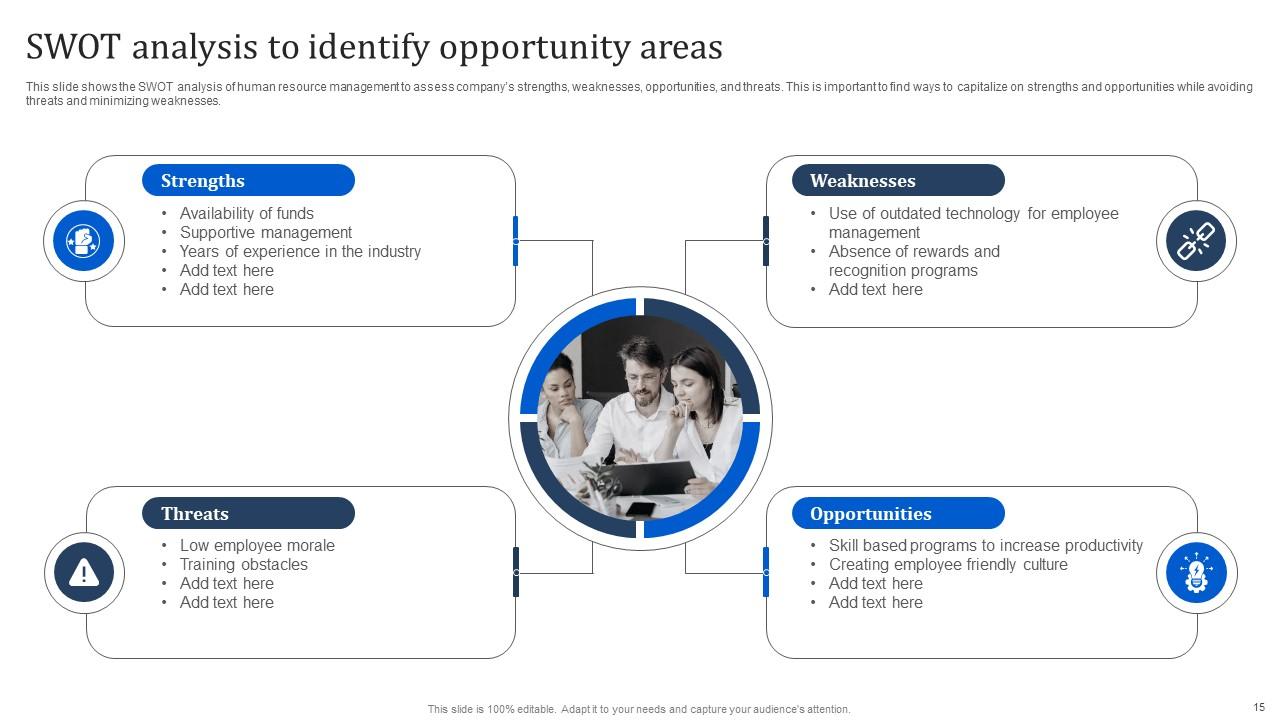
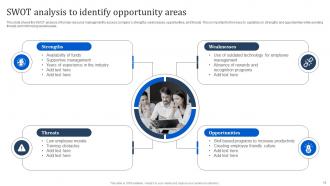
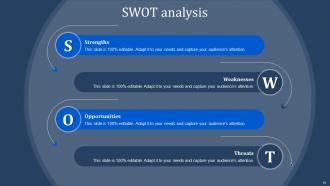
Slide 15: This slide shows the SWOT analysis of human resource management to assess company’s strengths, weaknesses, opportunities, and threats.
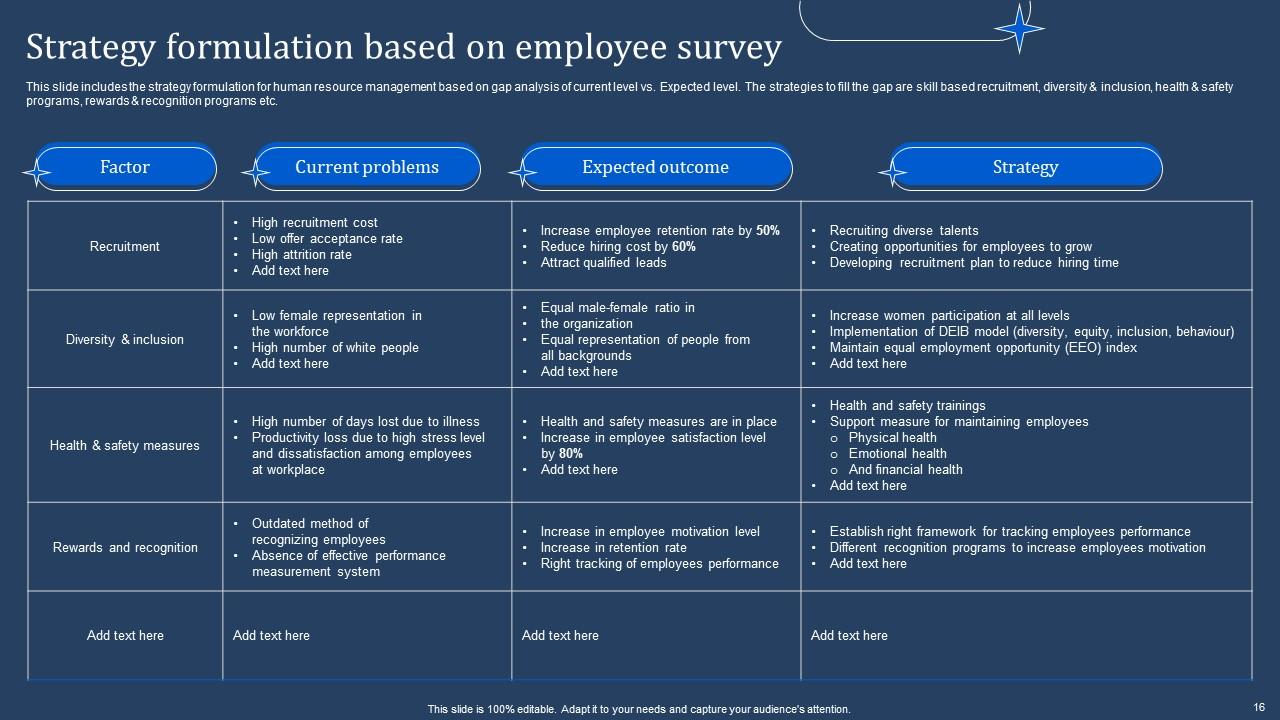
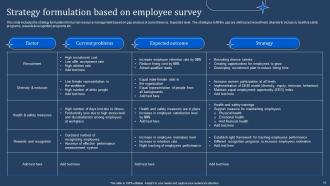
Slide 16: This slide includes the strategy formulation for human resource management based on gap analysis of current level vs. Expected level.
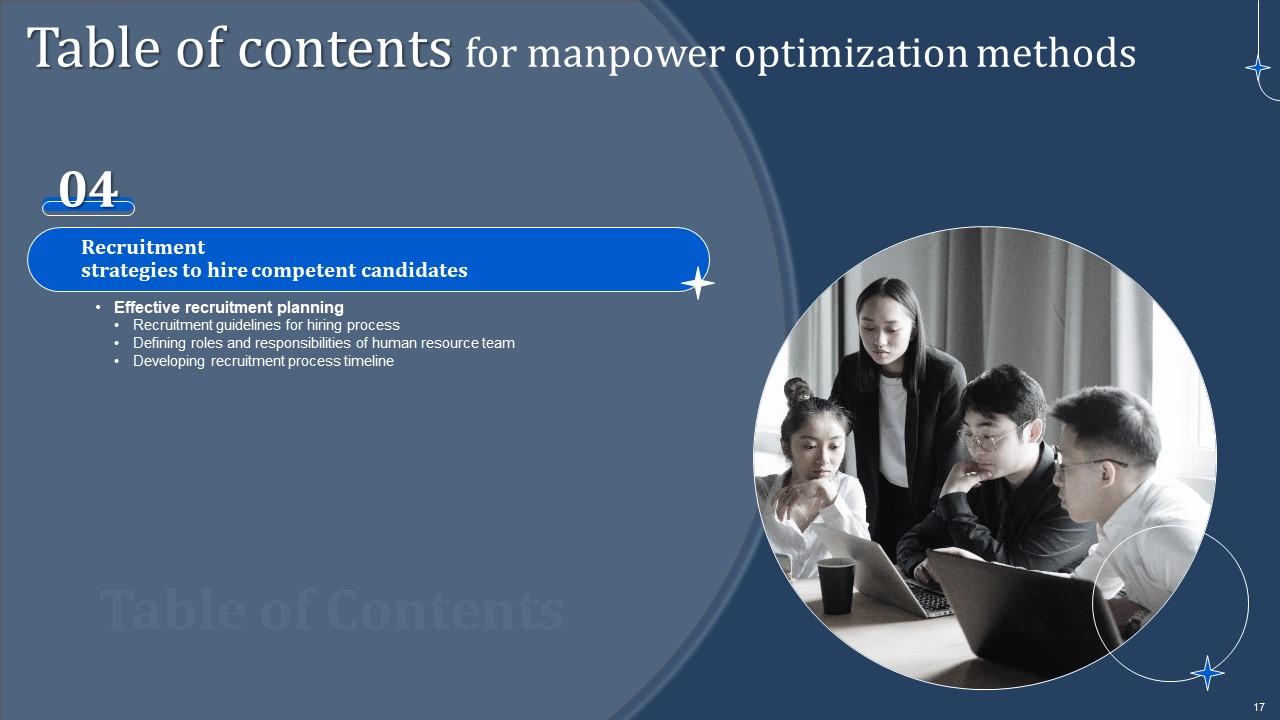
Slide 17: This slide exhibit table of content- Effective recruitment planning.
Slide 18: This slide covers the company guidelines for recruitment process.
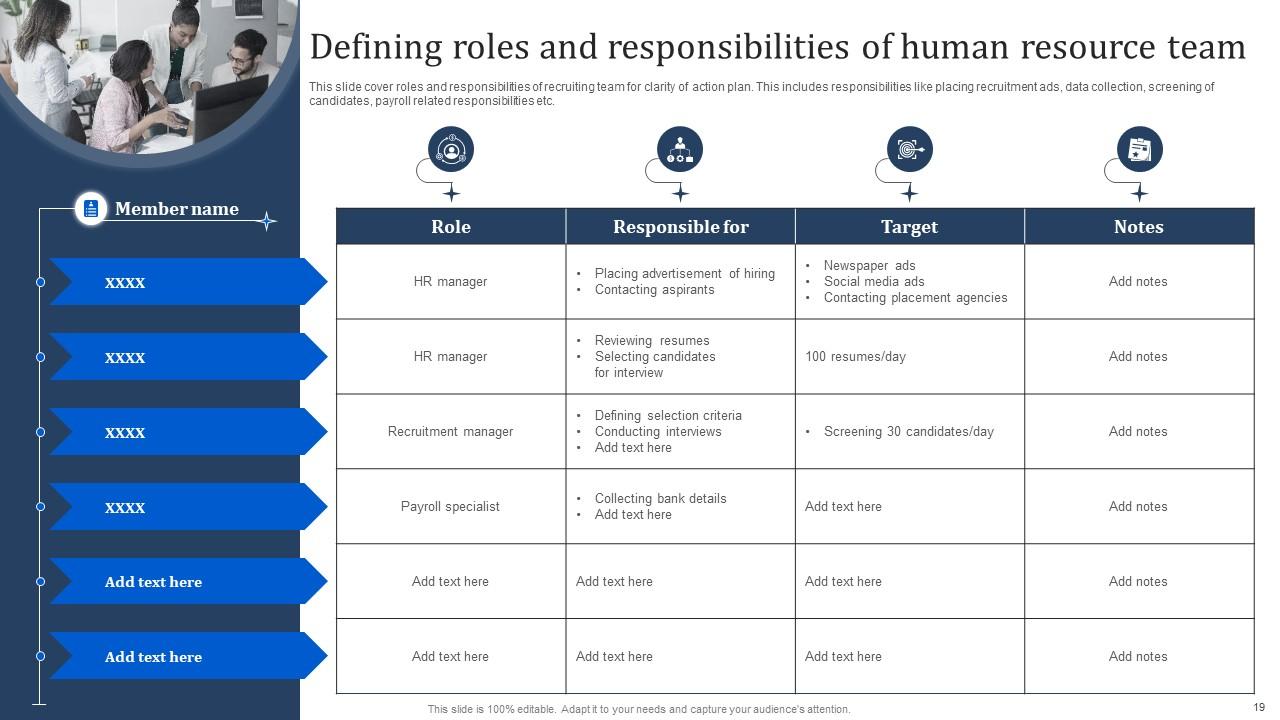
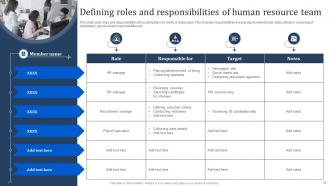
Slide 19: This slide cover roles and responsibilities of recruiting team for clarity of action plan.
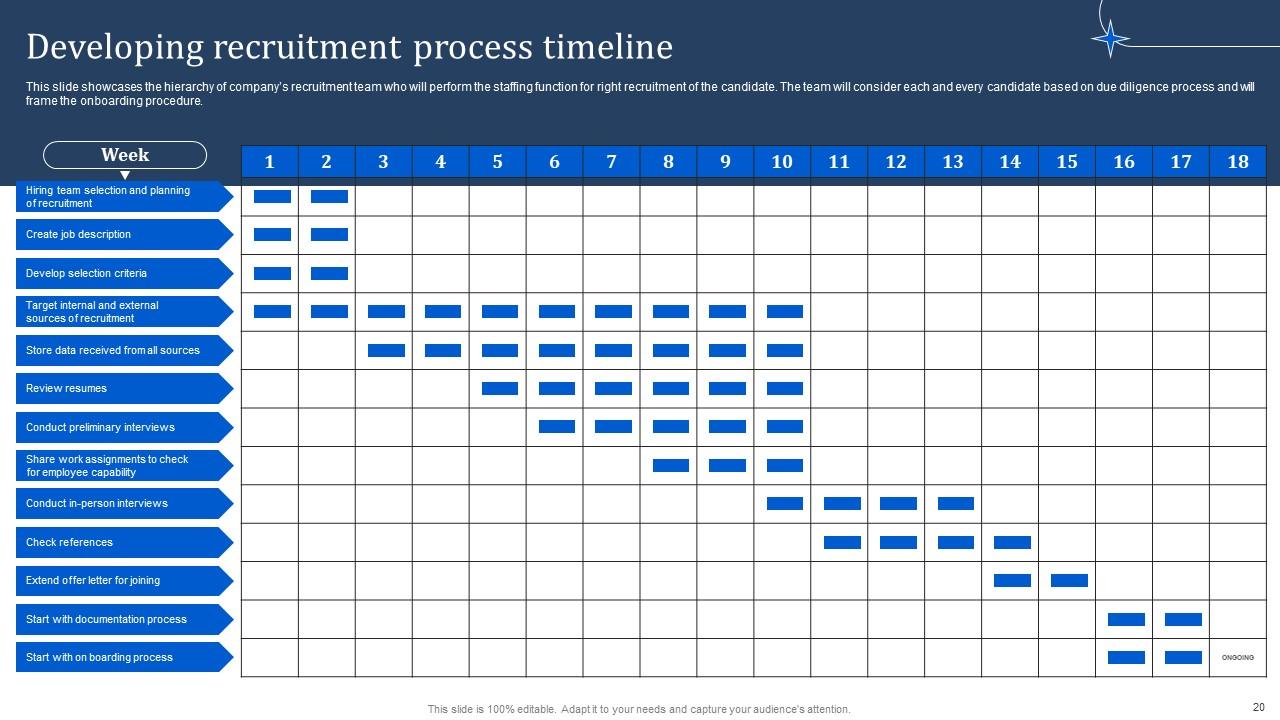
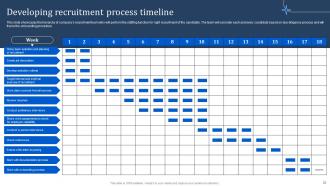
Slide 20: This slide showcases the hierarchy of company’s recruitment team who will perform the staffing function for right recruitment of the candidate.
Slide 21: This slide exhibit table of content- Employee sourcing from internal and external sources.
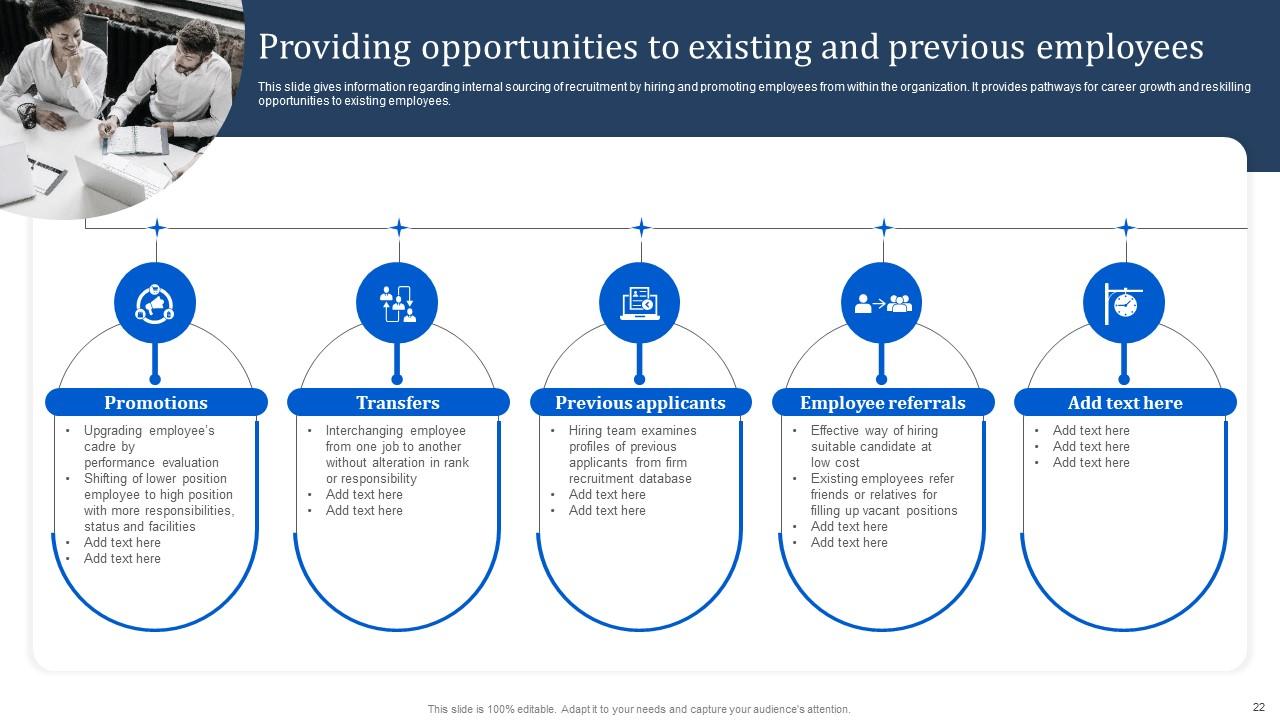
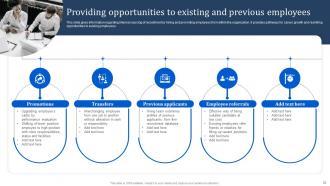
Slide 22: This slide gives information regarding internal sourcing of recruitment by hiring and promoting employees from within the organization.
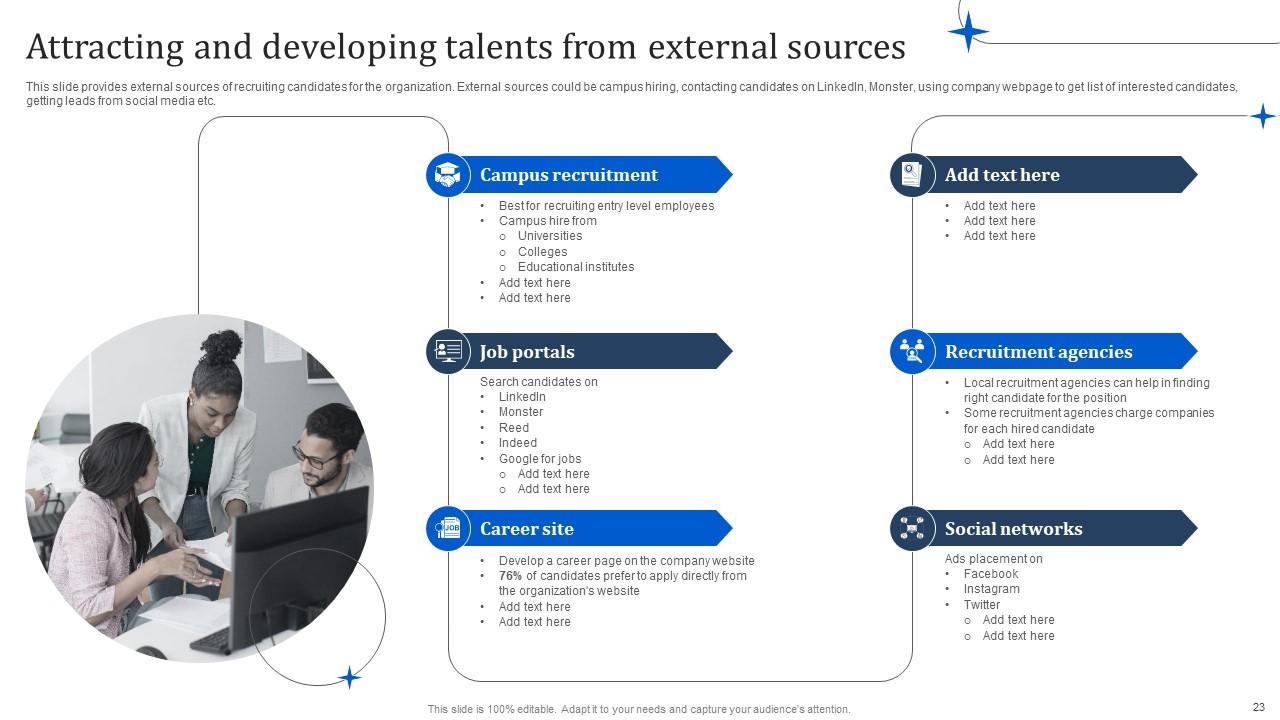
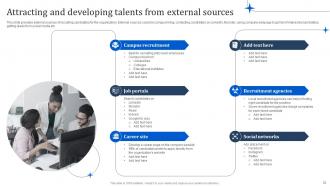
Slide 23: This slide provides external sources of recruiting candidates for the organization.
Slide 24: This slide exhibit table of content- Tracking recruitment process and budget allocation.
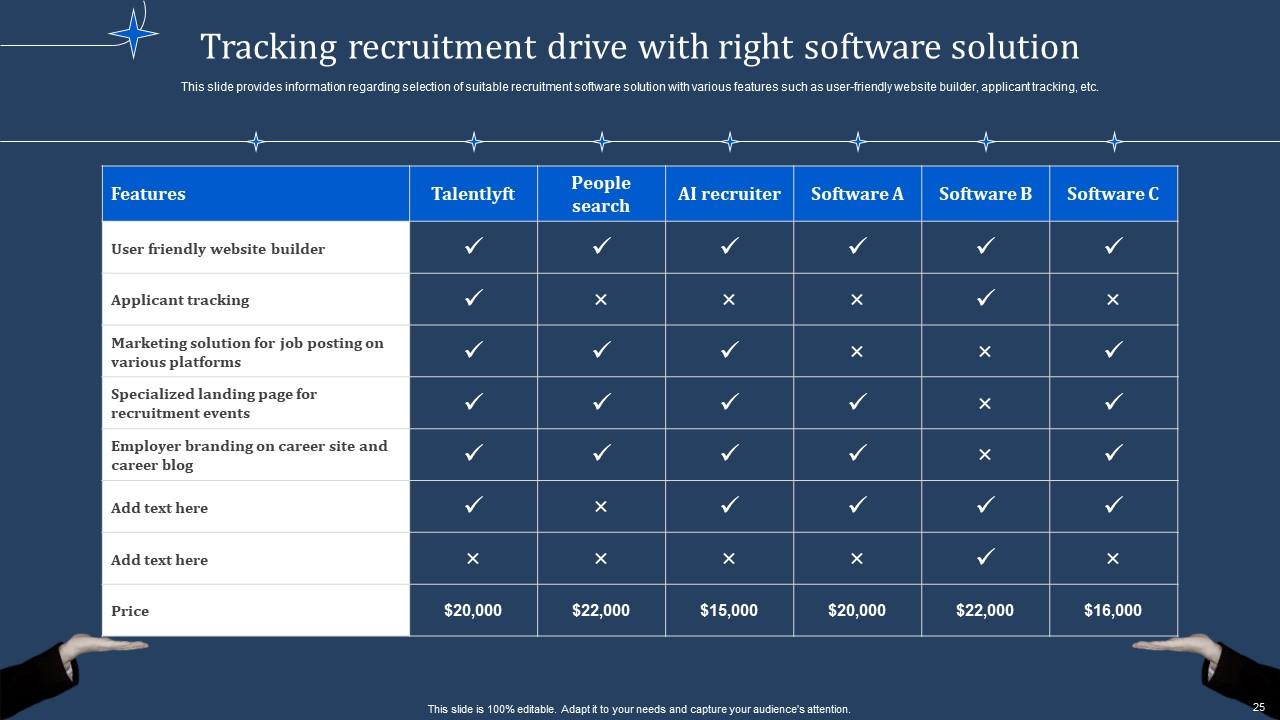
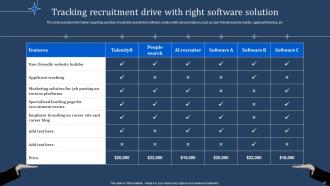
Slide 25: This slide provides information regarding selection of suitable recruitment software solution with various features.
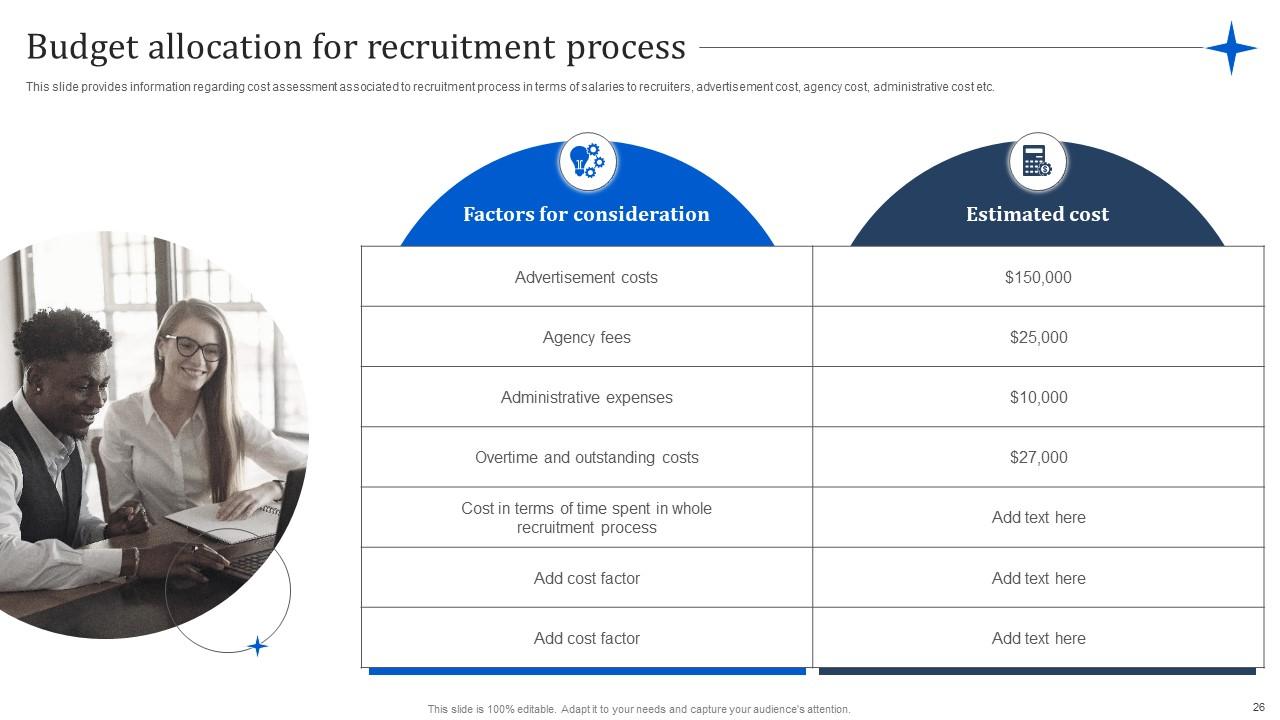
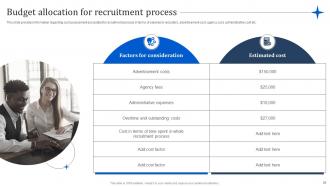
Slide 26: This slide provides information regarding cost assessment associated to recruitment process.
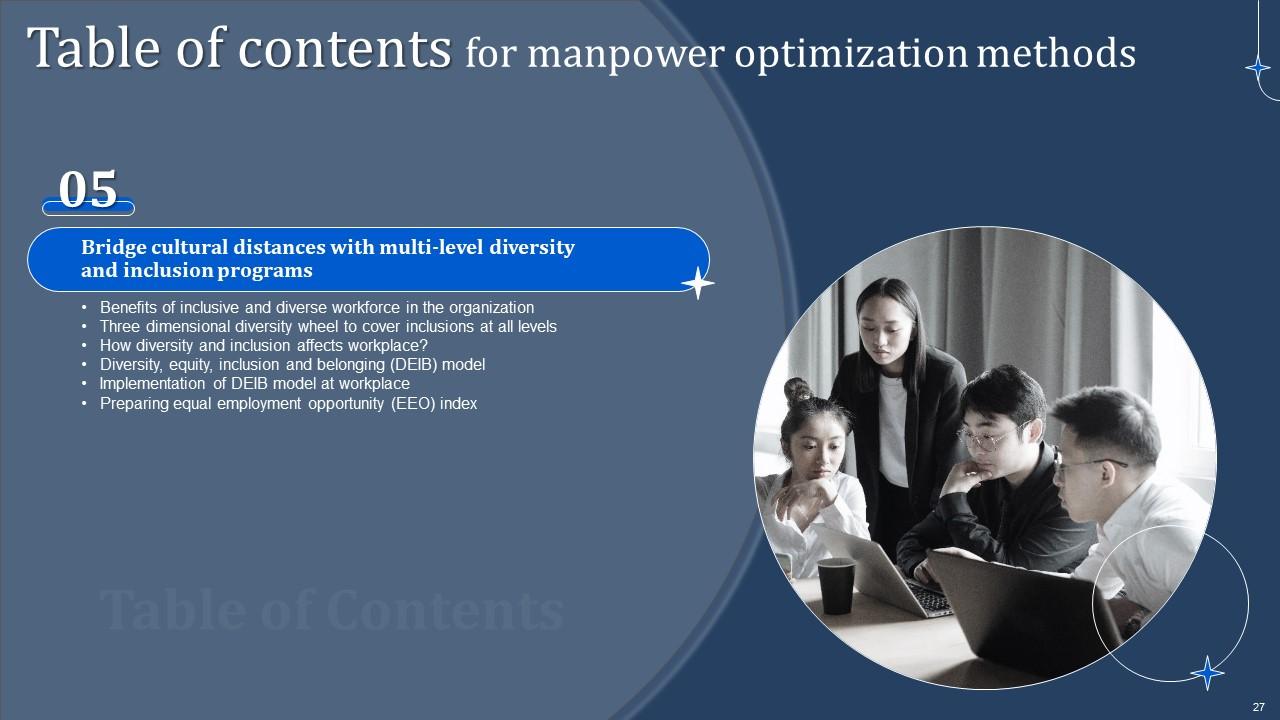
Slide 27: This slide exhibit table of content- Bridge cultural distances with multi-level diversity and inclusion programs.
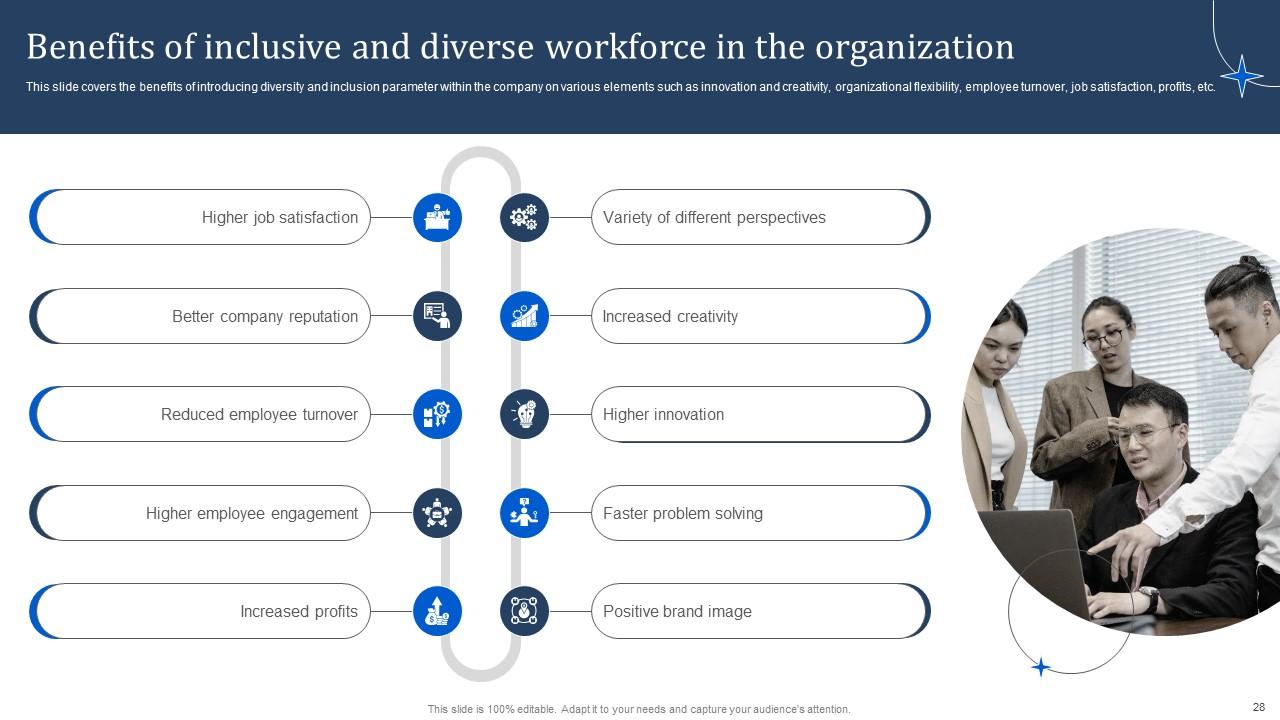
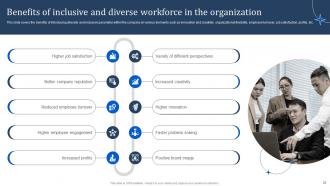
Slide 28: This slide covers the benefits of introducing diversity and inclusion parameter within the company.
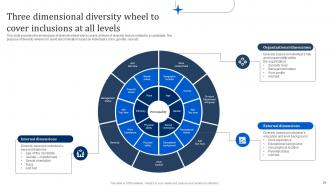
Slide 29: This slide provides the dimensions of diversity wheel which covers all level of diversity factors related to a candidate.
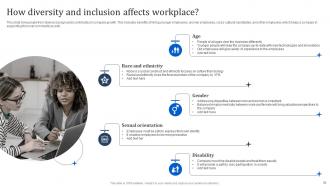
Slide 30: This slide how people from diverse backgrounds contributes in company growth.
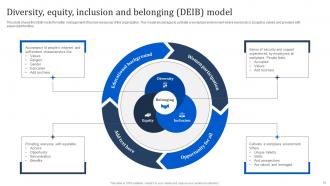
Slide 31: This slide shows the DEIB model for better management of human resources of the organization.
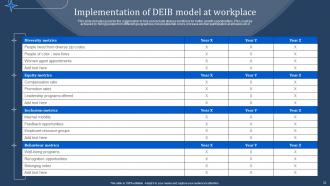
Slide 32: This slide includes goals for the organization to hire and include diverse workforce for better growth opportunities.
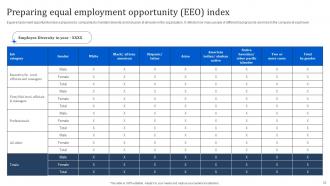
Slide 33: Equal employment opportunity index is prepared by companies to maintain diversity and inclusion at all levels in the organization.
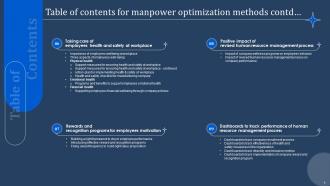
Slide 34: This slide exhibit table of content- Taking care of employees health and safety at workplace.
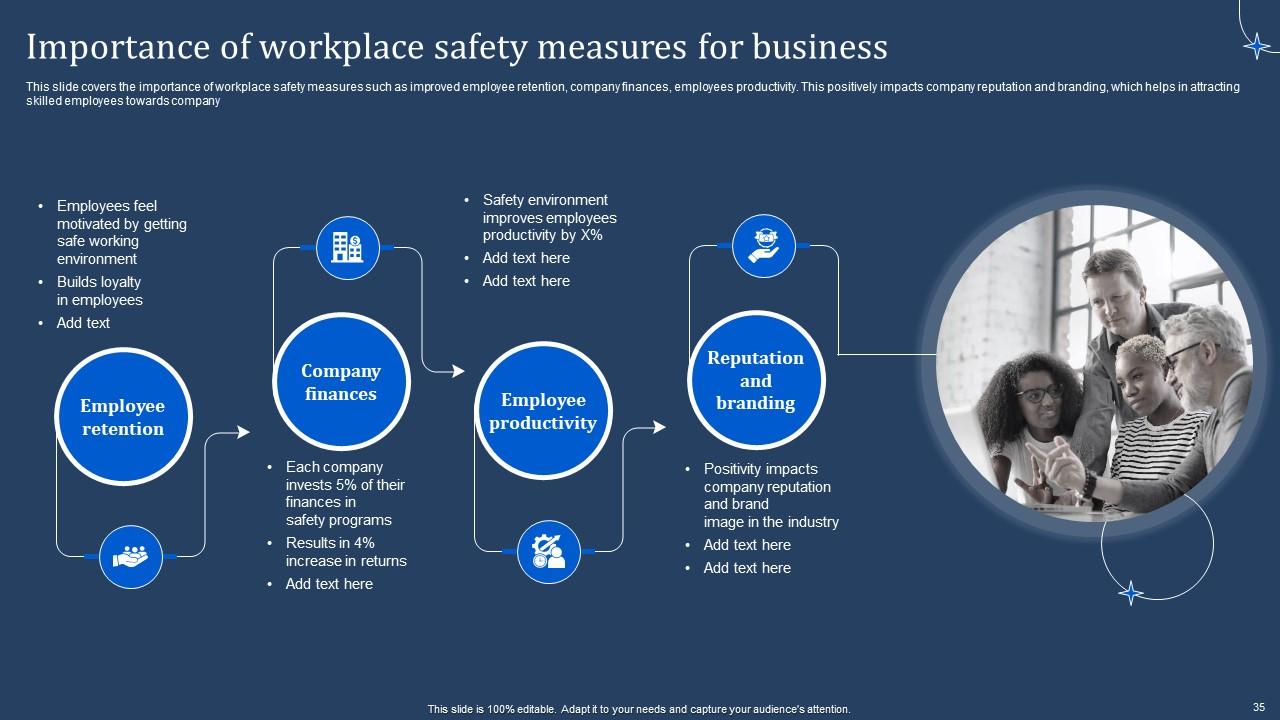
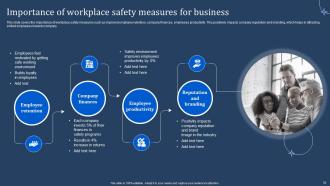
Slide 35: This slide covers the importance of workplace safety measures.
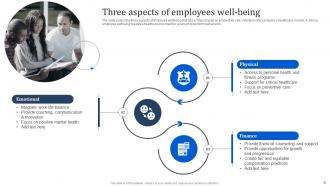
Slide 36: The slide covers the three aspects of employee wellbeing that has a major impact on productivity rate, retention rate, company’s healthcare cost etc.
Slide 37: This slide exhibit table of content- Physical health.
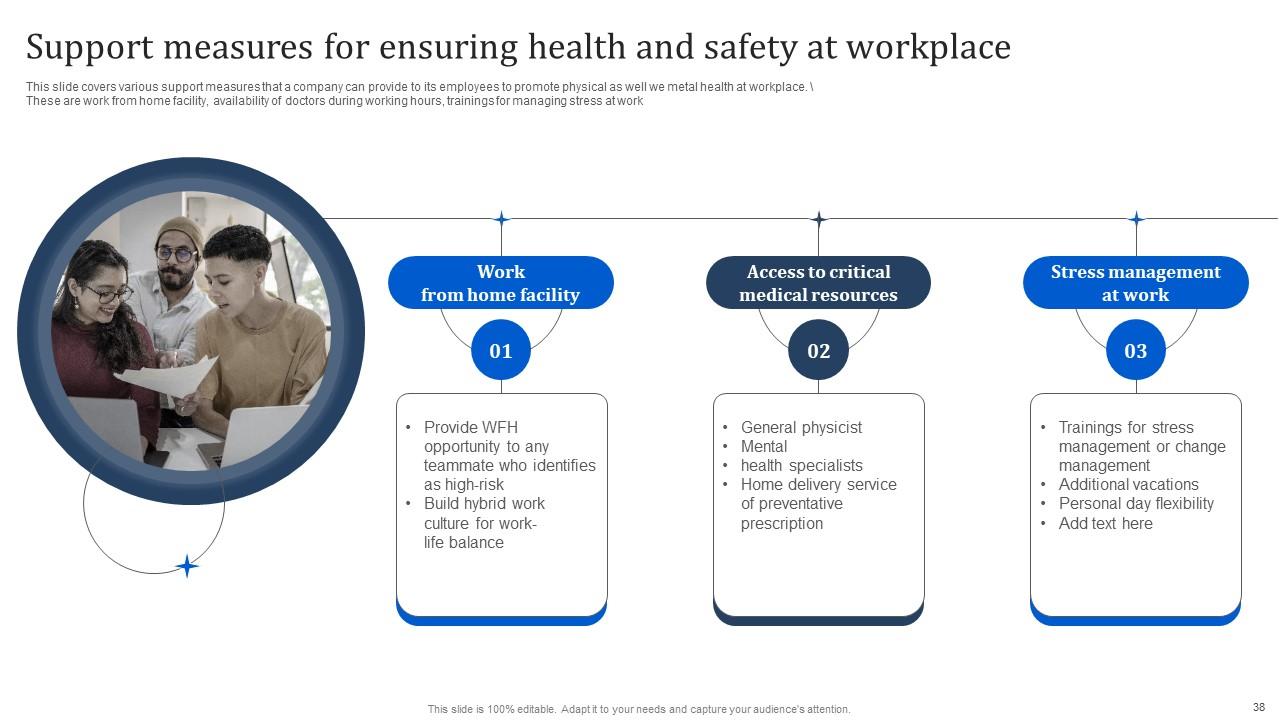
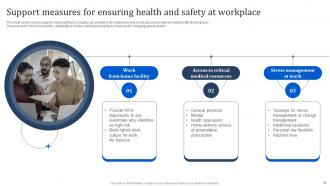
Slide 38: This slide covers various support measures that a company can provide to its employees to promote physical as well we metal health at workplace.
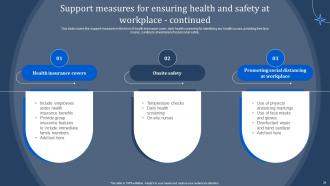
Slide 39: This slide covers the support measures in the form of health insurance cover, daily health screening for identifying any health issues, providing free face masks.
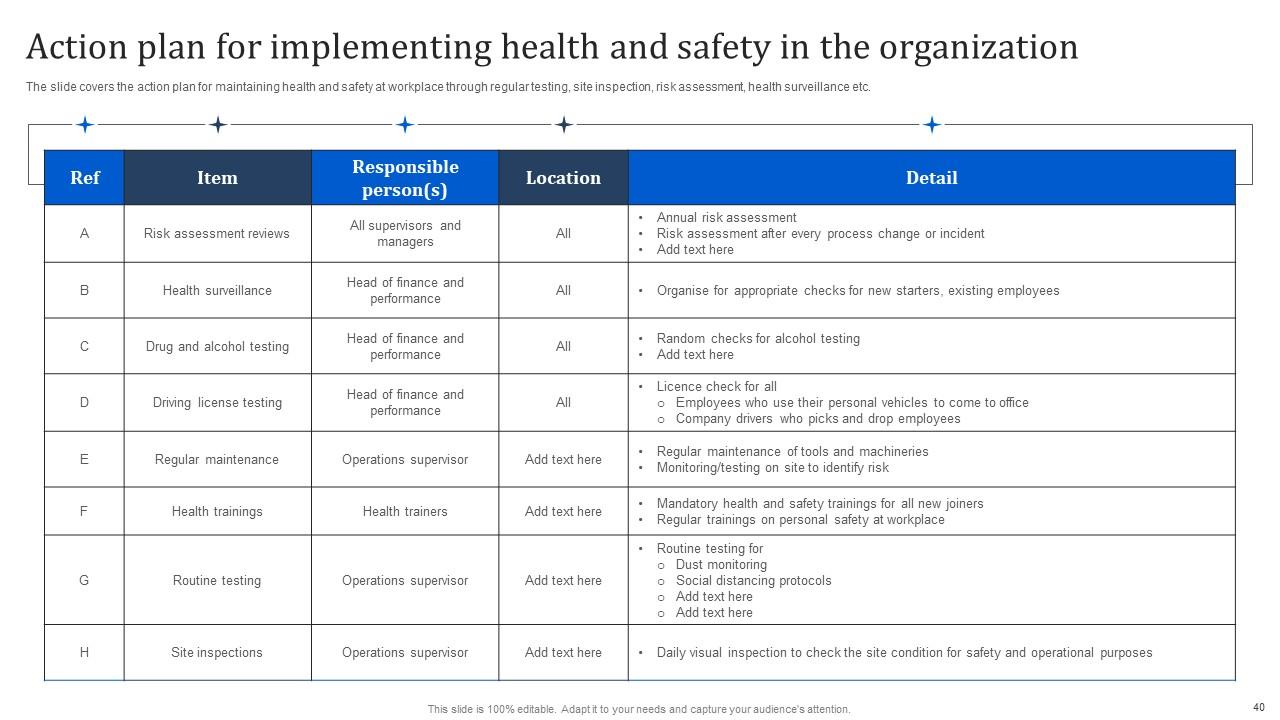
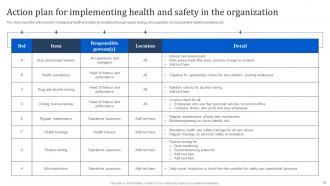
Slide 40: The slide covers the action plan for maintaining health and safety at workplace through regular testing, site inspection, risk assessment, health surveillance etc.
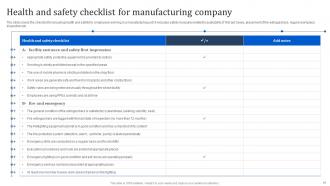
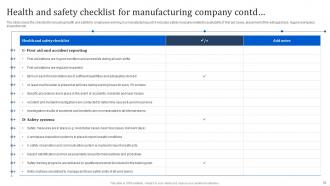
Slide 41: The slide covers the checklist for ensuring health and safety for employees working in a manufacturing unit.
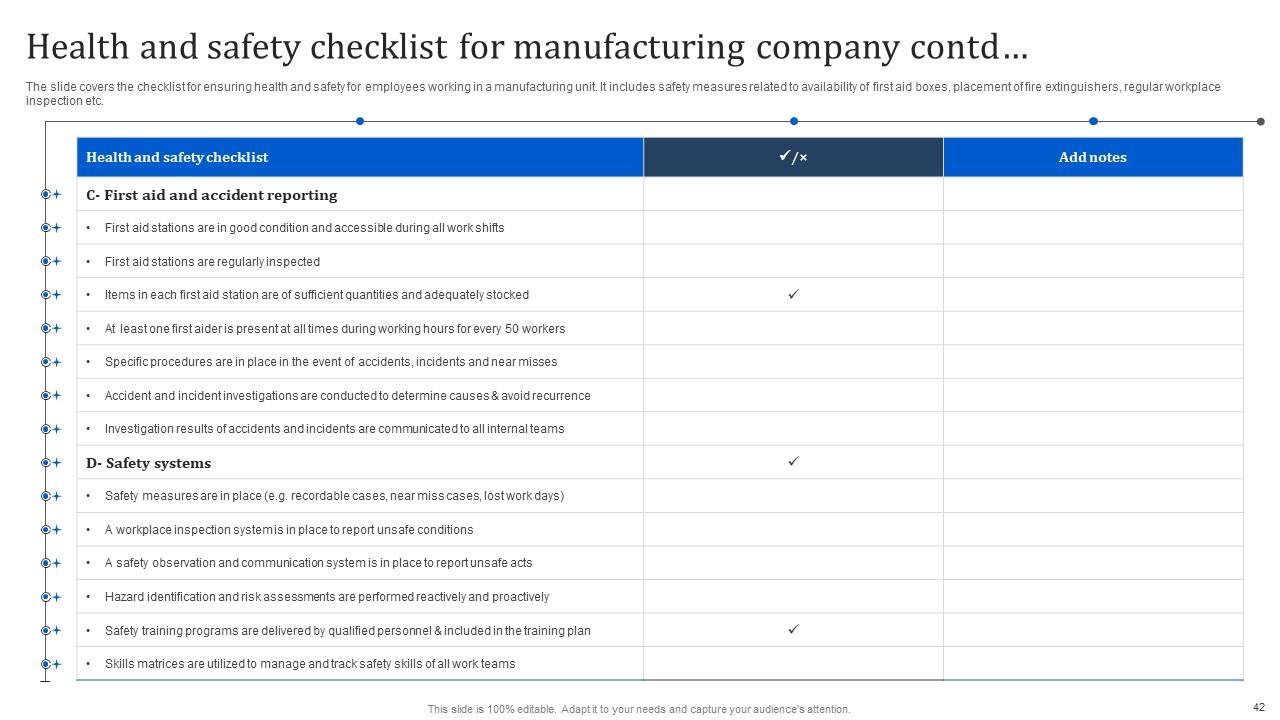
Slide 42: The slide covers the checklist for ensuring health and safety for employees working in a manufacturing unit.
Slide 43: This slide exhibit table of content- Emotional health.
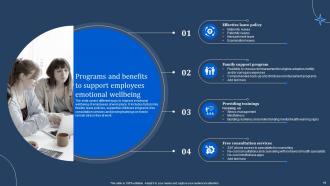
Slide 44: The slide covers different ways to improve emotional wellbeing of employees at work place.
Slide 45: This slide exhibit table of content- Financial health.
Slide 46: Following slide includes various financial support that a company can provide to employees for supporting their financial wellbeing.
Slide 47: This slide exhibit table of content- Rewards and recognition programs for employees motivation.
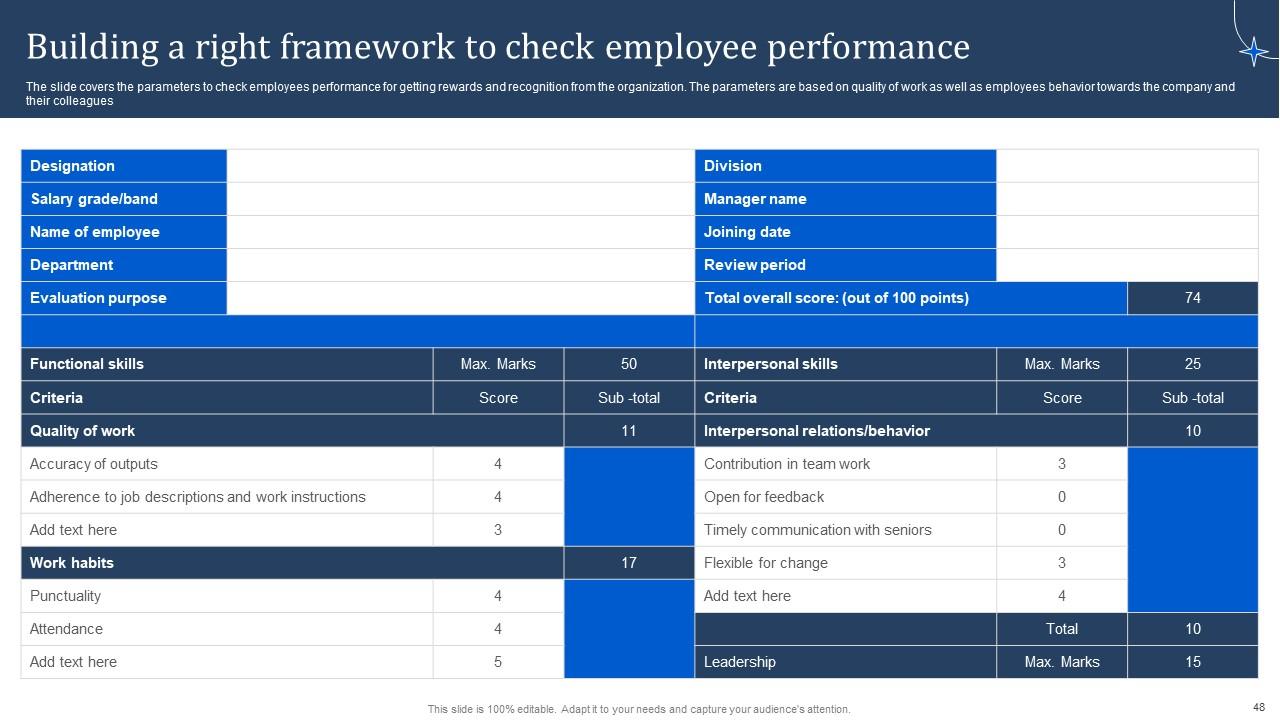
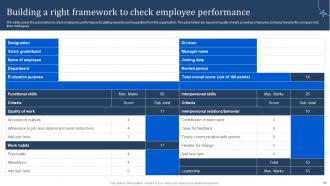
Slide 48: The slide covers the parameters to check employees performance for getting rewards and recognition from the organization.
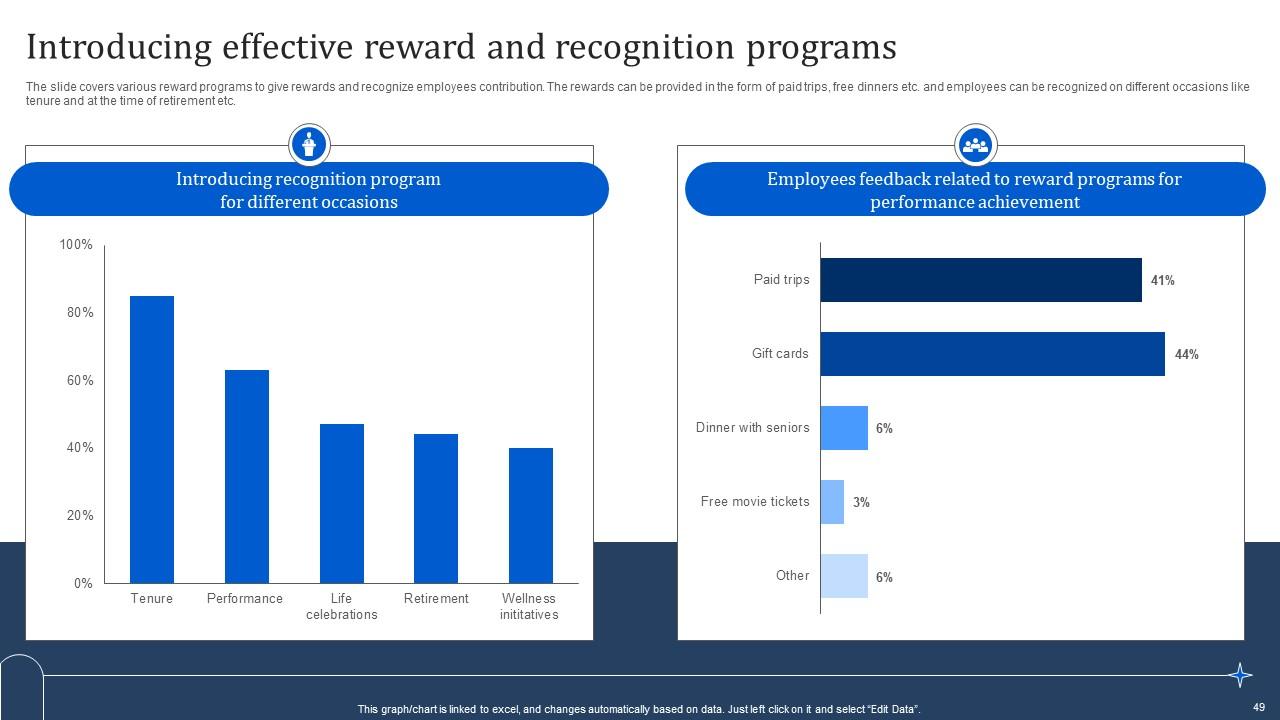
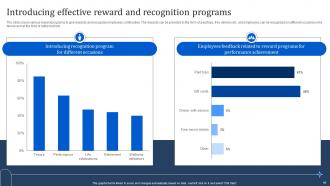
Slide 49: The slide covers various reward programs to give rewards and recognize employees contribution.
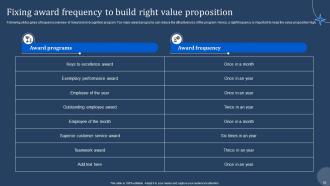
Slide 50: Following slides gives a frequency overview of reward and recognition program.
Slide 51: This slide exhibit table of content- Positive impact of revised human resource management process.
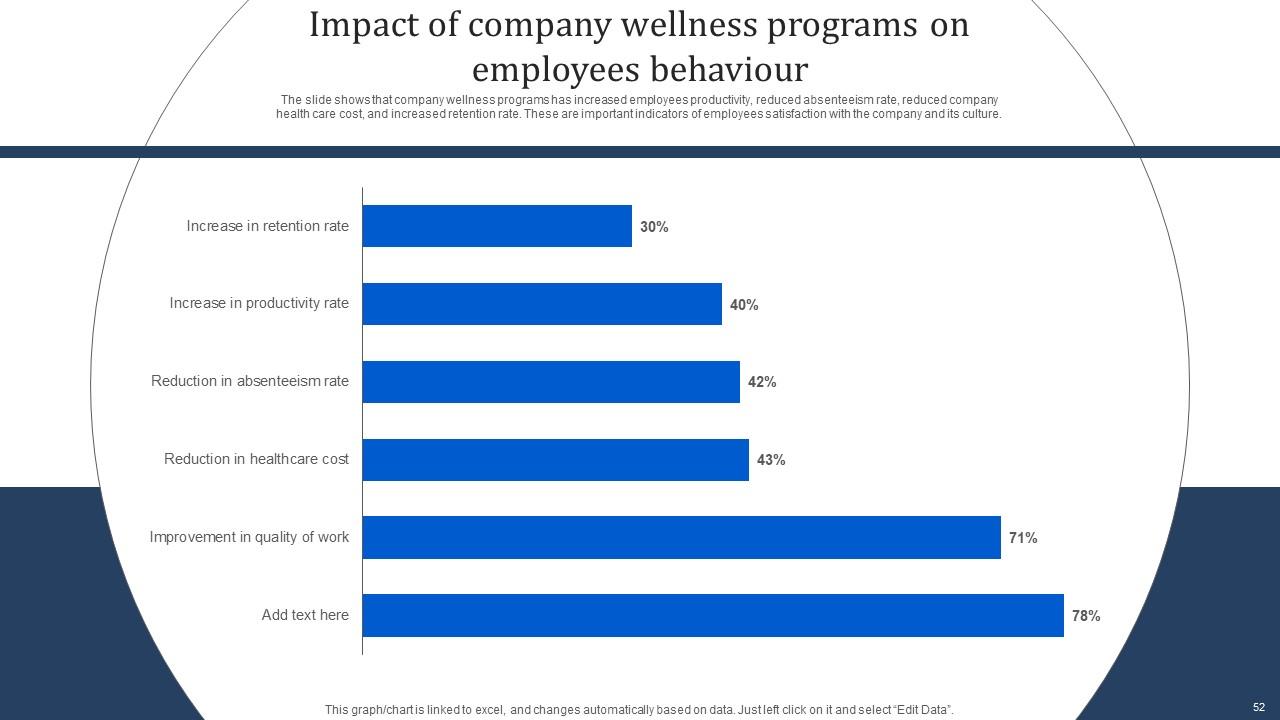
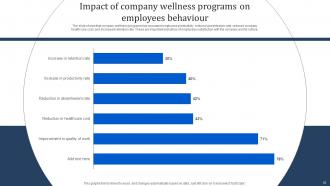
Slide 52: The slide shows that company wellness programs has increased employees productivity, reduced absenteeism rate, reduced company health care cost.
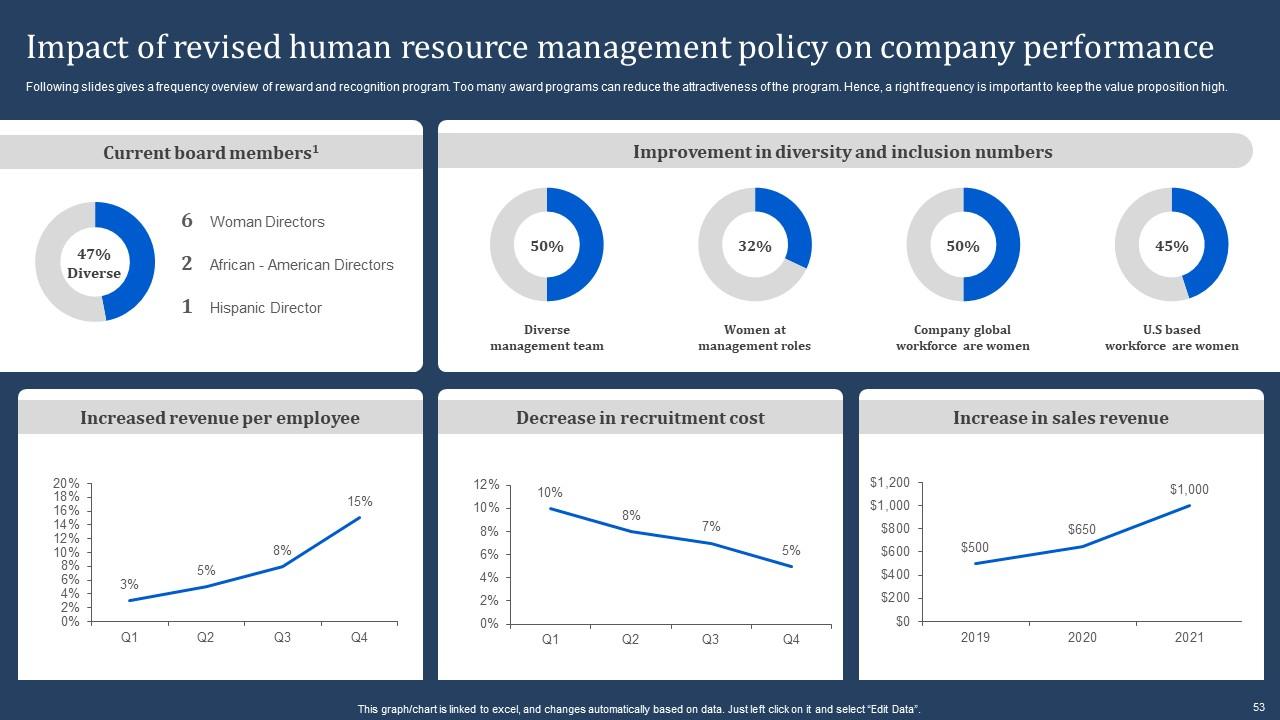
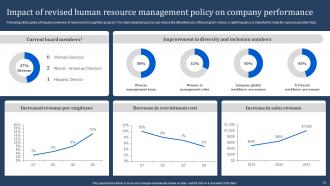
Slide 53: The following slides gives a frequency overview of reward and recognition program.
Slide 54: This slide exhibit table of content- Dashboards to track performance of human resource management process.
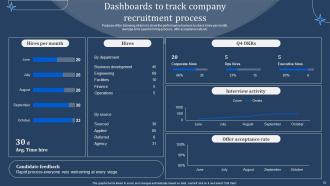
Slide 55: Purpose of the following slide is to show the performance trackers to check hires per month, average time spent in hiring process, offer acceptance rate etc.
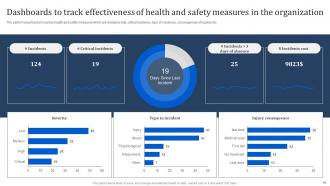
Slide 56: The performance tracker includes health and safety measures which are incidence rate, critical incidence, type of incidence, consequences of injuries etc.
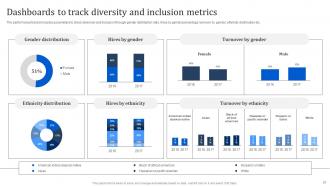
Slide 57: The performance tracker includes parameters to check diversion and inclusion through gender distribution ratio, hires by gender percentage.
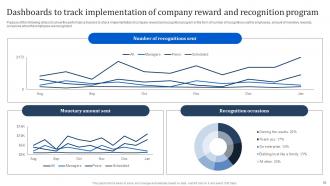
Slide 58: Purpose of the following slide is to show the performance trackers to check implementation of company reward and recognition program.
Slide 59: This is the icons slide.
Slide 60: This slide presents title for additional slides.
Slide 61: This slide showcase About us.
Slide 62: This slide presents your company's vision, mission and goals.
Slide 63: This slide depicts 30-60-90 days plan for projects.
Slide 64: This slide shows roadmap of company.
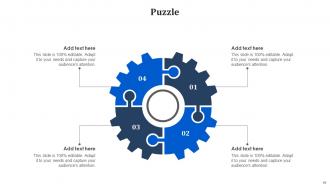
Slide 65: This slide shows puzzle for displaying elements of company.
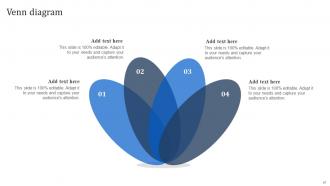
Slide 66: This slide display Venn.
Slide 67: This slide showcase Comparison.
Slide 68: This slide displays yearly bar graph for different products.
Slide 69: This slide exhibits ideas generated.
Slide 70: This is thank you slide & contains contact details of company like office address, phone no., etc.
Manpower Optimization Methods Powerpoint Presentation Slides with all 75 slides:
Use our Manpower Optimization Methods Powerpoint Presentation Slides to effectively help you save your valuable time. They are readymade to fit into any presentation structure.
-
Content of slide is easy to understand and edit.
-
Definitely recommend SlideTeam to all who need help with PowerPoint presentations. Their design team can create anything you need.
