


Workforce Trends In Human Resource Management Powerpoint Presentation Slides
Over the decade, HR department has played a vital role in ensuring effective utilization of workforce in an organization. So, Develop a positive work culture by employing Human Resource Management Strategy ppt. Our content-ready workforce trends in human resource management PowerPoint presentation slides will provide you important statistics that will help boost the overall performance of your organization. HR trends have been changing rapidly with the advent of latest technology. Older methods are becoming obsolete to analyze information such as employee performance, change management, cultural initiatives, organizational structure, career development, gap analysis and future requirements of the organization. These workforce analytics PPT templates can also come in handy while creating a presentation on HR trends, talent management trends, human capital trends, workforce data and HR metrics. Use of appropriate manpower analytic methods can definitely bring long-term positive results for your company. If you are looking to revamp your company culture and create a modern workplace, download our workforce trends in human resource management PowerPoint diagrams.Over the decade, HR department has played a vital role in ensuring effective utilization of workforce in an organization. Our content-ready workforce trends in human resource management PowerPoint presentation slides will provide you important statistics that will help boost the overall performance of your organization. HR trends have been changing rapidly with the advent of latest technology. Older methods are becoming obsolete to analyze information such as employee performance, change management, cultural initiatives, organizational structure, career development, gap analysis and future requirements of the organization. These workforce analytics PPT templates can also come in handy while creating a presentation on HR trends, talent management trends, human capital trends, workforce data and HR metrics. Use of appropriate manpower analytic methods can definitely bring long-term positive results for your company. If you are looking to revamp your company culture and create a modern workplace, download our workforce trends in human resource management PowerPoint diagrams. Ensure each individual is fully informed with our Workforce Trends In Human Resource Management Powerpoint Presentation Slides. Get your ideas across to the grassroots.
Over the decade, HR department has played a vital role in ensuring effective utilization of workforce in an organization. S..






















-

- Google Slides is a new FREE Presentation software from Google.
- All our content is 100% compatible with Google Slides.
- Just download our designs, and upload them to Google Slides and they will work automatically.
- Amaze your audience with SlideTeam and Google Slides.
-

Want Changes to This PPT Slide? Check out our Presentation Design Services
-

- WideScreen Aspect ratio is becoming a very popular format. When you download this product, the downloaded ZIP will contain this product in both standard and widescreen format.
-

- Some older products that we have may only be in standard format, but they can easily be converted to widescreen.
- To do this, please open the SlideTeam product in Powerpoint, and go to
- Design ( On the top bar) -> Page Setup -> and select "On-screen Show (16:9)” in the drop down for "Slides Sized for".
- The slide or theme will change to widescreen, and all graphics will adjust automatically. You can similarly convert our content to any other desired screen aspect ratio.
Compatible With Google Slides

Get This In WideScreen
You must be logged in to download this presentation.


Do you want to remove this product from your favourites?
PowerPoint presentation slides
These PPT slides are 100% editable. 62 content-ready visuals are provided. Instant download option available on the website. Suitable for standard as well as widescreen monitors. Compatible with Google Slides. Can be used by businessmen, marketers. The stages in this process are business plan, strategic management, strategic planning, human resource management, workforce planning, business development.

People who downloaded this PowerPoint presentation also viewed the following :
Content of this Powerpoint Presentation
Slide 1: This slide introduces Workforce Trends In Human Resource Management with image. State company name here to get started.
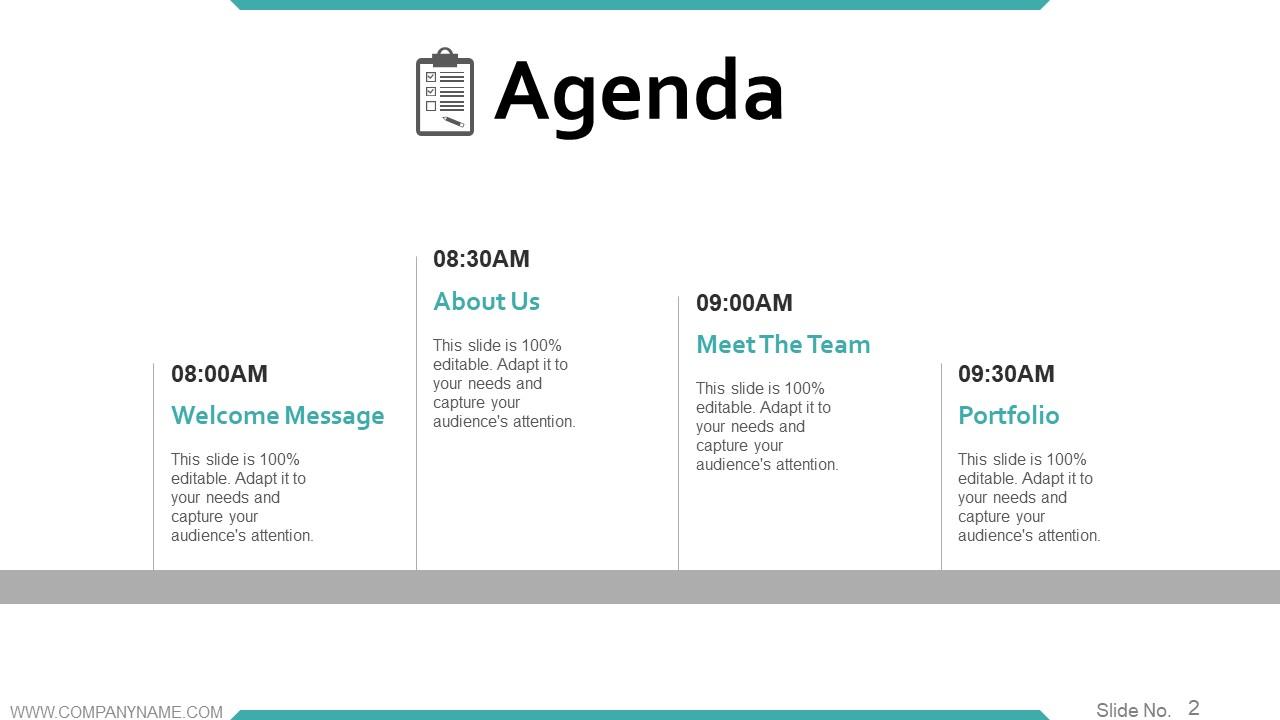
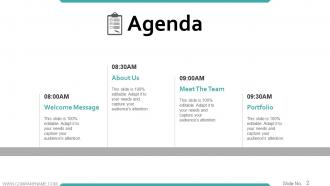
Slide 2: This is an Agenda slide. Use it to show- Welcome Message, About Us, Meet The Team, Portfolio.
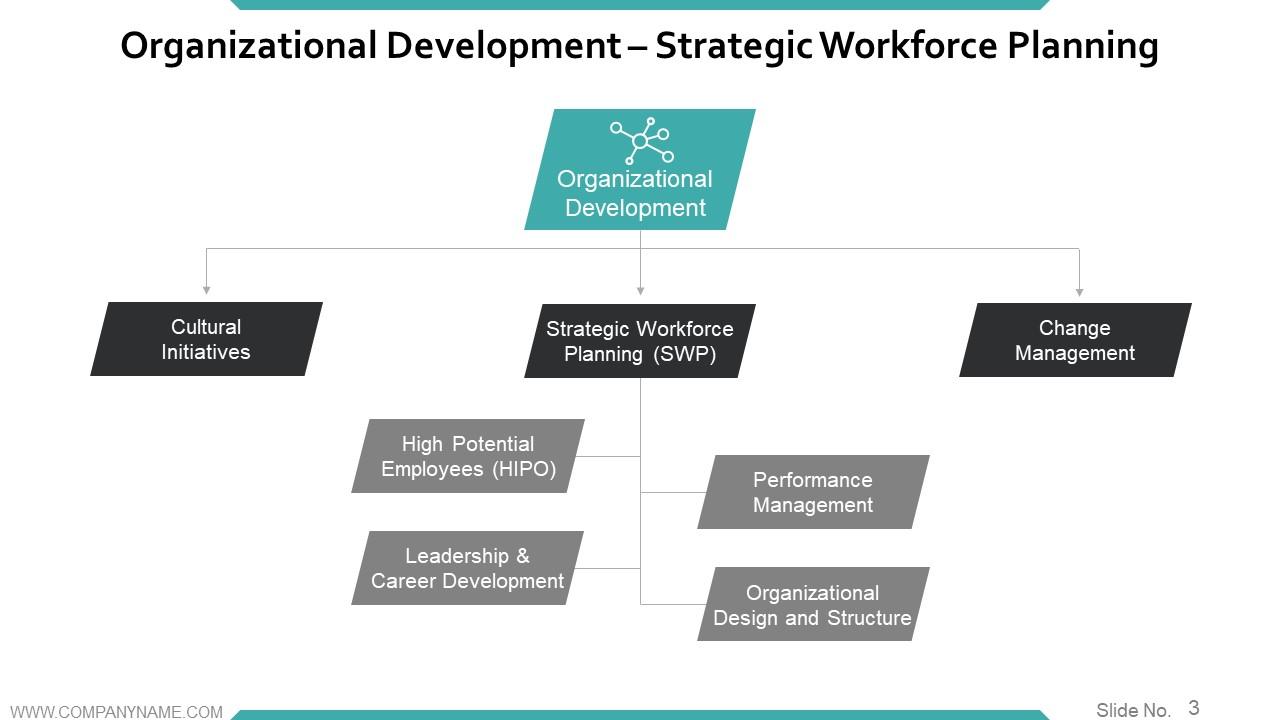
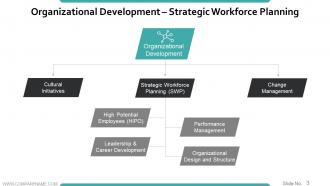
Slide 3: This slide shows Organizational Development – Strategic Workforce Planning in a flow chart form. We have provided the 3 main features of organizationational developement below- Change Management, Strategic Workforce Planning (SWP), Cultural Initiatives. Use it as per need.
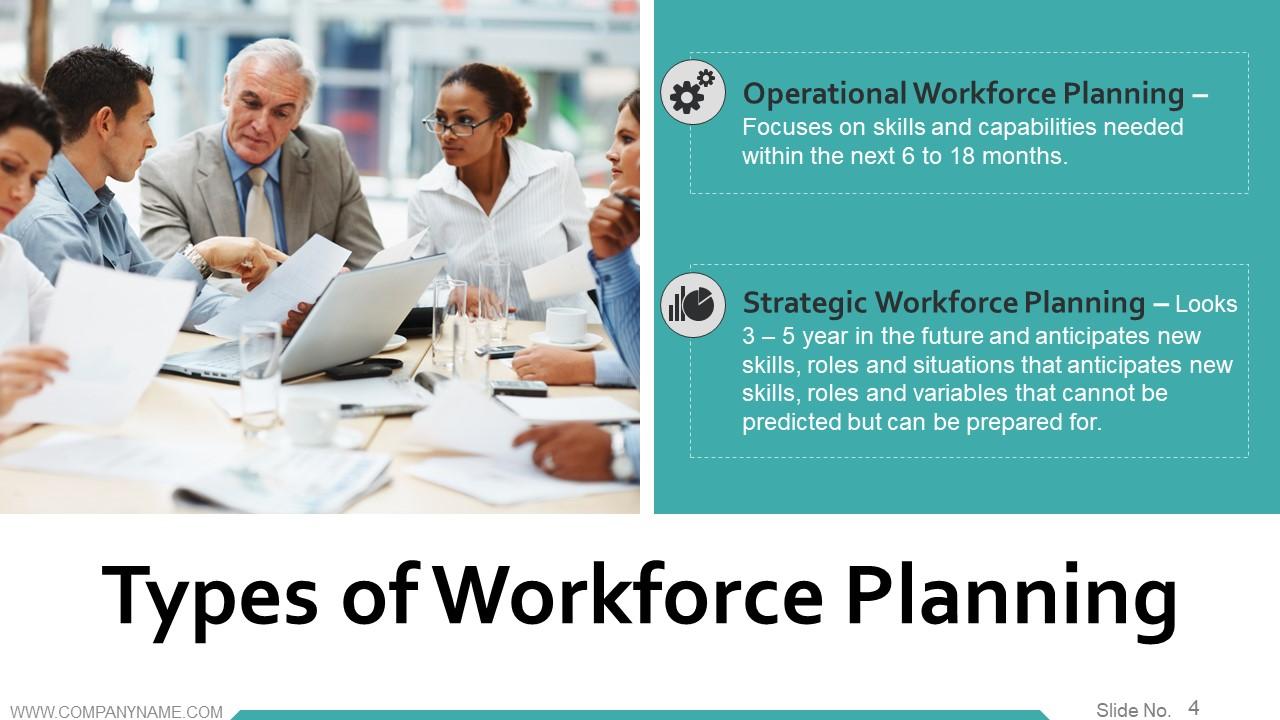
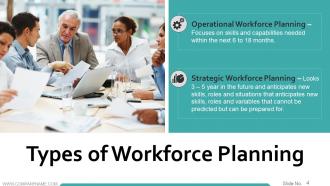
Slide 4: This slide states the Types of Workforce Planning which include- Operational Workforce Planning, Strategic Workforce Planning.
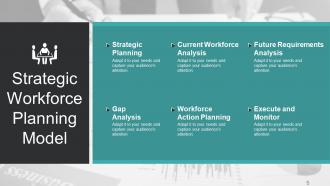
Slide 5: This slide showcases Strategic Workforce Planning Model which has the following points- Strategic Planning, Current Workforce Analysis, Future Requirements Analysis, Workforce Action Planning, Execute and Monitor, Gap Analysis.
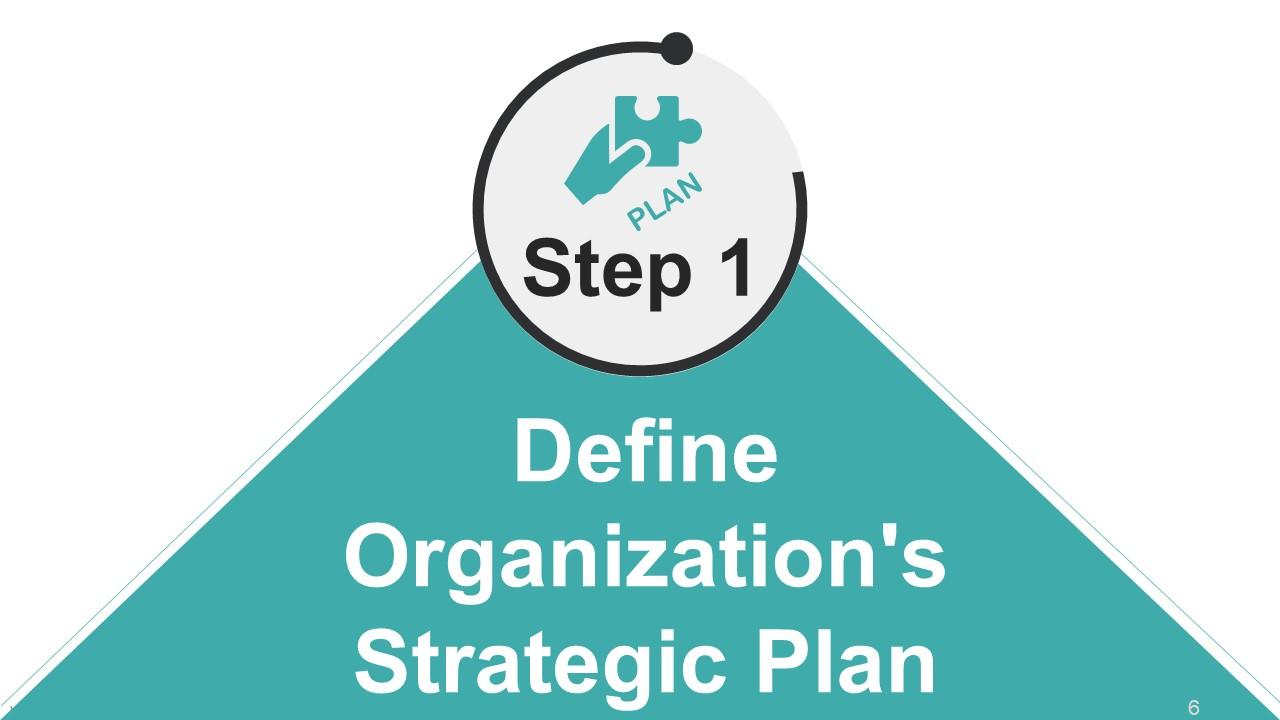
Slide 6: This is Define Organization's Strategic Plan slide. Use it to show your company strategic plan.
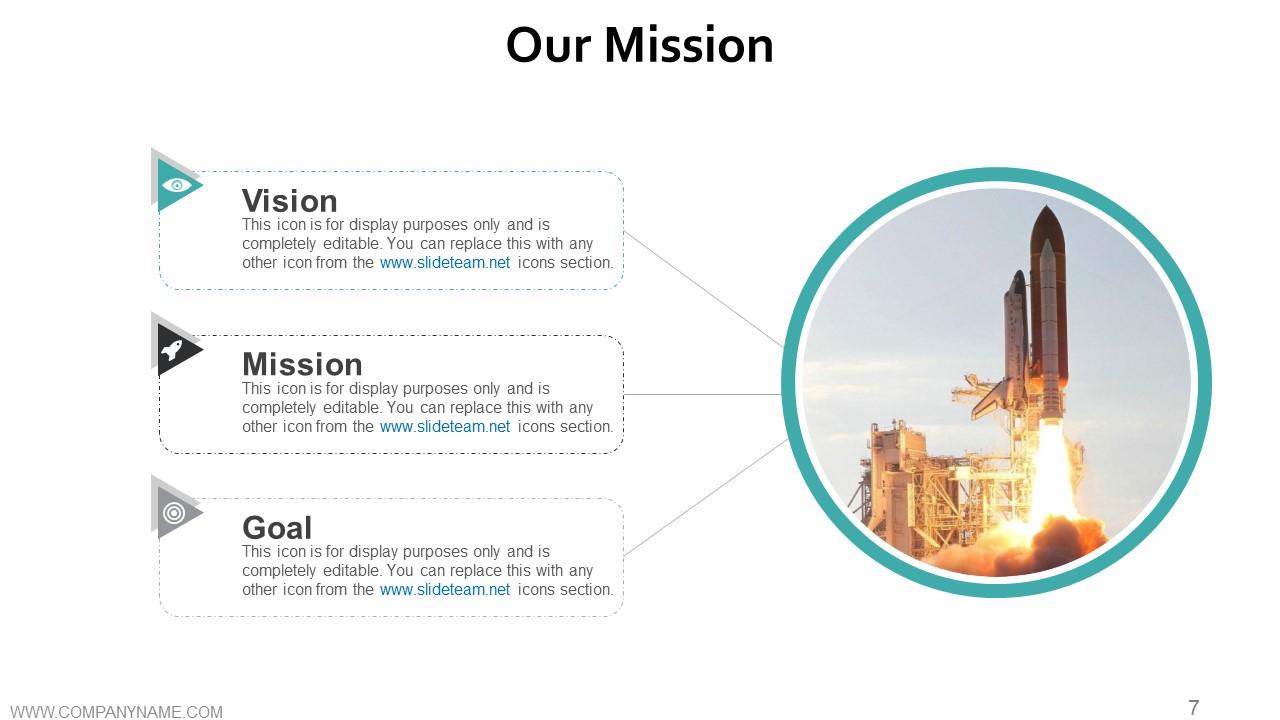
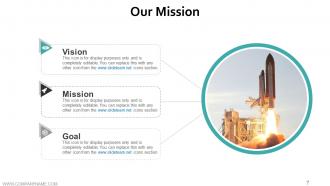
Slide 7: This slide represents Our Mission with imagery. State your mission, goals and vision here.
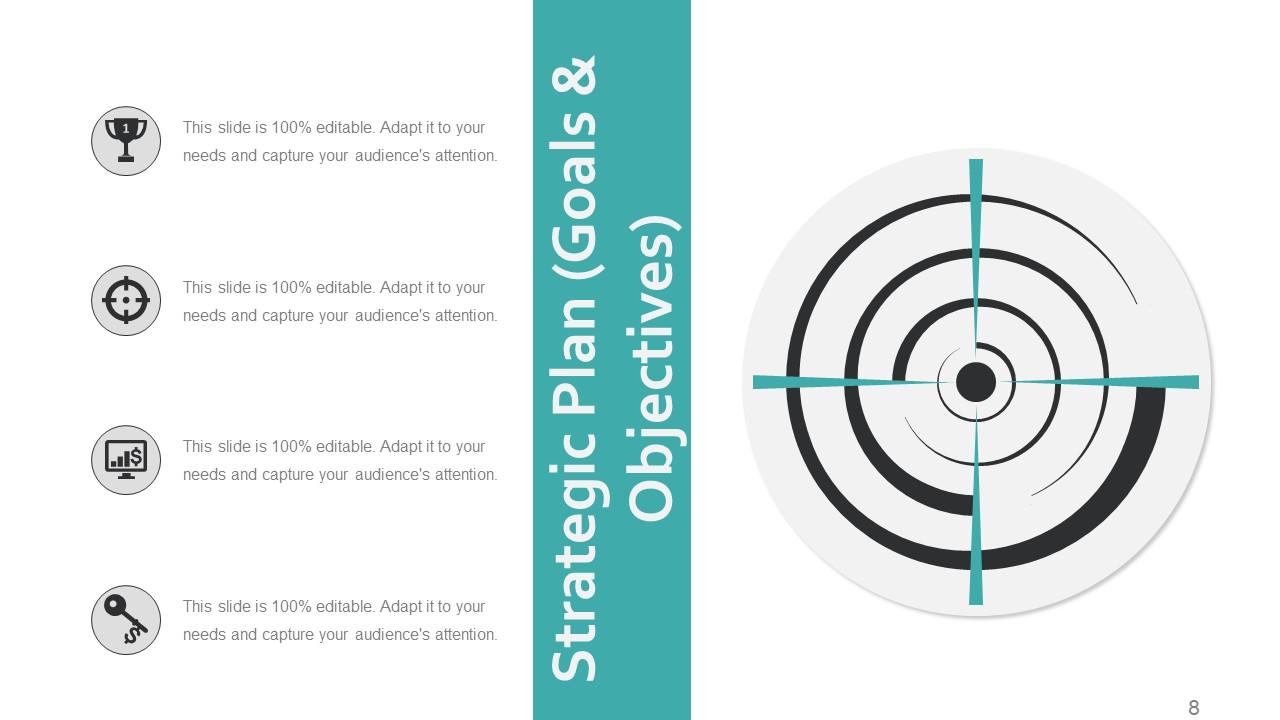
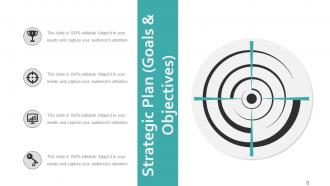
Slide 8: This slide showcases Strategic Plan (Goals & Objectives) with text boxes and target imagery.
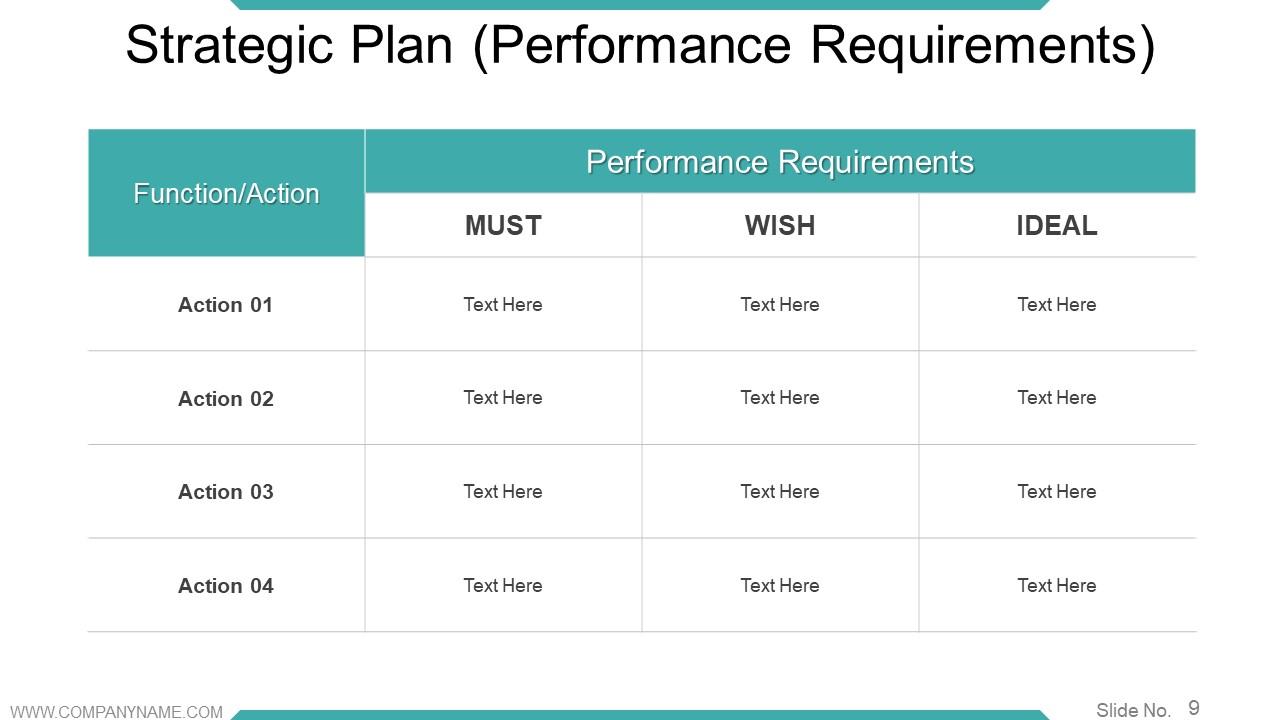
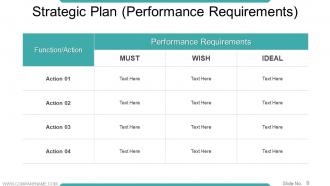
Slide 9: This is a Strategic Plan (Performance Requirements) slide. State Function/ Action and Performance Requirements here.
Slide 10: This slide showcases Strategic Plan( The Core Skills & Competencies Needed for Success ) in a venn diagram form. These skills and competencies are- Business Skills, Technical Skills, Conceptual Skills, Core Competency Kills.
Slide 11: This is a Coffee Break image slide to halt. Alter/ change as per need.
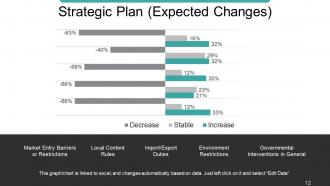
Slide 12: This slide showcases Strategic Plan (Expected Changes) in charts and graphs.
Slide 13: This is Scan the Internal & External Environment slide.
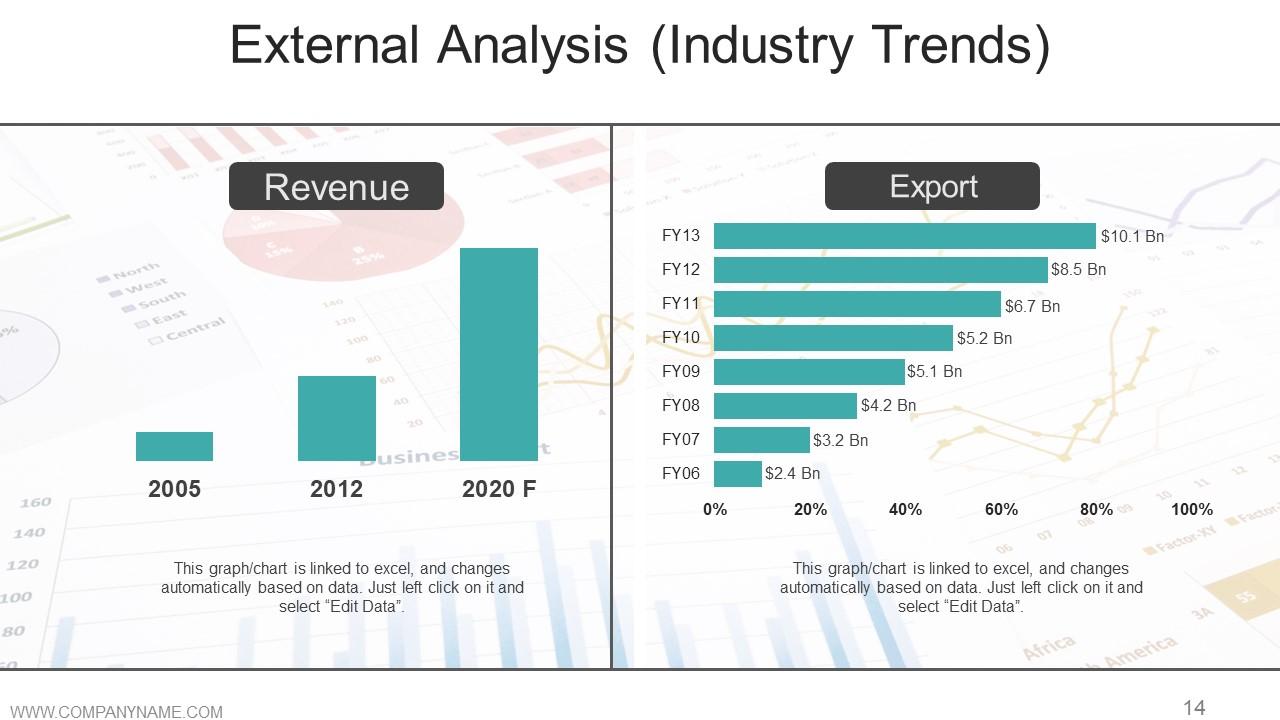
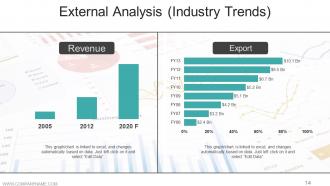
Slide 14: This slide presents External Analysis (Industry Trends) in a bar graph/ chart form.
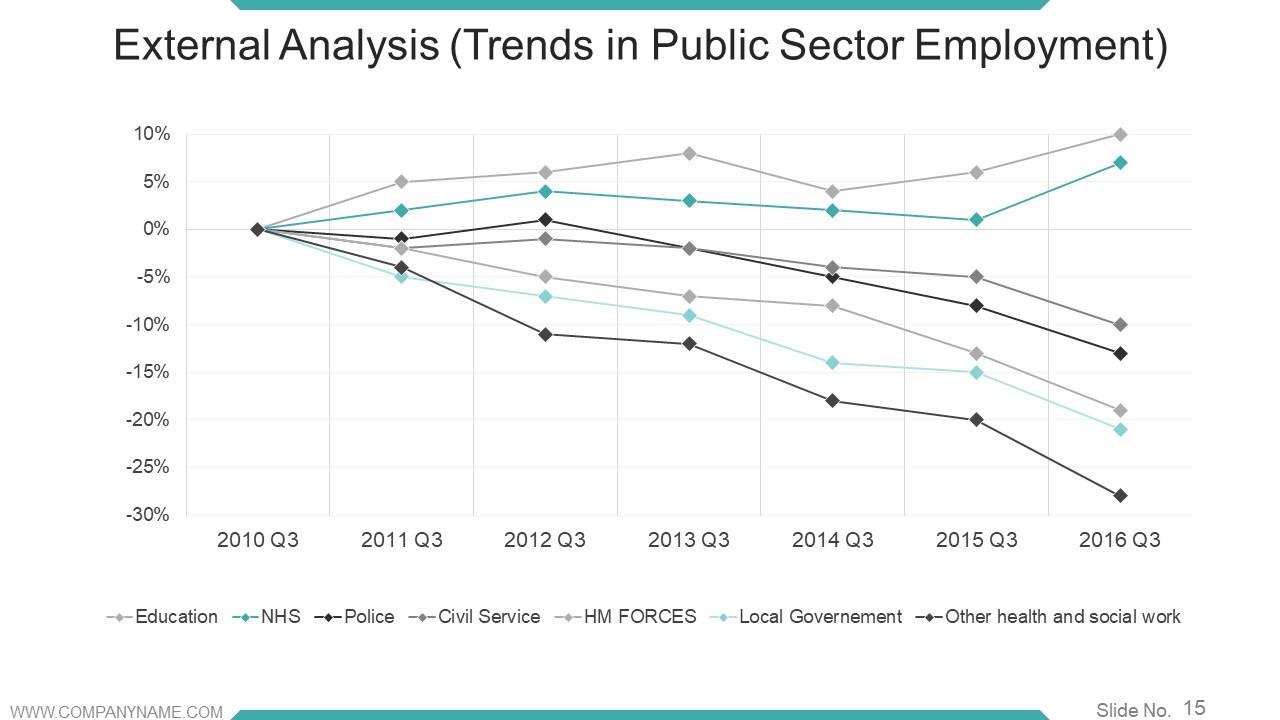
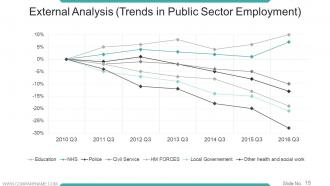
Slide 15: This slide shows External Analysis (Trends in Public Sector Employment) in a line chart/ graph form.
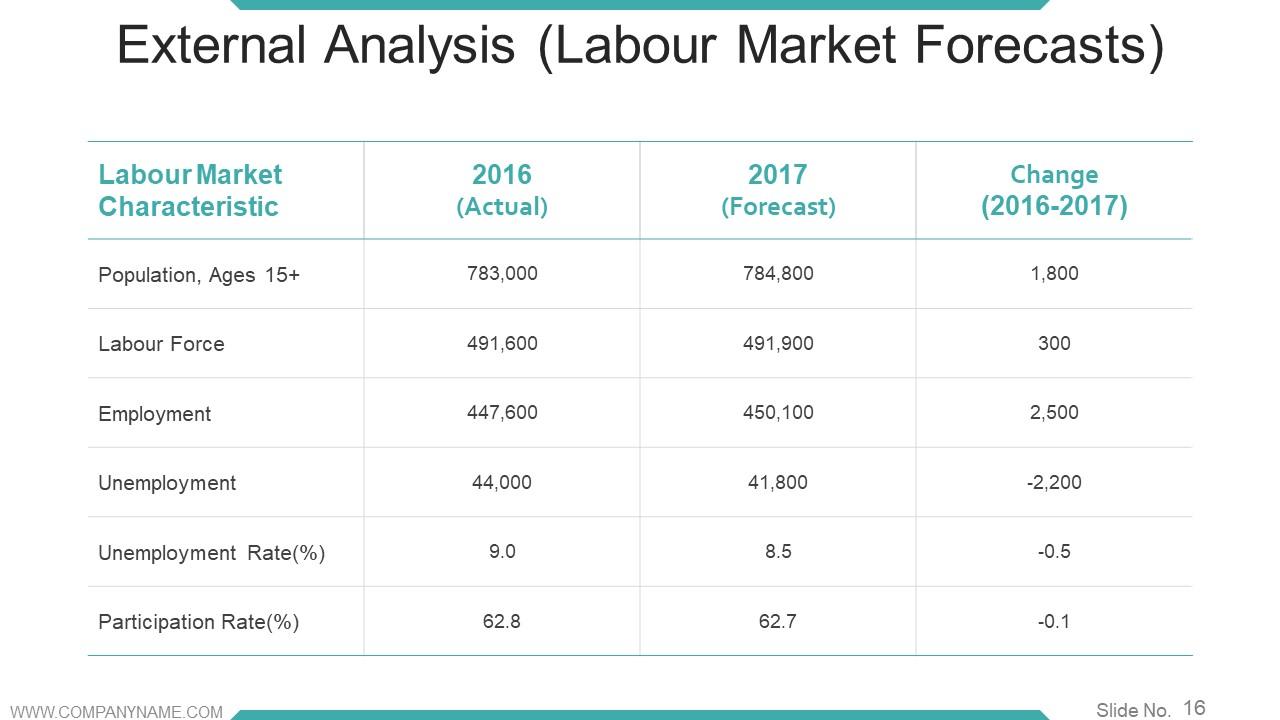
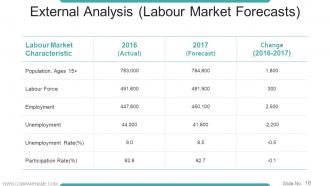
Slide 16: This slide showcases External Analysis (Labour Market Forecasts) in a tabular form.
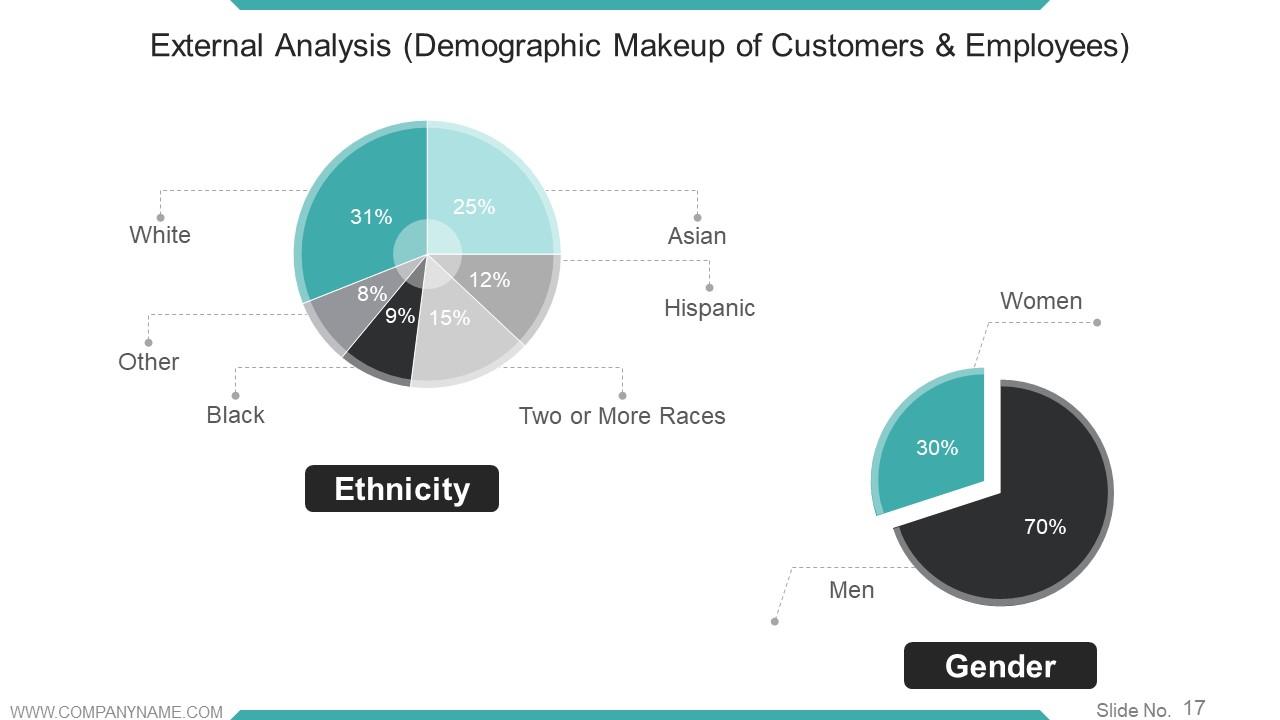
Slide 17: This slide displays External Analysis (Demographic Makeup of Customers & Employees) in a pie chart/ graph form. Use it to show Gender and Ethnicity.
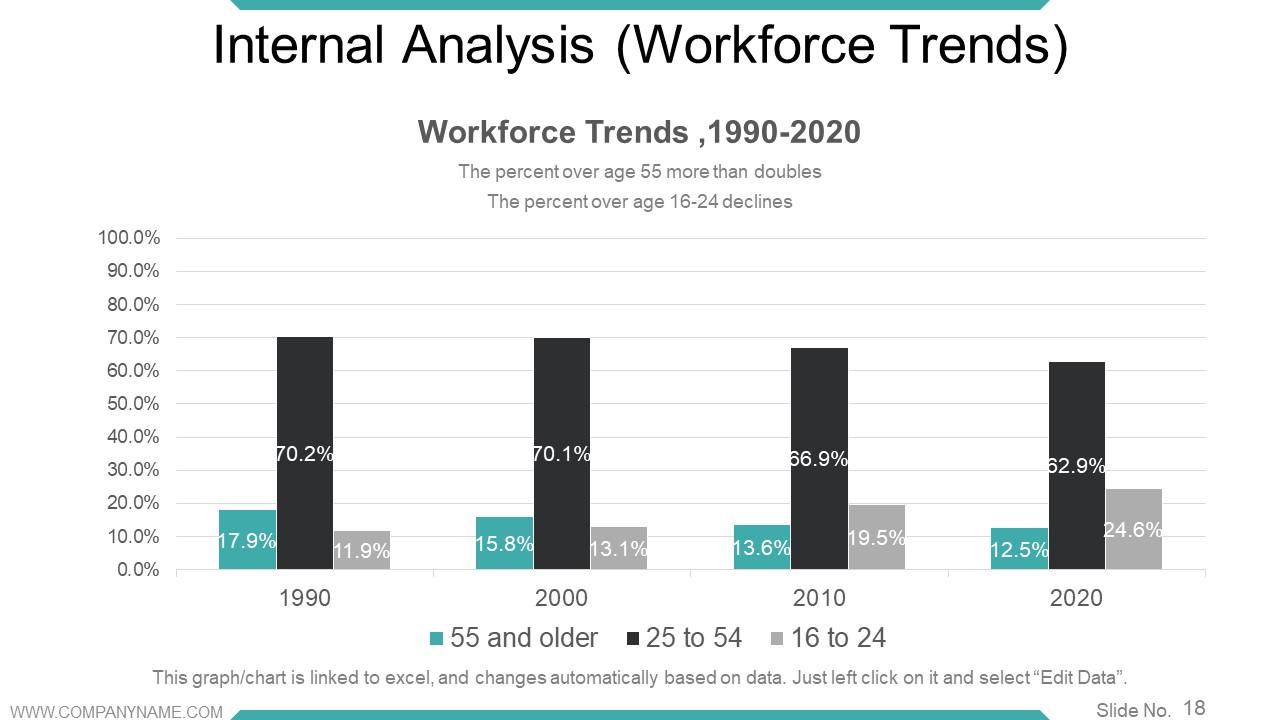
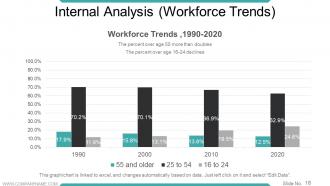
Slide 18: This slide showcases Internal Analysis (Workforce Trends) in a bar chart/ graph form.
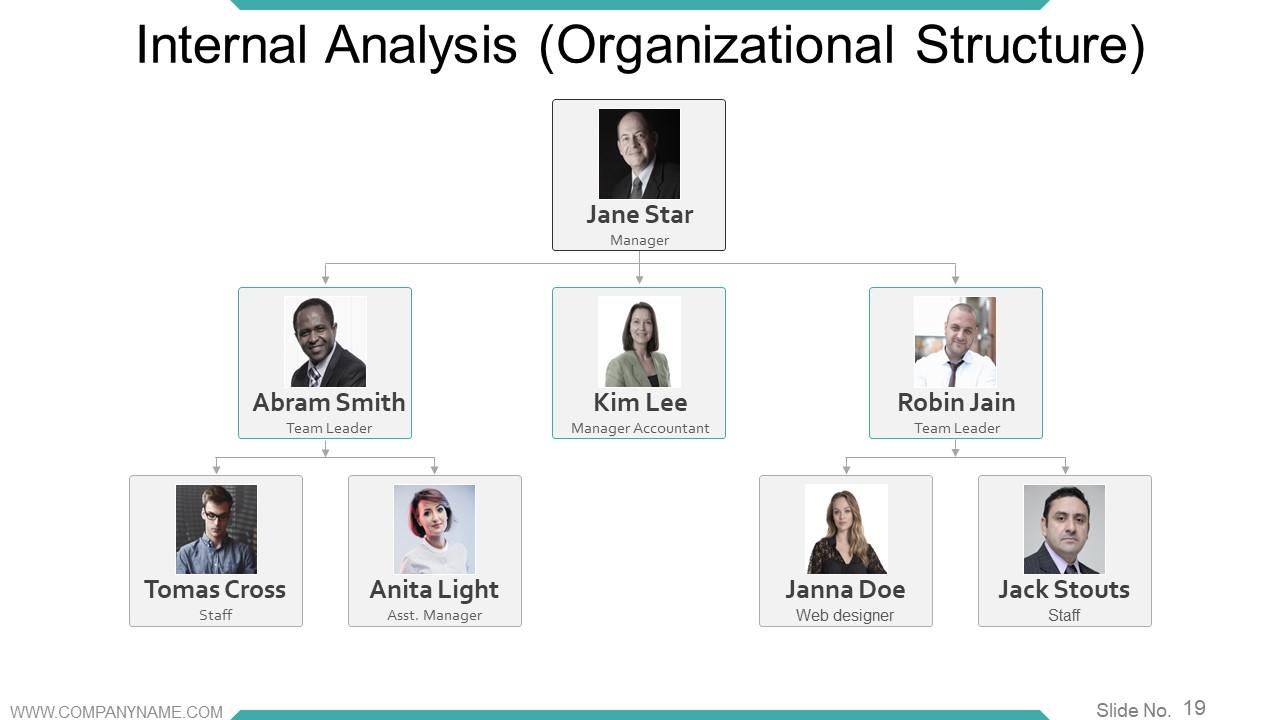
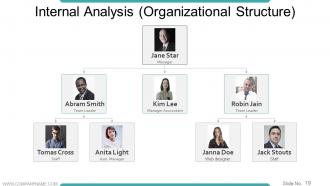
Slide 19: This slide showcases Internal Analysis (Organizational Structure) in a flow chart. Use it to show the hierarchy of your organization with name and designation.
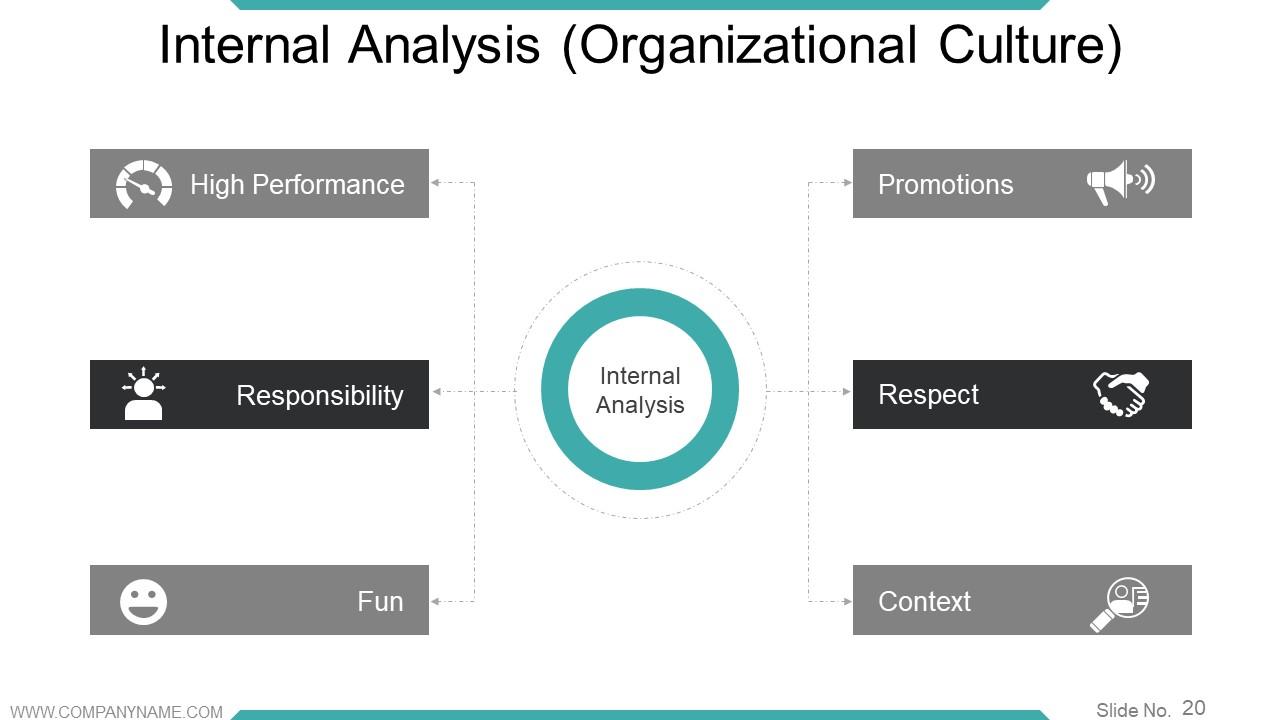
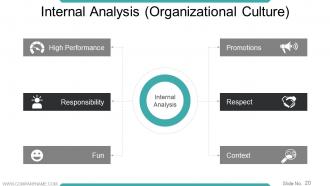
Slide 20: This slide shows Internal Analysis (Organizational Culture) with the following points- High Performance, Responsibility, Fun, Promotions, Respect, Context.
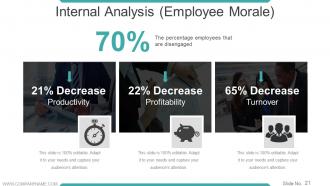
Slide 21: This is Internal Analysis (Employee Morale) slide showing- Productivity, Profitability, Turnover.
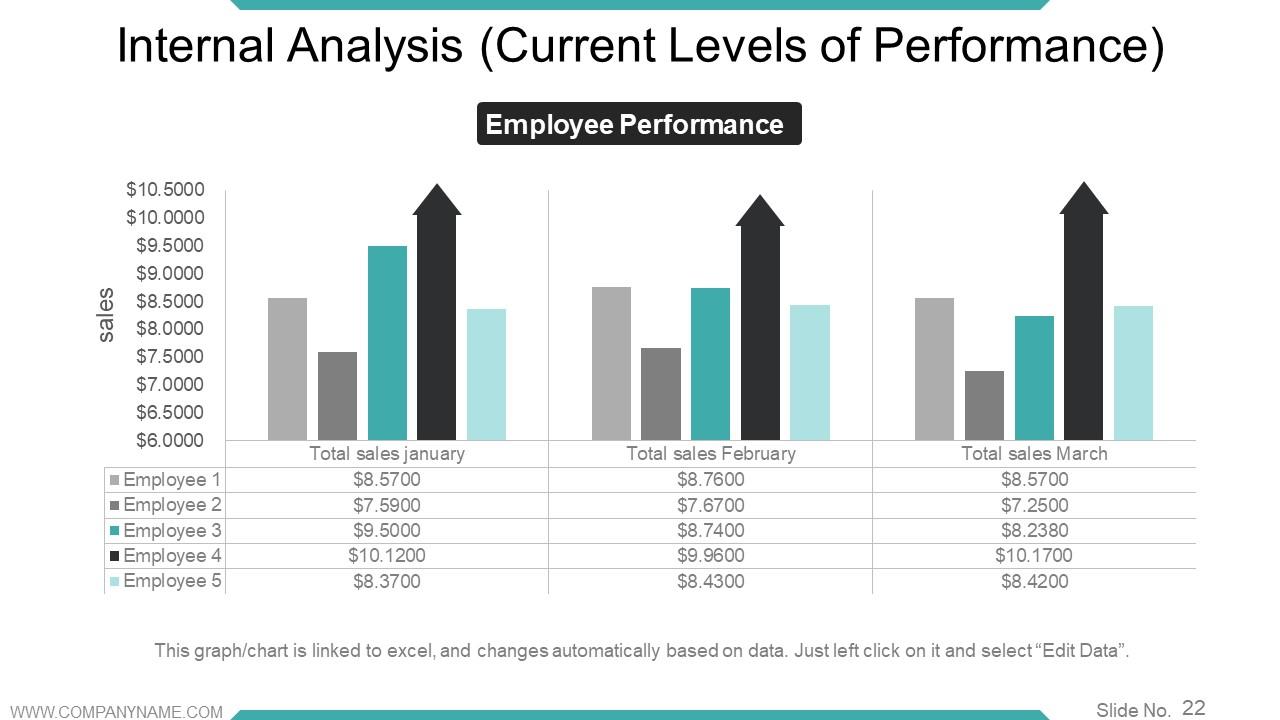
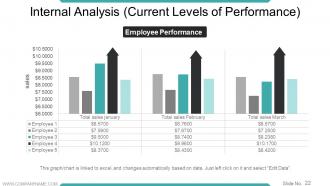
Slide 22: This slide states Internal Analysis (Current Levels of Performance) in a bar chart/ graph form. Use it to depict your Employee Performance.
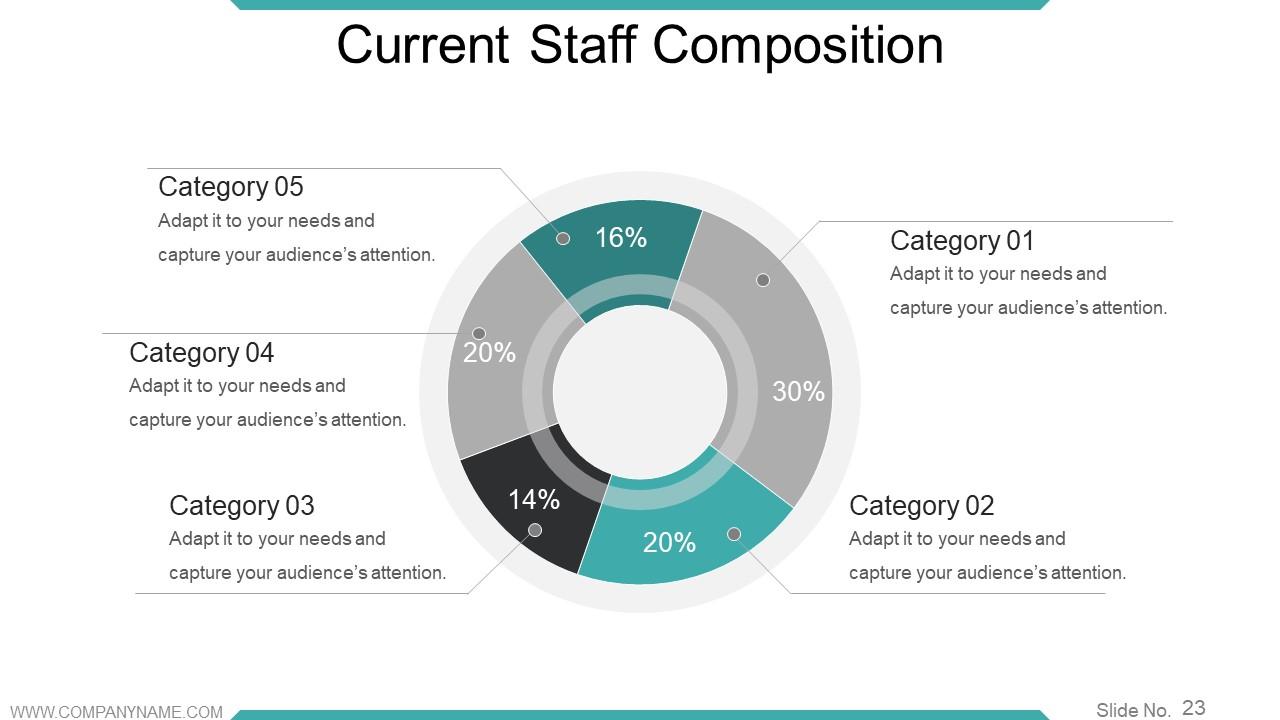
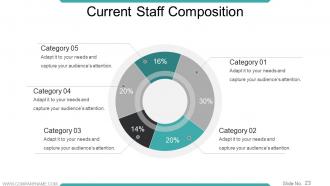
Slide 23: This is Current Staff Composition slide in a donut chart form.
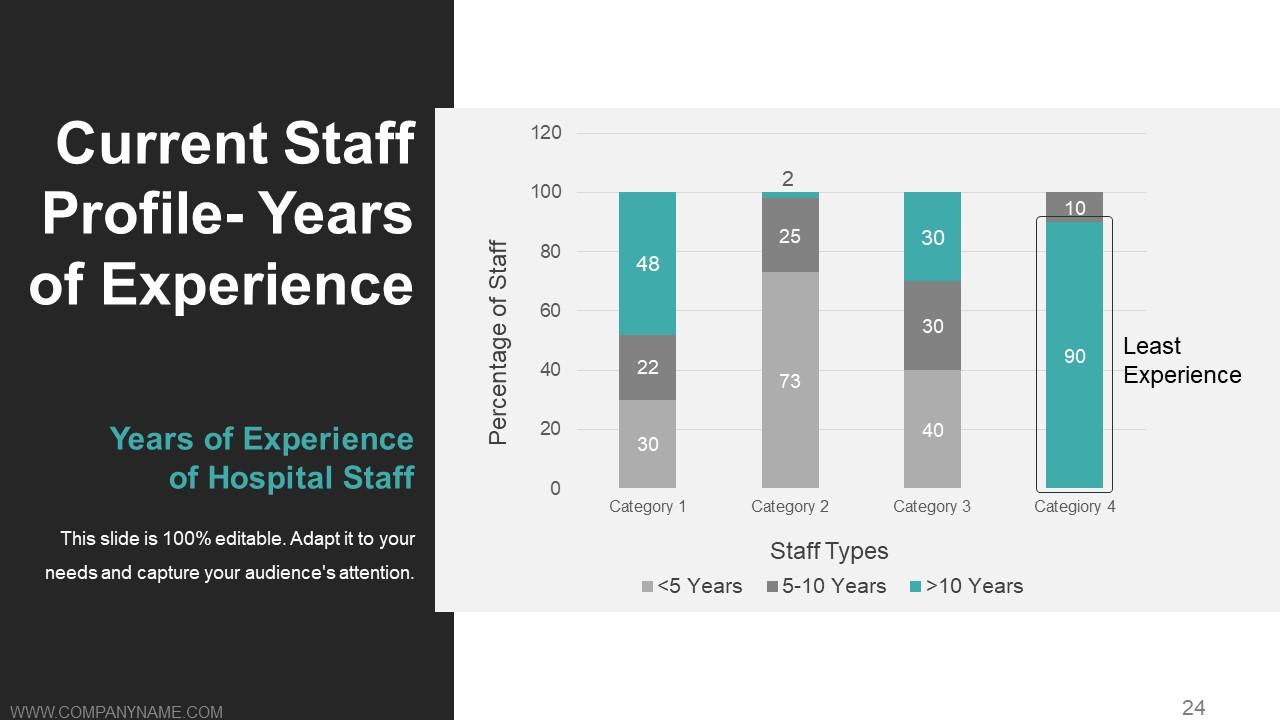
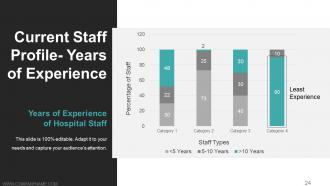
Slide 24: This is Current Staff Profile- Years of Experience slide in a bar chart/ graph form.
Slide 25: This is Assess Future Workforce Needs slide.
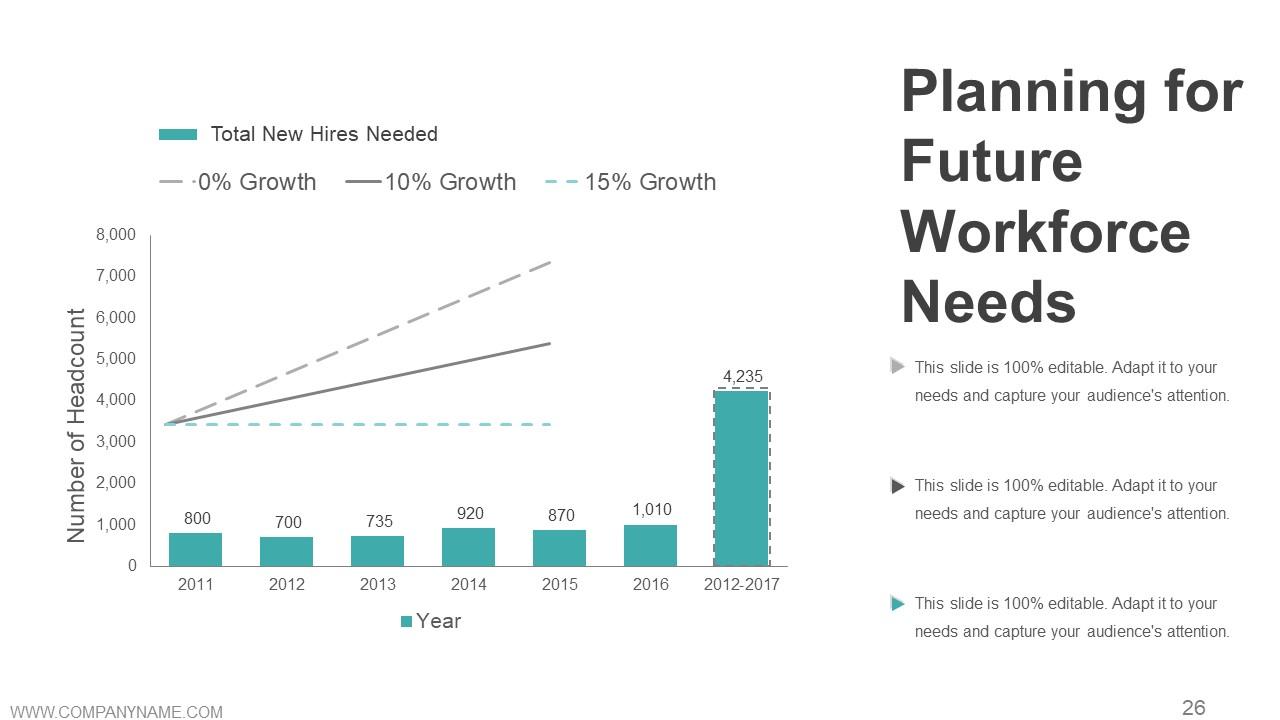
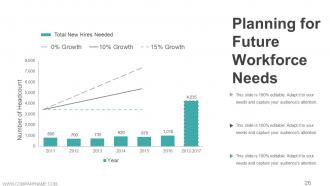
Slide 26: This slide showcases Planning for Future Workforce Needs in chart and graphs.
Slide 27: This slide shows the Gap Analysis.
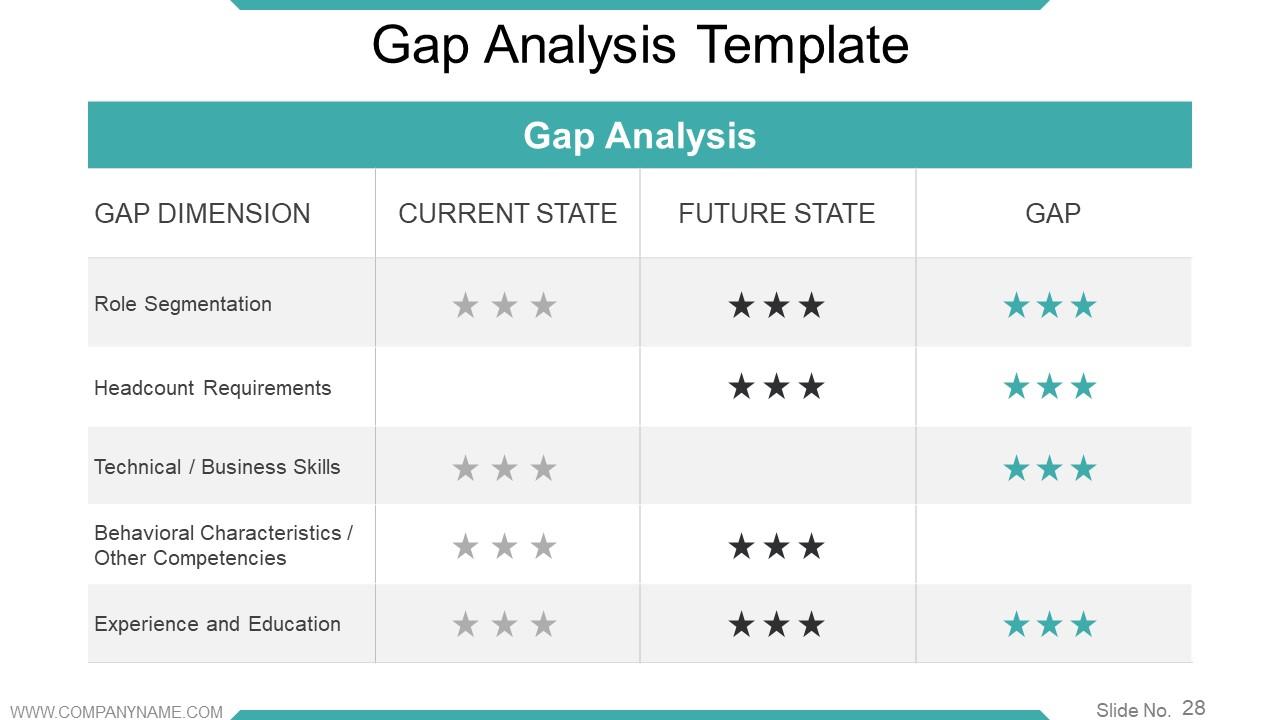
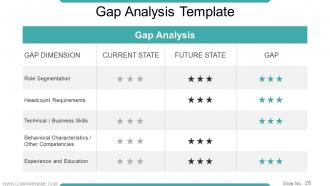
Slide 28: This is Gap Analysis Template slide. Use it to show Gap Analysis.
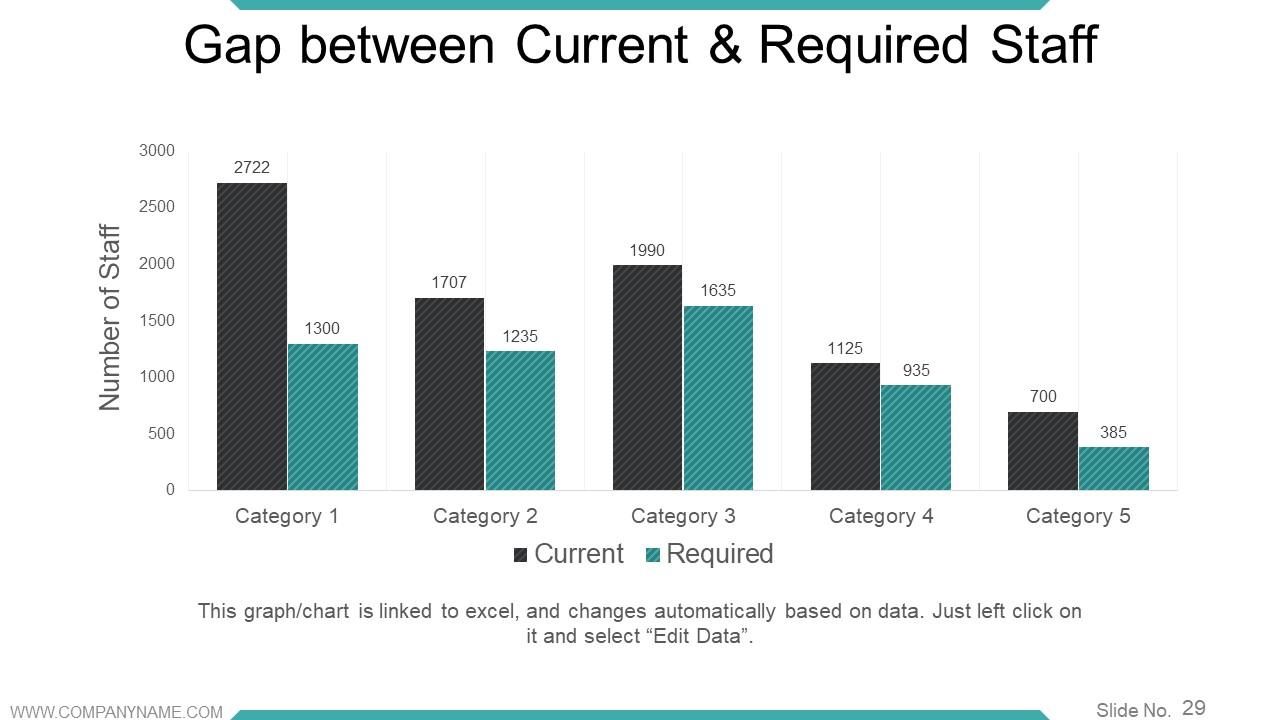
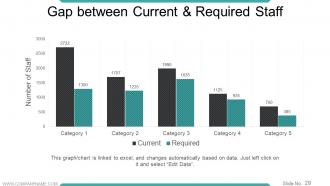
Slide 29: This slide showcases Gap between Current & Required Staff in a bar graph/ chart form.
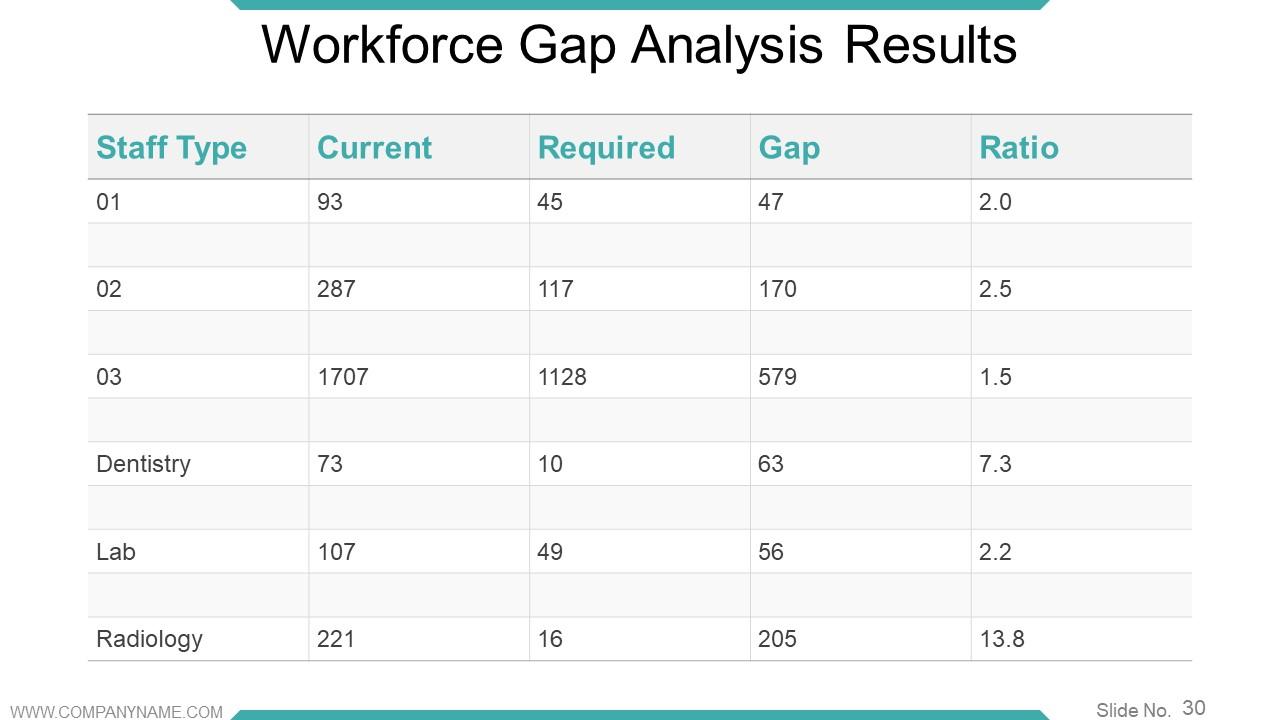
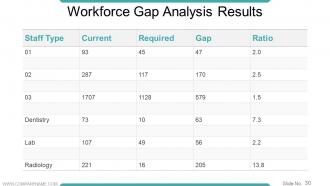
Slide 30: This slide displays Workforce Gap Analysis Results in a tabular form.
Slide 31: This slide states Workforce Action Planning.
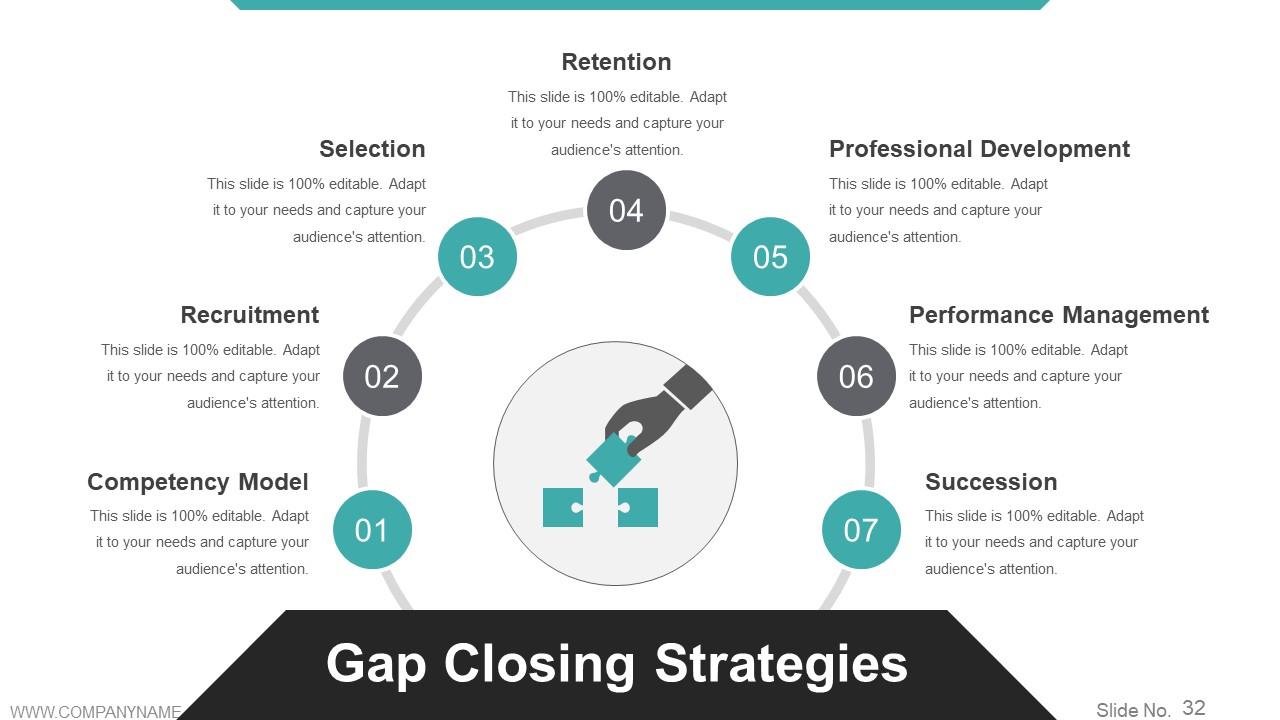
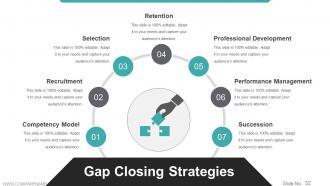
Slide 32: This slide showcases Gap Closing Strategies in a circular image form. These are- Succession, Performance Management, Professional Development, Competency Model, Recruitment, Selection, Retention.
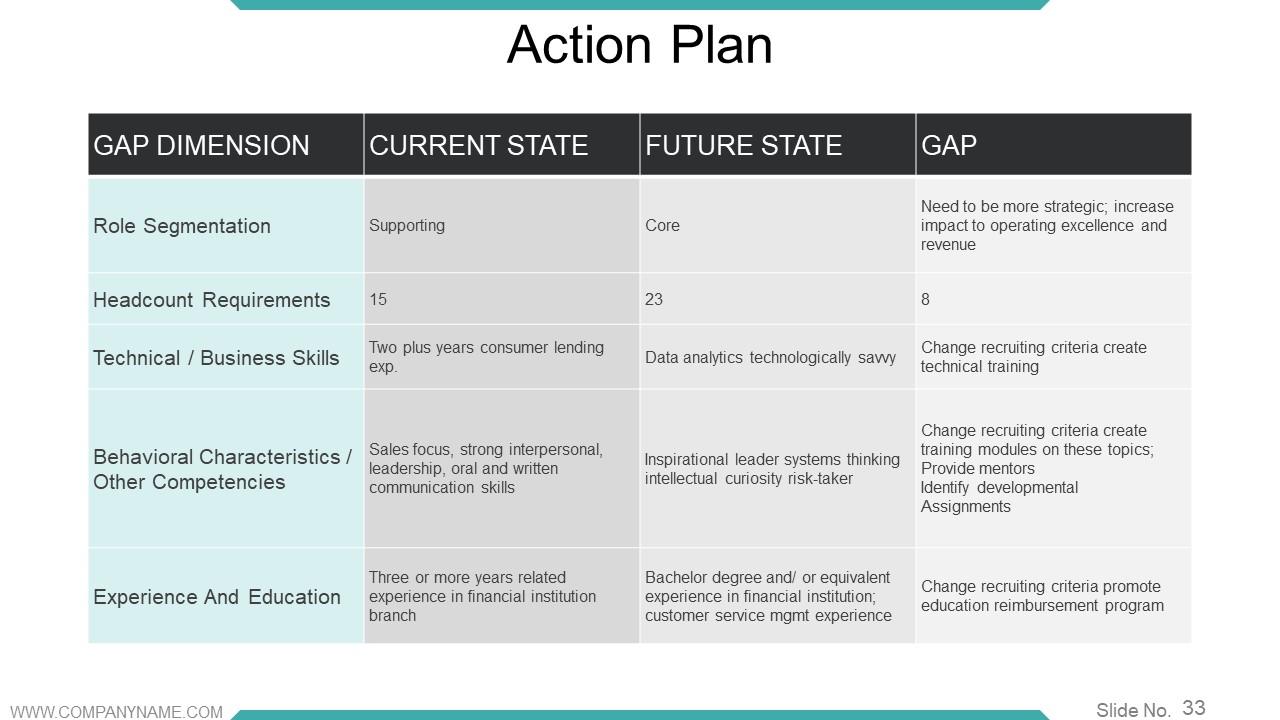
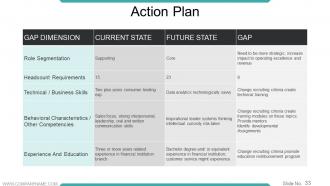
Slide 33: This slide showcases Action Plan with the following sub headings- GAP DIMENSION, CURRENT STATE, FUTURE STATE, GAP.
Slide 34: This is Execute & Monitor slide.
Slide 35: This is Icons slide to present various business icons. Use them as per your need and requirement.
Slide 36: This is titled Additional slides to move forward. You can change/ alter the image as per need.
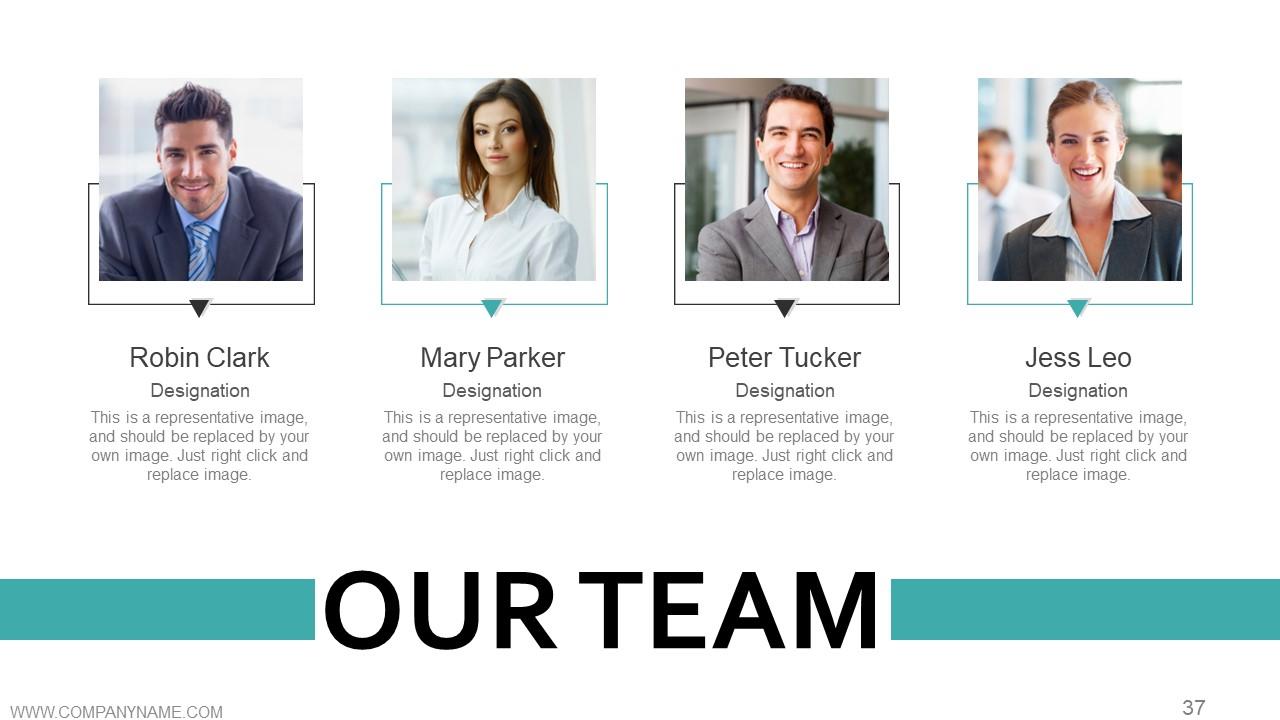
Slide 37: This slide showcases Our Team with name and designation to fill.
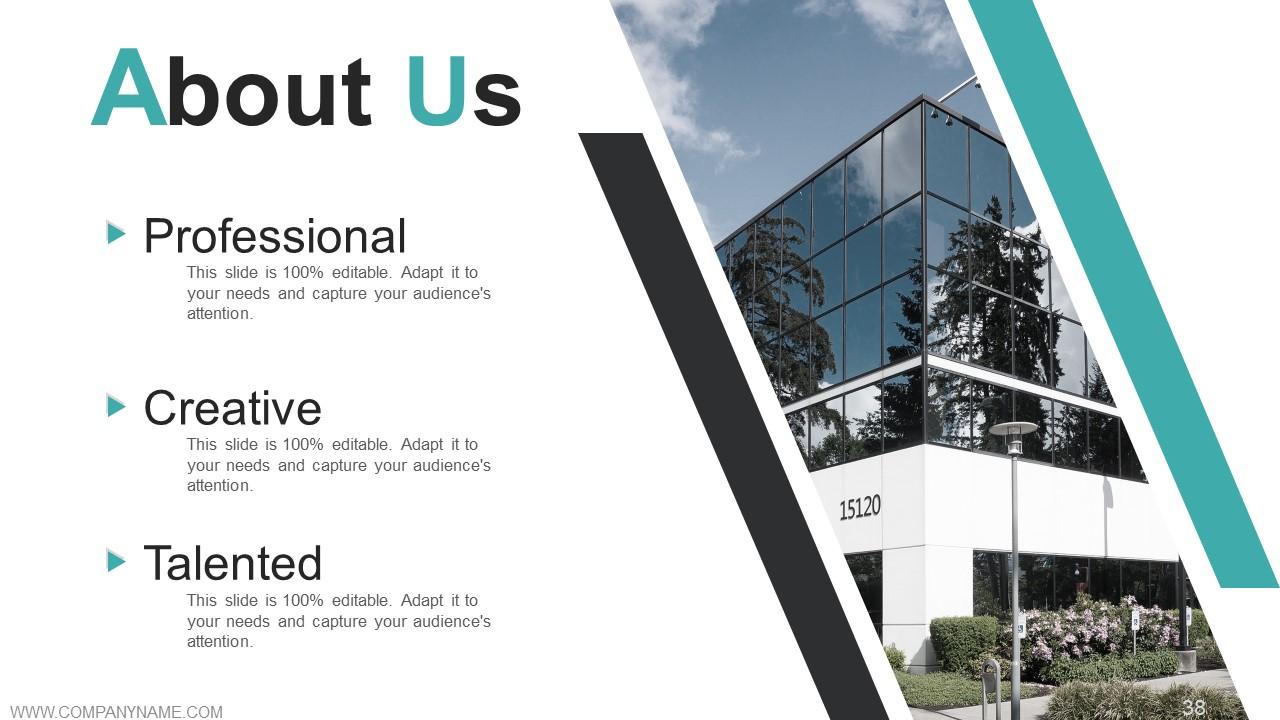
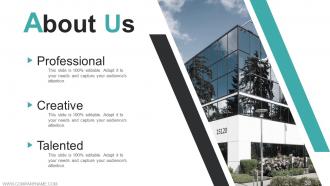
Slide 38: This is About Us slide with Professional, Creative and Talented as examples. Use it to state company/ team specifications, information etc.
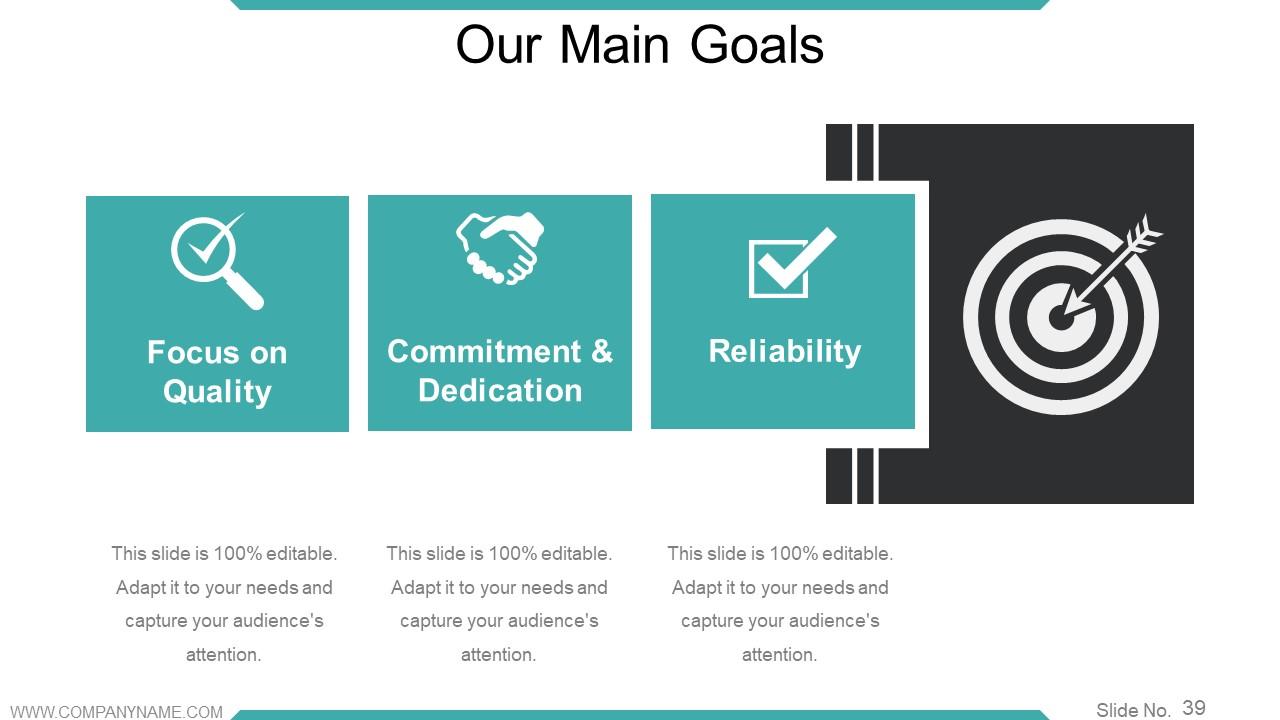
Slide 39: This is Our Main Goals slide with target and arrow imagery. Use it to show your goals, aspirations etc. here.
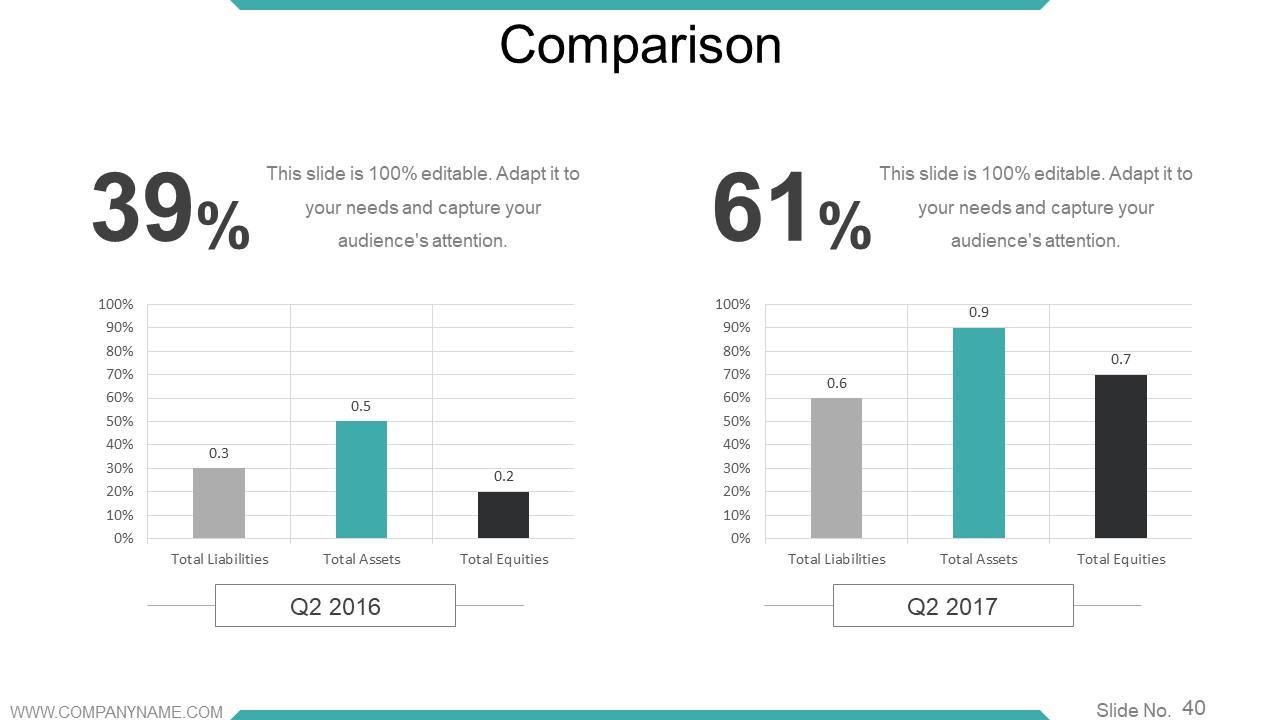
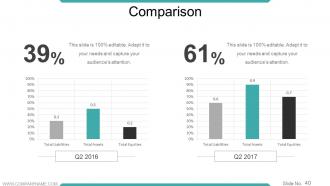
Slide 40: This is a Comparison slide in a bar chart/ graph form. State comparison between two products/ entities etc. here.
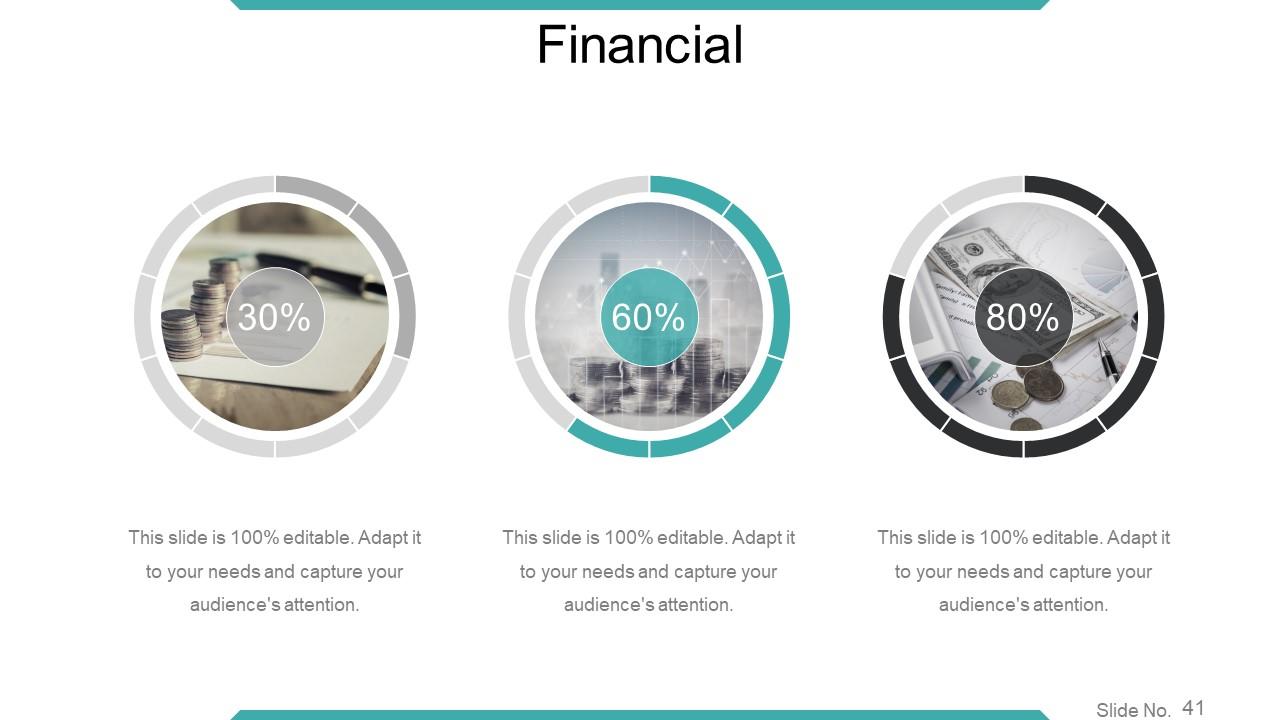
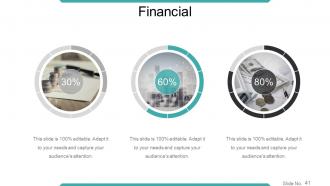
Slide 41: This slide is titled as Financials to state your financial aspects etc. here.
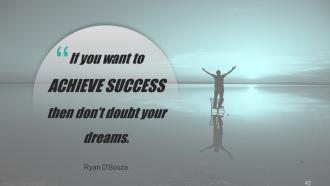
Slide 42: This is a Quote slide. You can add your quote here to convey company messages, beliefs etc.
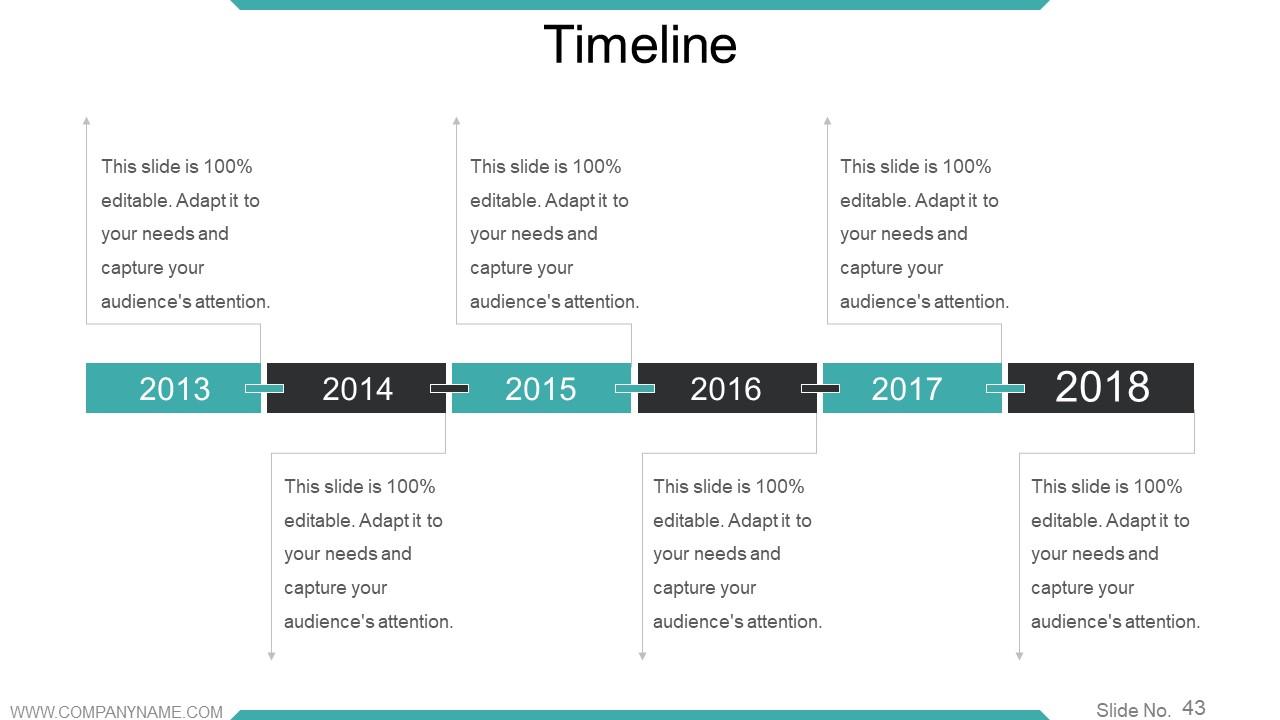
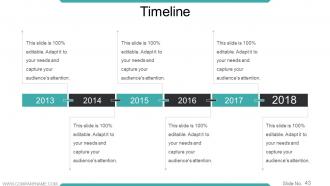
Slide 43: This is a Timeline slide to show growth, milestones, highlighting factors etc.
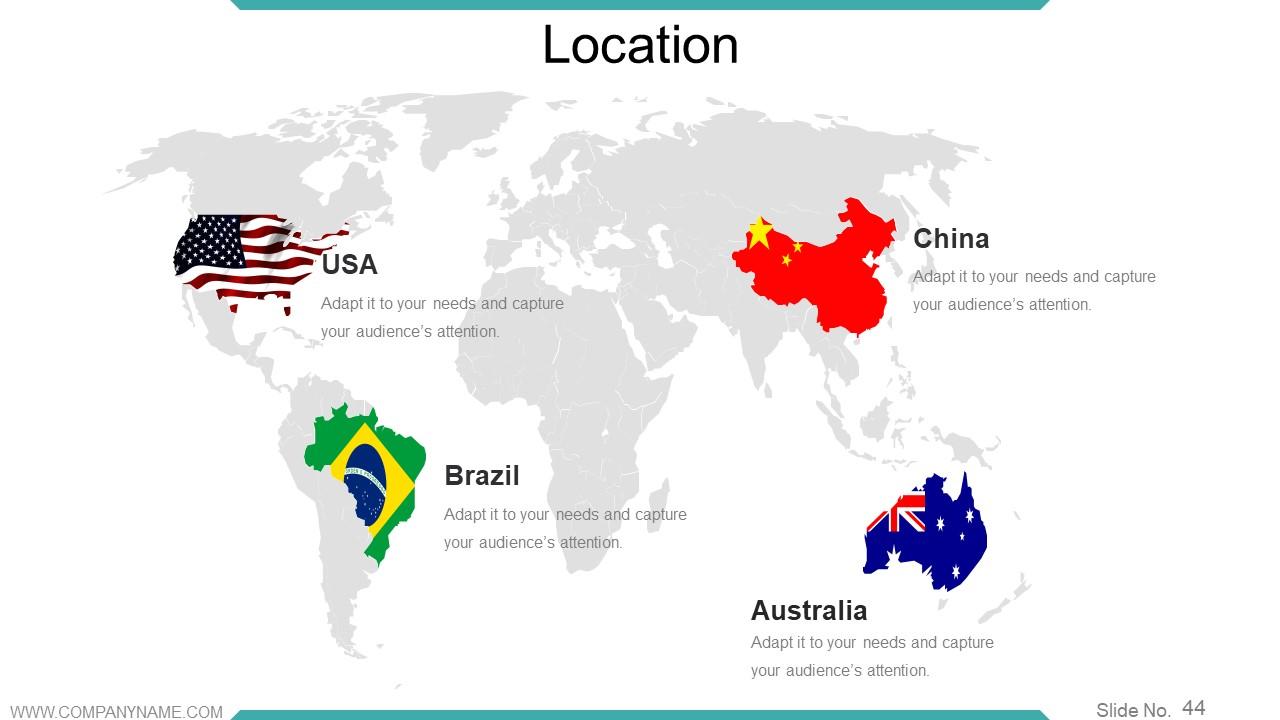
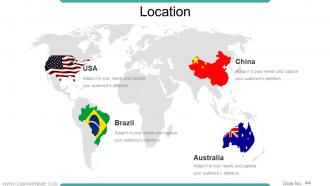
Slide 44: This is Location slide to show global growth, presence on world map image.
Slide 45: This is Important Notes slide to post important information, highlights etc.
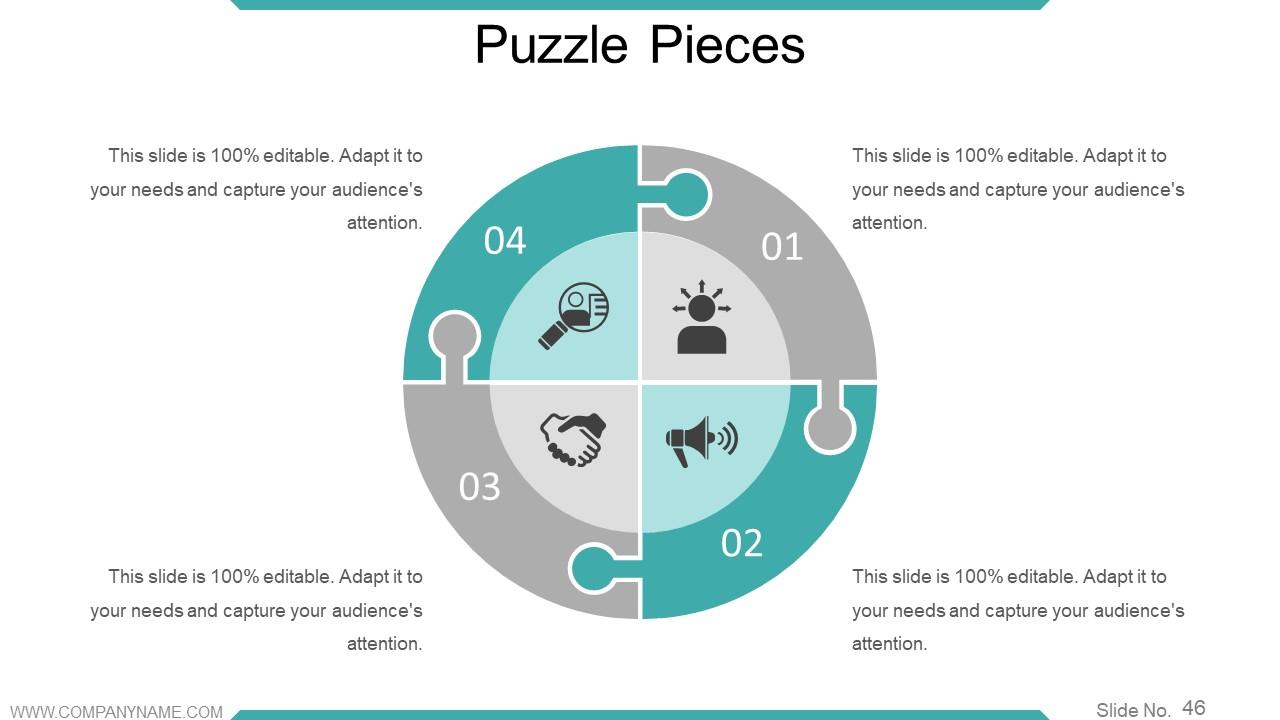
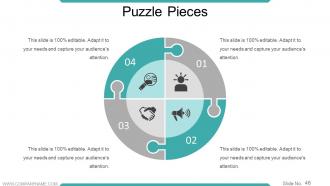
Slide 46: This is a Puzzle Pieces image slide to highlight or present important information.
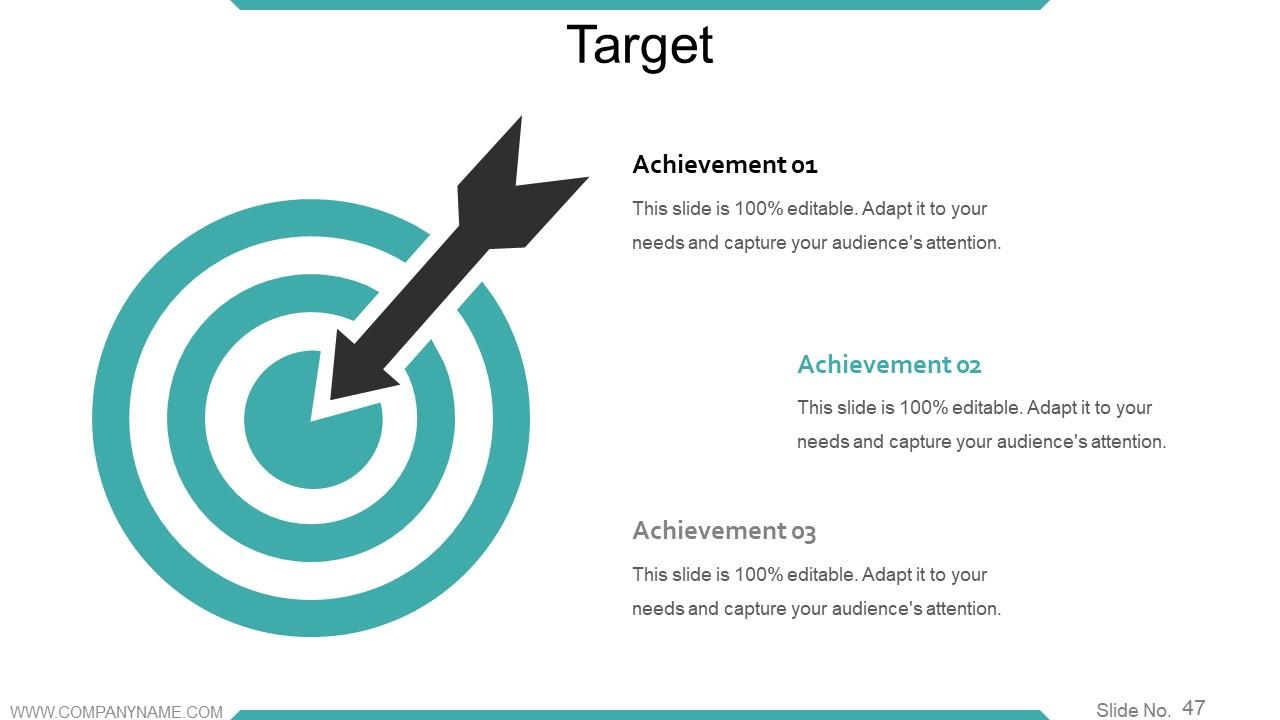
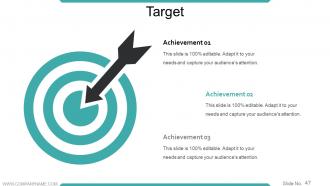
Slide 47: This is a Target slide with imagery. State your achievements, targets etc. here.
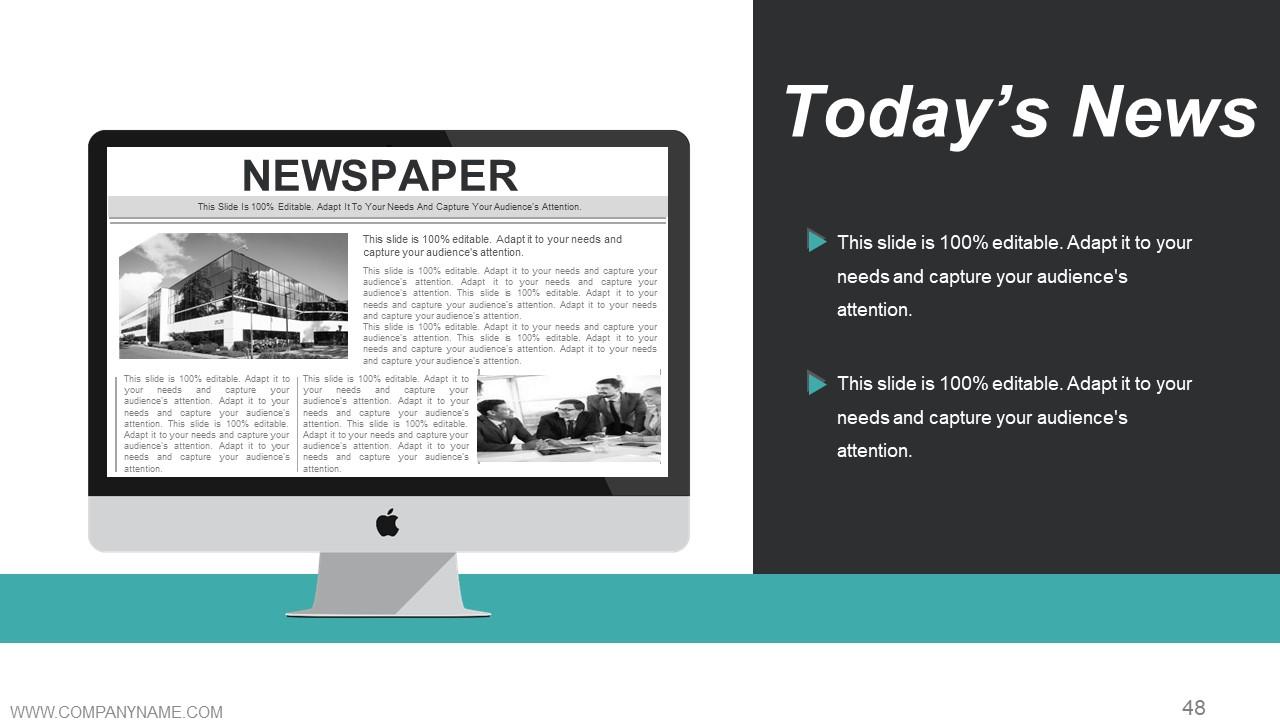
Slide 48: This is Newspaper slide to showcase or highlight important information, milestones etc.
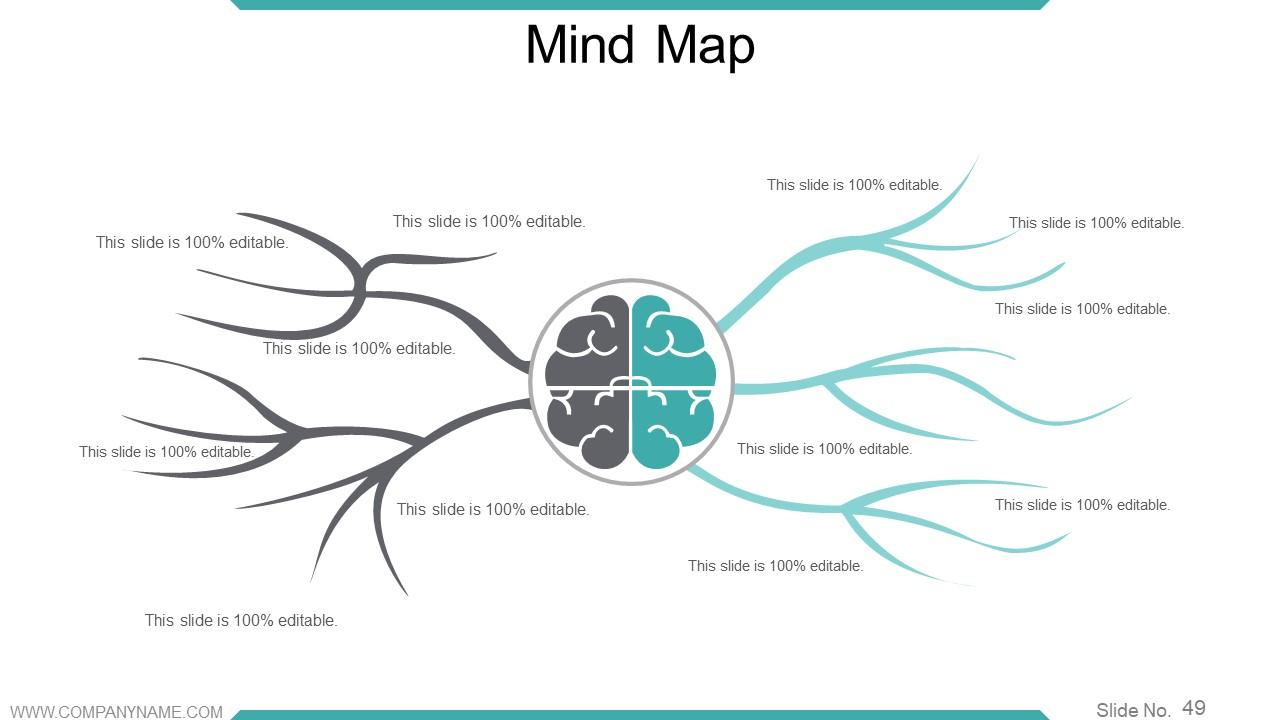
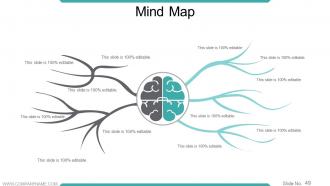
Slide 49: This is a Mind Map slide to show behavioural segmentation, information or anything relative.
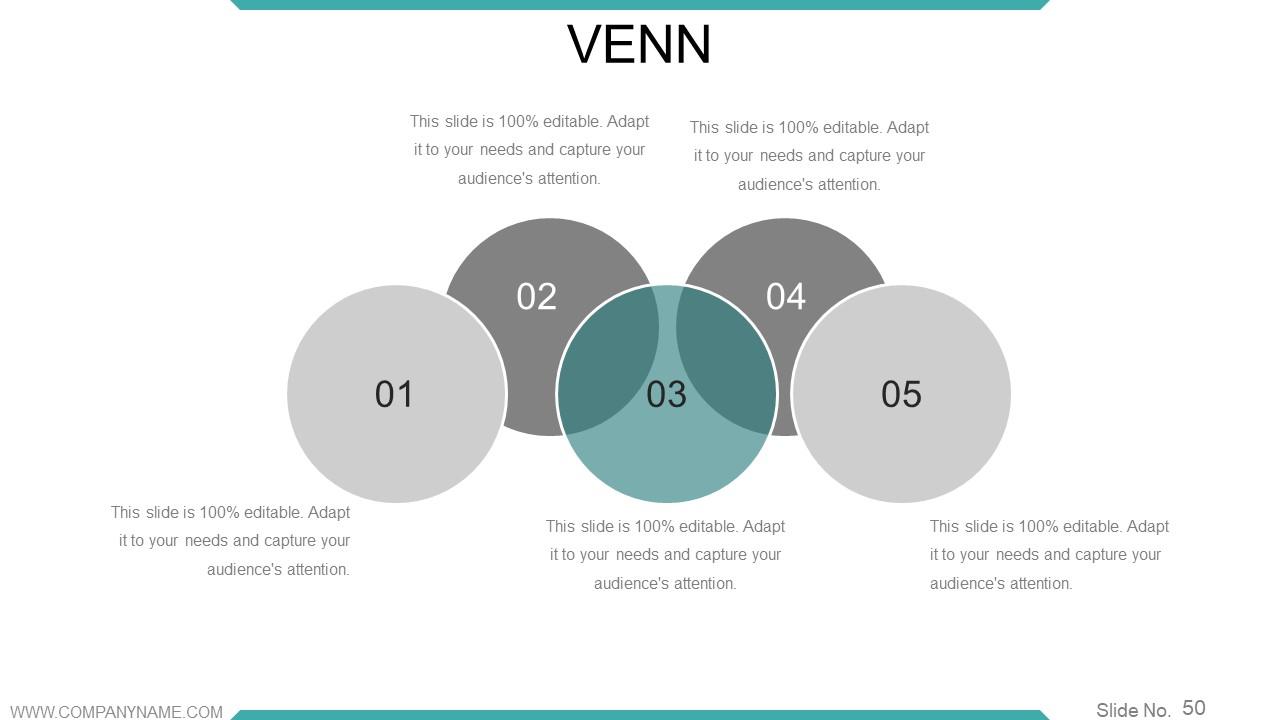
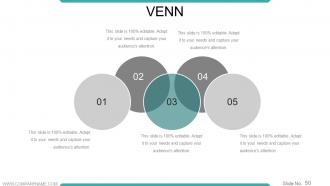
Slide 50: This is a Venn diagram slide to state product/ entity, information, specifications etc.
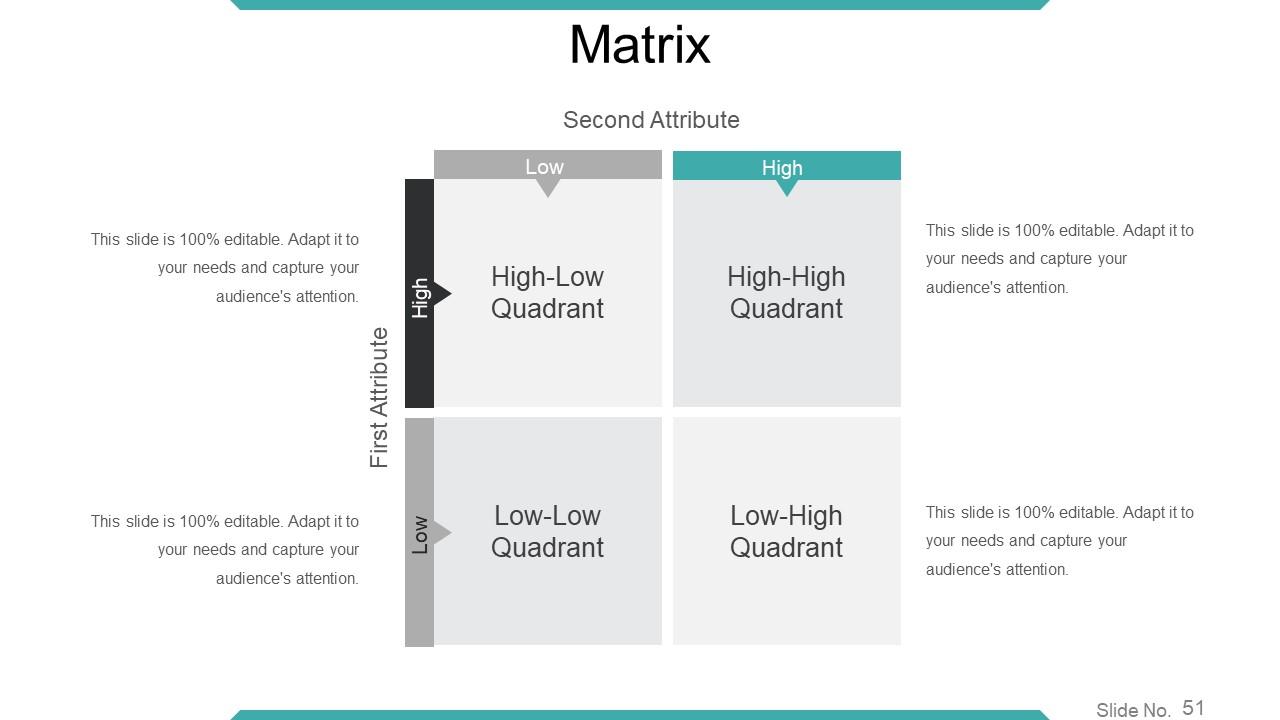
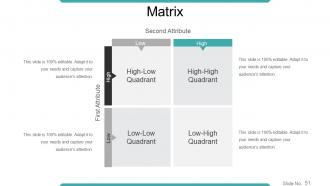
Slide 51: This is a Matrix slide. Use it to show information, specifications etc. here.
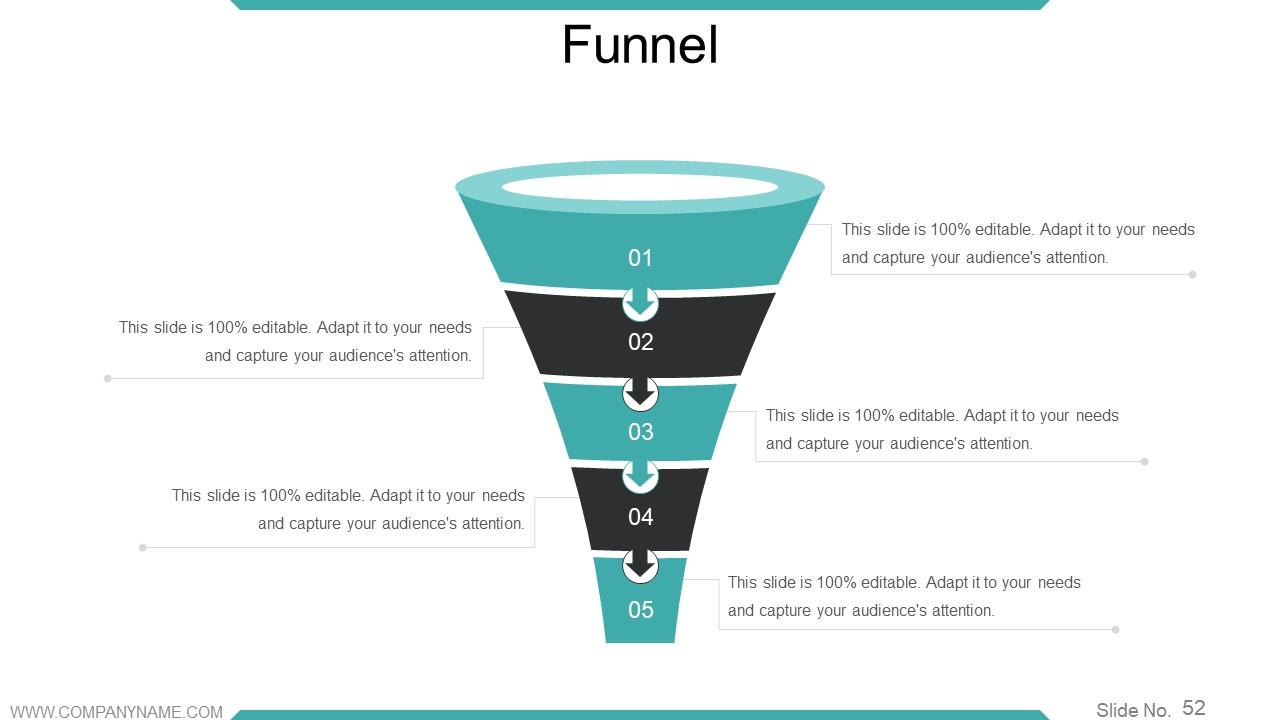
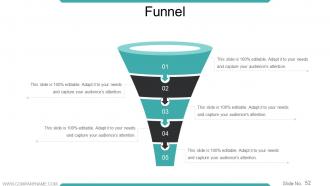
Slide 52: This is Funnel image slide to showcase funnelling aspects etc.
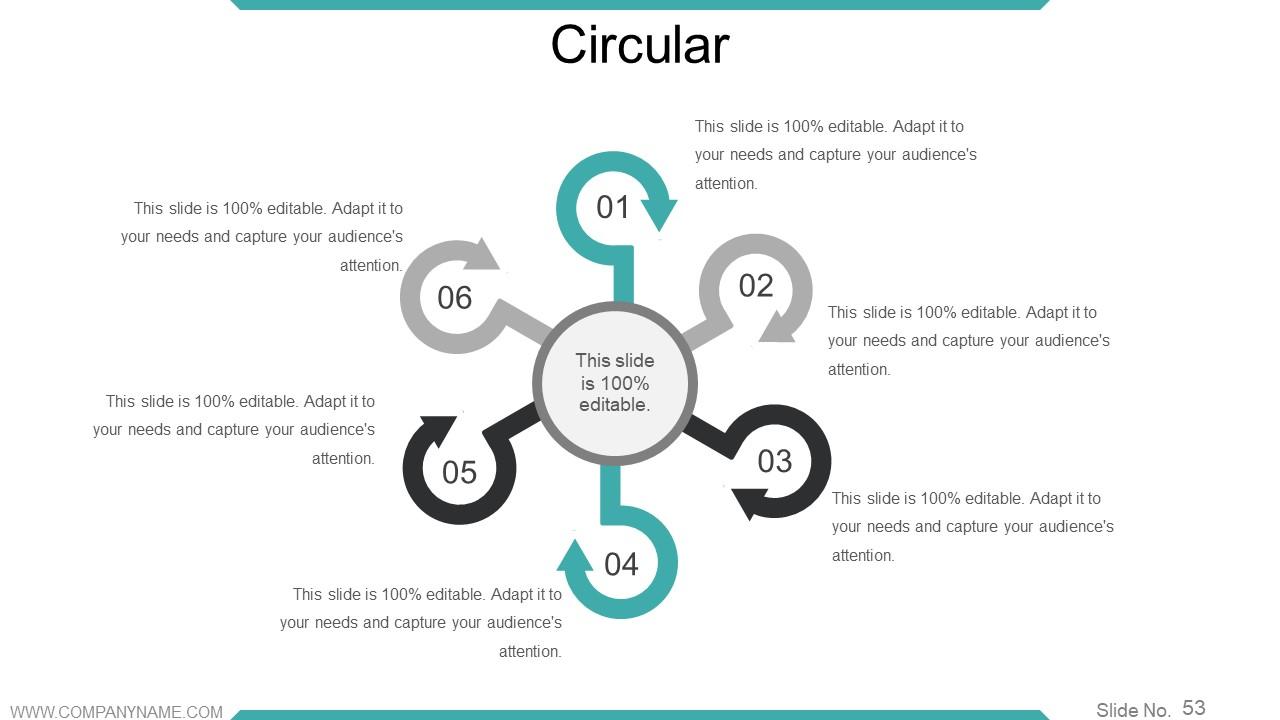
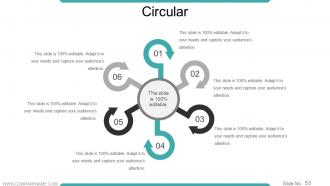
Slide 53: This is a Circular image slide to show information, specifications etc.
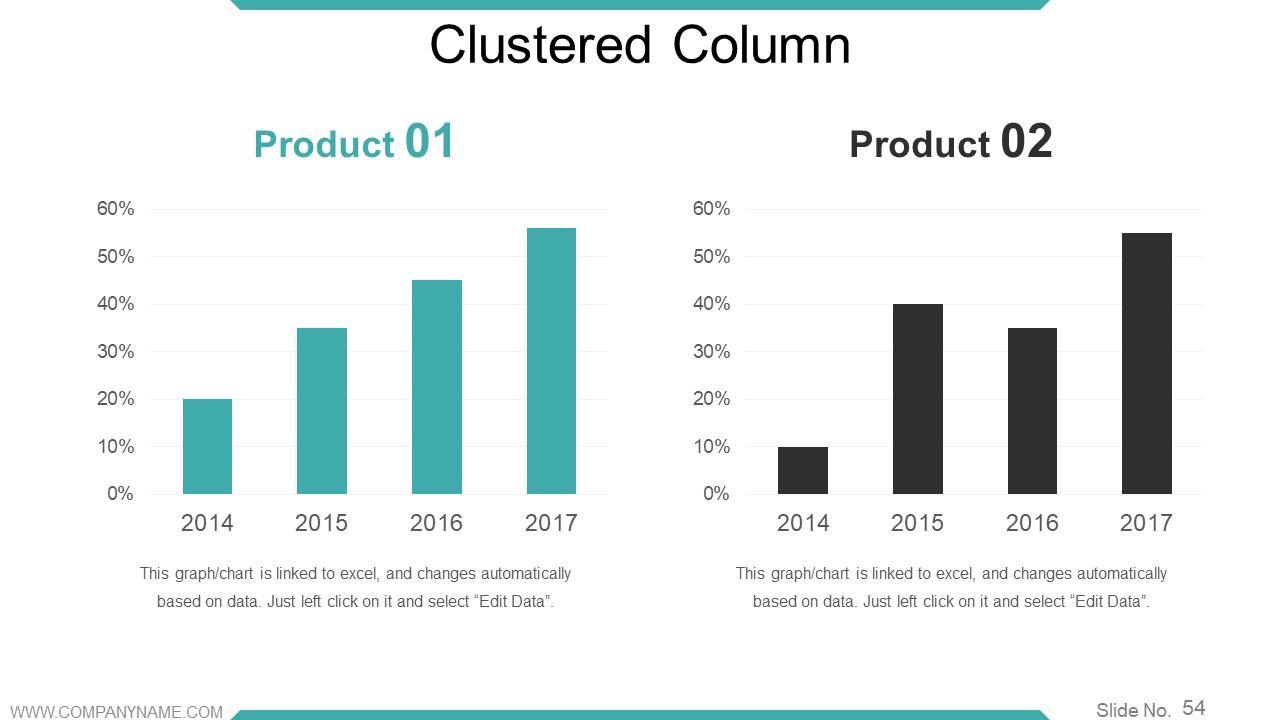
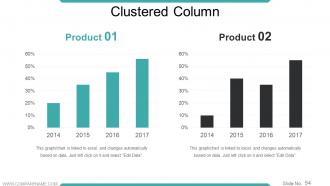
Slide 54: This is a Clustered Column slide to present product/entity comparison, specifications etc.
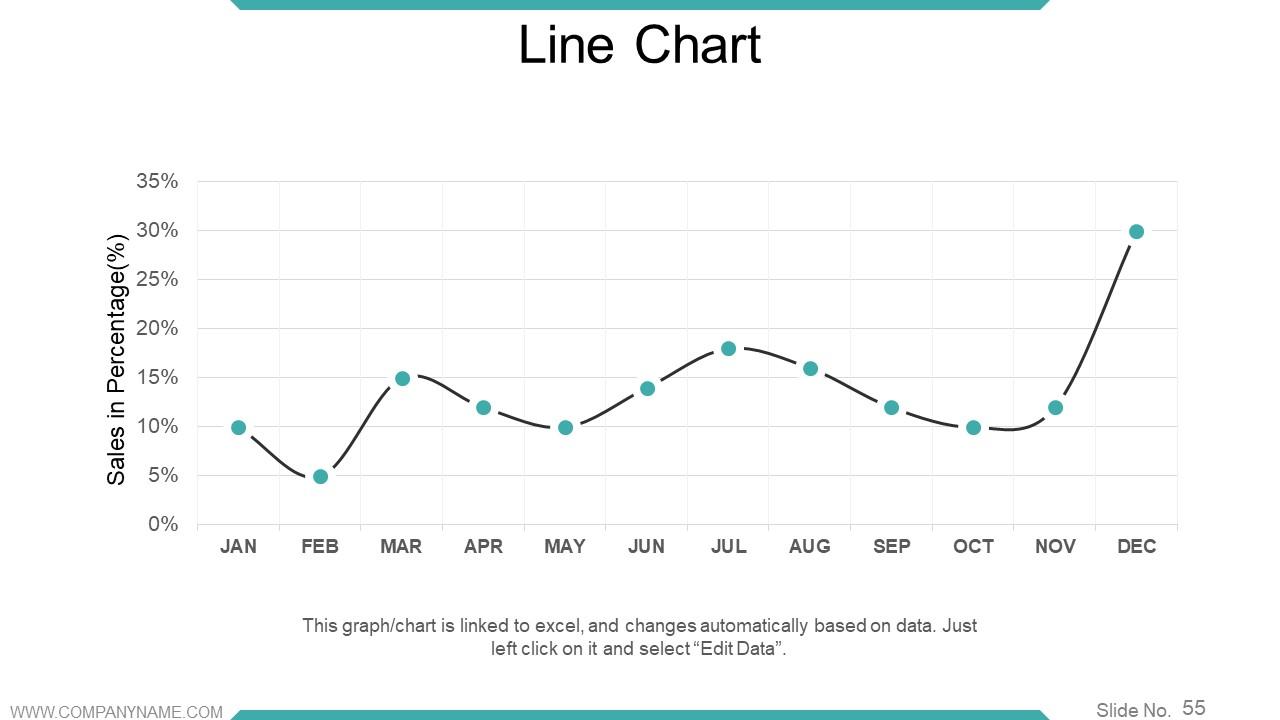
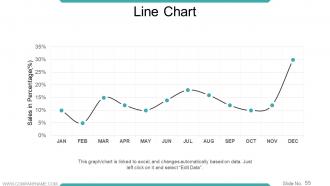
Slide 55: This is a Line Chart to present product/entity comparison, specifications etc.
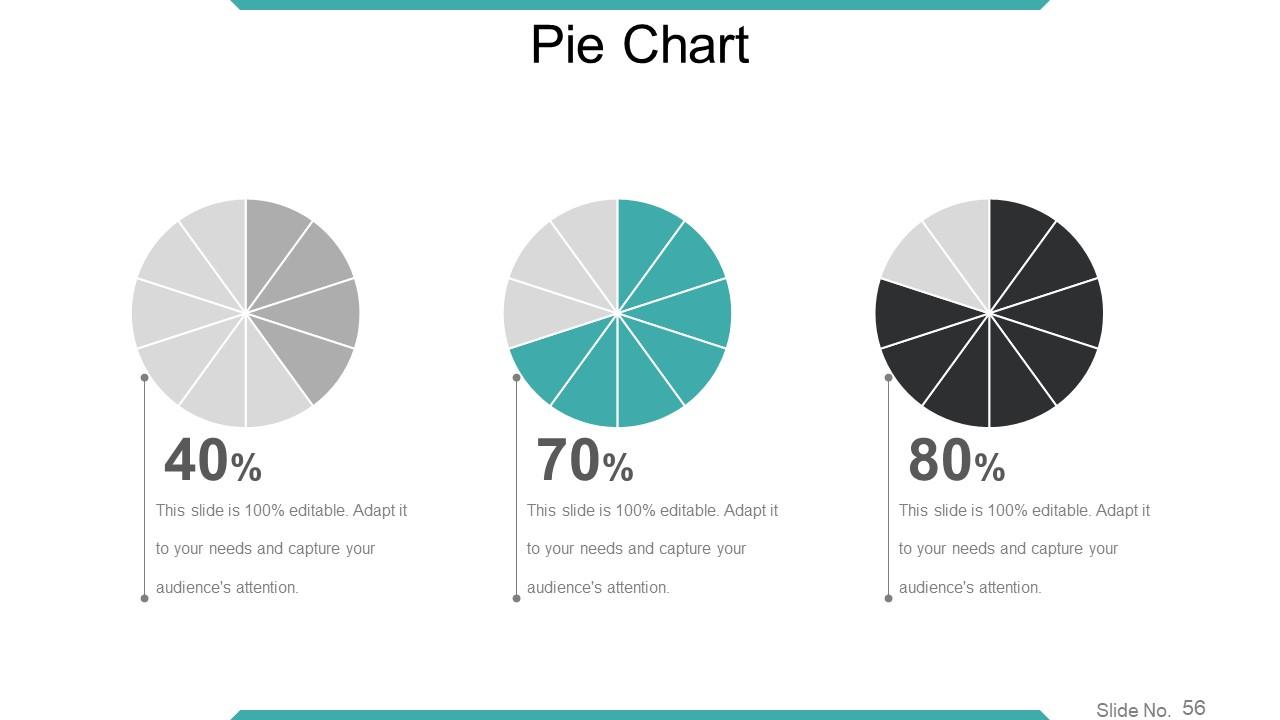
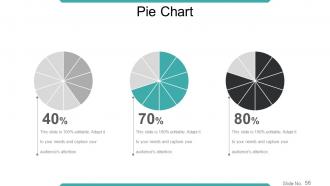
Slide 56: This is a Pie Chart to present product/entity comparison, specifications etc.
Slide 57: This is a Bar Graph image slide to show product comparison, growth etc.
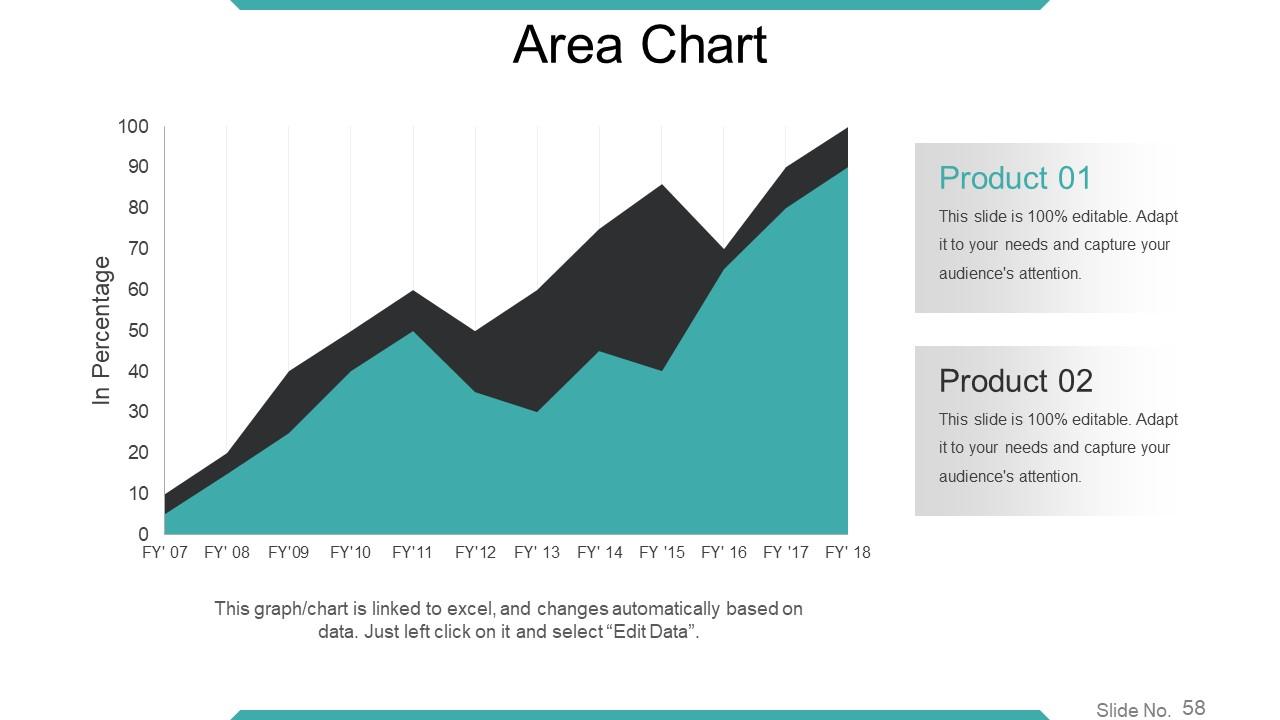
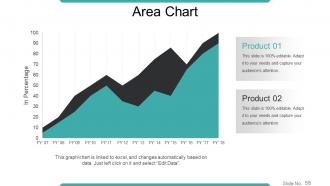
Slide 58: This is an Area Chart slide for product/entity comparison.
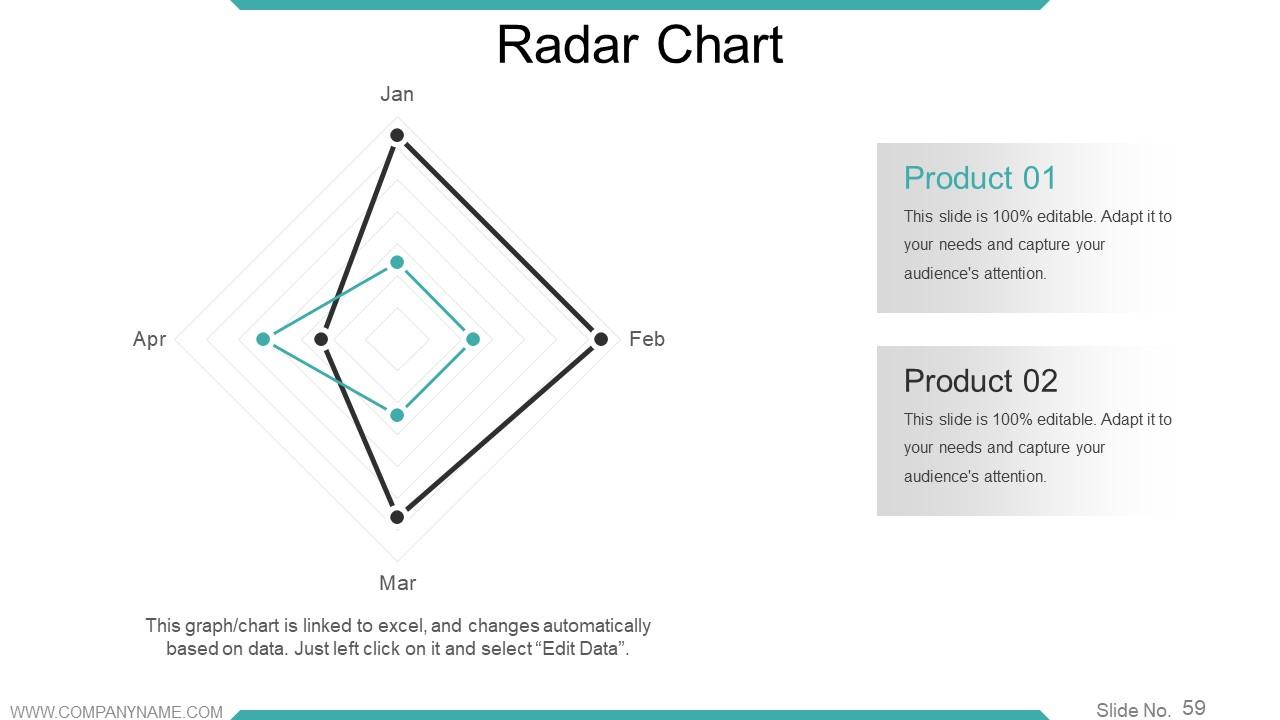
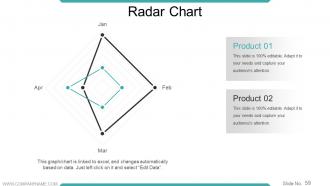
Slide 59: This is a Radar Chart slide for product/entity comparison.
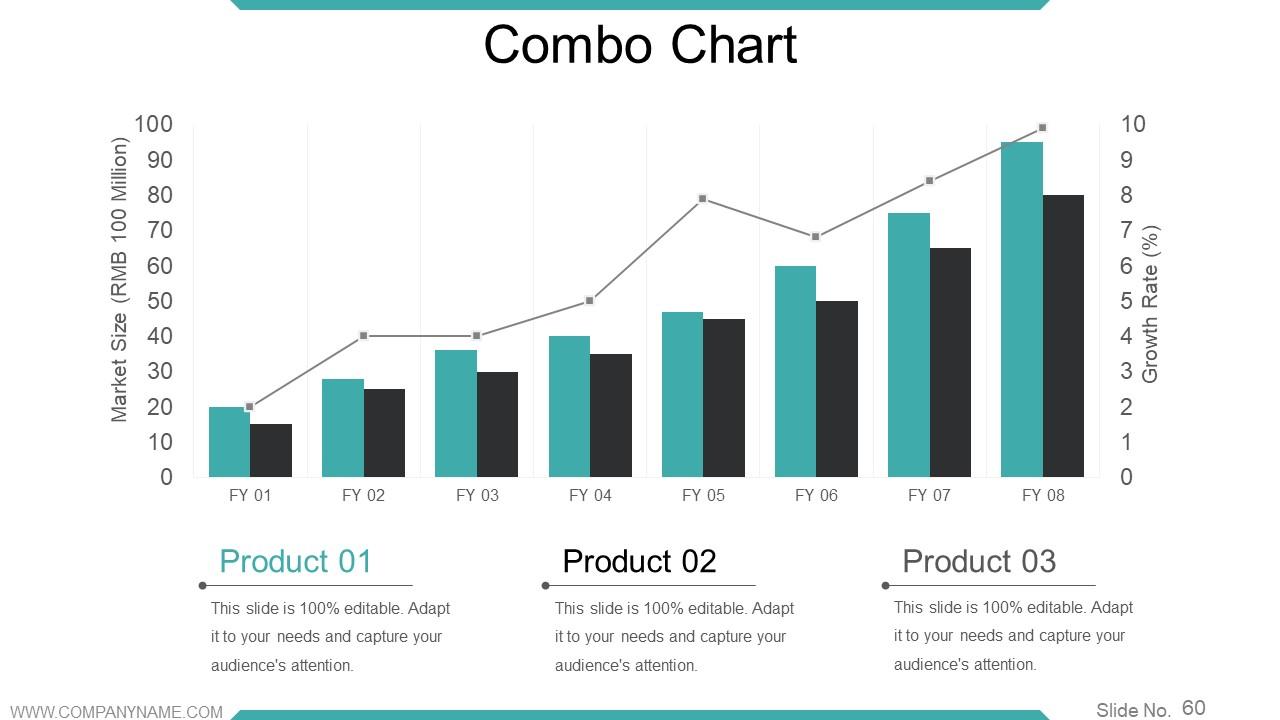
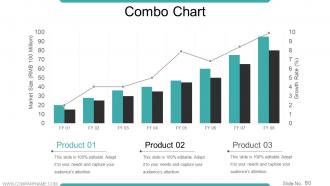
Slide 60: This is a Combo Chart to present product/entity comparison, specifications etc.
Slide 61: This is Contact Us slide with Email Address, Address# street number, city, state, Contact Numbers.
Slide 62: This is a Thank You slide for acknowledgement.
Workforce Trends In Human Resource Management Powerpoint Presentation Slides with all 62 slides:
Keep going on further with our Workforce Trends In Human Resource Management Powerpoint Presentation Slides. Your ideas will create better achievements.
-
Out of the box and creative design.
-
Excellent design and quick turnaround.
