


Strategic Human Resource Planning Powerpoint Presentation Slides





Try Before you Buy Download Free Sample Product
 Impress Your
 Audience
 100%
100% Editable
 Save Hours
 of Time


Our Strategic Human Resource Planning Powerpoint Presentation Slides are topically designed to provide an attractive backdrop to any subject. Use them to look like a presentation pro.
People who downloaded this PowerPoint presentation also viewed the following :
Content of this Powerpoint Presentation
Slide 1: This slide introduces Strategic Human Resource Planning. State Your Company Name and begin.
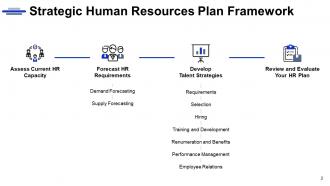
Slide 2: This slide presents Strategic Human Resources Plan Framework with categories as- Develop Talent Strategies, Assess Current HR Capacity, Forecast HR Requirements, Review and Evaluate Your HR Plan.
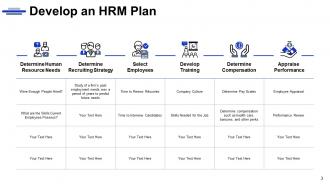
Slide 3: This slide displays Develop an HRM Plan describing in detail, the human resource plan through a step-by-step process.
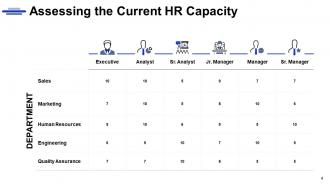
Slide 4: This slide represents Assessing the Current HR Capacity among different departments.
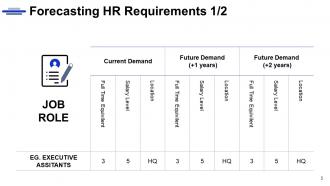
Slide 5: This slide showcases Forecasting HR Requirements with current and future demands.
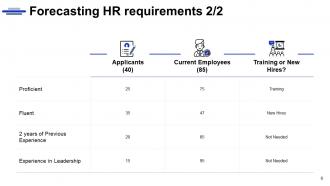
Slide 6: This is another slide for Forecasting HR Requirements.
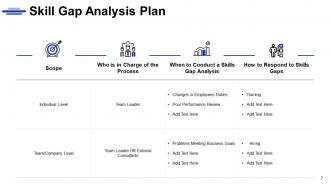
Slide 7: This slide shows Skill Gap Analysis Plan estimating the skills gap both at Individual & team level and also specify the remedial measures to be taken to fill the gap.
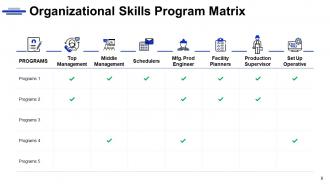
Slide 8: This slide presents Organization Skills Program Matrix where you can specify all the relevant skill programs you intend to undertake for filling the gaps and also specify the relevant audience for the program.
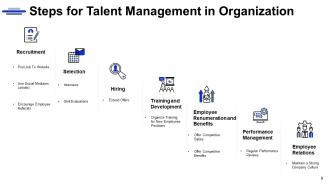
Slide 9: This slide displays Steps for Talent Management in Organization as- Recruitment, Selection, Hiring, Training and Development, Employee Renumeration and Benefits, Performance Management, Employee Relations.
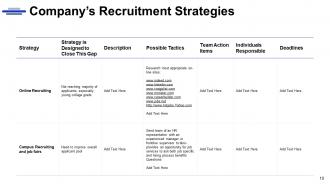
Slide 10: This slide represents Company’s Recruitment Strategic to prepare an action plan for conducting recruitment in organization.
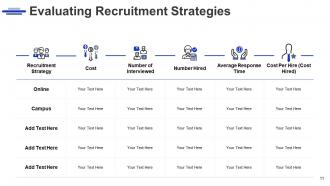
Slide 11: This slide showcases Evaluation Recruitment Strategies with categories as recruitment strategies, cost, number of interviewed, number hired, average response time and cost per hire.
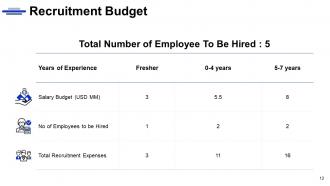
Slide 12: This slide specifies the company's Recruitment Budget.
Slide 13: This slide displays Strategic Human Resource Planning Icons.
Slide 14: This slide is titled as Post It Notes. Post your important notes here.
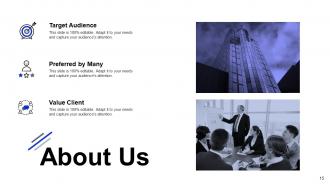
Slide 15: This is about us slide to show company specifications etc.
Slide 16: This is a Financial slide. Show your finance related stuff here.
Slide 17: This is Our Team slide with names and designation.
Slide 18: This is Our Mission slide with related imagery and text.
Slide 19: This is a Quotes slide to convey message, beliefs etc.
Slide 20: This is Our Target slide. State your targets here.
Slide 21: This is a Venn slide with text boxes.
Slide 22: This is a Blub or Idea slide to state a new idea or highlight information, specifications etc.
Slide 23: This slide displays Magnifying Glass with text boxes.
Slide 24: This is a Timeline slide. Show information related with time period here.
Slide 25: This is a Thank You slide with address, contact numbers and email address.
Strategic Human Resource Planning Powerpoint Presentation Slides with all 25 slides:
Use our Strategic Human Resource Planning Powerpoint Presentation Slides to effectively help you save your valuable time. They are readymade to fit into any presentation structure.
FAQs for Strategic Human Resource Planning
So you'll want to start by figuring out what skills your team has right now, then compare that to what you'll actually need down the road. Look at your current people - their skills, experience levels, all that stuff. Then try to predict future needs based on where the business is headed (honestly, this part's always a guessing game). Once you spot the gaps, you can make plans for hiring, training people up, or figuring out who might replace key folks when they leave. My advice? Don't go crazy trying to do this for everyone at once. Pick one department first and see how it goes.
So strategic HR planning is basically matching your people strategy to whatever your business wants to do. You need the right skills when you need them - sounds obvious but most companies mess this up. If you're expanding into new markets, you're either hiring people who know that space or training your current team. I'd start by talking to leadership about their 3-5 year vision (good luck getting a straight answer there), then figure out what talent gaps you'll have. Map out your workforce planning and development programs around that direction. It's actually pretty simple once you stop overthinking it.
So workforce analytics is basically using data instead of just winging your HR decisions. Pretty useful for catching turnover before people actually quit, spotting skill gaps early, that kind of thing. You can see which teams are getting burned out or what keeps your top people around - honestly way better than the old "gut feeling" approach. Think of it like having actual numbers behind your workforce planning instead of just crossing your fingers. I'd say start with maybe 3-4 metrics that actually matter to your business, then expand once you get the hang of it.
So talent acquisition is like the backbone of your whole HR strategy - you're getting the right people to actually hit those business targets. Instead of just scrambling to fill whatever's open, you're thinking ahead about what skills you'll need in 6-12 months. Growth plans, retirements, market shifts - all that stuff factors in. Honestly, it beats the hell out of panic hiring when someone quits unexpectedly! Work with your leadership team to map out future needs first. Then you can build your pipeline and brand around attracting those specific people before you're desperate. Start by asking department heads what their teams should look like next year.
Honestly, don't even try to predict what's coming - you'll just drive yourself crazy. Instead, map out 2-3 possible scenarios for your industry and figure out what skills you'd need for each. Keep an eye on tech trends, what competitors are doing, regulatory stuff. Cross-train your people and maybe partner with freelancers so you're not stuck with one rigid structure. I learned this the hard way - annual planning is basically useless now. Check in quarterly instead and be ready to pivot. It's way better than scrambling when things inevitably go sideways.
Honestly, you've gotta track both the stuff that predicts problems and the stuff that shows results after the fact. Turnover rates are huge - also time-to-fill positions, internal promotion rates, engagement scores. I'm big on succession planning coverage too, plus skills gap analysis. Those two really show if you're being proactive instead of just scrambling when someone quits. Revenue per employee and training ROI help prove to leadership that HR isn't just a cost center, you know? My advice? Pick 3-4 metrics that match your biggest headaches right now, then add more later.
Start with figuring out what'll bite you - talent shortages, people leaving, skills gaps, compliance headaches. Build backup plans around those. I do quarterly workforce reviews to catch warning signs early (way better than panicking later). Succession planning is huge for key roles. Also diversify where you find talent - don't put all your eggs in one recruiting basket, you know? Oh, and make risk assessment a regular thing, not something you scramble through during a crisis. Honestly, most companies wait too long and then wonder why they're caught off guard.
First thing - figure out who actually cares about this stuff succeeding. Department heads, finance people, senior leadership, plus those employees who really get how things work day-to-day. Don't just send them drafts for feedback later (trust me on this one). Bring them into working sessions from the start because honestly, people will fight for something they helped build. Finance wants ROI numbers, operations cares about productivity - speak their language with data that matters to them. Oh, and set up regular check-ins throughout, not just those big milestone meetings. You want co-owners, not people rolling their eyes at "your strategy."
Honestly, treat D&I like any other business goal - with real metrics and deadlines. Don't just say "we value diversity" and call it a day. Set actual targets like boosting leadership diversity by 30% in two years, then tie those numbers to performance reviews and bonuses. Track representation at every single level so you can spot where things fall apart. I've watched way too many companies half-ass this stuff. Build the metrics right into your hiring and promotion processes from the start. Someone needs to own these numbers, or they'll just become another forgotten initiative gathering dust.
Ugh, the biggest pain is getting people to actually care about changes - leadership included. Nobody wants to mess with what they're already doing. Plus measuring if HR stuff actually works is such a nightmare since everything takes forever to show results, unlike sales where you can just look at numbers. Oh and don't even get me started on budget constraints. Everyone acts shocked when you need actual resources to make things happen. Honestly? Start tiny with test runs first. Get a few higher-ups on your side before you try convincing everyone else. Communication is everything - people need to know why they should bother.
Honestly, the right tech stack makes HR planning so much easier. Real-time analytics show you actual workforce trends instead of guessing from old spreadsheets. AI can predict who's likely to quit and spot your top performers - though it's still pretty hit-or-miss sometimes. The real win is when everything connects: recruiting data, performance reviews, business forecasts all talking to each other. I'd start by looking at what HR tools you already have. Figure out where you're still making big decisions on gut feeling alone. That's usually where you need better data first.
Getting employees involved in HR planning is a total game-changer. You'll get real insights from people who actually know what's happening on the ground - they catch stuff leadership completely misses. Plus they're way more bought in when they have a say. I mean, it sounds super basic but tons of companies still don't do this. People stick around longer too since they feel heard. Oh, and retention costs are insane these days so that alone makes it worth it. Try bringing a few people from different teams into your next planning meeting. You'd be surprised what they notice.
Honestly, you've gotta stop trying to predict the future perfectly - it never works. Build multiple scenarios into your planning instead of betting everything on one outcome. Quarterly check-ins are way better than those marathon annual sessions where everything's already outdated. Track stuff that actually predicts what's coming, not just what already happened. Keep your business leaders in the loop regularly so you're not just guessing what they need. Oh, and always have backup staffing plans ready because... well, 2020 taught us that lesson the hard way. Think of your strategy as something alive that changes, not carved in stone.
So for workforce planning software, I'd check out Workday, BambooHR, or SAP SuccessFactors first - they're really good at analytics and succession planning stuff. Excel works fine if you're small, but honestly those dedicated platforms save so much time. ADP Workforce Now is decent for mid-size companies without crazy budgets. Cornerstone OnDemand too. The trick is making sure whatever you pick plays nice with your current payroll system. I'd figure out what's driving you nuts about planning right now, then demo like 2-3 options that actually fix those problems. Don't go overboard with demos though - you'll just confuse yourself.
Honestly, you've gotta plan for different scenarios right from the beginning - like what happens if the economy tanks vs. if it's booming. When things get rough, hold onto your best people at all costs and cross-train everyone so they can handle multiple jobs. Those fancy leadership programs? Yeah, pause those if you need to. Cash is king during tough times. But here's the thing - set up specific trigger points beforehand, like "if revenue drops 15%, we switch to plan B." Don't scramble when crisis hits. Once things bounce back, you can hire and train like crazy again.
-
Really like the color and design of the presentation.
-
Good Presentation of HR Strategic Plans