


Human Resources Planning Development Methods Powerpoint Presentation Slides
We present to you our Human Resources Planning Development Methods PowerPoint Presentation Slides having 61 pre-made slides. So now making an accountable human resources PowerPoint presentation will take only minutes. The only thing that you must do here is to click and download our pre-designed Human Resources Planning Development Methods PPT example slide deck presentation. With help this sample deck you can showcase agenda, HR metrics like turnover/absence metrics, competencies/training metrics, employee productivity metrics, workforce profile metrics, employee engagement metrics, recruitment metrics. Going further, this PPT sample file also helps you to present employee turnover, why people leave, cost of employee turnover, employee absenteeism, performance review, competency mapping, profit per employee, cost per employee, workforce diversity by age group, staff headcount, employee satisfaction etc. With help of our Human Resources Planning Development Methods presentation deck HR teams and managers can easily present their reports in form of PowerPoint presentation to the target management or onlookers. In short, you have got the best employee recruiting and management sample PPT model. Now is the time you leave your mark and amaze your audience. Just click “download this presentation” and showcase your PowerPoint skills and knowledge about the topic. Erase the furrows from their brows. Apprehensions disappear on account of our Human Resources Planning Development Methods Powerpoint Presentation Slides.


















-

- Google Slides is a new FREE Presentation software from Google.
- All our content is 100% compatible with Google Slides.
- Just download our designs, and upload them to Google Slides and they will work automatically.
- Amaze your audience with SlideTeam and Google Slides.
-

Want Changes to This PPT Slide? Check out our Presentation Design Services
-

- WideScreen Aspect ratio is becoming a very popular format. When you download this product, the downloaded ZIP will contain this product in both standard and widescreen format.
-

- Some older products that we have may only be in standard format, but they can easily be converted to widescreen.
- To do this, please open the SlideTeam product in Powerpoint, and go to
- Design ( On the top bar) -> Page Setup -> and select "On-screen Show (16:9)” in the drop down for "Slides Sized for".
- The slide or theme will change to widescreen, and all graphics will adjust automatically. You can similarly convert our content to any other desired screen aspect ratio.
Compatible With Google Slides

Get This In WideScreen
You must be logged in to download this presentation.


Do you want to remove this product from your favourites?
PowerPoint presentation slides
Download our professional Human Resources Planning Development Methods PPT comprising extensively researched content and professional design layouts. Don’t waste hours fiddling with PowerPoint toolbars and finding professional PowerPoint templates. This complete presentation saves hours of your time. Comprising a total of 61 slides, the PowerPoint presentation is a visual masterpiece with professional PPT templates, data-driven graphs, charts and tables, a beautiful theme, impressive slide designs, icons, imagery and more. It is fully editable so that you can make changes to colors, data and fonts if you need to. Just enter your text in the placeholders provided and rock the meeting or conference you are presenting at.

People who downloaded this PowerPoint presentation also viewed the following :
Content of this Powerpoint Presentation
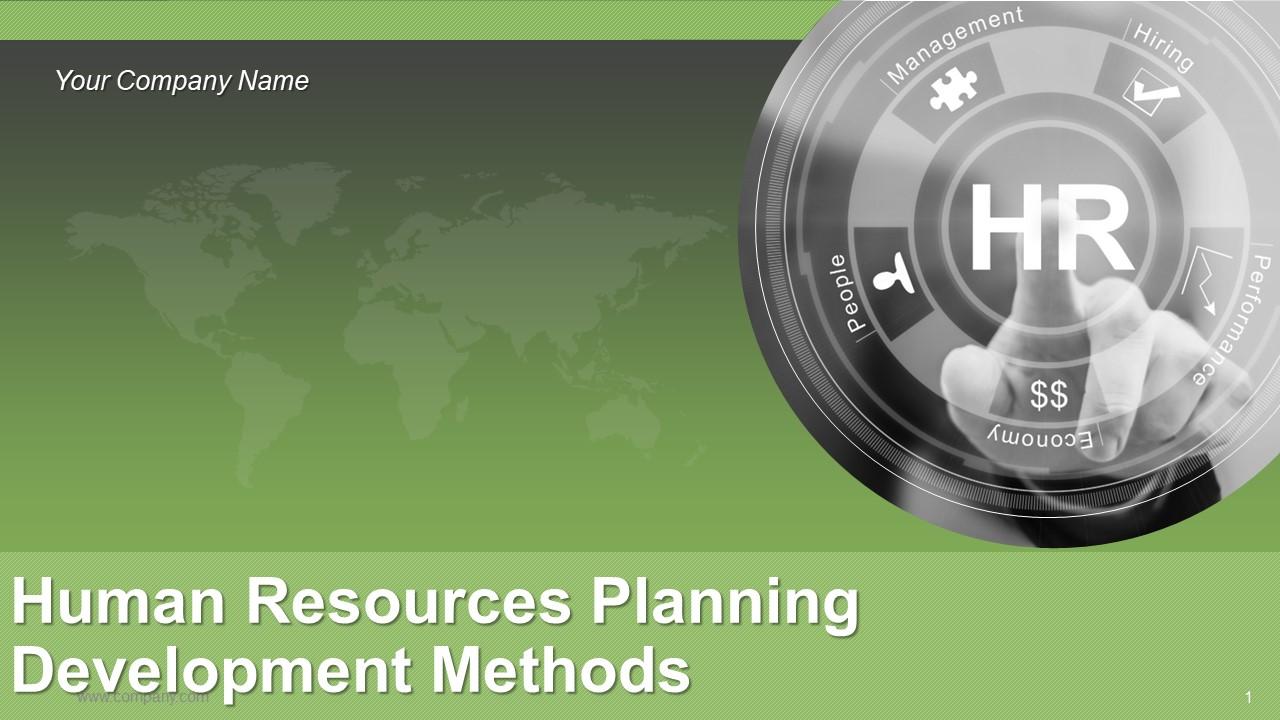
Slide 1: This slide introduces Human Resource Planning Development Methods. State Your Company Name and begin.
Slide 2: This is an Agenda slide. Present your agendas here.
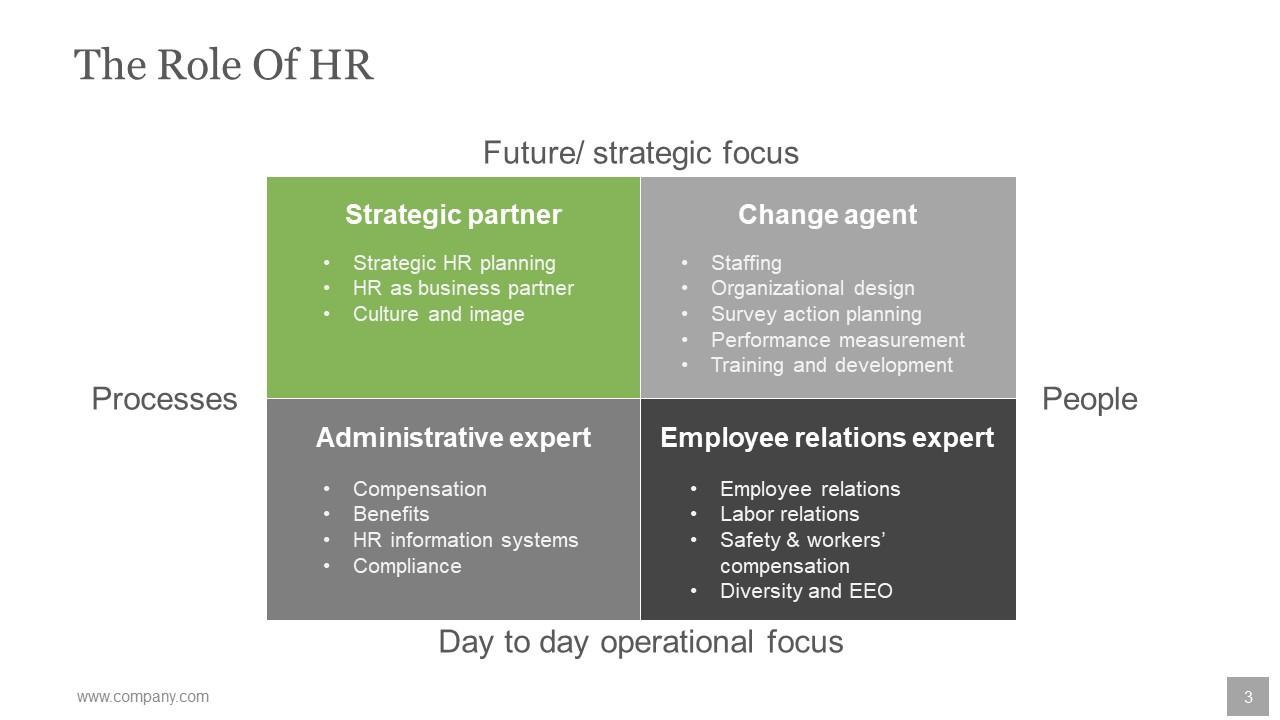
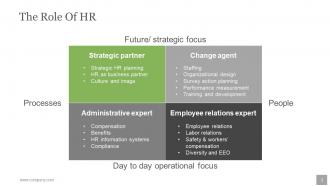
Slide 3: This slide presents The Role of HR as Future/ strategic focus being- Strategic partner: Strategic HR planning, HR as business partner, Culture and image. Change agent: Staffing, Organizational design, Survey action planning, Performance measurement, Training and development. Administrative expert: Compensation, Benefits, HR information systems, Compliance. Employee relations expert: Employee relations Labor relations, Safety & workers’ compensation, Diversity and EEO, Processes, People, Day to day operational focus.
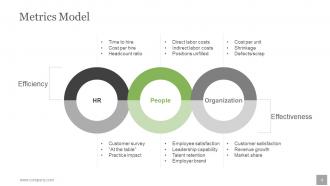
Slide 4: This slide presents Metrics Model divided into- HR: Efficiency:: Time to hire, Cost per hire, Headcount ratio. Effectiveness:: Customer survey, “At the table” Practice/process impact. People: Efficiency:: Direct labor costs, Indirect labor costs, Positions unfilled. Effectiveness:: Employee satisfaction, Leadership capability, Talent retention, Employer brand. Organization: Efficiency:: Cost per unit, Shrinkage, Defects/scrap. Effectiveness:: Customer satisfaction, Revenue growth, Market share.
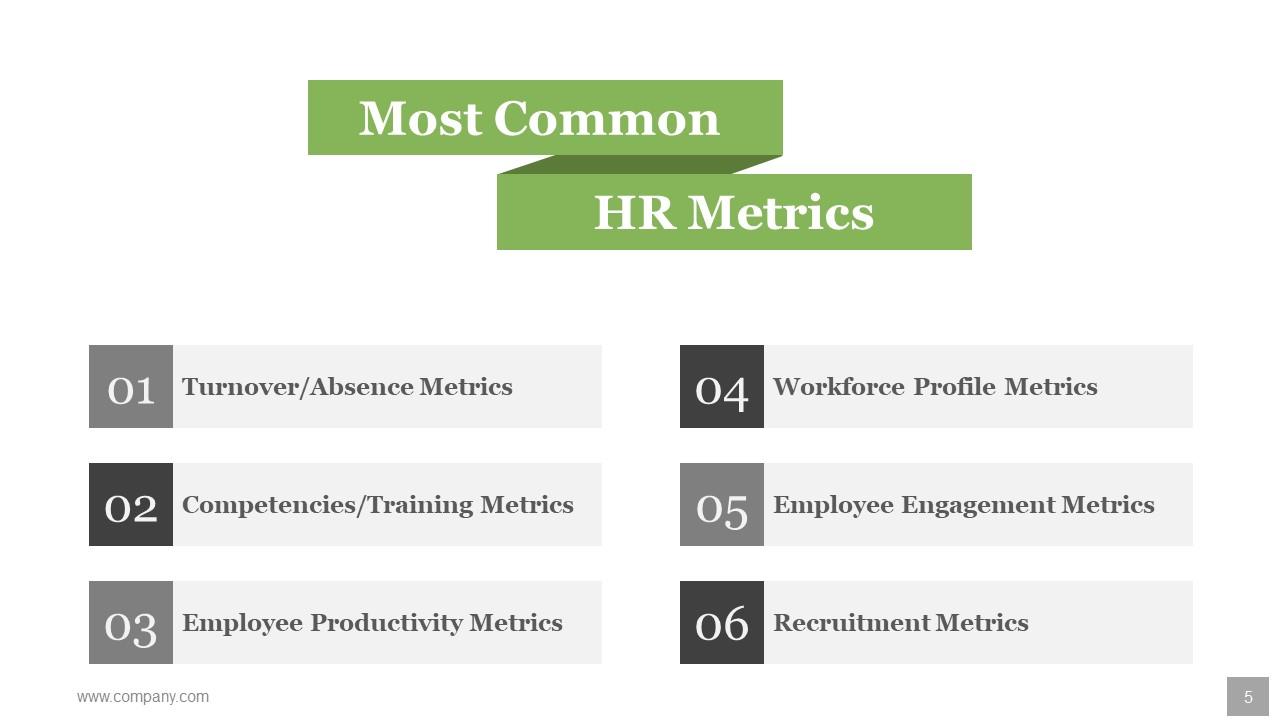
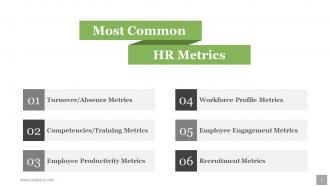
Slide 5: This slide presents Most Common HR METRICS such as- Turnover/absence metrics, Competencies/training metrics, Employee productivity metrics, Workforce profile metrics, Employee engagement metrics, Recruitment metrics.
Slide 6: This slide is titled Turnover/Absence Metrics
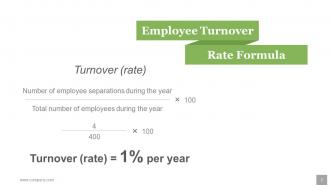
Slide 7: This slide showcases Employee Turnover Rate Formula.
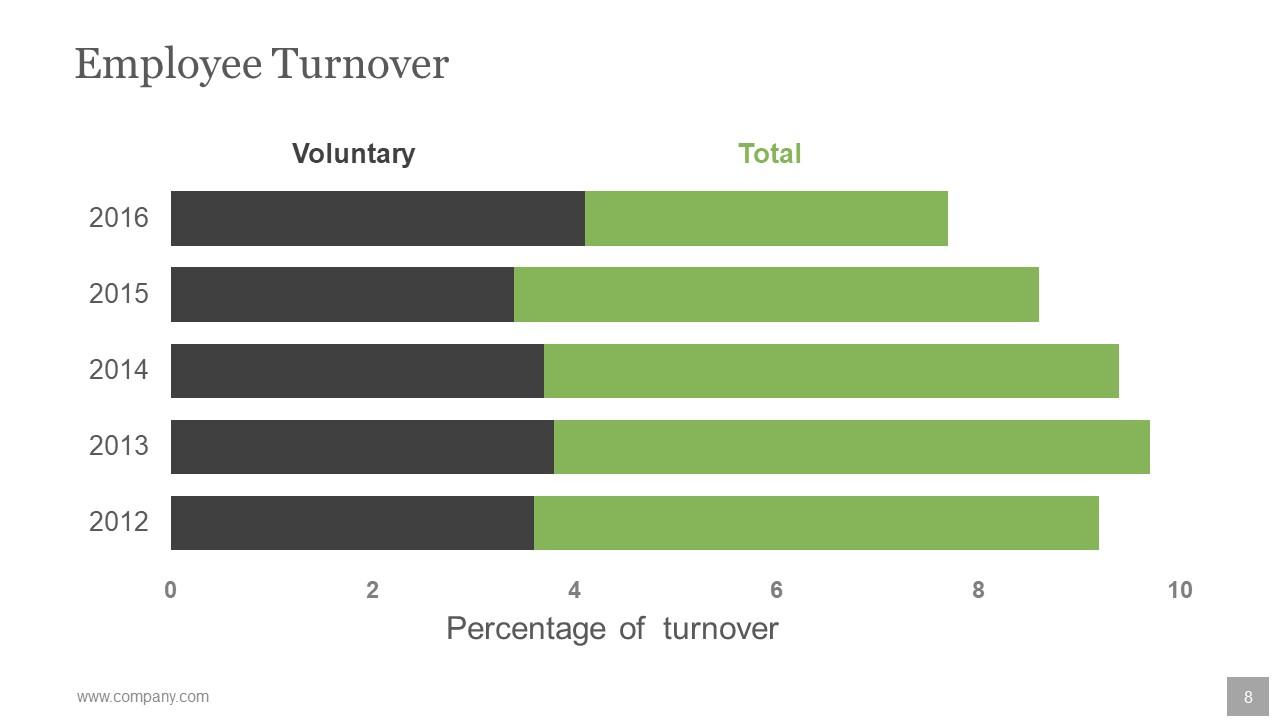
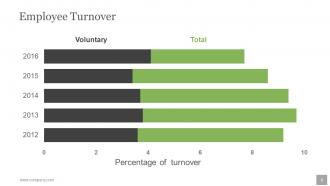
Slide 8: This is an Employee Turnover slide in graph form.
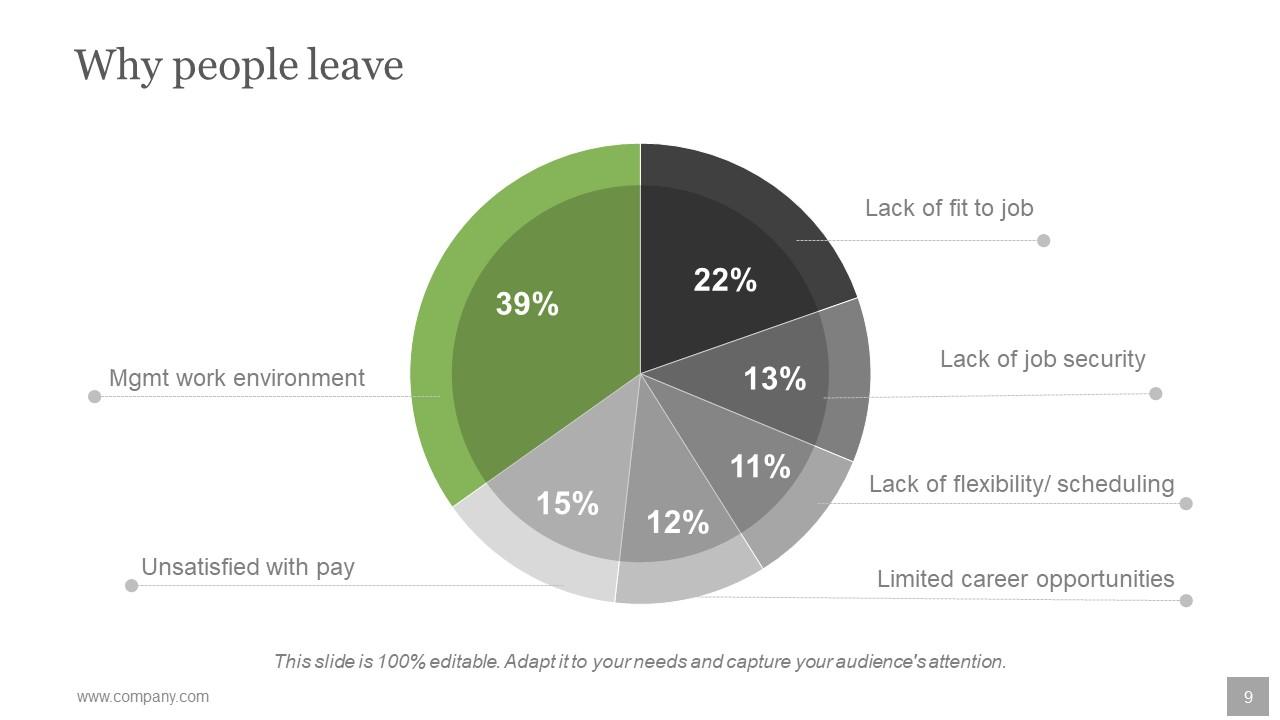
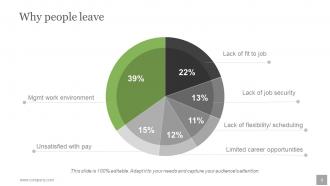
Slide 9: This slide showcases Why People Leave listed into- Lack of job security, Lack of fit to job, Unsatisfied with pay and benefits, Management general work environment, Limited career advancement/promotional opportunity, Lack of flexibility/ scheduling.
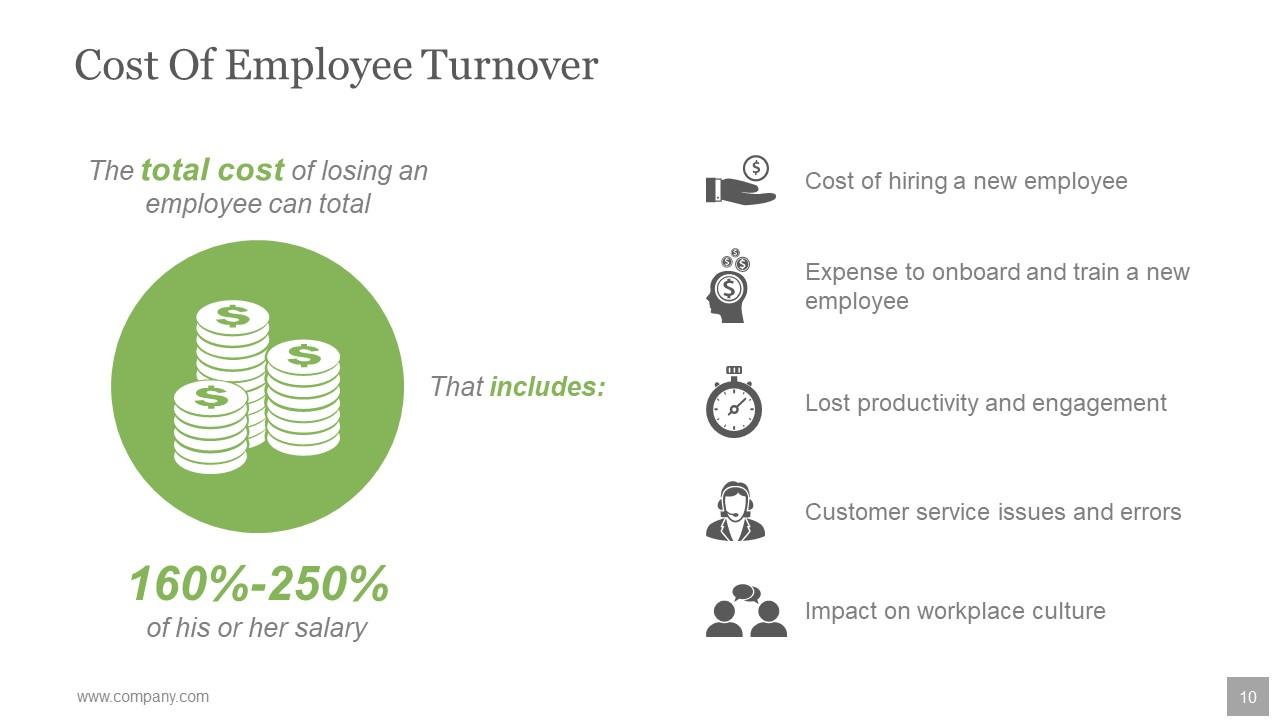
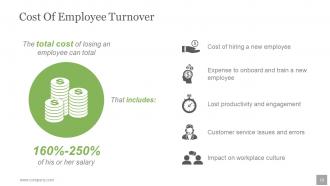
Slide 10: This slide presents Cost Of Employee Turnover. The total cost or losing an employee can total- Cost of hiring A new employee, Impact on workplace culture, Customer service issue and errors, Lost productivity and engagement, Expense to onboard and train new employee.
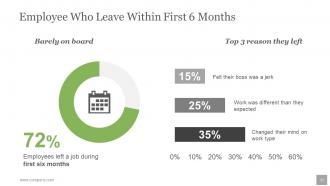
Slide 11: This slide presets Employee Who Leave Within First 6 Months showcasing- Barely on board, Top 3 reasons why they left.
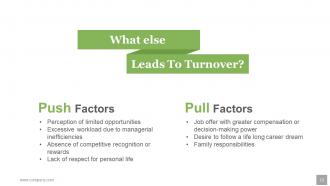
Slide 12: This slide shows Causes Of Turnover-push & Pull Factor.
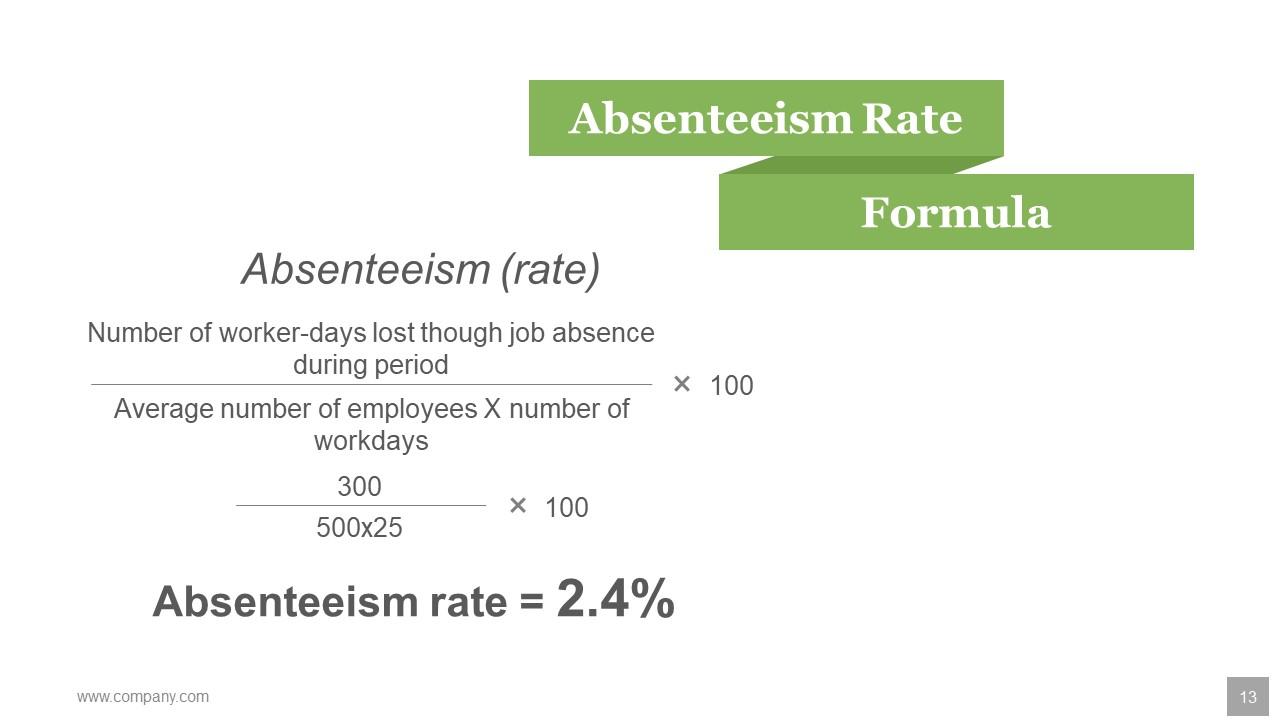
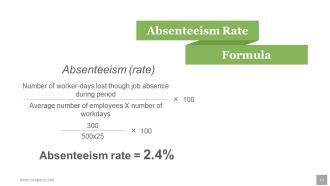
Slide 13: This slide presents Absenteeism Rate Formula to calculate the rate of absenteeism.
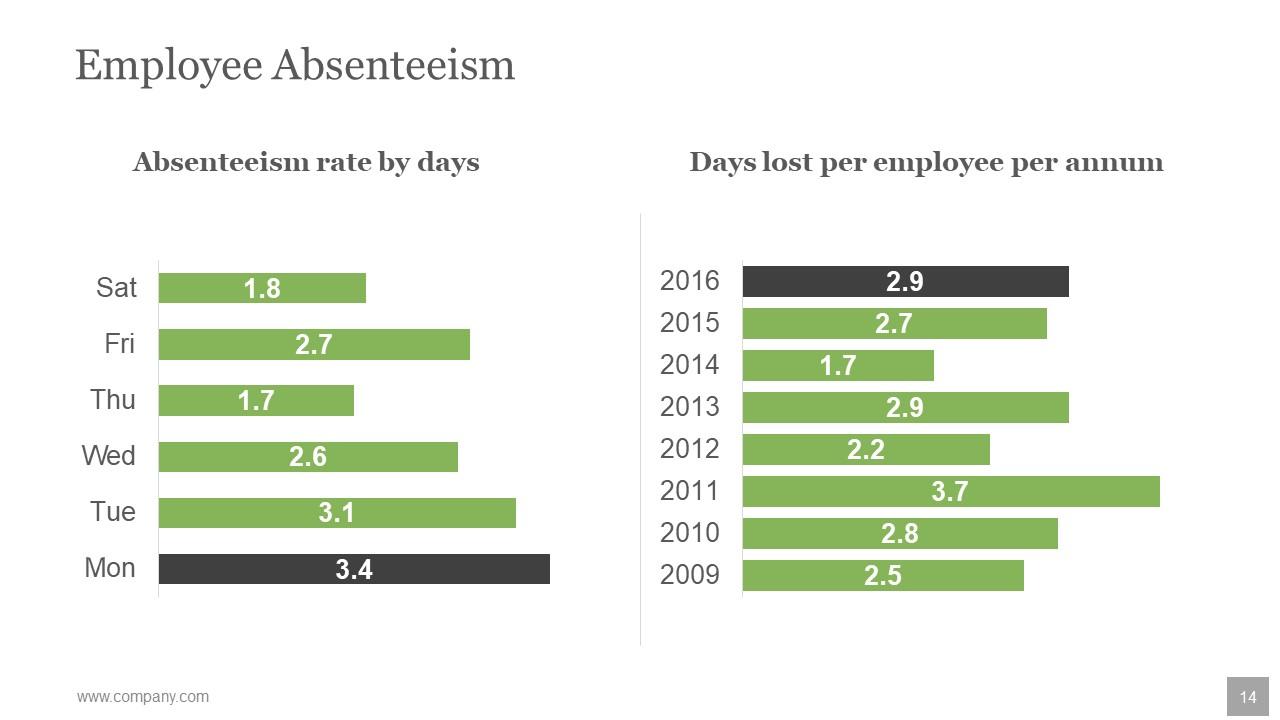
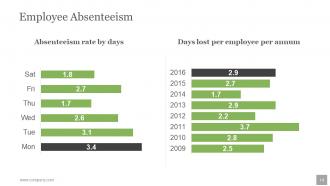
Slide 14: This slide showcases Employee Absenteeism in graph form displaying- Absenteeism rate by days, Days lost per employee per annum.
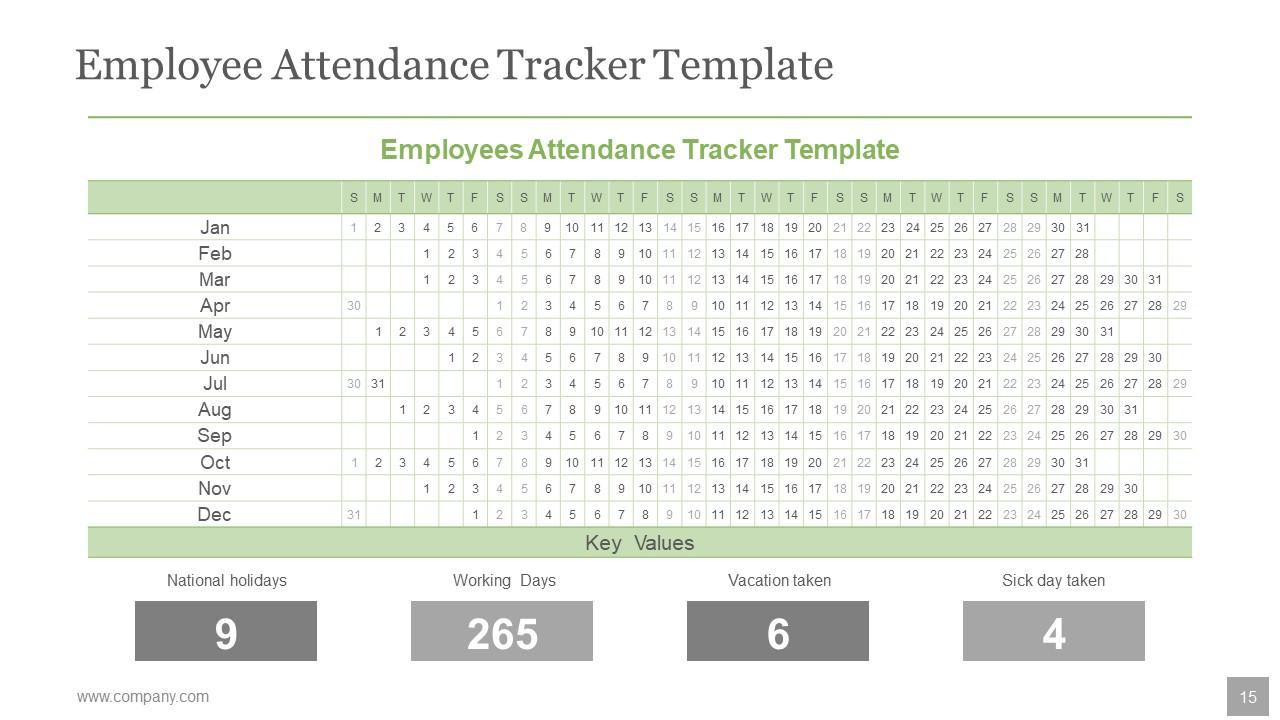
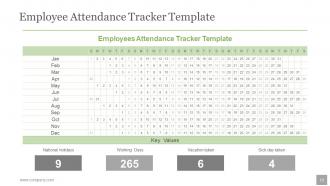
Slide 15: This is an Employee Attendance Tracker Template slide.
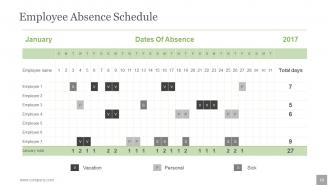
Slide 16: This slide showcases Employee Absence Schedule.
Slide 17: This slide is titled Competencies/training METRICS.
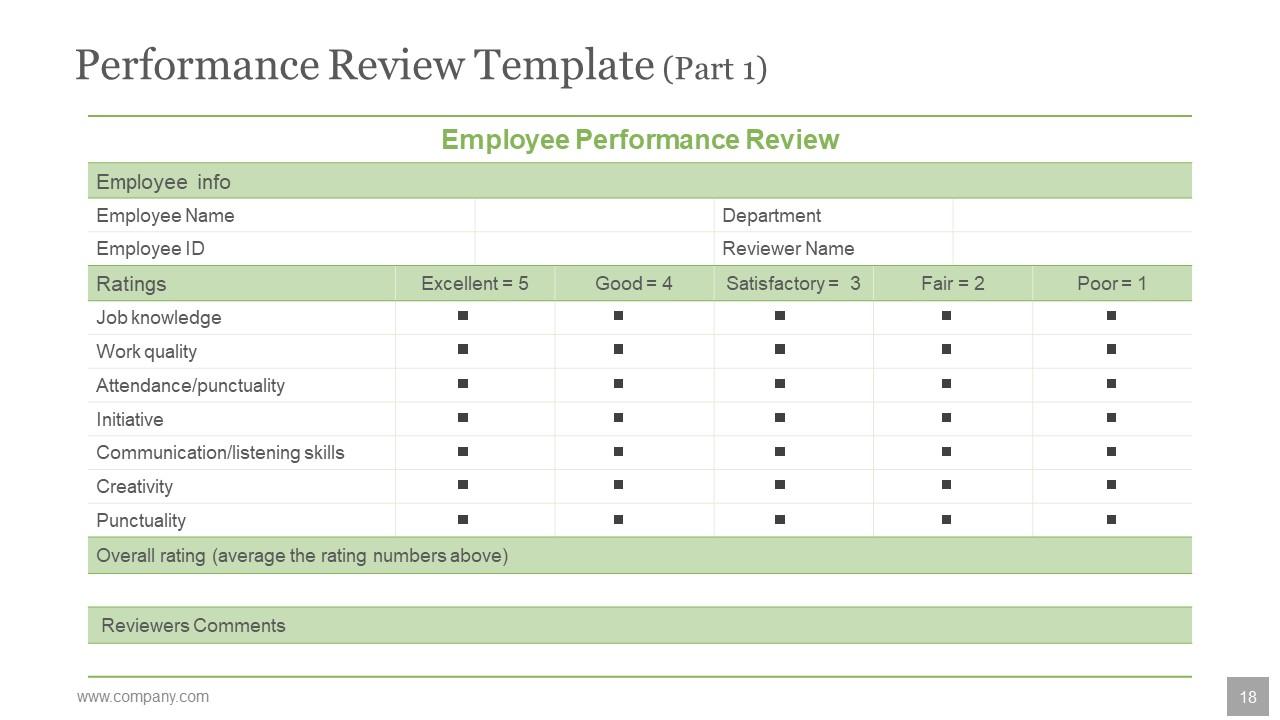
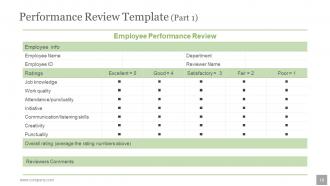
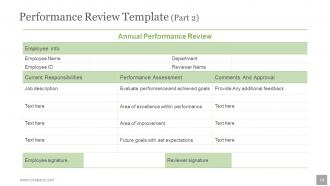
Slide 18: This slide showcases a Performance Review Template.
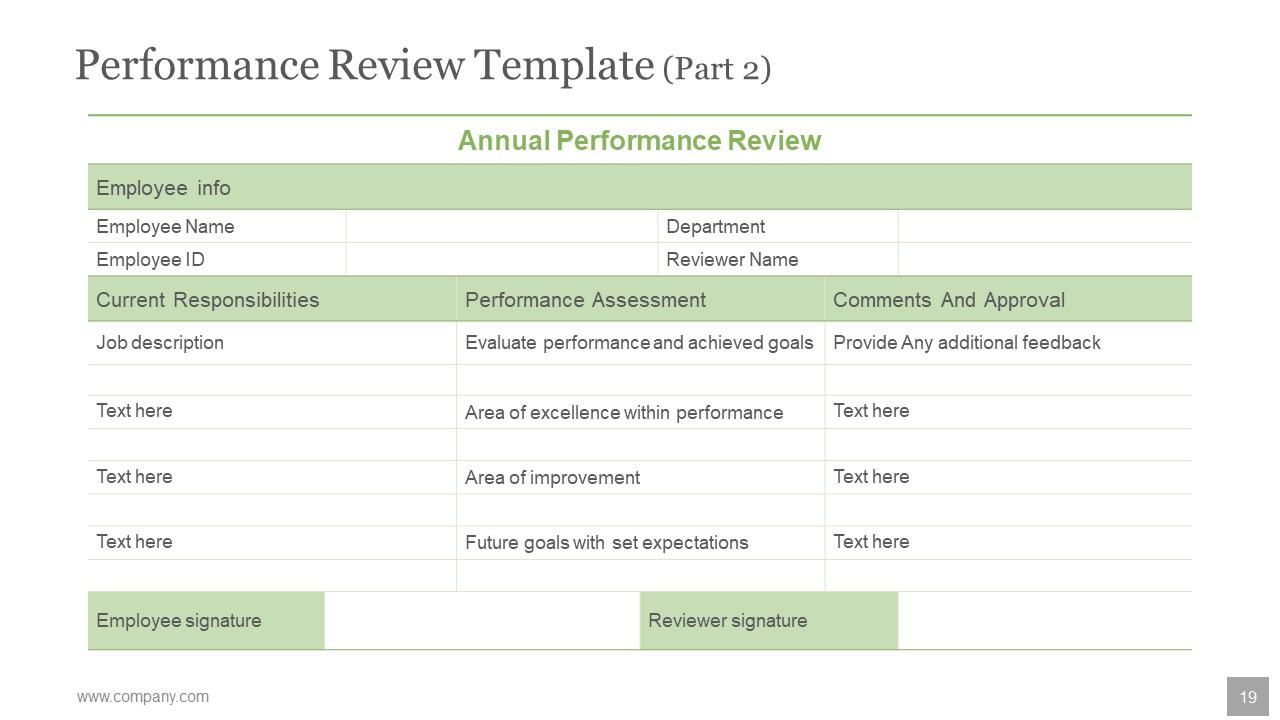
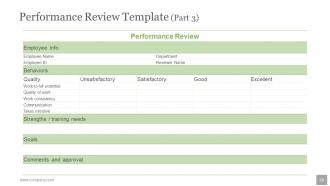
Slide 19: This slide also showcases a Performance Review Template.
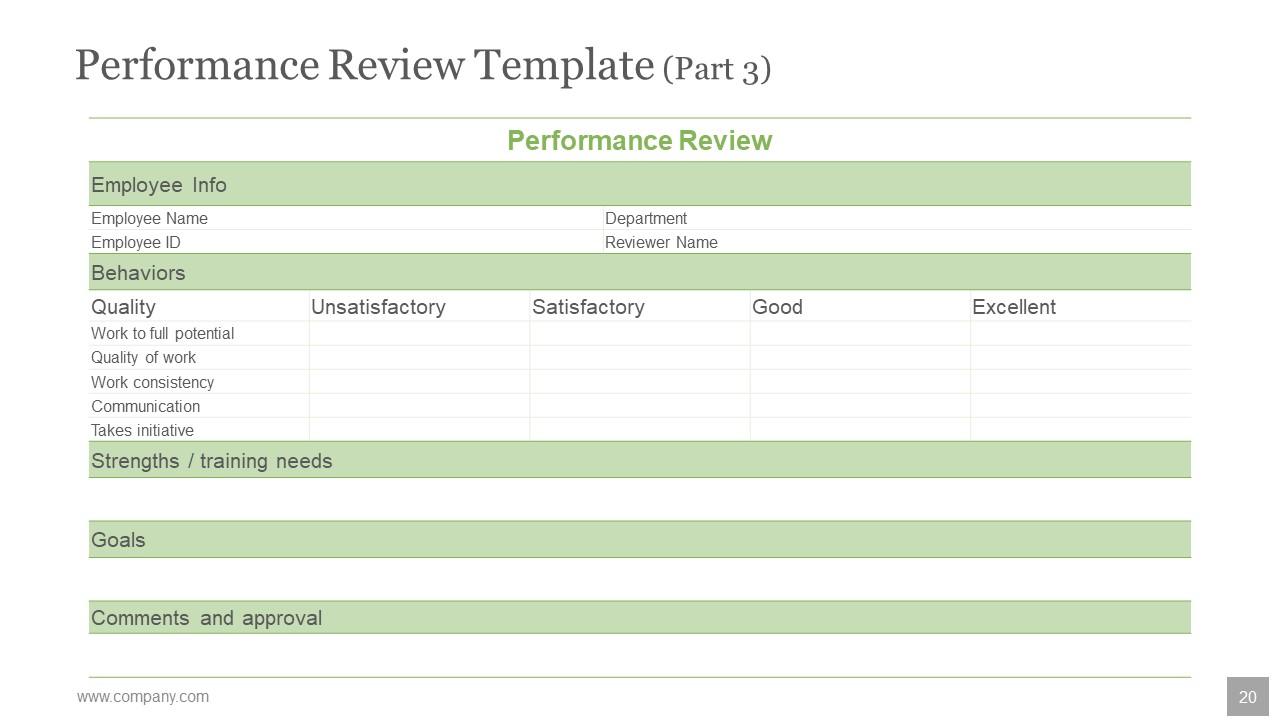
Slide 20: This slide also presents a Performance Review Template.
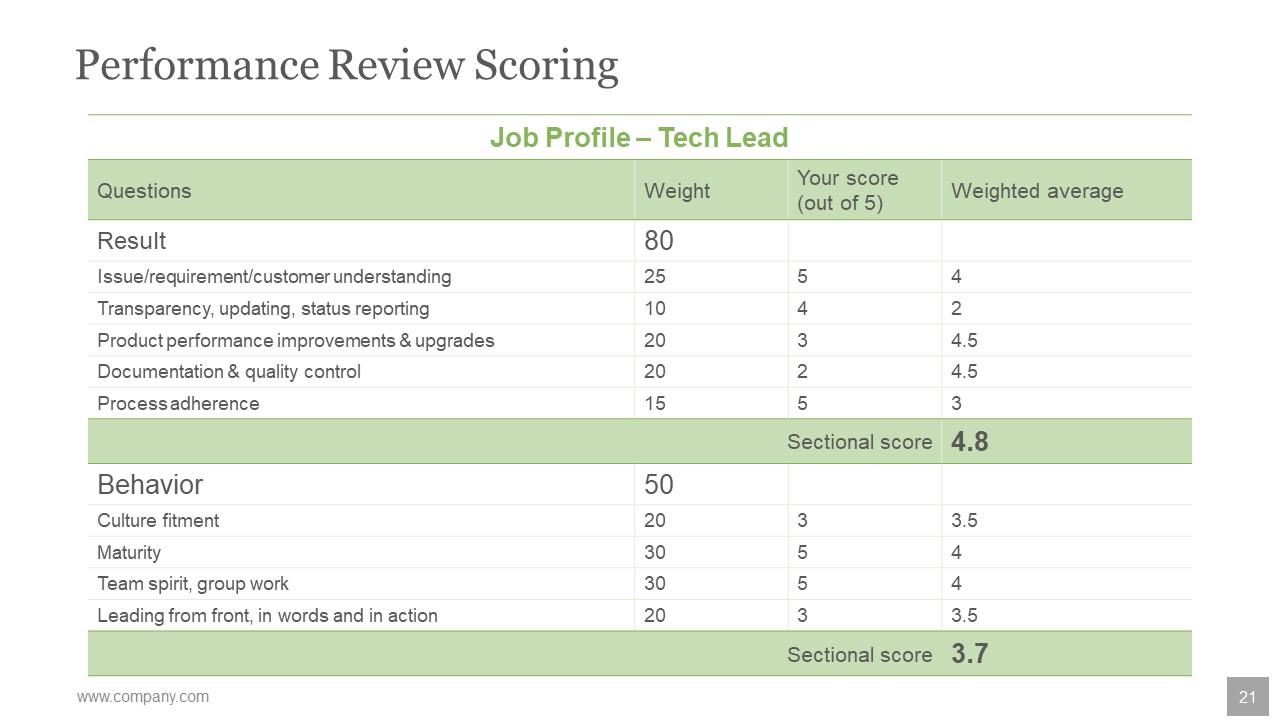
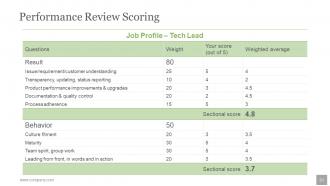
Slide 21: This slide showcases Performance Review Scoring.
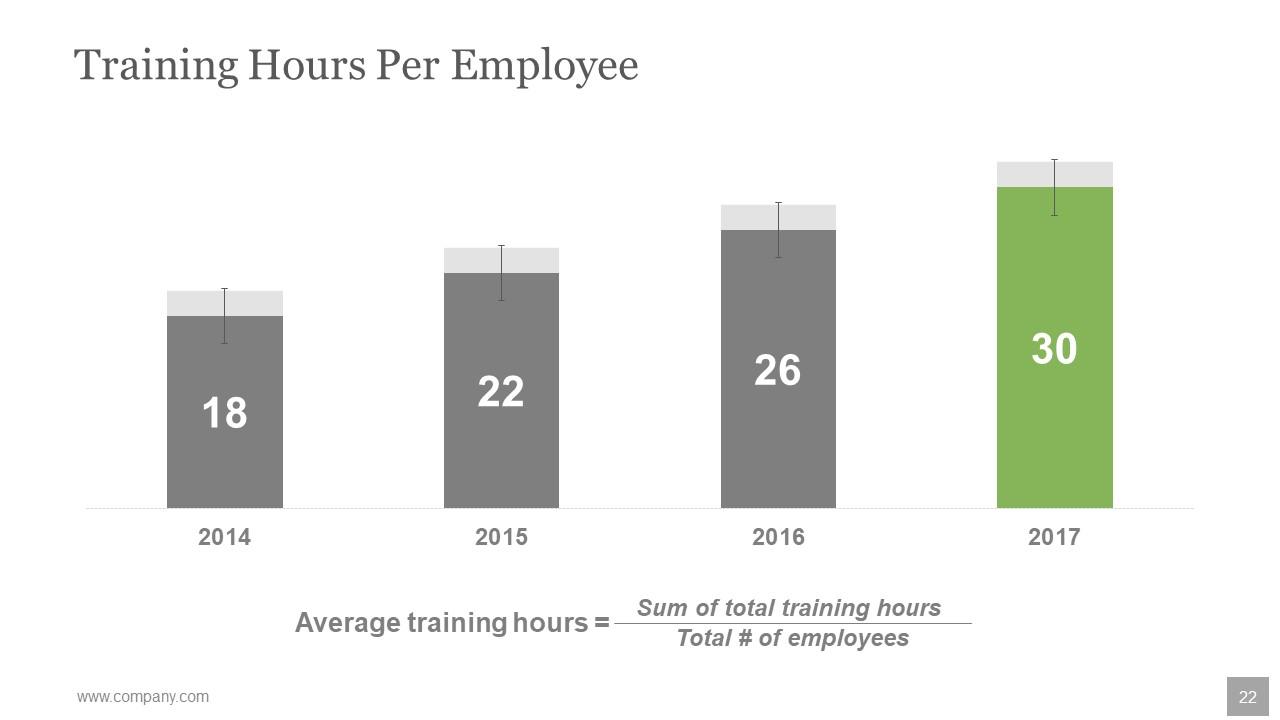
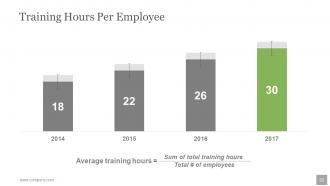
Slide 22: This slide presents Training Hours Per Employee to be calculated.
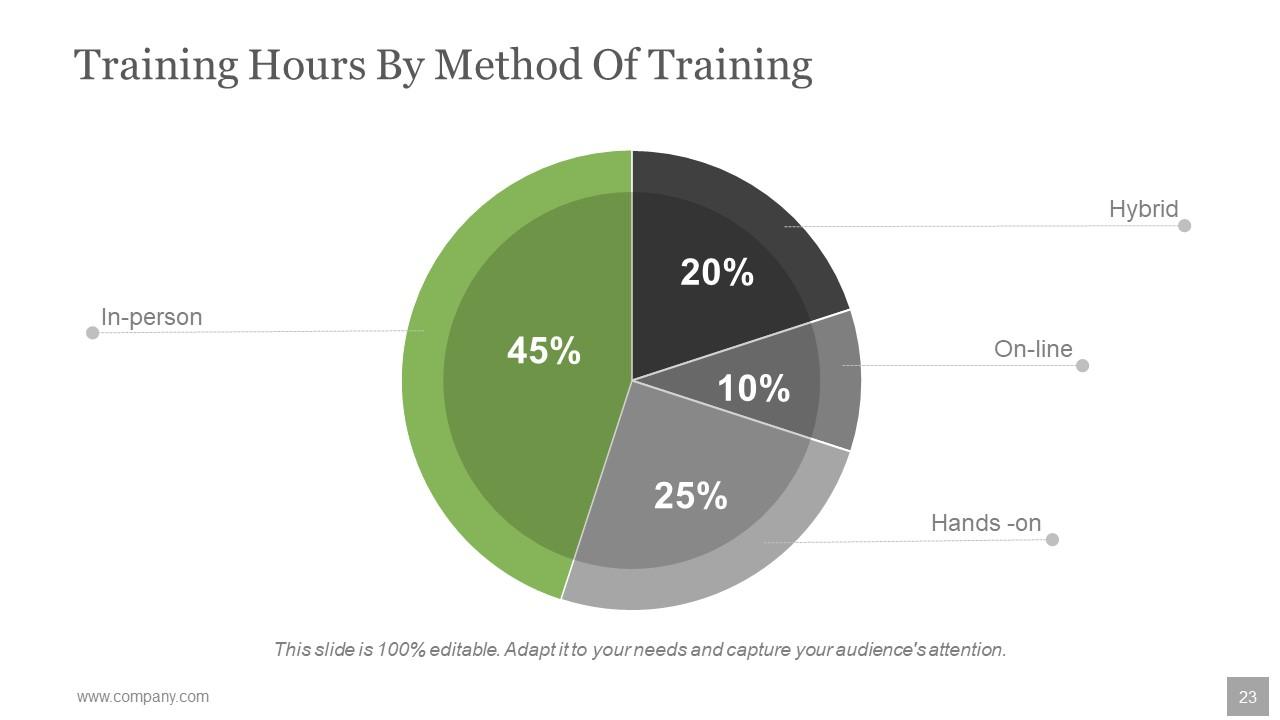
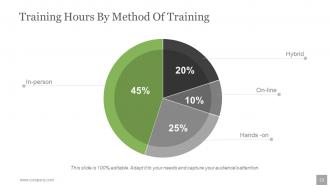
Slide 23: This slide displays Training Hours By Method Of Training showing- Training By Method: Hybrid, On-line, Hands -On, In-person.
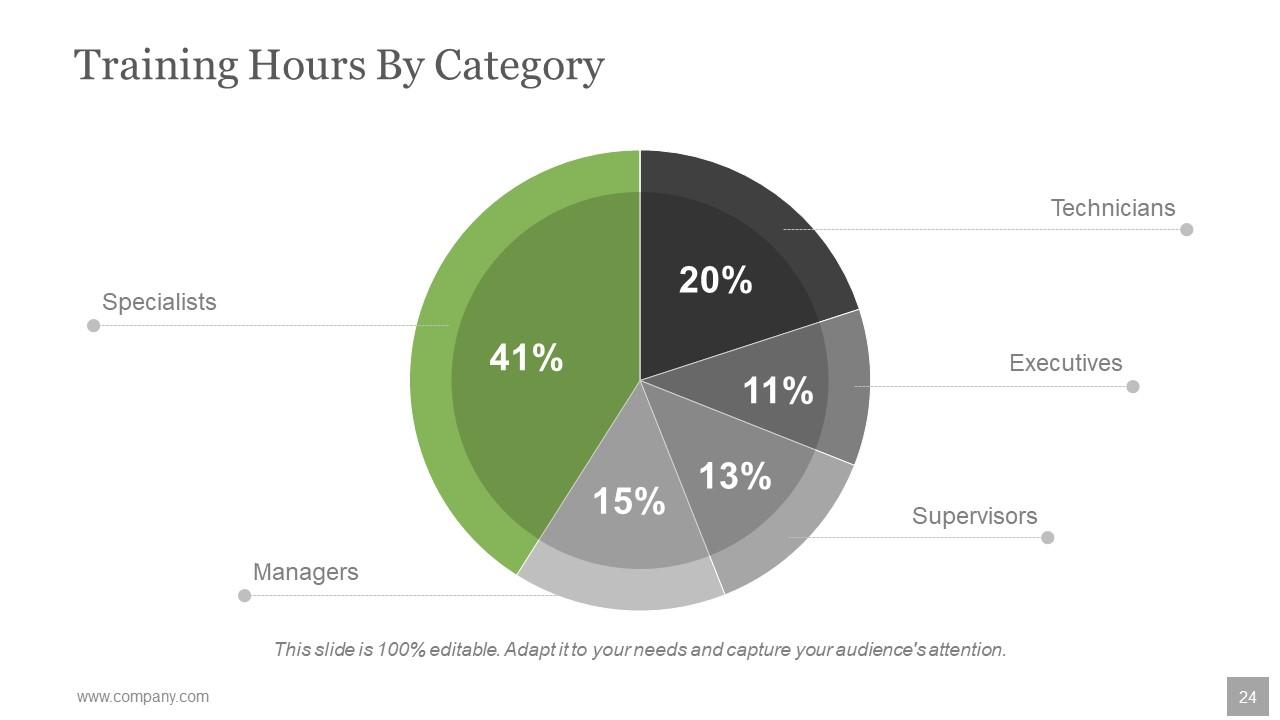
Slide 24: This slide displays Training Hours By Category.
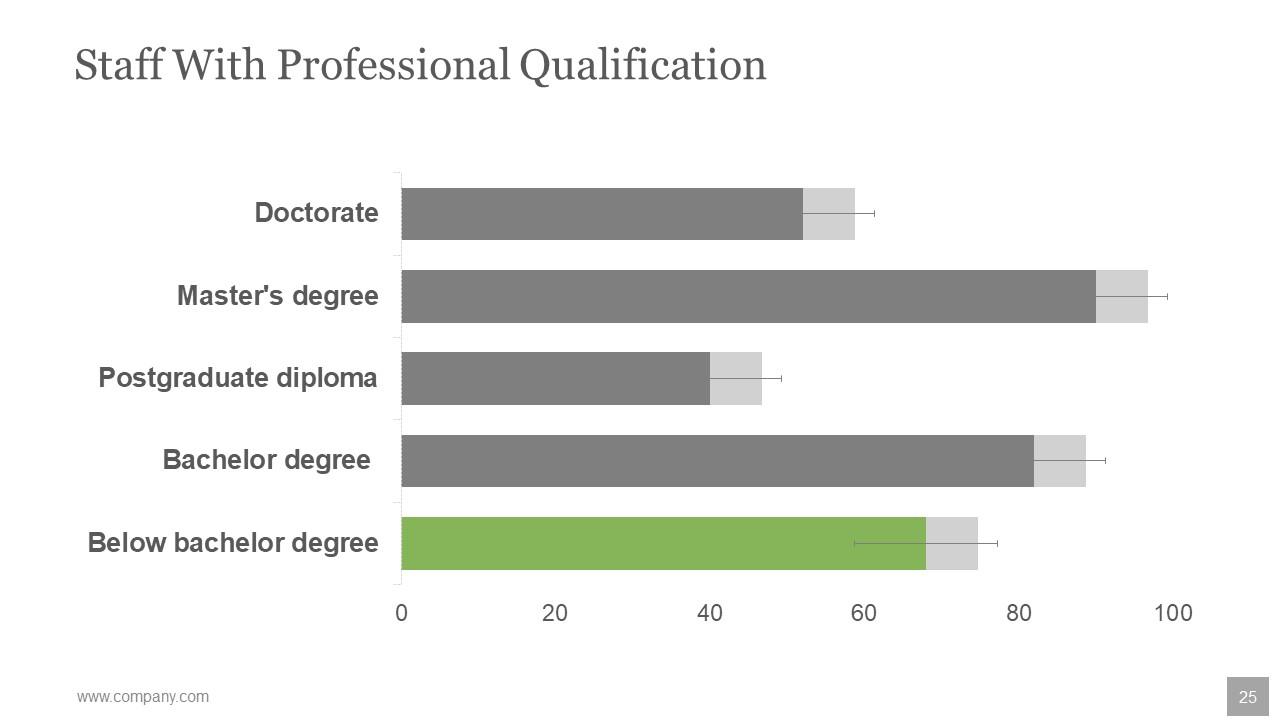
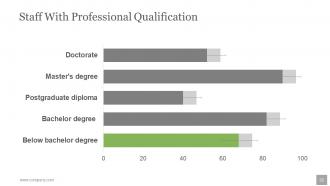
Slide 25: This slide showcases Staff With Professional Qualification in graph form.
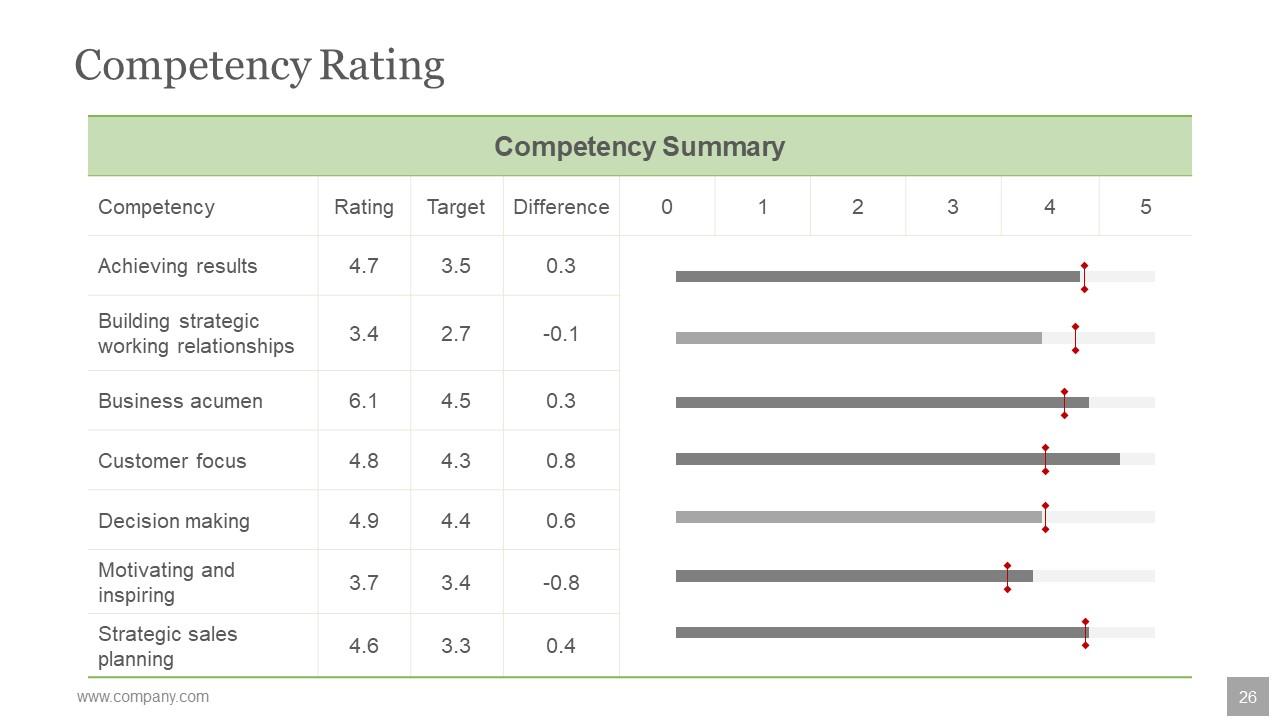
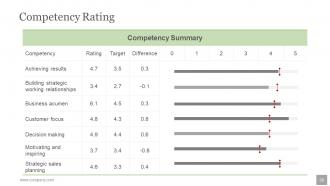
Slide 26: This slide showcases Competency Rating in tabular form.
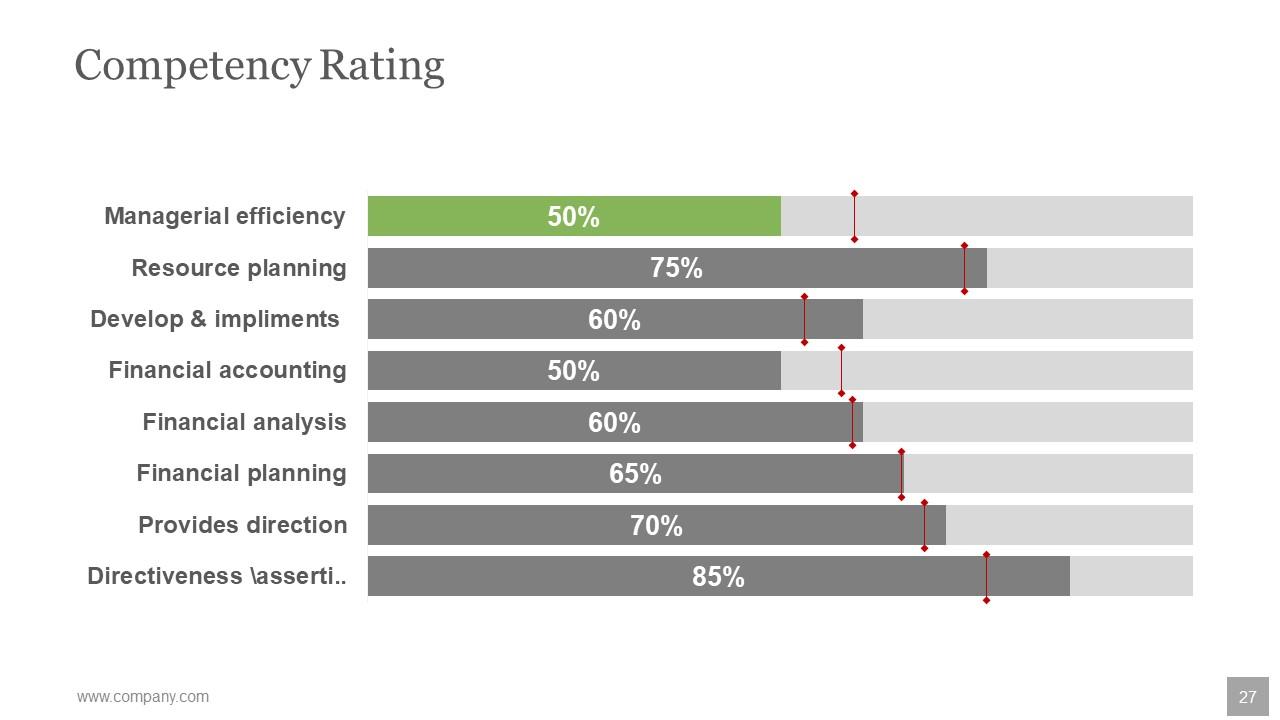
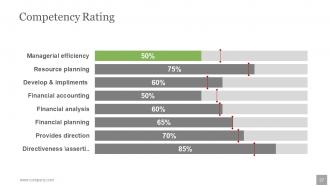
Slide 27: This slide showcases Competency Rating in graph form.
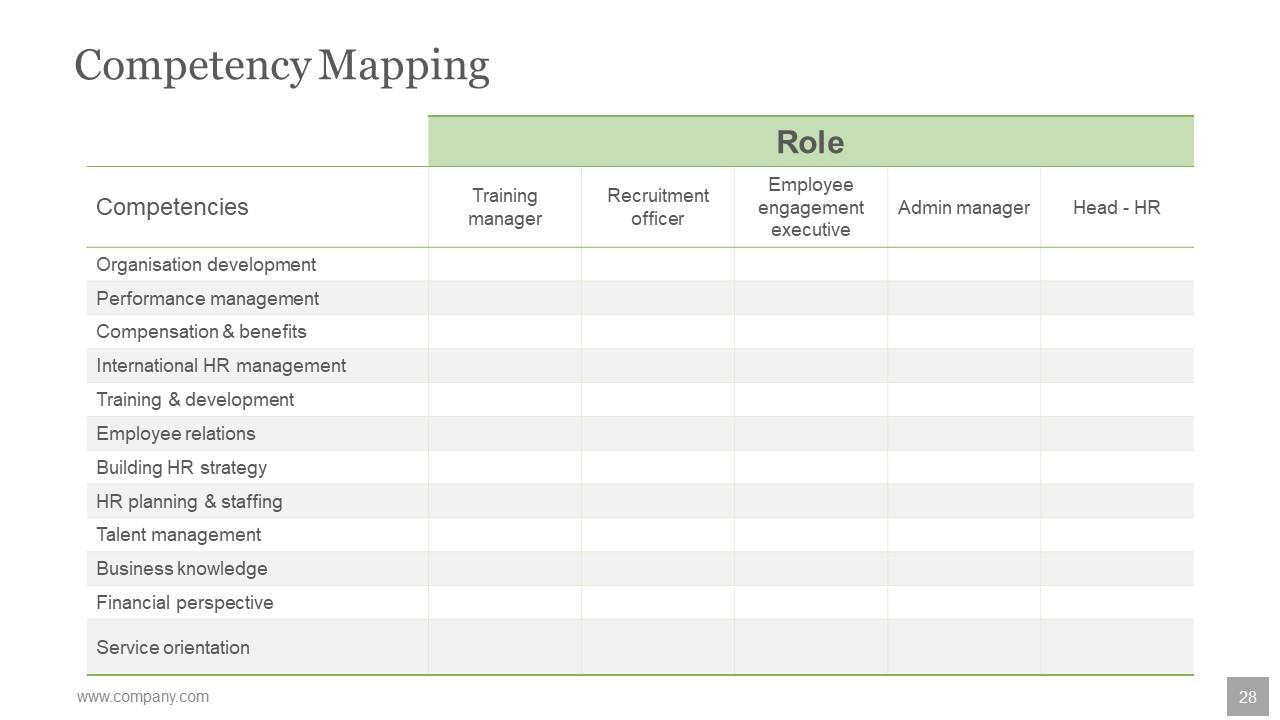
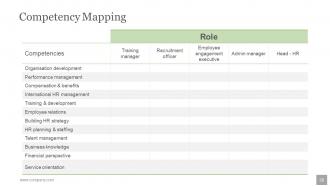
Slide 28: This slide displays Competency Mapping in tabular form.
Slide 29: This slide is titled Employee Productivity METRICS.
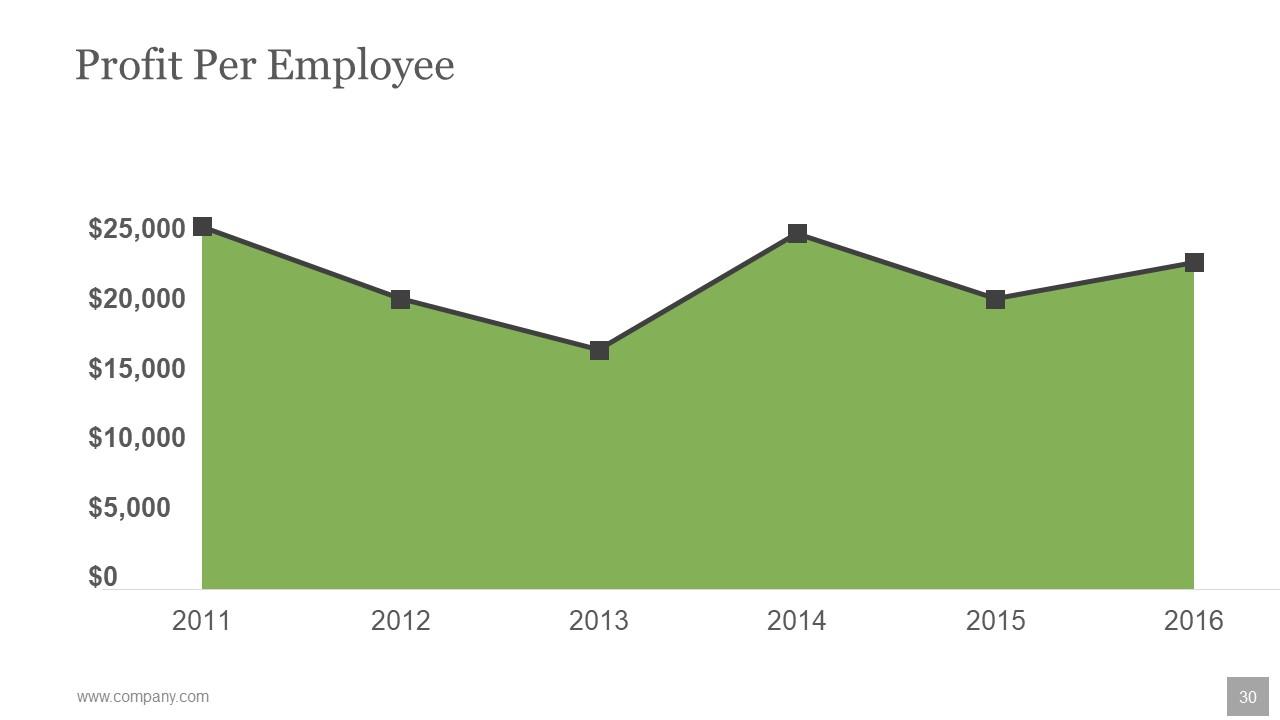
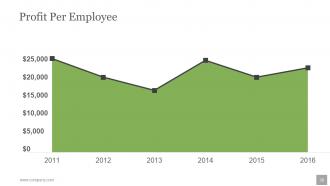
Slide 30: This slide showcases Profit Per Employee in line graph form.
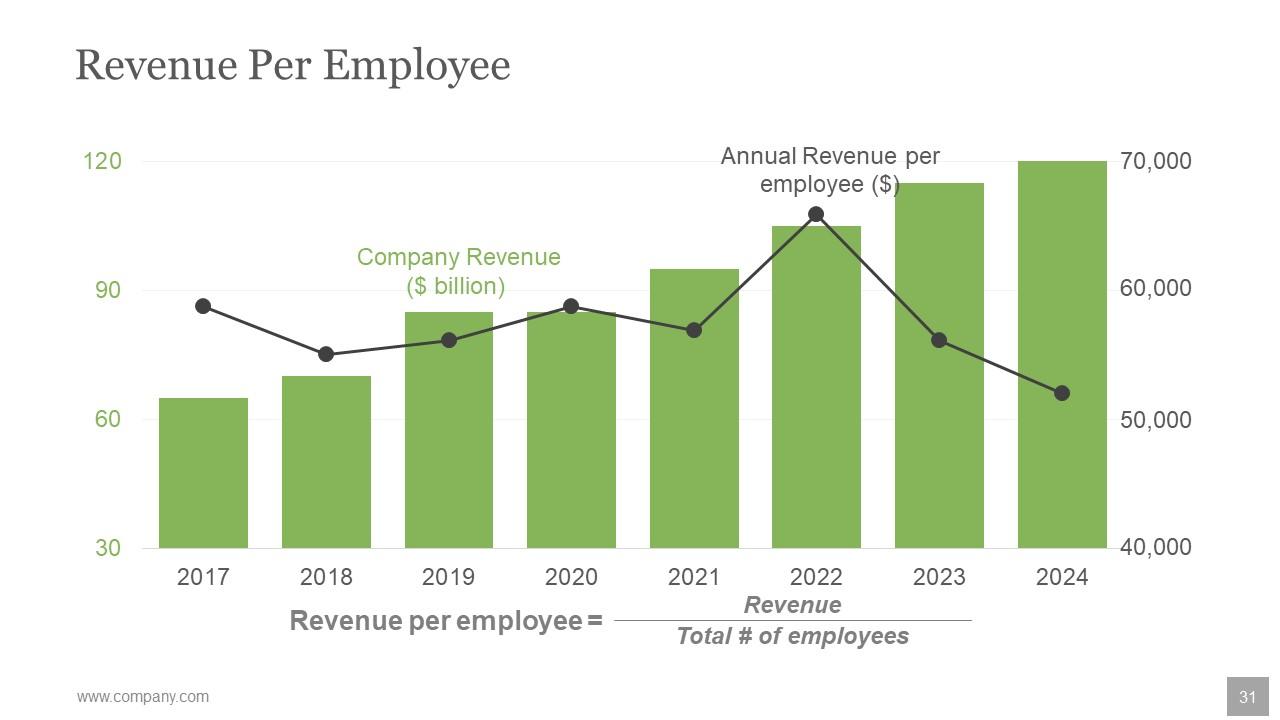
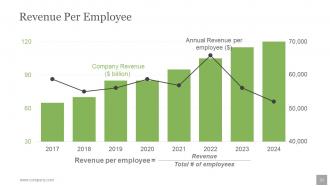
Slide 31: This slide shows Revenue Per Employee in combo chart form.
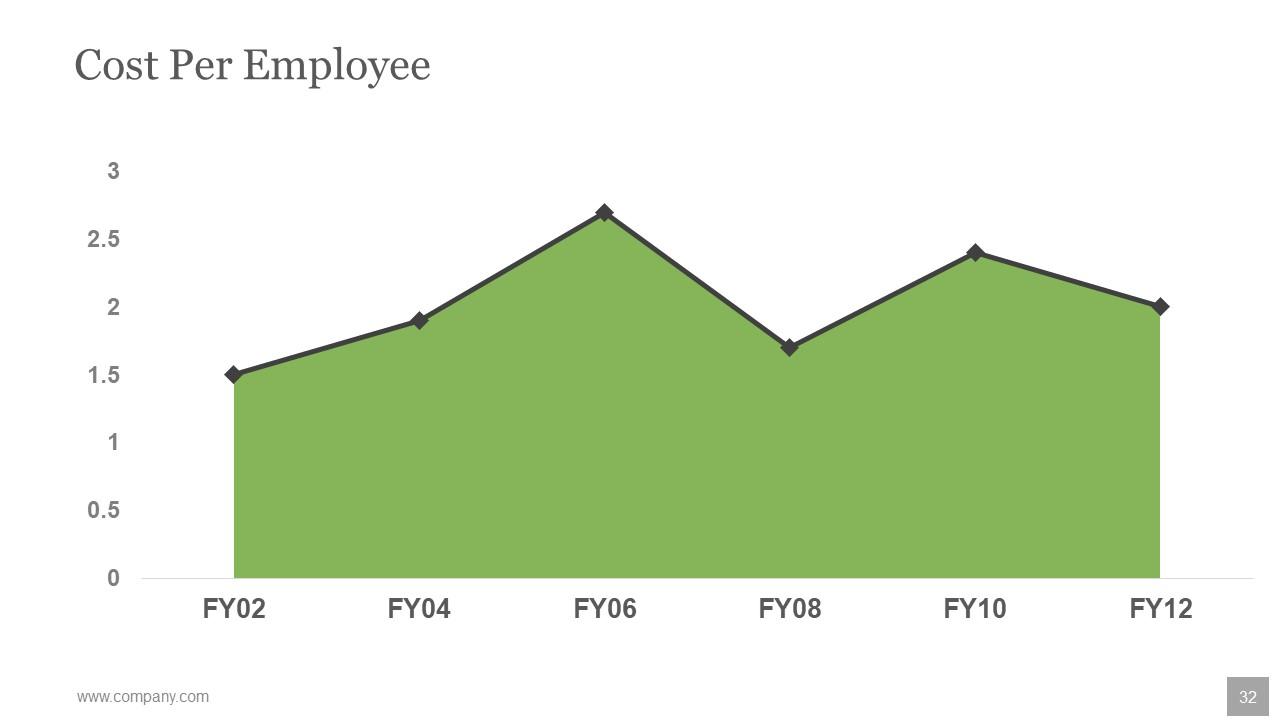
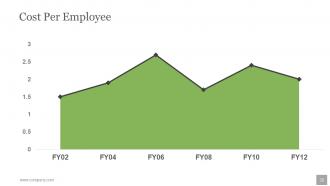
Slide 32: This slide presents Cost Per Employee in line graph form.
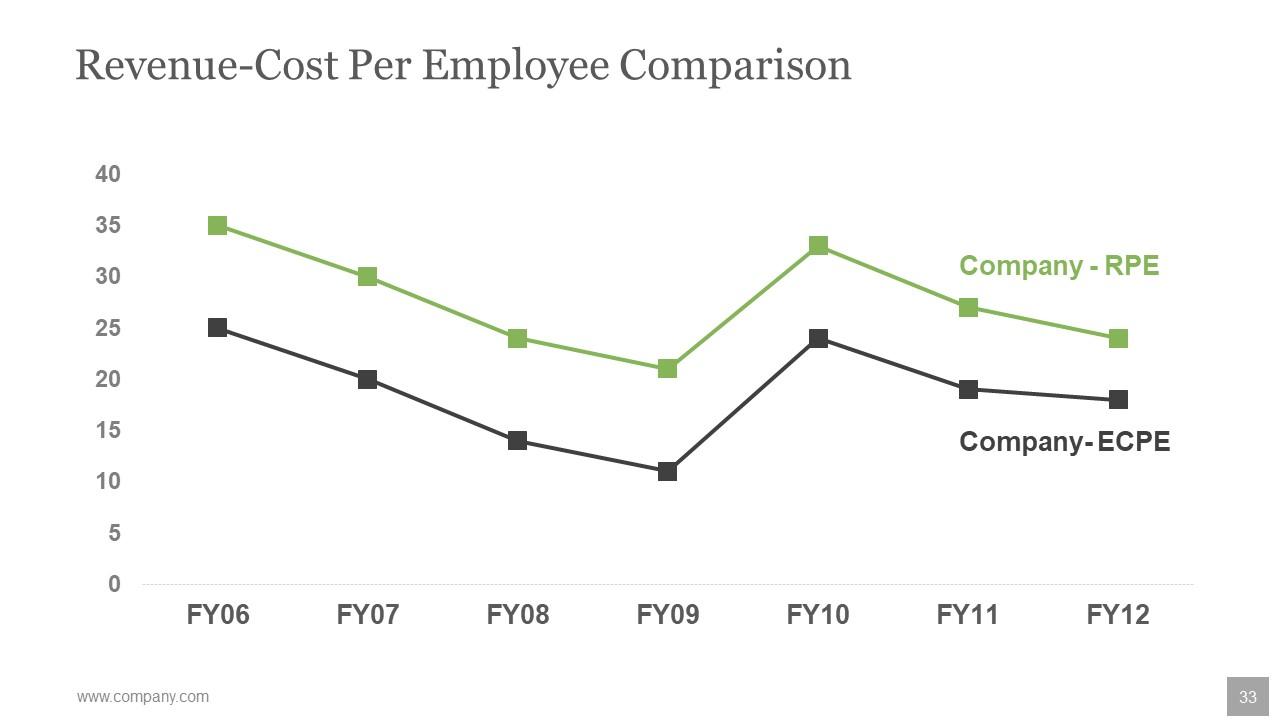
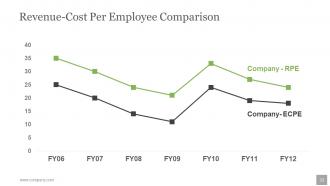
Slide 33: This slide shows Revenue-Cost Per Employee Comparison displaying- Company - RPE, Company- ECPE.
Slide 34: This slide is titled Workforce Profile METRICS.
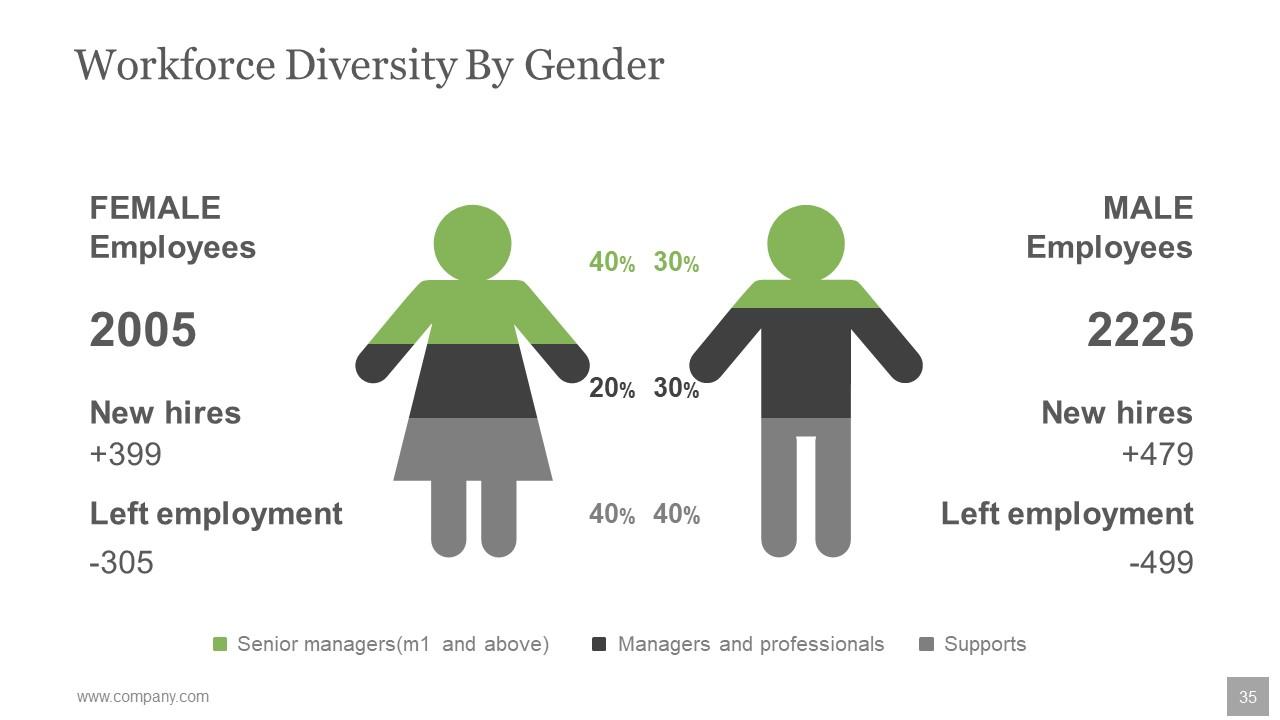
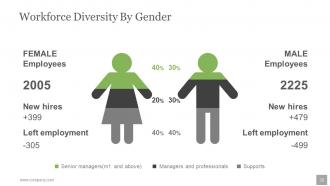
Slide 35: This slide presents Workforce Diversity By Gender.
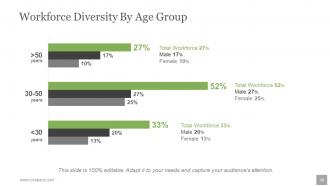
Slide 36: This slide presents Workforce Diversity By Age Group.
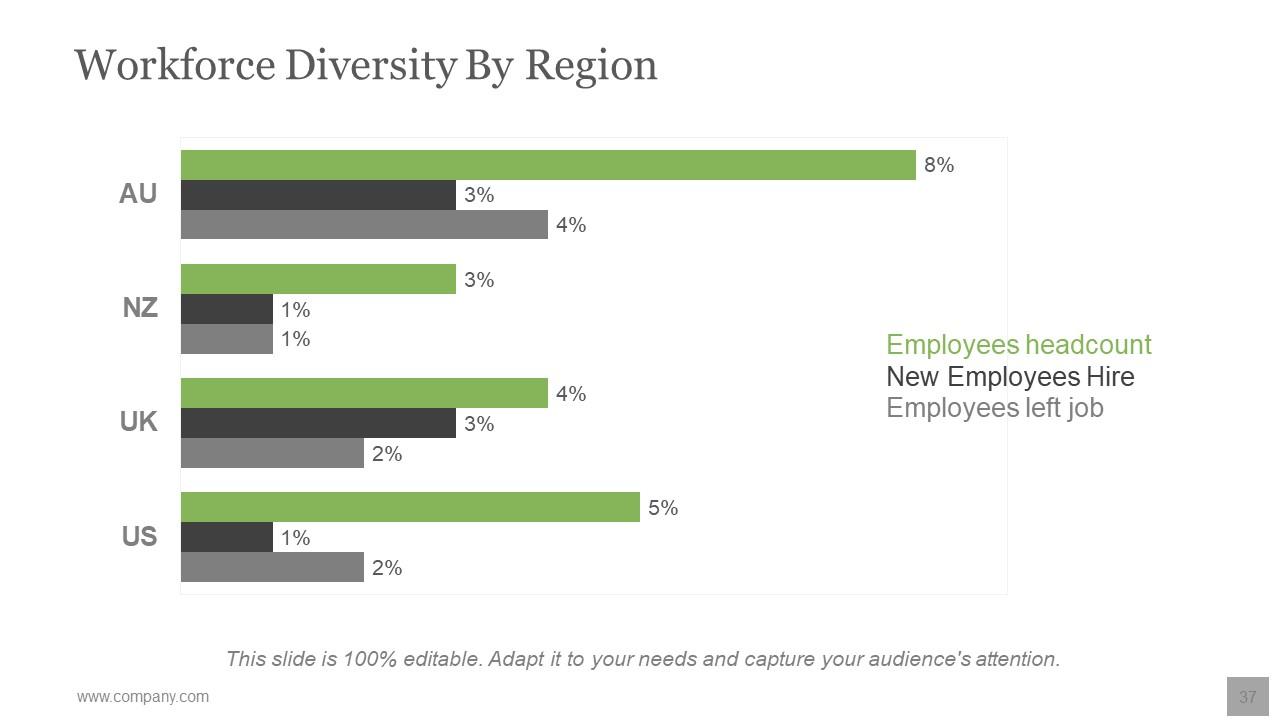
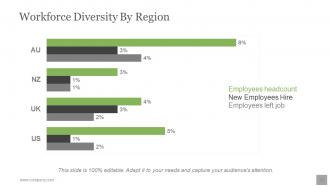
Slide 37: This slide presents Workforce Diversity By Region.
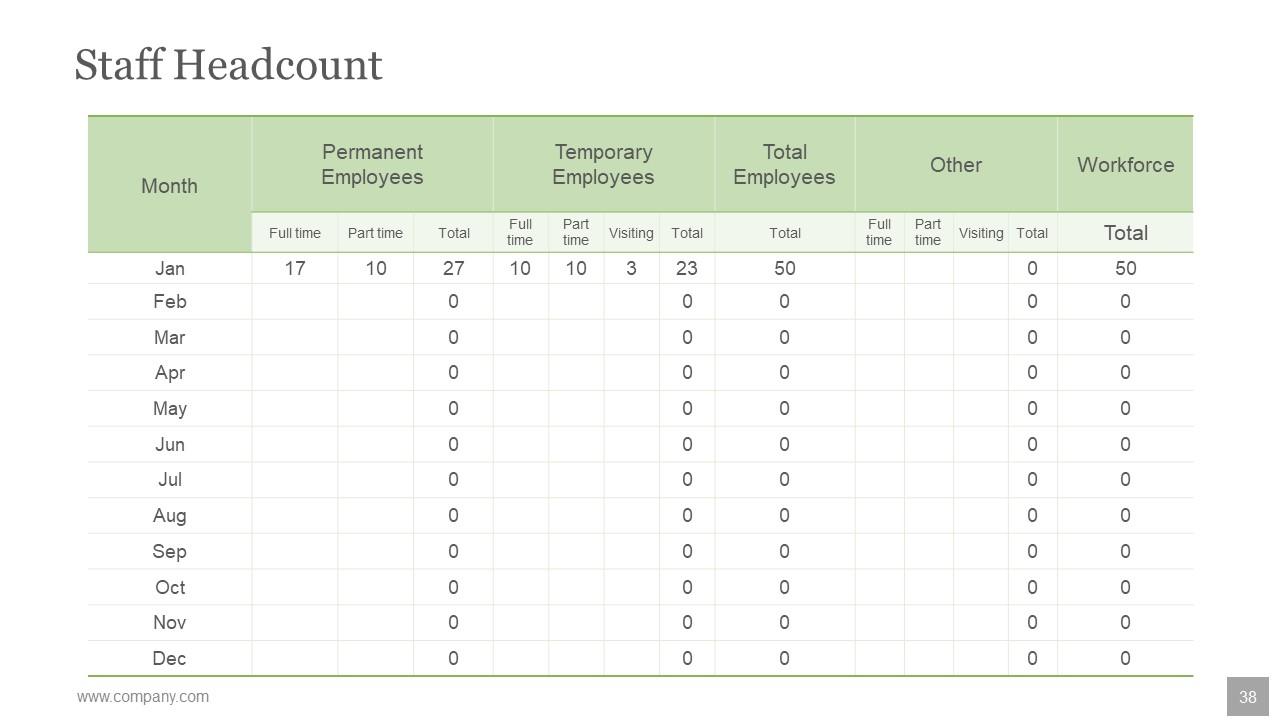
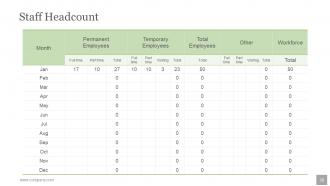
Slide 38: This slide presents Staff Headcount with Staff Count Sheet table.
Slide 39: This slide is titled Employee Engagement METRICS.
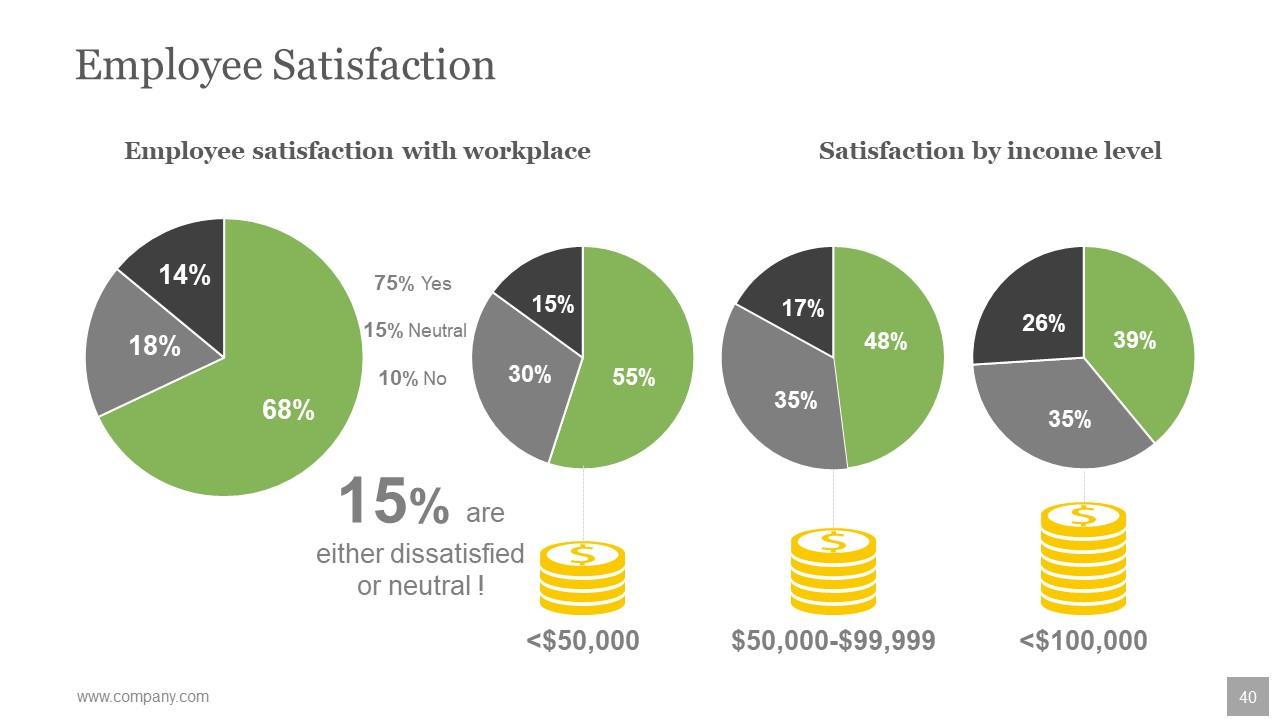
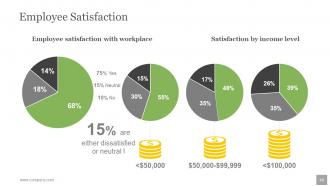
Slide 40: This slide shows Employee Satisfaction with- Employee satisfaction with workforce, Satisfaction By Income Level.
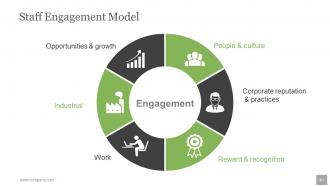
Slide 41: This is a Staff Engagement Model slide showing- People & culture, Work, Corporate reputation & practices, Reward & recognition, Industrial.
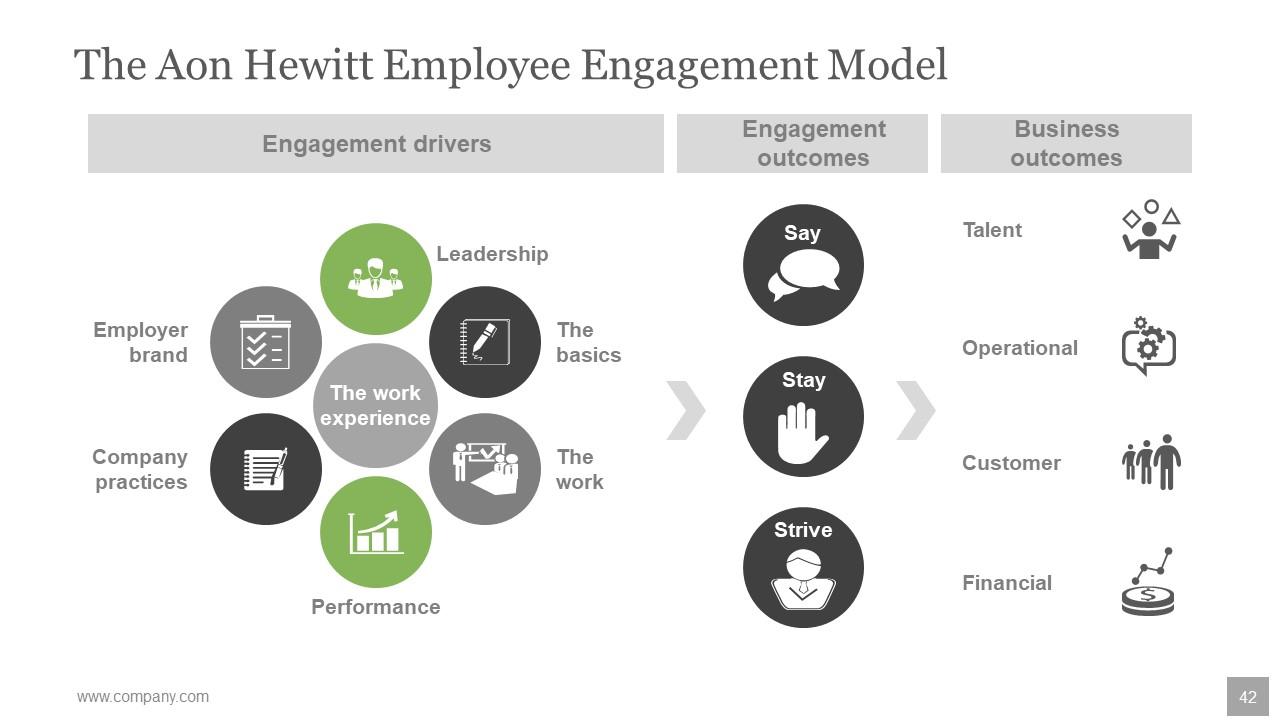
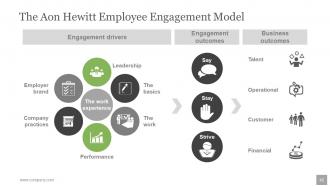
Slide 42: This slide displays The Aon Hewitt Employee Engagement Model displaying- Business outcomes, Engagement outcomes, Engagement drivers.
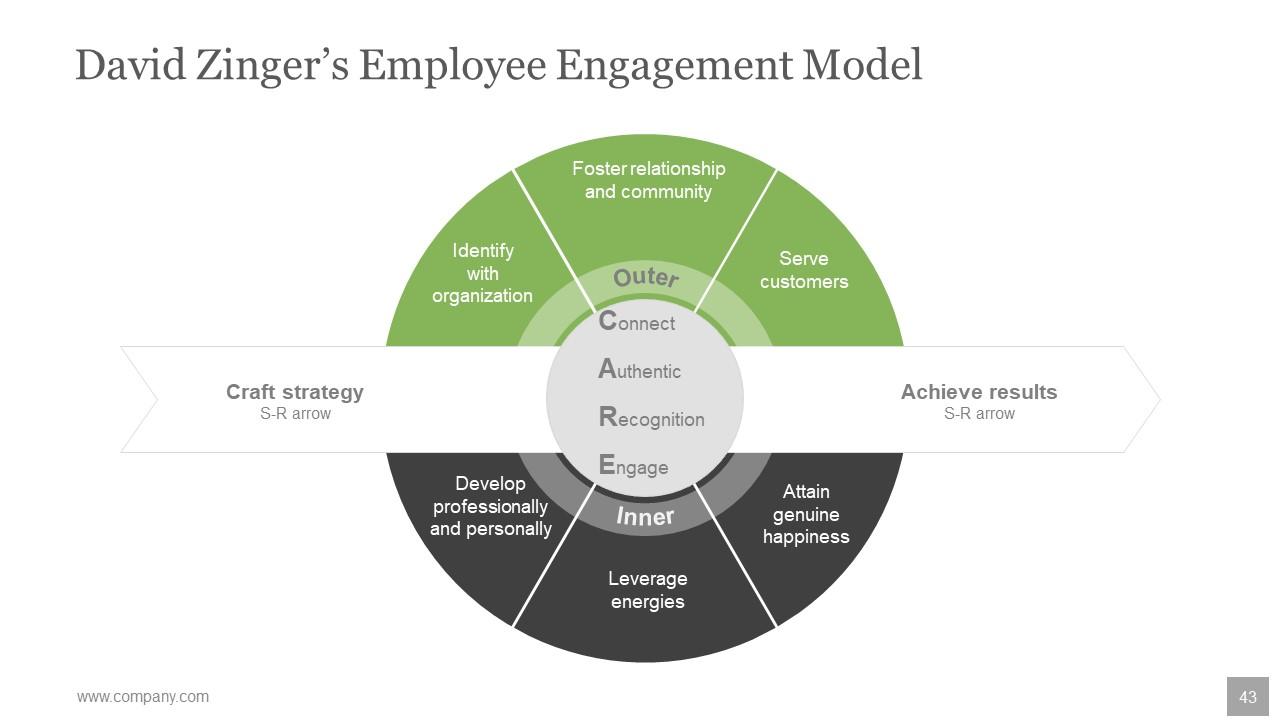
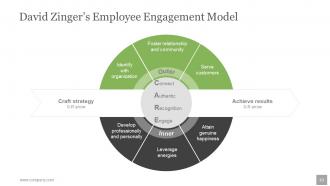
Slide 43: This slide shows a David Zinger’s Employee Engagement Model displaying- Outer, Inner, Foster relationship and community, Identify with organization, Serve customers, Attain genuine happiness, Develop professionally and personally, Leverage energies, Enliven work roles, Excel at performances, Achieve results, S-R arrow, Craft strategy, S-R arrow, Connect Authentic Recognition Engage.
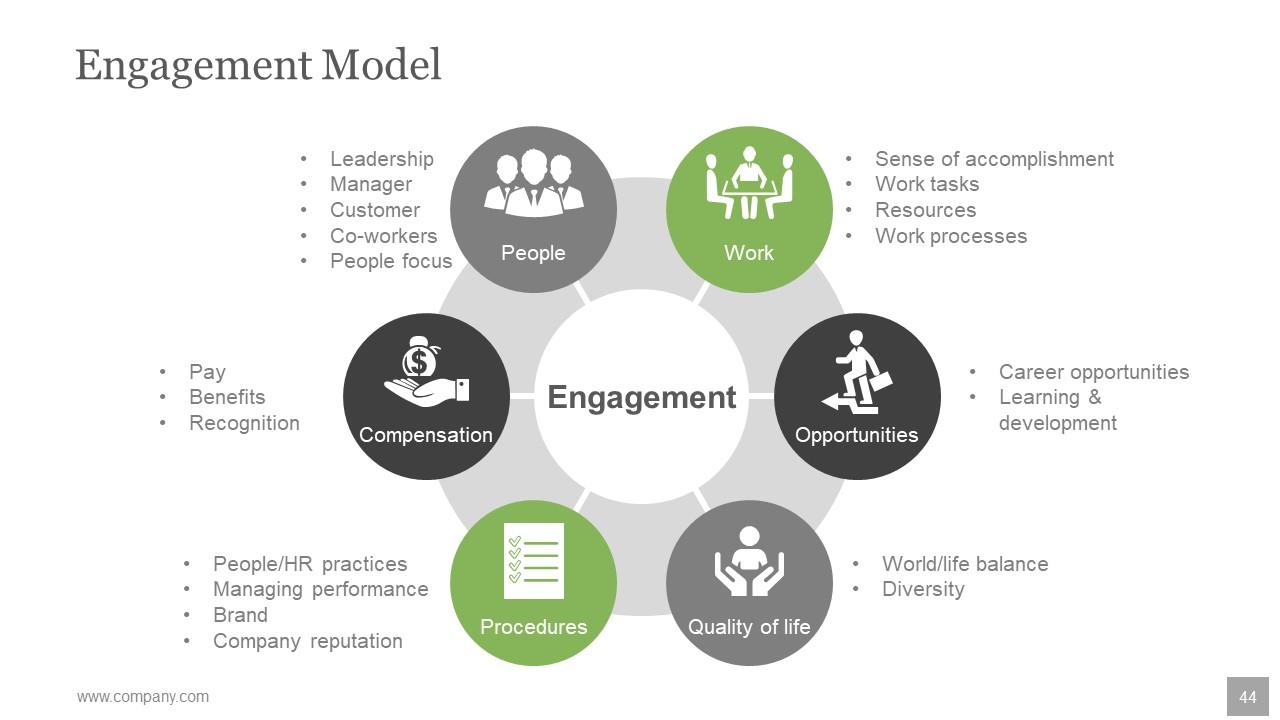
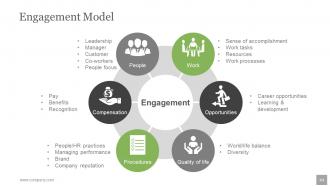
Slide 44: This slide presents an Engagement Model showcasing- Leadership, Manager, Customer, Co-workers, People focus, Pay, Benefits, Recognition, People/HR practices, Managing performance, Brand, Company reputation, Sense of accomplishment, Work tasks, Resources, Work processes, Career opportunities, Learning & development, World/life balance, Diversity, People, Work, Opportunities, Quality of life, Compensation, Procedures.
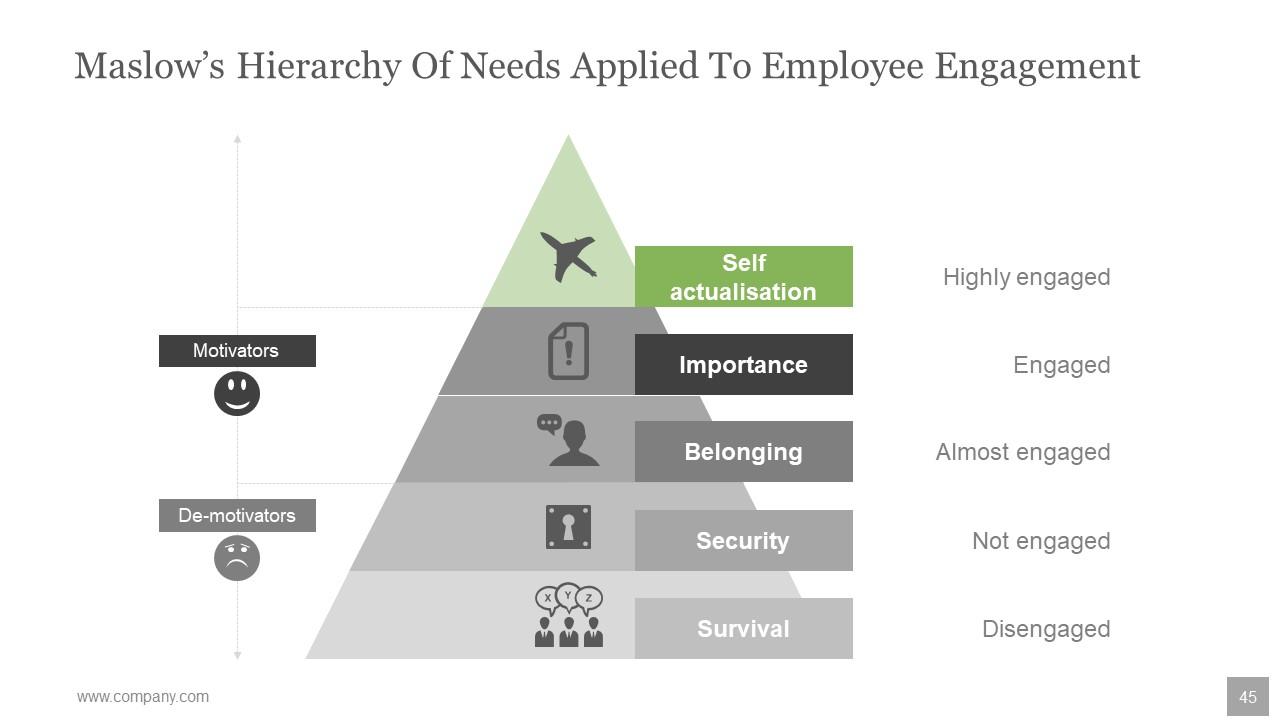
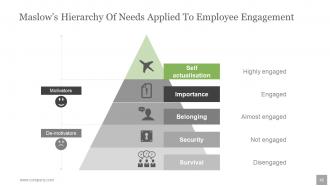
Slide 45: This slide displays Maslow‘s Hierarchy Of Needs Applied To Employee Engagement.
Slide 46: This slide is titled RECRUITMENT METRICS.
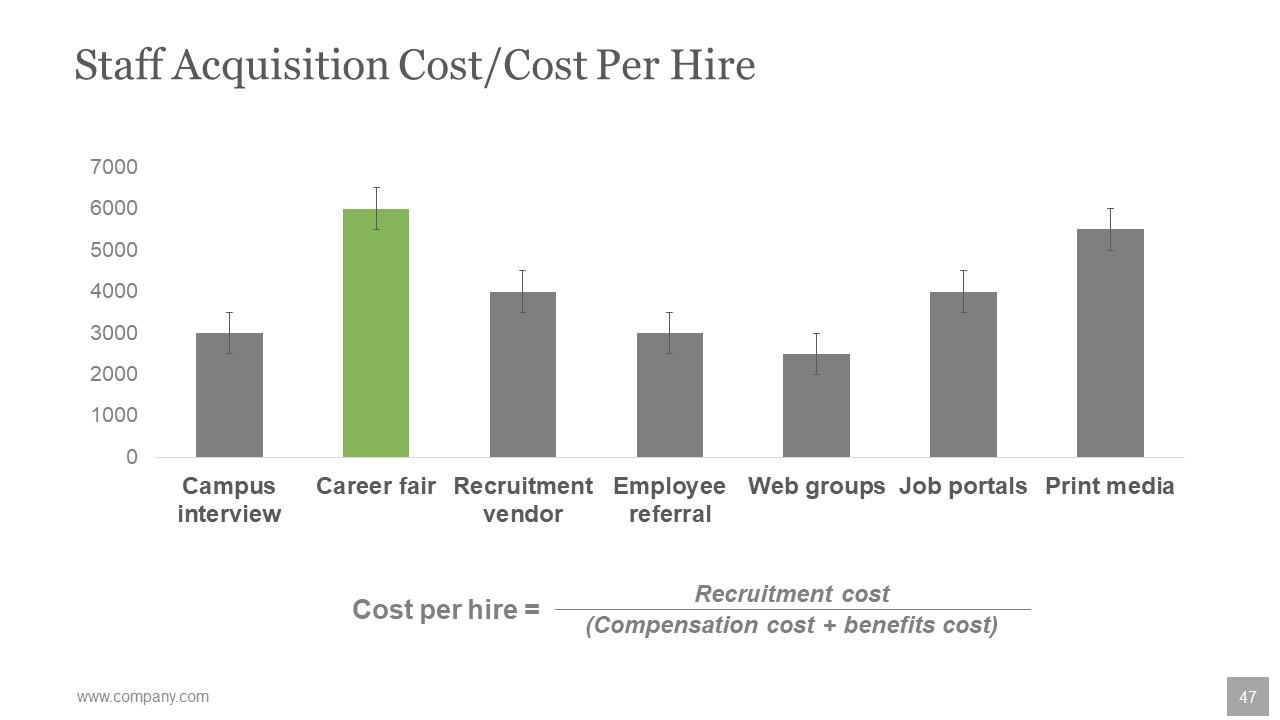
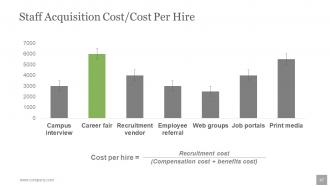
Slide 47: This slide shows Staff Acquisition Cost/Cost Per Hire in graph form.
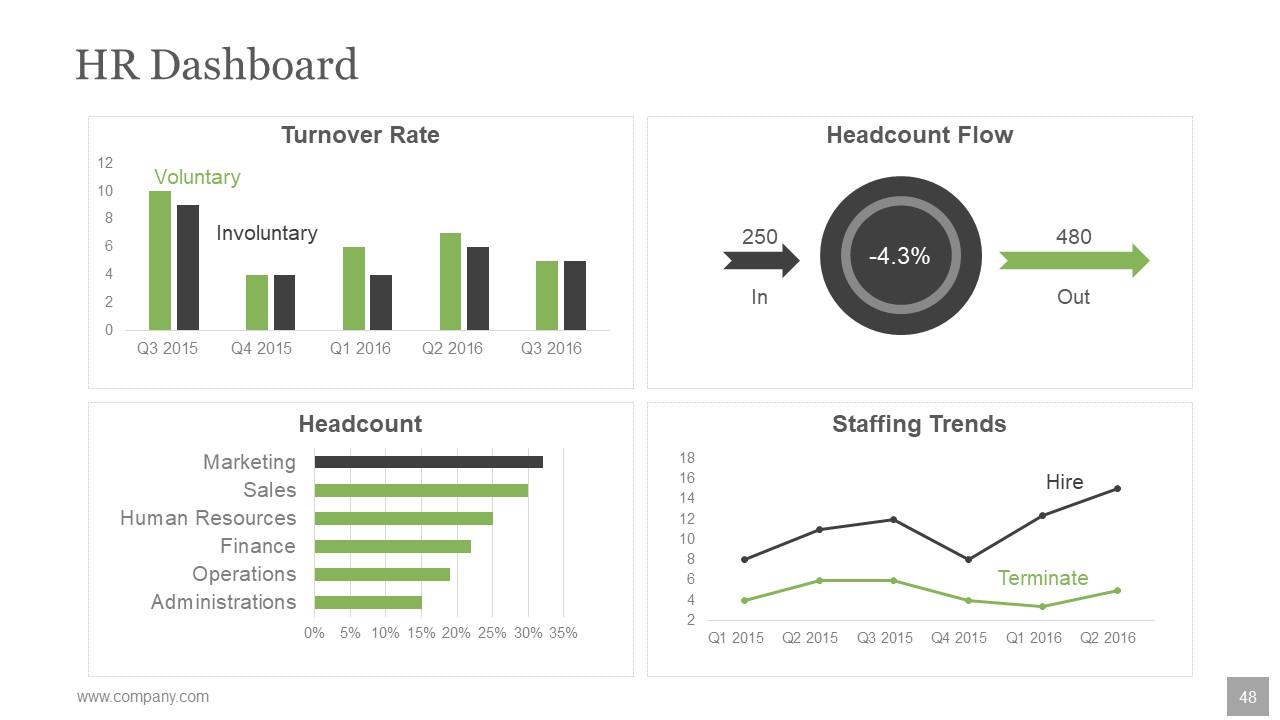
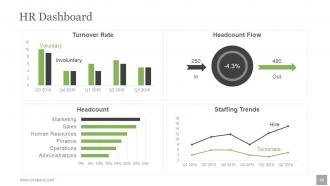
Slide 48: This slide presents an HR Dashboard showing- Span of control, Direct compensation change, Flow through rate, Headcount flow, Key health metrics, Previous 4 quarters, Change, Manager instability rate, Registration rate, Top 3 potential areas of concern, For SMB services, For products, For human resources, Top talent turnover rate, Turnover rate.
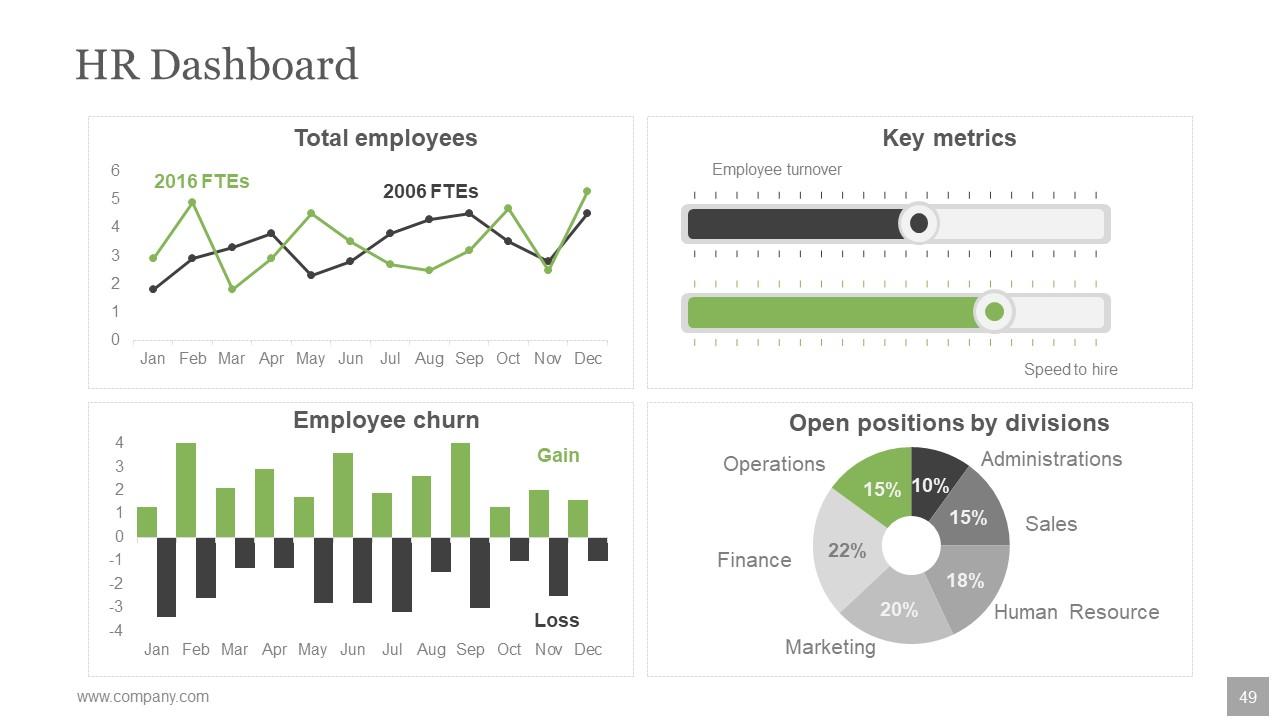
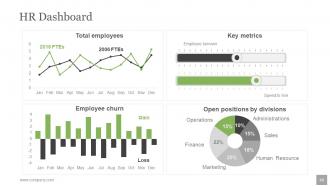
Slide 49: This slide also showcases HR Dashboard displaying- Total employees, Open positions by divisions, Administrations, Key metrics, Employee turnover.
Slide 50: This slide is titled Additional Slides to proceed forward. You can change the slide content as per need.
Slide 51: This is Our Mission slide with Vision, Goal and Strategy slide with icons. State all these aspects here.
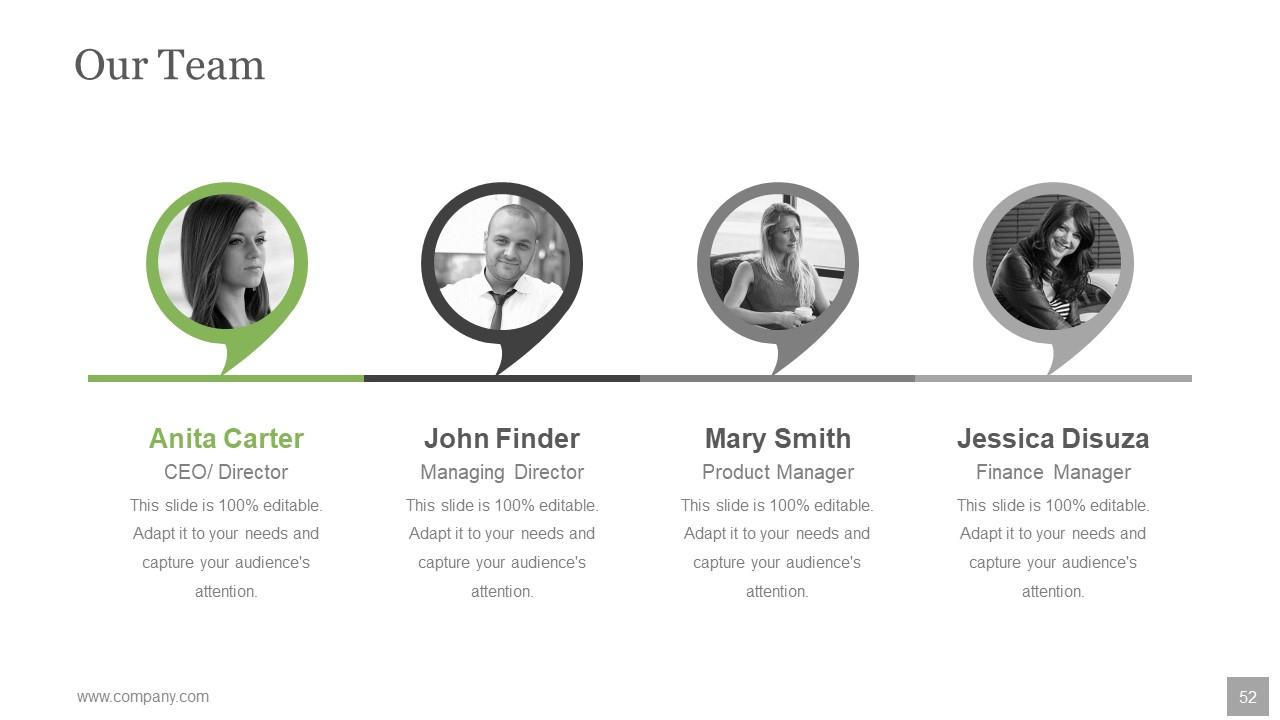
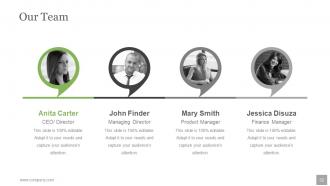
Slide 52: This slide showcases Our Team specifications with name, designation and image boxes.
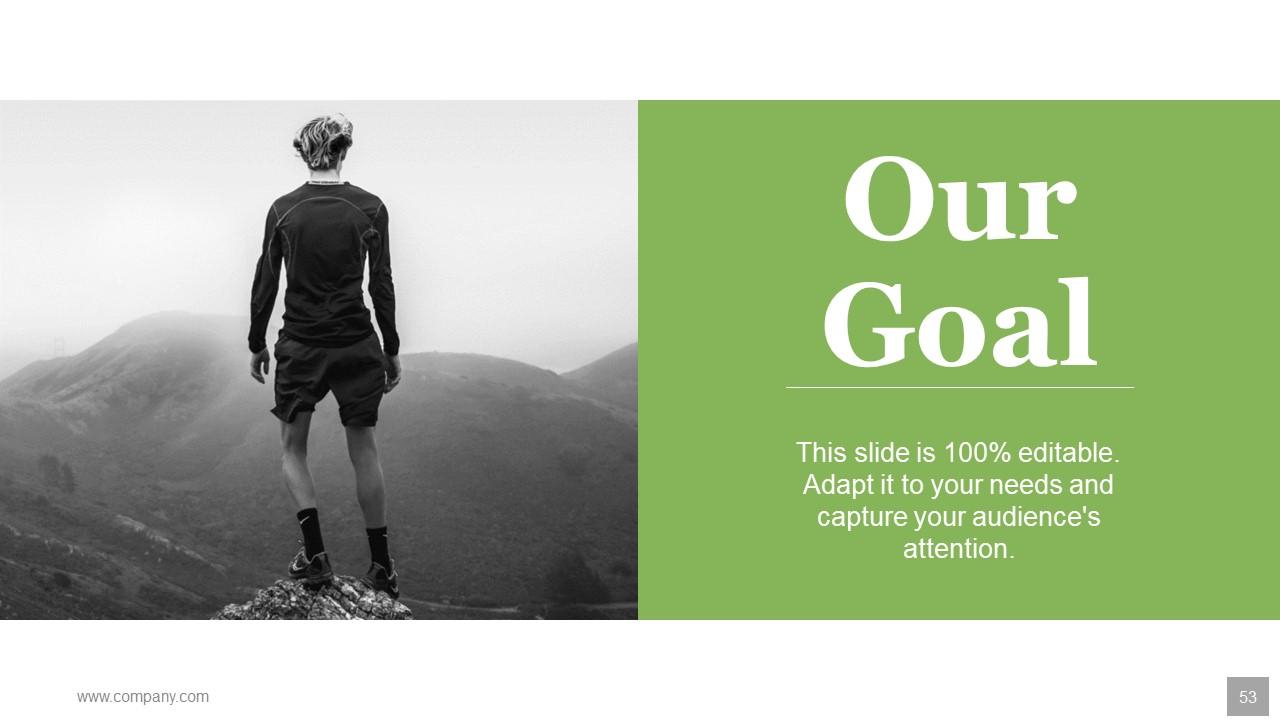
Slide 53: This is an Our Goal slide. State goals etc. here.
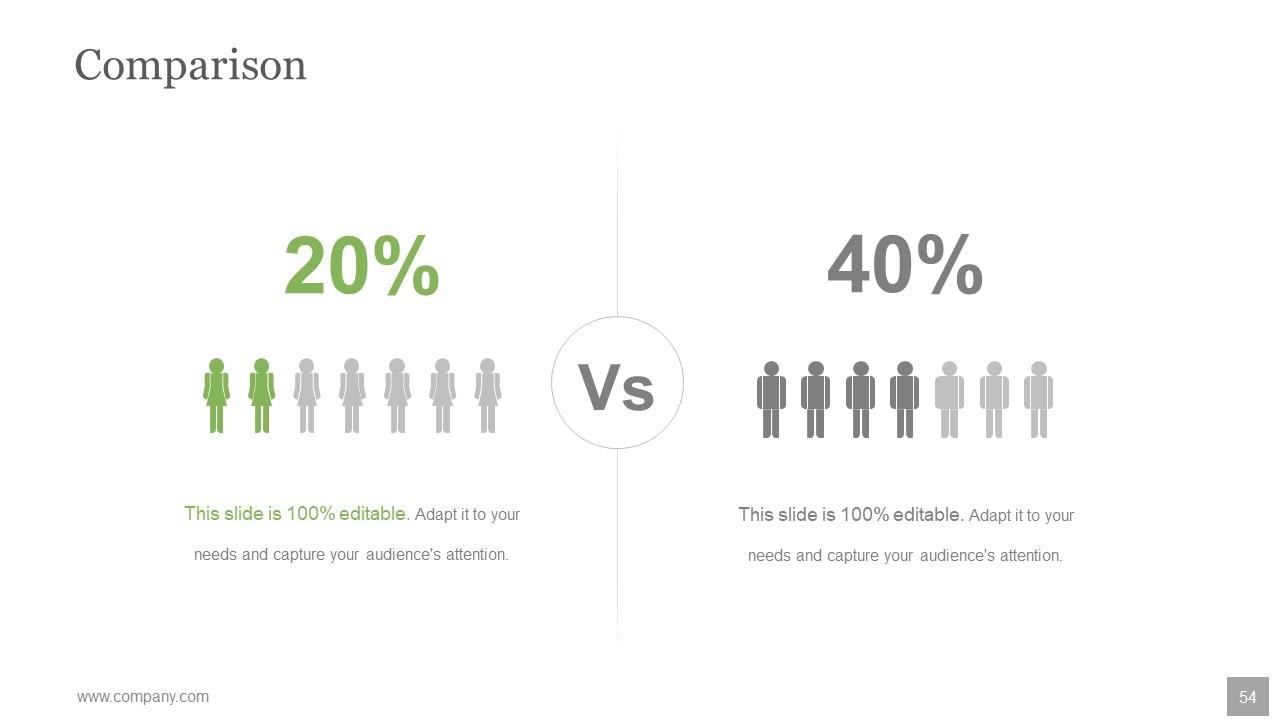
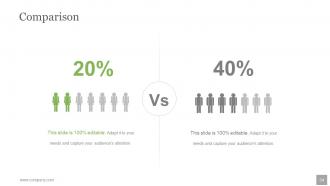
Slide 54: This is a Comparison slide for comparing entities/products etc. here.
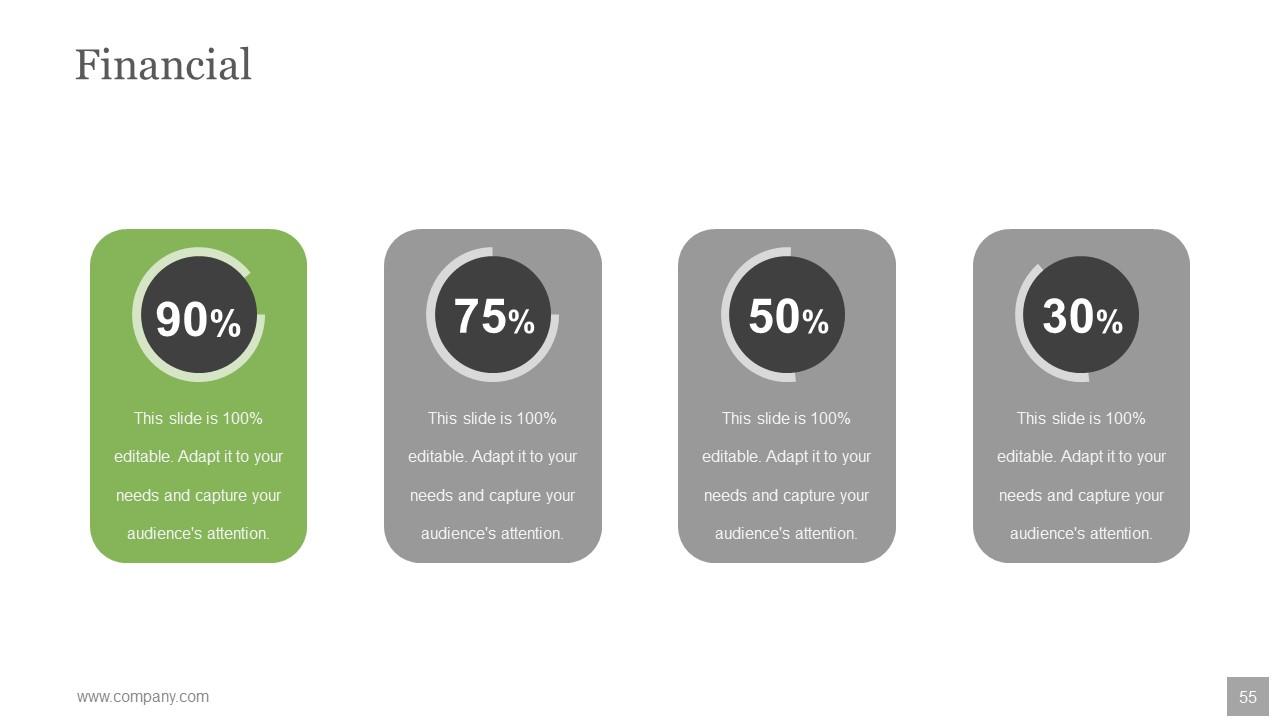
Slide 55: This is a Financial score slide. State financial aspects etc. here.
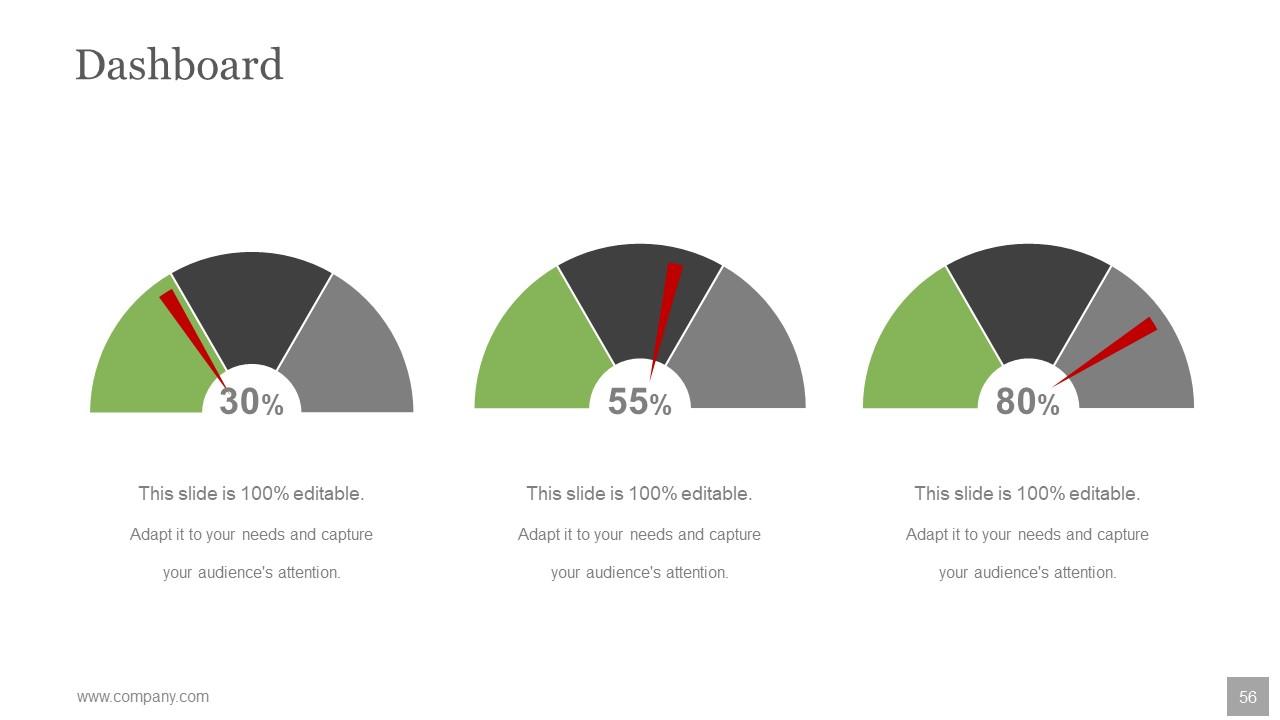
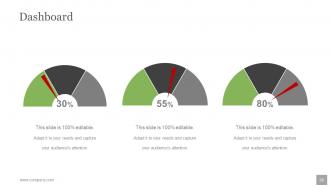
Slide 56: This is a Dashboard slide to state metrics, kpis etc.
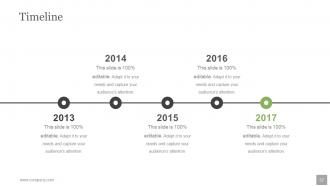
Slide 57: This is a Timeline slide to show evolution, journey, growth, milestones etc.
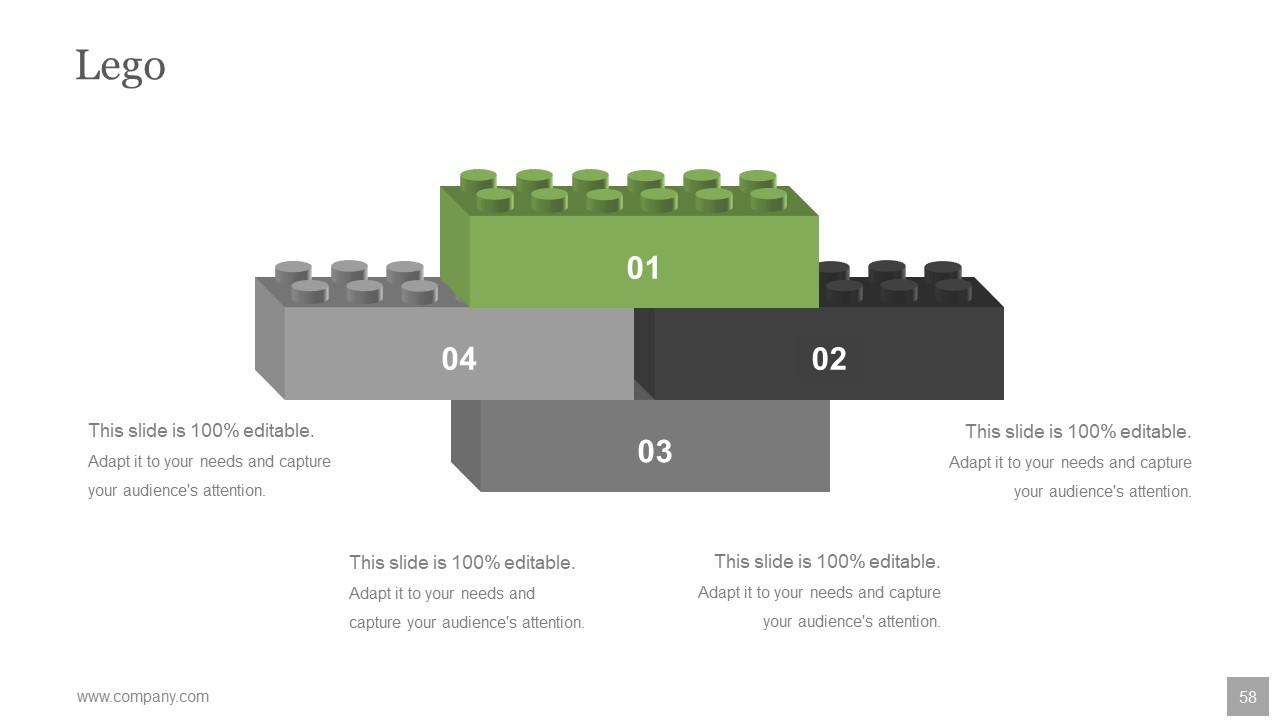
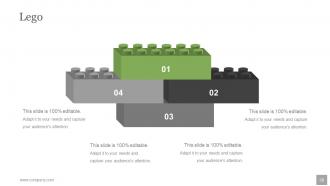
Slide 58: This slide showcases Lego imagery. Present information, specifications etc. here.
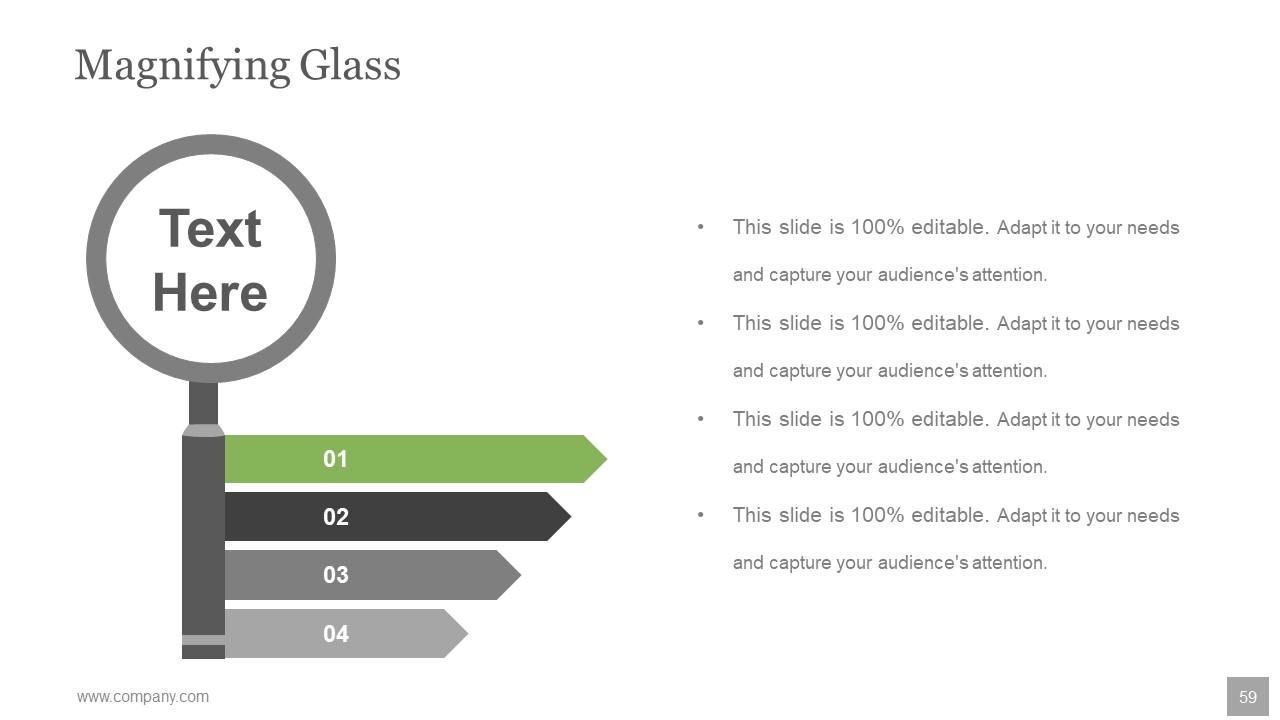
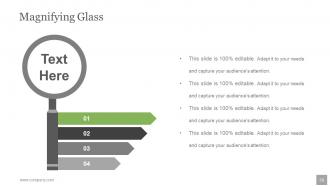
Slide 59: This slide shows a Magnifying glass image with text boxes. State information etc. here.
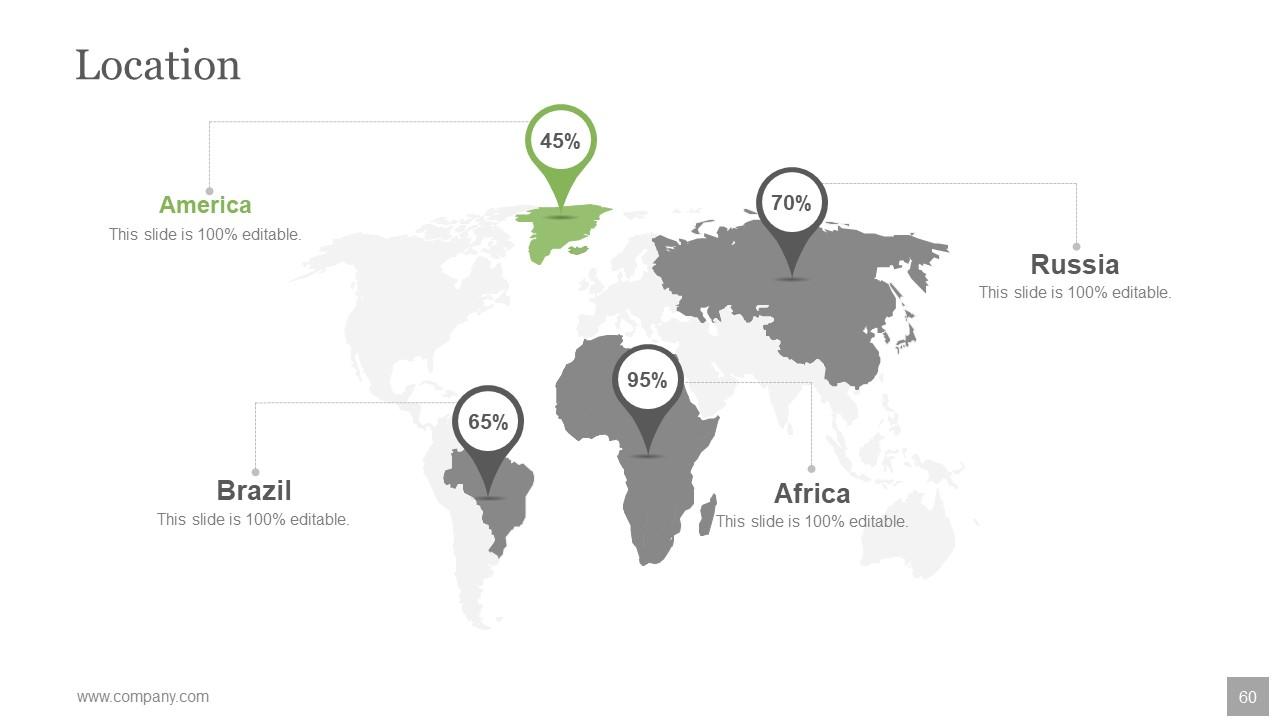
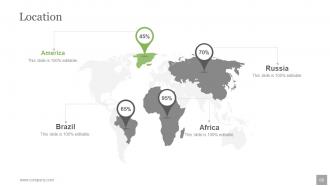
Slide 60: This is a Location slide of world map image to show global presence, growth etc.
Slide 61: This is a Thank You slide with Address# street number, city, state, Contact Numbers, Email Address.
Human Resources Planning Development Methods Powerpoint Presentation Slides with all 61 slides:
Elaborate on the interrogation with our Human Resources Planning Development Methods Powerpoint Presentation Slides. Familiarize folks with the information gathered.
-
Easily Editable.
-
Great designs, Easily Editable.
